


5 Home Improvements That Increase Value vs 3 That Don’t (Glass Rooms Ranked #1)
Expert analysis reveals which home improvements deliver real ROI in 2026 and which investments to avoid. Make smarter decisions with your renovation budget.
Quick Answer: What Adds Most Value?
Glass extensions (conservatories, orangeries, and glass rooms) rank #1 for home improvement ROI in 2026, adding 5-10% to property value with typical returns of 70-108% on investment. Kitchen renovations (#2) and loft conversions (#3) also perform well, while swimming pools, highly personalised renovations, and poorly planned garage conversions typically fail to return their cost.
The key factors determining ROI are: universal appeal (do most buyers want it?), quality of execution (will it last?), and appropriate scale (does it match the property and area?).
Why ROI Matters for Home Improvements
Before diving into the rankings, it’s important to understand what we mean by return on investment (ROI) in the context of home improvements. ROI measures how much of your investment you recoup when you sell your property, expressed as a percentage.
An ROI of 100% means you get back exactly what you spent. Above 100% means your improvement added more value than it cost. Below 100% means you lost money on the investment from a purely financial perspective.
However, ROI isn’t everything. Some improvements that don’t deliver strong financial returns still make perfect sense if they significantly improve your quality of life and you plan to stay in your home for many years. The key is making informed decisions rather than assuming all improvements automatically increase value.
The 2026 UK Property Context
According to the UK House Price Index, average property values reached £269,000 in June 2025, with an annual increase of 3.7%. The South East continues to command premium prices, with properties in Kent, Surrey, and Sussex averaging significantly higher. In this market, strategic improvements that add genuine value can translate to substantial financial gains.
Research from the Home Improvement Index shows that over 70% of buyers now prioritise energy efficiency, while 59% would pay a premium for homes with strong environmental credentials. These buyer preferences directly impact which improvements deliver the best ROI.
The 5 Home Improvements That Increase Value
Based on extensive market research, estate agent surveys, and property valuation data, these five improvements consistently deliver positive returns on investment:
Glass Extensions (Conservatories, Orangeries, Glass Rooms)
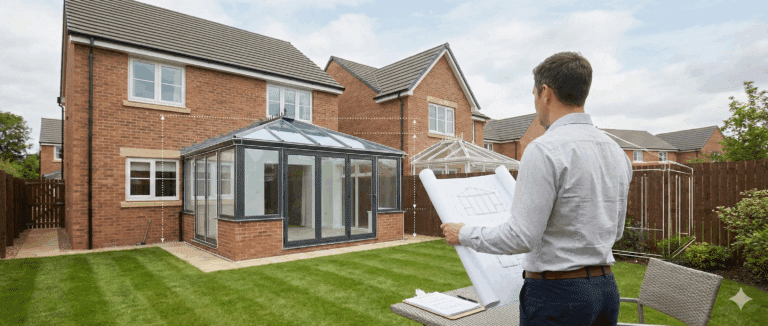
Glass extensions consistently top the charts for home improvement ROI. They add valuable living space, flood homes with natural light, create seamless indoor-outdoor connections, and appeal to the vast majority of buyers. Modern heat-controlled glass ensures year-round comfort, addressing the historic concern about conservatories being too hot in summer and too cold in winter. Quality installations with proper thermal performance can exceed 100% ROI, particularly in the South East where outdoor living space is highly prized.
Kitchen Renovation
The kitchen remains the heart of the home and a major factor in buying decisions. A dated kitchen can significantly reduce offers, while a modern, well-designed kitchen attracts buyers and commands premium prices. The key is choosing timeless designs rather than ultra-trendy styles that may date quickly. Focus on quality worktops, good storage, modern appliances, and neutral colour schemes that allow buyers to envision their own touches.
Loft Conversion
Adding an extra bedroom through a loft conversion can dramatically increase property value, particularly in areas where larger homes command significant premiums. A loft conversion that adds a fourth bedroom to a three-bedroom home can increase value by 10-20%. The ROI percentage is lower than glass extensions due to higher costs, but the absolute value increase is often substantial. En-suite bathrooms add further appeal.
Bathroom Renovation
Outdated bathrooms are a common buyer turn-off. A modern bathroom renovation with quality fixtures, good tiling, and efficient layouts appeals strongly to buyers. Adding an en-suite to the master bedroom or converting a single bathroom home to have two bathrooms can significantly boost value. As with kitchens, neutral, timeless designs outperform bold or highly personalised choices.
Energy Efficiency Improvements
With over 70% of buyers prioritising energy efficiency, improvements like new windows, insulation, efficient heating systems, and solar panels increasingly impact property values. Homes with higher EPC ratings command premium prices and sell faster. The best returns come from addressing major efficiency issues (old boilers, single glazing, poor insulation) rather than adding features to already-efficient homes.
Why Glass Extensions Rank #1
Glass extensions consistently outperform other home improvements for several compelling reasons:
Universal Buyer Appeal
Unlike highly personalised renovations, glass extensions appeal to almost every buyer demographic. Families want extra space for children to play. Empty nesters value the light and garden connection. Young professionals appreciate the contemporary aesthetic. Retirees enjoy the year-round garden views. This universal appeal translates directly to higher offers and faster sales.
Usable Living Space at Lower Cost
Compared to traditional brick extensions, glass rooms add equivalent living space at typically 30-50% lower cost with significantly less disruption. A quality orangery or glass room can be installed in weeks rather than months, with minimal impact on daily life during construction.
Glass Extension Value Comparison
Research from Checkatrade and industry data shows glass extensions outperform other extension types:
- Premium glass room: Up to 10% property value increase
- Quality orangery: 6-8% value increase
- Modern conservatory: 5-7% value increase
- Traditional brick extension: 5-6% value increase (but higher cost)
- Basic conservatory: 3-5% value increase
Year-Round Usability with Modern Glass
Historic concerns about conservatories being “too hot in summer, too cold in winter” have been comprehensively addressed by modern glass technology. New Generation Glass blocks up to 86% of solar heat while maintaining excellent light transmission, creating comfortable spaces usable 365 days a year. This year-round functionality dramatically increases both enjoyment and resale value.
Natural Light and Wellbeing Benefits
Research consistently shows that natural light improves mood, productivity, and overall wellbeing. Properties flooded with natural light sell faster and command higher prices. Glass extensions maximise light penetration deep into properties, transforming dark kitchens and living areas into bright, inviting spaces.
Indoor-Outdoor Living Trend
The desire to connect indoor and outdoor living spaces has accelerated dramatically since 2020. Buyers increasingly prioritise properties that blur the boundaries between home and garden. Glass extensions with bi-fold or sliding doors create exactly this seamless connection that modern buyers demand.
The 3 Home Improvements That Don’t Add Value
While the improvements above consistently deliver positive returns, these three categories frequently fail to recoup their cost or can even reduce property appeal:
Swimming Pools
Despite their appeal, swimming pools rarely add proportionate value in the UK climate. Many buyers view them as expensive maintenance burdens, safety concerns for families with children, and space that could be better used as garden. Indoor pools fare slightly better but still rarely recover their cost. Unless you plan to stay for many years and will genuinely use and enjoy the pool, the financial case simply doesn’t stack up.
Highly Personalised Renovations
Bold colour schemes, quirky features, highly specific hobby rooms, and taste-dependent finishes may suit your lifestyle perfectly but can significantly limit your buyer pool when selling. That bright purple feature wall, home cinema with fixed seating, or specialist wine cellar may need to be removed or redone by buyers, reducing what they’re willing to pay. The more personalised your choices, the fewer buyers will share your vision.
Garage Conversions (Location Dependent)
Garage conversions can add value in areas where parking is plentiful, but they frequently reduce value in urban locations where off-street parking is essential. Losing a garage in London, city centres, or areas with permit parking can make properties significantly harder to sell. Always assess local parking conditions and buyer expectations before converting. Poor-quality conversions that feel like afterthoughts also underperform dramatically.
The Over-Improvement Trap
One often-overlooked value destroyer is over-improving beyond neighbourhood standards. Installing a £50,000 kitchen in a £200,000 property, or adding luxury features that exceed what local buyers expect, rarely recovers the investment. Your home’s value is partly anchored by surrounding properties. Improvements should enhance your home within its market context, not try to create a mansion on a modest street.
Complete ROI Comparison Table
This comprehensive table compares the ROI potential of common home improvements:
| Improvement | Typical Cost | Value Added | ROI Range | Verdict |
|---|---|---|---|---|
| Glass Extension | £15k-£80k+ | 5-10% | 70-108% | Excellent |
| Kitchen Renovation | £8k-£30k+ | 5-10% | 60-80% | Very Good |
| Loft Conversion | £30k-£60k | 10-20% | 50-75% | Good |
| Bathroom Renovation | £5k-£15k | 3-5% | 50-70% | Good |
| Energy Efficiency | £5k-£25k | 3-8% | 40-80% | Good |
| Garden Landscaping | £2k-£15k | 2-5% | 40-60% | Moderate |
| New Windows | £5k-£15k | 2-5% | 40-60% | Moderate |
| Garage Conversion | £10k-£20k | Variable | 20-80% | Location Dependent |
| Swimming Pool | £30k-£100k+ | 0-5% | 20-50% | Poor |
| Personalised Features | Varies | Variable | 0-40% | Risky |
Regional Considerations for the South East
ROI varies significantly by location. Here’s what homeowners in Kent, Surrey, Sussex, and London should know:
Premium on Outdoor Living Space
The South East places particularly high value on quality outdoor living space and garden rooms. With property prices significantly above the national average, buyers expect homes to maximise their potential. Glass extensions that create seamless indoor-outdoor connections perform exceptionally well in this market, often exceeding national ROI averages.
Energy Efficiency Demands
With higher property values comes greater scrutiny of running costs. South East buyers are particularly focused on energy efficiency, making high-performance glazing and insulation valuable investments. Properties with poor energy ratings face significant price penalties.
Parking Remains Critical
In many South East locations, off-street parking is essential. Before converting garages or reducing parking provision, carefully assess local demand. What works in rural Kent may not work in suburban Surrey or urban London.
Quality Expectations
South East buyers expect quality. Budget installations that look cheap or won’t last underperform significantly compared to quality work. Investing in premium materials and skilled installation delivers better returns than cutting corners on lower-cost work.
How to Maximise Your ROI
Regardless of which improvement you choose, these principles help maximise your return:
1. Choose Universal Appeal Over Personal Taste
Select designs, colours, and features that appeal to the broadest possible buyer pool. Neutral kitchens, classic bathroom styles, and timeless glass extensions outperform bold or quirky choices. You can always add personal touches with easily changeable elements like paint, soft furnishings, and accessories.
2. Prioritise Quality Over Quantity
One high-quality improvement typically delivers better ROI than multiple budget projects. A well-designed, professionally installed glass room will outperform a cheap conservatory, budget kitchen, and basic bathroom renovation combined. Quality lasts, looks better, and commands higher prices.
3. Match Improvements to Property Value
Scale your improvements appropriately. Spending £100,000 on a home worth £300,000 is proportionally much larger than the same spend on a £600,000 property. Aim for improvements that represent 10-25% of current property value for optimal ROI.
4. Consider Timing Carefully
If selling soon, focus on cosmetic improvements with immediate impact. If staying for 5+ years, larger structural improvements can deliver excellent returns while you enjoy the benefits. The longer you stay, the more you benefit from both the lifestyle improvement and eventual resale value.
5. Research Local Market Preferences
What buyers want varies by location. Research recent sales in your area, talk to local estate agents, and understand what features command premiums locally. An improvement that delivers 80% ROI nationally might deliver 100%+ in the right location.
The Room Outside Approach
At Room Outside, we’ve helped hundreds of homeowners across Kent, Surrey, Sussex, and London make value-adding improvements to their properties. Our free design consultations include honest advice about what will work for your specific property and circumstances. We believe in providing guidance that serves your interests, not just securing a sale.
Making the Right Decision
The best home improvement is one that delivers both lifestyle benefits and financial returns. Glass extensions consistently achieve this dual outcome, which is why they rank #1 in our analysis.
However, ROI shouldn’t be your only consideration. If you’ll genuinely use and love a swimming pool for the next 20 years, the lifestyle value may justify the poor financial return. If a bold kitchen design brings you daily joy, that matters too.
The key is making informed decisions. Understand the likely financial impact of your choices. Balance personal enjoyment against resale considerations. And when possible, choose improvements that deliver both quality of life benefits and strong returns.
Glass extensions achieve exactly this balance, which is why they’ve become the UK’s most popular value-adding home improvement. They create beautiful, usable space that you’ll enjoy every day while adding genuine, measurable value to your property.


Areas We Cover
Room Outside provides value-adding glass extensions across the South East of England:
Want to discuss how a glass extension could add value to your property? Book a free consultation or call us on 01243 538999.
Sources and References
UK House Price Index June 2025; Checkatrade Home Improvement Survey 2025; Nationwide Building Society Property Value Research; Rightmove Housing Market Analysis; Federation of Master Builders Cost Data; Home Improvement Index 2025; Glass and Glazing Federation Industry Data; Room Outside Project Data 2020-2025.
Frequently Asked Questions
What home improvement adds the most value in the UK?
Glass extensions (conservatories, orangeries, and glass rooms) add the most value in the UK, typically increasing property value by 5-10%. High-quality installations with proper thermal control can add even more, particularly in the South East where outdoor living space is highly valued by buyers.
How much value does a conservatory add to a house?
A quality conservatory adds 5-7% to property value on average. Modern glass rooms with advanced thermal glazing can add up to 10%. The key factors are build quality, year-round usability, and how well it integrates with the existing property.
What home improvements don’t add value?
Swimming pools (lose 50-80% of cost), highly personalised renovations (bold colours, niche features), and garage conversions in areas where parking is essential typically fail to add proportionate value. Over-improving beyond neighbourhood standards also reduces ROI.
Is a glass extension worth the investment?
Yes – glass extensions offer one of the best ROIs of any home improvement. They add usable living space, increase natural light, improve quality of life, and appeal strongly to buyers. Modern heat-controlled glass ensures year-round comfort, maximising both enjoyment and resale value.
What is the average ROI on a conservatory?
The average ROI on a quality conservatory is 70-108%. A £30,000 conservatory typically adds £21,000-£32,000 to property value. Premium glass rooms with advanced features often exceed 100% ROI due to the significant usable space and lifestyle benefits they provide.
Does a kitchen extension add more value than a conservatory?
Both add similar value (5-10%), but glass extensions typically cost less and cause less disruption. Kitchen extensions require more structural work, longer build times, and higher costs. Glass rooms offer comparable value increase with faster installation and lower investment.
How do I know if a home improvement will add value?
Consider three factors: universal appeal (do most buyers want it?), quality of execution (will it last and look good?), and appropriate scale (does it match your property and area?). Improvements meeting all three criteria typically deliver strong ROI.
Should I improve my home before selling?
Minor cosmetic improvements often pay off when selling soon. Major improvements like glass extensions deliver better value if you’ll enjoy them for several years before selling. Avoid major work purely for sale – buyers often prefer to choose their own specifications.
Why do swimming pools not add value in the UK?
The UK climate limits pool usability to a few months per year. Many buyers see pools as expensive maintenance burdens, safety concerns, and wasted garden space. Unlike in warmer climates, pools are considered luxuries rather than desirable features by most UK buyers.
What adds more value: orangery or conservatory?
Orangeries typically add slightly more value (6-8% vs 5-7%) due to their more substantial construction and year-round usability. However, a quality conservatory with advanced glazing can match or exceed orangery values. Build quality matters more than the category.
How much should I spend on home improvements?
For optimal ROI, aim for improvements representing 10-25% of your property’s current value. Spending more risks over-improving for your area. Focus on quality within an appropriate budget rather than maximising spend.
Do glass extensions need planning permission?
Many glass extensions fall within Permitted Development rights and don’t require planning permission. Restrictions apply to size, height, and boundary proximity. Properties in conservation areas or listed buildings usually need consent. We assess this during free consultations.
Want to discuss adding value to your property? Call our team on 01243 538999 or book a free consultation
Add Real Value to Your Property
Discover how a glass extension could increase your property value while creating beautiful living space you’ll enjoy every day. Book a free design consultation with our team across Kent, Surrey, Sussex, and London.
Room Outside: Value-adding glass extensions since 1973.
Serving West Sussex, Surrey, Kent, Essex, Hampshire, Dorset, Berkshire, Greater London & East Sussex.