Frequently Asked Questions
How can I create a stunning orangery extension for my home?
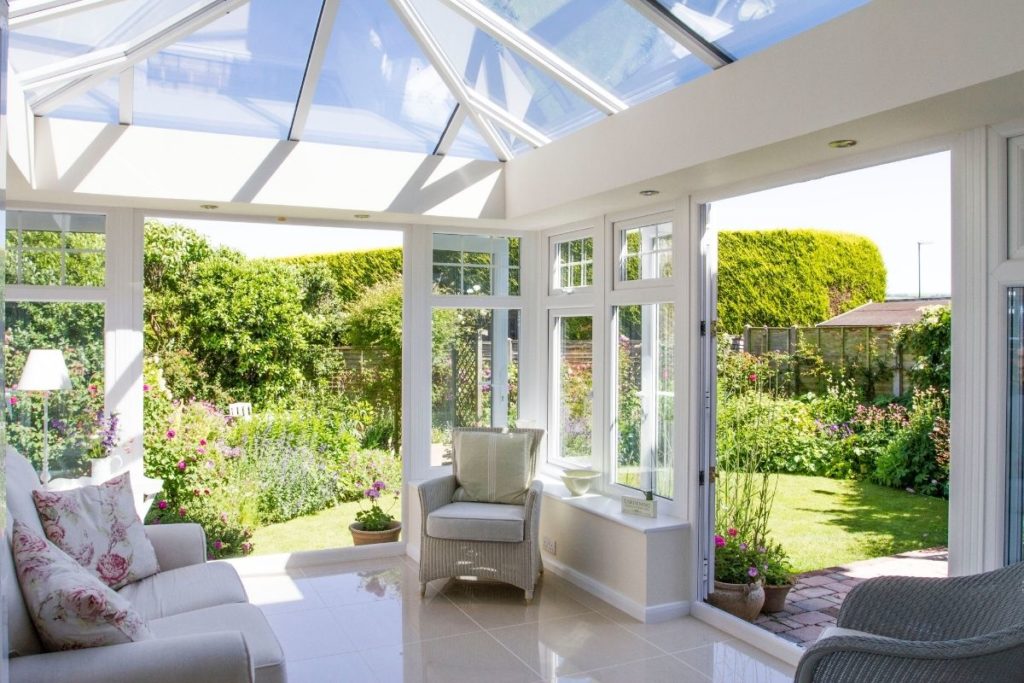
Focus on architectural balance, high-quality materials, and abundant natural light. A well-designed orangery blends solid structure with glazed elements, creating a refined, year-round living space that feels both elegant and functional.
What are some popular ideas for orangery extensions?
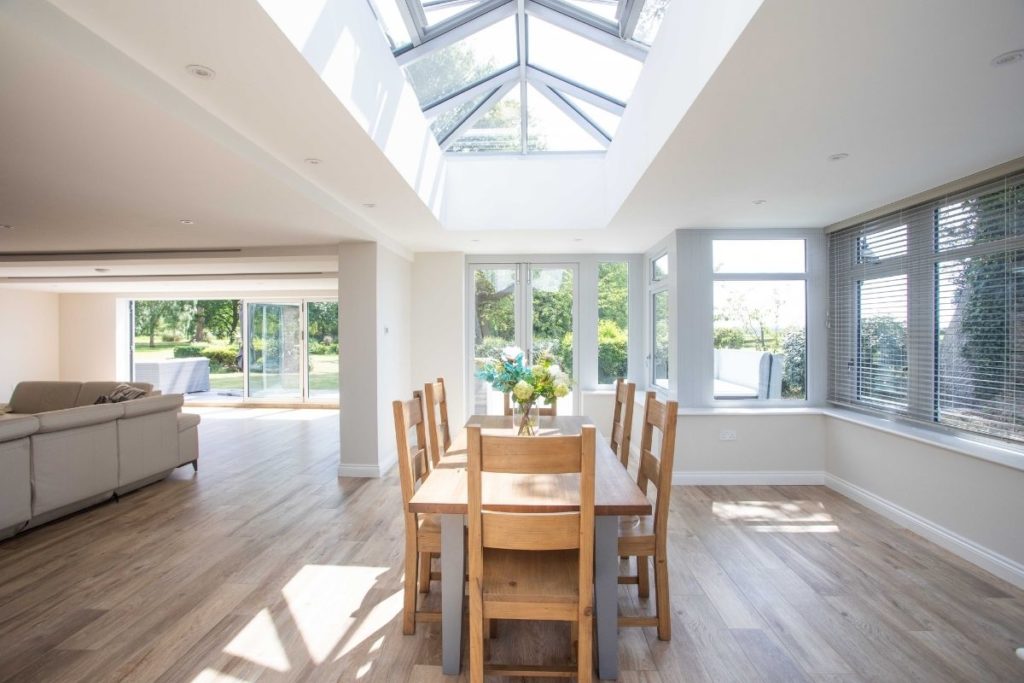
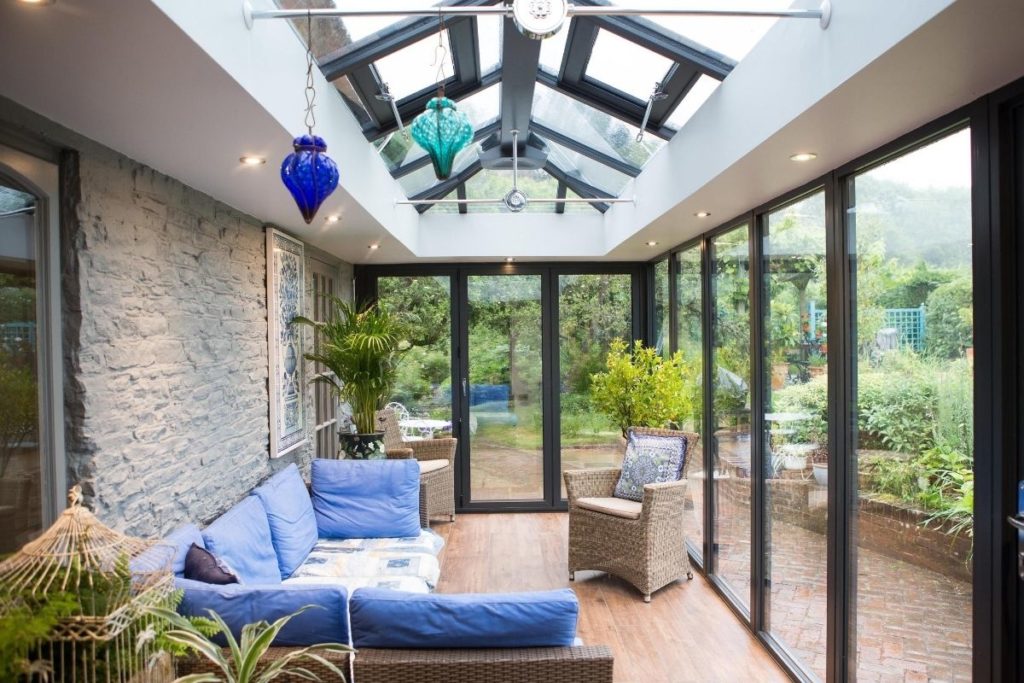
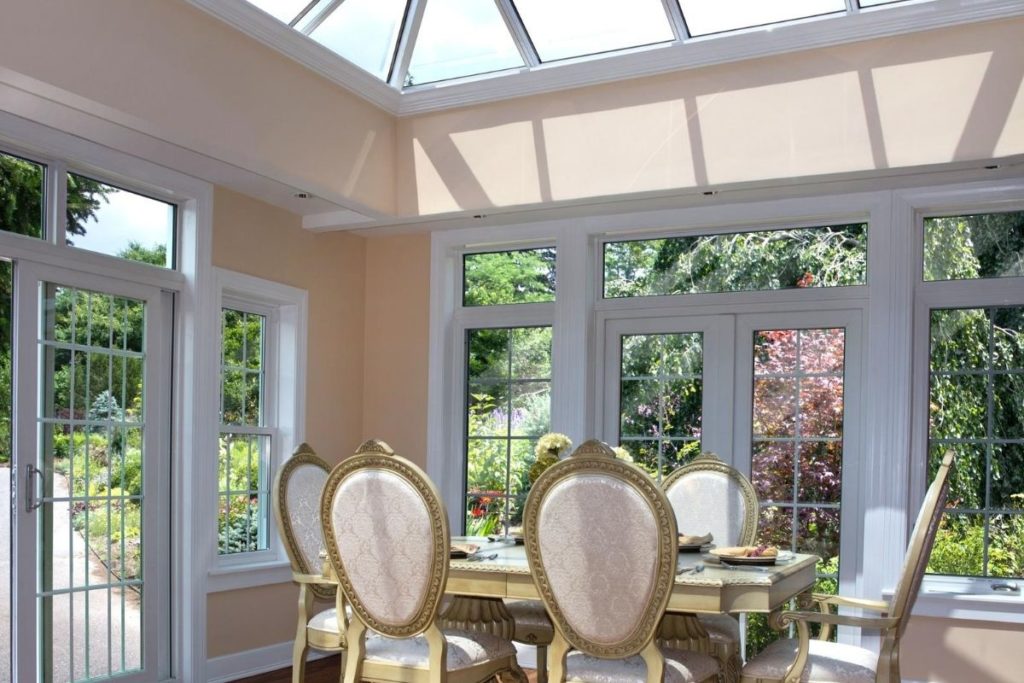
Popular ideas include open-plan kitchen-orangeries, luxury dining spaces, garden lounges, and multifunctional family rooms with roof lanterns and large glazed doors.
What features should I consider when designing an orangery extension?
Key features include roof lanterns, insulated solid roofs, underfloor heating, slim-profile glazing, bespoke doors, and integrated lighting for year-round comfort.
How do orangery extensions enhance the value of a property?
Orangeries add premium living space that appeals to buyers, improving both visual impact and functionality—often delivering a strong return on investment.
What are the benefits of choosing a bespoke orangery extension?
A bespoke orangery is tailored to your home’s architecture, lifestyle needs, and layout, ensuring seamless integration and a truly unique finish.
What styles of orangery extensions are available?
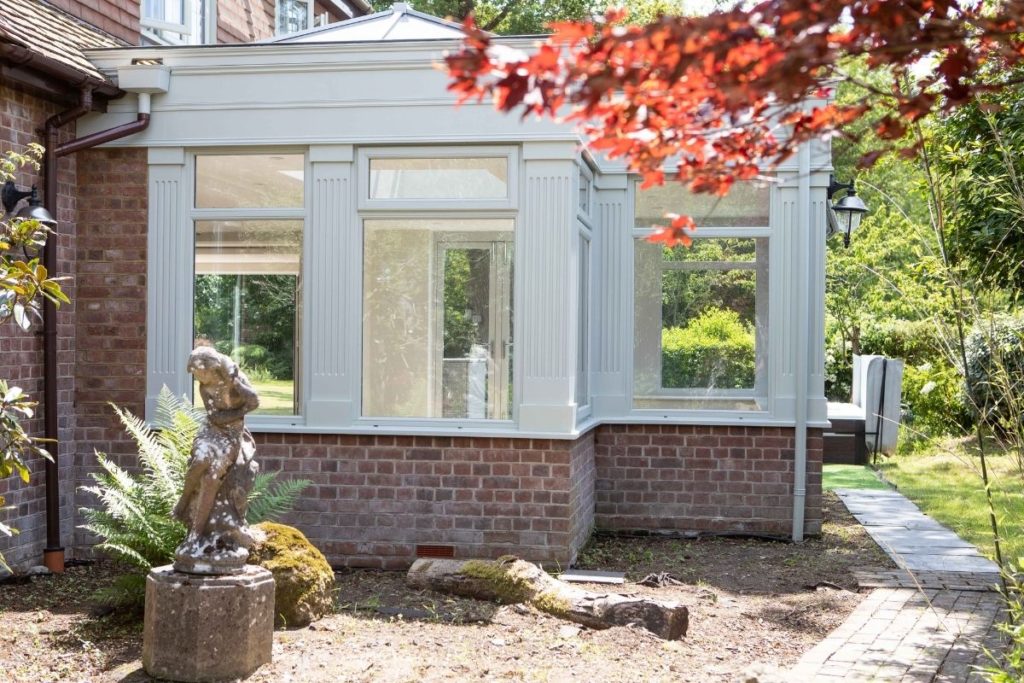
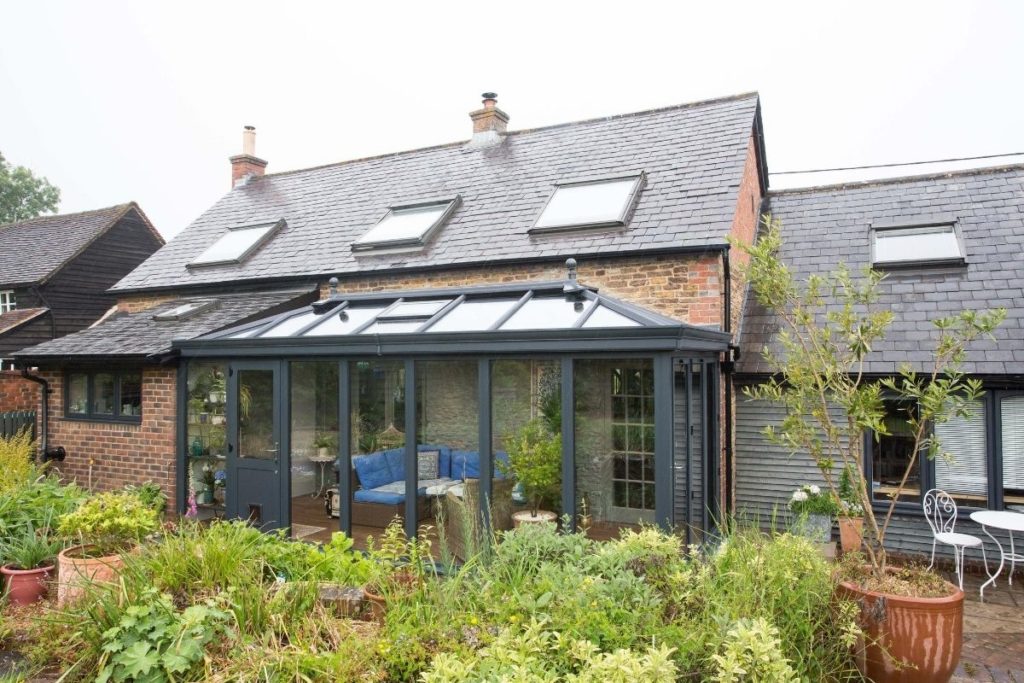
Styles range from classic Georgian and traditional designs to contemporary orangeries with minimalist frames and clean architectural lines.
How to choose the right orangery design?
Consider your home’s character, available space, intended use, and orientation. A balanced design should complement existing architecture while maximizing light and flow.
What materials are best for orangery extensions?
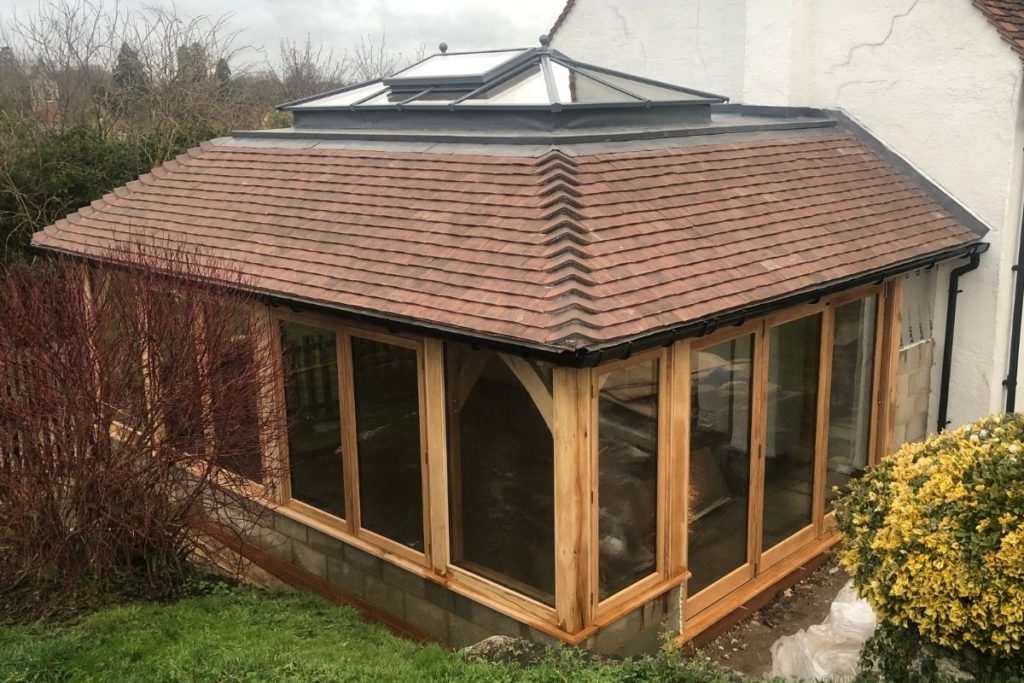
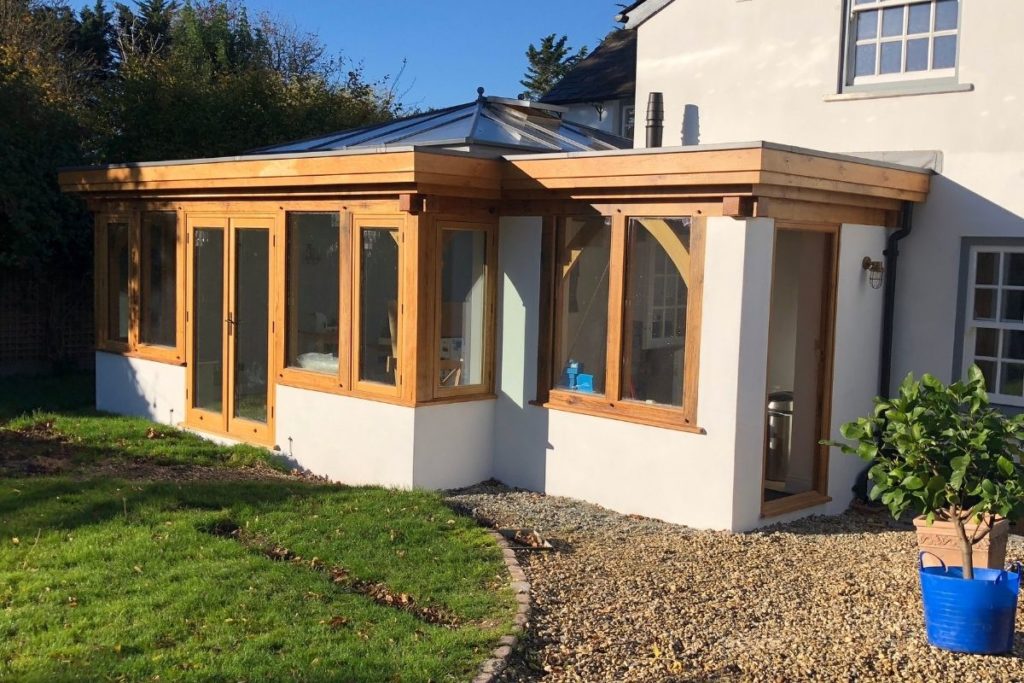
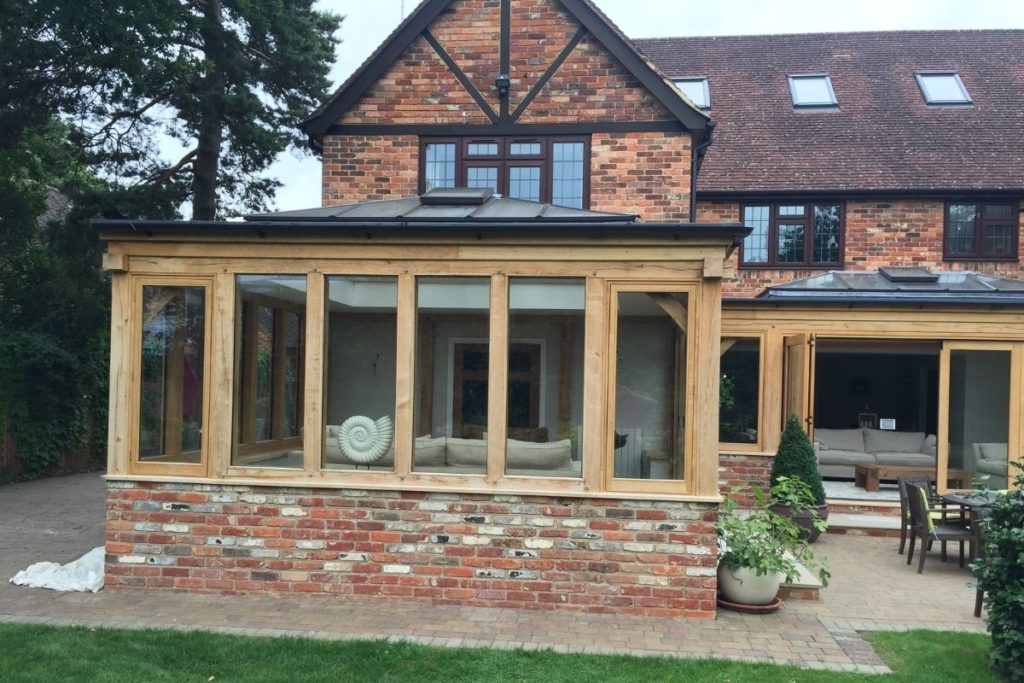
Aluminium offers modern aesthetics and slim sightlines, timber adds warmth and heritage appeal, and hybrid systems combine durability with insulation performance.
How much does an orangery extension cost?
Costs vary based on size, materials, and specification, but orangeries typically sit between conservatories and full extensions in price due to their premium construction.
What are the planning permissions for orangeries?
Many orangeries fall under permitted development, but size, height, and location can affect requirements. Always confirm with local planning authorities.
How to maintain an orangery extension?
Regular cleaning of glazing, occasional frame checks, and annual inspections of seals and roofing ensure long-term performance with minimal effort.
What size should my orangery extension be?
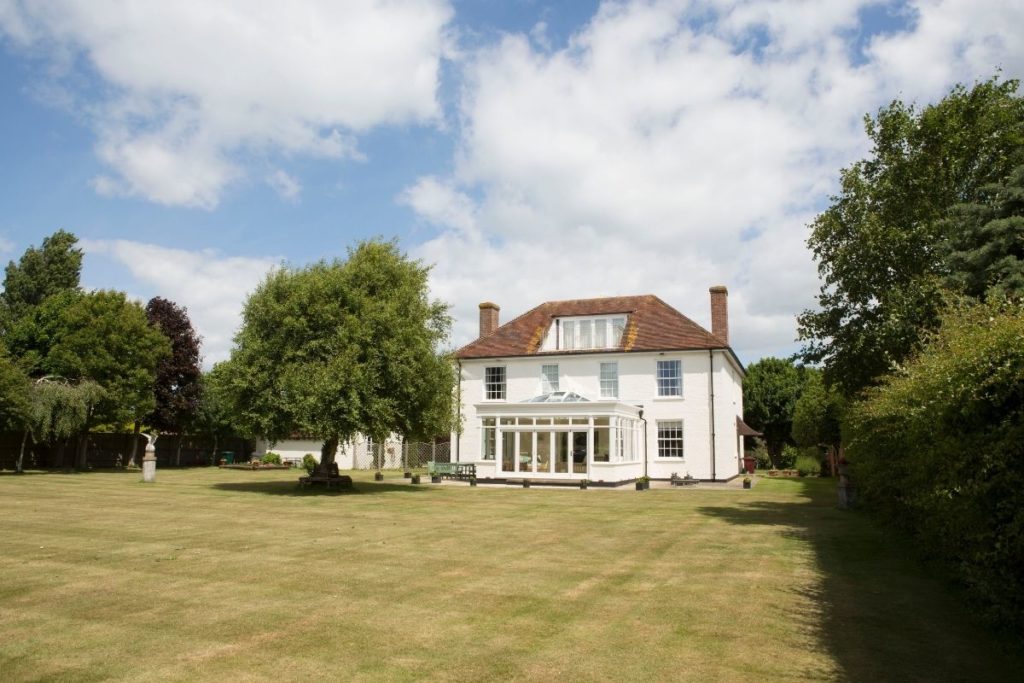
The ideal size depends on your home’s proportions and intended use. It should enhance space without overpowering the property or garden.
How to integrate an orangery with my home?
Use matching materials, consistent flooring, and open layouts to create a seamless transition between the orangery and existing living areas.
What lighting options work best in orangeries?
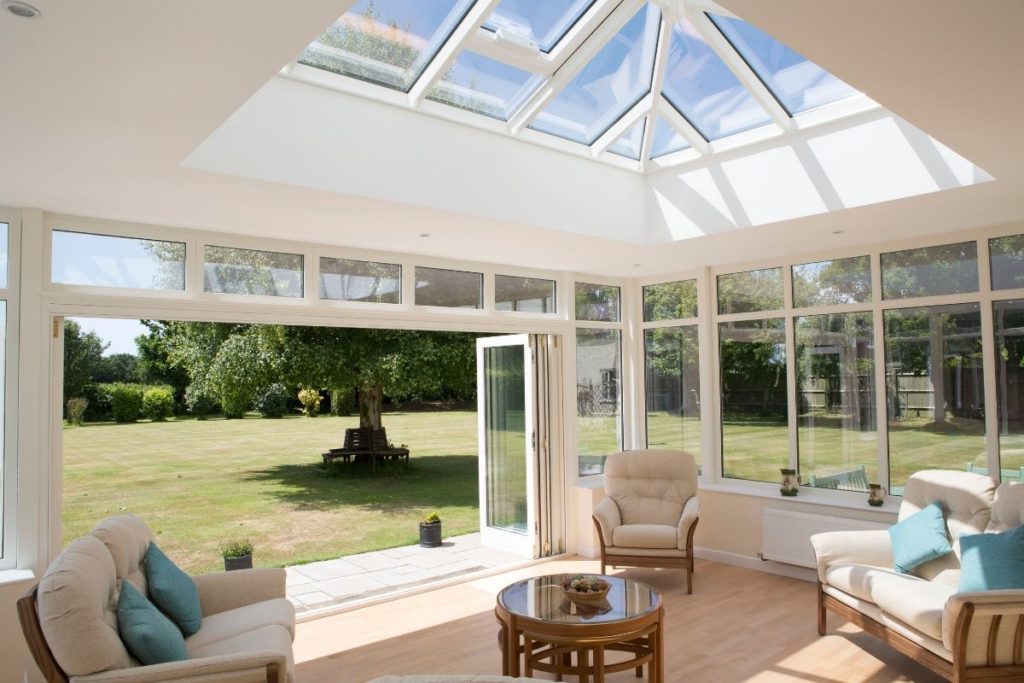
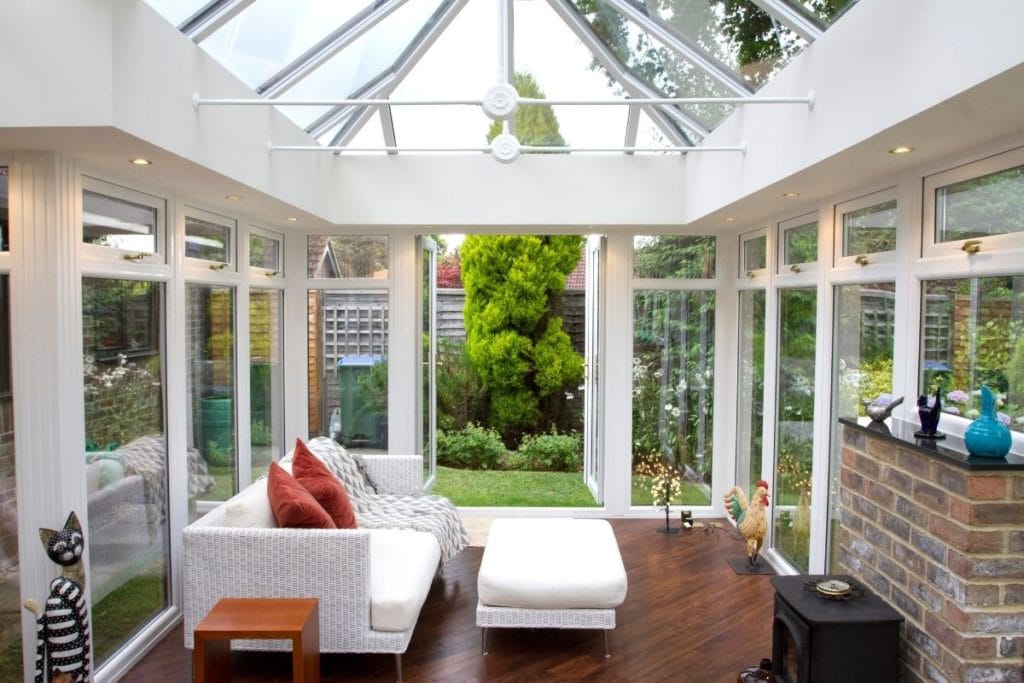
Roof lanterns, recessed spotlights, wall lighting, and dimmable LEDs provide flexibility and create ambiance day and night.
How can I personalize my orangery extension?
Personalize through bespoke glazing, finishes, furniture, color palettes, integrated storage, and tailored lighting schemes.
What landscaping complements an orangery extension?
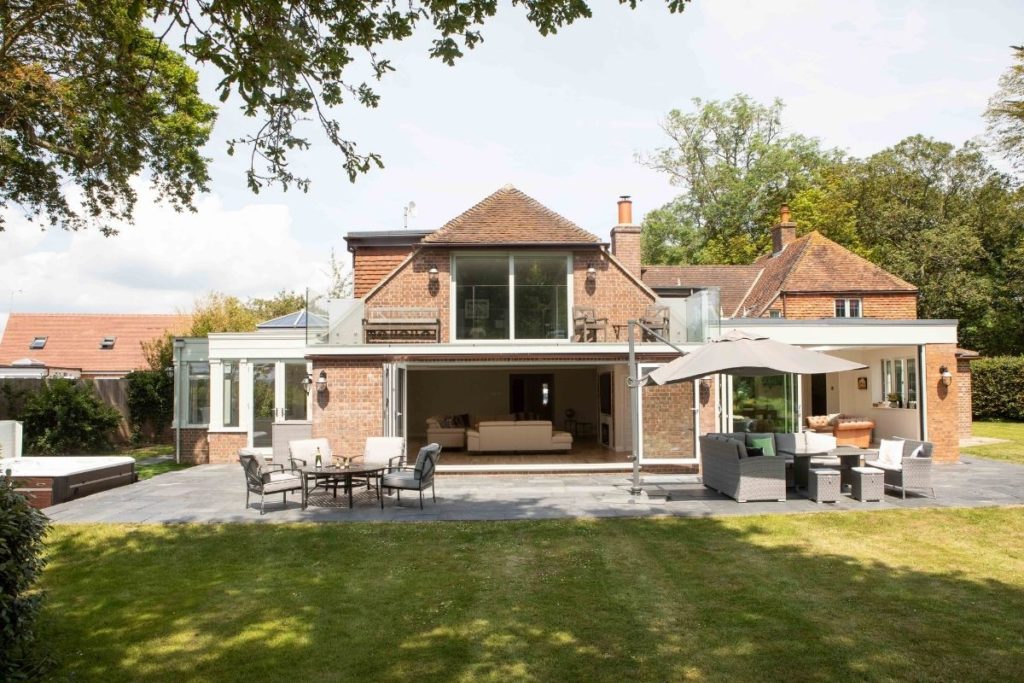
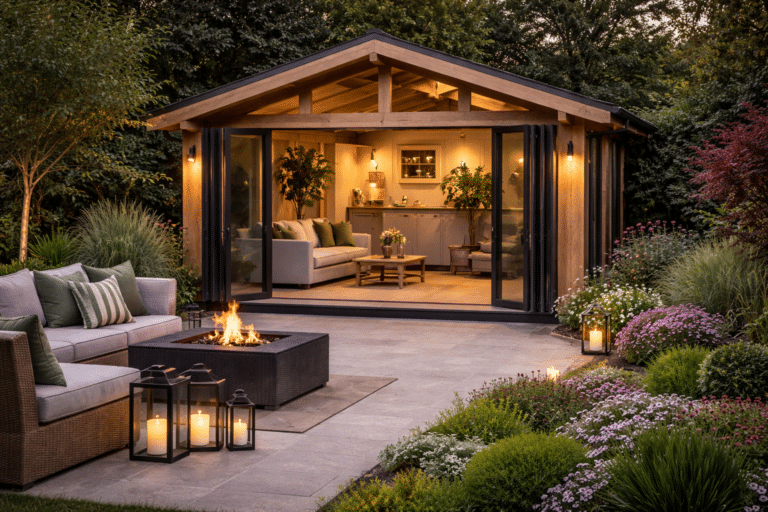
Patios, natural stone paving, planting borders, and outdoor seating enhance the connection between the orangery and garden.
How do orangeries differ from conservatories?
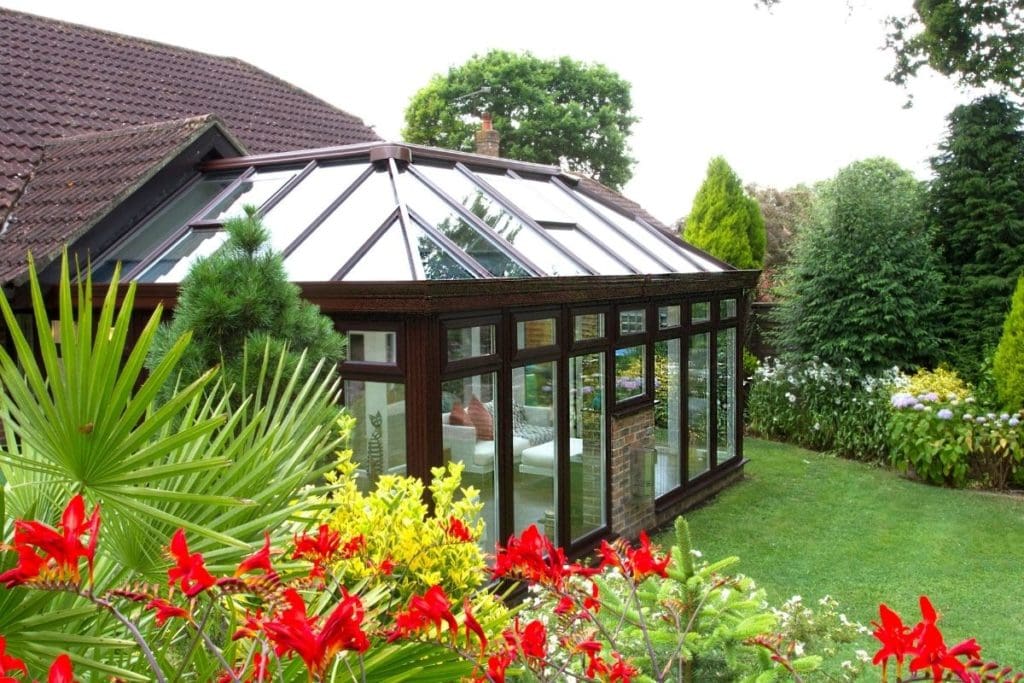
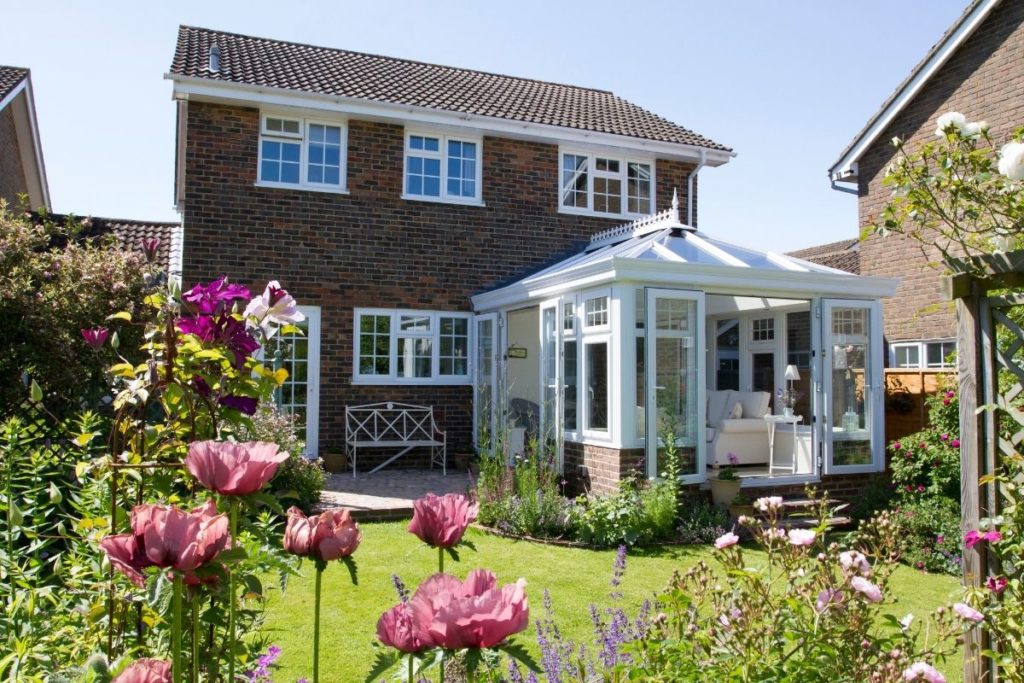
Orangeries feature more solid structure, better insulation, and a permanent feel, while conservatories prioritize glazing and lighter construction.
What are the energy efficiency benefits of orangeries?
Insulated roofs, high-performance glazing, and airtight construction help maintain comfortable temperatures and reduce energy consumption.
How to maximize space in an orangery?
Use open layouts, minimal framing, built-in storage, and multifunctional furniture to enhance usability and flow.
What are common mistakes in orangery design?
Poor insulation, inadequate ventilation, mismatched materials, and insufficient lighting are common design pitfalls.
How to choose the right windows for an orangery?
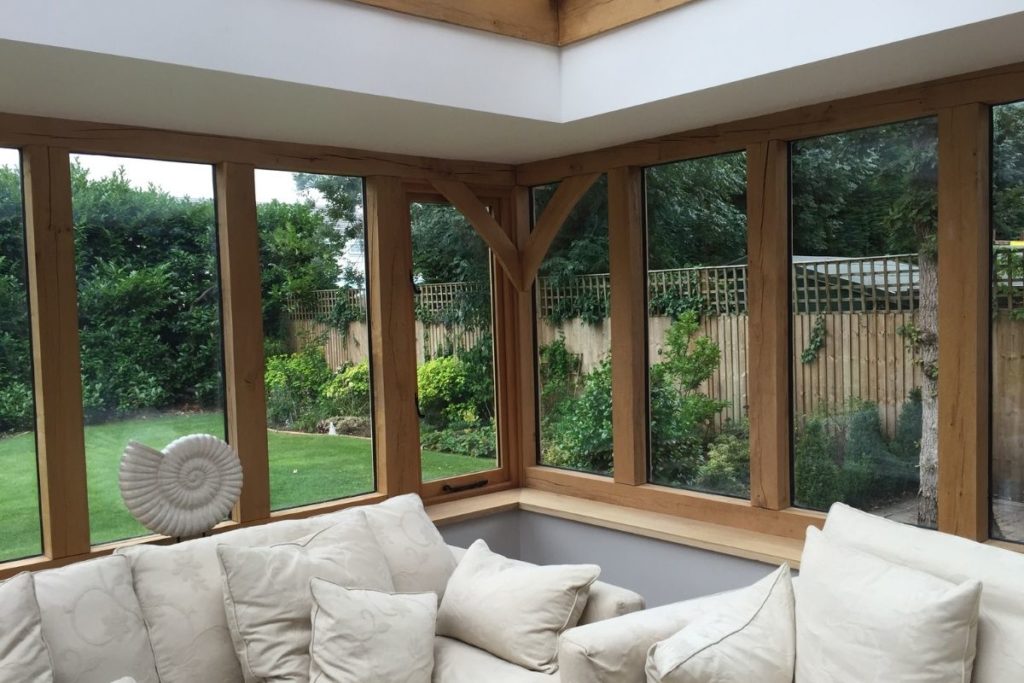
Select slim-profile, thermally efficient windows that match your home’s style and provide optimal light and ventilation.
What are the best color schemes for orangeries?
Neutral tones, soft greys, warm whites, and natural hues create a timeless, light-enhancing aesthetic.
How to enhance privacy in an orangery?
Use integrated blinds, smart glass, frosted glazing sections, or strategic landscaping to maintain privacy without sacrificing light.
What furniture suits an orangery extension?
Comfortable, stylish furniture made from natural or weather-resistant materials complements the bright, airy environment.
How to incorporate technology in an orangery?
Smart heating, automated blinds, lighting controls, and integrated audio systems enhance comfort and convenience.
What seasonal considerations should I keep in mind?
Solar-control glass, shading, ventilation, and efficient heating ensure comfort across all seasons.
How to create a seamless indoor-outdoor flow?
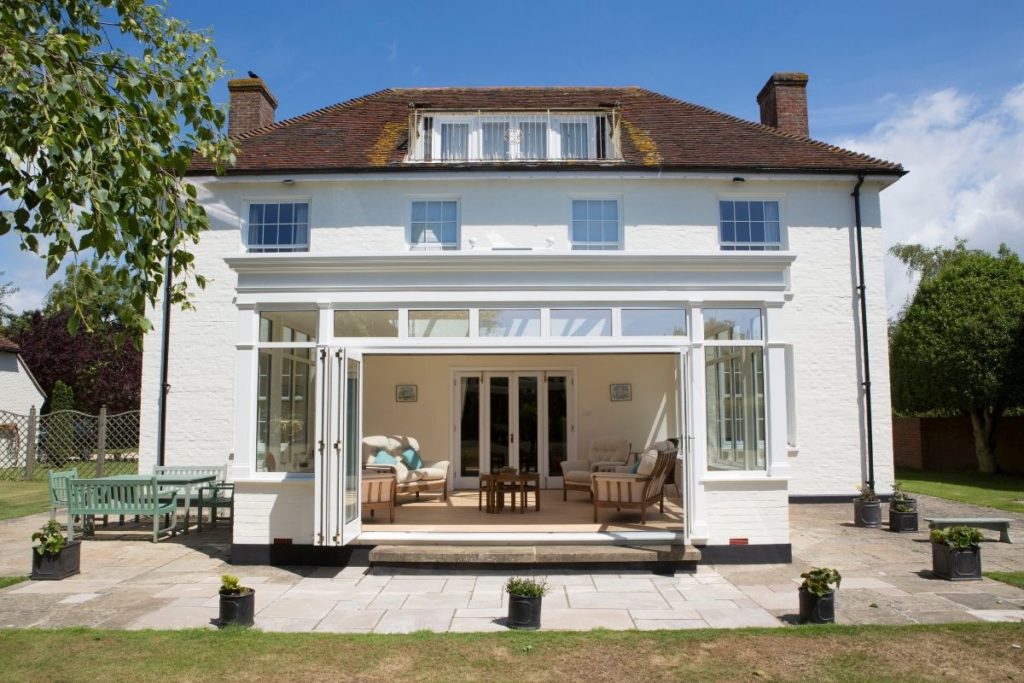
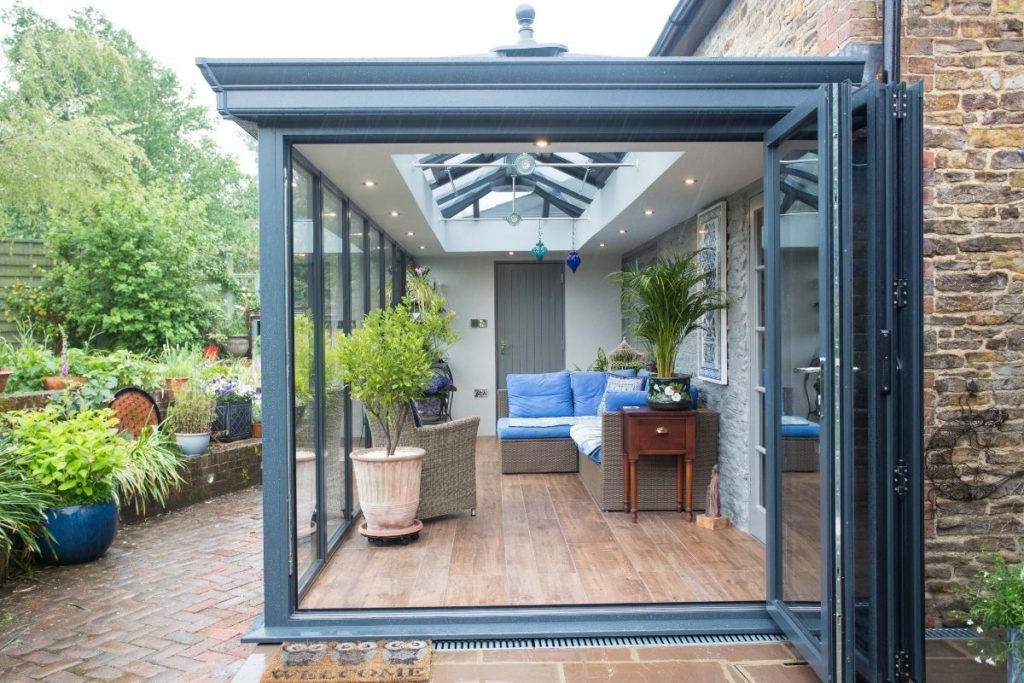
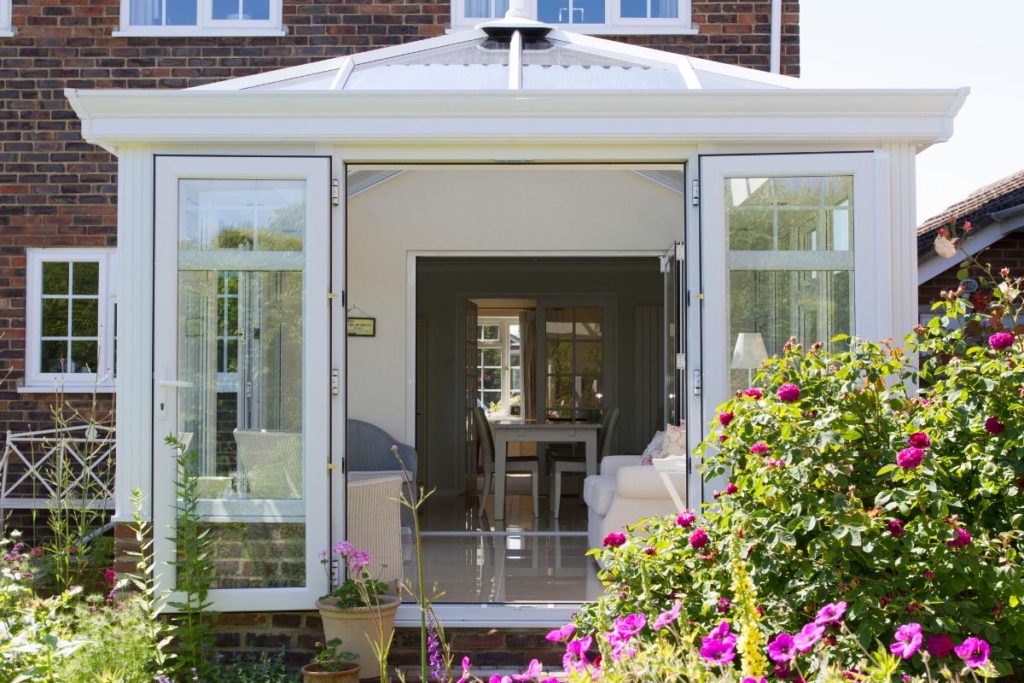
Large sliding or bi-fold doors, level thresholds, and matching flooring connect the orangery effortlessly to outdoor spaces.
What are the best uses for an orangery?
Kitchen extensions, dining areas, garden lounges, home offices, and entertaining spaces are all ideal uses.
How to ensure proper ventilation in an orangery?
Incorporate opening roof lanterns, trickle vents, opening windows, and cross-ventilation to regulate temperature and airflow.
What are the latest trends in orangery design?
Minimalist aluminium frames, flat roofs with lanterns, open-plan layouts, and seamless garden integration define modern orangery design.