

Complete Oak Building Guide
Oak framed conservatories, orangeries & garden rooms.
Everything you need to know about oak frame extensions: costs, planning permission, maintenance, lifespan and design options.
Start your research
Character, craftsmanship and a structure built to mature.
Oak framed conservatories, orangeries and garden rooms combine traditional timber joinery with modern glazing. Use the three routes below to compare budgets, see the full oak range and request the dedicated brochure.
Quick Answer
What should you know before choosing an oak framed extension?
Oak framed conservatories, orangeries and garden rooms are premium extensions built around solid oak beams and traditional joinery. They suit homeowners who value natural character, long service life and a structure individually designed around the property.
Costs depend on size, access, frame specification, glazing, foundations, services and finish. Many projects may use Permitted Development rights, while listed buildings and sensitive locations need additional checks. Green oak naturally moves and develops surface shakes as it seasons; good oak-frame design anticipates that movement from the start.
01 / A light-filled room
Oak Conservatory
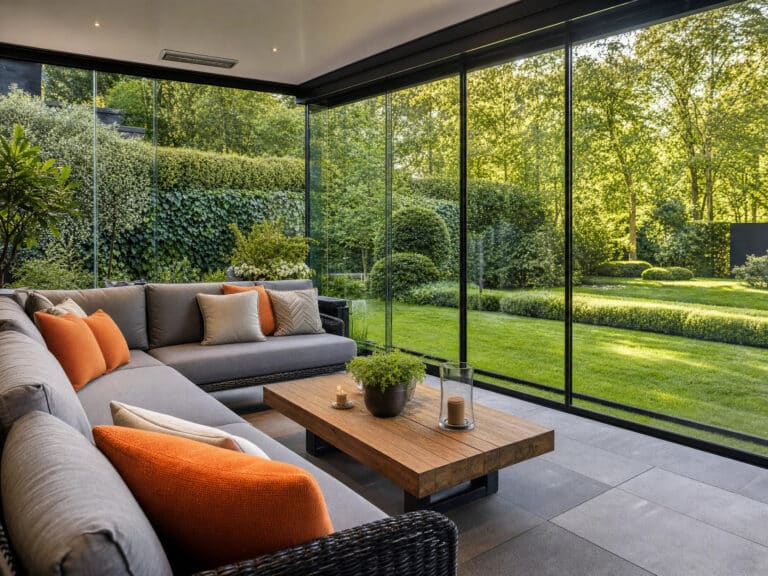
An oak conservatory is a highly glazed extension that uses the warmth and structural character of oak to frame daylight, garden views and year-round living space. Unlike a standard off-the-shelf conservatory, it is normally designed around the proportions, materials and architecture of the individual property.
The roof may be predominantly glazed or combine insulated solid areas with carefully positioned roof glass. Comfort depends on the complete specification—including solar-control glazing, ventilation, floor insulation, heating and the way the new room connects to the existing house.
Planning your budget
Compare current guide figures before fixing the design brief.
Size, foundations, glazing, roof design, access and internal finishes all affect the investment. Review the current oak building prices in the UK for 2026 before requesting a site-specific quotation.
02 / Material and method
Oak Framed Conservatory
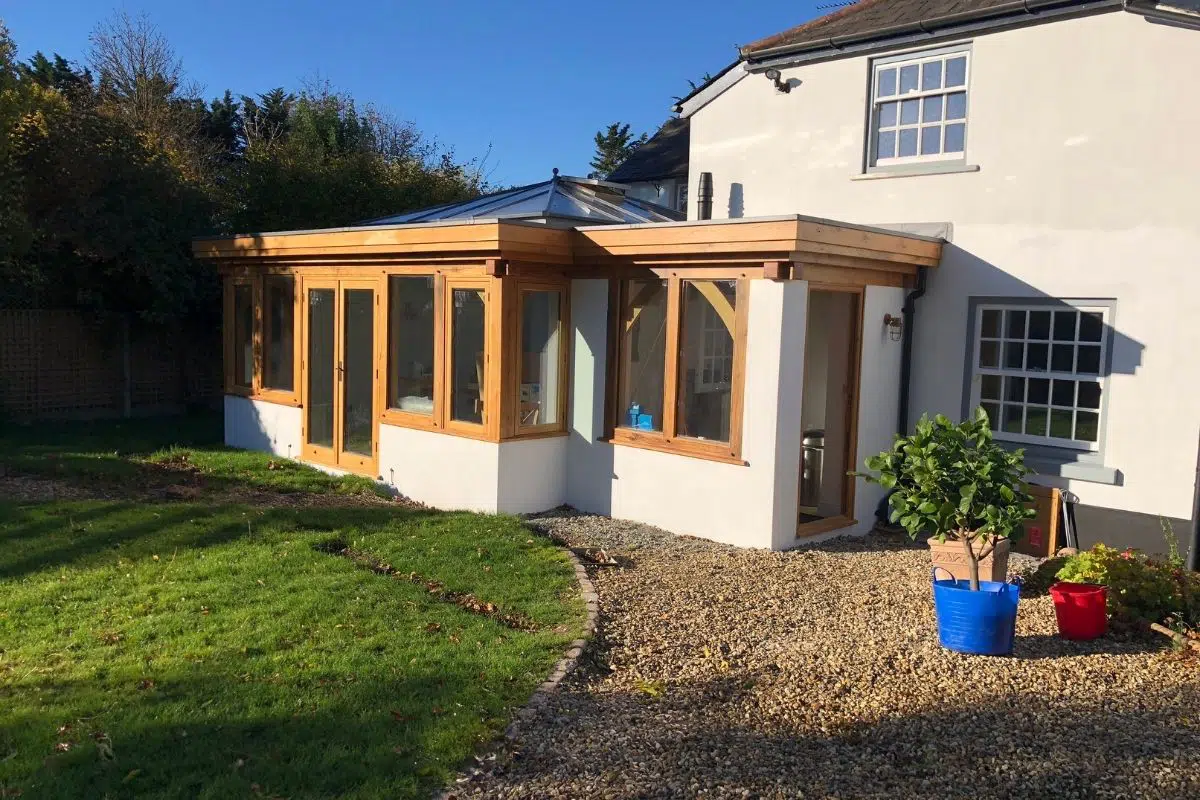
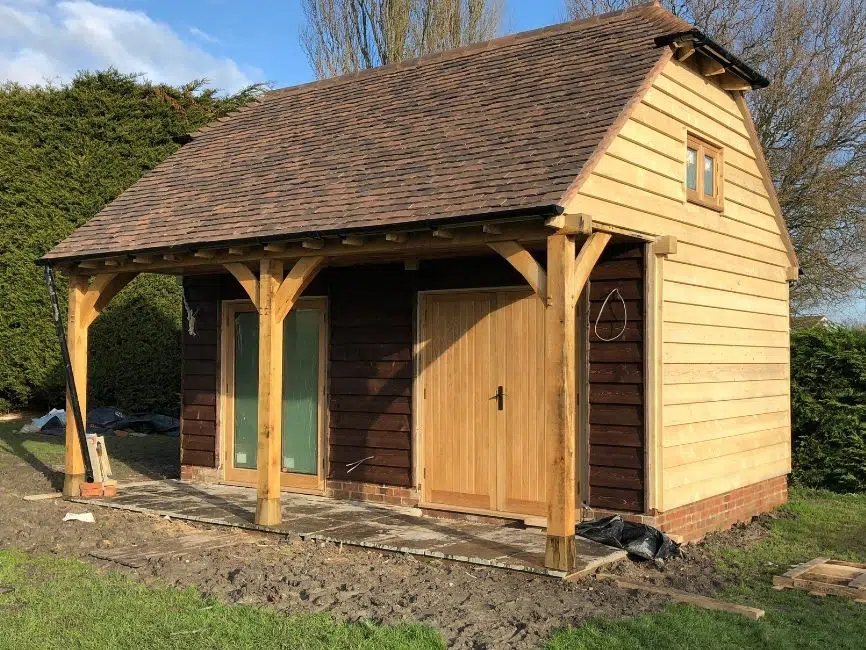
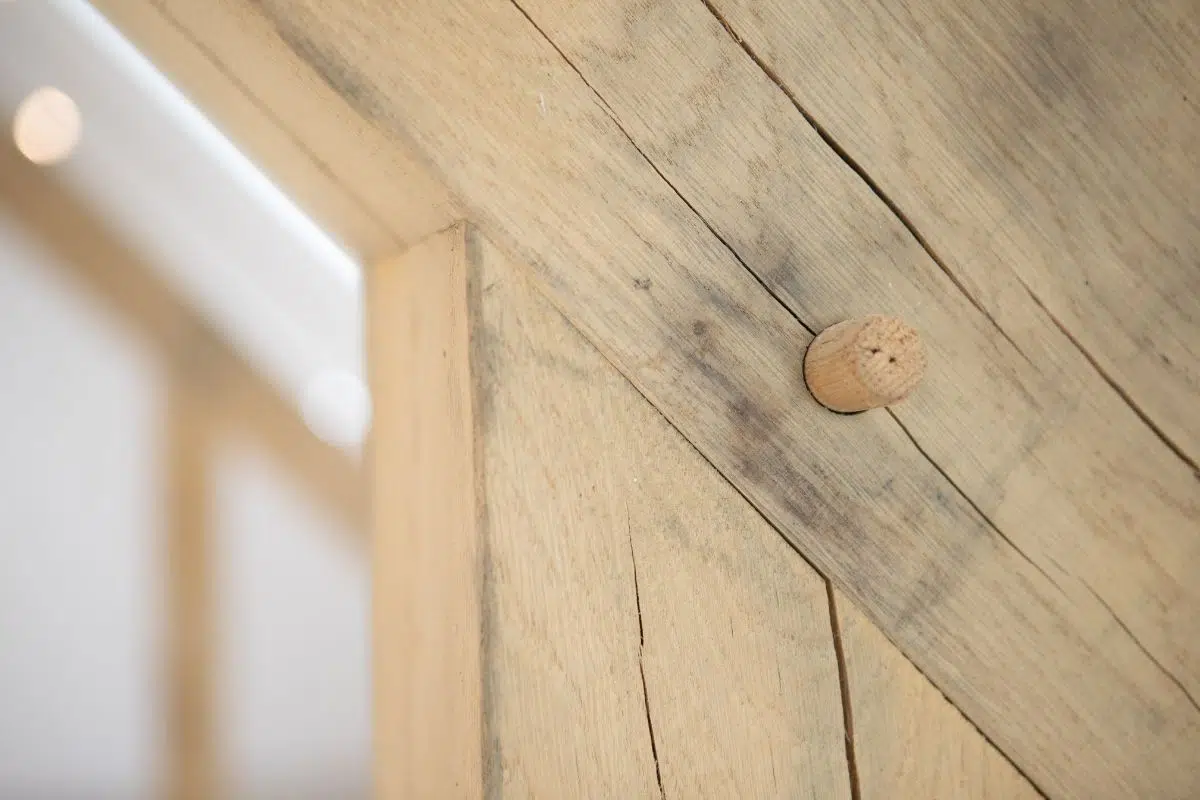
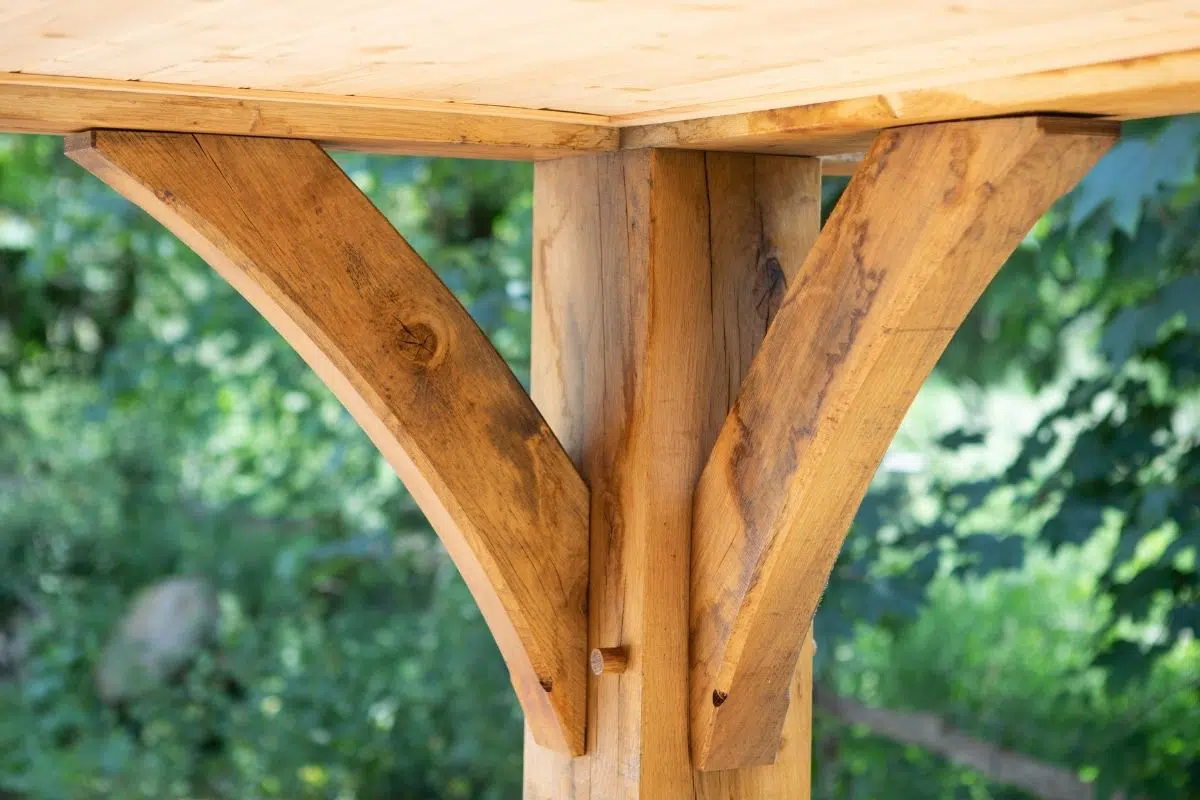
An oak framed conservatory is a glazed home extension built using traditional oak beam construction. The structural frame is made from solid oak timbers, typically joined using mortise and tenon joints secured with oak pegs. Large glass panels fill the spaces between the oak frame, creating a bright, light-filled living space.
The phrase oak framed conservatory describes the construction method as well as the appearance: the oak is the primary structural frame rather than a decorative finish added to another system. That distinction affects the engineering, joint design, glazing interfaces and how natural timber movement is accommodated.
Oak has been used in British construction for over a thousand years. Many historic churches, barns and houses retain oak frames centuries after they were built. This durability, combined with oak’s warmth and grain, makes it a distinctive material for modern home extensions.
What makes oak special as a building material?
- Natural durability: Oak’s tannin content helps it resist decay, insects and fungal attack.
- Exceptional strength: Oak can support generous spans and substantial glazing.
- Aesthetic appeal: Warm tones and distinctive grain create visible character.
- Sustainability: Oak is renewable when sourced from responsibly managed forests.
- Versatility: It can complement traditional, listed and contemporary homes.
- Heritage value: Traditional construction connects the extension with centuries of craftsmanship.
Green oak vs air-dried oak
Both work when the frame is designed for the material.
Green oak is freshly cut timber with a higher moisture content. It is easier to work and readily available in large sections, but it shrinks and develops characteristic surface shakes as it dries. Air-dried oak has seasoned for longer, making it more dimensionally stable but generally more expensive and harder to source in substantial sections.
03 / Choose the room type
Oak Conservatory vs Orangery vs Garden Room
The frame may be oak in every case, but glazing ratio, roof design and the amount of solid wall create a very different room.
Maximum daylight
Oak Framed Conservatory
An oak conservatory usually uses full-height glazed elevations and a predominantly glazed roof. It suits homeowners who want strong garden views and the lightest possible room.
More architectural weight
Oak Orangery
An oak orangery combines more solid construction with a roof lantern or roof glazing. It can provide greater wall space and a more substantial room character.
Privacy and flexibility
Oak Garden Room
An oak garden room is usually more enclosed, with a solid roof and carefully positioned windows or rooflights. It can be attached or freestanding.
04 / Budget planning
How Much Does an Oak Framed Conservatory Cost?
Oak is a premium material requiring skilled craftsmanship, so oak framed extensions normally cost more initially than standard uPVC or aluminium structures. Final pricing depends on the actual site and specification rather than the frame material alone.
Compact project
Small oak structure
Budget changes with foundations, access, glazing area, roof type, services and the required internal finish.
Everyday living space
Medium oak extension
A kitchen, dining or sitting room normally needs a fuller allowance for heating, electrics, flooring and connection to the house.
Bespoke architecture
Large or complex oak building
Multiple roof levels, large openings, specialist glass, difficult access and listed-building work can materially increase the total.
Factors that affect the quote
- Size and complexity: Larger spans, curved members and intricate junctions need more timber and engineering.
- Oak specification: Section sizes, grade, origin and seasoning influence cost.
- Glazing: High-performance and solar-control glass improves comfort but changes the budget.
- Foundations: Ground conditions, drainage and levels can materially affect early works.
- Internal finish: Heating, electrics, flooring, decoration and fitted furniture should be identified.
- Access and approvals: Restricted access, lifting, planning and listed-building requirements add time and cost.
Price route
Use current planning figures before requesting a surveyed quotation.
See the Oak Building Price Guide 2026 for the latest guide ranges, common quote variables and questions to ask.
05 / Permissions
Do You Need Planning Permission for an Oak Conservatory?
Planning requirements depend on the property, location, scale and earlier development. Some oak extensions may use Permitted Development rights, while listed buildings, protected locations and larger schemes need formal approval.
When Permitted Development may apply
- The extension stays within the relevant rear projection, height and boundary limits.
- The combined development does not exceed the permitted proportion of the original garden.
- The design is not forward of the principal elevation facing a highway.
- The property has not lost its rights through an Article 4 direction or earlier planning condition.
Additional permission is likely
Listed buildings and sensitive settings need early checks.
Listed Building Consent, full planning permission or specialist heritage information may be required for listed homes, conservation areas, National Parks, National Landscapes and other protected settings. Confirm the route with the local planning authority before work starts.
06 / Longevity and care
How Long Does an Oak Frame Last?
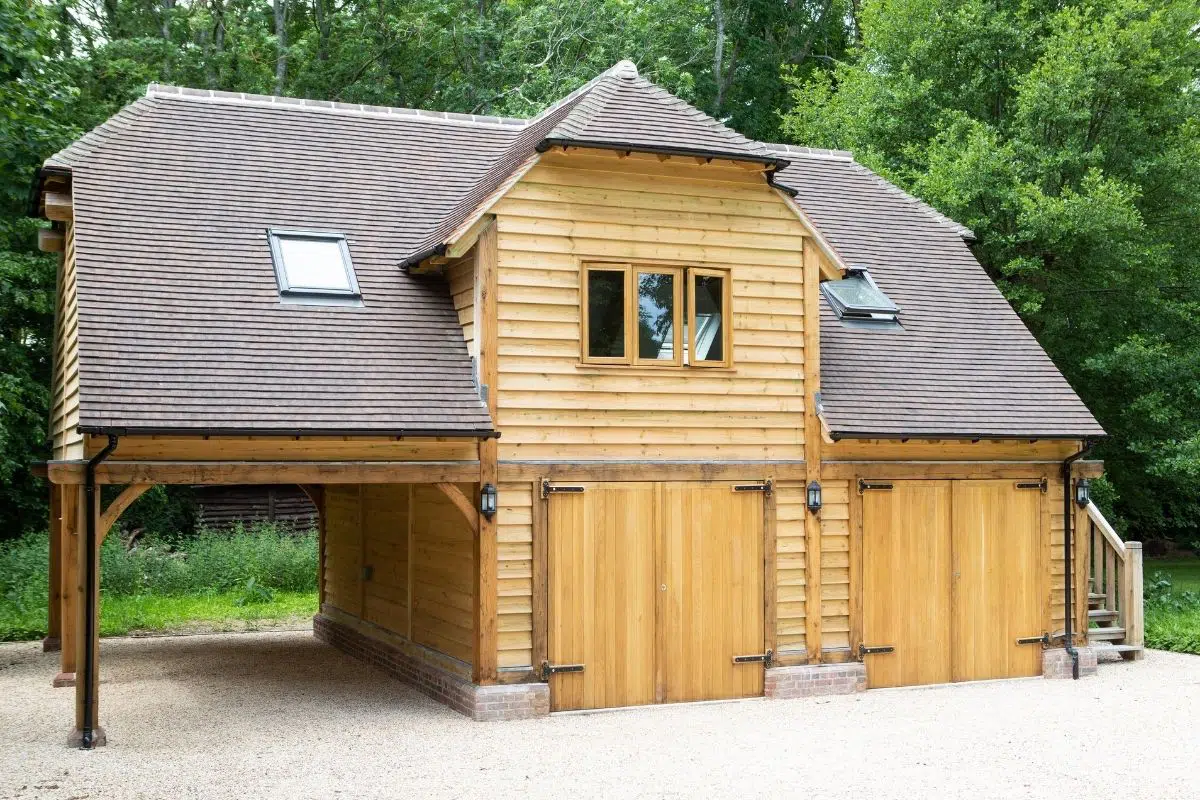
Oak framed buildings can last for generations when the design keeps the timber away from standing water, allows ventilation and uses joints that accommodate natural movement. Many historic British oak structures remain in service centuries after construction.
- Keep oak clear of the ground: Use a suitable plinth or wall detail to reduce moisture absorption.
- Provide good drainage: Water should move away from the frame rather than pool beside it.
- Maintain airflow: Ventilation helps avoid persistent damp conditions.
- Inspect annually: Check joints, roof interfaces, seals, gutters and drainage.
- Maintain surrounding systems: Glass seals, roof coverings and flashings may need attention before the oak itself.
To treat or not to treat?
Untreated oak
Untreated external oak gradually weathers towards silver-grey. This colour change is normal and is not the same as structural decay.
Treated oak
Oil, a UV-protective finish or another suitable treatment can retain more of the honey-brown colour, but it needs periodic reapplication.
Common misconceptions
“Oak frames are too expensive.”
Initial cost is only one measure. Longevity, repairability, property character and the avoidance of repeated replacement can change the long-term calculation.
“Green oak cracks mean failure.”
Surface checks and shakes are a normal part of seasoning. The structure should be designed so natural movement does not compromise performance.
“Oak requires constant maintenance.”
Oak itself is naturally durable. Most routine attention concerns drainage, seals, gutters, glass and optional appearance treatments.
“Oak conservatories are always cold.”
Comfort depends on the complete specification: glass, roof, floor, seals, heating, ventilation and how the room connects to the house.
07 / From brief to handover
The Oak Frame Building Process
A programme should separate design, approvals, workshop manufacture, site preparation, frame erection and final finishing.
Stage 1
Initial consultation
Discuss intended use, budget, architecture, glazing, access and likely planning constraints.
Stage 2
Design development
Develop the frame layout, dimensions, roof, glazing, foundations and internal specification.
Stage 3
Planning and approvals
Prepare the appropriate planning, heritage, structural and Building Regulations information.
Stage 4
Workshop manufacture
Specialist carpenters cut and test the frame before delivery, using the agreed timber and joint details.
Stage 5
Site preparation
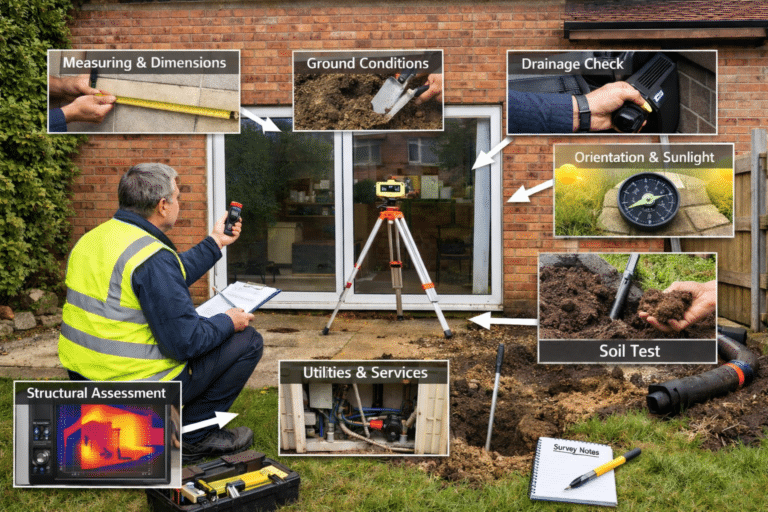
Complete foundations, drainage, structural openings and the base needed to receive the oak frame.
Stage 6
Frame erection
Deliver and assemble the prepared frame, then complete the main structural junctions.
Stage 7
Glazing and finishing
Install glass and roof elements, make the building weather-tight and complete services and interior finishes.
08 / Year-round use
Thermal Performance and Energy Efficiency
A comfortable oak conservatory depends on more than the oak. The complete room needs glazing, roof, floor, ventilation, heating and connection details chosen around orientation and intended use.
High-performance glazing such as New Generation Glass can combine insulation and solar control, subject to the exact unit specified. Ask for the whole-unit U-value, solar factor, visible light transmission and safety-glass build-up in writing.
- Underfloor heating: Even, unobtrusive warmth where the floor build-up allows it.
- Radiators: A familiar route that needs correct sizing and control.
- Heat pump systems: Potentially efficient when designed around the actual load.
- Ventilation and shading: Important for controlling summer comfort as well as winter warmth.

Room Outside
Oak Frame Specialists · Established 1973
Room Outside designs oak framed buildings, conservatories, orangeries and garden rooms across England. The team can support the project from initial design and planning checks through manufacture, installation and handover.
Frequently asked questions
Oak frame questions, answered.
How much does an oak framed conservatory cost?
Cost depends on footprint, access, oak specification, roof design, glazing, foundations, approvals, services and finish. Use the current Oak Building Price Guide for planning figures, then rely on a site-specific quotation.
Do I need planning permission for an oak conservatory?
Some projects may use Permitted Development rights, but listed buildings, protected settings, larger designs and homes with restricted rights need additional checks. Confirm the position with the local planning authority.
How long can an oak frame last?
A properly designed oak frame can last for generations. Keeping the timber away from standing water and maintaining drainage, roof junctions and seals are central to longevity.
What is the difference between green oak and air-dried oak?
Green oak has a higher moisture content and moves as it seasons. Air-dried oak is more dimensionally stable but usually costs more and can be harder to source in large sections.
What maintenance does an oak frame require?
Inspect joints, drainage, gutters, seals and roof interfaces regularly. External oak can weather naturally or receive an optional appearance treatment that needs periodic renewal.
Can oak be used on a listed building?
Yes, oak can be a sympathetic material for historic architecture. Listed Building Consent and planning permission may still be required, and the design must respond carefully to the original building.
Continue your research
Three useful routes before you make an enquiry.
Complimentary brochure
See the oak building range in more detail.
Review oak framed extensions, orangeries, garden rooms and heritage-style ideas before speaking with the design team.
Get a written quote for your oak framed build
Tell us whether it is a conservatory, orangery or garden room, the rough size and where you are. You will get a realistic range for your project.
Prefer to talk? Call 01243 538999. We design and build from our Chichester workshop, and have done since 1973.