Frequently Asked Questions
What are some traditional conservatory designs?
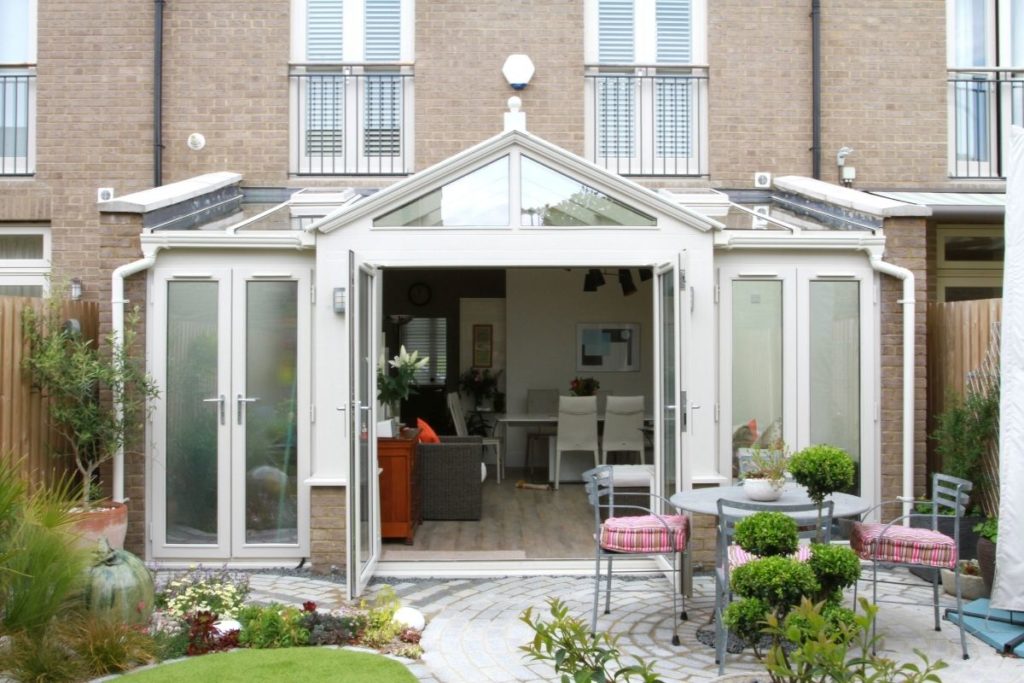
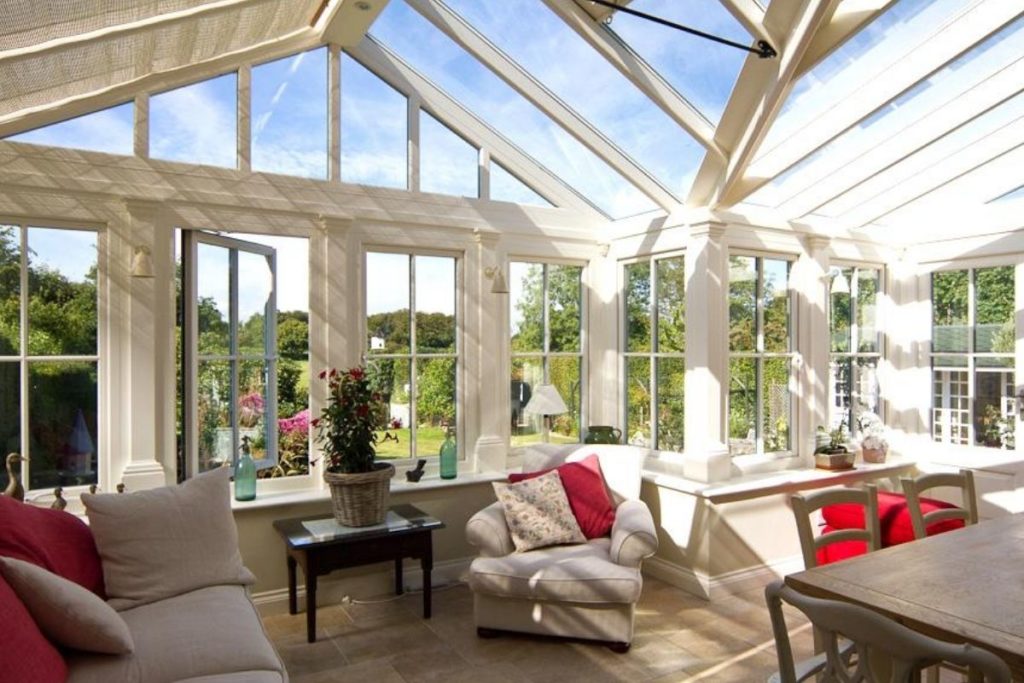
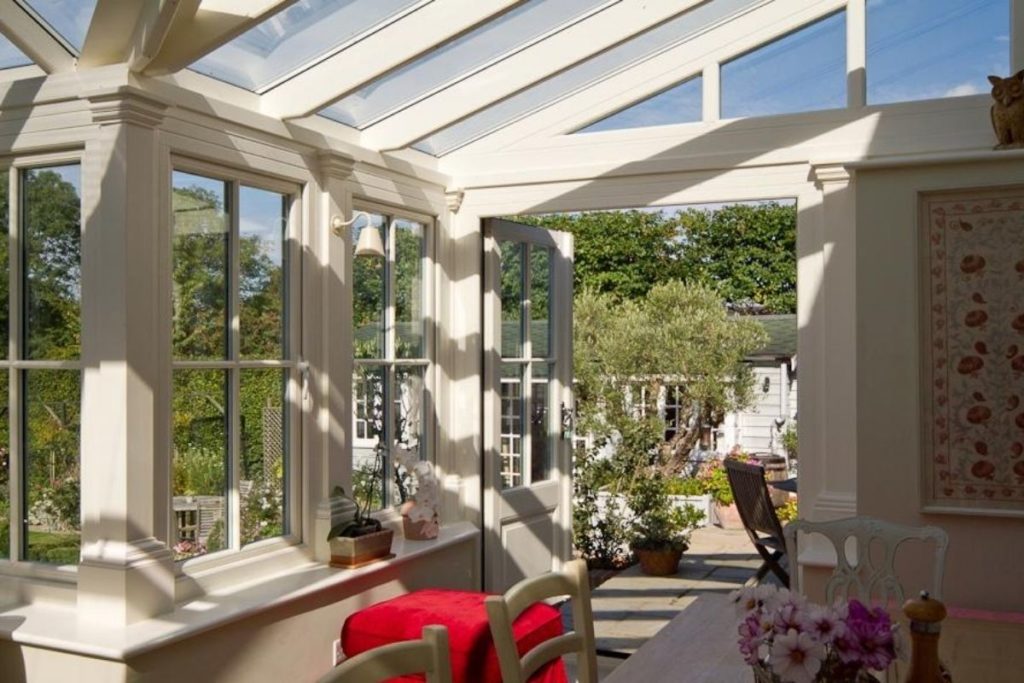
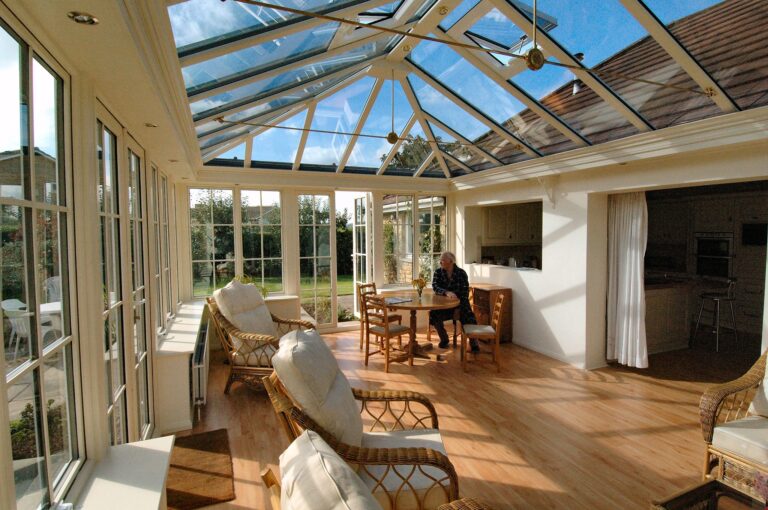
Traditional conservatory designs often include Victorian, Edwardian, and Georgian styles, characterized by ornate detailing, pitched roofs, and large glass panels that enhance natural light and blend seamlessly with classic architecture.
How can I customize a timber framed conservatory roof?
You can customize a timber framed conservatory roof by selecting different materials, colors, and finishes, as well as incorporating features like skylights or ventilation options to enhance both aesthetics and functionality.
Where can I find conservatory inspiration for my home?
You can find conservatory inspiration for your home by exploring our extensive gallery of previous projects at Room Outside. We showcase a variety of traditional and modern designs to help spark your creativity.
What styles define traditional conservatory designs?
The styles that define traditional conservatory designs include Victorian, Edwardian, and Georgian, characterized by ornate detailing, pitched roofs, and large glass panels that create a classic, elegant aesthetic while maximizing natural light.
How to choose a timber framed roof?
Choosing a timber framed roof involves considering factors such as the style of your conservatory, the type of timber, insulation properties, and overall aesthetic appeal. Prioritize durability and design to ensure a perfect fit for your home.
What are popular conservatory design trends?
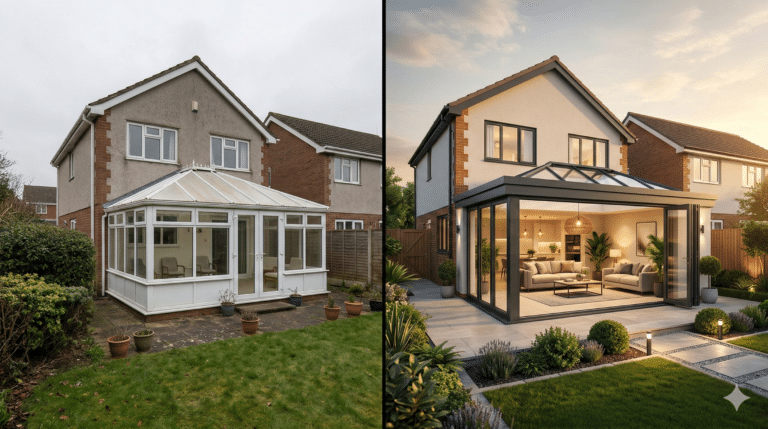
Popular conservatory design trends include sleek, minimalist styles with large glass panels for maximum natural light, biophilic designs that integrate indoor plants, and the use of sustainable materials to enhance energy efficiency and aesthetic appeal.
How can I enhance my conservatorys aesthetics?
Enhancing your conservatory's aesthetics can be achieved by incorporating stylish furniture, choosing complementary color schemes, adding decorative plants, and utilizing elegant lighting fixtures to create a warm, inviting atmosphere that reflects your personal style.
What materials are best for conservatory roofs?
The best materials for conservatory roofs include glass, polycarbonate, and tiled options. Glass allows for maximum natural light, polycarbonate offers excellent insulation, and tiled roofs provide a traditional aesthetic while enhancing energy efficiency.
How to maximize natural light in a conservatory?
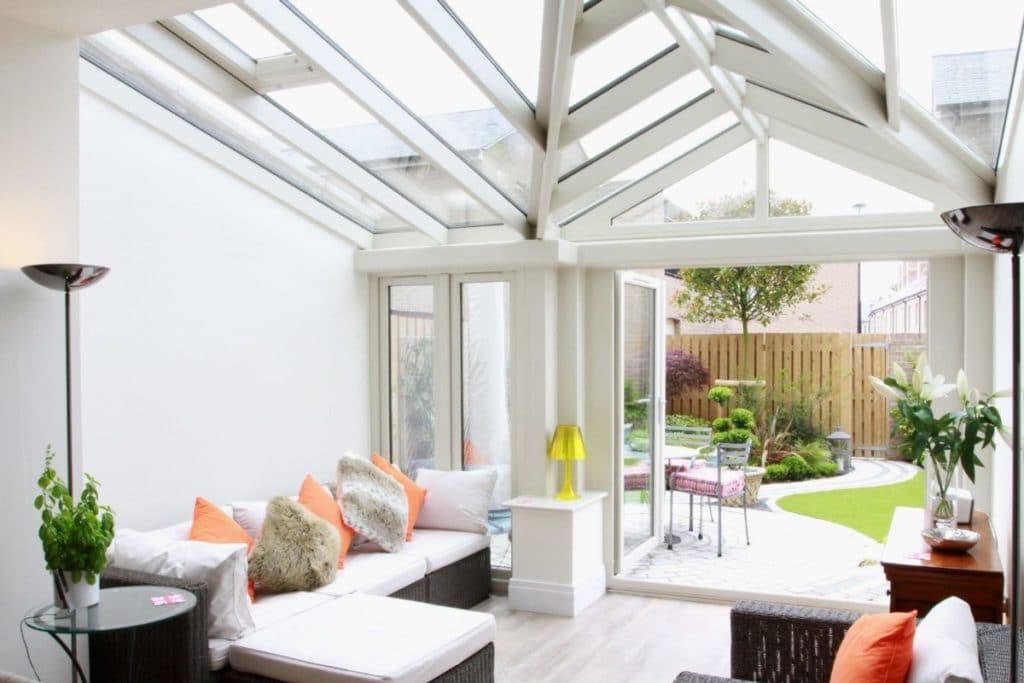
Maximizing natural light in a conservatory involves using large glass panels, opting for a glass roof, and selecting light-colored furnishings to reflect sunlight. Strategic placement of mirrors can also enhance brightness throughout the space.
What features should I consider for a conservatory?
The features to consider for a conservatory include the style (traditional or modern), roof type (glass or solid), insulation for year-round use, and customizable elements like doors and windows to enhance natural light and aesthetics.
How to integrate a conservatory with my home?
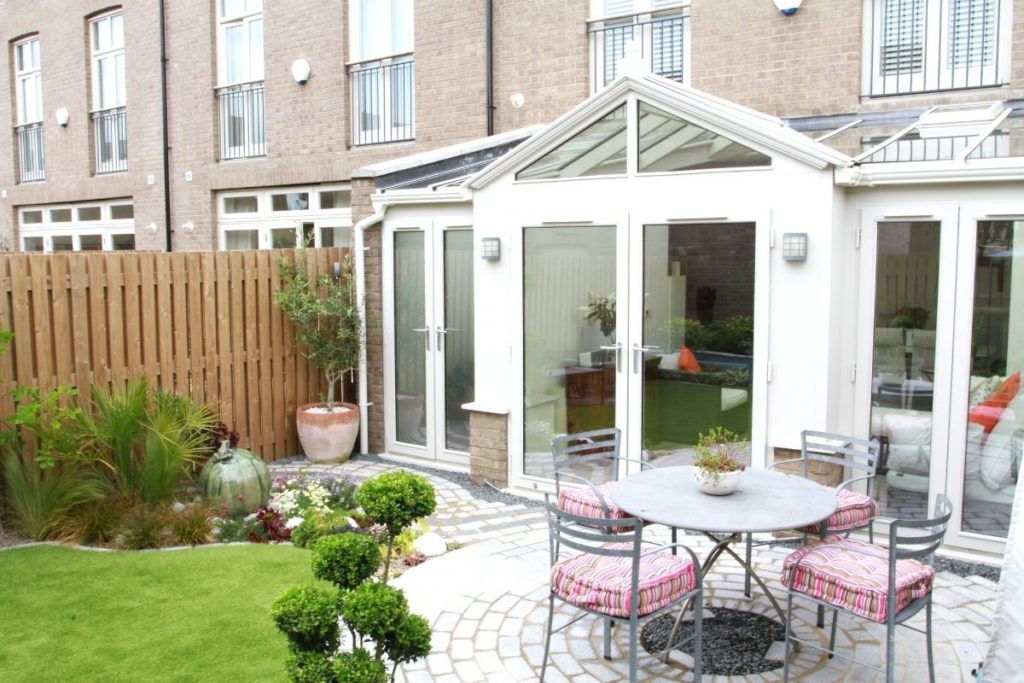
Integrating a conservatory with your home involves ensuring architectural harmony and seamless access. Consider matching the style and materials of your conservatory to your existing home, and create an inviting transition with wide doors or a connecting pathway.
What are the benefits of traditional conservatories?
The benefits of traditional conservatories include enhanced aesthetic appeal, increased natural light, and a seamless connection between indoor and outdoor spaces. They also provide a versatile area for relaxation or entertaining, adding value to your home.
How to maintain a timber framed conservatory roof?
Maintaining a timber framed conservatory roof involves regular inspections for damage, cleaning debris, and ensuring proper drainage. Treat the wood with a protective sealant every few years to prevent rot and preserve its appearance.
What colors work well for conservatory interiors?
The colors that work well for conservatory interiors include soft neutrals like whites and creams, which enhance natural light, as well as earthy tones and pastels that create a calming atmosphere while complementing the outdoor views.
How to select the right conservatory size?
Selecting the right conservatory size involves considering your available space, intended use, and how it complements your home. Measure your area and envision how the conservatory will fit with your lifestyle and design preferences.
What are common mistakes in conservatory design?
Common mistakes in conservatory design include inadequate planning for space and functionality, neglecting to consider the orientation for natural light, and failing to choose materials that complement the existing architecture of the home.
How to create a cozy atmosphere in a conservatory?
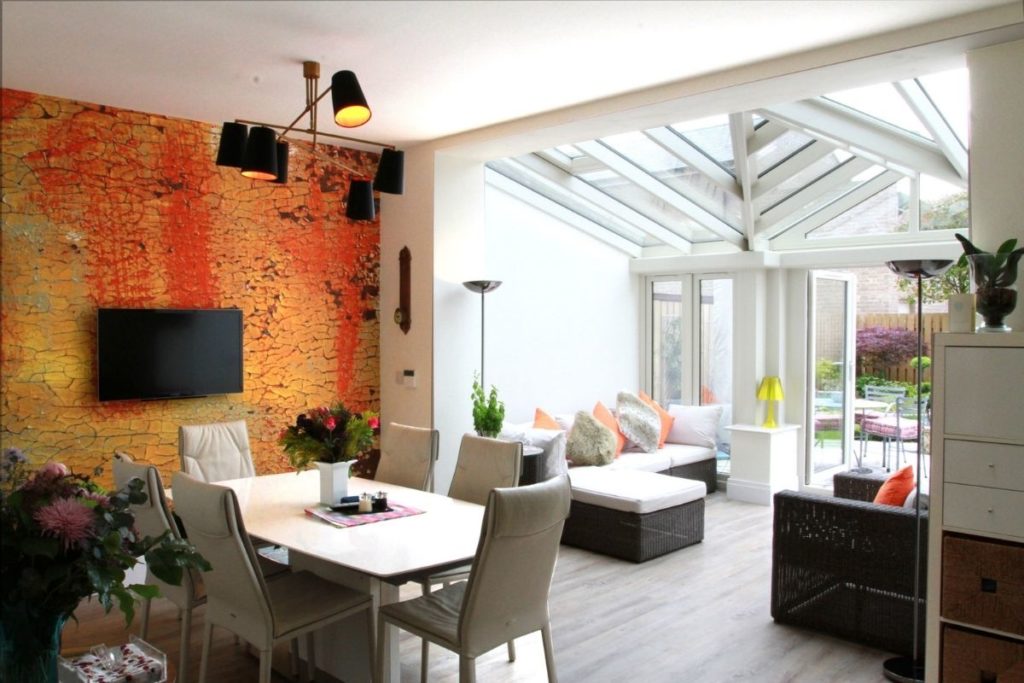
Creating a cozy atmosphere in a conservatory involves incorporating soft furnishings, warm lighting, and plenty of greenery. Use comfortable seating, layered textiles, and ambient lighting to enhance warmth and invite relaxation in your space.
What plants thrive in a conservatory environment?
Plants that thrive in a conservatory environment include tropical varieties such as orchids, ferns, and palms, as well as fruiting plants like citrus trees. These species flourish in the warm, humid conditions typical of conservatories.
How to incorporate technology in conservatory designs?
Incorporating technology in conservatory designs involves integrating smart home systems, energy-efficient glazing, and automated climate control. These features enhance comfort, optimize energy use, and allow for seamless control of lighting and temperature, creating a modern and functional space.
What are the costs associated with conservatories?
The costs associated with conservatories vary based on size, materials, and design features. Typically, prices range from £10,000 to £30,000, with bespoke options potentially exceeding this range depending on customization and installation requirements.
How to choose the right conservatory style for my home?
Choosing the right conservatory style for your home involves considering your existing architecture, personal preferences, and intended use. Explore various designs, such as traditional or modern, to find a style that enhances your space and meets your needs.
What lighting options are best for conservatories?
The best lighting options for conservatories include natural light through large windows, ambient LED lighting for a warm atmosphere, and adjustable spotlights for task lighting. Combining these elements enhances both functionality and aesthetics.
How to personalize a conservatory space?
Personalizing a conservatory space involves incorporating your unique style through furniture, decor, and plants. Consider using colors, textures, and accessories that reflect your personality to create a comfortable and inviting atmosphere.
What are the advantages of bespoke conservatories?
The advantages of bespoke conservatories include tailored designs that perfectly match your home’s architecture, maximizing space and natural light, and offering personalized features that enhance comfort and style, making them a unique addition to any property.
How to find inspiration for modern conservatories?
Finding inspiration for modern conservatories can be achieved by exploring design galleries, visiting showrooms, and browsing online platforms like Pinterest or Instagram. Additionally, consulting with experts at Room Outside can provide tailored ideas that suit your style and space.
What accessories enhance a conservatorys functionality?
Accessories that enhance a conservatory's functionality include thermal blinds for temperature control, ceiling fans for air circulation, and integrated lighting for ambiance. Additionally, furniture and planters can create a cozy and inviting atmosphere, maximizing the use of the space.
How to ensure energy efficiency in a conservatory?
Ensuring energy efficiency in a conservatory involves using high-quality glazing, proper insulation, and energy-efficient heating and cooling systems. Additionally, incorporating shading solutions can help regulate temperature and reduce energy consumption.
What are the best practices for conservatory installation?
The best practices for conservatory installation include ensuring proper planning and permits, selecting quality materials, and hiring experienced professionals. Additionally, consider the orientation for maximum natural light and integrate the design seamlessly with your existing home.
How to use a conservatory year-round?
Using a conservatory year-round involves maximizing its functionality through proper heating, shading, and insulation. Incorporate heating solutions for winter, cooling options for summer, and versatile furnishings to create a comfortable space for relaxation or entertaining in any season.
What design elements make a conservatory unique?
The design elements that make a conservatory unique include the choice of materials, architectural style, and customization options. Features like large glass panels, ornate roofs, and integrated lighting enhance both aesthetics and functionality, creating a distinctive space that connects with the outdoors.