Frequently Asked Questions
What are the design features of a luxury orangery?
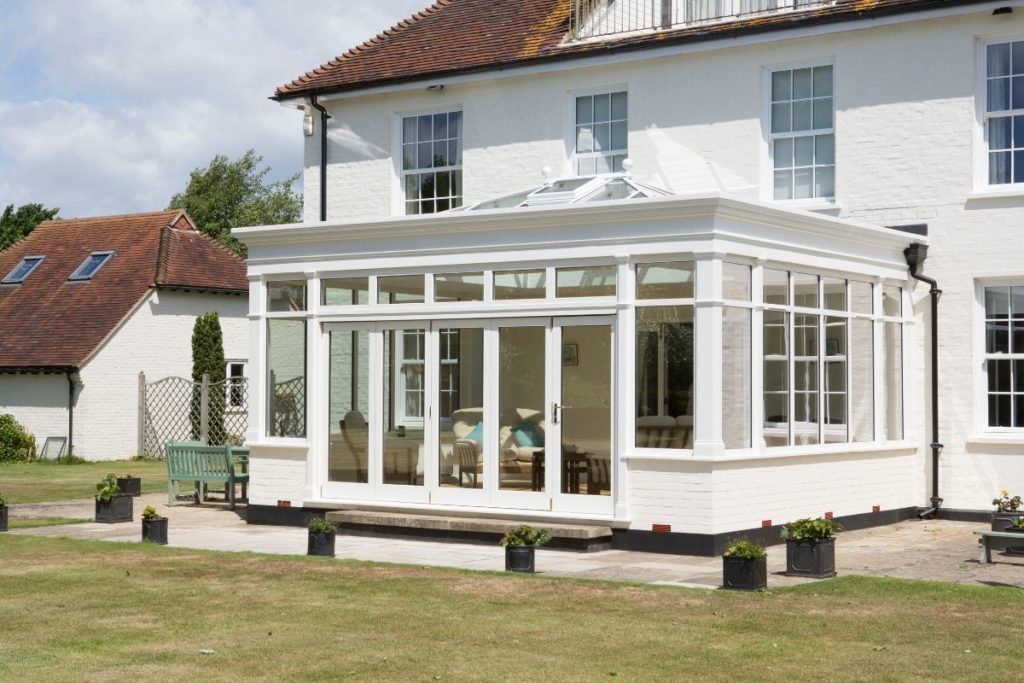
The design features of a luxury orangery include elegant timber framing, expansive glass panels for natural light, and seamless connections to outdoor spaces. These elements enhance both aesthetics and functionality, creating a sophisticated environment for indoor-outdoor living.
How does an orangery enhance indoor-outdoor living?
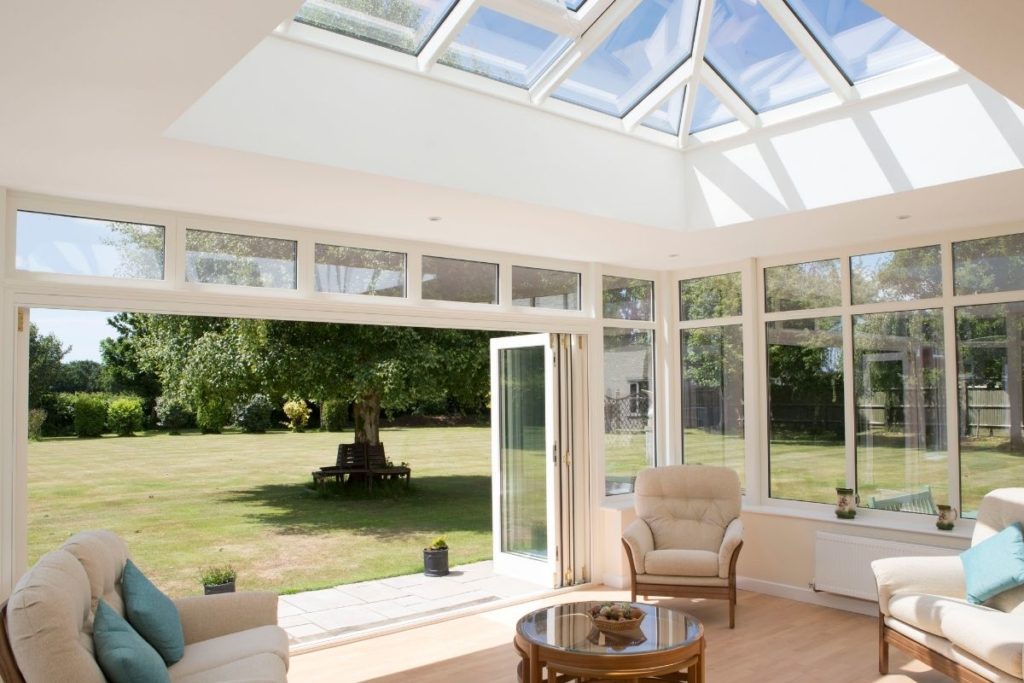
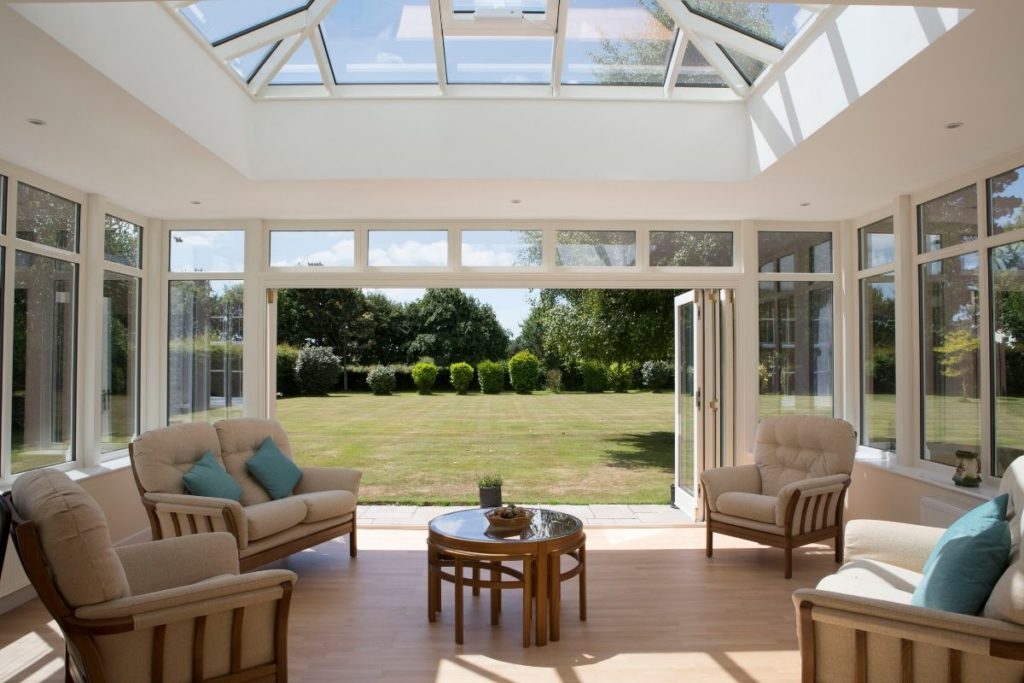
An orangery enhances indoor-outdoor living by creating a seamless transition between your home and garden. Its large glass panels and open design invite natural light, fostering a tranquil environment that connects you to nature while maintaining comfort throughout the year.
What benefits do oak conservatories offer?
The benefits of oak conservatories include exceptional durability, natural aesthetic appeal, and excellent insulation properties. They create a warm, inviting space that seamlessly connects your home with the outdoors, enhancing both comfort and style.
What materials are best for luxury orangeries?
The best materials for luxury orangeries include high-quality timber for the frame, energy-efficient glazing for optimal insulation, and durable roofing options. These materials enhance aesthetics while providing comfort and longevity, ensuring a seamless indoor-outdoor experience.
How to choose the right orangery design?
Choosing the right orangery design involves considering your home's architectural style, the intended use of the space, and how it connects with your garden. Prioritize natural light, materials, and functionality to create a seamless indoor-outdoor living experience.
What styles of orangeries are popular?
The popular styles of orangeries include traditional Victorian and Edwardian designs, contemporary minimalist structures, and elegant Georgian styles, each offering unique aesthetics that enhance the connection between indoor and outdoor spaces.
How does an orangery improve home value?
An orangery improves home value by enhancing aesthetic appeal, increasing living space, and providing a seamless connection to the outdoors, making the property more attractive to potential buyers.
What are the maintenance requirements for orangeries?
The maintenance requirements for orangeries include regular cleaning of glass surfaces, checking for sealant integrity, and ensuring proper drainage. Additionally, periodic inspections of the timber framework and any mechanical systems will help maintain their aesthetic and structural integrity.
How to integrate an orangery with existing architecture?
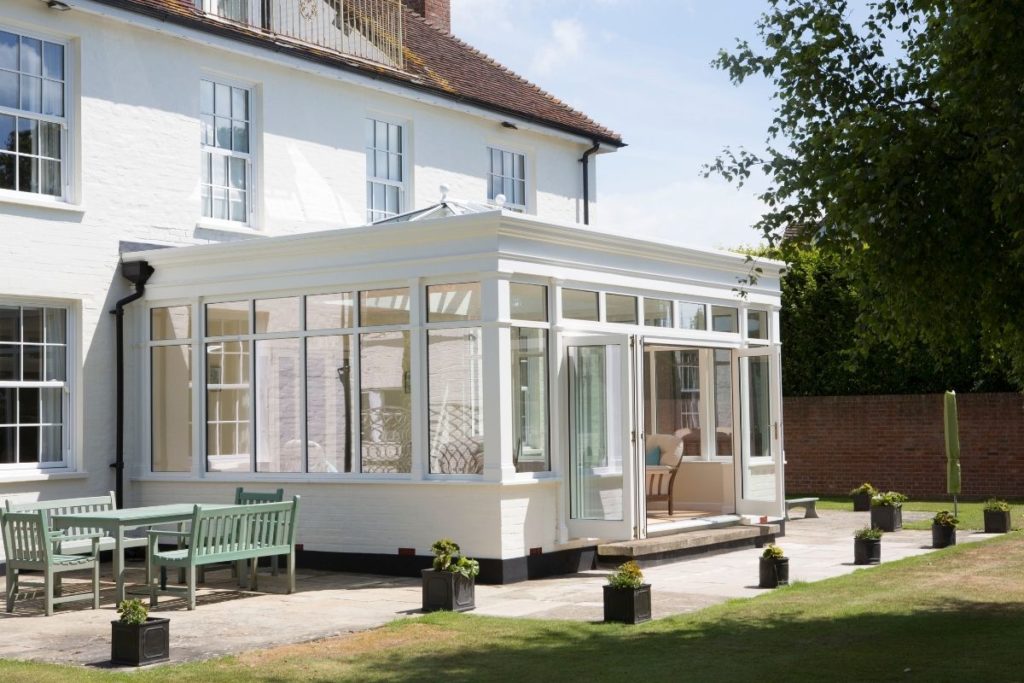
Integrating an orangery with existing architecture involves careful consideration of design elements, materials, and proportions. Ensure the orangery complements the home’s style by using matching materials and colors, while maintaining a seamless connection to outdoor spaces.
What is the cost range for a luxury orangery?
The cost range for a luxury orangery typically varies between £30,000 to £100,000, depending on design, materials, and size. Custom features can influence the final price, so it's best to consult with Room Outside for a tailored quote.
How can lighting enhance an orangerys design?
Lighting can significantly enhance an orangery's design by creating ambiance, highlighting architectural features, and providing functional illumination. Thoughtfully placed fixtures can seamlessly blend indoor and outdoor spaces, enriching the overall aesthetic and usability of the area.
What are the energy efficiency benefits of orangeries?
The energy efficiency benefits of orangeries include enhanced insulation and reduced energy costs. With advanced glazing and thermal materials, they maintain comfortable temperatures year-round, minimizing reliance on heating and cooling systems.
How to maximize space in an orangery?
Maximizing space in an orangery involves utilizing multifunctional furniture, incorporating built-in storage solutions, and ensuring a seamless flow between indoor and outdoor areas. Additionally, choosing light colors and large windows can create an illusion of openness.
What landscaping complements an orangery?
Landscaping that complements an orangery includes soft, lush greenery such as ornamental shrubs, flowering plants, and well-placed trees. Incorporating pathways, seating areas, and water features can enhance the connection between the orangery and the garden, creating a harmonious outdoor space.
How does an orangery differ from a conservatory?
The difference between an orangery and a conservatory lies in their design and structure. An orangery typically features a solid roof with a combination of glass and brick, offering a more permanent extension, while a conservatory is primarily glass, providing a lighter, more open space.
What are the best uses for an orangery?
The best uses for an orangery include creating a stylish living space, a garden room for relaxation, a dining area that connects to nature, or even a home office that benefits from natural light, enhancing indoor-outdoor living.
How to ensure privacy in an orangery?
Ensuring privacy in an orangery involves incorporating strategic design elements such as frosted or tinted glass, using window treatments like blinds or curtains, and positioning plants or screens to create natural barriers while maintaining an open feel.
What are the latest trends in orangery design?
The latest trends in orangery design include the use of large, expansive glass panels for maximum natural light, sustainable materials, and seamless integration with outdoor spaces, creating a harmonious flow between indoor and outdoor living.
How to incorporate technology in an orangery?
Incorporating technology in an orangery involves integrating smart glass for temperature control, automated blinds for light management, and advanced heating systems for comfort. Additionally, consider installing smart home systems for seamless connectivity and control of lighting and climate.
What are the advantages of oak for conservatories?
The advantages of oak for conservatories are numerous. Oak offers exceptional durability, natural insulation, and aesthetic appeal, making it an ideal choice for luxury timber-framed designs that enhance both comfort and elegance in your home.
How to design an oak conservatory for durability?
Designing an oak conservatory for durability involves selecting high-quality, treated timber, incorporating robust joinery techniques, and using weather-resistant finishes. Additionally, integrating energy-efficient glazing will enhance longevity and comfort.
What features make an oak conservatory luxurious?
The features that make an oak conservatory luxurious include high-quality timber craftsmanship, elegant design elements, advanced glazing technology for optimal insulation, and seamless integration with outdoor spaces, all contributing to a sophisticated and comfortable living environment.
How does an oak conservatory blend with nature?
An oak conservatory blends with nature by using natural timber that harmonizes with outdoor elements, creating a warm and inviting space. Its design enhances the connection to the garden, allowing for an organic flow between indoor and outdoor living.
What are the best plants for an orangery?
The best plants for an orangery are those that thrive in bright, indirect light and enjoy a warm, humid environment. Consider options like orchids, citrus trees, and tropical ferns for vibrant greenery and floral displays.
How to create a seamless indoor-outdoor transition?
Creating a seamless indoor-outdoor transition involves using large glass doors, consistent flooring materials, and cohesive design elements that blend the interior with the exterior, enhancing the overall flow and connectivity to your outdoor spaces.
What are the benefits of natural light in orangeries?
The benefits of natural light in orangeries are significant, as it enhances the aesthetic appeal, promotes a sense of well-being, and creates a bright, inviting space that seamlessly connects indoor and outdoor environments.
How to choose the right windows for an orangery?
Choosing the right windows for an orangery involves considering design, energy efficiency, and compatibility with your home. Opt for high-quality materials and advanced glazing to enhance comfort and aesthetics while ensuring a seamless connection to your outdoor space.
What are common mistakes in orangery design?
Common mistakes in orangery design include inadequate consideration of natural light, poor integration with existing architecture, neglecting ventilation needs, and using low-quality materials. These issues can compromise the overall functionality and aesthetic appeal of the space.
How to personalize an orangery for family needs?
Personalizing an orangery for family needs involves tailoring the design and functionality to suit your lifestyle. Consider incorporating flexible spaces, custom furniture, and features like lighting and temperature control to create a comfortable and inviting environment for everyone.
What are the best heating options for orangeries?
The best heating options for orangeries include underfloor heating, which provides even warmth, and energy-efficient radiators or electric heaters that can be easily controlled. Additionally, integrating smart heating systems enhances comfort and efficiency.