
Bespoke conservatory by Room Outside featuring large windows, a glass roof, and a cozy seating area, surrounded by greenery.
roomoutsideuk
20th December, 2022

Permitted Development Rights: Everything You Need to Know About Adding a Conservatory

Do You Need Planning Permission for a Conservatory?

One of the most common questions we get is about permitted Development (PD) Rights for conservatories and other glass extensions. Many homeowners want to avoid the hassle and cost of applying for planning permission.

Fortunately, in many cases, you won’t need planning permission if your conservatory meets PD criteria. However, this depends on several factors, including size, location, and previous extensions.

Permitted Development Rights

How Big Can a Conservatory be Without Getting Planning Permission?


Permitted Development allows you to build a conservatory up to a certain size without needing planning approval.

  • 6 metres from the original rear wall for semi-detached and terraced homes.
  • 8 metres from the original rear wall for detached houses.

However, the total extension allowance applies to the entire property, not just the conservatory. If your home has already been extended, your permitted size may be reduced.

What is Permitted Development?

Permitted Development allows homeowners to make improvements to their property without applying for planning permission. However, the work must meet specific government guidelines.

In recent years, these rules have become more flexible, making it easier to add glass extensions. For example, the government introduced:

  • A fast-track option for two-storey extensions.
  • Looser restrictions on converting commercial buildings into residential properties.

Because these rules change over time, it is always a good idea to check with your local planning authority before starting a project.

What Home Improvements Are Allowed Under Permitted Development?

If your project meets PD criteria, you may be able to:

  • Build a small single-storey rear or side extension.
  • Construct a double-storey rear or side extension.
  • Add a porch to the front of the house.
  • Remove internal walls to create an open-plan layout.
  • Convert a garage, basement, or loft into a usable space.
  • Install a balcony, roof lights, or dormer windows.

However, some properties have restrictions, including:

  • Listed buildings or homes in Areas of Outstanding Natural Beauty (AONB) – Additional approvals are required.
  • Flats and maisonettes – PD rights do not apply, as modifications could impact neighbouring properties.

Even if your conservatory falls under PD, all work must still comply with Building Regulations to ensure structural safety and energy efficiency.

Using Permitted Development Rights for Conservatories

While PD makes conservatory extensions easier, there are key things to keep in mind:

  • PD applies only to the original building. If your home was extended before, the previous work reduces your allowance.
  • Larger conservatories may require planning permission. Planning officers will assess how much larger or higher the structure is before granting approval.
  • Always confirm with your local authority. Mistakes can be costly if your project doesn’t meet regulations.

Where to Find More Information

If you’re planning a conservatory under Permitted Development, here’s what to do next:

  • Check the Planning Portal– This UK government website explains PD rules in detail.
  • Consult your local authority – They can confirm if your conservatory meets PD criteria.
  • Get expert advice – Our team has over 50 years of experience in glass extensions and can guide you through the PD process.

Why This Matters: If your conservatory does not qualify under PD, you may have to apply for retrospective planning permission. If refused, enforcement action could require you to remove the structure, leading to unnecessary expenses.

Need Expert Advice on Permitted Development Rights for Conservatories?

Our specialist team can:

  • Answer your questions about PD rules and glass extensions.
  • Assess your project and advise if planning permission is needed.
  • Help you navigate regulations to avoid costly mistakes.
  • Contact us today for a no-obligation consultation!

Discuss your project, PD rights and get a no-obligation quote

Get a Quote
Bespoke conservatory by Room Outside featuring large windows, a glass roof, and a cozy seating area, surrounded by greenery.
roomoutsideuk
14th May, 2022

Do I Need Planning Permission for a Conservatory or Orangery?

Adding a conservatory or orangery is a fantastic way to create more space, bring in natural light, and connect your home to the outdoors. It can also increase property value. However, many homeowners hesitate due to confusion about conservatory planning permission rules.

The good news? In most cases, you won’t need planning permission. Many home extensions, including glass rooms, conservatories, and orangeries, fall under Permitted Development Rights. This means you can often build without the hassle of an application.

Planning Consent for Conservatories

Is Planning Permission Required for a Conservatory?


Planning permission will not be required for most conservatories that are less than 6 metres or 8 metres in length for a detached house, as long as your home hasn’t already been extended, meets the other Permitted Development Rights and is not listed or in a conservation area.

What Are Permitted Development Rights?

According to the Government’s Permitted Development Rights for Householders – Technical Guidance (2019):

“Permitted development rights allow householders to improve and extend their homes without the need to apply for planning permission where that would be out of proportion with the impact of works carried out.”

In 2008, new regulations allowed homeowners to build a conservatory, orangery, or garden room under these rights. In May 2019, this rule became permanent. This means that in most cases, you do not need planning permission, provided you stay within specific limits.

Key Permitted Development Rules for Conservatories and Orangeries

To qualify under permitted development, a conservatory or orangery must meet these conditions:

  • It must not cover more than 50% of the land around the original house.
  • It cannot extend past the front of the property (the “Building Line”).
  • The structure must be no higher than the roof of the existing house.
  • A single-storey extension at the rear must not extend more than 3 metres (attached home) or 4 metres (detached home).
  • A two-storey extension must not extend beyond 3 metres at the rear or be within 7 metres of a boundary opposite the rear wall.
  • Homes in conservation areas, national parks, or Areas of Outstanding Natural Beauty may have additional restrictions.

If your property falls within a restricted area, you may need to apply for full planning permission. Consulting a specialist is always recommended.

For more details, visit the Government Planning Portal.

Building Regulations vs. Planning Permission

Many people confuse planning permission with building regulations. While planning permission focuses on size and appearance, building regulations cover structural integrity and safety standards.

When Is a Conservatory Exempt from Building Regulations?

A conservatory or orangery is usually exempt from building regulations if it meets these conditions:

  • It is built onto a domestic dwelling and separated by an external-quality door.
  • It has a floor area under 30 square metres.
  • It is single-storey and at ground level.
  • The roof is at least 75% glazed, and the walls are at least 50% glazed.
  • It complies with safety glazing requirements under Building Regulations BS6262 Part 4.
  • It has an independent heating system with separate temperature controls.

If your design doesn’t meet these conditions, you may need to comply with building regulations.

For full details, visit the Government website with information onPlanning-Development Building-Regulations.

Listed Buildings and Conservation Areas

If you live in alisted buildingor a protected area, the rules are stricter. While some permitted development rights may apply, you will likely need Listed Building Consent from your Local Planning Authority.

Adding a conservatory to a listed building without consent is a criminal offence. This also applies if you are replacing an existing structure. To avoid issues, always consult your local authority before starting any work.

For more details on listed buildings, visitPlanning Portal-other permissions-listed.

Final Advice and Next Steps

The rules around conservatory planning permission can be complex. While most homeowners can build under permitted development rights, some restrictions apply. It’s always best to seek professional guidance to ensure compliance.

At Room Outside, we have decades of experience designing conservatories, orangeries, and glass extensions, including projects in listed buildings and protected areas.

Get in touch today for expert advice and a free, no-obligation consultation. We can also connect you with planning specialists to guide you through the process.

Useful Resources

Got questions? Speak to One of Our Specialists.

Contact Us

Bespoke conservatory by Room Outside featuring large windows, a glass roof, and a cozy seating area, surrounded by greenery.
roomoutsideuk
19th February, 2022

What Is the Cost Difference Between a Conservatory, Orangery, and Frameless Glass Extension?

If you are planning to add aconservatory, orangery,or frameless glass extension, one of your biggest concerns is likely the cost. Prices can vary significantly, depending on the type of structure, materials, size, and additional features.

The conservatory cost market is broad. Some companies offer off-the-shelf options or even flat-pack conservatories that you can assemble yourself. These tend to be cheaper but come with limitations. On the other end of the scale, bespoke designs offer custom-built solutions tailored to your home.

A high-quality, handcrafted conservatory or orangery is a long-term investment. While cheaper alternatives may seem appealing, they often come with hidden costs and may not meet structural or design expectations.

What Does a Bespoke Glass Extension Cost?

A custom-built glass extension requires a minimum budget of £25,000 for a small uPVC structure. However, the final investment will depend on several factors, including thetype of structure you choose, the size, materials, and design features.

  • Entry-level conservatories: Start at £25,000
  • Typical custom designs: Range from £35,000 – £50,000
  • Premium orangeries and large extensions: Can exceed £100,000

The more complex and luxurious the design, the higher the investment. If you’re looking for an estimate, the guide below will help you understand the factors that impact conservatory cost.

1. Type of structure

Your choice of structure greatly impacts the cost:

  • Conservatories: Typically start at £25,000 – £40,000
  • Orangeries: Mid-range cost, with large timber orangeries reaching £50,000 – £100,000
  • Frameless Glass Extensions: Often misunderstood as a lower-cost option, these premium structures start at £35,000 for small designs and typically exceed £100,000 for larger projects

The size and complexity of the structure also affect the price. A large conservatory may cost more than a small orangery, and a large orangery could require more investment than a small frameless extension.

2. Frame material

The material you choose will impact both cost and aesthetics:

  • uPVC – The most affordable option, available in limited colours.
  • Hardwood Timber & Oak – A premium choice, handcrafted for durability and elegance.
  • Aluminium – A modern, mid-range option, lightweight and energy-efficient.

While timber frames require occasional maintenance, they offer exceptional longevity and timeless beauty. Aluminium provides a sleek, contemporary finish, and uPVC is a cost-effective, low-maintenance solution.

3. Size of the Extension

The bigger your structure, the higher the cost.

Many homeowners make the mistake of compromising on size to save money. However, people rarely regret choosing a different frame material but often wish they had built a larger space.

A well-sized extension ensures your new space meets your long-term needs.

4. Glass-to-wall ratio

The amount of glass in your extension also affects conservatory cost.

  • More glass = higher cost
  • Dwarf walls can help reduce costs while maintaining insulation
  • Full-height walls may be needed if you plan to place furniture like cabinets or bookshelves

Deciding on the right balance will help you control budget and functionality.

5. Type of Glass

Not all conservatory glass is the same. The wrong choice can make your extension too hot in summer and freezing in winter.

A cheaper glazing option may seem like a cost-saving measure, but it can reduce comfort and usability.

6. Groundwork & Additional Construction

Your existing property and land conditions also influence the total cost.

  • Older properties may require extra work to support the structure
  • Uneven or unstable ground may need additional foundation work
  • Listed buildings may require special permissions and materials

It’s also worth considering the cost of removing walls or making open-plan adjustmentsto integrate your extension with the rest of your home.

7. Finishing Touches and Décor

Final design elements also play a role in conservatory cost.

  • Finials, decorative hardware, and lighting
  • Blinds and shading options
  • Furnishings and interior styling

While these elements add character, they also contribute to overall investment costs.

Why Choose a Bespoke Glass Extension?

At Room Outside, we believe that a fully bespoke conservatory, orangery, or frameless glass extension is the best way to achieve the glass room of your dreams.

  • Over 50 years of experience
  • Custom-designed to suit your property and lifestyle
  • High-quality craftsmanship for long-lasting value

We offer a turn-key service, managing everything from design to installation.

Contact us today for a free, no-obligation consultation and let’s start designing your perfect glass extension.

Speak to One of Our Expert Design Consultants about Your Project

Get in Touch
Bespoke conservatory by Room Outside featuring large windows, a glass roof, and a cozy seating area, surrounded by greenery.
roomoutsideuk
21st December, 2021

Can I Use My Conservatory, Orangery, or Glass Extension All Year Round?

Design & Planning Archives - Page 4 of 4 | Room Outside
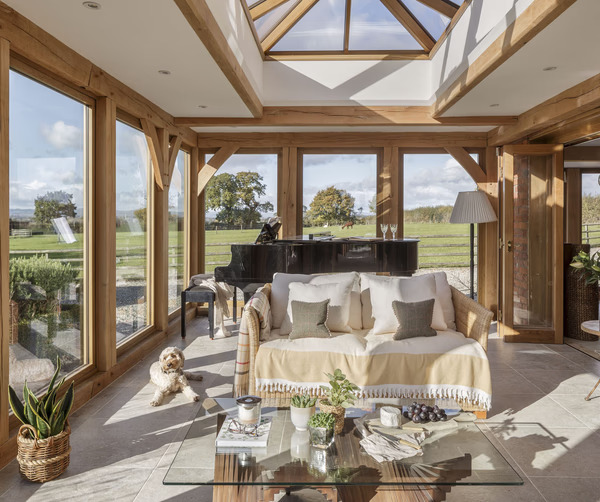
Bright conservatory with wooden beams, large windows, and a cozy seating area featuring a sofa and coffee table, showcasing a dog, piano, and greenery, emphasizing year-round comfort and innovative glazing solutions.
New Generation Glass™ | Exclusive to Room Outside

Can I Use My Conservatory All Year Round?

Yes — with New Generation Glass. Superior solar control, warm‑edge insulation, and self‑cleaning technology make every season comfortable. Watch the heat tunnel demonstration.

Reflects 86% of solar heat
U‑value <1.0 (exceeds Part L)
Blocks 99% UV rays
Self‑cleaning technology
Speak to an Expert
01243 538999 Call us anytime – David our digital assistant will take a few details so the right specialist can follow up personally.
🔥 Heat tunnel demo: New Generation Glass vs conventional glass
One of the most common questions we receive is: “Will I be able to use my conservatory all year round?” Many people assume glass rooms become too hot in summer and too cold in winter. Older conservatories with standard glazing suffer from extreme temperature swings, glare, and UV damage.

The short answer is yes — provided you choose the right glazing technology. For decades, conservatories have had a reputation as being either baking hot in summer or freezing cold in winter, making them unusable for much of the year. This is largely due to outdated single-glazed or basic double-glazed units that lack solar control and proper thermal insulation. But modern advances in glass technology have completely changed the game. At Room Outside, we developed New Generation Glass (NGG) to address exactly these issues, ensuring your glass extension becomes a comfortable, usable living space every single day of the year.

In this comprehensive guide, we’ll explain how NGG works, why it outperforms every other conservatory glass on the market, and how you can transform your existing conservatory or plan a new glass extension that you’ll love year-round. We’ll also cover heating options, building regulations, and real-world results from our customers.

🏠 The Problem with Traditional Conservatory Glass

Traditional conservatory glazing — especially that installed before 2010 — typically uses standard double glazing designed for vertical windows, not for roof applications. This glass has a high solar heat gain coefficient (SHGC), meaning it lets in a large amount of infrared radiation. In summer, this turns your conservatory into a greenhouse, with temperatures often exceeding 40°C (104°F). In winter, the same glass allows heat to escape rapidly, leading to cold drafts and condensation. Additionally, standard glass offers little UV protection, causing your furniture, carpets, and flooring to fade within months.

Many homeowners have tried to mitigate these issues with blinds, awnings, or even replacing the roof with a solid tiled roof. But blinds block the view, and a solid roof defeats the purpose of a glass extension — you lose the connection with the outdoors. The real solution lies in solar control glass that works intelligently: reflecting summer heat while retaining winter warmth.

🌟 New Generation Glass: The Breakthrough

Room Outside introduced the UK’s first advanced solar-controlled glass (Wonderglass™) from the USA back in 1999. Since then, we have continuously developed the technology. Today, our New Generation Glass (NGG) represents the pinnacle of conservatory and orangery glazing. Here’s what makes it different:

🔆 Solar Control Coating

A multi-layer Low-E (low emissivity) coating is applied to the glass surface. This coating reflects long-wave infrared radiation (heat) back to its source. In summer, it bounces solar heat away from the room; in winter, it reflects interior heat back inside. The result: a stable, comfortable temperature year-round.

🛡️ Warm-Edge Spacer Bars

Standard double glazing uses aluminium spacer bars, which are highly conductive and create a thermal bridge around the edge of the glass. Our warm-edge spacer bars are made from materials up to 950 times less conductive than aluminium. This eliminates cold edges, reduces condensation, and significantly improves the overall U-value.

🎈 Argon Gas Fill

The cavity between the two glass panes is filled with argon gas, which is denser than air and a poor conductor of heat. This increases thermal insulation by reducing convective currents within the cavity.

💧 Self-Cleaning Technology

Our glass features a hydrophilic coating that causes water to sheet evenly over the surface, washing away dirt. Rain then rinses the glass clean, keeping your conservatory roof looking pristine with minimal maintenance.

86%
of solar heat reflected
U‑value <1.0
superior thermal insulation
950x
less conductive spacer bar

❄️ Winter Performance: Warm When You Need It

In the colder months, NGG works to keep your conservatory cosy. The Low-E coating reflects radiant heat from your radiators or underfloor heating back into the room, rather than letting it escape through the glass. The argon gas fill and warm-edge spacers dramatically reduce conductive heat loss. Many of our customers report that their conservatory stays 5–8°C warmer in winter compared to standard double glazing, without increasing heating bills.

We recommend pairing NGG with an efficient heating source. Underfloor heating is ideal for glass extensions because it provides gentle, even warmth without taking up wall space. Alternatively, modern electric radiators or a wood-burning stove can also work well. Because NGG retains heat so effectively, you’ll find you need less heating overall.

☀️ Summer Performance: Cool and Glare-Free

Summer is where NGG truly shines. The solar control coating reflects up to 86% of the sun’s infrared radiation, preventing your conservatory from overheating. At the same time, the glass allows visible light to pass through, so you still get a bright, airy space — but without the oppressive heat. In independent tests, a conservatory fitted with NGG remained 12–15°C cooler than one with standard glass on a 30°C day.

Glare is also significantly reduced. The coating cuts down on harsh reflections, making it comfortable to watch television or work on a laptop even in direct sunlight. And because NGG blocks over 99% of harmful UV rays, your furniture, artwork, and flooring will not fade — preserving the beauty of your interiors for years.

📐 Planning a New Glass Extension or Upgrading an Existing One

If you’re planning a new conservatory, orangery, or glass box extension, specifying New Generation Glass from the outset is the smartest decision you can make. It will add only a modest premium over standard glass but will transform the usability of the space. Our design team will work with you to create a bespoke structure that complements your home, handles any planning considerations, and maximises the benefits of NGG.

For those with an existing conservatory that is too hot or too cold, you don’t need to rebuild. We can retrofit NGG into your current roof and windows, often without changing the frame. This is a cost-effective way to breathe new life into an underused space. The installation is typically completed in a few days, with minimal disruption. Thousands of homeowners have already transformed their conservatories from “seasonal sun traps” into year-round living areas.

📋 Building Regulations & Energy Efficiency

All our New Generation Glass installations meet or exceed the requirements of Part L of the Building Regulations (conservation of fuel and power). For new conservatories and orangeries, the glazing must achieve a certain thermal performance to comply. NGG’s U-value below 1.0 comfortably satisfies these standards. In fact, it’s so efficient that many local authorities accept it as an exemption to certain heat loss calculations, simplifying the approval process.

Additionally, NGG contributes to your home’s overall energy efficiency rating (EPC). A well-insulated glass extension can actually improve the energy performance of your home by reducing draughts and providing passive solar gain in winter. Combined with good quality frames (UPVC or thermally broken aluminium), you’ll have an extension that is both beautiful and sustainable.

For more information on energy ratings and building control, you can refer to the UK Government’s guide to conservatory building regulations or consult our team for specific advice on your project.

💬 Real Customer Experiences

Don’t just take our word for it. Hundreds of homeowners have already transformed their conservatories with NGG. Here’s what they say:

“We used to avoid our conservatory from May to September because it was unbearably hot. After Room Outside replaced the roof with New Generation Glass, we use it every single day — even in the heatwave. The difference is night and day. Highly recommended!”

— The Harris family, Surrey

🔧 Additional Tips for Year-Round Comfort

While NGG handles the heavy lifting, you can further enhance comfort with a few simple additions:

  • Underfloor heating – Provides gentle, even warmth without radiators.
  • Thermal blinds – Optional for extra insulation on very cold nights (though rarely needed with NGG).
  • Ventilation – Trickle vents or roof vents help circulate air on mild days.
  • External shading – Deciduous trees or a pergola can provide additional summer shade, but NGG already reduces heat drastically.
Speak to an Expert
01243 538999 Call us anytime – David our digital assistant will take a few details so the right specialist can follow up personally.
Expert Answers

Frequently Asked Questions

No. New Generation Glass reflects up to 86% of solar heat, keeping your conservatory cool even on the hottest days. The solar control coating prevents greenhouse effect.
Not with NGG. U-value <1.0 (better than many walls). Warm-edge spacer bars and argon gas minimise heat loss — low energy costs year‑round.
Standard double glazing has no solar control. NGG uses Low‑E coatings, argon gas, warm‑edge technology to reflect heat, block UV, and self‑clean — designed for all‑glass rooms.
Yes. We can replace your old glass roof and windows with New Generation Glass, dramatically improving comfort and reducing glare — often without changing the frame.
Over 99% of harmful UV radiation is absorbed, protecting your skin and preventing furniture, carpets, and artwork from fading.
All NGG installations come with a 10‑year structural guarantee, plus manufacturer warranties on glass units and hardware.
Absolutely. With NGG, your conservatory becomes a usable living space every day – warm in winter, cool in summer, with no glare or UV damage.
In most cases, like-for-like glass replacement does not need permission. For new extensions, we advise on permitted development. We have extensive experience with listed buildings.

For more technical specifications, visit the Planning Portal or read our Glass Technology Guide.

Google Verified Reviews

What Our Customers Say

★★★★★
“Our conservatory used to be an oven in summer and an icebox in winter. After upgrading to New Generation Glass, it’s our favourite room all year. The heat tunnel demo convinced us – and it really works!”
— Sarah & James
★★★★★
“We were sceptical about using a glass extension year-round, but Room Outside’s NGG is a game-changer. Warm in winter, cool in summer, and no more glare on the TV. Absolutely worth every penny.”
— Michael Roberts
★★★★★
“The self-cleaning feature is brilliant. The glass stays spotless, and the thermal performance is incredible. We use our orangery every single day now – thank you Room Outside.”
— Claire Foster

Enjoy your conservatory every season

Expertly designed New Generation Glass, warm‑edge technology, and solar control – the ultimate year‑round comfort.

Speak to an Expert
01243 538999 Call us anytime – David our digital assistant will take a few details so the right specialist can follow up personally.
Bespoke conservatory by Room Outside featuring large windows, a glass roof, and a cozy seating area, surrounded by greenery.
roomoutsideuk
24th October, 2021

Key Mistakes to Avoid When Designing a Conservatory

Planning and designing a conservatory or glass extension can feel overwhelming. You want to make the right choices and avoid costly mistakes. To help, we’ve created this guide highlighting common pitfalls and how to avoid them.

1. Assuming Planning Permission Isn’t Required

Permitted development rights allow many home improvements without formalplanning permission. However, some conservatories still need approval, especially for listed buildings or homes in areas of outstanding natural beauty. If you assume permission isn’t required, you may risk having to remove your new conservatory.

Choose a conservatory company with experience in planning regulations. They can guide you through the process and connect you with architects or planning officers. You can also check the Planning Portal for more information.

2. Choosing Low-Quality Glass Without Temperature Control

British weather is unpredictable, making temperature control essential for a glass extension. Standard glazing often leads to extreme heat in summer and cold in winter.

Invest in high-performance glass with a low U-value to retain heat in winter and reduce overheating in summer. While budget options may seem appealing, they can lead to discomfort and higher costs for future upgrades.

3. Selecting the Wrong Style or Size

A well-designed conservatory adds value to your home. However, poor design choices can reduce its appeal.

Ensure the style, size, and shape complement your existing property. A professional conservatory designer will help create a structure that flows with your home’s architecture while providing a functional space that suits your lifestyle.

4. Over-Investing Beyond Property Value

A glass extension can increase your home’s market value, but there is a limit. Spending beyond what the extension adds in value may not be financially wise.

Consider a property valuation before setting your budget. This will help balance your dream conservatory with a practical investment that maximises returns.

5. Compromising on Space to Save Money

Budget constraints can lead to compromises, but reducing size isn’t always the best way to cut costs. A conservatory that is too small may become impractical and limit functionality.

A customer survey found that the biggest regret among conservatory buyers was not choosing a larger space. Ensure your conservatory meets your needs before making final decisions.

6. Ignoring Landscaping Around the Conservatory

The focus will be on designing your conservatory, but don’t forget the surrounding area. Construction can disrupt your garden, and you may need to restore or redesign landscaping once the build is complete.

Updating the garden around your conservatory enhances the overall aesthetic. Factor this into your budget to achieve a seamless finish.

7. Overlooking Maintenance Costs

Regular maintenance keeps your conservatory looking its best. Timber-framed structures need repainting or re-treating every few years. Cleaning the glass and maintaining the seals will also extend its lifespan.

While DIY maintenance is possible, it can be time-consuming and risky. A professional cleaning and maintenance service ensures your conservatory stays in top condition without hassle.

8. Forgetting to Plan Furniture and Interior Design

The way you use your conservatory will influence its layout and size. When designing your conservatory, think about furniture placement and functionality before finalising the design.

For example, do you need space for a large dining table? Will tall furniture require solid walls instead of full-length glass? Also, consider electrical points, internet access, and heating to create a practical space that suits your lifestyle.

Why Choose Room Outside?

With over 50 years of experience, Room Outside specialises in designing and building bespoke conservatories, orangeries, and glass extensions. We have worked on homes across the UK, including listed properties and those in protected areas.

Our team offers expert guidance on planning regulations, design choices, and long-term maintenance. We also provide specialist deep valet cleaning and refurbishment services to keep your investment in perfect condition.

Contact us today to discuss your project and discover how we can help you create the perfect conservatory for your home.

Contact us to Discuss Your Project

Get a Quote
Bespoke conservatory by Room Outside featuring large windows, a glass roof, and a cozy seating area, surrounded by greenery.
roomoutsideuk
27th June, 2021

6 Things to Consider When Buying a Conservatory

If you’re thinking about buying a conservatory, there are several key factors to consider before starting your project. Taking the time to plan properly will ensure that your new glass extension meets your needs and adds value to your home.

1. Purpose and Use

Before starting yourconservatory or glass extension project, think about how you’ll use the space. This will help determine the size, style, and layout.

  • Will it be a dining area, a relaxing lounge, or a home office?
  • Do you want an open-plan extension or a separate space?
  • Would a standalone garden room work better for your needs?

A good conservatory designer will help tailor the space to your lifestyle, ensuring it functions as you envision.

2. Design and Materials

Gather inspiration by looking at similar projects online or creating a mood board. Your conservatory should complement the style of your home. When selecting materials, consider:

  • Glass Type: Temperature-controlled glass keeps the space warm in winter and cool in summer.
  • Frame Material: Timber frames offer durability and a classic look but require maintenance. uPVC is lower maintenance but may not provide the same premium aesthetic.
  • Insulation & Heating: Proper insulation and heating options will make the conservatory usable year-round.

Additionally, factor in long-term maintenance. Some materials require more upkeep than others, so choose accordingly.

3. Budgetand Cost Considerations

Budgeting is crucial when buying a conservatory. Consider all costs, including:

  • Foundations and groundwork
  • Materials and construction
  • Interior design, furniture, and decoration
  • Planning permissions (if required)

Bespoke high-quality conservatories start from around £20,000. While cheaper off-the-shelf options exist, they may not offer the same durability, quality, or customisation. Investing in a well-designed conservatory ensures better long-term value and enjoyment.

4. Property ValueImpact

A well-designed conservatory can add up to 7% to your home’s value. However, the impact depends on:

  • The size and style of the extension
  • How well it integrates with your property
  • The added functionality it provides

Before committing, get a property valuation to understand how much value a conservatory will add. This can also help you set a realistic budget.

5. Planning Permission

You may not always need planning permission, as many conservatories fall under permitted development rights. However, factors such as size, location, and listed building status can affect this. To avoid issues:

  • Check government planning regulations
  • Consult with your conservatory installer for guidance
  • Contact your local planning authority if unsure

For more details, we have an in-depth blog on planning permission requirements.

6. Choosing the Right Conservatory Specialist

Before buying a conservatory check that you understand whatlevel of service the company offer. Some provide a full-service package, managing everything from design to decoration, while others require more involvement from you.

Ask yourself:

  • Do you want a hands-off approach or to project manage?
  • Does the company have experience with your preferred design style?
  • Can they show past projects to demonstrate quality?

Why Choose Room Outside?

At Room Outside, we have over 50 years of experience designing and building bespoke conservatories. Our expert team offers a full-service approach, handling everything from design to final decoration.

  • We help navigate planning regulations
  • We provide tailored design solutions
  • We offer high-quality materials and expert craftsmanship

Take a look at our past projects for inspiration, or contact us for a no-obligation consultation. We’d love to help bring your dream conservatory to life!

Start Planning Your Project Today

GET A QUOTE
Bespoke conservatory by Room Outside featuring large windows, a glass roof, and a cozy seating area, surrounded by greenery.
roomoutsideuk
27th April, 2021

How Much Does a Conservatory Cost?

Conservatory Cost Guide 2026 | Bespoke Prices & Ideas | Room Outside

How Much Does a Conservatory Cost?

Bespoke prices for uPVC, aluminium, timber, and glass extensions. Full breakdown including groundwork, planning, and hidden fees.

Bespoke Quality vs. Off-the-Shelf Prices

With many homeowners looking to create more space, you might be considering moving or extending your home. A conservatory, orangery, or glass extension can be a quicker and often more cost-effective solution than a full house move. But how much does a conservatory cost in 2026?

There isn’t a fixed price list because many factors affect the final cost. Your investment depends on size, style, materials, and site conditions. While budget off-the-shelf options might appear cheaper, they often exclude crucial groundwork, electrics, and plastering. A high-quality bespoke conservatory, including full construction, typically starts at around £20,000 for uPVC and can exceed £150,000 for a luxury aluminium glass box.

This guide, informed by our 50+ years serving West Sussex and the South East, breaks down every cost factor so you can budget accurately.

💰

Key Factors That Determine Conservatory Cost

Understanding where your budget goes
Modern wraparound glass kitchen with floor-to-ceiling glazing, featuring a large island with a decorative countertop, open dining area, and views of the garden, enhancing natural light and indoor-outdoor connection.

When planning your budget, it’s essential to look beyond the base price of the frame and glass. A comprehensive quote should include everything from initial demolition to final decoration. Here are the primary drivers of your final investment:

Size & Footprint Larger square meterage requires more materials and labour, directly increasing the cost. A 4m x 4m room costs significantly more than a 3m x 3m lean-to.

Groundworks & Base The condition of your site matters. Sloping gardens, poor drainage, or the need to remove an old patio can add £3,000 – £8,000+ to the groundwork phase.

Frame Material uPVC is the most cost-effective. Aluminium offers slimmer lines and durability at a premium (30-50% more). Timber commands the highest price for its natural beauty.

Glass Specification Upgrading to solar control glass, self-cleaning coatings, or triple glazing adds to the cost but dramatically improves comfort and energy efficiency.

Groundworks: £3k-£10kuPVC Frame: from £20kAluminium: from £30k

Material Costs: uPVC vs Aluminium vs Timber

The choice of material is one of the biggest decisions affecting both aesthetics and budget. While uPVC remains the nation’s favourite for affordability, aluminium and timber provide distinct advantages for design and longevity.

MaterialPrice Range (4m x 4m)LifespanPros
uPVC£22,000 – £35,00020-30 yearsCost-effective, low maintenance, excellent thermal efficiency
Aluminium£32,000 – £55,00045+ yearsSlim sightlines, strong, modern aesthetic, recyclable
Timber (Hardwood)£38,000 – £65,00030-60 years (maintained)Natural beauty, suits period properties, premium feel

Note: These prices include a solid roof or glass roof system. For a full glass extension cost guide with structural glazing, budgets start higher.

🏛️

Conservatory Style & Configuration Costs

How the shape of your room affects the price

Complex roof structures and bespoke angles require more engineering and installation time. Here’s how different styles compare for a medium-sized project (approx 16m²):

  • Lean-to / Mediterranean: Simplest structure, most affordable. Ideal for bungalows. Est. £18,000 – £28,000
  • Victorian / Edwardian: Bay front and ornate ridge details. More complex glazing. Est. £25,000 – £40,000
  • P-Shape / L-Shape: Combines two areas (e.g., dining and lounge). Larger footprint and complex roof junction. Est. £35,000 – £60,000+
  • Orangery: Brick pillars and a solid roof perimeter with a central glass lantern. Deeper foundations required. Est. £35,000 – £55,000
  • Glass Box Extension: Minimalist structural glass. Highest cost due to engineering and specialist installation. Est. £45,000 – £100,000+

Explore our contemporary frameless conservatory range for ultra-modern designs.

Hidden Costs to Budget For

To avoid unexpected bills, ensure your quote includes the following line items. At Room Outside, our fixed-price quotations are fully inclusive of everything needed to achieve a finished, decorated room.

  • Building Regulations Fees: If your conservatory is open-plan to the house or over 30m², you’ll need Building Control approval (£300-£800).
  • Planning Permission: Most fall under Permitted Development, but if required, application fees are £206-£462. Read our planning guide.
  • Heating & Electrics: Underfloor heating, lighting circuits, and additional plug sockets. Budget approx £1,500 – £4,000.
  • Flooring & Tiling: Often excluded from basic quotes. High-quality porcelain tiles or engineered wood cost £60-£120 per m² installed.
  • Blinds & Solar Control: Essential for glass roofs. Integrated blinds can add £800 – £2,500 depending on automation.

External reference: The Planning Portal provides official guidance on permitted development rules.

Cost Comparison: Conservatory vs Orangery vs Extension

Not sure which type of addition suits your home and budget? The table below outlines typical all-in costs (including construction and finish) for a 20m² addition in the South East.

TypeTypical Cost (20m²)Best For
uPVC Conservatory£25,000 – £40,000Budget-conscious, traditional look, garden room
Aluminium Orangery£45,000 – £70,000Luxury kitchen extension, period homes, increased value
Glass Box Extension£60,000 – £120,000Architectural statement, seamless indoor-outdoor living
Traditional Brick Extension£50,000 – £90,000Permanent additional bedroom or large living space

A conservatory or orangery from Room Outside offers a faster build time and often avoids the full planning hurdles of a brick extension, providing exceptional value per square metre.

Ready for an Accurate Price?

Avoid budget surprises. Our design team provides a detailed, fixed-price quote tailored to your exact property and requirements.

Request Detailed Quote

Call us anytime – David our digital assistant will take a few details so the right specialist can follow up personally. 01243 538999

📐

How to Compare Conservatory Quotes Fairly

What to look for in a detailed proposal

When comparing quotes from different suppliers, it’s vital to ensure you’re comparing apples to apples. A cheap headline price often hides exclusions that will cost you dearly later.

Site Survey Included? Beware quotes given over the phone without a survey. Ground conditions can add thousands. Room Outside always surveys first.

Glass Specification Ensure quotes specify the U-value and solar control coating. “Standard glass” can lead to an unusable room in summer.

Internal Finishes Plastering, skirting boards, and decorating are often extra. Our quotes include making good to surrounding walls.

Warranty & Guarantee Check the length of the installation guarantee and the manufacturer’s warranty on frames and glass.

Room Outside

Bespoke Conservatory & Glass Extension Specialists | Est. 1973

Room Outside has been designing and building bespoke conservatories and orangeries across West Sussex, Surrey, Hampshire, Kent, and London for over 50 years. We don’t do “off-the-shelf”—every project is tailored to your property and includes full project management from foundations to finishing touches. Call us anytime for a transparent, no-obligation discussion. 01243 538999

About This Cost Guide

Prices are indicative for bespoke installations in the South East of England as of March 2026. They include design, full construction, 5-star rated installation, and VAT. Costs may vary based on specific site conditions, access, and specification.

Originally published: 27th April, 2021 | Last updated: March 2026

Frequently Asked Conservatory Cost Questions

How much does a basic uPVC conservatory cost in the UK?

A high-quality bespoke uPVC conservatory including groundwork and full installation typically starts from around £20,000 – £25,000. Smaller lean-to designs may start slightly lower, but off-the-shelf ‘budget’ options often exclude crucial costs like foundations, electrics, and plastering, which can add thousands.

What is the difference in cost between a conservatory and an orangery?

Orangeries generally cost 20-40% more than a comparable conservatory due to the increased brickwork, solid roof perimeter, and deeper foundations. A typical 4m x 4m uPVC conservatory might cost £25k, while a similar sized orangery would be closer to £35k-£45k.

Do I need to budget for planning permission?

Many conservatories fall under Permitted Development, meaning no planning application fee is required. However, if you live in a listed building or conservation area, or if the design exceeds size limits, planning fees range from £206 to £462. You should also budget for Building Regulations approval if the conservatory is open-plan to the house or over 30m².

Why are aluminium conservatories more expensive than uPVC?

Aluminium is a premium material with higher raw material costs and more complex manufacturing. It offers slimmer sightlines, greater structural strength for larger spans, and a lifespan of 45+ years with minimal maintenance. Expect to pay 30-50% more for aluminium than for uPVC.

What hidden costs should I look out for in a conservatory quote?

Common hidden costs include: removal of an existing patio/decking, groundworks and foundations (especially on sloping sites), upgrading to solar control glass, electrical work for lighting and sockets, underfloor heating installation, and decorative finishes like plastering and tiling. A comprehensive fixed-price quote from Room Outside includes all of these.

How much value does a conservatory add to a house?

A well-designed, high-quality conservatory can add between 5% and 12% to the value of your property, according to estate agents. A bespoke glass extension that flows seamlessly with the kitchen or living space often provides the highest return on investment.

Call us anytime – David our digital assistant will take a few details so the right specialist can follow up personally.01243 538999

Get a Fixed Price, Not a Guess

With over five decades of experience, we provide detailed, all-inclusive quotes that cover every stage of your build—from foundations to final decoration. No hidden extras.

Book Free Design Consultation

Call us anytime – David our digital assistant will take a few details so the right specialist can follow up personally. 01243 538999

Room Outside: Conservatory & Glass Extension specialists since 1973.
Serving West Sussex, East Sussex, Surrey, Hampshire, Kent, Essex, Greater London, Berkshire & Dorset.

Bespoke conservatory by Room Outside featuring large windows, a glass roof, and a cozy seating area, surrounded by greenery.
roomoutsideuk
10th December, 2020

Will a Conservatory or Glass Extension Add Value to My Property?

The simple answer is yes—provided it’s done properly! Property expert and TV presenter Phil Spencer advises that a conservatory, orangery, or glass extension can add up to 7% to your home’s value when designed and built correctly. A survey by the National Association of Estate Agents also ranked Glass Room Extensions among the top home improvements for adding value to a property.

To ensure your investment pays off, here are some key considerations when planning a Glass Room Extension.

How Much Value Will a Conservatory Add to My Property?


Property experts state that you can add up to 7% to your property value by adding a conservatory, orangery or glass extension.

Complementary Style: Designing for Value

A well-designed glass extension enhances both the aesthetic and financial value of your property. However, a poorly planned “add-on” can have the opposite effect.

To achieve the best results, follow these essential design principles:

  • Seek expert advice on materials, orientation, and ventilation.
  • Choose a style that complements your home’s architecture.
  • Use specialist glass to ensure the space is comfortable year-round.
  • Consider flow and functionality so the extension integrates seamlessly with your home.

A bespoke glass extension adds more value than an off-the-shelf design, ensuring it blends naturally with your property.

Space Gained vs. Space Lost

An orangery, conservatory, or glass extensionprovides valuable extra living space but reduces garden space. It’s important to find the right balance.

Planning permission may not be required if the extension falls under permitted development.

Open-plan living can enhance space, but building regulations may apply if you plan to remove walls.

By carefully planning the size and layout, you can maximise your home’s value while maintaining a practical and beautiful living environment.

Integration: Making Your Extension Feel Like Home

A well-integrated conservatory should feel like a natural extension of your home—not an afterthought. To achieve this:

  • Ensure the space has a clear function—an extension of an existing room or a new room in its own right.
  • Maintain continuity by using the same flooring throughout your downstairs space.
  • Avoid making it feel separate—for example, by ensuring easy access from the main living areas.

Seamless integration improves flow, functionality, and resale appeal.

Quality Matters: Choosing the Right Investment

The quality of your conservatory or glass extension directly impacts its value. While a basic conservatory kit might cost £4,000–5,000 with an additional £3,000–4,000 for installation, this type of structure may not be the best long-term investment for valuable or period properties.

Instead, consider a high-quality, bespoke:

Orangery , Glass Room Extension or Custom Conservatory

A carefully designed, premium glass extension will not only enhance your home’s appearance but also increase its market value.

Get Expert Advice on Adding Value to Your Property

At Room Outside, we have over 50 years of experience designing and building bespoke conservatories and glass extensions throughout the South.

Contact our design expertsto discover the best way to extend your home with light, space, and value!

Book a consultation today for a free, no-obligation quotation.

Contact the Team for More Information

Contact Us
Ornate architectural design element featuring a floral motif, representing Room Outside's focus on orangeries and conservatories.
Room Outside
10th September, 2020

Will a Conservatory Be Too Hot or Too Cold?

A conservatory, orangery, or glass extension is a fantastic way to gain extra space, but many homeowners worry about whether their conservatory will be cold in winter and hot in summer.

A glass extension provides a bright, open space with stunning garden views, but without the right glass, temperature control can be a challenge. The wrong glass may cause excessive heat and glare in summer, while in winter, heat may escape too quickly, making the space uncomfortably cold and increasing energy bills.

Choosing the right conservatory glass is essential for maintaining comfort throughout the year. There are many options available, but performance varies significantly. Here are the key features to look for when selecting conservatory glass.

Use Your Conservatory All Year Round

Will a Conservatory be Too Hot or Cold?


The short answer is no, your conservatory will not be too hot or too cold, if you consider your heating and insulation options carefully, as well as choosing the right glass to be installed you will be able to use it all year round.

Energy-Efficient Glass

  • Solar control glasshelps regulate temperature by limiting the amount of heat passing through.
  • Low U-value glass improves insulation, reducing heat loss in winter and minimising overheating in summer.
  • Improved efficiency means less reliance on air conditioning and heating, leading to lower energy bills.

Light Reduction Technology

  • Reflective glass helps reduce glare and excessive brightness in summer.
  • High-quality glass reflects at least 70% of the sun’s rays without the need for tints.
  • Maximises natural light during autumn and winter when daylight hours are shorter.

UV Protection

  • High-performance UV filters protect interiors from fading and reduce harmful sun exposure.
  • Better UV protection helps safeguard furniture, flooring, and soft furnishings.
  • For complete UV blocking, a solid roof with no windows is required.

Low-Maintenance Glass Protection

  • Protective coatings reduce staining and dirt buildup.
  • Self-cleaning properties keep glass cleaner for longer.
  • Easier maintenance means less effort when cleaning your conservator

Room Outside’s ‘New Generation Glass’

  • Exclusive to Room Outside, this advanced glass is designed for the British climate.
  • First to introduce Wonderglass™ in the UK in 1999, now developed into New Generation Glass (NGG).
  • Superior solar control keeps heat and light balanced, preventing temperature extremes.
  • Exceptional insulation maintains comfortable indoor temperatures throughout the seasons.
  • Light-reflecting and UV-reducing technology protects interiors while keeping the space bright.
  • Self-cleaning properties reduce maintenance and keep the glass looking its best.

Achieve Year-Round Comfort

If you are concerned about your conservatory being cold in winter and hot in summer, choosing the right glass is the solution. New Generation Glass offers the latest in temperature control, ensuring your glass extension remains a comfortable space all year round.

Find out more about New Generation Glass and how it can transform your conservatory into a comfortable, energy-efficient living space.

Contact us to Discuss Your Conservatory Project and Get a No-Obligation Quote

Contact Us