

Frameless Glass Roof Extensions: Design, Cost & Performance
How are frameless glass roofs engineered? What might they cost? And what should you consider before choosing a structural glass roof extension? This guide explains the design, specification, planning and performance questions homeowners usually ask first.
David, our digital assistant, can take a few details. A specialist may then follow up without obligation.
What is a frameless glass roof?
A frameless glass roof is a structural glazing system where toughened or laminated glass panels form the main visible roof surface. Unlike traditional conservatory roofs that rely on obvious aluminium, timber or uPVC rafters, a frameless system uses specialist bonding, concealed support and minimal fixings to create cleaner overhead sightlines.
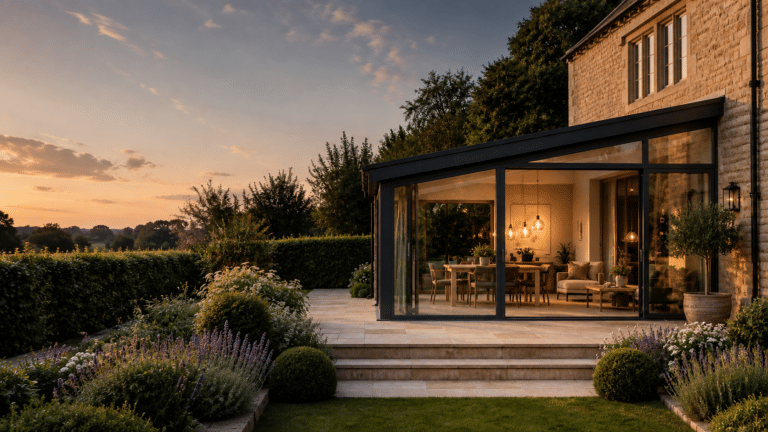
The practical result is a roof that feels lighter and more architectural. From inside, the emphasis is on sky, daylight and uninterrupted views. From outside, the extension can read as a clear contemporary addition rather than a conventional glazed roof.
Room Outside has long experience designing glass extensions and structural glass features for residential projects. Final specification should always be based on survey, span, exposure, access, safety requirements and building control input.
Frameless vs framed glass roofs: what is the difference?
The difference is not just visual. The roof structure, the way the glass is supported, and the type of project each system suits can all vary.
| Factor | Frameless glass roof | Framed glass roof |
|---|---|---|
| Visual impact | Cleaner sightlines with minimal visible framing | Visible frame profiles or rafters |
| Light transmission | High light levels, depending on system and detailing | High light levels, but frames interrupt the roof plane |
| Structure | Specialist structural glass and support design | Glass is usually supported by aluminium, timber or similar rafters |
| Thermal performance | Depends on glass build-up, coating, orientation and ventilation | Depends on frame, glass and roof specification |
| Indicative cost | Usually premium, often above framed systems | Usually more cost-effective for standard projects |
| Best suited to | Contemporary spaces, sensitive contrasts, feature roofs | Traditional or budget-conscious glazed extensions |
How frameless glass roofs are engineered
Frameless glass roofs should be treated as engineered systems, not as standard panes of glass placed above an opening. Every project should be assessed for span, load, deflection, drainage, access and safety.
Structural glass panels
Glass thickness and build-up depend on span, roof pitch, load requirements and whether the roof needs additional safety or walk-on properties.
Specialist bonding and fixings
Joints and supports need to be designed around movement, weathering, drainage and thermal expansion.
Glass fins or discreet structure
Some designs may still require subtle structural elements, such as glass fins or concealed support, depending on the span.
Thermal glass specification
Low-E coatings, solar-control coatings, warm-edge spacers and ventilation strategy can all affect comfort.
Because the roof itself is a major part of the design and structure, a frameless glass roof should be priced and specified after proper site assessment rather than by a generic square metre number alone.
Thermal performance and comfort
Older glazed roofs had a reputation for overheating in summer and feeling cold in winter. Modern glass roof performance is much more dependent on the exact glass, orientation, shading, ventilation and heating strategy.
Summer heat control
Solar-control glass, including New Generation Glass options, can reduce unwanted solar gain depending on the specification and site orientation.
Winter warmth
Double or triple glazing, low-E coatings and suitable heating design can help the room work as a year-round space.
Rain noise
Laminated and thicker glass build-ups may reduce noise compared with older lightweight roof materials.
Maintenance options
Self-cleaning coatings may reduce manual cleaning frequency, although access and local conditions still matter.
Frameless glass roof extension cost in 2026
Frameless glass roof extensions sit at the premium end of the market. The figures below are broad budgeting ranges only. Final pricing depends on survey, engineering, access, glass specification, drainage, supporting structure, finishes and VAT treatment.
| Approximate roof area | Indicative installed range | Notes |
|---|---|---|
| Small roof area, around 10m2 | £35,000 to £55,000+ | Highly dependent on span and access |
| Medium roof area, around 15m2 | £52,000 to £82,000+ | Often requires detailed structural design |
| Larger roof area, around 25m2 | £87,000 to £137,000+ | May need more complex glass and support strategy |
Indicative 2026 guide ranges only. Figures are not a quotation and may exclude VAT, groundworks, internal finishes, heating, electrics, structural alterations and planning or professional fees.
Considering a frameless glass roof?
Every project is different. Room Outside can discuss your home, likely design route, access, planning context and specification before giving budget guidance.
A specialist may follow up after David, our digital assistant, takes a few project details.
Planning permission and building regulations
Some glass roof extensions may fall within permitted development, but this depends on the property, location, size, height, boundaries and previous alterations. Sensitive settings may need additional checks.
Permitted development
Rules are project-specific. The Planning Portal extension guidance is a useful starting point.
Conservation or listed homes
Additional consent may be needed. Frameless glazing may be considered where a clear contemporary contrast is appropriate.
National Landscapes and parks
Designated areas may have extra restrictions or reduced permitted development rights.
Building regulations
Glazed extensions may need to satisfy thermal, structural and safety requirements, including relevant aspects of Approved Document L.
Room Outside can help identify likely questions during the early design process, but formal requirements should always be confirmed with the relevant local authority or professional adviser.
Where frameless glass roofs work well
Frameless glass roofs can be used in different ways, depending on the property and the desired architectural effect.
Kitchen-diner extensions
A glass roof can bring daylight deep into the plan and make the kitchen feel more connected to the garden.
Barn and heritage conversions
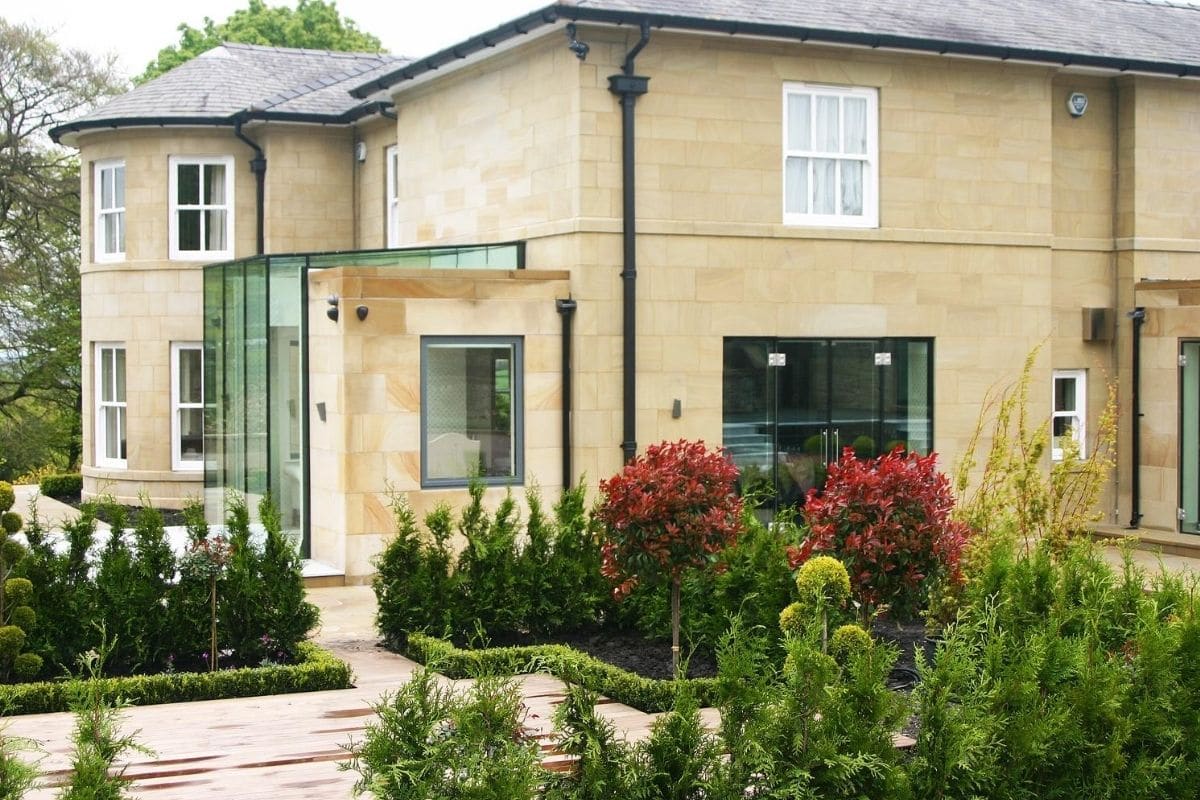
Structural glass can create a clear distinction between old and new where that design approach is suitable.
Link structures
A frameless glazed link may connect two parts of a property while keeping the join visually light.
Roof replacements
In some cases, replacing an older glazed roof may improve comfort and visual quality, subject to structure and regulations.
Related guides and resources
Frameless glass roof FAQs
Answers to common questions homeowners ask before choosing a glass roof extension.
What is a frameless glass roof?
A frameless glass roof is a structural glazing system where the visible roof surface is kept as clear as possible, with specialist glass, bonding and discreet support rather than obvious rafters.
How much does a frameless glass roof extension cost?
Indicative 2026 budgeting ranges may start around £3,500 to £5,500+ per square metre, but survey, span, access, structure, glass type, finishes and VAT can change the final figure.
Are frameless glass roofs energy efficient?
They can be, if correctly specified. Performance depends on the glass build-up, coatings, orientation, ventilation and heating strategy.
Do I need planning permission for a glass roof extension?
Some projects may fall under permitted development, but conservation areas, National Landscapes, listed buildings and other constraints may require approval. Check with the local authority or a professional adviser.
How long does a frameless glass roof last?
A well-designed and properly installed structural glass roof should be a long-term feature. Lifespan depends on design, installation quality, maintenance, exposure and materials.
Can you walk on a frameless glass roof?
Only if it is specifically engineered as a walk-on surface. This requires different glass specification, structural design and safety detailing.
Call us for an informal chat about frameless glass – 01243 538999 – Request a design conversation
Explore frameless glass options with Room Outside
Tell us a little about your project, property and preferred style. Room Outside can help you understand likely design routes, practical considerations and whether frameless glass is the right fit.
Room Outside – glass extension specialists since 1973 – West Sussex, Surrey, Kent, Hampshire, London and selected wider projects.