

Small Orangery Extensions:
Ideas, Costs & What to Expect in 2026
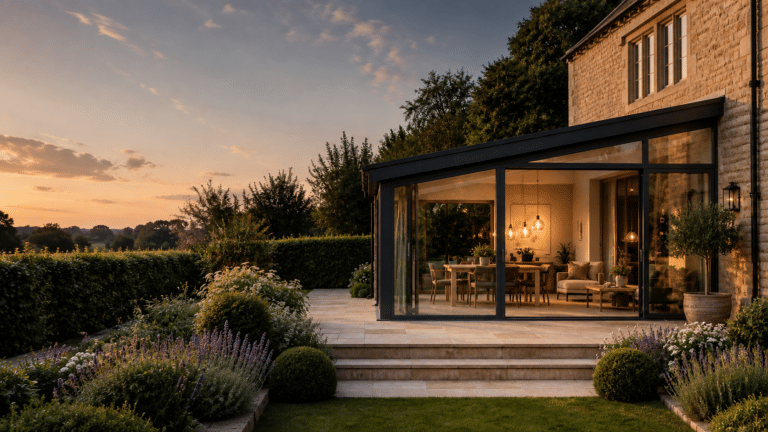
Think you need a mansion-sized garden and an unlimited budget for an orangery? A compact orangery (10–16 m²) may be more achievable — and more impactful — than you think.
David, our digital assistant, will take a few details so the right specialist can follow up personally — no obligation.
A small orangery may make more difference than you expect
A small orangery extension (10–16 m²) typically costs between £40,000 and £65,000 in 2026. One of the most popular layouts is a small orangery kitchen extension — combining cooking, dining, and natural light in a compact footprint. Sometimes referred to as a garden room or sunroom, a well-designed compact orangery may help add usable living space and property value without requiring a large garden or a six-figure budget.
Want to explore what’s possible for your home? Call 01243 538999 or request a brochure.
What Counts as a Small Orangery Extension?
A small orangery is typically between 10 and 16 square metres — roughly 3 m × 3.5 m to 4 m × 4 m. That’s enough room for a kitchen-diner with a table for four, a comfortable sitting room, or a generous home office. It’s compact enough to work in most gardens and under most budgets, while still delivering the architectural presence that makes an orangery feel like a proper room.
An orangery — sometimes known by another name for a sunroom, such as a garden room, conservatory, or glass room — differs from a conservatory primarily in structure. An orangery has solid pillars (brick, stone, or rendered blockwork), a perimeter pelmet or internal cornice, and typically a flat roof section with a central glazed lantern. This gives it a more permanent, room-like feel than a fully glazed conservatory. For a deeper comparison, see our guide to the differences between conservatories, orangeries, glass boxes and extensions.
3 m × 3.5 m (10.5 m²) — Cosy kitchen-diner or home office. The most compact size that still feels generous.
3.5 m × 4 m (14 m²) — The sweet spot for a small kitchen extension or garden room. Room for a dining table, sofa, or island unit.
4 m × 4 m (16 m²) — At the top end of “small”, this works well as a kitchen-diner with bi-folds or a dual-purpose family room.
L-shaped or corner — Wrapping around a corner of the house can create distinct zones in a small footprint.
Not sure what size would work? Our brochure includes floor plans and photos of completed compact orangeries. Request your free copy or call 01243 538999.
Small Orangery Extension Cost in 2026
The cost of a small orangery extension depends on size, specification, materials, site conditions, and location. The following are guide prices only, based on typical 2026 rates for South-East England. Actual costs will vary depending on your specific project and are subject to survey and design. For broader orangery pricing, see our full orangery prices guide.
| Specification | 10–12 m² | 12–14 m² (most popular) | 14–16 m² |
|---|---|---|---|
| Good quality (standard double glazing, uPVC or basic aluminium) | £35,000–£42,000 | £40,000–£48,000 | £45,000–£55,000 |
| High quality (thermally broken aluminium, solar-control glass, lantern roof) | £42,000–£52,000 | £48,000–£60,000 | £55,000–£68,000 |
| Premium bespoke (timber or hybrid, high-performance glazing, bespoke design) | £55,000–£68,000 | £62,000–£78,000 | £70,000–£90,000+ |
💡 What’s typically included at these prices
A comprehensive quote should cover design, structural engineering, building regulations, foundations, frame and glazing, roof, drainage, and internal finishes. Be cautious of quotes that exclude foundations or building regs — these may add 15–25% to the final cost.
📊 Small orangery vs other extension types (guide prices)
- Small conservatory (10–16 m²): approximately £15,000–£35,000 — less solid, less room-like
- Small orangery (10–16 m²): approximately £40,000–£65,000 — more permanent, more architectural
- Small brick extension (10–16 m²): approximately £30,000–£55,000 — less light, more enclosed
The orangery sits between a conservatory and a full brick extension — offering more light than brick, more solidity than glass, and typically more value than either.
Want a ballpark figure for your project? Call 01243 538999 — we can give you an indicative range within your first conversation. No obligation.
Best Uses for a Small Orangery
A well-designed small orangery can be surprisingly versatile. These are among the most common uses we see across our projects.
Kitchen-diner — Among the most popular uses. Even a 12 m² orangery can fit a compact kitchen run with a dining table for four to six. A lantern roof can help flood the space with natural light.
Dining room — Extending an existing kitchen into a dedicated dining orangery creates a sense of occasion without requiring a large build.
Home office — A quiet, light-filled space with garden views. The solid walls provide better acoustics than a fully glazed conservatory.
Garden room or snug — A cosy sitting area connected to the house. Works especially well with bi-fold or sliding doors to the garden.
Small Orangery Kitchen Extension: A Popular Layout
A small orangery kitchen extension is among the most popular projects we design and build. It tends to work well because it can address three needs at once: more kitchen space, a place to eat, and a connection to the garden — all in a compact footprint. For more on this approach, see our detailed guide: Can I extend my kitchen with an orangery?
What a typical small kitchen orangery includes
- Structural opening — removing or widening the rear wall to connect new and existing kitchen space (often requires an RSJ steel beam)
- Kitchen run along one or two walls — worktops, units, sink. The orangery extends the existing kitchen rather than replacing it
- Dining area — table and chairs under the lantern roof, benefiting from overhead natural light
- Bi-fold or sliding doors — connecting the dining area to the garden for indoor-outdoor flow
- Underfloor heating — the preferred heating option (no radiators obstructing views or units)
💷 What to budget for a small kitchen orangery
As a guide, a small orangery kitchen extension (12–16 m²) may typically cost in the region of £48,000 to £75,000 for the structure, but excluding the kitchen fit-out itself. The kitchen (worktops, units, appliances) is usually an additional £8,000–£25,000+ depending on specification. All figures are subject to survey and design.
Planning a kitchen orangery? Call 01243 538999 to discuss your layout ideas with a specialist. We can advise on what’s achievable in your space and budget — no obligation.
Thinking About a Small Orangery?
Every project starts with a conversation. Tell us about your home, your space, and how you’d like to use it — and we’ll tell you what may be possible. No obligation, no pressure.
David, our digital assistant, will take a few details so the right designer can follow up personally.
Design Tips to Make a Small Orangery Feel Spacious
A small orangery doesn’t have to feel small. These design principles can help maximise the sense of space and light.
Maximise the opening — A wide structural opening between the house and orangery makes both spaces feel larger. A full-width RSJ is often worth the extra cost.
Use a lantern roof — Overhead light from a glazed lantern creates a sense of height and openness. It’s the defining feature of an orangery and can help transform the feel of the ceiling.
Slim-profile frames — Thermally broken aluminium with slim sightlines maximises glass area and views. Avoid chunky uPVC profiles in a small space — they eat into the view.
Match the floor level — A flush threshold between house and orangery removes the visual boundary. Consistent flooring across both spaces amplifies the feeling of one room.
Underfloor heating — Can help free up wall space by removing the need for radiators. In a small orangery, making the most of available wall and floor space matters.
High-performance glazing — New Generation Glass can help keep the orangery comfortable year-round without bulky heating or cooling systems taking up space.
Planning and Building Regulations for Small Orangeries
The good news: many small orangeries can fall within permitted development rights, which may mean you don’t need a formal planning application. However, there are conditions and these can vary, so it’s always worth checking with your local planning authority or a specialist before you start.
Permitted development: general conditions to be aware of
- The extension should generally not cover more than half the garden area
- There are maximum height restrictions (these vary depending on proximity to boundaries)
- The extension must generally not extend beyond the rear wall of the original house by more than 4 m (detached) or 3 m (semi-detached or terraced) under standard permitted development — though larger extensions may be possible under the Larger Home Extension scheme with a prior approval notification. These limits can change, so it’s worth checking the current rules for your situation.
- Materials are generally expected to be similar in appearance to the existing house
⚠️ When you may need planning permission
- Listed buildings (any grade)
- Properties in conservation areas, AONBs, or National Parks
- Where previous extensions have used up permitted development allowance
- Flats or maisonettes
If in doubt, a specialist can check your specific situation before you commit to anything.
Building regulations
Almost all orangery extensions require building regulations approval — this is separate from planning permission. Building control covers structural safety, thermal performance, drainage, and electrics. A good orangery company should be able to handle the building regulations process for you as part of the project.
Unsure about planning? Call 01243 538999 — we can advise on what’s likely to be permissible for your specific property before you commit to anything.
Compact Orangery Projects: What’s Possible
The following images are examples of compact orangery projects we have designed and built. They represent typical briefs, materials, and approaches — to give you a sense of what may be possible for your home.
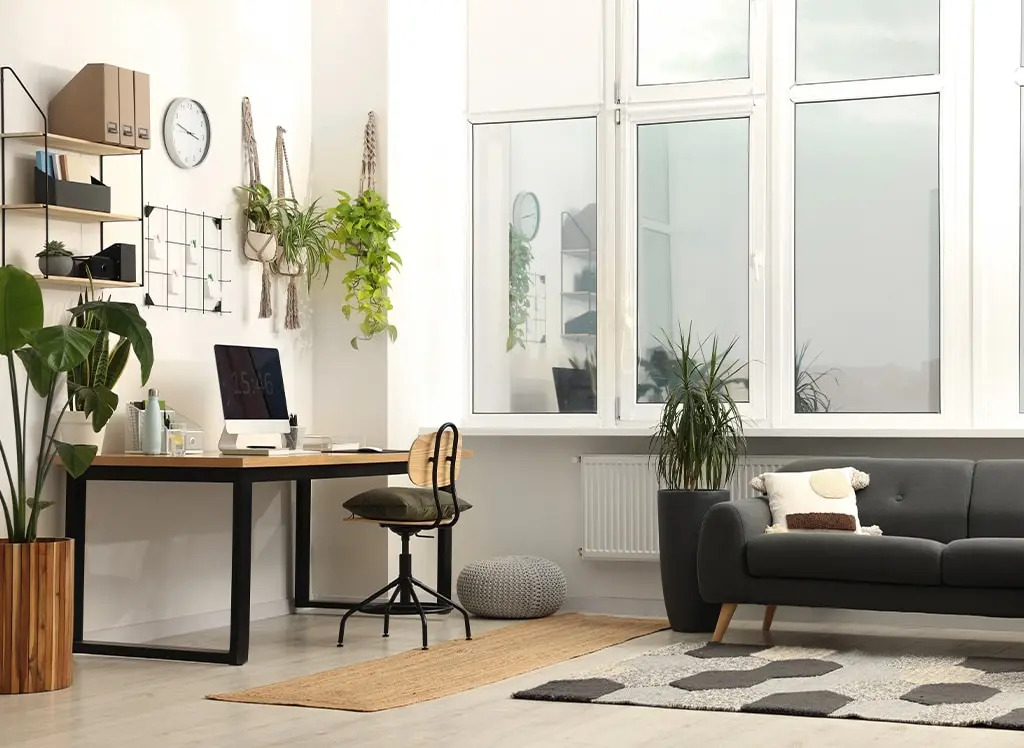


Our brochure includes floor plans and more photography of completed compact orangeries. Request your free copy — it’s a helpful way to explore what’s possible for your home.

Related Reading
About This Guide
Prices are based on 2026 UK market rates for South-East England. Actual costs vary depending on specification, site conditions, and location. All figures are approximate and should not be treated as quotations. Permitted development rules are summarised and may change — always check current regulations for your specific property. Illustrative examples are representative of typical projects, not specific customer commissions.
Last updated: May 2026 · Author: Room Outside · Canonical: roomoutside.com/small-orangery-extension-guide/
Frequently Asked Questions
Common questions about small orangery extensions, answered.
How much does a small orangery extension cost in 2026?
A small orangery extension (10–16 m²) typically costs between £40,000 and £65,000 in 2026, depending on specification, materials, site conditions, and location. A basic specification may start from around £35,000, while a premium bespoke small orangery could reach £75,000 or more.
What size is a small orangery?
A small orangery is typically between 10 and 16 square metres — roughly 3 m × 3.5 m to 4 m × 4 m. This is enough for a kitchen-diner, sitting room, or home office, while being compact enough to suit most gardens and budgets.
Is a small orangery kitchen extension worth it?
A small orangery kitchen extension is among the most popular layouts because it can combine cooking, eating, and natural light in a compact footprint. It may help add usable space and property value. Many homeowners find it may deliver a better return than a larger, less well-specified extension.
What is another name for a sunroom or orangery?
An orangery is sometimes called a garden room, sunroom, conservatory, or glass room — though each has slightly different characteristics. An orangery features solid pillars with glazed panels and a lantern roof, giving it a more permanent, room-like feel than a traditional conservatory.
Do I need planning permission for a small orangery?
Many small orangeries fall within permitted development rights and may not require a planning application, provided they meet size, height, and boundary conditions. However, listed buildings, conservation areas, and properties with previous extensions may need planning permission. A specialist can advise on your specific situation.
Do you offer free design visits for small orangery projects?
Yes. Room Outside offers free, no-obligation design visits for orangery projects of all sizes across Kent, Surrey, Sussex, Hampshire, and Greater London. Call 01243 538999 or request a brochure to get started.
Call us anytime – David, our digital assistant, will take a few details so the right specialist can follow up personally. 01243 538999 · Request a free brochure
A Small Orangery Could Be One of the Best Improvements You Make to Your Home
You don’t need a grand estate or a six-figure budget. A well-designed compact orangery may help add light, space, and value to many homes. Let’s talk about what’s possible for yours.
David, our digital assistant, will take a few details so the right designer can follow up personally.
Room Outside · Orangery & glass extension specialists since 1973
Kent · Surrey · Sussex · Hampshire · Greater London