Frequently Asked Questions
How can I add a glass extension to my listed building?
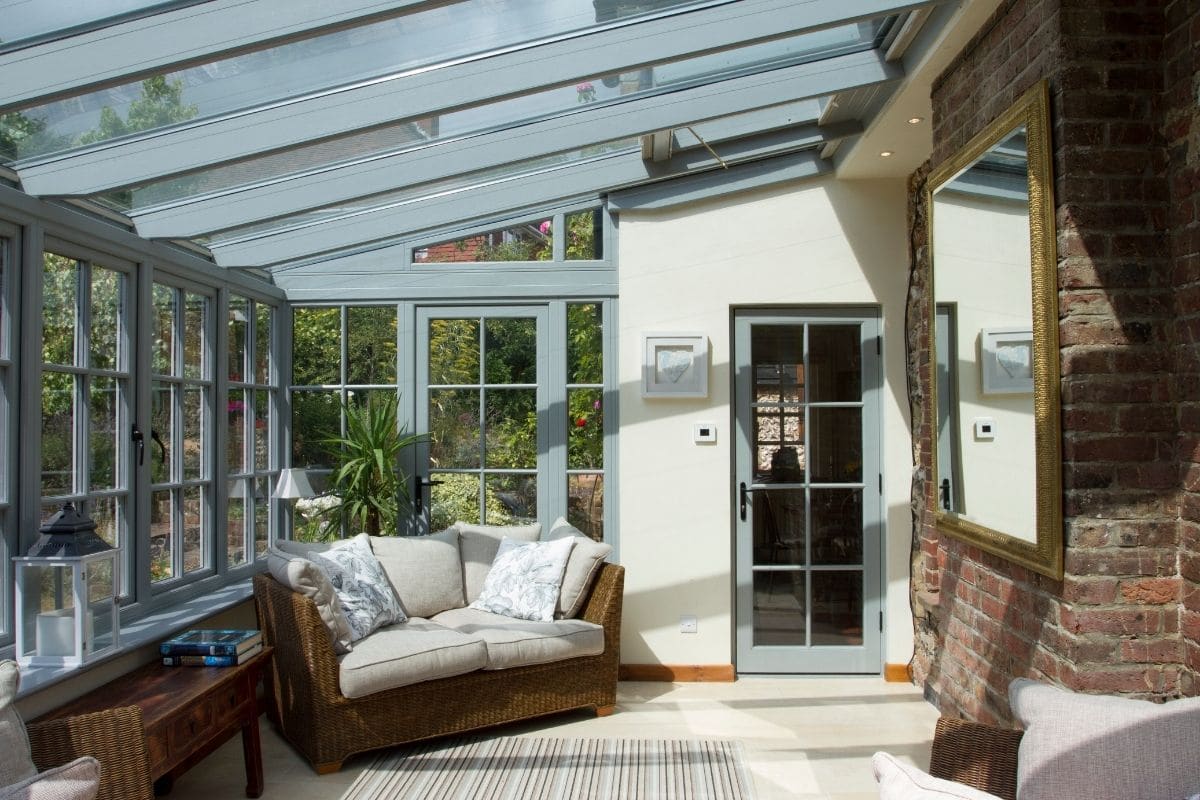
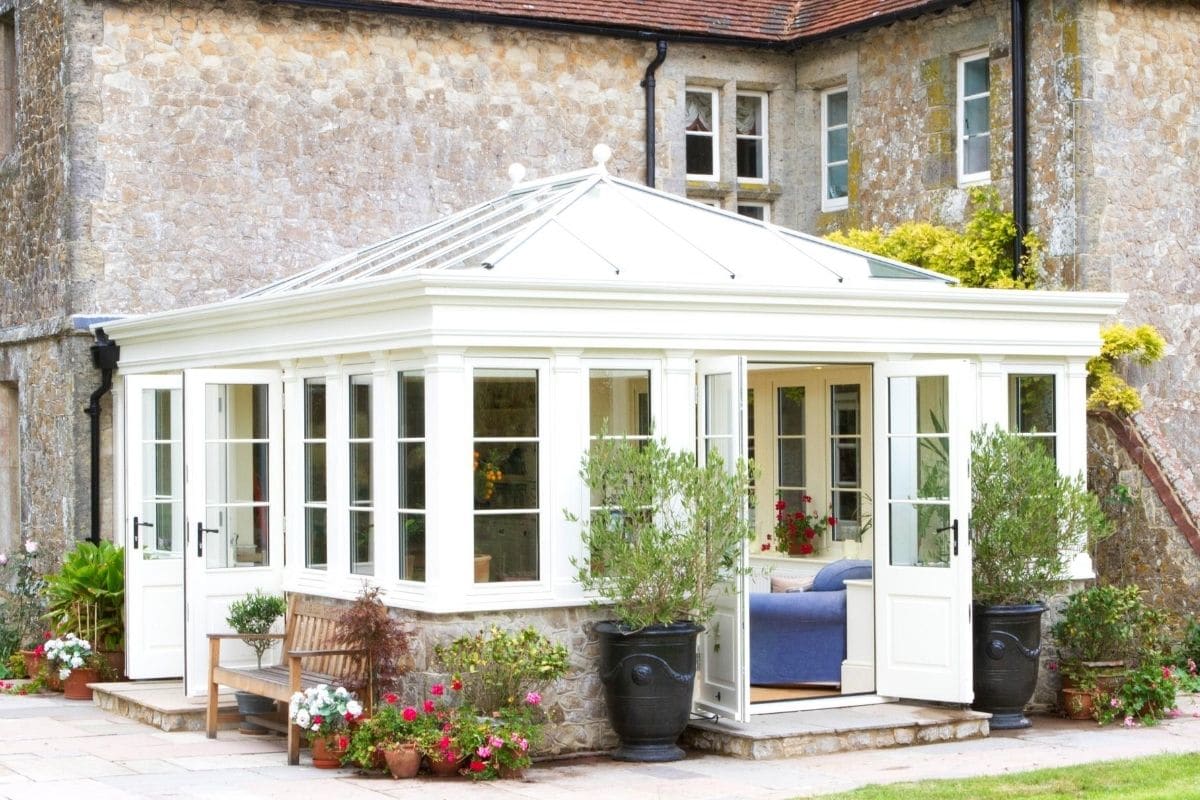
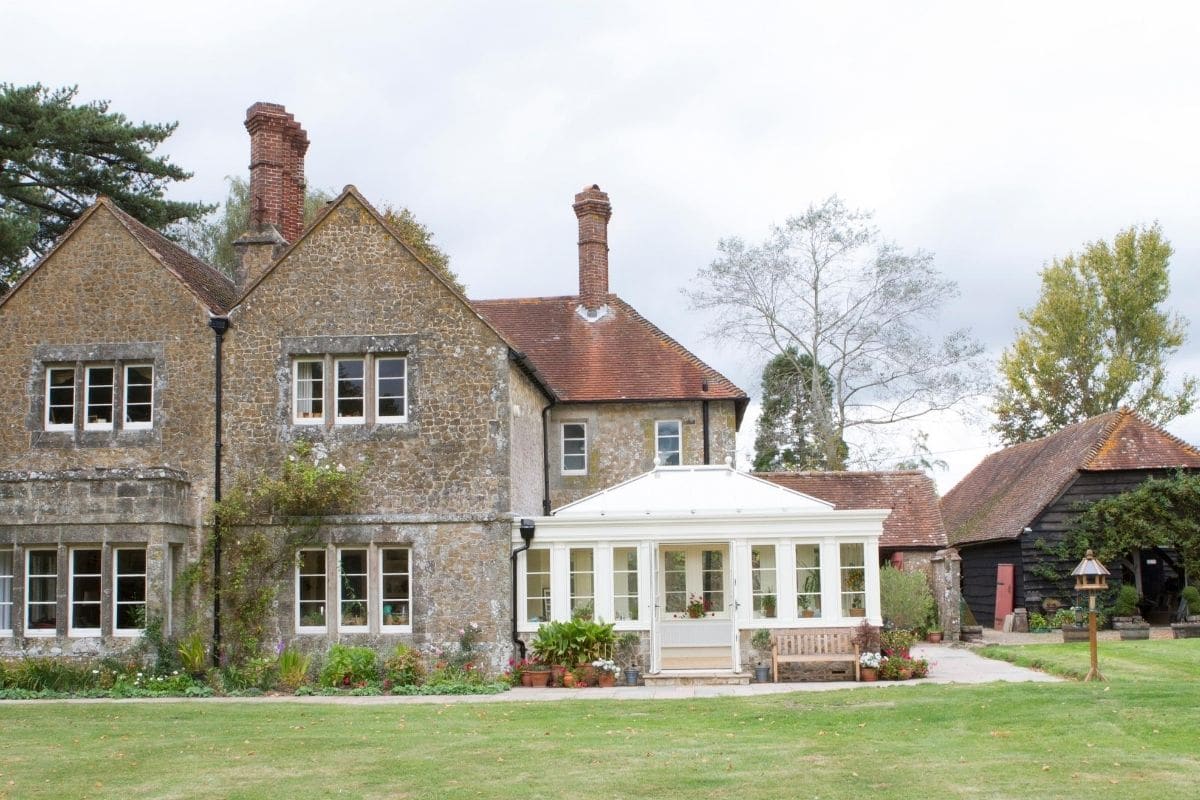
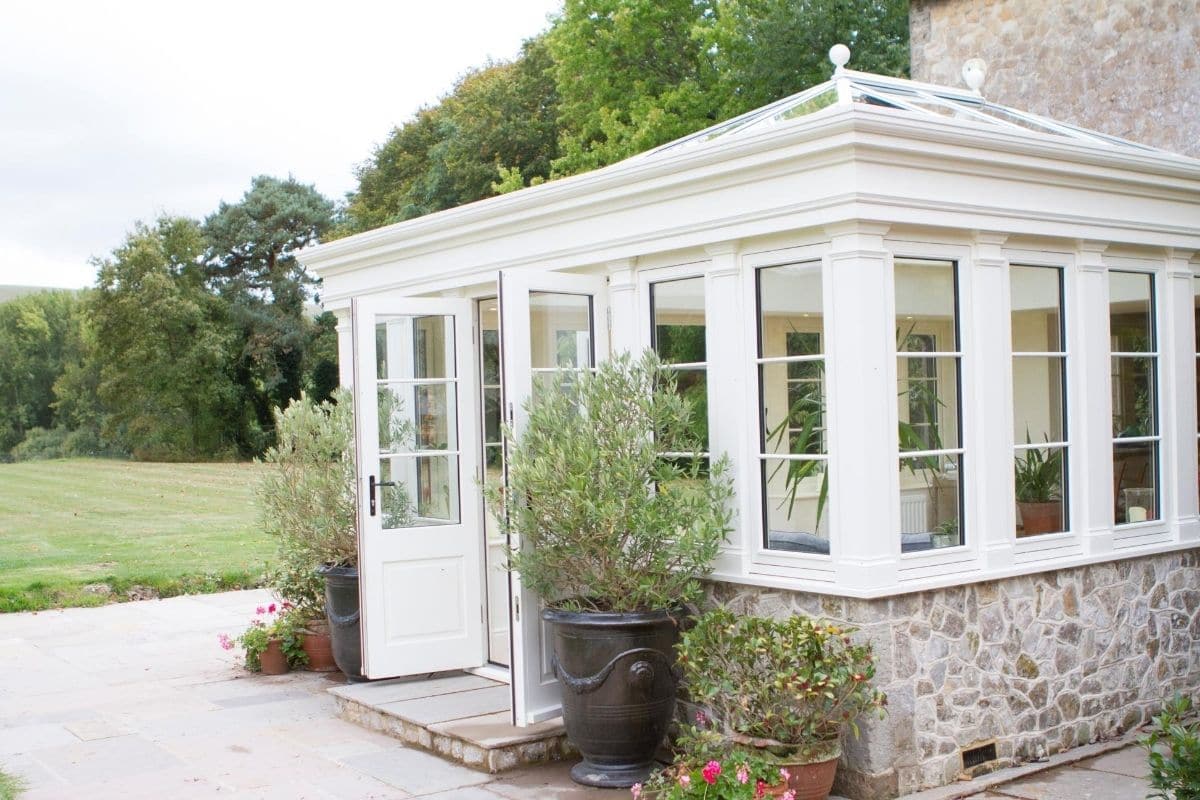
Adding a glass extension to your listed building involves careful planning and design to maintain its historical integrity. Consult with experts to ensure compliance with regulations and to create a bespoke solution that enhances your property.
What design options are available for glass extensions on listed buildings?
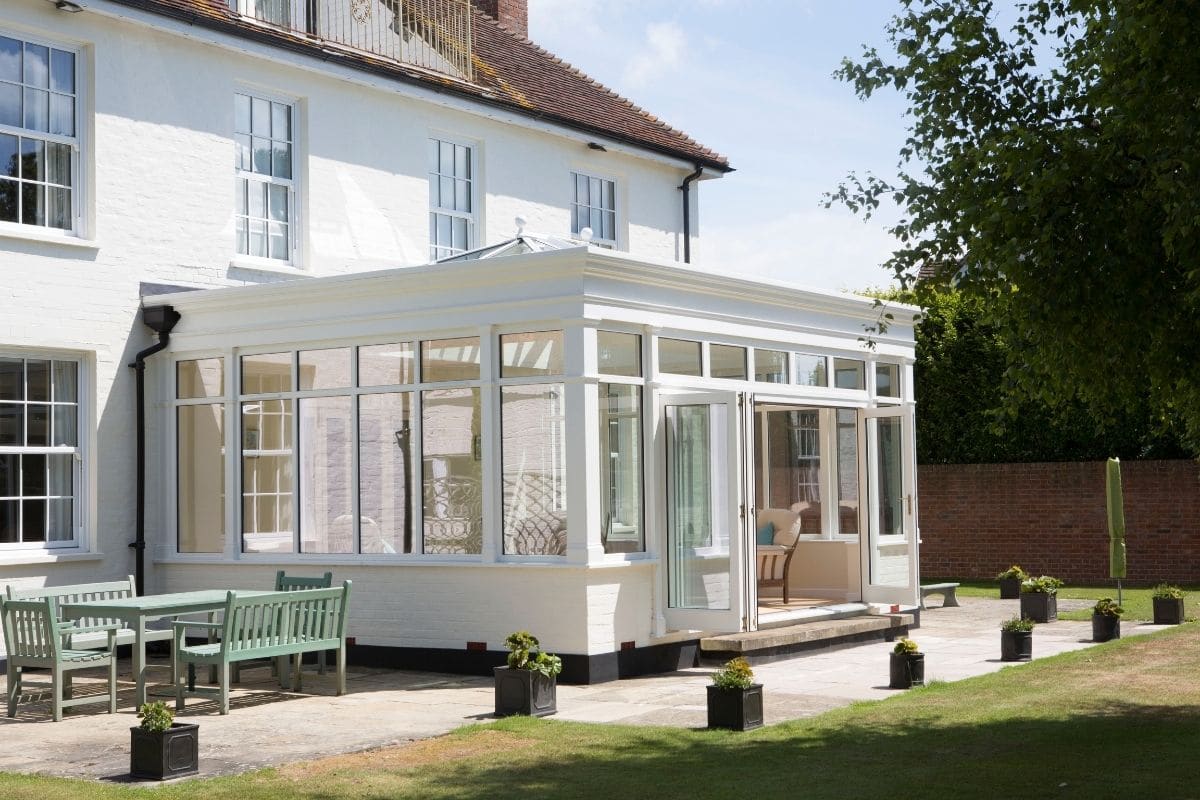
The design options for glass extensions on listed buildings include contemporary minimalist styles, traditional conservatory designs, and bespoke solutions that harmonize with the property's historic features, ensuring both aesthetic appeal and compliance with preservation regulations.
What planning assistance does your company provide for glass extensions?
Room Outside provides comprehensive planning assistance for glass extensions, ensuring compliance with regulations for listed buildings. Our team guides clients through the design process, helping to navigate local planning requirements and preserving the historical integrity of their properties.
How does your company ensure compliance with planning regulations for listed buildings?
Room Outside ensures compliance with planning regulations for listed buildings by leveraging our extensive knowledge of heritage guidelines and collaborating closely with local authorities throughout the design and approval process. This guarantees that our bespoke glass extensions enhance the property while preserving its historical integrity.
Can you provide examples of past glass extension projects on listed buildings?
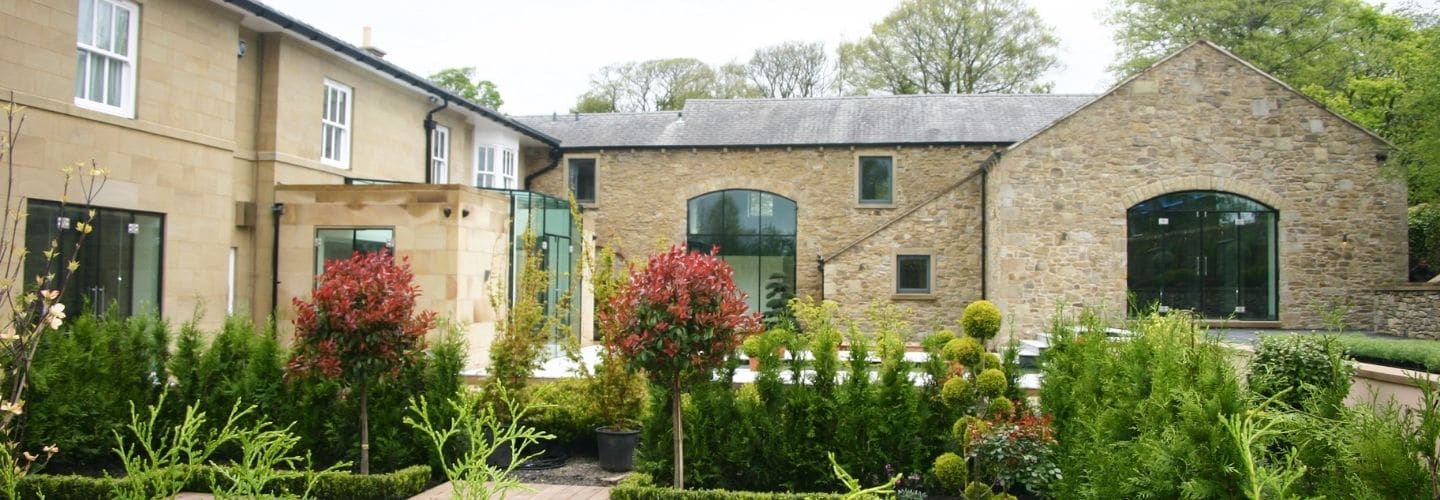
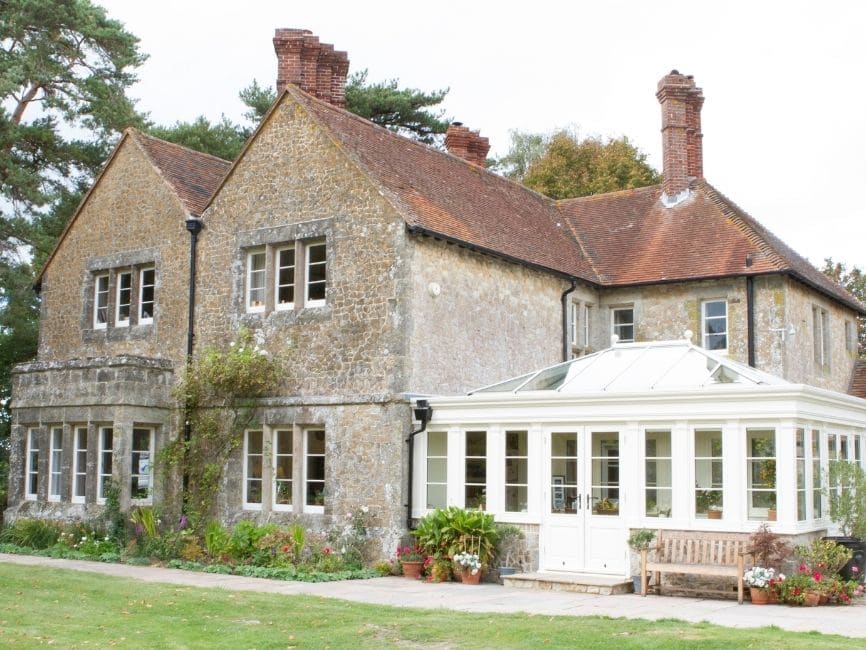
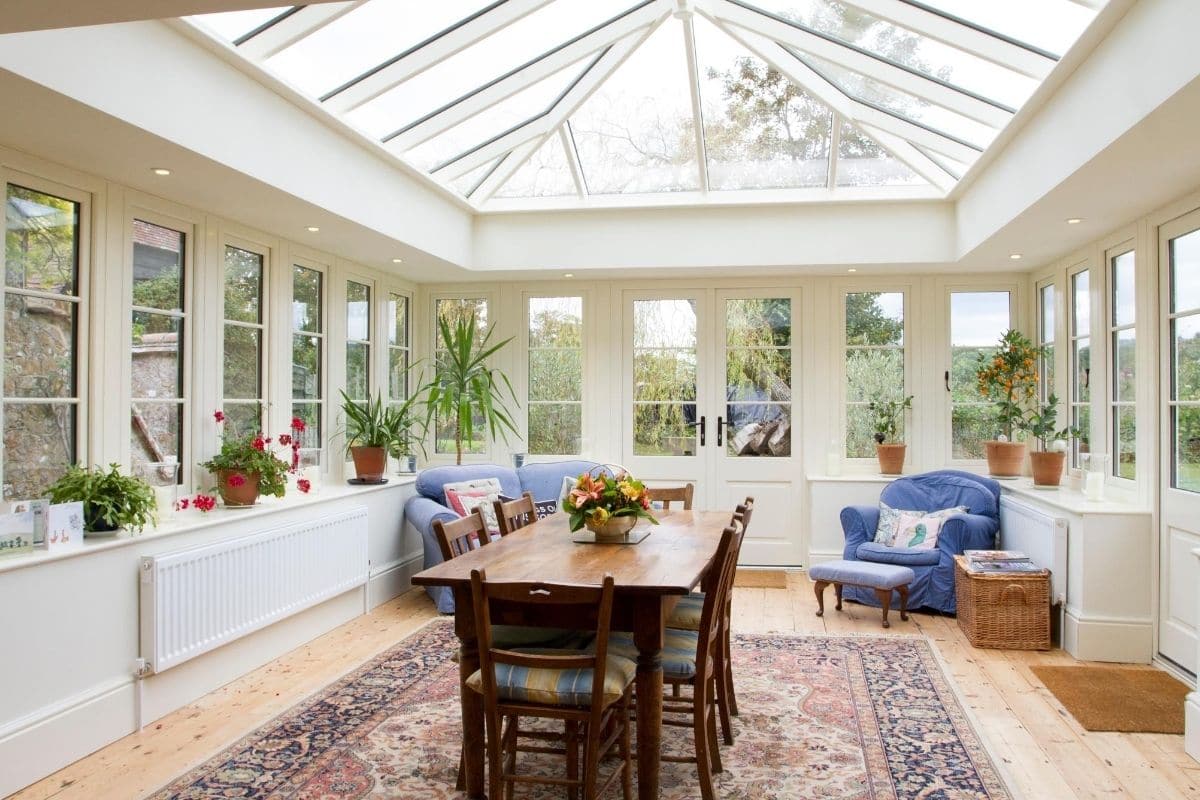
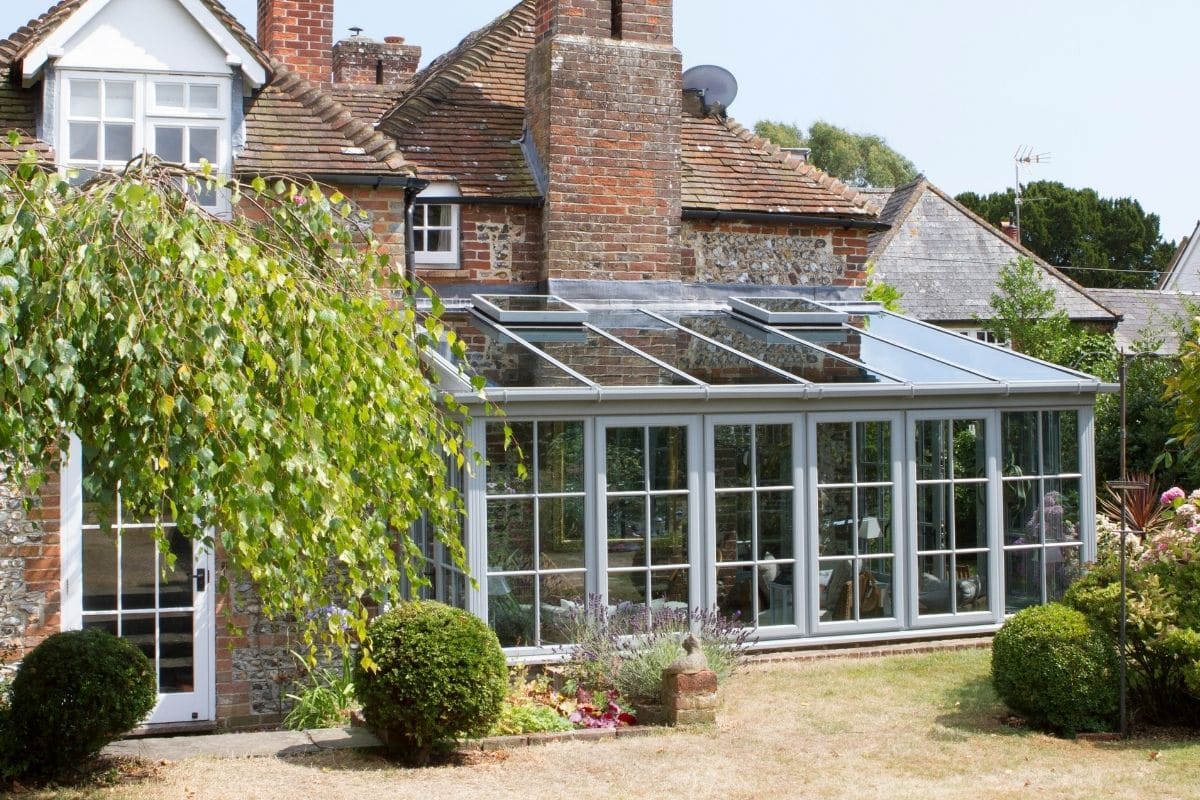
Examples of past glass extension projects on listed buildings include a stunning Victorian townhouse where we added a minimalist glass structure that harmonizes with the original architecture, and a historic Georgian property featuring a contemporary glass link that enhances natural light while respecting the building's heritage.
What are the aesthetic considerations when designing a glass extension for a listed building?
The aesthetic considerations when designing a glass extension for a listed building include ensuring harmony with the existing architecture, using materials that complement the historic character, and maintaining visual balance to preserve the property's integrity while enhancing its appeal.
How can I enhance the historical integrity of my property with a glass extension?
Enhancing the historical integrity of your property with a glass extension involves designing the extension to complement the existing architecture while using materials that respect the building's heritage. Collaborating with experts ensures compliance with preservation guidelines.
What is the process for obtaining a quote for a glass extension on a listed building?
The process for obtaining a quote for a glass extension on a listed building involves contacting Room Outside to discuss your project. We will assess your requirements, provide design options, and guide you through planning regulations before delivering a tailored quote.
What materials are best for glass extensions?
The best materials for glass extensions include high-quality double or triple-glazed glass for insulation and durability, alongside aluminum or timber frames that complement the aesthetics of listed buildings while ensuring structural integrity and compliance with regulations.
How do glass extensions affect property value?
Glass extensions can significantly enhance property value by increasing usable space, improving aesthetics, and preserving the historical integrity of listed buildings, making them more attractive to potential buyers while complying with planning regulations.
What are common challenges with glass extensions?
Common challenges with glass extensions include navigating strict planning regulations, ensuring structural integrity, achieving thermal efficiency, and maintaining aesthetic harmony with the existing building while maximizing natural light and minimizing glare.
How long does a glass extension project take?
The duration of a glass extension project varies, but typically it takes between 12 to 16 weeks from design approval to completion, depending on factors like planning permissions and the complexity of the design.
What maintenance is required for glass extensions?
The maintenance required for glass extensions includes regular cleaning to prevent dirt buildup, inspecting seals and frames for wear, and ensuring drainage systems are clear. This helps maintain both aesthetics and structural integrity over time.
Are there specific regulations for glass extensions?
Specific regulations for glass extensions exist, particularly for listed buildings. These regulations ensure that any additions respect the historical and architectural integrity of the property while complying with local planning guidelines.
How can I choose the right design style?
Choosing the right design style involves considering the architectural features of your listed building, ensuring the extension complements its historical character while reflecting your personal taste. Consulting with experts can help you navigate these considerations effectively.
What are the benefits of glass extensions?
The benefits of glass extensions include enhanced natural light, seamless integration with outdoor spaces, and a modern aesthetic that complements historical architecture. They also provide additional living space while maintaining the integrity of listed buildings.
How do I prepare my home for a glass extension?
Preparing your home for a glass extension involves assessing the existing structure, ensuring compliance with local planning regulations, and considering the design to enhance the historical integrity of your listed building.
What is the cost range for glass extensions?
The cost range for glass extensions varies significantly based on design, size, and materials used. Generally, you can expect prices to start around £20,000 and can go up to £100,000 or more for bespoke projects.
Can glass extensions be added to any building?
Glass extensions can be added to many buildings, but specific regulations apply, especially for listed properties. It's essential to consult with experts to ensure compliance with planning guidelines and to maintain the building's historical integrity.
What are the energy efficiency options for glass extensions?
The energy efficiency options for glass extensions include using double or triple glazing, low-emissivity coatings, and thermal breaks in frames, which enhance insulation and reduce heat loss while maintaining aesthetic appeal in listed buildings.
How do I ensure privacy with a glass extension?
Ensuring privacy with a glass extension involves strategic design choices. You can use frosted or tinted glass, incorporate landscaping elements, or install adjustable blinds to maintain a sense of seclusion while enjoying natural light.
What lighting options work best for glass extensions?
The best lighting options for glass extensions include recessed LED lights for a sleek look, pendant lights for focal points, and natural light maximization through strategically placed windows. These choices enhance the space while maintaining its aesthetic integrity.
How can I integrate a glass extension with my garden?
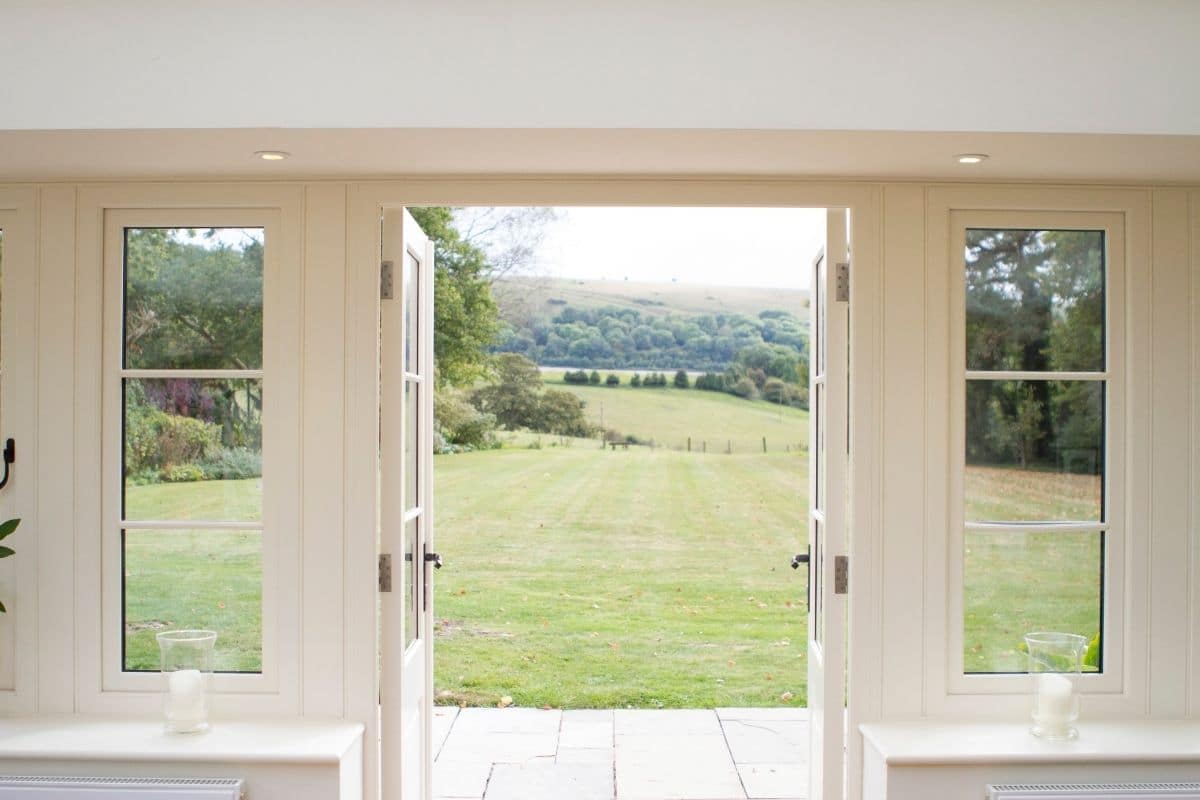
Integrating a glass extension with your garden involves designing seamless transitions, such as large sliding doors or bi-fold windows that open up to outdoor spaces, enhancing both natural light and the view while maintaining harmony with your garden's aesthetics.
What are the best practices for glass extension installation?
The best practices for glass extension installation include ensuring compliance with local planning regulations, selecting high-quality materials, and collaborating closely with experienced professionals to maintain the historical integrity of the listed building while achieving optimal design and functionality.
How do I select a contractor for my project?
Selecting a contractor for your project involves researching their experience with similar projects, checking references, and ensuring they understand the unique requirements of working with listed buildings. Prioritize those who demonstrate compliance with planning regulations and have a strong portfolio.
What are the most popular glass extension designs?
The most popular glass extension designs include contemporary lean-to structures, elegant gable-end styles, and innovative glass box extensions. These options enhance natural light while harmonizing with the historical features of listed buildings.
How can I maximize natural light in my extension?
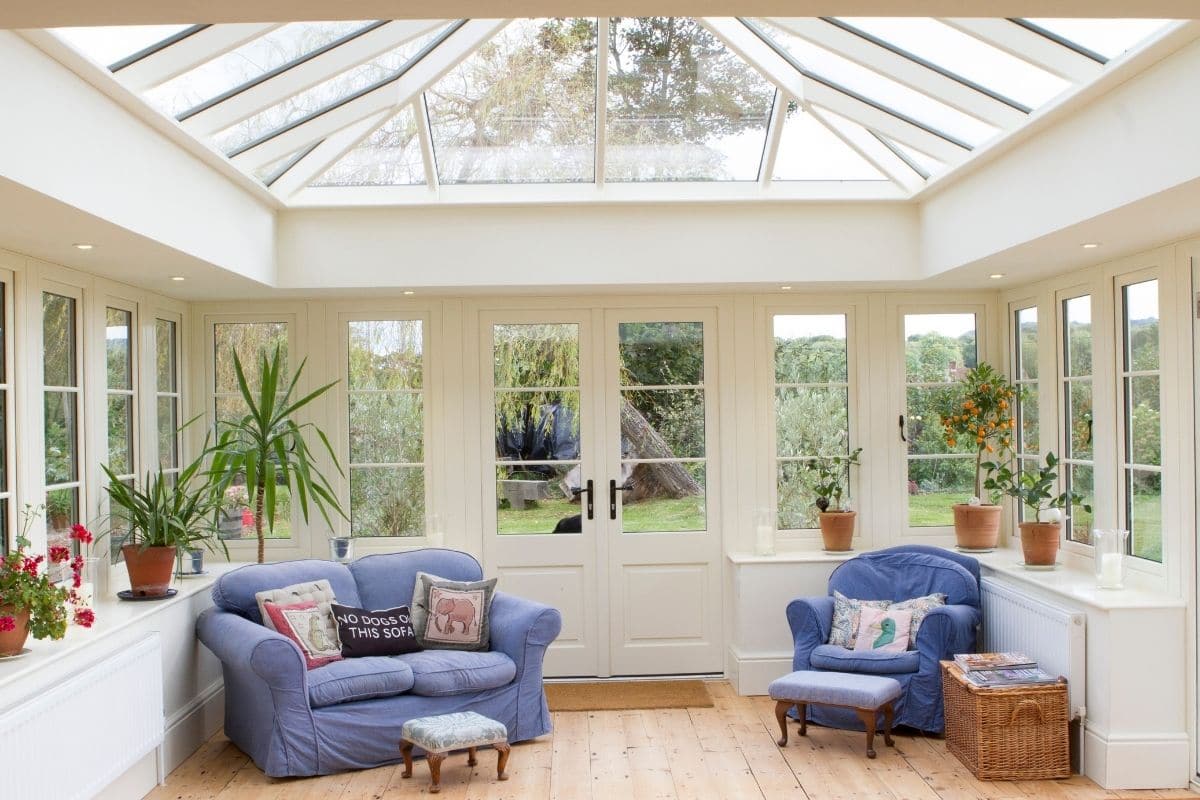
Maximizing natural light in your extension involves strategic design choices. Incorporate large glass panels, skylights, and open layouts to enhance brightness, while ensuring the extension complements the historical integrity of your listed building.
What are the environmental impacts of glass extensions?
The environmental impacts of glass extensions include improved energy efficiency when designed with high-performance glazing, which can reduce heating and cooling demands. However, they may also contribute to heat loss if not properly insulated, emphasizing the need for careful design and materials selection.
How do I handle neighbor objections to my project?
Handling neighbor objections to your project involves open communication and transparency. Address concerns directly, provide information about your plans, and demonstrate how your glass extension will enhance the property without compromising the neighborhood’s character.
What insurance considerations are there for glass extensions?
Insurance considerations for glass extensions include ensuring adequate coverage for potential damage during construction, liability for accidents, and compliance with any specific regulations related to listed buildings. It's essential to consult with your insurer for tailored advice.