Frequently Asked Questions
How can I maximize indoor-outdoor living in my oak orangery?
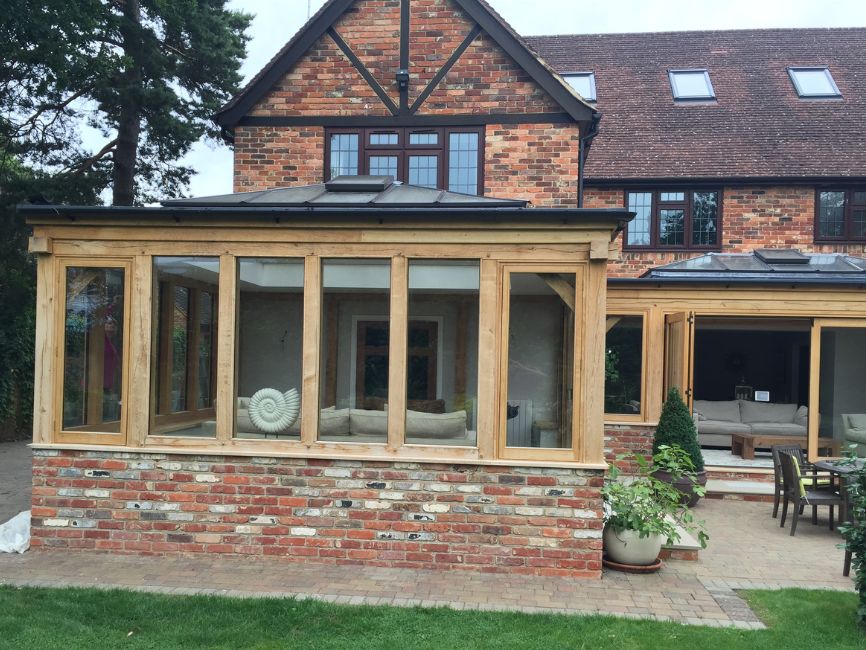
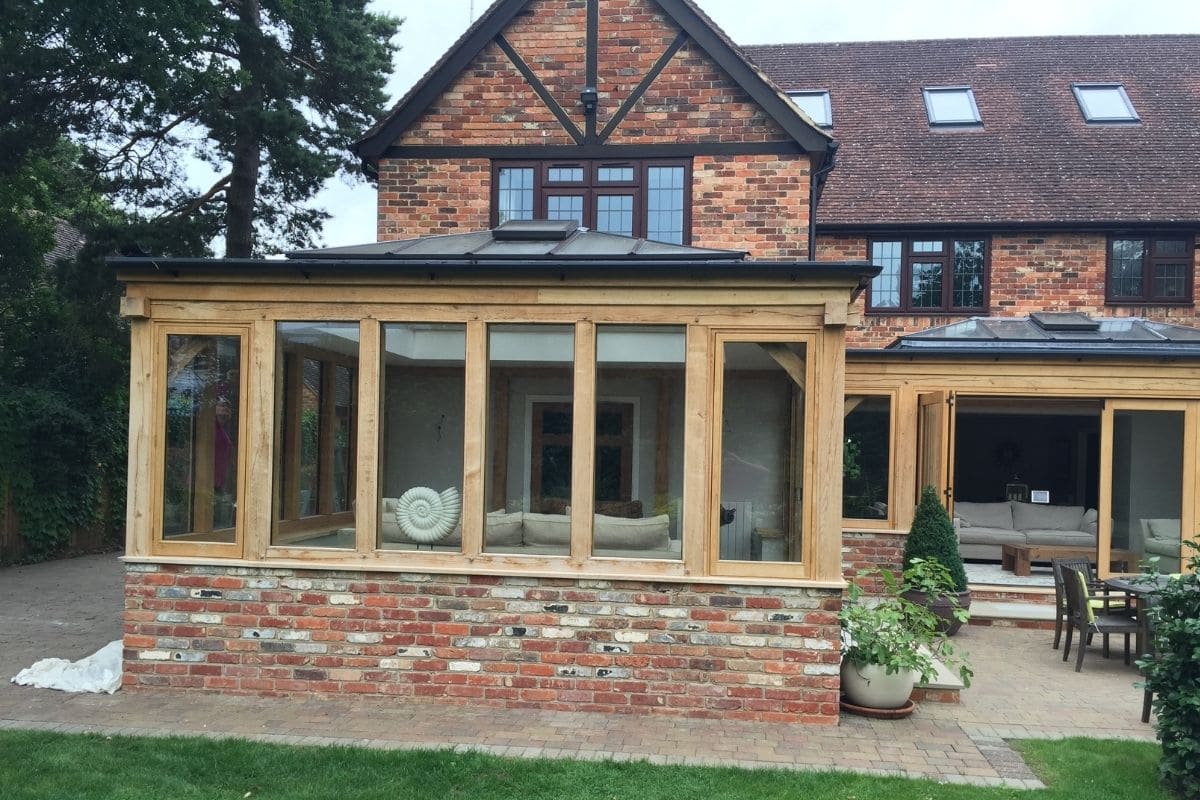
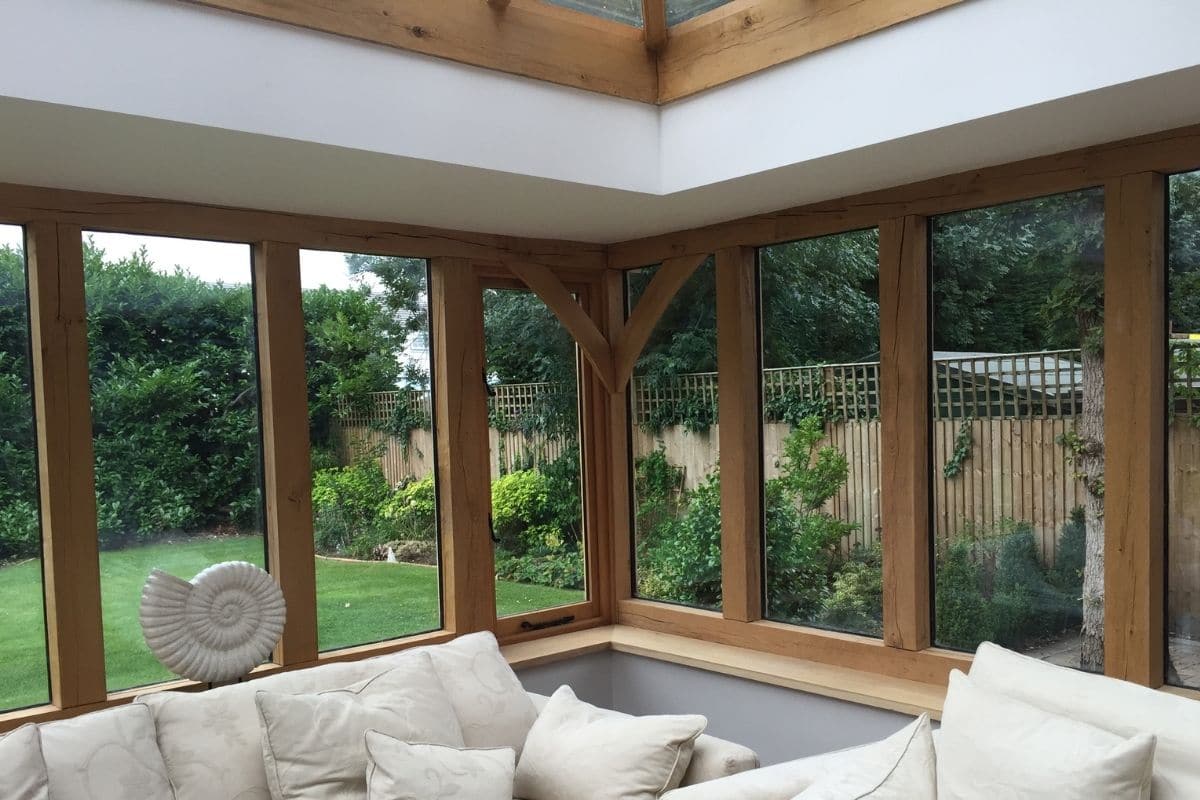
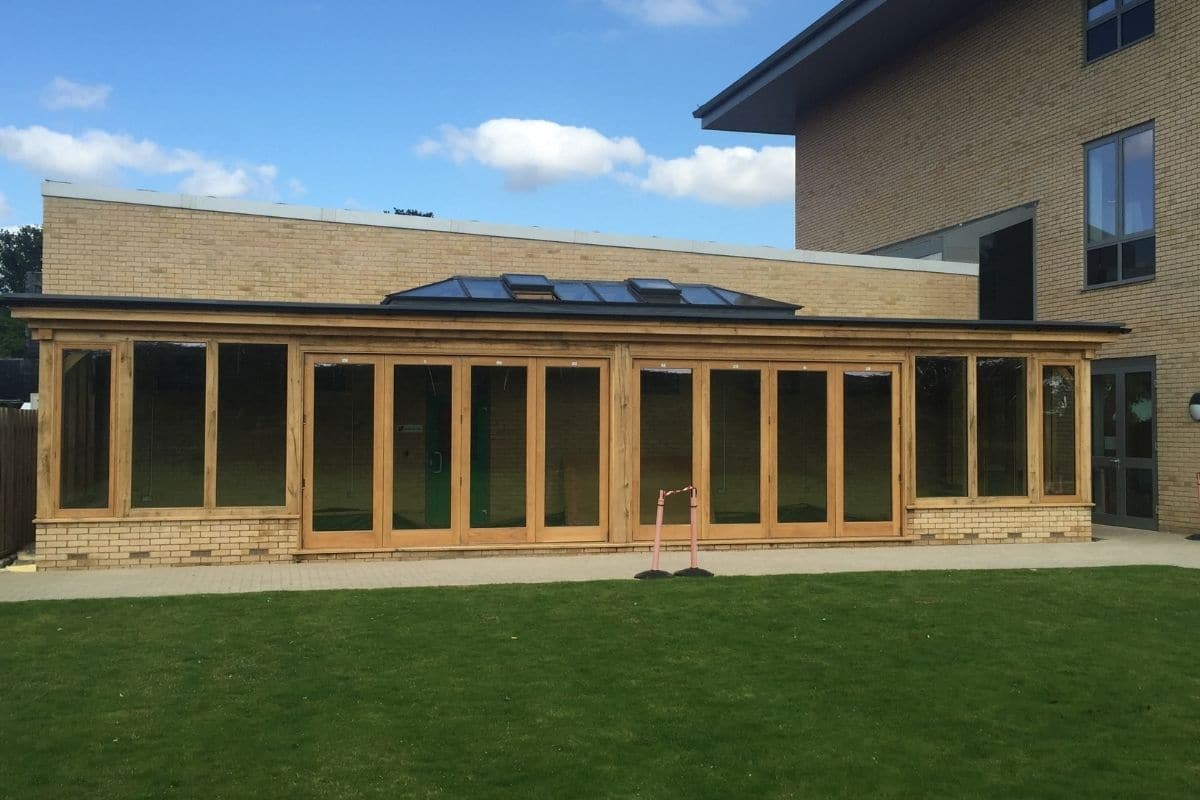
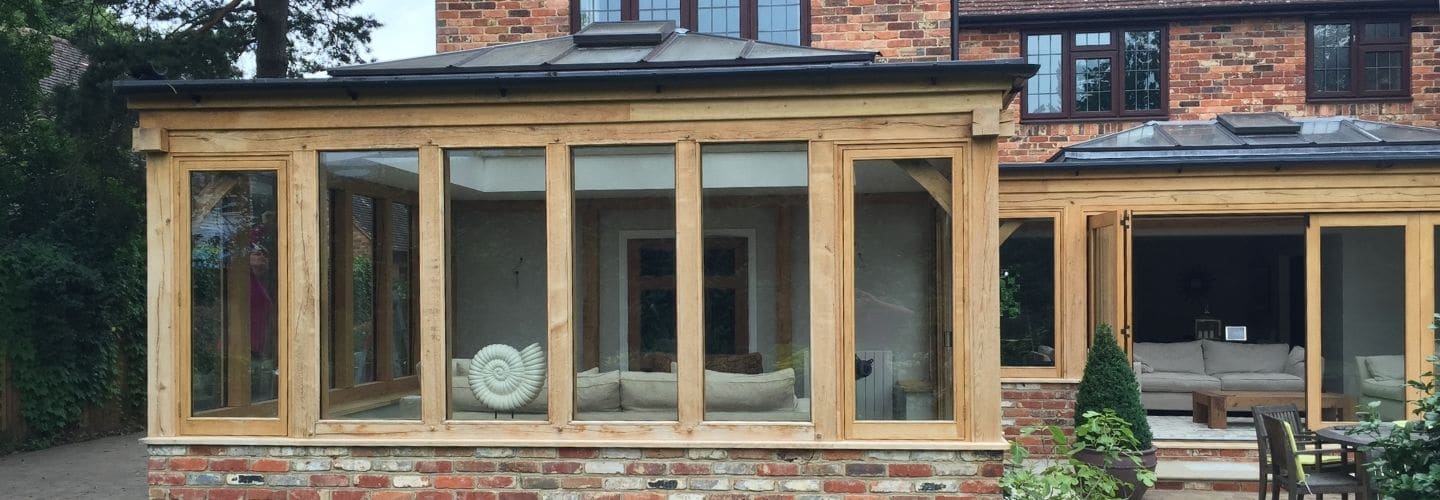
Incorporate bi-fold or sliding doors, full-height windows, and a direct connection to patios or gardens. Lantern roofs and strategically placed glazing enhance natural light and provide a sense of openness.
What are the design options for oak orangeries?
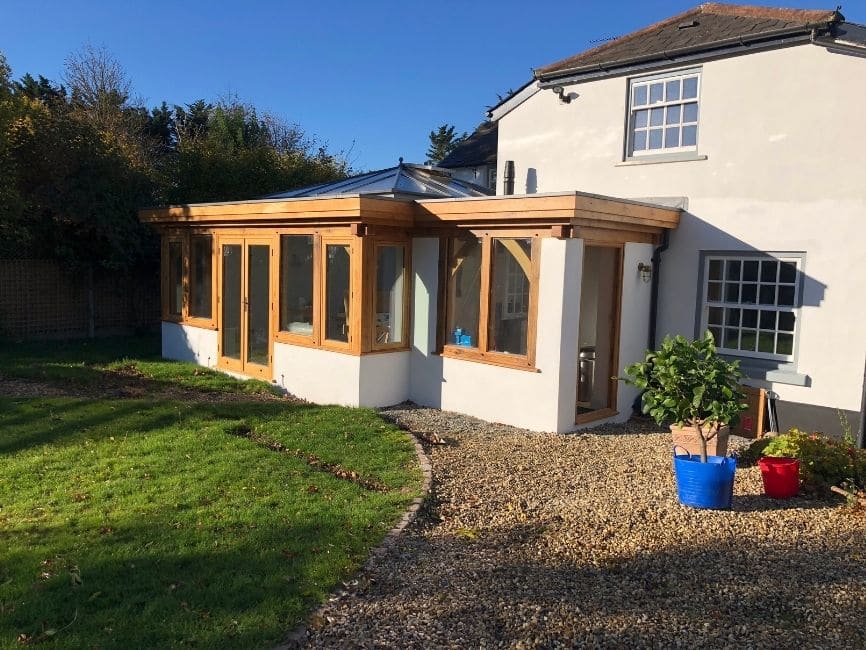
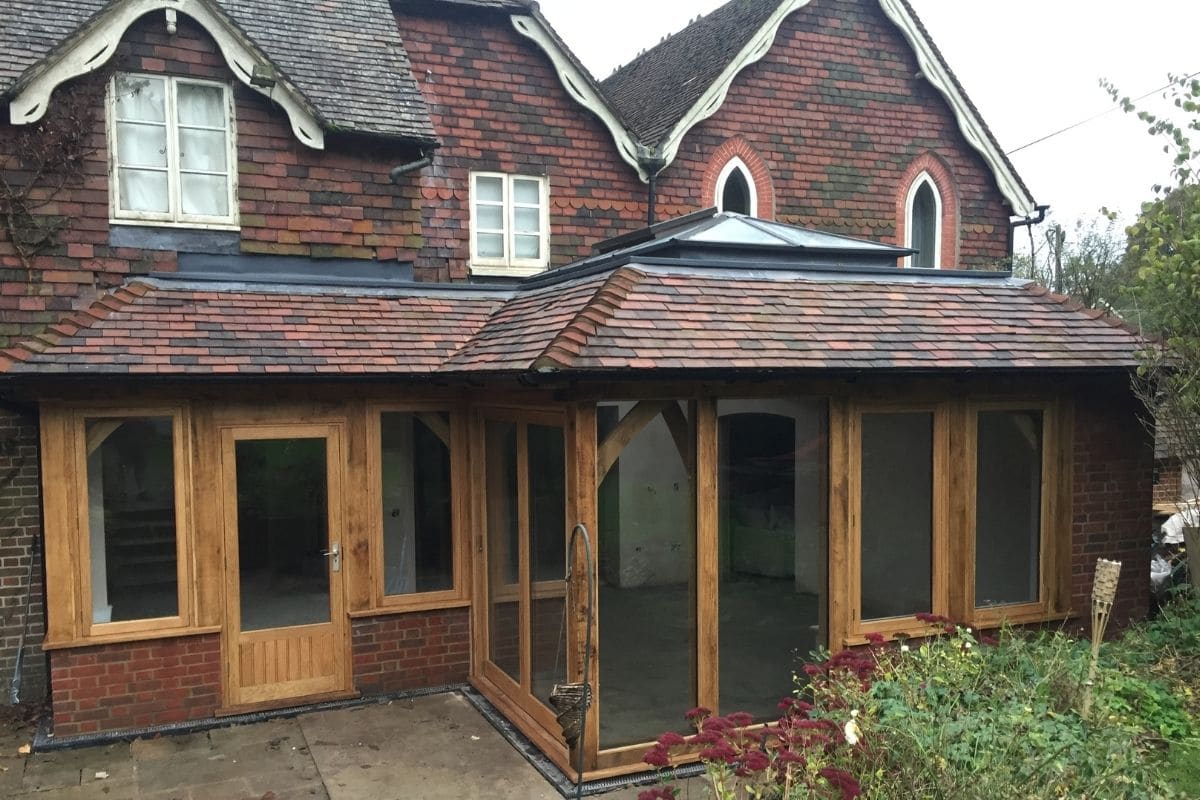
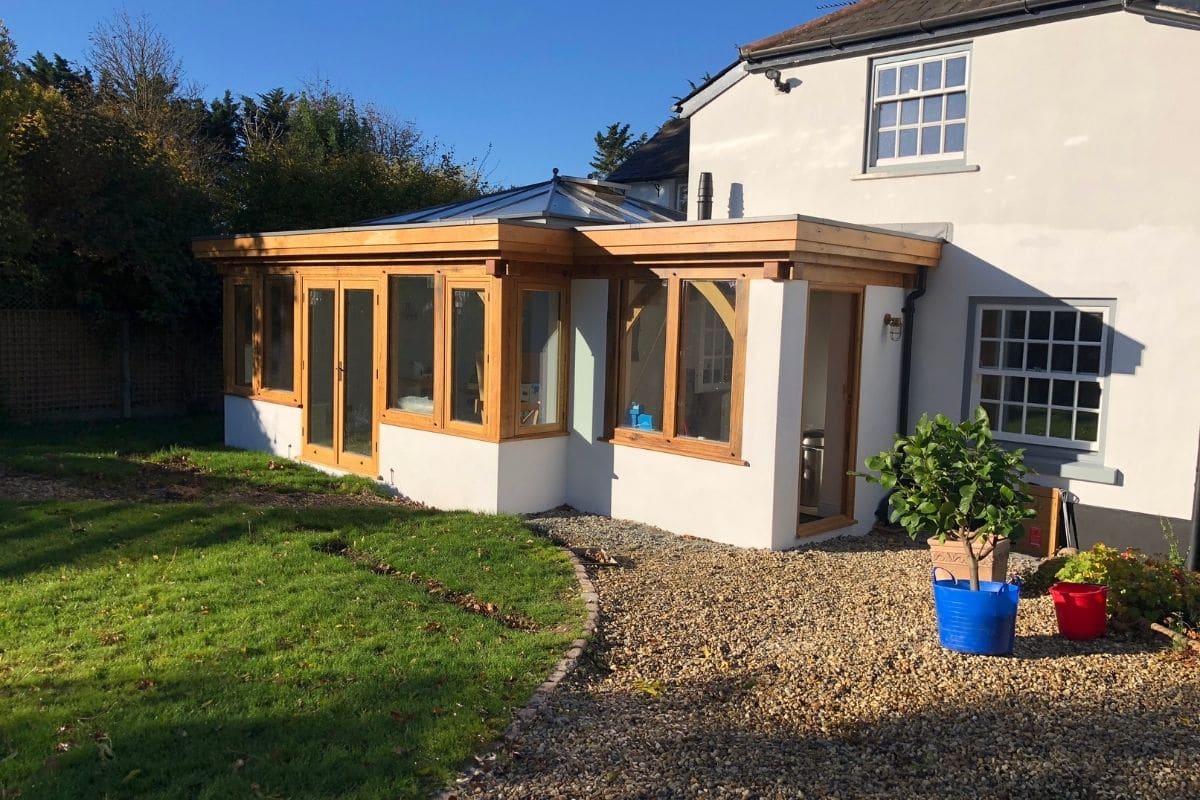
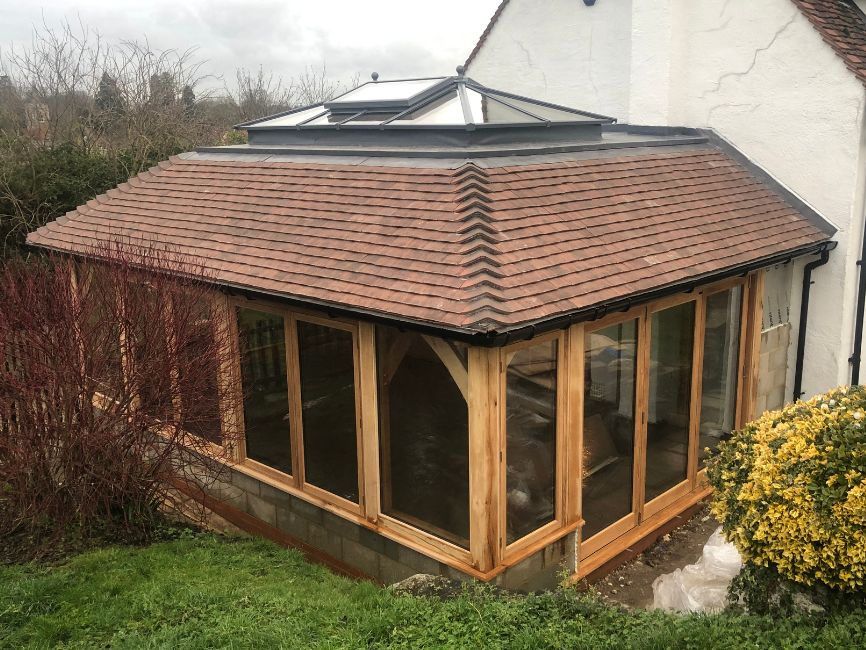
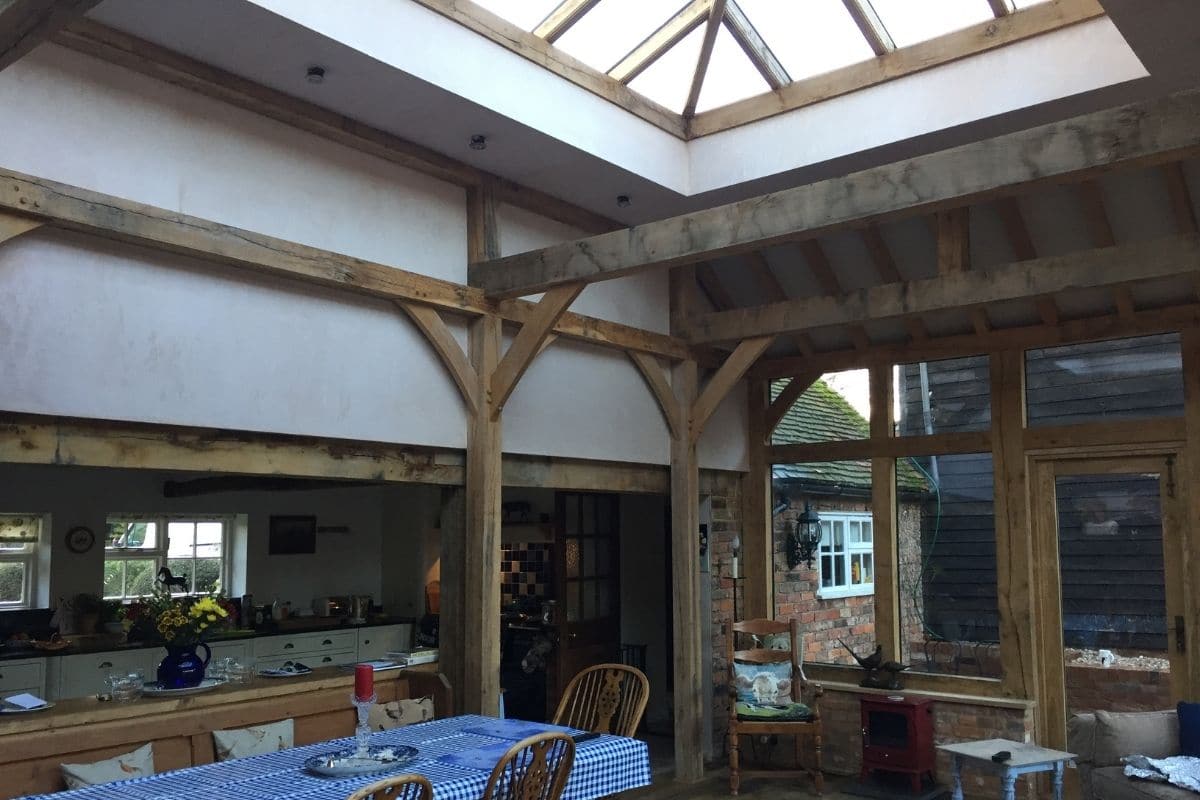
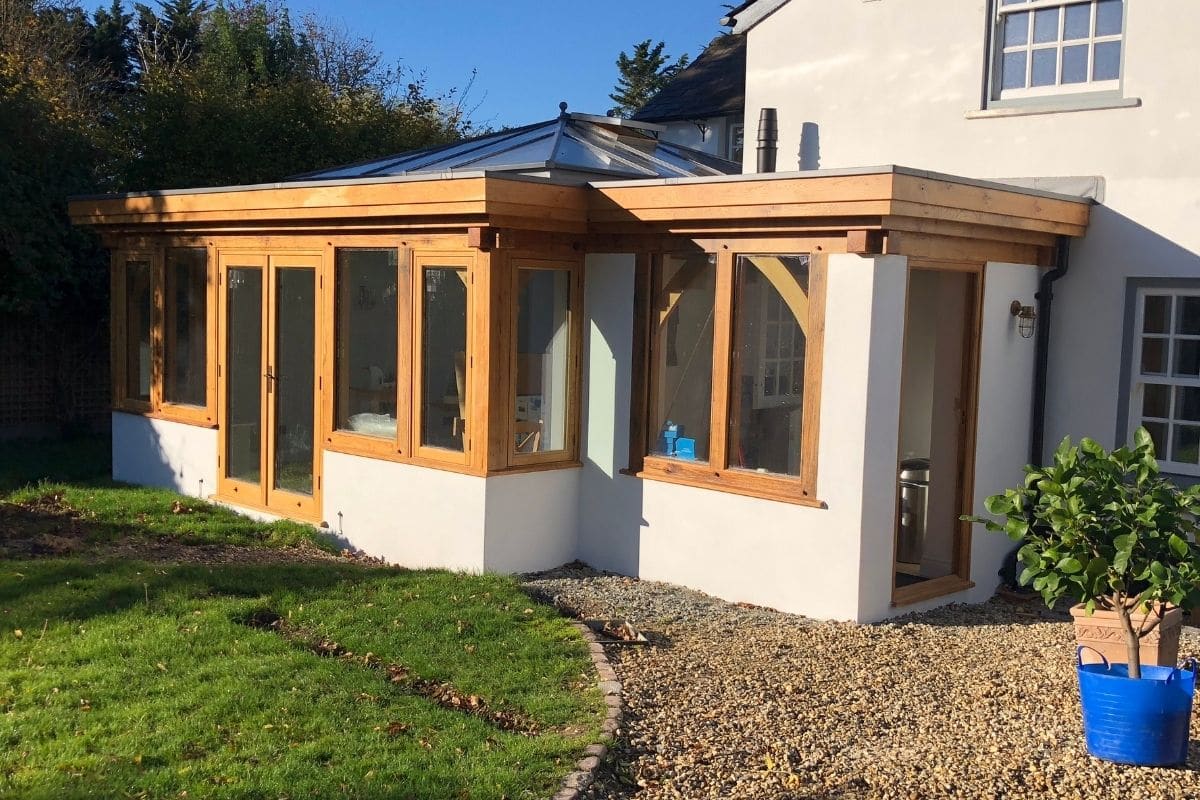
Oak orangeries can be designed in traditional, contemporary, or hybrid styles, incorporating features like lantern roofs, large glazed panels, bi-fold doors, and open-plan layouts to suit your home’s architecture.
How do oak framed orangeries enhance living spaces?
They provide elegant, light-filled rooms that connect indoor and outdoor spaces, offering year-round usability, natural light, and a sense of warmth and craftsmanship.
What features should I consider in an oak orangery?
Consider glazing style, roof design, frame finish, insulation, heating, ventilation, and integration with your home’s architecture. Optional features include built-in lighting, blinds, and smart home systems.
How can I customize my oak orangery design?
Oak orangeries are highly customizable in size, style, glazing, doors, roof lanterns, internal finishes, and decorative detailing to match your home and lifestyle needs.
What materials are used in oak orangeries?
Primarily high-quality, sustainably sourced oak, combined with energy-efficient glazing, insulation materials, aluminum or timber finishes for doors and windows, and optionally, hybrid systems for durability.
What is the typical cost of an oak orangery?
Costs vary depending on size, design complexity, and features, typically ranging from £25,000 to £70,000 for bespoke designs in the UK.
How long does it take to build an oak orangery?
Construction usually takes between 8–16 weeks, depending on size, complexity, and planning requirements.
What maintenance is required for oak framed structures?
Regular maintenance includes cleaning the wood, treating with protective oils or varnish, checking glazing seals, and ensuring gutters and drainage are clear.
Can oak orangeries be used year-round?
Yes, with proper insulation, double or triple glazing, heating systems, and ventilation, oak orangeries can be comfortable throughout all seasons.
What styles of oak orangeries are available?
Popular styles include traditional, contemporary, Victorian, Edwardian, and modern minimalist designs, often incorporating lantern roofs or full-height glazing.
How do I request a brochure for an orangery?
You can request a brochure from your chosen supplier via their website, email, or phone, often including design ideas, material options, and cost ranges.
What are the benefits of oak as a building material?
Oak is strong, durable, sustainable, thermally efficient, and visually appealing, adding natural warmth and premium quality to any home extension.
How do oak orangeries compare to other extensions?
They offer a higher aesthetic and architectural value, longer lifespan, natural warmth, and better integration with traditional or contemporary homes compared to uPVC or aluminum structures.
What are the sustainability features of oak orangeries?
Sustainably sourced oak, energy-efficient glazing, natural insulation, and long lifespan reduce environmental impact. Timber also stores carbon, making it eco-friendly.
Can I integrate an oak orangery with my home?
Yes, orangeries can be seamlessly connected to kitchens, living spaces, or gardens while matching architectural style, finishes, and internal layouts.
What are the planning permissions for building an orangery?
Planning requirements vary by location, size, and whether the property is listed or in a conservation area. Most small orangeries qualify as permitted development, but larger projects may need full planning permission.
How do I choose the right size for my orangery?
Consider available garden space, room function, and budget. Proportionate sizing ensures the orangery complements your home without overwhelming the property.
What are common uses for oak framed orangeries?
Uses include living rooms, dining areas, kitchens, garden rooms, home offices, entertainment spaces, and family lounges.
How can I ensure my orangery is energy efficient?
Use double or triple glazing, insulated roofs, energy-efficient doors, and heating systems like underfloor heating or smart radiators to maintain comfort year-round.
What are the advantages of bespoke oak orangeries?
Bespoke designs allow full customization, higher property value, unique architectural features, tailored finishes, and perfect integration with your home.
How do I find a reputable orangery builder?
Check portfolios, reviews, certifications (FENSA, TrustMark), past projects, and ask for references. Look for builders experienced with oak structures.
What design trends are popular for oak orangeries?
Current trends include lantern roofs, full-height glazing, minimalist interiors, open-plan layouts, integrated smart lighting, and bi-fold or sliding doors for seamless indoor-outdoor living.
How can I incorporate glass into my orangery design?
Use lantern roofs, large side windows, bi-fold doors, or full-length glazed panels to enhance natural light while maintaining oak’s warmth.
What are the best locations for an oak orangery?
Garden-facing areas, rear extensions, spaces connecting kitchen and living areas, or rooms with access to patios and outdoor entertainment areas.
How do I maintain the beauty of oak wood?
Clean regularly, apply protective oils or stains, inspect for cracks, and protect from water exposure. Regular maintenance preserves both appearance and longevity.
What are the heating options for an oak orangery?
Options include underfloor heating, radiators, infrared panels, and integrated HVAC systems. Combine with insulation and glazing for energy efficiency.
How can I enhance natural light in my orangery?
Use lantern roofs, full-height windows, glass doors, light-colored finishes, and reflective flooring or ceilings to amplify sunlight.
What are the best accessories for oak orangeries?
Lighting, blinds, heating controls, integrated shelving, bespoke furniture, and smart home systems enhance functionality and comfort.
How do I prepare my garden for an orangery?
Ensure level ground, adequate drainage, access for construction, and plan landscaping to complement the orangery once built.