Frequently Asked Questions
How can I design a bespoke orangery?
Designing a bespoke orangery involves collaborating with a skilled team to assess your space, define your style preferences, and incorporate functional elements that enhance your home, ensuring a seamless blend of aesthetics and practicality.
What features should I consider for an orangery extension?
The features to consider for an orangery extension include high-quality glazing for natural light, energy-efficient insulation, a blend of traditional and contemporary design elements, and customizable layouts to enhance the functionality and aesthetic appeal of your space.
Can you provide examples of recent orangery projects?
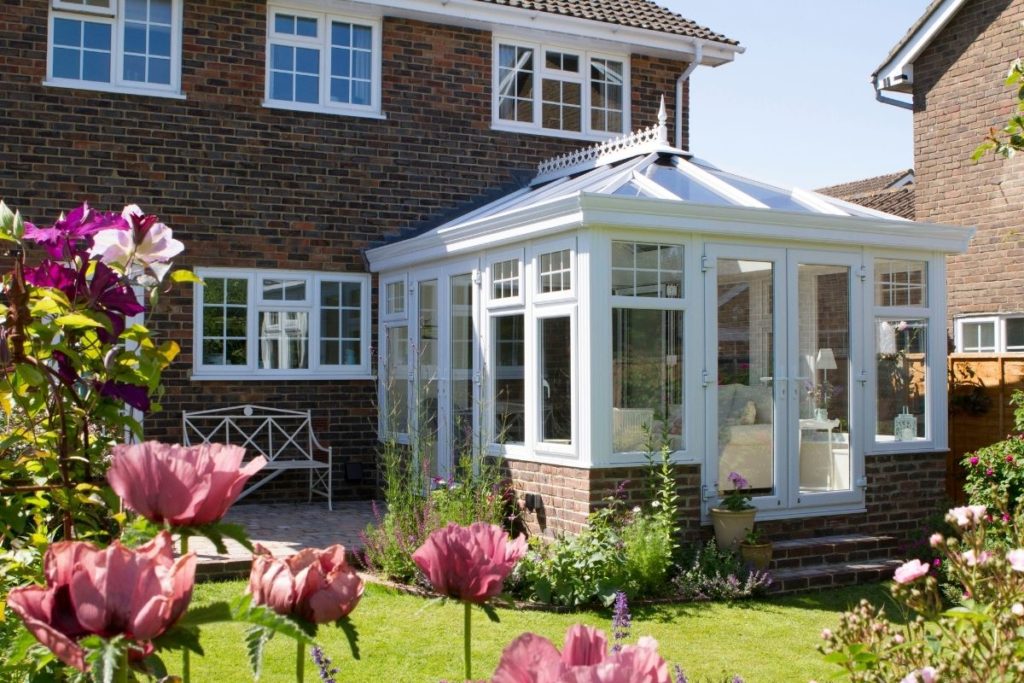
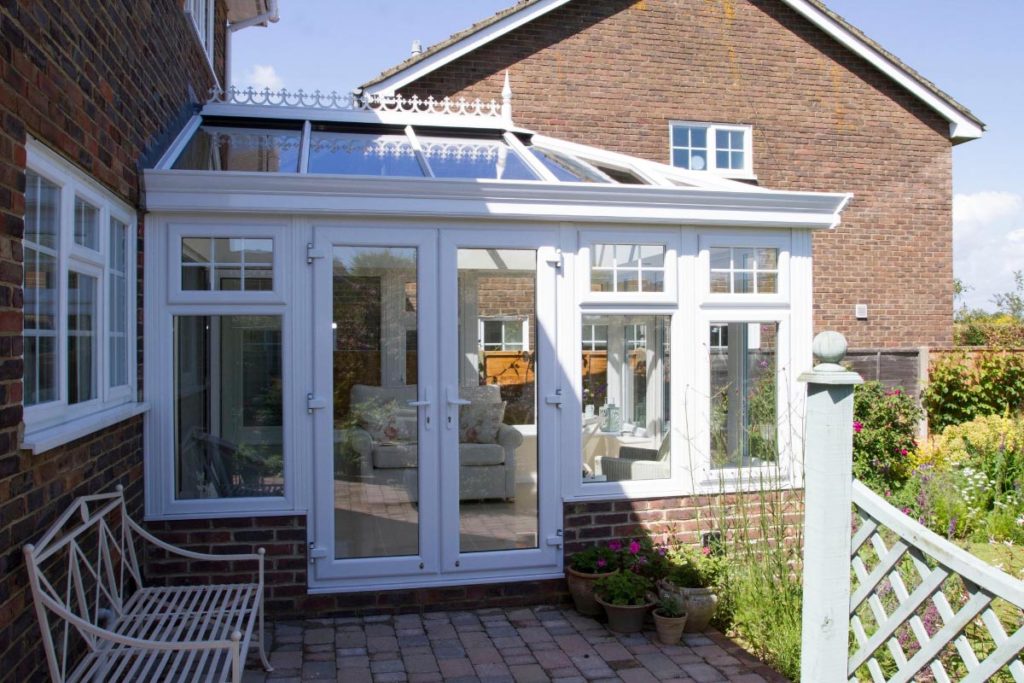
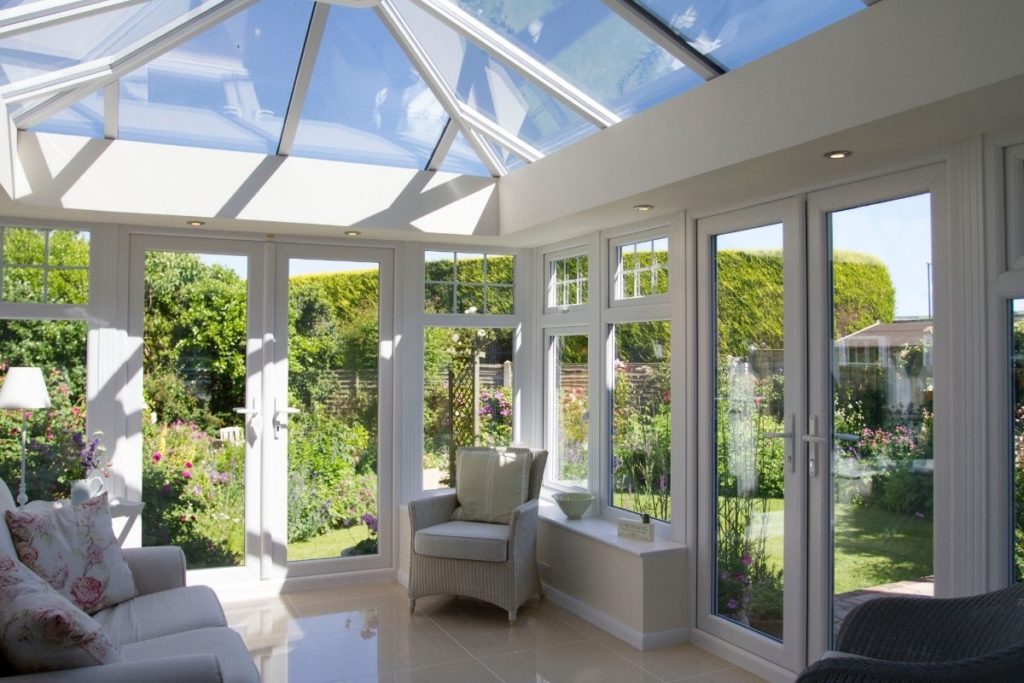
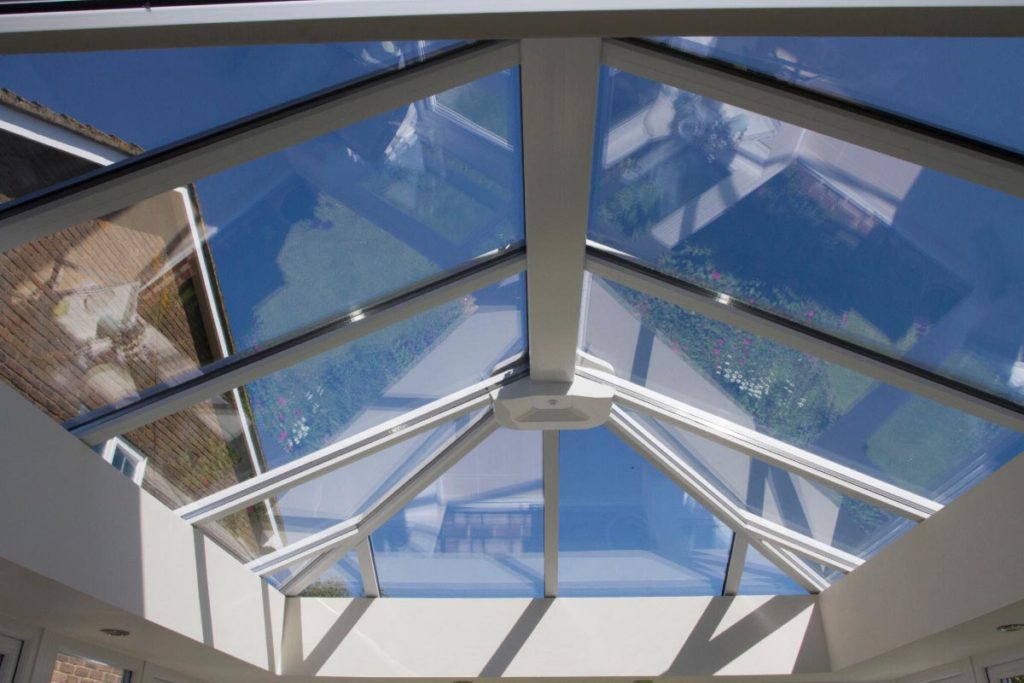
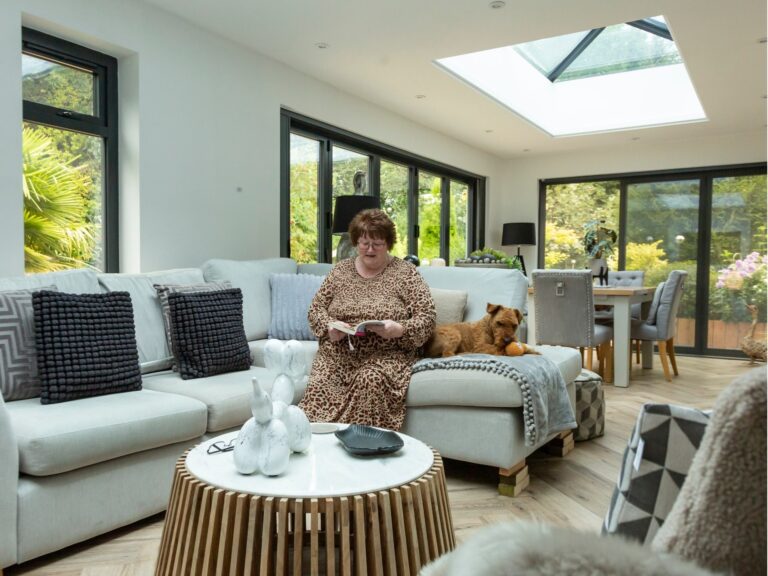
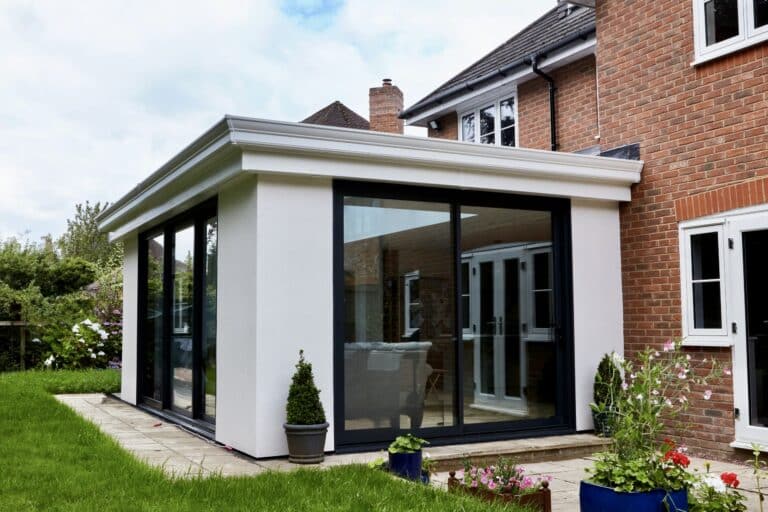
Recent orangery projects by Room Outside include a contemporary extension in West Sussex, featuring sleek glass panels and a stylish roof lantern, designed to create a serene space that seamlessly blends with the garden.
What are the benefits of adding an orangery to my home?
The benefits of adding an orangery to your home include enhanced natural light, increased living space, and a stylish connection to your garden, creating a tranquil environment for relaxation and enjoyment throughout the year.
How does the design process for an orangery work?
The design process for an orangery involves initial consultations to understand client needs, followed by conceptual sketches, detailed plans, and material selection, ensuring a harmonious blend of aesthetics and functionality tailored to the client's home and lifestyle.
What materials are best for orangery construction?
The best materials for orangery construction include high-quality timber for framing, energy-efficient glazing for natural light, and durable brick or stone for a solid foundation. These materials ensure both aesthetic appeal and structural integrity.
How do I choose an orangery style?
Choosing an orangery style involves considering your home's architecture, your personal taste, and the intended use of the space. Focus on design elements that complement your existing structure while ensuring functionality and comfort.
What is the cost of a bespoke orangery?
The cost of a bespoke orangery varies based on design, materials, and size, typically ranging from £20,000 to £100,000. For an accurate quote, we recommend discussing your specific requirements with our team.
How long does it take to build an orangery?
The time it takes to build an orangery typically ranges from 8 to 12 weeks, depending on the project's complexity and design specifications. Factors such as planning permissions and weather conditions can also influence the timeline.
What permits are needed for orangery construction?
The permits needed for orangery construction typically include planning permission and building regulations approval. It's essential to check local guidelines, as requirements may vary based on location and the design of the structure.
How can I maximize light in my orangery?
Maximizing light in your orangery involves selecting large, strategically placed windows and skylights, using reflective surfaces, and choosing light-colored furnishings. These elements enhance natural illumination, creating a bright and inviting space.
What are common design mistakes for orangeries?
Common design mistakes for orangeries include inadequate insulation, poor integration with the existing architecture, and neglecting to consider natural light and ventilation. These issues can compromise both comfort and aesthetics, detracting from the intended tranquil space.
How do I maintain my orangery year-round?
Maintaining your orangery year-round involves regular cleaning of the glass and frames, checking seals for leaks, and ensuring proper ventilation. Additionally, seasonal inspections of the roof and gutters will help preserve its beauty and functionality.
What landscaping complements an orangery design?
Landscaping that complements an orangery design includes lush greenery, flowering plants, and carefully placed pathways. Incorporating ornamental trees and shrubs can enhance the overall aesthetic, creating a harmonious blend between the structure and its natural surroundings.
Can I use my orangery in winter?
You can use your orangery in winter. With proper insulation and heating options, it becomes a cozy space for relaxation and enjoyment, allowing you to appreciate your garden throughout the colder months.
What are the energy efficiency options for orangeries?
The energy efficiency options for orangeries include high-performance glazing, insulated frames, and energy-efficient heating systems. These features help maintain a comfortable temperature year-round while reducing energy consumption and costs.
How do I incorporate technology into my orangery?
Incorporating technology into your orangery can enhance comfort and functionality. Consider installing smart climate control systems, automated blinds, and integrated lighting to create a versatile space that adapts to your needs throughout the year.
What are the best plants for an orangery?
The best plants for an orangery include tropical species like orchids, citrus trees, and ferns, as well as Mediterranean plants such as lavender and rosemary, which thrive in the warm, bright environment while adding beauty and fragrance.
How can I personalize my orangery design?
Personalizing your orangery design involves selecting custom materials, colors, and finishes that reflect your style, as well as incorporating unique features like skylights, bi-fold doors, or bespoke furniture to create a space tailored to your preferences.
What are the latest trends in orangery design?
The latest trends in orangery design focus on blending indoor and outdoor spaces, utilizing sustainable materials, and incorporating large glass panels for natural light. Modern designs often feature minimalist aesthetics and multifunctional spaces tailored to clients' lifestyles.
How does an orangery differ from a conservatory?
The difference between an orangery and a conservatory lies primarily in their design and structure. An orangery typically features more solid walls and a lantern roof, providing a more permanent, insulated space, while a conservatory is predominantly made of glass, emphasizing light and openness.
What is the ideal size for an orangery?
The ideal size for an orangery depends on your specific needs and the available space. Typically, a size of 15 to 25 square meters provides a comfortable and functional area that enhances your home while maintaining a harmonious balance with your garden.
How can I enhance privacy in my orangery?
Enhancing privacy in your orangery can be achieved through various methods such as installing frosted glass, using sheer or blackout curtains, and adding strategically placed plants or trellises to create natural barriers.
What lighting options work best in an orangery?
The best lighting options for an orangery include a combination of natural light through large windows and glass roofs, along with adjustable LED spotlights and pendant fixtures to create a warm and inviting atmosphere during the evening.
How do I choose the right contractor for my orangery?
Choosing the right contractor for your orangery involves researching their experience, reviewing past projects, and checking customer testimonials. Ensure they understand your vision and can provide a detailed plan that aligns with your style and budget.
What are the advantages of a glass roof orangery?
The advantages of a glass roof orangery include enhanced natural light, creating a bright and airy atmosphere, as well as providing stunning views of your garden. This design also promotes energy efficiency and can seamlessly blend indoor and outdoor spaces.
How can I create a seamless indoor-outdoor flow?
Creating a seamless indoor-outdoor flow involves designing open spaces that integrate natural light and materials, such as large sliding glass doors and consistent flooring. This enhances connectivity and creates a harmonious transition between your indoor living area and the outdoor environment.
What features improve the functionality of an orangery?
The features that improve the functionality of an orangery include energy-efficient glazing, integrated heating and cooling systems, versatile lighting options, and customizable layouts that enhance usability throughout the year.
How do I ensure my orangery is weatherproof?
Ensuring your orangery is weatherproof involves selecting high-quality materials, incorporating proper insulation, and ensuring effective drainage systems. Additionally, regular maintenance checks on seals and roofing will help maintain its durability against the elements.
What are the best color schemes for an orangery?
The best color schemes for an orangery include soft neutrals like whites and greys for a timeless look, or earthy tones such as greens and browns to blend with the garden. Accent colors can add personality and warmth.