Frequently Asked Questions
What design elements should I consider for a timber-framed conservatory?
The design elements to consider for a timber-framed conservatory include the choice of wood, roof style, glazing options, and integration with your home’s existing architecture, ensuring a harmonious blend of aesthetics and functionality.
How can a luxury orangery enhance the aesthetics of my home?
A luxury orangery can significantly enhance the aesthetics of your home by seamlessly blending traditional architectural elements with modern design. Its elegant structure, featuring expansive glass panels and high-quality timber, creates a stunning focal point that elevates your home's overall appeal.
What are the benefits of installing a conservatory in a traditional house?
The benefits of installing a conservatory in a traditional house include enhanced natural light, increased living space, and a seamless blend of modern comfort with classic architecture, adding both aesthetic appeal and value to your home.
What materials are best for timber-framed conservatories?
The best materials for timber-framed conservatories include high-quality hardwoods like oak or softwoods such as Douglas fir, which offer durability and aesthetic appeal. Additionally, using energy-efficient glazing enhances insulation and comfort within the space.
How do orangeries differ from traditional conservatories?
Orangeries differ from traditional conservatories primarily in their structure and design. While conservatories typically feature a glass roof and walls, orangeries incorporate a solid roof with glass elements, offering a more substantial and integrated feel that enhances both aesthetics and thermal efficiency.
What styles suit a Sussex flint house?
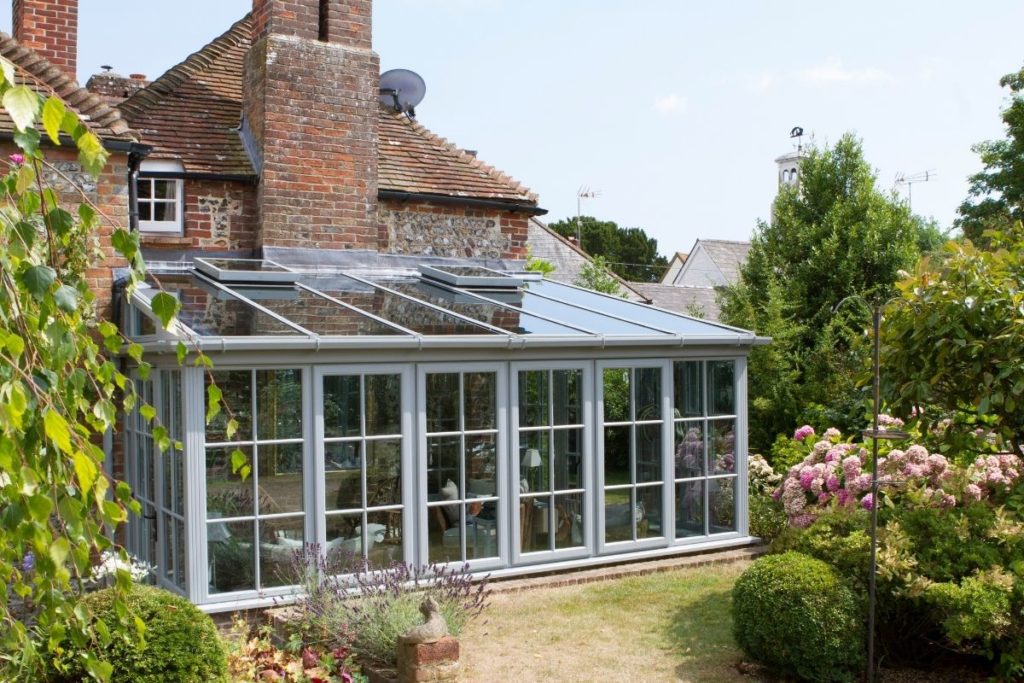
Styles that suit a Sussex flint house include traditional designs such as Victorian and Edwardian orangeries, as well as contemporary timber-framed conservatories that blend seamlessly with the rustic charm of flint, enhancing its aesthetic appeal.
How can I maximize natural light in my conservatory?
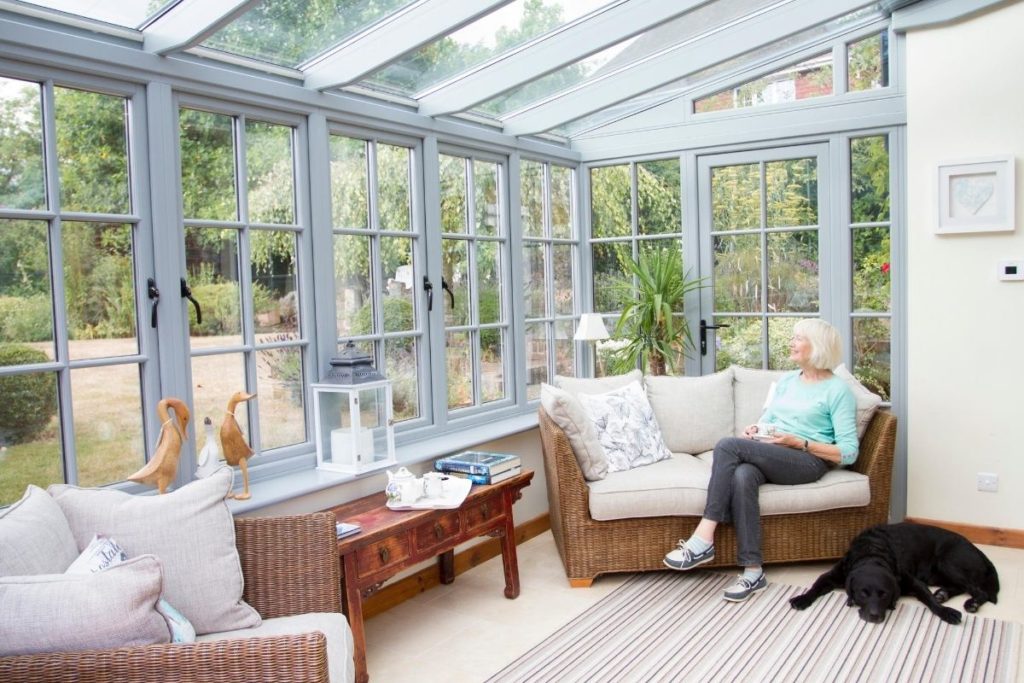
Maximizing natural light in your conservatory involves strategic design choices. Opt for large, floor-to-ceiling windows, skylights, and light-colored materials to reflect sunlight, creating a bright and airy atmosphere that enhances your living space.
What are the maintenance requirements for timber frames?
The maintenance requirements for timber frames include regular inspections for signs of wear, cleaning to prevent mold and mildew, and periodic application of protective finishes to enhance durability and aesthetics.
How do I choose the right conservatory design?
Choosing the right conservatory design involves considering your home’s architectural style, the intended use of the space, and your personal preferences. Collaborate with a specialist to ensure a design that enhances both aesthetics and functionality.
What features enhance the functionality of an orangery?
The features that enhance the functionality of an orangery include high-quality glazing for optimal natural light, effective insulation for year-round use, integrated heating systems for comfort, and versatile design elements that allow for seamless integration with the existing home.
How can I integrate a conservatory with my garden?
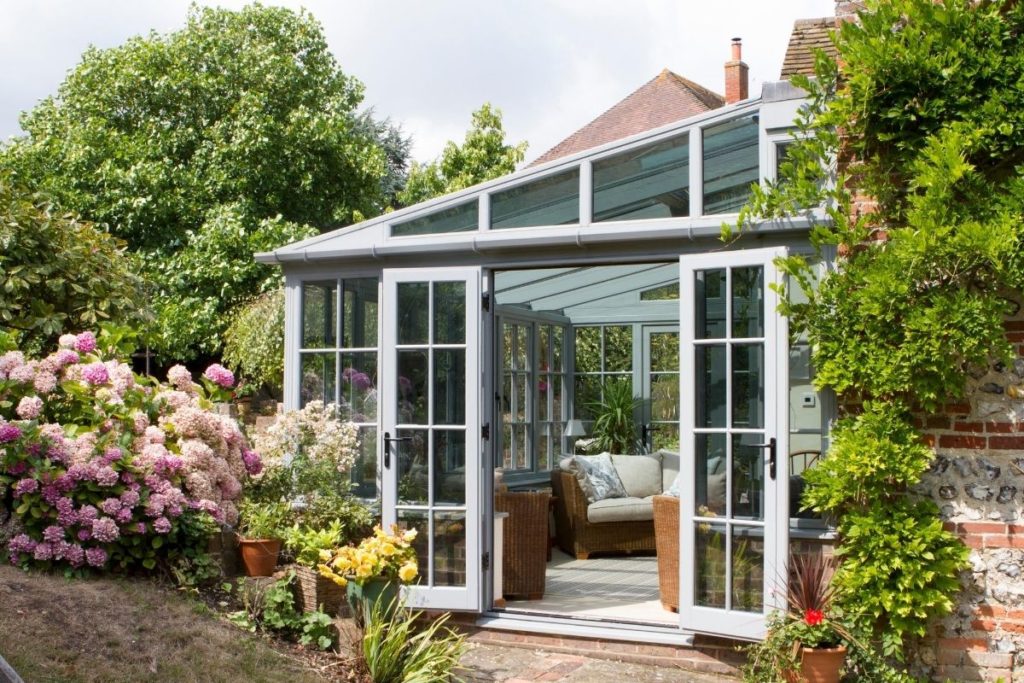
Integrating a conservatory with your garden involves creating a seamless transition between indoor and outdoor spaces. Consider using large glass doors, matching materials, and complementary landscaping to enhance connectivity and visual harmony.
What are the energy efficiency benefits of orangeries?
The energy efficiency benefits of orangeries include improved insulation and reduced energy costs. Their design often incorporates energy-efficient glazing and materials that help maintain a stable indoor temperature, enhancing comfort while minimizing reliance on heating and cooling systems.
How does a timber-framed structure affect insulation?
A timber-framed structure significantly enhances insulation by utilizing natural materials that offer excellent thermal performance. This design helps maintain a comfortable indoor climate, reducing energy costs and improving overall efficiency.
What are the costs associated with custom conservatories?
The costs associated with custom conservatories vary based on design, materials, and size. Typically, prices range from £15,000 to £50,000, reflecting the bespoke nature and craftsmanship involved in creating a luxury extension.
How can I personalize my orangery design?
Personalizing your orangery design involves selecting custom features such as window styles, roof options, and materials that reflect your taste. You can also incorporate unique finishes, colors, and furnishings to create a space that complements your home and lifestyle.
What are the planning permissions for conservatories?
Planning permissions for conservatories depend on various factors, including size and location. Generally, many conservatories fall under permitted development rights, but it's essential to check local regulations and consult with your local planning authority for specific requirements.
How do I ensure my conservatory is weatherproof?
To ensure your conservatory is weatherproof, focus on high-quality materials, proper insulation, and expert installation. Additionally, regularly check seals and drainage systems to prevent leaks and maintain a comfortable, dry environment.
What are the best color schemes for orangeries?
The best color schemes for orangeries typically include soft, neutral tones like whites, creams, and greys, which enhance natural light and complement traditional architecture. Adding accents in muted greens or blues can create a harmonious, inviting atmosphere.
How can I incorporate bi-fold doors in my design?
Incorporating bi-fold doors into your design can enhance both functionality and aesthetics. Consider positioning them to connect your conservatory with the garden, allowing for seamless indoor-outdoor living while maximizing natural light.
What lighting options work best for conservatories?
The best lighting options for conservatories include a combination of natural light through large windows and skylights, along with adjustable LED fixtures and pendant lights to create ambiance and functionality during the evening.
How do I select furniture for my orangery?
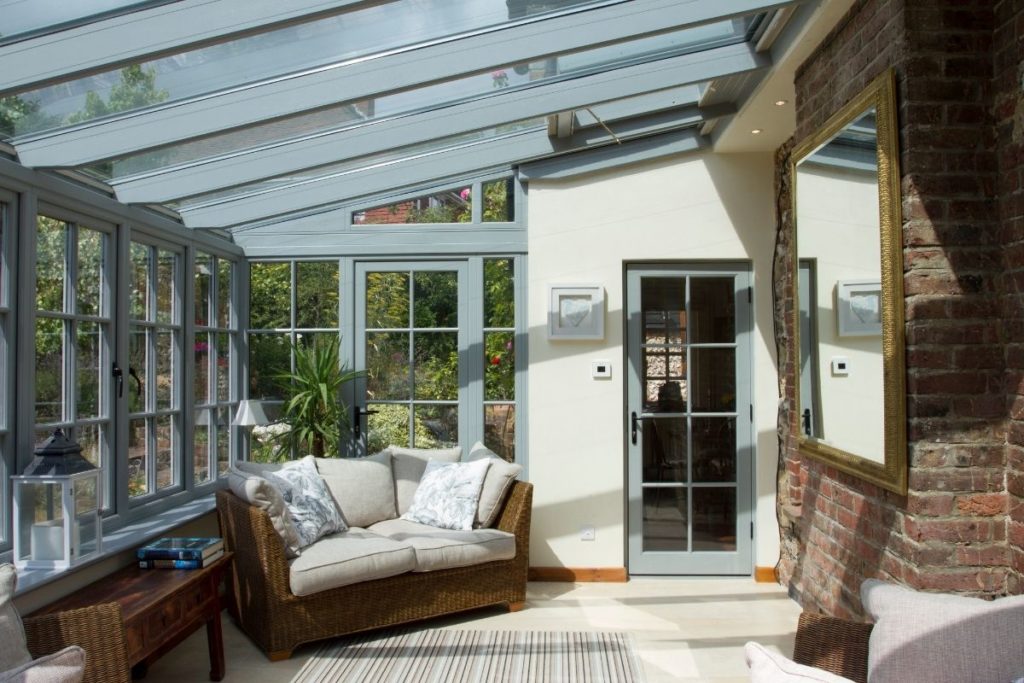
Selecting furniture for your orangery involves choosing pieces that complement its style while ensuring comfort and functionality. Consider materials that withstand varying temperatures and opt for designs that enhance the natural light and aesthetics of your space.
What landscaping complements a timber-framed conservatory?
Landscaping that complements a timber-framed conservatory includes natural stone pathways, lush greenery, and flowering plants. These elements enhance the traditional aesthetic while creating a harmonious transition between indoor and outdoor spaces.
How can I enhance privacy in my conservatory?
Enhancing privacy in your conservatory can be achieved through various methods, such as incorporating frosted glass, using sheer or blackout curtains, or adding strategically placed plants to create natural barriers while maintaining an inviting atmosphere.
What are the latest trends in conservatory design?
The latest trends in conservatory design include the use of sustainable materials, biophilic elements that connect indoor and outdoor spaces, and sleek, minimalist aesthetics that prioritize natural light and open layouts, enhancing both functionality and visual appeal.
How can I use my orangery year-round?
Using your orangery year-round is achievable by incorporating effective heating, cooling, and ventilation solutions. With proper insulation and climate control, you can enjoy this beautiful space in every season, whether for relaxation, entertaining, or as a functional living area.
What are the advantages of bespoke conservatory solutions?
The advantages of bespoke conservatory solutions are that they offer tailored designs that perfectly complement your home’s architecture, maximize space and functionality, and provide high-quality craftsmanship, ensuring a unique and luxurious living environment.
How do I ensure my conservatory is secure?
Ensuring your conservatory is secure involves installing high-quality locks, using toughened glass, and incorporating security alarms or cameras. Regular maintenance and inspections also help identify vulnerabilities, enhancing overall safety and peace of mind.
What are common mistakes in conservatory design?
Common mistakes in conservatory design include poor integration with the existing home, inadequate insulation, neglecting natural light sources, and overlooking ventilation needs, which can compromise both aesthetics and functionality.
How can I create a seamless indoor-outdoor flow?
Creating a seamless indoor-outdoor flow involves integrating design elements like large glass doors, consistent flooring, and harmonious color palettes. This approach enhances connectivity between spaces, allowing natural light and fresh air to enrich your living experience.
What are the best plants for a conservatory environment?
The best plants for a conservatory environment include tropical species like orchids, ferns, and peace lilies, as they thrive in warm, humid conditions while adding vibrant color and life to your space.