


Glass, Solid, or Hybrid Roof? Your 2025 Guide to the Perfect Extension
Choose your extension roof confidently. We compare 2025 glass, solid & hybrid roofs on thermal performance, noise & regulations for homes in Sussex & Hampshire.
Quick Answer
2025’s Part L Regulations have changed everything. Modern roofs must deliver genuine year-round comfort.
Glass Roofs: New Generation Glass reflects 86% of solar heat (U-value ~1.0 W/m²K) – perfect for north-facing extensions.
Solid Roofs: Achieve U-values of 0.12–0.15 W/m²K (10x better than old glazing) with rain noise reduced to quiet library levels.
Hybrid Roofs: Combine light and comfort with zoned design, blending 0.15 W/m²K insulation with strategic glazing.
• **Part L Building Regulations** demand higher thermal efficiency
• Glass technology now reflects **86% of solar heat** vs. <20% with old polycarbonate
• Solid roofs reduce rain noise from **~75 dB (loud)** to **~30 dB (quiet library)**
• Hybrid systems like **Livinroof** offer the best of both worlds
• **Building Control approval** required for structural changes to solid/hybrid roofs
The 2025 Reality: Your Old Conservatory Roof is Obsolete
If your conservatory is too hot in summer and too cold in winter, you’re not alone. The good news? Today’s roofing technology has rendered that struggle obsolete. Driven by 2025’s updated Part L Building Regulations, your choices now deliver genuine year-round comfort.
This guide cuts through the complexity. We’ll compare the three leading systems—High-Performance Glass, Solid Tiled Roofs, and Hybrid designs—with clear data on warmth, noise, light, and the rules you need to know for homes in Sussex and Hampshire.
The Performance Revolution
What was once a choice between “bright but uncomfortable” and “dark but warm” no longer exists. Modern materials and engineering allow for exceptional thermal performance without sacrificing light or aesthetics. The key is matching the right system to your specific needs, orientation, and local planning requirements.
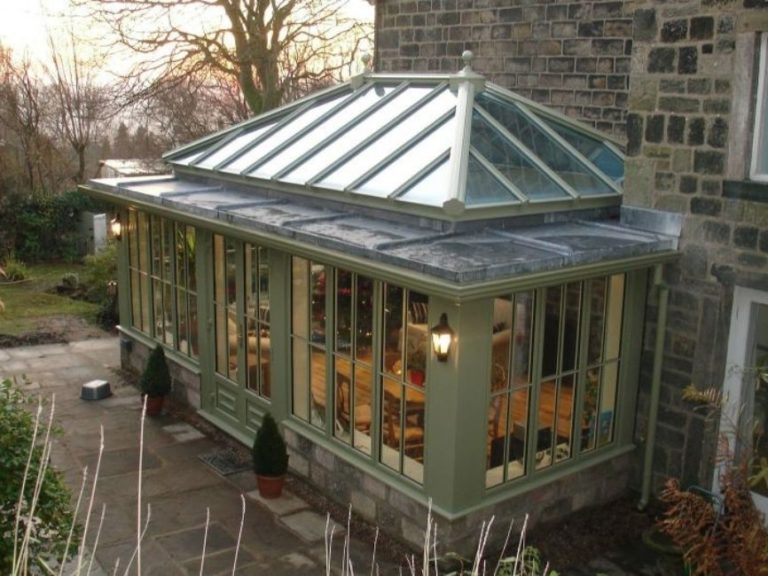
1. The Modern Glass Roof: Intelligent Light, Managed Heat
Best for: Maximising natural light in north-facing extensions, garden rooms, or kitchens.
Forget the old greenhouse effect. New Generation Glass (NGG) uses advanced coatings to control climate.
Key Features:
- Solar Control: Invisible metal oxide layers on the glass reflect up to 86% of the sun’s heat, preventing summer overheating while letting in light.
- Winter Warmth: With argon gas and insulated spacers, U-values as low as 1.0 W/m²K keep heat in, meeting modern efficiency standards.
- Local Note: In the South Downs National Park, ‘Dark Night Skies’ policies may require specific glass tints or blinds to minimise light pollution—we guide you through this.
Planning tip: Glass roof replacements usually fall under Permitted Development, but always check local Article 4 Directions in conservation areas like Chichester Harbour.
2. The Solid Tiled Roof: Ultimate Comfort & Quiet
Best for: Creating a quiet, cosy room identical to your main house—perfect for offices, lounges, or playrooms.
A solid roof is a complete thermal upgrade. Built with a ‘warm roof’ design (150mm+ insulation between rafters), it delivers exceptional performance.
Performance Advantages
- Superior Insulation: Achieves U-values of 0.12–0.15 W/m²K, making it up to ten times more efficient than old glazing
- Acoustic Comfort: Reduces heavy rain noise from ~75 dB (loud) to a gentle ~30 dB (quiet library levels)
- Year-Round Use: Maintains consistent temperature regardless of season
- Added Value: Transforms space into habitable square footage recognised by valuers
Key Consideration:
This is a structural change requiring Building Control approval. We ensure full compliance, from load-bearing assessments to certification. Most lightweight conservatory frames cannot support a solid roof—a structural survey is essential.
3. The Hybrid Roof: The Strategic Balance
Best for: Those who want the best of both: light where it’s needed and solid comfort elsewhere.
Systems like the Livinroof combine insulated panels with strategic glazing.
Hybrid Design Principles
Place glass over a dining area for atmosphere and views, while keeping seating areas under a warm, solid ceiling. This intelligent zoning matches roof performance to room function.
Features an insulated pelmet for a clean finish, perfect for integrating LED lighting. The transition between solid and glazed sections is seamless, creating a premium look.
Blends the high insulation of solid areas (0.15 W/m²K) with the light and views of high-performance glass. Offers flexibility for complex room layouts and multiple uses.
Side-by-Side Comparison: Data for Your Decision
This comparison table shows exactly how far roof technology has advanced since polycarbonate conservatory roofs.
| Feature | Old Polycarbonate | Modern Glass (NGG) | Solid / Hybrid Roof |
|---|---|---|---|
| Thermal Efficiency (U-Value) | Poor (~2.4 W/m²K) | Good (~1.0 W/m²K) | Excellent (0.12–0.15 W/m²K) |
| Solar Heat Rejection | Very Low (<20%) | High (Up to 86%) | Total (Solid Areas) |
| Rain Noise | Very Loud (~75 dB) | Quiet (~40 dB) | Very Quiet (~30 dB) |
| Light Quality | Harsh, Glare | Bright, Controlled | Hybrid: Zoned; Solid: Ambient |
| Planning & Building Regs | Usually Permitted Dev | Usually Permitted Dev | Requires Building Control |
Interpreting the Data
A U-value of 0.15 W/m²K means the roof loses just 0.15 watts of heat per square meter for every degree of temperature difference. Compare this to 2.4 W/m²K for old polycarbonate, and you understand why solid roofs feel so much warmer. The decibel scale is logarithmic, so 30 dB is about 1/8th the loudness of 75 dB—a dramatic difference during heavy rain.
Local Rules in Hampshire & West Sussex: What You Must Know
Your location directly impacts your project. Here’s what matters locally:
Practical Local Examples
Winchester Conservation Area: May require specific tile types or colours to match local vernacular. South Downs Dark Skies Policy: May limit glass area or require blinds. Coastal Areas (e.g., Selsey): May need enhanced weather resistance specifications. Our West Sussex service area covers these diverse locations with tailored solutions.
Your Questions, Answered
Common Concerns Addressed
It can, but this is solved by design. A Hybrid roof places glass near the house wall to ‘wash’ light back into adjoining rooms. We also model light levels to prevent this issue. Strategic placement of roof lights or glass sections ensures your extension remains bright and welcoming.
A quality solid or hybrid roof is a premium investment, reflecting the materials and engineering required. However, it transforms unused space into habitable square footage, typically adding significant value to your property—often seen as one of the best returns on investment for home improvements. Exact pricing depends on size, specification, and structural requirements.
This is critical. Most lightweight conservatory frames cannot. We always conduct a structural survey. Solutions include installing a new, independent support structure to carry the load safely and compliantly with Building Regulations. Never assume existing frames are suitable—professional assessment is essential.
• Like-for-like glass replacements: Usually not.
• Changing to a solid/hybrid roof: Always needs Building Control approval.
• Homes in Conservation Areas/with Article 4 Directions: Likely need full planning permission.
We verify this for every project through pre-checks with local authorities.
Glass Roofs: Minimal upkeep; optional self-cleaning glass keeps them clearer with minimal intervention.
Solid/Hybrid Roofs: Similar maintenance to your main house—occasional gutter cleaning and checks. All modern systems are designed for low maintenance and long-term durability.
The Bottom Line: How to Choose Your Perfect Roof
Your perfect roof depends on one question: how do you want to use the room?
Choose a Glass Roof
- For a bright, light-filled space that brings the outdoors in
- North-facing extensions or garden rooms
- When maximum natural light is the priority
- Where planning restrictions favour minimal visual change
Choose a Solid Roof
- For a quiet, thermally perfect room that feels like a true part of your home
- Home offices, lounges, or playrooms
- When noise reduction and energy efficiency are priorities
- For maximum property value addition
Choose a Hybrid Roof
- For intelligent zoning, balancing light and comfort with flexibility
- Kitchen-diners or multi-use spaces
- When you want both bright dining areas and cosy seating zones
- For complex room layouts requiring tailored solutions
The Final Decision
All three options, when designed and installed to 2025 standards, will finally give you a comfortable, year-round space. The next step is pairing your vision with technical expertise and local knowledge—that’s where a specialist makes all the difference. Consider your room’s primary use, your local planning context, and your long-term comfort needs. With modern technology, there’s no need to compromise.
FAQ: Roof Extension
Questions Answered
Will a solid roof make my house darker?
It can, but this is solved by design. A Hybrid roof places glass near the house wall to ‘wash’ light back into adjoining rooms. We also model light levels to prevent this issue, ensuring your extension remains bright and welcoming while enjoying superior insulation. Strategic placement of roof lights or glass sections maintains daylight.
What’s the real cost difference between roof types?
A quality solid or hybrid roof is a premium investment, reflecting the materials and engineering required. However, it transforms unused space into habitable square footage, typically adding significant value to your property—often seen as one of the best returns on investment for home improvements in 2025. Exact costs vary by size and specification.
Can my old conservatory frames support a solid roof?
This is critical. Most lightweight conservatory frames cannot. We always conduct a structural survey. Solutions include installing a new, independent support structure to carry the load safely and compliantly with Building Regulations. Never assume existing frames are suitable—professional assessment is essential for safety and compliance.
Do I need planning permission for a solid roof?
Like-for-like glass replacements: Usually not. Changing to a solid/hybrid roof: Always needs Building Control approval. Homes in Conservation Areas/with Article 4 Directions: Likely need full planning permission. We verify this for every project in Sussex and Hampshire through pre-application checks where needed.
How do I maintain the new roof?
Glass Roofs: Minimal upkeep; optional self-cleaning glass keeps them clearer with minimal intervention. Solid/Hybrid Roofs: Similar maintenance to your main house—occasional gutter cleaning and checks. All modern systems are designed for low maintenance and long-term durability, with warranties to match.
What’s the best roof for south-facing extensions?
For south-facing extensions, New Generation Glass with 86% solar heat rejection prevents overheating while maximising light. Hybrid roofs are also excellent, allowing you to zone solid areas over seating while maintaining glass for dining areas. We assess your specific orientation and usage patterns to recommend the optimal solution.
Ready to Transform Your Extension?
Get expert advice on choosing the perfect roof for your Sussex or Hampshire home. Our specialists understand local regulations, thermal requirements, and design considerations for 2025 extensions.