


Architectural Glass: Eight Contemporary Extensions That Redefine Indoor-Outdoor Living
The boundary between inside and outside has never been more beautifully blurred.
Key Facts at a Glance
This is not about conservatories. Modern architectural glazing combines structural innovation with thermal performance that meets or exceeds Building Regulations, creating year-round living spaces.
Average frameless glass box: Around £40,000. Costs range from £14,000 (small) to £80,000+ (large architectural projects).
Property value impact: Up to 7% increase—outperforming brick extensions (6%) and conservatories (5%).
40+ years lifespan with standard maintenance. Quality installations are built to last.
Understanding Contemporary Glass Extensions
Before exploring inspiring design approaches, it helps to understand the different types of glass extension. The terminology can be confusing, but the distinctions matter when planning your project.
Frameless Glass Box
The purest expression. Structural glass panels connected by nearly invisible silicone joints. Completely unobstructed views with glass bearing structural loads.
Framed Glass
Slim aluminium or steel profiles support glass panels. Modern frames achieve sightlines of just 17-21mm. More flexibility for opening elements.
Hybrid Glass
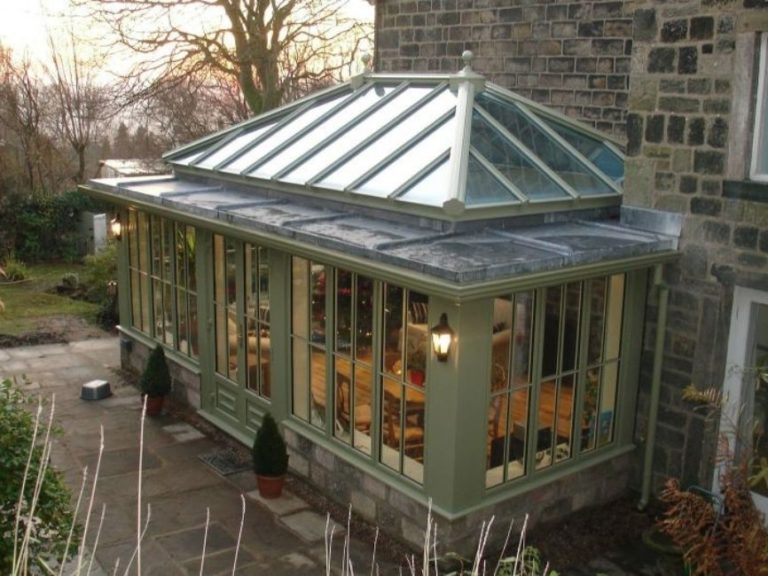
Combines glass with other materials—solid insulated roof with floor-to-ceiling glass walls. Often suits period properties beautifully.
The design options for a glass box extension are endless. From a full glass box with clear glass on all sides, to the introduction of solid elements like a solid roof, a glass extension can be designed to suit your space. Unlike a conservatory, a contemporary frameless glass box extension aims to create a smooth transition to the outside with full glazing, providing unobstructed views.
2025 Trend: Oversized Glass Panels
One of the biggest trends for 2025 is the use of oversized glass panels in both commercial and residential architecture. These panels create expansive views, increase natural light, and deliver a sense of openness that resonates with contemporary design preferences. According to a recent industry report, the oversized glass panel trend is expected to continue growing in 2024 and beyond, with manufacturers investing in new technologies to produce even larger panels.
Where once glass panels were measured in centimetres, today’s installations regularly exceed four metres in height, creating dramatic interior spaces that transform the relationship between home and garden.
Eight Inspiring Design Approaches
These eight approaches illustrate the breadth of possibilities when working with architectural glass. Each represents a different philosophy of how glass can transform residential space.
The Invisible Addition
Using frameless structural glass with silicone-bonded joints, these additions create the impression that interior space simply flows outward without interruption. The glass disappears entirely on clear days. Works exceptionally well with mature gardens and exceptional views.
The Period Property Contrast
When glass meets a Victorian or Georgian facade, rather than competing, the transparency allows the historic building to remain the visual focus. Black-framed glass against warm London stock brick creates a confident dialogue between old and new.
The Side Return Transformation
Victorian and Edwardian terraces often have narrow side returns—some of the most valuable square footage in residential property. Glass side returns unite previously separate spaces, with costs around £2,000/m² plus £40,000 for complete projects.
The Wraparound Glass Room
For corner positions or generous plots, L-shaped or U-shaped additions provide panoramic views that change character throughout the day. Morning light from one direction, afternoon sun from another—the relationship becomes dynamic.
The Glass Link
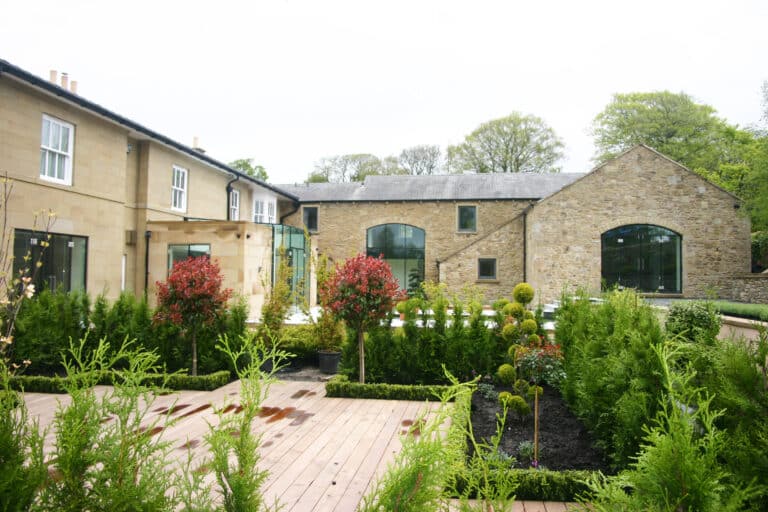
Glass links connect existing structures while maintaining visual separation—covered walkways that feel like being outdoors. Perfect for connecting main houses to converted garages, annexes, or garden studios.
The Oriel Window Room
Glass oriel windows cantilever from building facades to create frameless viewing spaces without extensive groundworks. Ideal for bedrooms seeking borrowed light or studies requiring inspiring views without sacrificing wall space.
The Glass and Timber Hybrid
Combining glass with natural materials creates warmth that pure glazing cannot achieve alone. Exposed Douglas Fir or oak provides visual warmth while frameless glass corners wrap around key vantage points. Suits rural properties beautifully.
The Industrial Aesthetic
Steel-framed glazing systems replicate classic industrial structures with contemporary design sensibilities. The grid of mullions provides rhythm and scale. Modern steel-look systems offer this aesthetic without thermal penalties.
The Science of Light and Wellbeing
The appeal of glass extensions goes beyond aesthetics. A growing body of research suggests that exposure to natural light and visual connections with nature provide measurable benefits to physical and mental health—a concept now central to biophilic design.
The Biophilic Connection
Biophilia, from the Greek words meaning “love of life,” describes humanity’s innate need to connect with nature and living things. Glass is uniquely suited to biophilic design. As a building material, glass can help support interior plant life, increase natural views and daylighting for occupant satisfaction, and improve energy efficiency to support sustainability goals.
The changing quality of light through a glass extension—from morning brightness through afternoon warmth to evening glow—provides exactly the kind of natural variation our brains have evolved to expect.
Technical Considerations
The beauty of contemporary glass extensions depends entirely on solving practical challenges that once made all-glass structures problematic. Understanding these considerations helps distinguish well-engineered projects from those that will disappoint.
Thermal Performance and U-Values
The thermal performance of glazing is measured by its U-value: the rate at which heat transfers through the glass. Lower U-values indicate better insulation. Building Regulations require extensions achieve 1.6 W/m²K or better.
- Modern high-performance glazing routinely achieves 1.1-1.2 W/m²K
- The most advanced systems reach 0.8 W/m²K or better
- Some manufacturers now offer vacuum insulating glass achieving 0.17 W/m²K
⚠️ Compare Like With Like
Always ensure you’re comparing Uw values (whole window performance including frames) rather than Ug values (centre pane only). Some suppliers quote Ug values, which are always more impressive than actual installed performance.
Solar Control and Overheating
The historical criticism of conservatories—unbearably hot in summer, cold in winter—remains relevant for glass extensions. Solving this requires careful attention to solar control measures.
- Solar control coatings prevent infrared rays entering while retaining warmth
- Smart glass (electrochromic) can transition between transparent and tinted states automatically
- SHGC (Solar Heat Gain Coefficient) measures how much solar radiation converts to heat—lower is better for south/west-facing extensions
Investment and Value: Understanding Costs
Glass extensions represent significant investments, but they also deliver substantial returns both in property value and daily living experience. Understanding the cost structure helps ensure realistic budgeting.
| Extension Type | Typical Cost Range |
|---|---|
| Small glass extension | £14,000 to £30,000 |
| Frameless glass box (average) | £40,000 to £60,000 |
| Large architectural extension | £60,000 to £100,000+ |
| Glass side return extension | £2,000/m² + £40,000 |
| High-performance specification | £3,500+ per m² |
| Professional cleaning service | £150 to £400 annually |
Property Value Impact
High-quality glass extensions can increase property value by up to 7%, comparing favourably with brick-built kitchen extensions (around 6%) and traditional conservatories (approximately 5%). According to Nationwide, home improvements that add additional floor area can increase property values by up to 25% in optimal circumstances.
Factors Affecting Cost
- Glass specification: Solar control coatings, heated glass, and triple glazing all add cost but improve performance
- Frame material: Aluminium costs less than steel; frameless structural systems command premium prices
- Opening type: Bi-fold doors cost approximately £2,000; sliding doors approach £3,800+
- Location: Building costs significantly higher in London and the South East
- Site access: Difficult access requiring specialist equipment or crane hire increases costs substantially
Planning and Design Considerations
Creating a successful glass extension involves more than selecting beautiful glazing. The design process must address practical, regulatory, and aesthetic considerations that determine whether the finished structure enhances or compromises your home.
Working with Professionals
Glass extensions demand specialist expertise. These types of extensions are a costly exercise and you will still need to adhere to ever stricter Building Regulations. You should definitely work with a qualified architect and structural engineer rather than attempting to design complex glazing installations independently.
Planning Permission
Just as with any kind of extension, there will be cases where planning permission might not be required. Extensions can sometimes be built under permitted development if they don’t exceed specific parameters. However, even if you feel certain your extension falls within permitted development rights, always check with your local planning authority.
Heritage & Conservation
If you’re extending a listed building, live in a Conservation Area, or occupy an Area of Outstanding Natural Beauty, you will almost certainly require planning permission or listed building consent. Glass extensions to heritage properties often require particularly careful justification—though their transparent nature can sometimes help secure approval.
Orientation and Solar Gain
- South-facing: Require careful solar control to prevent overheating
- North-facing: Need high-performance glazing to maintain warmth without direct solar gain
- East-facing: Capture morning light—ideal for breakfast rooms or home offices
- West-facing: Enjoy afternoon and evening sun—perfect for entertaining spaces
Is a Glass Extension Right for You?
Glass extensions suit properties and homeowners seeking particular outcomes. Understanding what these structures do best helps determine whether this approach matches your aspirations.
Glass Extensions Excel When You Want:
✓ Maximum natural light penetration into previously dark spaces
✓ Seamless visual connection between interior and garden
✓ A contemporary addition that respects period architecture
✓ Biophilic benefits of nature connection for health and wellbeing
✓ Year-round enjoyment of garden views regardless of weather
✓ A statement addition that differentiates your property in the market
✓ Space that feels larger than its physical footprint
Consider Alternatives When:
• Privacy from neighbours is a primary concern
• Budget is severely constrained
• The site lacks attractive views worth framing
• You prefer enclosed spaces to open, light-filled rooms
• Access for cleaning and maintenance would be impractical
Bringing Light Into Your Life
Contemporary glass extensions represent more than architectural fashion. They respond to fundamental human needs: for light, for connection to nature, for spaces that inspire and restore. The technology that makes these structures possible continues to advance, with thermal performance, solar control, and structural capabilities improving year on year.
Whether your dream involves a frameless glass box that makes architecture disappear, a bold steel-framed structure that celebrates its engineering, or a sensitive hybrid design that bridges old and new, the range of possibilities has never been greater.
The eight approaches explored in this article represent starting points rather than limitations. Every successful glass extension is bespoke, designed to respond to its specific site, its owners’ aspirations, and its architectural context. To explore what a contemporary glass extension might mean for your home, discover our contemporary frameless glass box extension services and begin imagining your own transformation.
The boundary between inside and outside awaits your imagination.
Frequently Asked Questions
How much does a glass box extension cost?
Glass box extensions typically cost from £14,000 for small structures to over £80,000 for large architectural projects. The average frameless glass room costs around £40,000. Expect to pay approximately £3,000 per m² for glazing, with high-performance specifications reaching £3,500 or more per m².
Will a glass extension overheat in summer?
Modern glass extensions incorporate solar control coatings and high-performance glazing that prevent overheating. Smart glass technology can automatically adjust tinting in response to sunlight. Proper specification ensures comfortable temperatures year-round, unlike the conservatories of previous decades.
Do glass extensions add value to property?
Quality glass extensions can increase property value by up to 7%, outperforming both traditional brick extensions (6%) and conservatories (5%). Beyond financial return, they provide immediate lifestyle value through year-round usable space flooded with natural light.
Can glass extensions be built on period properties?
Yes, glass extensions often suit period properties exceptionally well. The transparency allows the original architecture to remain visible and dominant. The clear contrast between old and new can actually help secure planning approval by demonstrating respect for historic fabric.
What is the difference between framed and frameless?
Frameless extensions use structural glass panels connected by nearly invisible silicone joints, creating completely unobstructed views. Framed systems use slim aluminium or steel profiles, some with sightlines as narrow as 17mm. Choice depends on budget, aesthetic preference, and need for opening elements.
What U-values should a glass extension achieve?
Building Regulations require U-values of 1.6 W/m²K or better for extensions. High-performance glazing systems routinely achieve 1.1-1.2 W/m²K, with the most advanced reaching 0.8 W/m²K or better. Always ensure you’re comparing whole-window (Uw) values rather than centre-pane (Ug) values.
Do I need planning permission?
Some glass extensions fall within permitted development rights, but this depends on size, position, and location. Listed buildings, Conservation Areas, and Areas of Outstanding Natural Beauty almost always require planning permission. Always check with your local planning authority before proceeding.
How long do glass extensions last?
Quality glass extensions built with high-grade aluminium frames and properly specified glazing typically last 40 years or more with standard maintenance. The glass itself is extremely durable, while structural silicone joints may require eventual replacement after 20-25 years.
What maintenance do glass extensions require?
Glass extensions require regular cleaning to maintain appearance, typically costing £150-£400 annually for professional services. Low-maintenance coatings reduce cleaning frequency. Aluminium frames require minimal attention, while seals and drainage should be inspected periodically.
Can any builder install a glass extension?
Glass extensions require specialist skills and experience. The structural engineering, precision installation, and weatherproofing of large glass panels demand expertise that general builders may not possess. Working with specialist glazing companies ensures proper installation and valid warranties.
What is biophilic design and why does it matter?
Biophilic design recognises humanity’s innate need to connect with nature. Research shows that spaces with natural light and views of nature reduce stress, enhance creativity, improve wellbeing, and expedite healing. Glass extensions deliver these benefits by creating strong visual connections with the natural world.
What is the largest glass panel that can be installed?
Modern structural glazing systems can accommodate panels exceeding four metres in height, with some installations reaching even larger dimensions. The practical limit depends on access for delivery, crane hire requirements, and structural support. Larger panels generally require specialist installation equipment.
Can glass roofs be walked on?
Walk-on glass floors and rooflights are engineered specifically for foot traffic, using multiple layers of toughened and laminated glass. Standard roof glazing is not designed to be walked on. If maintenance access is required, this must be specified during design to ensure appropriate glass selection.
What happens if glass panels crack or fail?
Structural glass uses toughened and laminated glass designed to fail safely. Laminated panels remain intact even when cracked, held together by interlayer films. Quality installations include designs that allow individual panel replacement without dismantling entire structures.
Ready to Blur the Boundary Between Inside and Outside?
Our specialists design and build contemporary glass extensions across London, Surrey, Sussex, Hampshire and the South East.