Frequently Asked Questions
What are the design features of a bespoke timber lean-to conservatory?
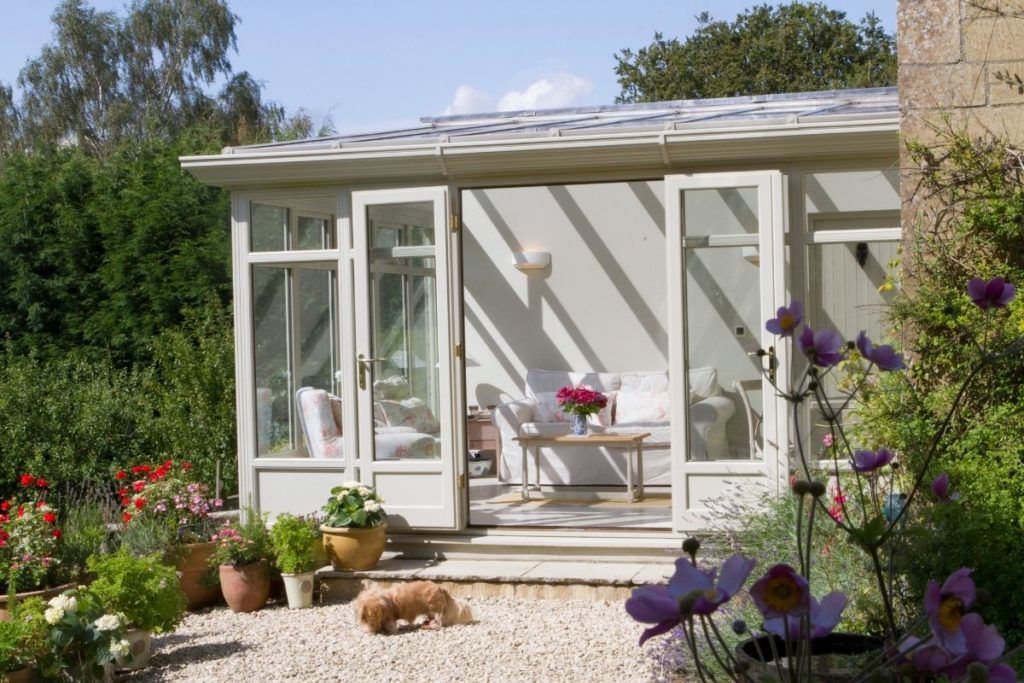
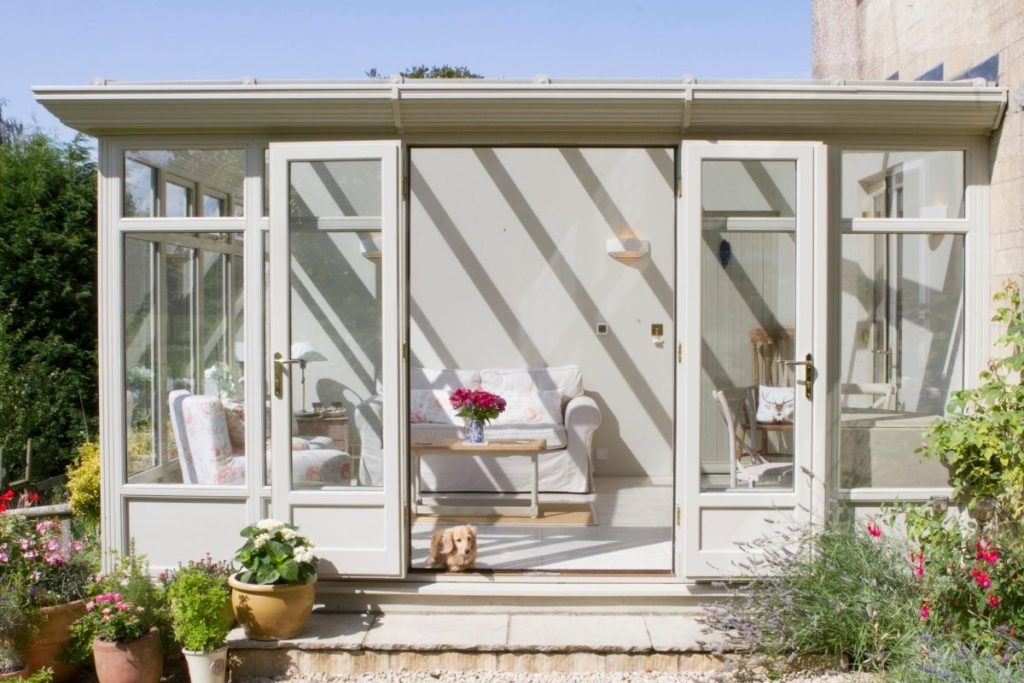
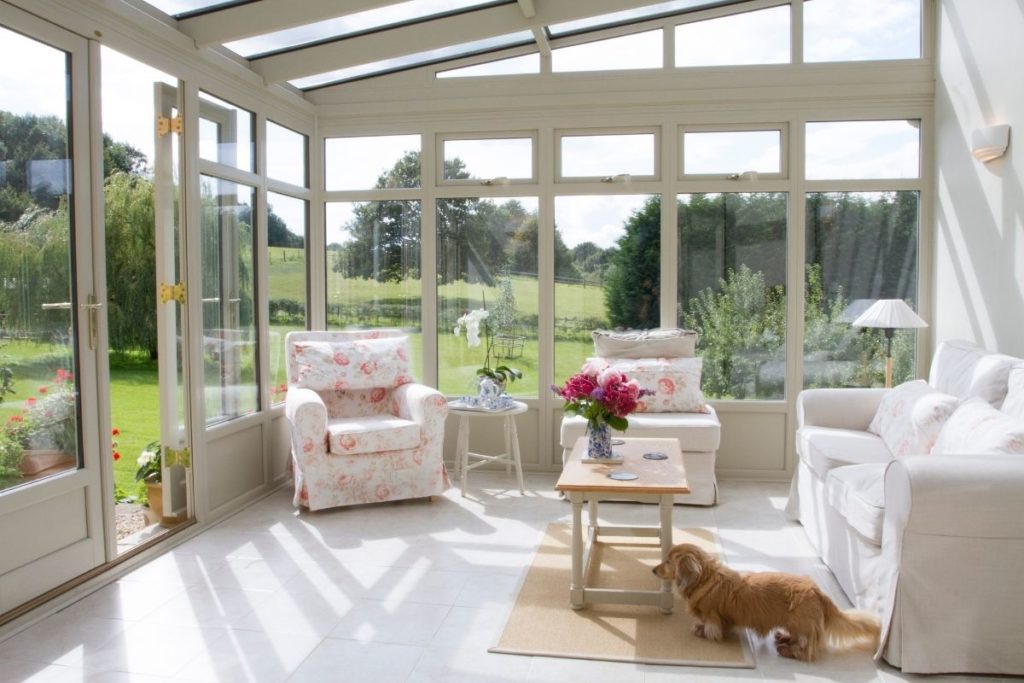
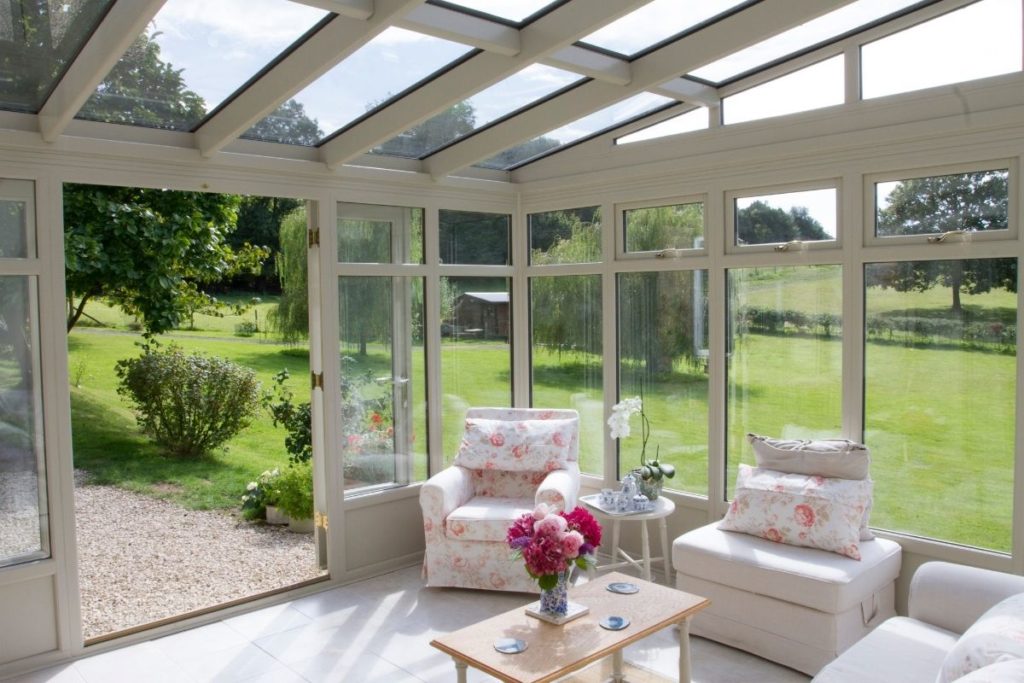
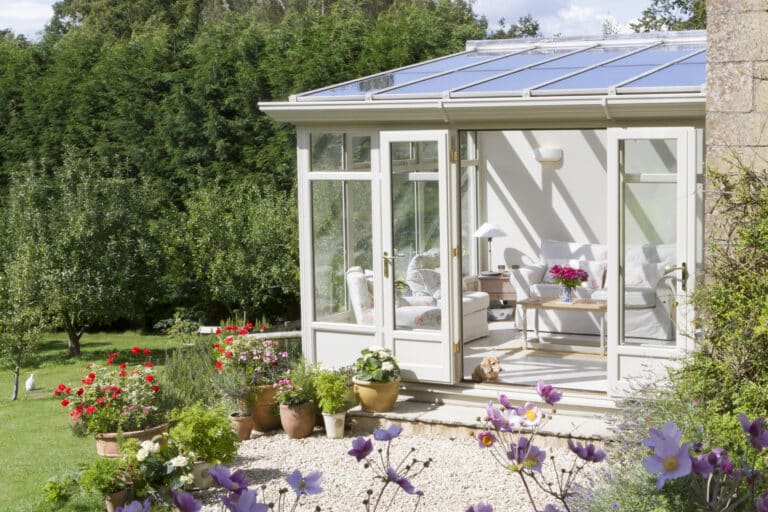
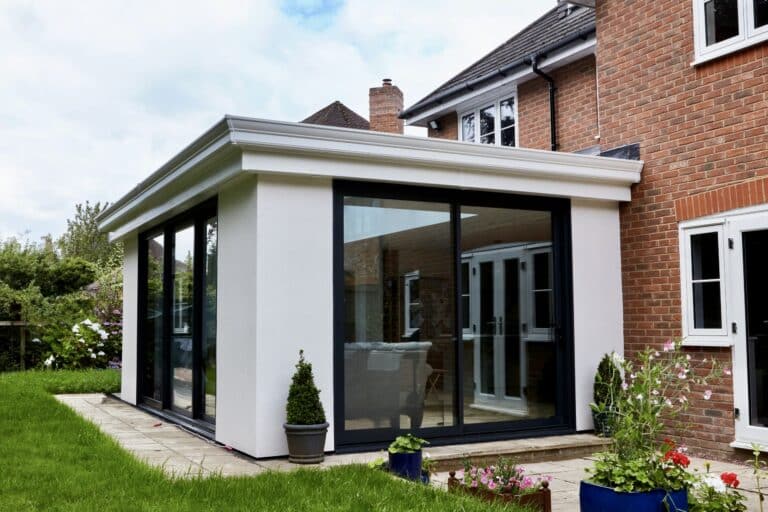
The design features of a bespoke timber lean-to conservatory include elegant timber framing, large glass panels for natural light, seamless integration with existing architecture, and customizable elements to enhance both aesthetics and functionality, perfect for country cottages.
How can a lean-to extension enhance the functionality of a country cottage?
A lean-to extension can significantly enhance the functionality of a country cottage by creating additional living space that seamlessly integrates with the existing structure, providing a bright, versatile area for relaxation, dining, or entertaining while maximizing natural light.
What considerations should be made when designing a conservatory for a residential property?
When designing a conservatory for a residential property, key considerations include the style and materials that complement the existing architecture, the intended use of the space, orientation for natural light, and efficient insulation for year-round comfort.
What materials are best for lean-to conservatories?
The best materials for lean-to conservatories include high-quality timber for the frame, which offers durability and aesthetic appeal, along with advanced glazing options that enhance insulation and natural light. This combination ensures a comfortable and stylish extension to your home.
How does a lean-to design improve space?
A lean-to design improves space by seamlessly extending the existing structure, maximizing natural light and creating an open, airy environment. This efficient layout enhances functionality while maintaining a cozy atmosphere, perfect for country cottages.
What styles complement a country cottage conservatory?
The styles that complement a country cottage conservatory include traditional English, rustic farmhouse, and vintage Victorian designs. These styles enhance the charm of the cottage while harmonizing with natural surroundings and architectural features.
How to maximize light in a conservatory?
Maximizing light in a conservatory involves using large, unobstructed windows, incorporating skylights, and selecting high-quality glass that enhances natural light while minimizing heat loss. Additionally, choosing light-colored furnishings can help reflect and amplify brightness within the space.
What are the benefits of timber conservatories?
The benefits of timber conservatories include their natural aesthetic appeal, excellent thermal insulation, and durability. They seamlessly enhance the charm of country cottages while providing a comfortable and inviting space for relaxation and enjoyment.
How to choose the right glass for conservatories?
Choosing the right glass for conservatories involves considering factors such as thermal efficiency, UV protection, and noise reduction. Opt for double or triple glazing with low-emissivity coatings to enhance comfort and energy efficiency in your bespoke design.
What are common mistakes in conservatory design?
Common mistakes in conservatory design include neglecting to consider the integration with the existing property, overlooking the importance of appropriate materials, and failing to account for adequate insulation and ventilation, which can affect comfort and functionality.
How to integrate a conservatory with existing architecture?
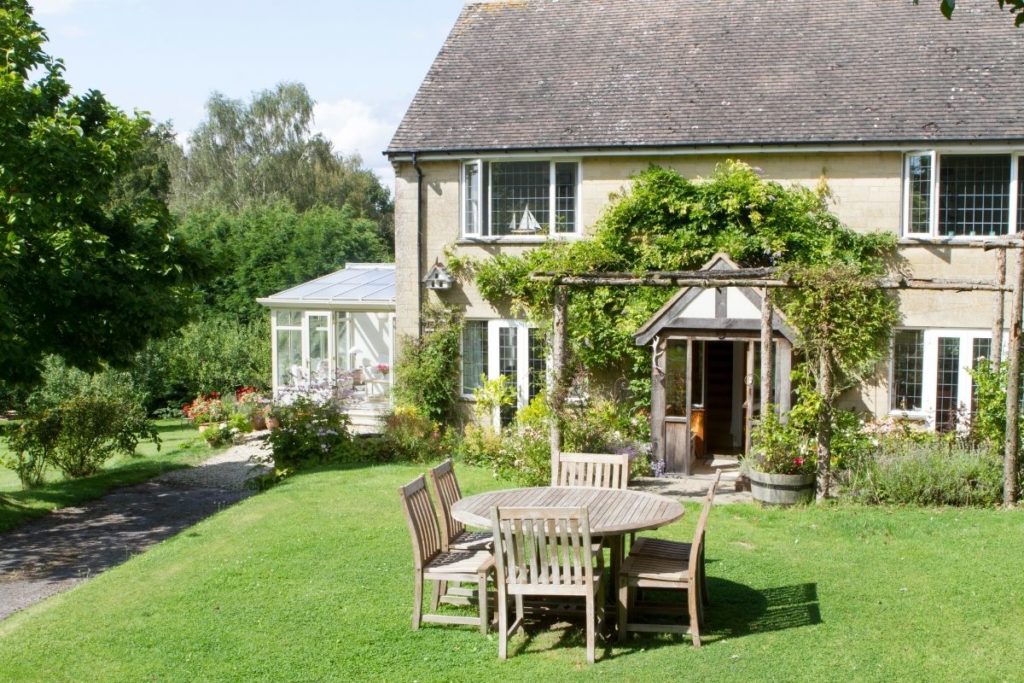
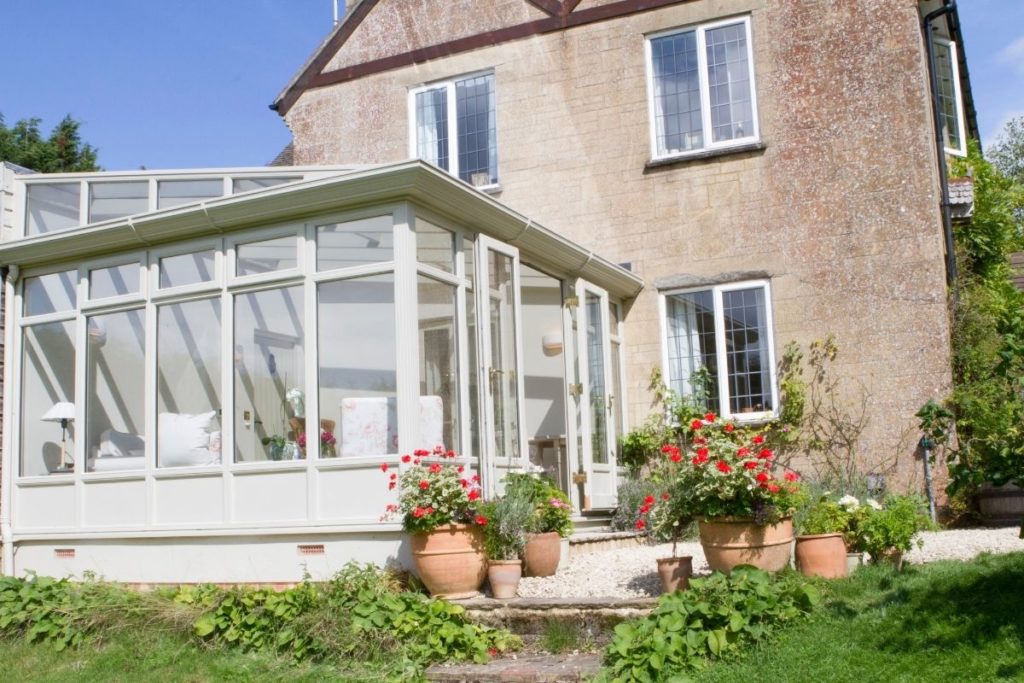
Integrating a conservatory with existing architecture involves ensuring design harmony through matching materials, colors, and architectural styles, while also considering the layout for seamless flow between spaces. This thoughtful approach enhances both functionality and aesthetic appeal.
What maintenance is required for timber extensions?
The maintenance required for timber extensions includes regular inspections for signs of wear, periodic cleaning, and applying protective treatments like stains or sealants to prevent rot and weather damage.
How can a conservatory improve home value?
A conservatory can significantly improve home value by enhancing living space and aesthetic appeal, making properties more attractive to potential buyers. Its functional design adds versatility, often leading to a higher market price upon sale.
What are the energy efficiency options for conservatories?
The energy efficiency options for conservatories include high-performance glazing, insulated frames, and thermal breaks, which help maintain comfortable temperatures year-round while reducing energy costs. These features enhance the overall sustainability of your conservatory.
How to ensure privacy in a conservatory space?
Ensuring privacy in a conservatory space involves using strategic design elements such as frosted or tinted glass, installing blinds or curtains, and incorporating outdoor landscaping to create natural barriers while maintaining an inviting atmosphere.
What are the best plants for a conservatory?
The best plants for a conservatory are those that thrive in bright, indirect light and enjoy humidity. Popular choices include ferns, orchids, and tropical plants like palms and philodendrons, which enhance the aesthetic appeal while flourishing in the environment.
How to design a conservatory for year-round use?
Designing a conservatory for year-round use involves incorporating effective insulation, high-performance glazing, and climate control systems. This ensures comfort in all seasons while harmonizing with your existing home’s aesthetics.
What are the zoning regulations for conservatories?
The zoning regulations for conservatories vary by location but generally include requirements for size, height, and proximity to property boundaries. It's essential to check local planning guidelines to ensure compliance before starting your project.
How to create a seamless indoor-outdoor flow?
Creating a seamless indoor-outdoor flow involves integrating design elements like large glass doors, matching flooring, and cohesive decor to enhance connectivity between spaces. This approach invites natural light and encourages a harmonious transition to the outdoor environment.
What lighting options work best in conservatories?
The best lighting options for conservatories include natural light sources like skylights and large windows, complemented by adjustable LED fixtures for evening use. This combination enhances the space's aesthetic while ensuring functionality throughout the day and night.
How to personalize a bespoke conservatory design?
Personalizing a bespoke conservatory design involves selecting materials, colors, and layouts that reflect your unique style and complement your home. Collaborate with our designers to incorporate features like custom glazing, integrated furniture, and tailored lighting solutions.
What are the costs associated with conservatory construction?
The costs associated with conservatory construction vary based on factors such as size, materials, and design complexity. Typically, bespoke timber lean-to conservatories can range from £10,000 to £30,000, depending on these elements.
How to choose a contractor for conservatory projects?
Choosing a contractor for conservatory projects involves assessing their experience, reviewing past work, and ensuring they understand your vision. Look for recommendations and check credentials to guarantee quality and reliability in your bespoke design.
What are the latest trends in conservatory design?
The latest trends in conservatory design include the use of sustainable materials, large glass panels for increased natural light, and seamless integration with outdoor spaces, creating a harmonious extension of the home that enhances both aesthetics and functionality.
How to incorporate sustainable practices in conservatory building?
Incorporating sustainable practices in conservatory building involves using eco-friendly materials, optimizing energy efficiency with advanced glazing, and integrating natural ventilation to enhance comfort while reducing environmental impact.
What features enhance the comfort of a conservatory?
The features that enhance the comfort of a conservatory include advanced glazing technology for temperature regulation, effective insulation to reduce drafts, and integrated heating solutions. These elements create a pleasant environment year-round, making the space enjoyable and functional.
How to plan a conservatory for entertaining guests?
Planning a conservatory for entertaining guests involves designing an open and inviting space with ample seating, natural light, and easy access to outdoor areas. Incorporate features like heating and cooling systems to ensure comfort year-round.
What are the advantages of custom conservatory designs?
The advantages of custom conservatory designs include tailored aesthetics that enhance your property's charm, optimized functionality to suit your lifestyle, and the use of advanced materials that ensure comfort and energy efficiency throughout the year.
How to select furniture for a conservatory?
Selecting furniture for a conservatory involves choosing pieces that complement the space's natural light and outdoor connection. Opt for durable, weather-resistant materials and comfortable designs that enhance relaxation while harmonizing with your home's aesthetic.
What are the best uses for a lean-to extension?
The best uses for a lean-to extension include creating a bright and airy living space, a functional dining area, or a cozy garden room that seamlessly connects with your outdoor environment, enhancing both aesthetics and utility of your home.