Frequently Asked Questions
What factors should I consider when deciding to refurbish my conservatory?
When deciding to refurbish your conservatory, consider the current condition of the structure, your budget for upgrades, potential improvements in energy efficiency, and the quality of materials used.
How can I determine the cost of refurbishing my conservatory?
Determining the cost of refurbishing your conservatory involves evaluating factors such as the current condition of the structure, materials needed, and any upgrades desired. Consulting with a professional can provide a more accurate estimate tailored to your specific needs.
What are the benefits of refurbishing a conservatory compared to replacing it?
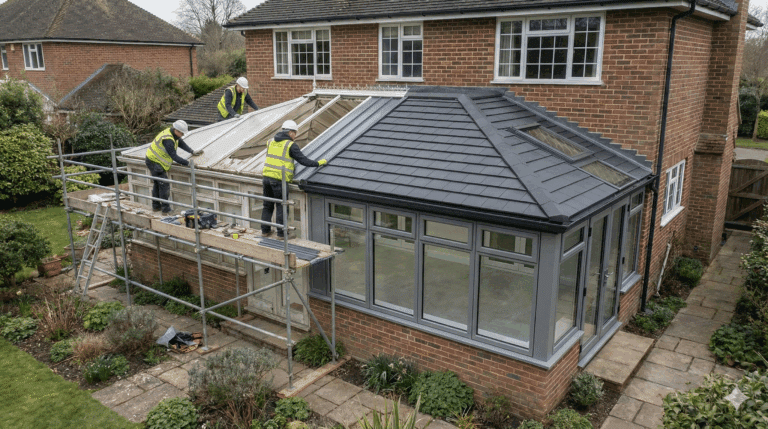
The benefits of refurbishing a conservatory compared to replacing it include cost savings, minimal disruption, and the opportunity to enhance existing structures while maintaining their character. Refurbishment can also improve energy efficiency and extend the lifespan of your conservatory.
What signs indicate my conservatory needs refurbishment?
Signs that indicate your conservatory needs refurbishment include visible leaks, condensation buildup, damaged frames, and difficulty in opening or closing windows and doors. If you notice any of these issues, it may be time to consider refurbishment.
How long does conservatory refurbishment typically take?
The duration of conservatory refurbishment typically varies, but most projects take between one to three weeks to complete, depending on the extent of the work required and the specific features of your conservatory.
What materials are best for conservatory refurbishment?
The best materials for conservatory refurbishment include high-quality uPVC for frames, double-glazed glass for energy efficiency, and durable roofing options like polycarbonate or glass. These materials enhance aesthetics, insulation, and longevity of the structure.
Can I refurbish my conservatory on a budget?
Refurbishing your conservatory on a budget is possible. By focusing on essential upgrades, such as improving insulation or replacing worn-out fixtures, you can enhance its appearance and functionality without overspending.
What are common issues in older conservatories?
Common issues in older conservatories include deteriorating frames, leaks, poor insulation, and outdated glass that may not meet current energy efficiency standards. These problems can affect comfort and increase maintenance costs over time.
How do I assess my conservatorys structural condition?
Assessing your conservatory's structural condition involves checking for visible signs of damage, such as cracks, leaks, and warping in the frame. Additionally, evaluate the quality of materials and ensure that the foundation remains stable and secure.
What upgrades can enhance my conservatorys value?
Upgrades that can enhance your conservatory's value include high-quality glazing for better insulation, modernized frames, energy-efficient heating solutions, and aesthetic improvements like upgraded flooring or lighting. These enhancements not only improve comfort but also increase overall appeal.
Are there energy-efficient options for refurbishment?
Energy-efficient options for refurbishment are available, including upgrading to high-performance glazing, improving insulation, and utilizing energy-efficient frames. These enhancements can significantly reduce energy consumption and improve the overall comfort of your conservatory.
How does weather affect conservatory refurbishment decisions?
Weather significantly influences conservatory refurbishment decisions. Factors such as temperature, humidity, and exposure to elements can impact material durability, insulation needs, and overall comfort, guiding homeowners to choose suitable upgrades or replacements for their conservatories.
What permits are needed for conservatory refurbishment?
Permits needed for conservatory refurbishment typically include planning permission and building regulations approval, depending on the scope of the project and local regulations. It's essential to check with your local authority for specific requirements.
How can I find a reliable refurbishment contractor?
Finding a reliable refurbishment contractor involves researching local options, checking online reviews, and seeking recommendations from friends or family. Ensure they have proper certifications and ask for references to verify their past work quality.
What is the average cost of conservatory refurbishment?
The average cost of conservatory refurbishment typically ranges from £3,000 to £10,000, depending on factors such as the extent of repairs needed, materials used, and any additional upgrades like energy-efficient glass.
How do I maintain my refurbished conservatory?
Maintaining your refurbished conservatory involves regular cleaning of the glass and frames, checking seals for leaks, and ensuring proper drainage. Additionally, inspect for any signs of wear or damage to address issues promptly.
What design trends are popular for conservatories?
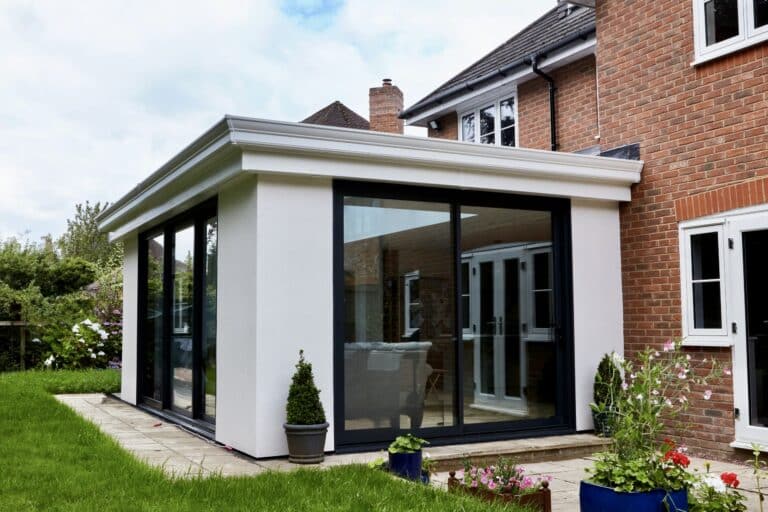
Current popular design trends for conservatories include open-plan layouts, bi-fold doors for seamless indoor-outdoor living, and the use of sustainable materials. Additionally, incorporating smart technology and stylish furnishings enhances both aesthetics and functionality.
Can I add features during refurbishment?
You can add features during refurbishment. Enhancements such as improved insulation, upgraded glass, or additional ventilation can be integrated, allowing you to customize your conservatory to better suit your needs and preferences.
How does refurbishment impact my conservatorys warranty?
Refurbishment can affect your conservatory's warranty by potentially voiding it if non-approved materials or methods are used. Always consult your warranty terms and consider professional refurbishment services to ensure compliance and maintain coverage.
What are the environmental benefits of refurbishment?
The environmental benefits of refurbishment include reducing waste by extending the life of existing structures, lowering energy consumption through improved insulation and materials, and minimizing the carbon footprint associated with manufacturing new components.
How can I improve my conservatorys insulation?
Improving your conservatory's insulation can be achieved by upgrading to double or triple-glazed windows, adding thermal blinds, sealing drafts, and insulating the roof. These measures enhance comfort and energy efficiency throughout the year.
What are the risks of not refurbishing?
The risks of not refurbishing include potential structural damage, increased energy costs due to poor insulation, and diminished aesthetic appeal, which can ultimately lower your property's value and comfort.
How do I choose the right glass for refurbishment?
Choosing the right glass for refurbishment involves considering factors such as energy efficiency, UV protection, and durability. Opt for low-emissivity (Low-E) glass to enhance insulation and reduce heat loss, ensuring a comfortable environment in your conservatory.
What financing options are available for refurbishment?
The financing options available for refurbishment include personal loans, home equity loans, and specialized home improvement financing. These options can help you manage costs while enhancing your conservatory's value and functionality.
How can I enhance natural light in my conservatory?
Enhancing natural light in your conservatory can be achieved by using larger glass panels, opting for skylights, and ensuring that the surrounding area is free from obstructions like tall plants or structures.
What are the best plants for a refurbished conservatory?
The best plants for a refurbished conservatory are those that thrive in bright, indirect light and can tolerate varying temperatures. Consider options like ferns, orchids, and tropical plants such as peace lilies or rubber plants for vibrant greenery.
How often should I consider refurbishing my conservatory?
The frequency of conservatory refurbishment should be considered every 5 to 10 years, depending on factors like wear and tear, structural condition, and your evolving needs. Regular maintenance can also indicate when refurbishment is necessary.
What are the pros and cons of refurbishment?
The pros and cons of refurbishment are: Refurbishment can be cost-effective, extending the life of your conservatory while improving aesthetics. However, it may not address underlying structural issues, potentially leading to higher long-term costs if significant repairs are needed.
How can I personalize my refurbished conservatory?
Personalizing your refurbished conservatory can be achieved through customized furnishings, unique decor, and tailored lighting options. Consider adding plants, artwork, or color schemes that reflect your style to create a space that feels uniquely yours.
What maintenance tasks are essential after refurbishment?
Essential maintenance tasks after refurbishment include regular cleaning of frames and glass, checking for leaks, inspecting seals and joints, and ensuring proper drainage. These steps help maintain the integrity and appearance of your conservatory.