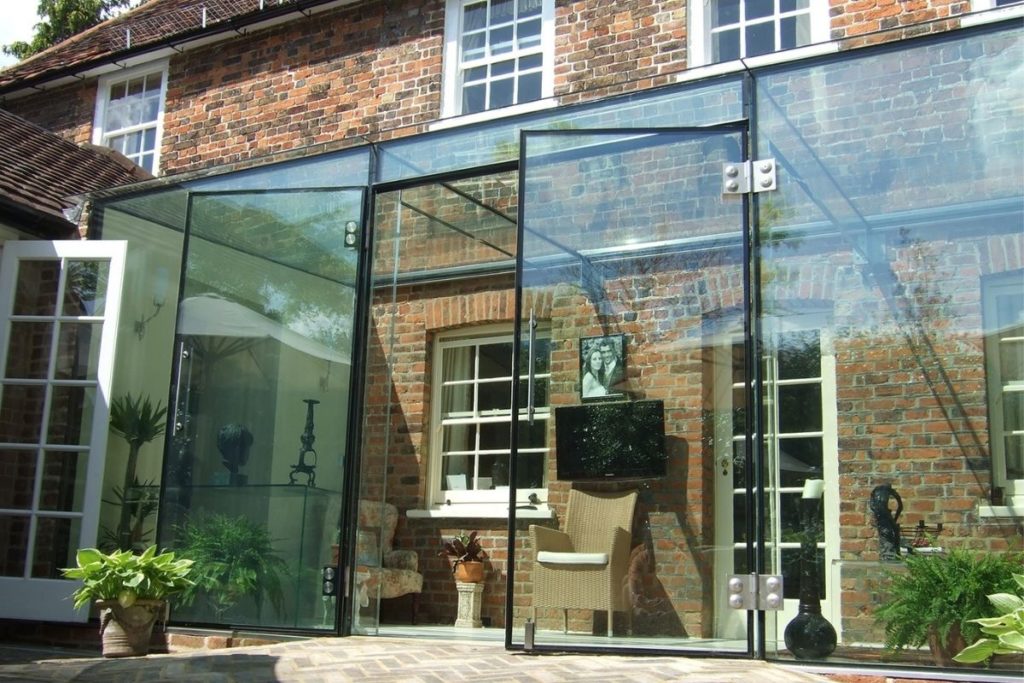
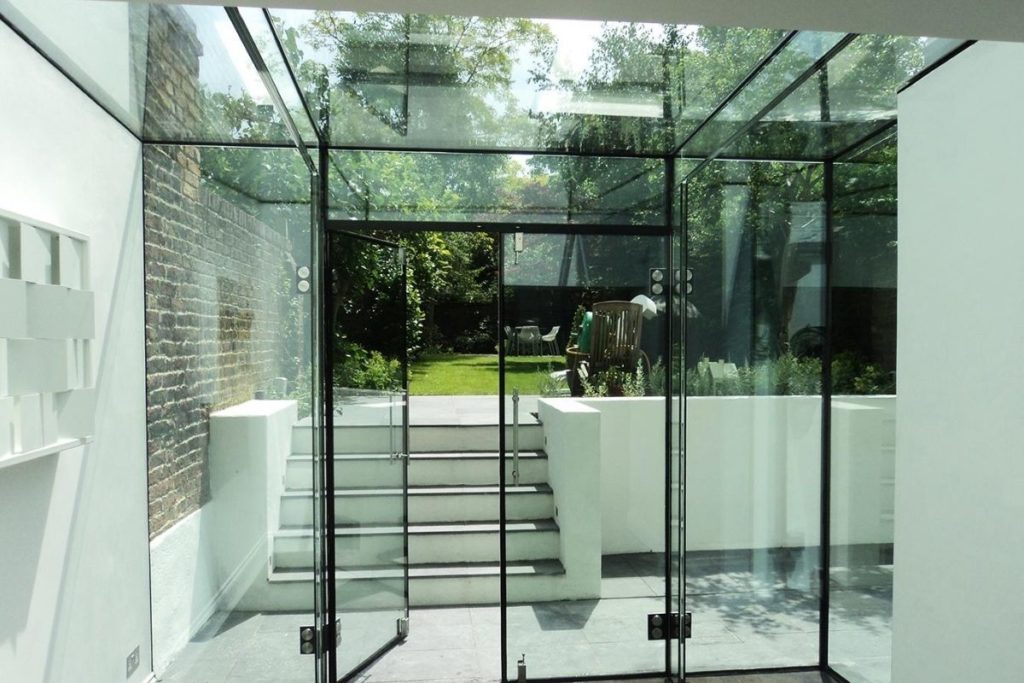
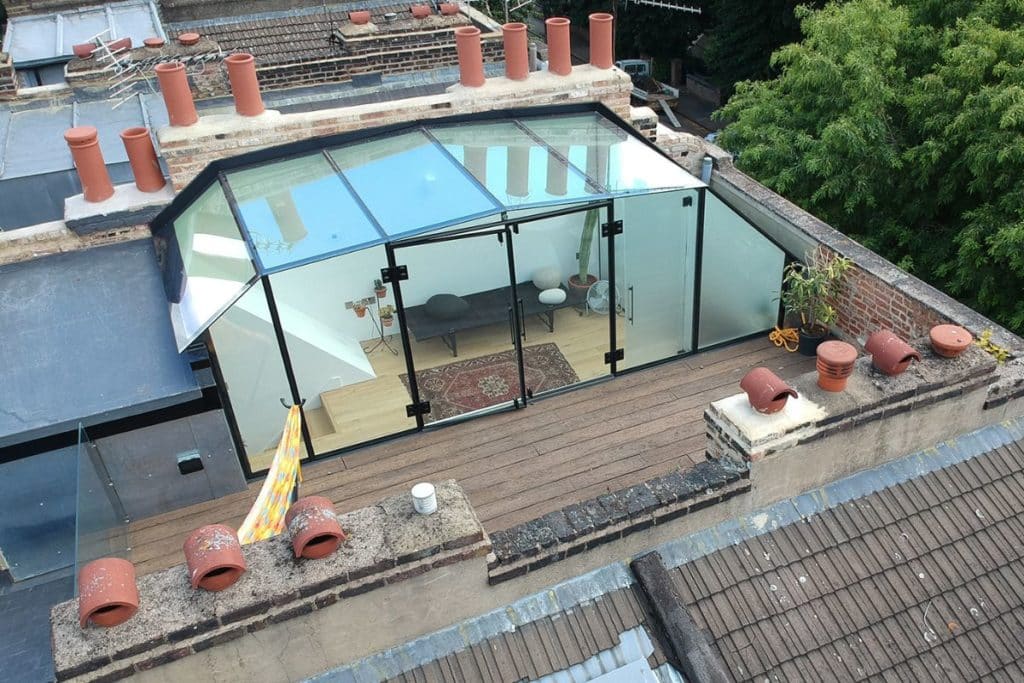
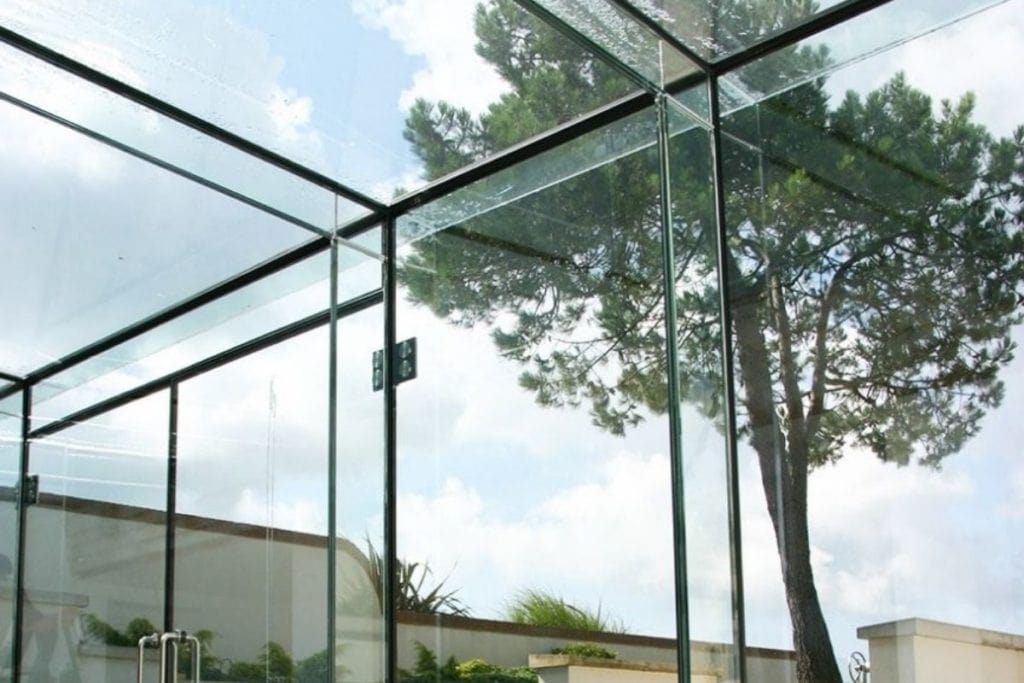
Is a Conservatory, Orangery or Frameless Glass Box Extension a Viable Home Office Option?
Home Office Extension: Conservatory, Orangery or Glass Box? 2026 UK Guide | Room Outside
Home Office Guide 2026
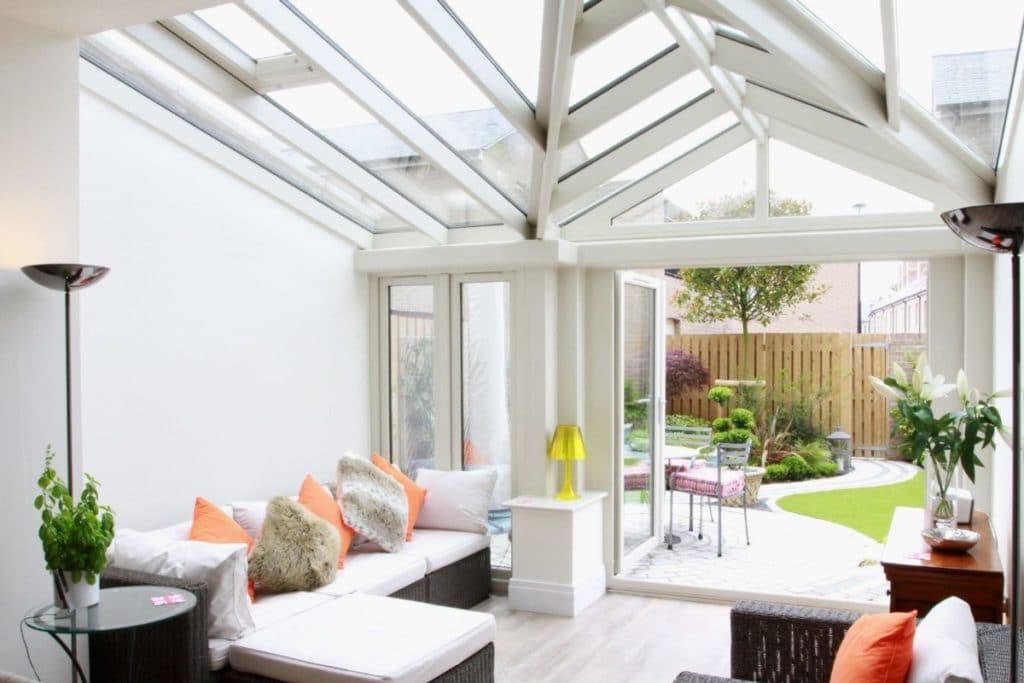
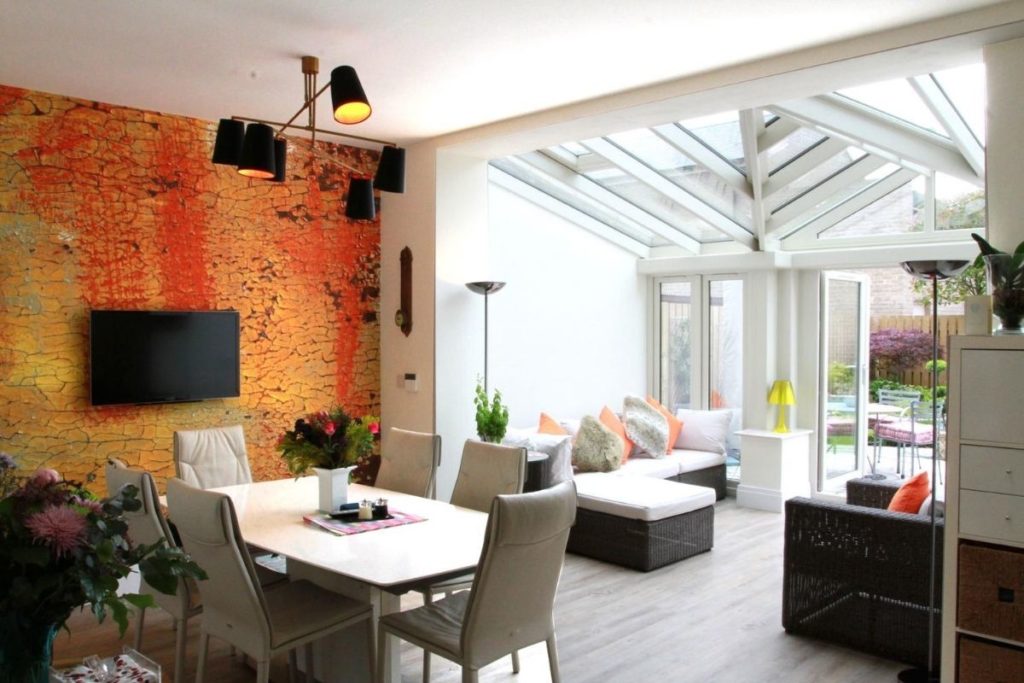
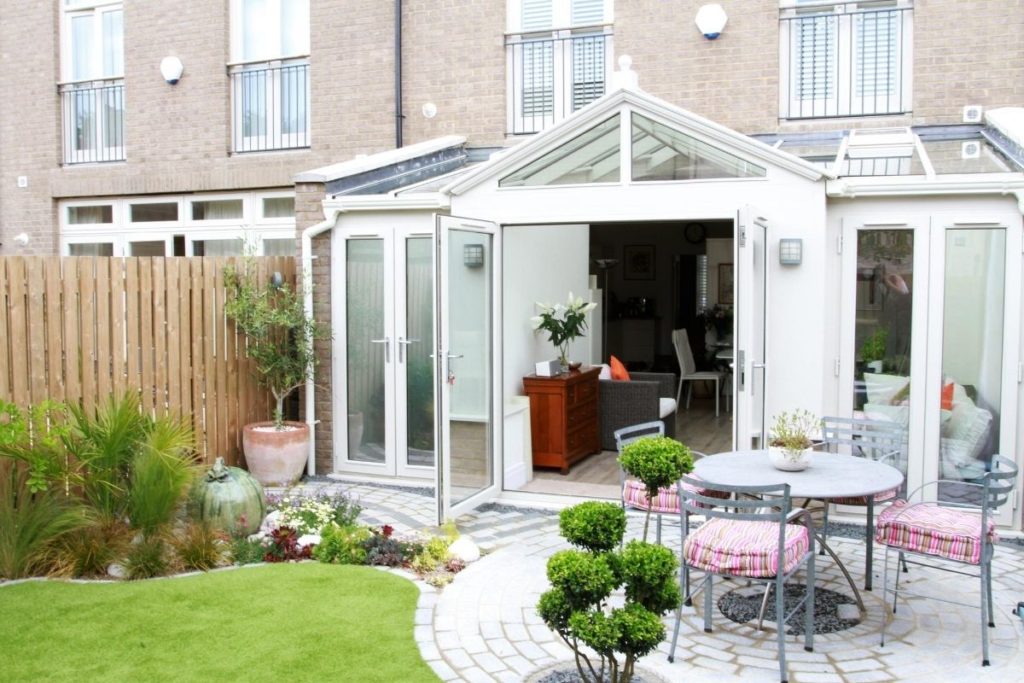
Conservatory, Orangery or Frameless Glass Box: The Ultimate Home Office?
Light‑filled, productive workspaces that blend with your home. Compare designs, furniture, glare control, power, and planning for your perfect home office extension.
📖 18 min read
✅ Updated February 2026
🏡 UK Specialist Guide
💡 Quick answer: can a glass extension be a home office?
Yes. Conservatories, orangeries and frameless glass boxes provide inspiring, light‑filled home offices that boost wellbeing and focus. With modern solar‑control glass, integrated blinds, and smart cable planning, they’re comfortable year‑round. The best choice depends on your work style: conservatory = maximum daylight & garden views; orangery = solid walls for shelving & privacy; glass box = statement space for creatives. All add real value to your home.
+38%
productivity in natural light*
86%
solar heat blocked
8-12
weeks build time
5-8%
added property value
* Source: University of Exeter, 2024
The way we work has transformed. Hybrid and home‑based work are now the norm for millions. But a makeshift desk in the corner of a bedroom rarely inspires. A dedicated, beautiful workspace—one that connects you to the garden and floods with daylight—can transform your productivity and work‑life balance.
In this guide, we examine three popular glazed extension styles as home offices: conservatory, orangery, and frameless glass box. We’ll look at furniture integration, glare control, power/IT, privacy, and planning, so you can choose the perfect space for your profession.
1. The Conservatory Home Office
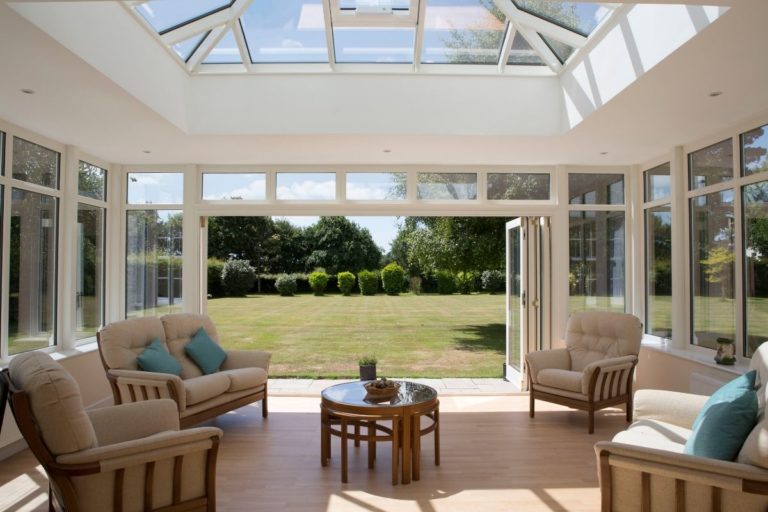
A conservatory is the classic glazed extension—maximum glass, maximum light. For a home office, this means you’re surrounded by the garden, which reduces stress and sparks creativity.
What to consider
Furniture & storage: Conservatories often have dwarf walls or full-height glazing, so tall bookcases may only fit against the house wall. Plan low‑level storage or floating shelves.
Glare & screens: Direct sun can cause screen glare. Opt for solar‑control glass and discreet integrated blinds (roof and vertical).
Ventilation: Openable roof vents and French doors allow airflow—essential for warm afternoons.
Heating: Underfloor heating works beautifully, keeping the space warm without radiators spoiling the aesthetic.
💼 Best for:
Writers, designers, gardeners, or anyone who thrives with abundant daylight and a direct connection to nature. Also great as a dual‑use space (office by day, relaxation by evening).
2. Frameless Glass Box Office — The WOW factor
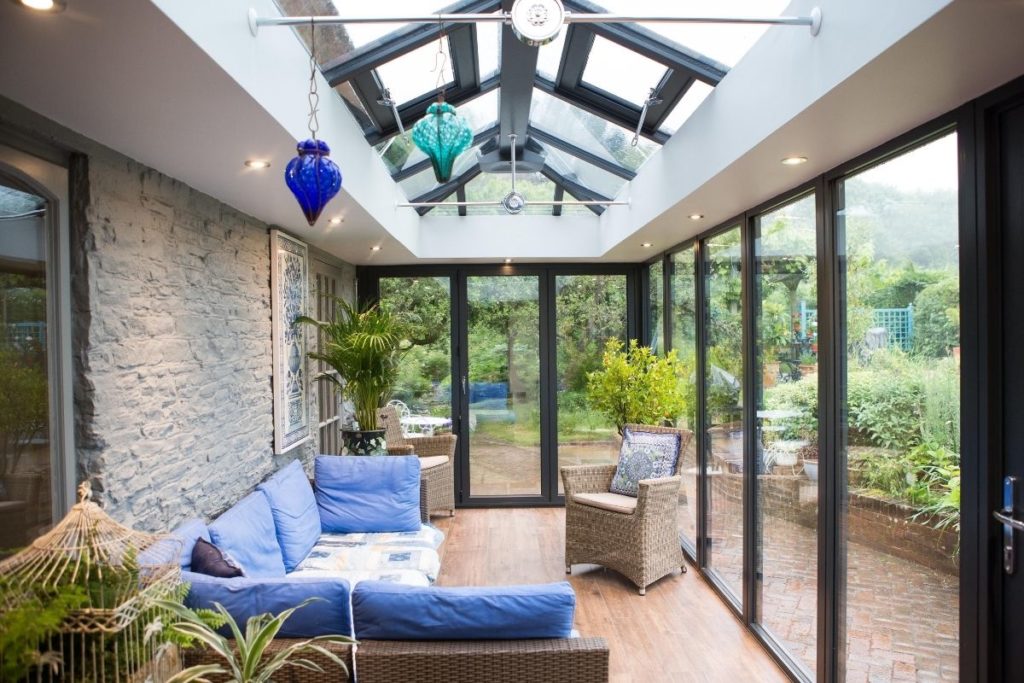
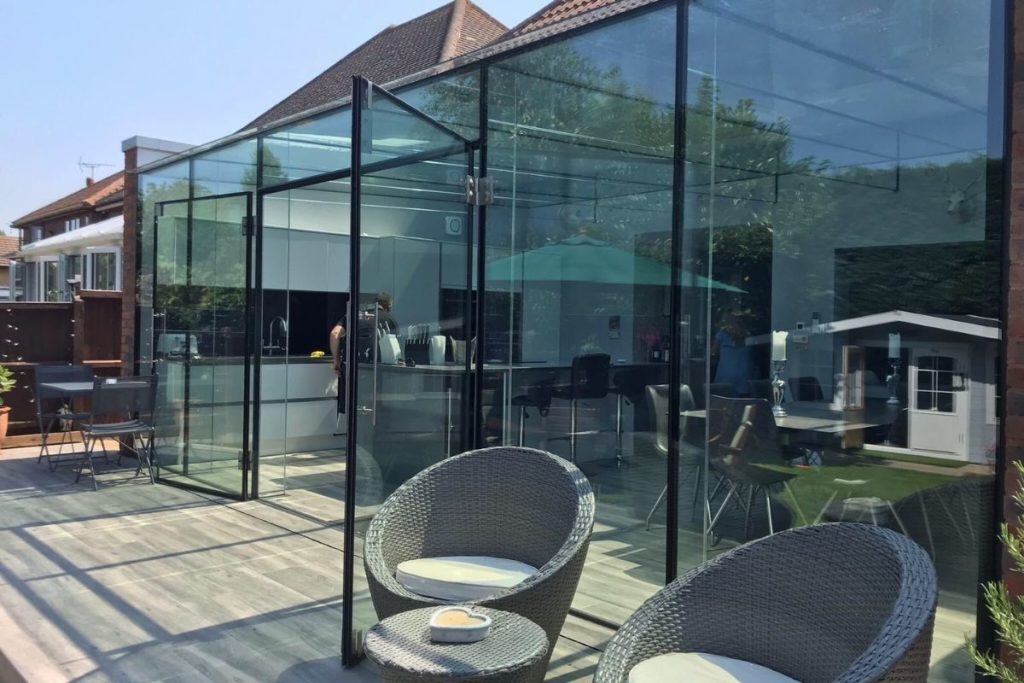
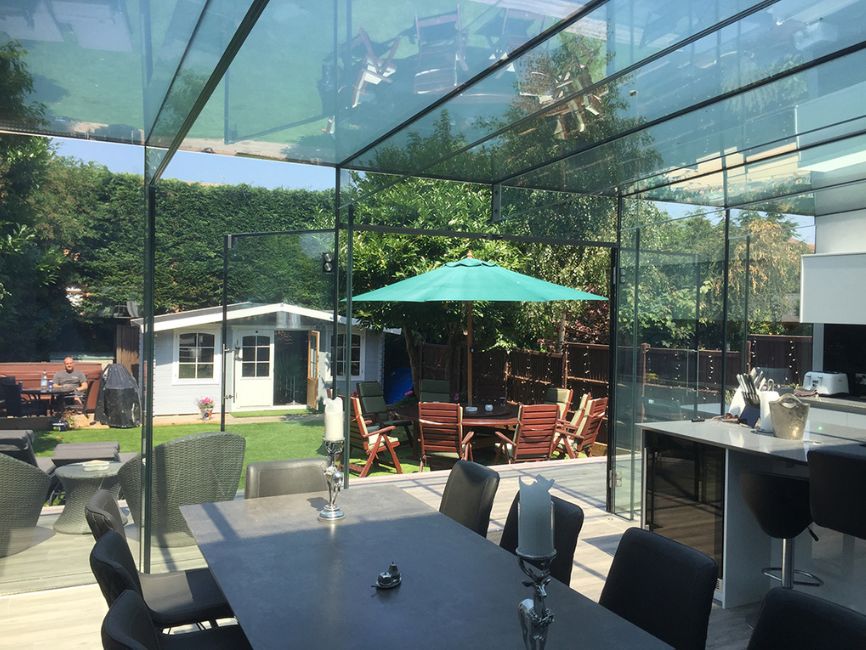
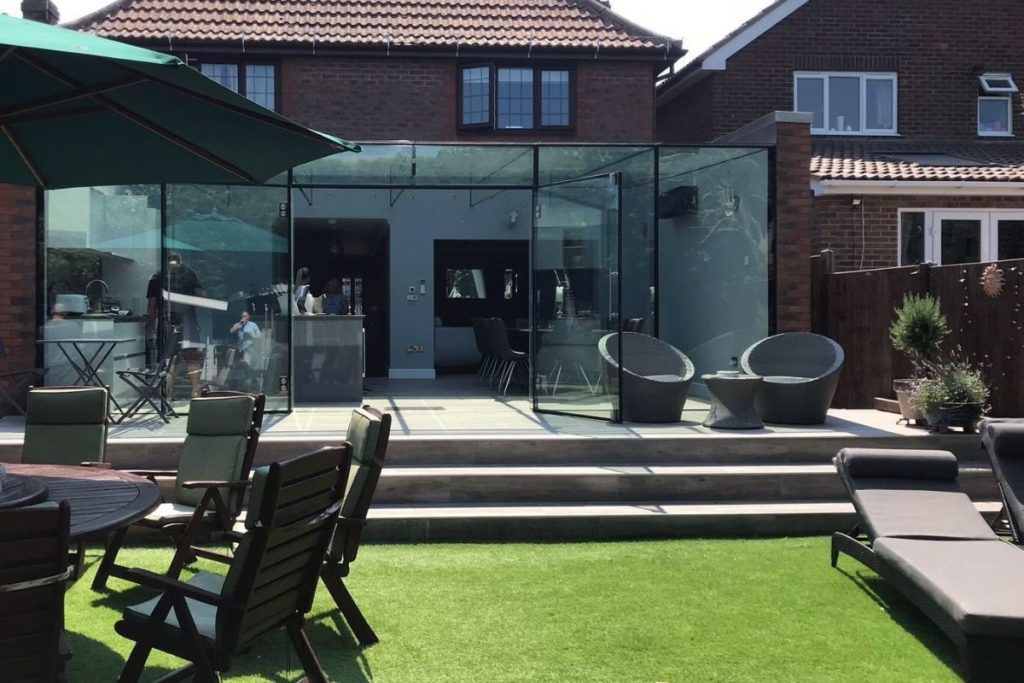
A frameless glass box is the ultimate contemporary workspace. Floor‑to‑ceiling, edge‑to‑edge glass creates an almost invisible boundary—you feel like you’re working outside, yet fully sheltered. Perfect for creatives, architects, or anyone wanting a signature home office.
Design & practical must‑haves
Furniture minimalism: With full glazing, bulky furniture detracts. Choose sleek, low‑profile pieces (cantilevered desks, transparent chairs).
Light control: Because all surfaces are glass, glare can be intense. Specify automated external blinds or internal pleated blinds integrated into the glazing cavity.
Power & data: No wall space means floor boxes are essential. Plan positions for desk, printer, and monitor cables early.
Privacy: If overlooked, consider switchable smart glass (opaque at the flick of a switch) or external screening with planting.
⚠️ Glare note
Direct low‑angle sun can be intense. Solar control glass (g-value ≤0.35) and automated blinds are strongly recommended. Many glass box offices use a combination of roof overhangs and exterior louvres.
🎨 Best for:
Artists, photographers, tech entrepreneurs, or anyone wanting a stunning, minimalist workspace that impresses clients (on video calls too!).
3. Orangery Office — Structure & Separation
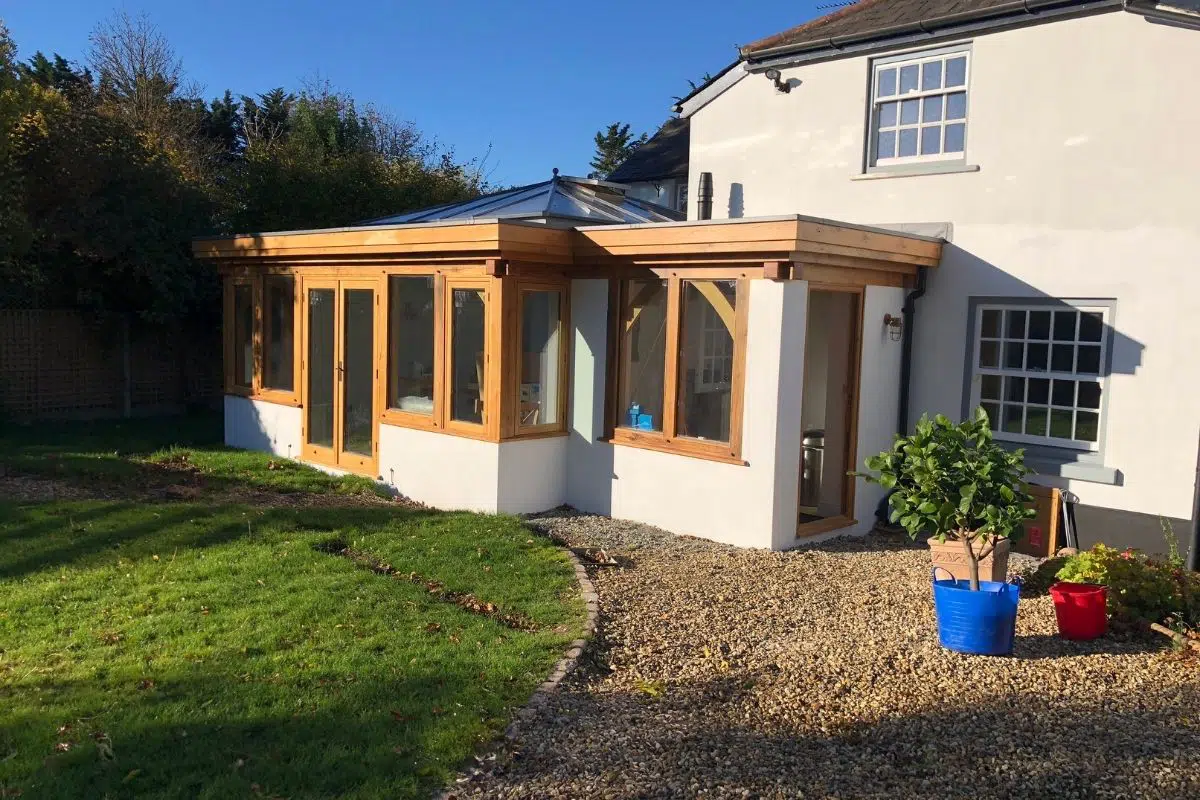
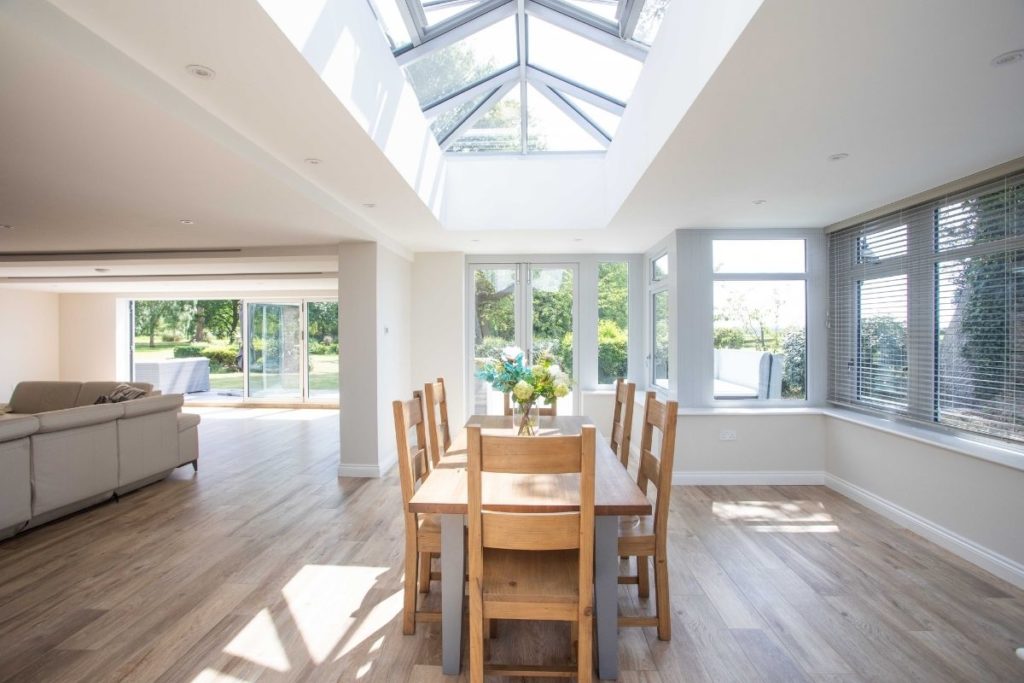
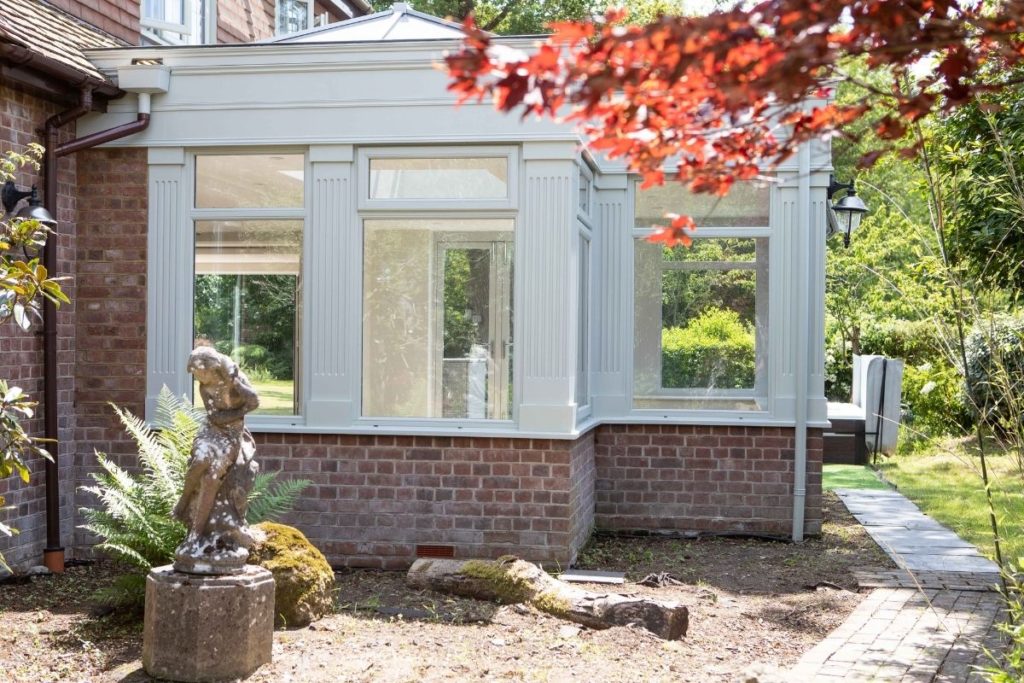
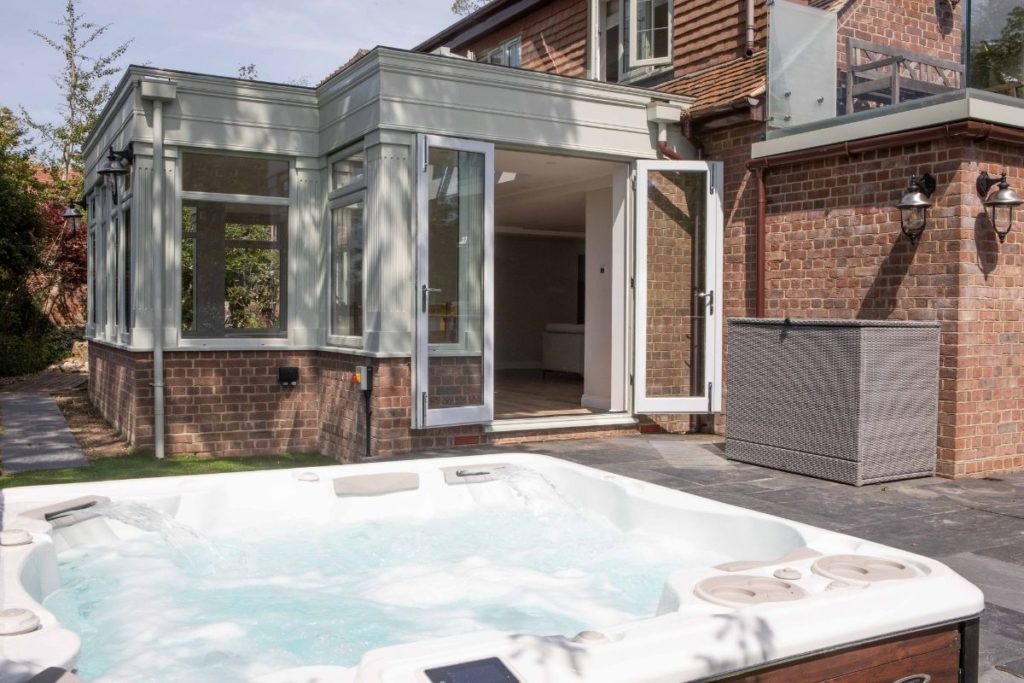
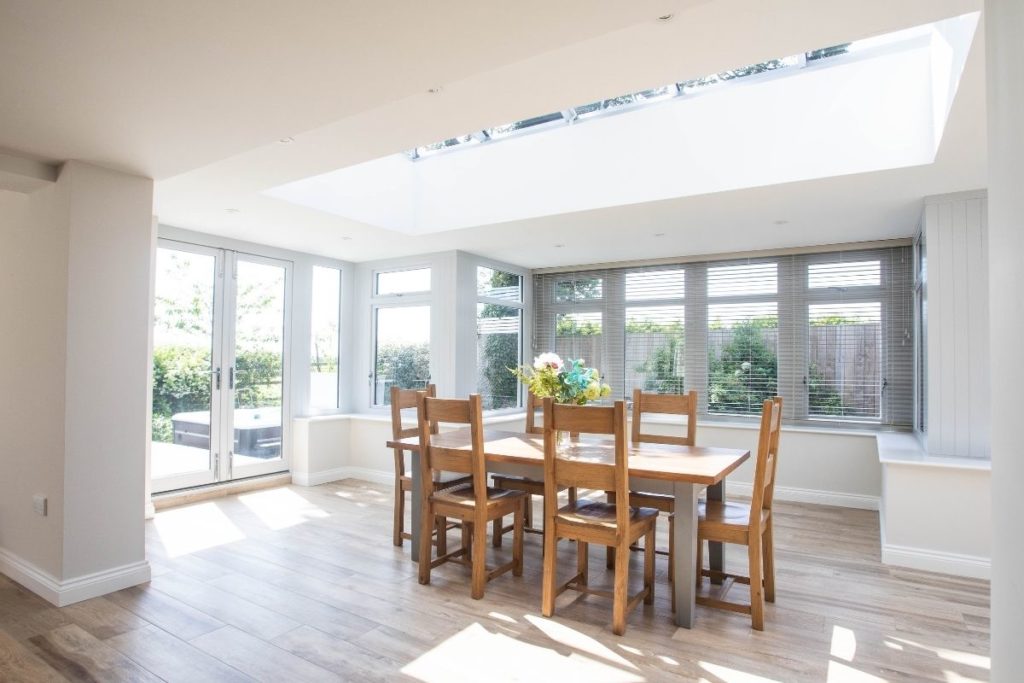
An orangery combines solid lower walls (often brick or rendered) with a central glazed lantern and large windows. This gives you practical wall space for shelving, filing cabinets, or pinboards, while still flooding the room with light from above.
Advantages for home working
Privacy and enclosure: The solid walls make the space feel more like a ‘real room’—psychologically separate from the house and garden.
Flexible furniture layout: You can place desks against walls without blocking views.
Integrated tech: Power sockets, data points, and even wall‑mounted monitors are easy to install.
Stand‑alone garden office version: If built separately, it becomes a true retreat—no household distractions.
An orangery can also be attached to the house with French doors, or built as a detached garden room. Both make superb, focused work environments.
📋 Best for:
Accountants, counsellors (privacy), writers needing silence, or anyone who wants a clear boundary between work and home life.
At a glance: which office style suits you?
Feature
Conservatory
Orangery
Glass Box
Natural light
★★★★★ (all‑glass)
★★★★☆ (lantern + windows)
★★★★★ (full glass)
Wall space for storage
★☆☆☆☆ (limited)
★★★★☆ (solid lower walls)
☆☆☆☆☆ (none)
Glare potential
Medium (manageable)
Low
High (needs blinds)
Furniture style
Adaptable, low cabinets
Traditional or modern
Minimalist/designer
Privacy from neighbours
Low (fully glazed)
High (solid walls)
Very low (can be treated)
Typical cost (20m²)
£28k – £50k
£45k – £85k
£55k – £110k+
Designing your perfect glass office
1. Power, data & WiFi
Nothing ruins a minimalist office like trailing cables. Floor boxes (circular flush units) are ideal for desks away from walls. For wall‑mounted desks, discreet skirting trunking works. Also consider a WiFi extender or mesh node—glass can affect signal, so plan placement or run Ethernet.
2. Heating & cooling (year‑round comfort)
Underfloor heating is the most popular choice—invisible and comfortable. For cooling, many extensions can incorporate air conditioning or simply rely on solar‑control glass and automated venting. Blinds (integrated roof blinds or external shades) are essential for summer.
3. Glazing technology
Modern glass is not like your parents’ conservatory. Specify:
Solar control coating – blocks up to 86% infrared heat
Low‑E coatings – retain heat in winter
Acoustic laminate – if near a road
Self‑cleaning – reduces maintenance
Planning permission for a home office extension
Most attached home office extensions fall under Permitted Development if:
Single storey, rear extension ≤4m (detached) or ≤3m (semi/terraced)
Maximum height ≤4m, eaves ≤3m
Materials similar to existing house
However, if you plan a detached garden office (e.g., an orangery in the garden), it’s classed as an outbuilding. Permitted Development allows outbuildings up to 2.5m eaves, 4m ridge, not covering more than 50% of the garden. Listed buildings, Conservation Areas, AONBs always require permission. See our full planning guide for details.
💰 Added property value
A well‑designed home office extension typically adds 5–8% to a property’s value. If it’s a high‑quality, insulated space with broadband, it’s a major selling point for future buyers.
Room Outside
Established 1973 | Glass extension specialists
We’ve designed hundreds of home offices—from quiet garden writing rooms to frameless glass boardrooms. Our team helps you balance light, comfort, and practicality. Call 01243 538999 for advice.
Is a conservatory too hot or cold for a home office?
Not with modern solar‑control glass and underfloor heating. You can maintain a stable 18‑24°C all year. Roof vents and blinds manage summer sun.
Can I get WiFi in a glass box extension?
Yes, but you may need a mesh system or Ethernet cable run in the floor. Glass can weaken signals; plan data points during build.
How much does a home office extension cost?
£25,000–£120,000+ depending on size and style. A medium conservatory office ~£40k, glass box ~£70k. See table above.
Do I need building regulations?
Yes, all new habitable spaces need Building Regs approval (Part L insulation, Part F ventilation, Part P electrics). Your installer usually manages this.
What flooring is best for a glass office?
Porcelain tiles, polished concrete, or luxury vinyl—they work with underfloor heating and don’t fade. Avoid carpet near full glazing (sun fade).
Can I use a garden office for client meetings?
Absolutely. An orangery or glass box makes a professional meeting space. Consider acoustic glazing if near traffic.
Call us anytime on 01243 538999 – David our digital assistant will take a few details so the right specialist can follow up personally.
Design your perfect home office
Book a free design consultation (virtual or on‑site). We’ll help you choose the ideal style, discuss solar control, furniture integration, and provide a fixed quotation.
Oak Framed Conservatories, Orangeries & Garden Rooms: Complete 2026 UK Guide | Room Outside
Complete Guide 2026
Oak Framed Conservatories, Orangeries & Garden Rooms
Everything you need to know about oak frame extensions: costs, planning permission, maintenance, lifespan, and design options. Expert guidance from specialists with 50+ years experience.
20 min read
Updated February 2026
UK Specialist Guide
Quick Answer: Oak Framed Extensions
Oak framed conservatories, orangeries, and garden rooms are premium glass extensions using traditional oak beam construction. They cost from £30,000 for small structures to £100,000+ for large orangeries. Oak frames are exceptionally durable, with a lifespan of 100+ years when properly maintained. Many projects fall under Permitted Development, though listed buildings require additional consent. Oak is particularly suited to period properties and is favoured by conservation officers.
Key facts: Green oak costs ~30% less than air-dried oak. Maintenance involves sealing every 3-5 years. Build time is typically 4-7 months. Oak naturally weathers to silver-grey if left untreated. Proper foundations are essential as green oak weighs approximately 1,000 kg per cubic metre.
Key Facts: Oak Framed Extensions (UK 2026)
Cost range: £30,000 (small conservatory) to £100,000+ (large orangery)
Lifespan: 100+ years with proper maintenance; many medieval oak buildings still stand after 500+ years
Green oak vs air-dried: Green oak is 30% cheaper but shrinks as it seasons over 2-5 years
Weight: Green oak weighs approximately 1,000 kg per cubic metre
Maintenance: Seal/oil every 3-5 years to maintain colour; annual inspection of joints
Planning: Many fall under Permitted Development; listed buildings need Listed Building Consent
Build time: 16-30 weeks (4-7 months) from design to completion
Property value: Quality oak extensions can add 5-10% to property value
£30k+
Starting price
100+
Years lifespan
4-7
Months build time
5-10%
Value added
What is an Oak Framed Conservatory?
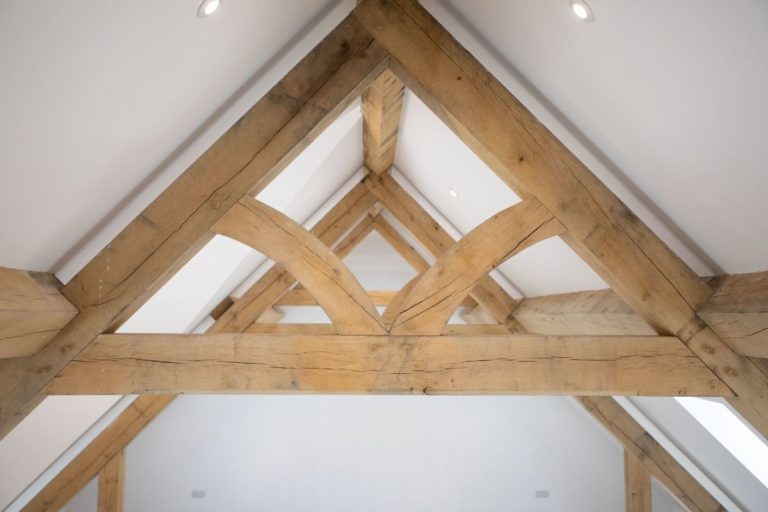
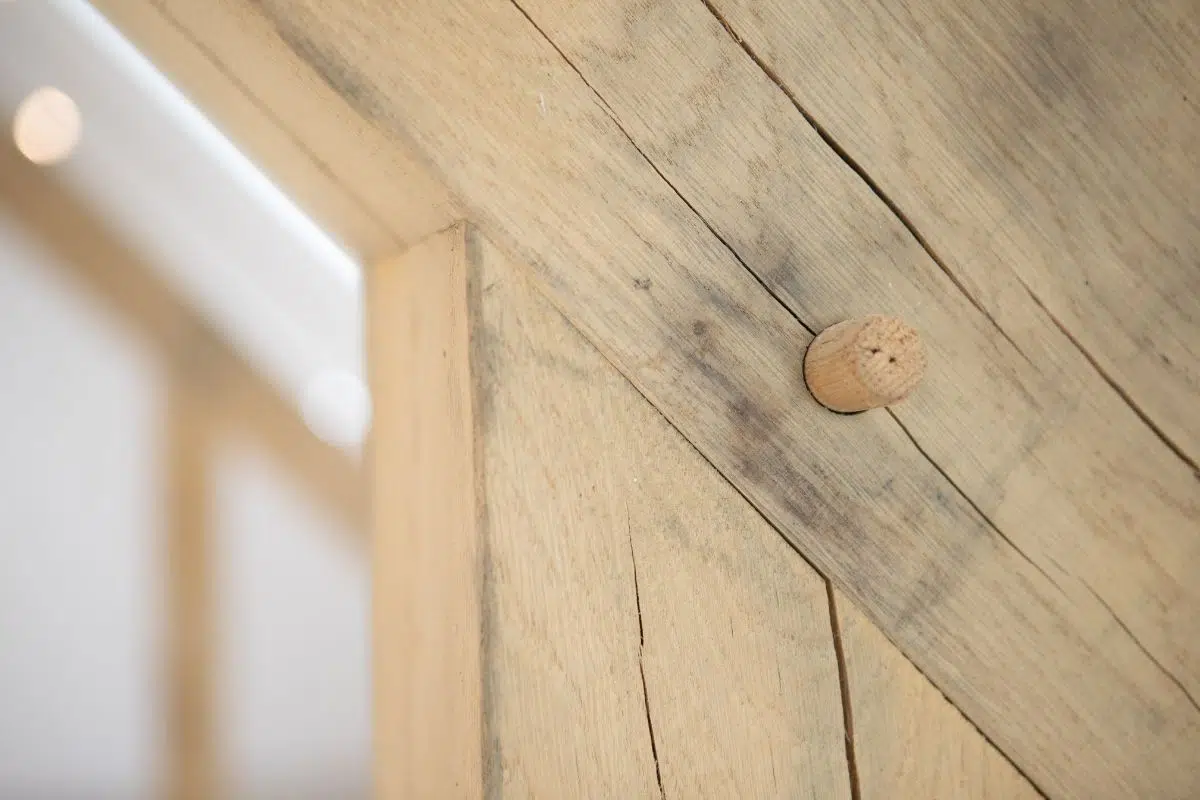
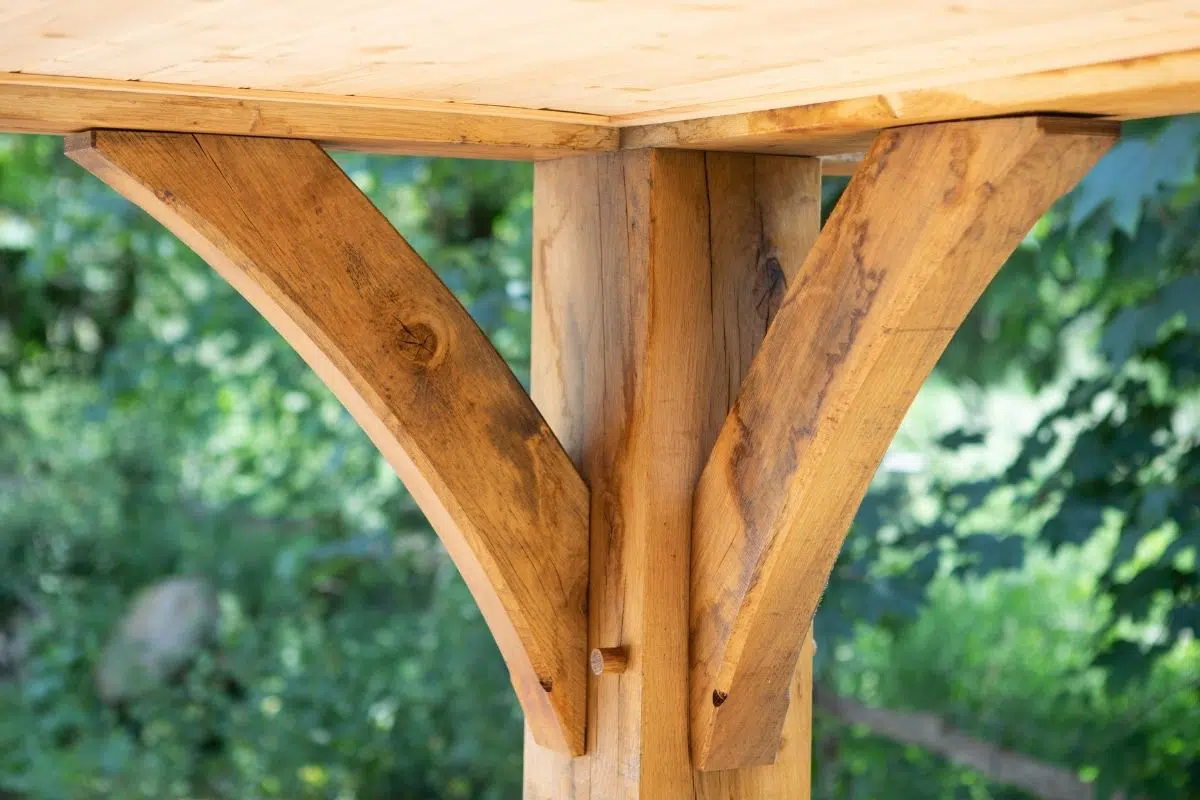
An oak framed conservatory is a glazed home extension built using traditional oak beam construction. The structural frame is made from solid oak timbers, typically joined using traditional carpentry techniques such as mortise and tenon joints secured with oak pegs. Large glass panels fill the spaces between the oak frame, creating a bright, light-filled living space.
Oak has been used in British construction for over a thousand years. Many medieval buildings, including churches, barns, and manor houses, feature oak frames that remain structurally sound after 500+ years. This exceptional durability, combined with oak’s natural beauty and warmth, makes it an ideal material for modern home extensions.
What Makes Oak Special as a Building Material?
Oak possesses unique properties that make it exceptional for construction:
Natural durability: Oak’s high tannin content makes it naturally resistant to decay, insects, and fungal attack
Exceptional strength: Oak has a high strength-to-weight ratio, allowing large spans without intermediate supports
Aesthetic appeal: The warm, rich tones and distinctive grain pattern create visual character
Sustainability: Oak is a renewable resource; British and European oak forests are sustainably managed
Versatility: Suits both traditional period properties and contemporary architectural designs
Heritage value: Traditional construction methods connect modern buildings to centuries of craftsmanship
Definition: Green Oak vs Air-Dried Oak
Green oak is freshly cut timber with moisture content of 40-60%. It’s easier to work (can be cut and shaped with hand tools), costs approximately 30% less than air-dried oak, and is readily available in large sections. However, green oak shrinks and develops characteristic surface cracks (called “shakes”) as it dries over 2-5 years. Oak frame buildings are specifically designed to accommodate this natural movement.
Air-dried oak has been seasoned for 1-2+ years, reducing moisture content to 18-25%. It’s more dimensionally stable with less movement after installation, but costs more and is harder to source in large sections. Air-dried oak is typically used where minimal movement is critical.
Oak Conservatory vs Orangery vs Garden Room: What’s the Difference?
While all three use oak frame construction, they differ significantly in design, glazing ratio, and character:
Feature
Oak Conservatory
Oak Orangery
Oak Garden Room
Glazing ratio
75-90% glass
40-60% glass
20-40% glass
Roof type
Fully glazed
Flat roof with glass lantern
Solid roof with rooflights
Wall construction
Full-height glass
Solid lower walls, glass above
Predominantly solid walls
Natural light
Maximum
High
Moderate
Thermal efficiency
Good (with quality glass)
Excellent
Excellent
Typical cost
£30,000-£70,000
£50,000-£120,000
£25,000-£60,000
Best for
Light-filled living spaces
Kitchen-diners, formal rooms
Home offices, studios, gyms
Oak Framed Conservatory
An oak framed conservatory maximises glazing, typically featuring full-height glass walls and a fully glazed roof. The oak frame provides the structural skeleton, with glass panels filling virtually all the space between timbers. This design delivers maximum natural light and strong visual connection with the garden.
Oak Orangery
An oak orangery has more solid construction, with brick, stone, or rendered lower walls supporting the oak frame. The roof is typically flat or low-pitched with a central glass lantern providing overhead light. This design offers a more substantial, architectural feel while still delivering excellent natural light.
Oak Garden Room
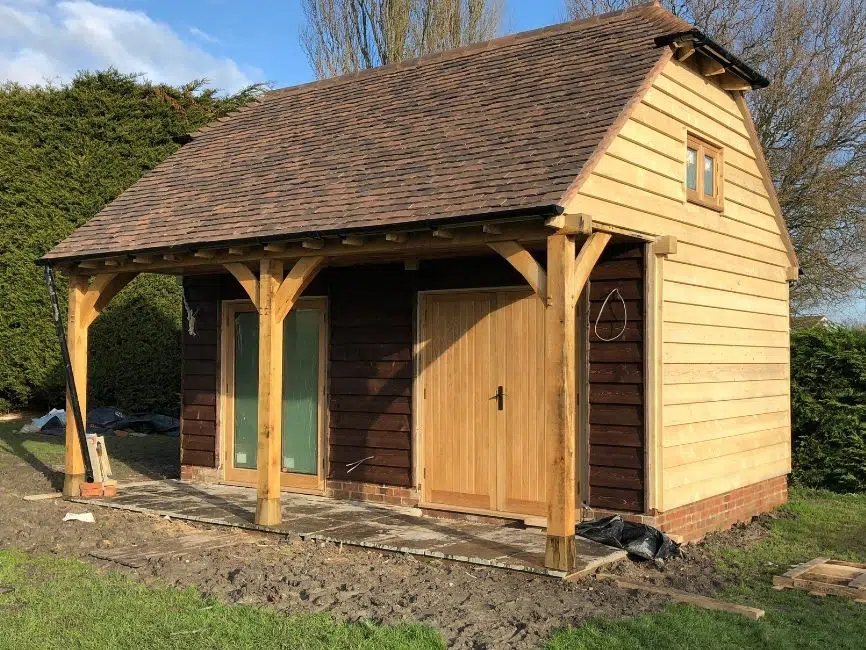
An oak garden room is more enclosed, featuring predominantly solid walls with windows rather than full glazing. The roof is typically solid with strategically placed rooflights. This design provides more privacy, better thermal efficiency, and a more building-like character. Garden rooms can be attached to the house or freestanding in the garden.
How Much Does an Oak Framed Conservatory Cost?
Oak is a premium material requiring skilled craftsmanship, so oak framed extensions command higher prices than uPVC or standard aluminium alternatives. However, the exceptional longevity (100+ years), aesthetic appeal, and property value enhancement often justify the investment.
Project Type
Size Range
Typical Cost Range
Small oak conservatory
12-18 m²
£30,000-£45,000
Medium oak conservatory
18-30 m²
£45,000-£70,000
Large oak conservatory
30-50 m²
£70,000-£100,000
Oak orangery
20-40 m²
£50,000-£120,000
Oak garden room (detached)
15-30 m²
£25,000-£60,000
Complex/bespoke projects
Variable
£100,000-£200,000+
Factors Affecting Oak Frame Costs
Size: Larger structures require more oak and more complex engineering
Do You Need Planning Permission for an Oak Conservatory?
Planning requirements for oak framed extensions depend on several factors. Many projects fall under Permitted Development rights and don’t require a planning application, while others need full planning permission.
When Permitted Development Usually Applies
Your oak extension likely falls under Permitted Development if it:
Doesn’t extend beyond the rear wall by more than 3m (semi-detached/terraced) or 4m (detached)
Is single storey with maximum eaves height of 3m
Doesn’t cover more than half the garden area
Is built from similar materials to the existing house
Isn’t forward of the principal elevation facing a highway
When Planning Permission IS Required
You WILL Need Planning Permission If:
Your property is a listed building (you’ll also need Listed Building Consent)
You’re in a Conservation Area, National Park, AONB, or World Heritage Site
Previous extensions have used your Permitted Development allowance
The extension exceeds Permitted Development size limits
Your property has Article 4 Direction restrictions
You’re building a detached garden room in some circumstances
Oak Extensions on Listed Buildings
Oak is often the preferred material for extending listed buildings. Conservation officers generally favour oak because:
It’s a traditional material with historical precedent
Traditional joinery techniques (mortise and tenon, oak pegging) are authentic
The natural material complements period properties
Large glass panels allow the original building to remain visible
However, you’ll need both Listed Building Consent and planning permission. The design must be sympathetic to the historic building. Working with specialists experienced in listed building projects is essential.
How Long Does an Oak Frame Last?
Oak framed buildings are exceptionally durable. With proper design and maintenance, an oak framed conservatory can last 100+ years—far exceeding the lifespan of uPVC (20-25 years) or standard timber (30-40 years).
Historical Evidence of Oak’s Longevity
The UK has thousands of oak framed buildings that have survived for centuries. Medieval tithe barns, manor houses, and churches from the 13th-15th centuries remain structurally sound after 500-700 years. The Barley Barn at Cressing Temple in Essex dates from approximately 1220 and its original oak frame remains intact.
This longevity results from oak’s natural properties: high tannin content resists decay, dense grain resists insect attack, and the material actually hardens with age as it fully seasons.
Keys to Oak Frame Longevity
Keep oak off the ground: Raise the frame on a plinth or dwarf wall to prevent moisture absorption
Ensure good drainage: Water should drain away from the structure, never pooling against oak
Allow air circulation: Good ventilation prevents moisture build-up
Regular maintenance: Annual inspection and treatment every 3-5 years
Quality construction: Properly designed joints that accommodate natural oak movement
Oak Frame Maintenance Requirements
One of oak’s advantages is relatively low maintenance compared to softwood or painted finishes. Oak doesn’t require preservative treatment—it’s naturally durable. However, some maintenance is needed to preserve appearance and maximise lifespan.
Annual Maintenance Tasks
Visual inspection: Check joints, fixings, and glass seals for any issues
Clear gutters and drainage: Ensure water drains away from the oak frame
Check ventilation: Ensure air can circulate around the base of the frame
Clean glazing: Regular cleaning maintains appearance and light transmission
Periodic Maintenance (Every 3-5 Years)
Re-oil or seal the oak: This is optional but maintains the original colour
Check and replace sealants: Glass and roofing sealants may need renewal
Inspect for decay: Pay attention to areas where water might collect
To Treat or Not to Treat?
Untreated oak naturally weathers to an attractive silver-grey colour over several years. This is not decay—it’s a surface oxidation that actually protects the wood beneath. Many oak buildings are left untreated and weather beautifully for centuries.
Treated oak (with oil, UV-protective finish, or sealant) maintains the original honey-brown colour but requires reapplication every 3-5 years. Neither approach is “correct”—it’s a matter of aesthetic preference.
Common Misconceptions About Oak Frame Buildings
Myth #1: “Oak frames are too expensive”
Fact: While initial costs are higher than uPVC, the total cost of ownership over 50+ years is often lower. An oak frame lasting 100+ years compared to uPVC lasting 20-25 years means avoiding multiple replacements. Factor in the property value premium oak commands, and the economics often favour oak.
Myth #2: “Green oak will crack and split unacceptably”
Fact: Green oak does develop surface checks and shakes as it dries—this is normal and expected. These cracks are surface-deep and don’t affect structural integrity. Oak frame buildings are specifically designed to accommodate this movement. The characteristic checking is often considered part of oak’s charm and authenticity.
Fact: Oak requires less maintenance than most alternatives. Unlike softwood, it doesn’t need preservative treatment. Unlike painted surfaces, there’s no flaking or repainting. If you’re happy with natural weathering, maintenance is minimal—just annual inspection and keeping drainage clear.
Myth #4: “Oak conservatories are cold in winter”
Fact: Temperature depends on glazing specification, not frame material. Modern high-performance glass achieves excellent U-values (under 1.0 W/m²K), ensuring year-round comfort. With proper glazing and heating, an oak conservatory is as thermally efficient as any other extension.
Myth #5: “Planning permission is always difficult for oak buildings”
Fact: Oak is often favoured by planners and conservation officers. For listed buildings, oak is frequently the preferred material. Many oak extensions fall under Permitted Development and don’t require planning permission at all.
The Oak Frame Building Process
Building an oak framed conservatory, orangery, or garden room typically takes 4-7 months from design to completion. Here’s how the process works:
Stage 1: Initial Consultation (Week 1-2)
Discuss your requirements, budget, and site constraints. Consider how you’ll use the space, glazing preferences, and integration with your existing property. A site survey assesses ground conditions, access, and any planning considerations.
Stage 2: Design Development (Weeks 3-8)
Detailed designs are developed including oak frame layout, glazing specifications, foundation requirements, and internal finishes. You’ll receive 3D visualisations and detailed quotations.
Stage 3: Planning and Approvals (Weeks 6-14)
If required, planning applications are submitted. Building Regulations approval is obtained. For listed buildings, Listed Building Consent is sought.
Stage 4: Oak Frame Manufacture (Weeks 10-18)
The oak frame is crafted off-site by specialist carpenters. Each joint is carefully cut and test-assembled before delivery. This typically takes 6-10 weeks depending on complexity.
Stage 5: Site Preparation (Weeks 14-18)
Foundations are excavated and poured. Any modifications to the existing property (removing windows, installing steel beams) are completed. The base is prepared for the oak frame.
Stage 6: Frame Erection (Weeks 18-20)
The pre-fabricated oak frame is delivered and erected on site. This is often completed in 1-2 weeks—the frame is assembled like a large-scale piece of joinery.
Stage 7: Glazing and Finishing (Weeks 20-28)
Glazing panels are installed, roofing completed, and the structure made watertight. Internal works including flooring, electrics, heating, plastering, and decoration follow.
Thermal Performance and Energy Efficiency
A common concern about glazed extensions is temperature control—being too hot in summer and too cold in winter. With modern glass technology, this is no longer an issue.
Low U-values (under 1.0 W/m²K) for excellent thermal insulation
Solar control blocking up to 86% of solar heat gain
High light transmission (70%+) maintaining brightness
UV protection (99%) preventing furnishing fade
This means your oak conservatory can be comfortable year-round without excessive heating or cooling costs.
Heating Options
Building Regulations require conservatories to have independent heating. Options include:
Underfloor heating: Popular choice providing even, unobtrusive warmth
Radiators: Extend existing central heating system
Air source heat pump: Efficient and environmentally friendly
Electric panel heaters: Simple solution for occasional use spaces
Room Outside
Oak Frame Specialists | Established 1973 | 50+ Years Experience
Room Outside has designed and built oak framed buildings across Kent, Surrey, Sussex, Hampshire, and London for over 50 years. Our team includes experienced designers, master craftsmen, and project managers who specialise in traditional oak construction combined with modern glazing technology. We handle projects from initial design through planning approval to final completion. Call 01243 538999 for expert advice.
Areas We Cover
Room Outside designs and builds oak framed conservatories, orangeries, and garden rooms across the South East of England:
Official Sources: UK Planning Portal (planningportal.co.uk) – Permitted Development Rights; Historic England – Listed Building Consent Guidelines; Building Regulations 2010 (as amended) – Part L and Part A.
Industry Bodies: Timber Frame Business Council; Oak Frame Carpenters Association; Glass and Glazing Federation – Thermal Performance Standards.
Industry Experience: Room Outside – 50+ years oak frame construction experience; proprietary project data from completed installations across South East England.
Last updated: February 2026 | Expert review: Construction specifications verified against current Building Regulations
Frequently Asked Questions
How much does an oak framed conservatory cost in the UK in 2026?
Oak framed conservatories cost from £30,000 for small structures to £100,000+ for large orangeries. A medium-sized conservatory (20-30m²) typically costs £45,000-£70,000. Costs depend on size, complexity, oak type (green or air-dried), and glazing specification.
Do I need planning permission for an oak conservatory in the UK?
Many oak extensions fall under Permitted Development and don’t require planning permission. However, listed buildings always need Listed Building Consent plus planning permission. Properties in Conservation Areas, AONBs, or National Parks may also require permission.
How long does an oak frame last compared to other materials?
Oak framed buildings can last 100+ years with proper maintenance. Many medieval oak structures remain sound after 500+ years. Compared to uPVC (20-25 years) or aluminium (30-40 years), oak offers exceptional longevity and long-term value.
What is the difference between green oak and air-dried oak?
Green oak is freshly cut with 40-60% moisture, costs ~30% less, but shrinks as it seasons. Air-dried oak (18-25% moisture) is more stable but more expensive. Both are suitable for construction when designed correctly. Green oak movement is accommodated in the joinery design.
What maintenance does an oak frame require annually?
Oak requires minimal maintenance: annual inspection of joints and drainage, cleaning gutters, and optionally sealing/oiling every 3-5 years to maintain colour. Untreated oak naturally weathers to silver-grey. Oak doesn’t need preservative treatment.
Can you add an oak extension to a listed building?
Yes—oak is often the preferred material for listed buildings. Conservation officers favour oak because it’s traditional, uses authentic construction methods, and complements period properties. You’ll need Listed Building Consent and planning permission.
Do oak conservatories need special foundations?
Yes, oak frames require proper foundations. Green oak weighs approximately 1,000 kg per cubic metre. Foundations typically include concrete strip footings or raft, damp-proof course, and raised base to keep oak clear of ground moisture.
How long does it take to build an oak conservatory?
Total project time is typically 4-7 months: design and planning (4-10 weeks), oak frame manufacture (6-10 weeks), groundwork and frame erection (3-5 weeks), and glazing/finishing (3-6 weeks). Complex projects or those requiring planning permission may take longer.
Will an oak conservatory be too hot in summer?
Not with modern glazing. High-performance glass blocks up to 86% of solar heat while maintaining high light transmission. Combined with proper ventilation and optional blinds, oak conservatories can be comfortable year-round regardless of weather.
Does an oak frame add value to a property in the UK?
Yes—quality oak extensions typically add 5-10% to property values. Oak commands a premium over standard materials due to its perceived quality, exceptional longevity, and appeal to buyers seeking character and craftsmanship.
Call us on 01243 538999 – David our digital assistant will take a few details so the right specialist can follow up personally.
Discuss Your Oak Frame Project
Whether you’re considering an oak conservatory, orangery, or garden room, our specialists can help you explore the options for your property. Call us on 01243 538999 – David our digital assistant will take a few details so the right specialist can follow up personally. Or book a free design consultation with no obligation.
10 Great Uses for an Orangery Extension in 2026 (UK Guide) | Room Outside
Orangery Extension Guide 2026
10 Great Uses for an Orangery Extension
Transform your home with these inspiring orangery ideas. Discover practical uses from kitchen-diners to home offices, garden rooms to guest suites. Complete UK guide with costs, planning, and expert tips.
18 min read
Updated January 2026
England
Quick Answer: What Are the Best Uses for an Orangery?
The 10 best uses for an orangery extension are: 1) Kitchen-diner extension, 2) Home office or study, 3) Garden room or sunroom, 4) Dining room, 5) Living room or family room, 6) Children’s playroom, 7) Hobby or craft room, 8) Guest suite or annexe, 9) Home gym or wellness space, and 10) Swimming pool enclosure or pool house. Each offers unique benefits depending on your needs, property layout, and lifestyle requirements.
Key facts: Orangery costs range from £25,000-£100,000+. Most fall under Permitted Development (no planning permission needed). Construction takes 12-20 weeks. Orangeries typically add 5-15% to property value, often recovering 75-100% of investment. Unlike conservatories, orangeries have substantial brick walls (50-75% solid construction) with central glass lantern roofs, making them suitable for year-round use.
Key Facts: Orangery Extensions (UK 2026)
Definition: An orangery combines brick/stone walls (50-75% solid) with a flat roof featuring central glass lantern
Typical cost range: £25,000-£100,000+ depending on size and specification
Construction time: 12-20 weeks from planning to completion
Planning permission: Usually falls under Permitted Development rights (no permission needed)
Building Regulations: Must comply fully (no exemptions like conservatories)
Value added: Typically adds 5-15% to property value, recovering 75-100% of investment
Best for: Year-round living spaces, better thermal performance than conservatories
Popular locations: England – particularly period properties and homes seeking additional living space
10
Brilliant Orangery Uses
5-15%
Value added to property
£25-100k
Cost range
12-20
Weeks construction
Room Outside has been transforming homes with beautiful orangery extensions since 1973. Orangeries represent the perfect blend of traditional extension solidity with conservatory light and connection to the outdoors. Originating in 17th century Europe as status symbols for growing citrus trees, modern orangeries have evolved into versatile, year-round living spaces that can transform how you use your home. Whether you’re in England or elsewhere in the UK, an orangery extension offers unique opportunities to create distinctive spaces that combine architectural character with practical functionality. This comprehensive guide explores 10 brilliant uses for orangery extensions, helping you envision how this elegant addition could enhance your home and lifestyle.
The 10 Best Uses for Orangery Extensions
Now let’s explore the 10 most popular and practical uses for orangery extensions, with specific considerations for each application.
1 Kitchen-Diner Extension
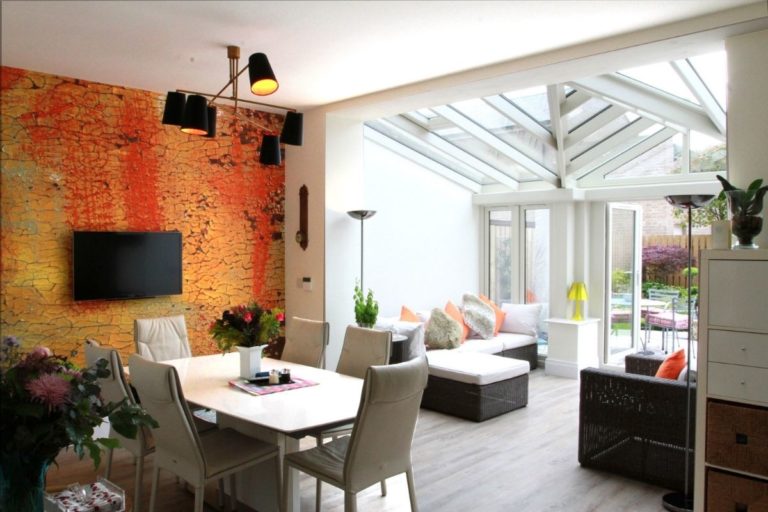
Transform your cooking and dining experience with a light-filled kitchen orangery. This is the most popular use, creating a stunning heart-of-the-home space that connects seamlessly with your garden.
Perfect for open-plan living
Excellent natural light for food preparation
Indoor-outdoor dining connection
Adds significant property value
Best for: Families, entertainers, period properties needing modern kitchen spaces.
Consider: Plumbing/electrical requirements, ventilation for cooking, durable flooring.
2 Home Office or Study
Create a productive, inspiring workspace separated from main living areas. The natural light and garden views boost creativity and wellbeing while maintaining professional environment.
Separate work-life boundaries
Excellent natural light reduces eye strain
Professional background for video calls
Peaceful, focused environment
Best for: Remote workers, professionals, students, creative workers.
Consider: Internet connectivity, heating for winter use, storage solutions.
3 Garden Room or Sunroom
A versatile space for relaxing, reading, or enjoying your garden regardless of weather. Perfect for plant enthusiasts, bird watchers, or simply as a peaceful retreat with garden views.
Year-round garden enjoyment
Ideal for houseplants needing light
Flexible multi-purpose space
Enhances connection to nature
Best for: Garden lovers, retirees, meditation/yoga practitioners.
Consider: Heating for winter, shading for summer, moisture-resistant materials.
4 Dining Room
Create a spectacular dedicated dining space for family meals and entertaining. The lantern roof provides atmospheric evening light, while garden views enhance every dining experience.
Formal entertaining space
Atmospheric evening lighting
Connection to garden for al fresco dining
Distinct from kitchen prep areas
Best for: Entertainers, families with older children, dinner party hosts.
Consider: Table size/shape, serving access from kitchen, lighting flexibility.
5 Living Room or Family Room
Extend your main living space with a light-filled addition perfect for relaxing, television viewing, or family gatherings. The orangery’s thermal performance ensures comfort year-round.
Additional living space
Perfect TV/games room with natural light
Separate from kitchen noise
Ideal for multi-generational living
Best for: Growing families, multi-generational households, film/TV enthusiasts.
Consider: TV positioning relative to light, comfortable seating layout, acoustic considerations.
6 Children’s Playroom
Provide a dedicated, safe play area with natural light and garden views. Keeps toys and mess contained while allowing supervision from main living areas. Perfect for creative play and activities.
Contains toys and mess
Safe, visible from house
Natural light for activities
Easy garden access for play
Best for: Families with young children, homeschooling spaces.
Dedicated space for arts, crafts, music, or other hobbies requiring good light and separation from main living areas. The orangery provides perfect conditions for detailed work and creative pursuits.
Excellent natural light for detailed work
Contains hobby materials/mess
Inspirational garden views
Separate from household activities
Best for: Artists, crafters, musicians, model makers, sewing enthusiasts.
Consider: Workbench space, storage for materials, task lighting, ventilation.
8 Guest Suite or Annexe
Create self-contained accommodation for guests or family members. Can include sleeping area, seating, and ensuite facilities. Provides privacy while keeping guests close.
Privacy for guests/family
Potential rental income
Multi-generational living solution
Increases property flexibility
Best for: Frequent hosts, multi-generational families, potential rental income.
Consider: Plumbing for bathroom, separate access, heating controls, sound insulation.
9 Home Gym or Wellness Space
Dedicated fitness area with natural light and garden views makes exercise more enjoyable. Suitable for yoga, pilates, gym equipment, or spa facilities. Ventilation and temperature control are key.
Natural light boosts workout motivation
Separate from living areas
Can include shower/changing
Year-round exercise space
Best for: Fitness enthusiasts, yoga practitioners, health-conscious households.
Consider: Flooring for equipment, ventilation, mirror placement, storage.
10 Swimming Pool Enclosure
Extend swimming season by enclosing an existing pool or building a new indoor pool within an orangery structure. Provides natural light while controlling temperature and humidity.
Extends swimming season
Natural light without overheating
Architectural feature
Can include lounging area
Best for: Properties with pools, luxury installations, year-round swimming.
Consider: Humidity control, non-slip flooring, pool equipment housing, ventilation.
Orangery Costs, Planning & Building Regulations
Understanding the practical aspects of orangery construction is essential for successful planning.
Cost Breakdown for Orangery Extensions
Orangery Size
Typical Cost Range
What’s Included
Small (15-20m²)
£25,000 – £40,000
Basic construction, standard glazing, basic finishes
Additional cost factors: Location (London/South East typically 15-20% higher), site access challenges, ground conditions, planning requirements (conservation areas etc.), interior finishes, heating systems, electrical/lighting specifications, and any specialist features like underfloor heating or smart home integration.
Planning Permission for Orangeries
Most orangery extensions in England fall under Permitted Development rights, meaning planning permission isn’t required if specific criteria are met:
Permitted Development Criteria for Orangeries
Size limits: Single-storey rear extensions only. Maximum depth: 8m for detached houses, 6m for semi-detached/terraced (4m if in Article 2(3) designated land)
Height limits: Maximum height 4m (or 3m if within 2m of property boundary)
Garden coverage: Cannot cover more than 50% of garden area (including other extensions)
Position: Cannot extend forward of principal elevation facing highway
Materials: Should be similar in appearance to existing house
When planning permission IS required: Listed buildings, properties in conservation areas, Article 4 direction areas (where Permitted Development rights have been removed), properties with previous extensions using up allowance, forward-facing extensions, or exceeding size limits.
Building Regulations Compliance
Unlike conservatories, orangery extensions have no Building Regulations exemptions and must comply fully with all relevant parts:
Structural stability, foundation design, roof strength calculations
Part B (Fire Safety)
Means of escape, fire separation if not open plan to house
Part F (Ventilation)
Adequate ventilation rates, background and rapid ventilation provision
Part P (Electrical Safety)
Electrical installation certification, safe design and installation
Regional Considerations: England
Orangery requirements and considerations can vary across England, but generally, the same principles apply. However, there are some regional factors to consider:
England Homeowners
In England, most orangery extensions fall under Permitted Development rights, provided they meet the criteria. However, planning permission may be required in designated areas such as Conservation Areas, Areas of Outstanding Natural Beauty, or for listed buildings. It’s always advisable to check with your local planning authority.
Local Building Control Experience
At Room Outside, we’ve worked with Building Control departments across England. We understand local variations in interpretation and requirements, ensuring smooth approval processes for clients throughout the country. Our experience includes complex projects in conservation areas and listed buildings.
Design Considerations for Your Orangery
Successful orangery design balances aesthetics, functionality, and practical considerations:
1
Orientation and Light
Consider sun path throughout the day. South-facing orangeries get more sun (need shading solutions), north-facing get consistent indirect light (better for art/hobby rooms). East-facing get morning sun, west-facing get afternoon/evening sun.
2
Connection to House and Garden
How will the orangery connect to existing rooms? Consider door positions, level changes, and visual connections. How will it connect to the garden? French doors, bi-folds, or sliding doors each offer different benefits.
3
Roof Lantern Design
Lantern size, shape, and position significantly affect light quality. Larger lanterns = more light but potentially more heat gain/loss. Consider opening sections for ventilation. Lantern design should complement overall architecture.
4
Materials and Finishes
Brick/stone should match or complement existing property. Consider window/door materials (timber, aluminum, uPVC each have different aesthetics and maintenance requirements). Internal finishes should suit intended use.
5
Services and Systems
Heating (underfloor works well), lighting (consider dimmable options for evening atmosphere), electrical outlets (position for intended furniture layout), internet connectivity, audio-visual provisions, shading/curtains.
Common Questions and Misconceptions
Myth: “Orangeries are only for period properties”
Fact: While traditionally associated with Georgian and Victorian architecture, modern orangery designs work beautifully with contemporary properties. Clean lines, minimalist detailing, and modern materials can create stunning contemporary orangeries that complement any architectural style.
Myth: “Orangeries are cold in winter and hot in summer”
Fact: Modern construction techniques and high-performance glazing mean well-designed orangeries maintain comfortable temperatures year-round. With proper insulation, efficient heating, and solar control glass, temperature variations are minimal compared to main house.
Myth: “Orangeries are more expensive than traditional extensions”
Fact: Cost per m² is often comparable to or slightly less than traditional extensions. While glazing elements cost more than solid walls, the reduced wall area (compared to fully glazed conservatories) and simpler roof structure can balance costs. Each project differs based on specification.
Room Outside
Orangery Extension Specialists | Established 1973 | 50+ Years Experience
Room Outside has been designing and building orangery extensions across England since 1973. Our expertise includes period property renovations, conservation area projects, and contemporary orangery designs. We handle everything from initial concept through planning and Building Regulations approval to final construction. With hundreds of completed orangery projects, we understand what works aesthetically and practically for homes throughout England. Contact us on 01243 538999 for expert advice on your orangery project.
We offer free, no-obligation consultations throughout England, with particular expertise in the South East including Kent, Surrey, Sussex, Hampshire, London, and surrounding counties. Whether you’re in early planning stages or ready to proceed, our team at Room Outside can provide expert guidance on orangery design, costs, planning, and construction.
Official Government Sources: UK Planning Portal – Permitted Development rights for householders; HM Government Approved Documents (Building Regulations); Local planning authority guidelines across England.
Industry Data: Royal Institution of Chartered Surveyors (RICS) – Home extension value research; Federation of Master Builders (FMB) – Extension cost data; Glass and Glazing Federation (GGF) – Thermal performance standards.
Technical Standards: BS 8213-4:2016 – Windows and doors – Part 4: Practical guidance on installation; BS 5250:2021 – Management of moisture in buildings; BS EN 14351-1:2006+A2:2016 – Windows and doors.
Industry Experience:Room Outside – 50+ years of orangery design and construction experience across England; proprietary data from completed projects; client satisfaction surveys and case studies.
About This Guide
This comprehensive guide was created by Room Outside, specialists in orangery extensions since 1973. With over 50 years of experience and hundreds of completed projects across England, we have extensive practical knowledge of orangery design, planning requirements, Building Regulations compliance, and construction best practices.
Our team includes qualified designers, experienced project managers, and skilled craftsmen who work together to create beautiful, functional orangery extensions that enhance homes and lifestyles. This guide reflects current best practices, regulatory requirements, and market trends as of January 2026.
Last updated: January 2026 | Reviewed for accuracy: Planning and Building Regulations verified against current legislation
Frequently Asked Questions About Orangery Extensions
What are the best uses for an orangery extension?
The 10 best uses for an orangery extension are: 1) Kitchen-diner extension, 2) Home office or study, 3) Garden room or sunroom, 4) Dining room, 5) Living room or family room, 6) Children’s playroom, 7) Hobby or craft room, 8) Guest suite or annexe, 9) Home gym or wellness space, and 10) Swimming pool enclosure. Each offers different benefits depending on your needs, property layout, and lifestyle requirements.
How much does an orangery extension cost in the UK?
Orangery extension costs in the UK typically range from £25,000 to £100,000+ depending on size, specification, and location. Basic small orangeries (15-20m²) cost £25,000-£40,000. Medium-sized orangeries (20-30m²) cost £40,000-£70,000. Large luxury orangeries (30m²+) cost £70,000-£100,000+. Costs include design, Building Regulations approval, construction, and basic finishes. Additional factors include glazing specification, heating requirements, interior finishes, and site access.
What is the difference between an orangery and a conservatory?
The main differences are: 1) Construction: Orangeries have substantial brick or stone walls (typically 50-75% solid walls), while conservatories are predominantly glass (75%+ glazed). 2) Roof: Orangeries have a flat roof with central glass lantern, conservatories have pitched glass roofs. 3) Thermal performance: Orangeries maintain more consistent temperatures year-round. 4) Planning: Orangeries often blend better with period properties. 5) Use: Orangeries work better as year-round living spaces.
Do you need planning permission for an orangery in the UK?
Most orangery extensions fall under Permitted Development rights and don’t require planning permission, provided they meet criteria: maximum height 4m (3m if within 2m of boundary), no more than 50% of garden covered, not forward of principal elevation, materials similar to house. However, planning permission is required for listed buildings, conservation areas, or where Permitted Development rights have been removed. Always check with local planning authority.
What building regulations apply to orangery extensions?
Orangeries must comply with Building Regulations including: Part L (thermal efficiency – U-values: walls ≤0.18 W/m²K, roof ≤0.13 W/m²K, glazing ≤1.4 W/m²K), Part A (structure), Part B (fire safety), Part F (ventilation), and Part P (electrical). Unlike conservatories, orangeries don’t have exemptions and must meet same standards as traditional extensions. Building Control approval is required before construction begins.
How long does it take to build an orangery extension?
A typical orangery takes 12-20 weeks from planning to completion. Timeline breakdown: Design & planning (2-4 weeks), Building Regulations approval (2-4 weeks), Manufacturing (4-6 weeks), Groundworks & foundations (2-3 weeks), Construction (4-6 weeks), Finishing & snagging (2-3 weeks). Factors affecting timeline include planning requirements, size, complexity, weather, and material availability. Professional installers provide detailed schedules.
Do orangeries add value to a property?
Yes, well-designed orangery extensions typically add 5-15% to property value, often recovering 75-100% of investment. The best value-adding uses are kitchen-diner extensions and open-plan living spaces. Factors affecting value added include: quality of construction, integration with existing property, thermal performance, natural light, and how well it meets local market demands. Estate agents report kitchen-diner orangeries often add significant value.
Are orangeries warm in winter and cool in summer?
Modern orangeries with proper specification are comfortable year-round. Key elements for thermal comfort include: high-performance glazing (U-values ≤1.0 W/m²K), insulated walls and roof, adequate heating (underfloor heating works well), proper ventilation (including opening roof lanterns), and solar control glass or blinds. With these features, orangeries maintain temperatures within 2-3°C of main house in winter and remain comfortable in summer without excessive heat gain.
What size orangery can I build without planning permission?
Under Permitted Development rights in England, you can build an orangery up to: 8m deep for detached houses, 6m deep for semi-detached/terraced houses (4m if in Article 2(3) land), maximum height 4m (or 3m if within 2m of boundary), not exceeding 50% of garden area, not forward of principal elevation. Single-storey rear extensions only. These limits apply provided your property still has Permitted Development rights.
What are the advantages of an orangery over a traditional extension?
Orangery advantages include: 1) More natural light than traditional extensions, 2) Unique architectural character blending indoor/outdoor living, 3) Often faster construction than brick extensions, 4) Can be more cost-effective per m², 5) Excellent thermal performance with modern glazing, 6) Creates distinctive ‘wow factor’ space, 7) Works particularly well with period properties, 8) Flexible for various uses from kitchens to garden rooms.
Can I build an orangery on a sloping garden?
Yes, orangeries can be built on sloping sites, though costs may be higher due to required groundworks and potentially more complex foundations. Solutions include stepped foundations, retaining walls, or creating a level platform. Proper drainage is crucial on slopes. A site survey by professionals like Room Outside will identify the best approach for your specific site conditions.
What maintenance does an orangery require?
Maintenance requirements depend on materials used. Typical maintenance includes: cleaning glazing (inside and out), clearing roof lantern gutters/drainage, checking and cleaning seals, maintaining any moving parts (opening roof vents, doors), and periodic repainting of timber elements if used. Modern aluminum frames require minimal maintenance. Quality installations should come with maintenance guidance specific to the materials used.
Talk to an orangery specialist: 01243 538999 – Our team at Room Outside will discuss your requirements and arrange a free consultation at your property.
Transform Your Home with an Orangery Extension
Ready to explore how an orangery could enhance your home? Our experienced team at Room Outside can help you design the perfect space for your needs, whether it’s a kitchen-diner, home office, garden room, or any of the other brilliant uses we’ve explored. Book a free consultation to discuss your project.
Can I Remove the Doors Between My House and Conservatory?
Can I Remove the Doors Between My House and Conservatory? (2026 UK Guide) | Room Outside
Design & Planning Guide 2026
Can I Remove the Doors Between My House and Conservatory?
Complete guide to creating seamless open-plan living by removing the separation between your home and glass extension. Building Regulations, structural requirements, and thermal efficiency explained.
15 min read
Updated January 2026
Kent, Surrey, Sussex, London
Quick Answer: Can You Remove Conservatory Doors?
Yes, you can legally remove the doors between your house and conservatory in the UK. However, Building Regulations approval is mandatory because conservatories are only exempt from thermal standards when physically separated from the main dwelling. Once you remove the doors, your conservatory must meet Part L energy efficiency requirements, typically requiring glazing U-values of 1.4 W/m²K or better for walls and 1.0 W/m²K or better for roofs.
Key facts: No planning permission required. Building Regulations approval required. Typical costs range from £1,500 for basic door removal to £15,000+ if glazing upgrades or structural work are needed. Timeline: 2-12 weeks depending on scope. Failure to obtain approval can cause problems when selling your property, invalidate home insurance, and potentially require reinstatement of the doors.
Key Facts: Removing Conservatory Doors (UK 2026)
Legal requirement: Building Regulations approval is mandatory; planning permission is not required
Relevant regulations: Part L (Conservation of Fuel and Power) and Part A (Structure) of the Building Regulations
Thermal standards: Wall glazing must achieve U-values ≤1.4 W/m²K; roof glazing must achieve U-values ≤1.0 W/m²K
Timeline: 2-4 weeks for simple removal; 6-12 weeks if upgrades or structural work required
Why doors exist: Conservatories are exempt from Building Regulations only when thermally separated from the main house
Structural consideration: Most external walls are load-bearing; widening the opening requires a steel beam (RSJ)
Completion certificate: Required for future property sales and insurance purposes
Yes
You can remove the doors
<1.0
Target U-value (W/m²K)
86%
Heat blocked by NGG
£1.5-15k
Typical cost range
One of the most common questions when adding a conservatory or orangery extension is whether you can remove the doors between your house and the new space. Doing so creates a seamless, open-plan feel that transforms how you use both areas, particularly when extending a kitchen or dining room. The good news is that in most cases, yes, you can remove the doors. However, there are important regulations, structural considerations, and thermal efficiency requirements you need to understand first. This comprehensive guide covers everything you need to know about creating that seamless indoor-outdoor connection.
Why Are Doors Required in the First Place?
To understand the requirements for removing doors, it helps to know why they’re typically installed. When conservatories are built, they often benefit from an exemption in the Building Regulations. This exemption allows them to be constructed without meeting the same stringent energy efficiency requirements as the main house, but only if they remain thermally separated from the living space.
The separation is achieved through external-quality doors or windows between the conservatory and the house. These act as a thermal barrier, preventing heat from the main house escaping into the less efficient conservatory space. Without this separation, the conservatory would need to meet the same insulation and heating standards as a conventional extension, which would significantly increase construction costs.
The Building Regulations Exemption
According to the Planning Portal, conservatories are exempt from Building Regulations if they meet specific criteria, including being separated from the main house by external-quality doors or windows. This exemption exists because conservatories traditionally had poor thermal performance compared to solid construction.
However, modern glass technology has changed this equation dramatically. High-performance glazing can now achieve thermal efficiency comparable to solid walls, making the separation less necessary.
The key point is this: the doors are a regulatory requirement, not a structural one. They exist to maintain energy efficiency standards for your home. If you can demonstrate that your conservatory meets adequate thermal standards without the doors, Building Control will approve their removal.
Key Terms and Definitions
Understanding the terminology used when discussing conservatory door removal helps homeowners navigate the process and communicate effectively with contractors and Building Control.
What is a U-value?
Definition: A U-value (thermal transmittance) measures how effective a material is as an insulator. It represents the rate of heat transfer through a structure, measured in watts per square metre kelvin (W/m²K). Lower U-values indicate better insulation. For context, a solid brick wall typically has a U-value of around 2.0 W/m²K, while modern triple glazing can achieve 0.8 W/m²K or better.
What are Building Regulations Part L and Part A?
Part L (Conservation of Fuel and Power) sets standards for energy efficiency in buildings, including requirements for insulation, heating systems, and glazing performance. When removing conservatory doors, Part L requires your conservatory to meet specific thermal standards.
Part A (Structure) ensures building work is structurally safe. It applies if you’re modifying load-bearing walls, such as widening the opening between your house and conservatory.
What is a load-bearing wall?
Definition: A load-bearing wall is a structural element that transfers weight from above (such as floors, roof, or other walls) down to the foundation. Most external walls in UK homes are load-bearing. Removing or modifying load-bearing walls requires proper structural support, typically a steel beam (also called an RSJ – Rolled Steel Joist).
What is Building Regulations approval?
Definition: Building Regulations approval is official confirmation from your local Building Control department that proposed work complies with national building standards. It differs from planning permission, which relates to land use and external appearance. Building Regulations focus on safety, energy efficiency, and structural integrity.
Do You Need Planning Permission or Building Regulations Approval?
This is where many homeowners get confused. Let’s clarify the difference between planning permission and Building Regulations:
Planning Permission
No, you typically do not need planning permission to remove the doors between your house and conservatory. Planning permission relates to external changes to your property and its impact on neighbours and the local area. Removing internal doors is an internal modification that doesn’t require planning consent.
Yes, you will need Building Regulations approval to remove the doors. This is because you’re fundamentally changing how your home manages heat and energy. The approval process involves demonstrating that your conservatory meets adequate thermal efficiency standards and that any structural modifications are safe.
Important: Don’t Skip Building Regulations
Some homeowners simply remove the doors without seeking approval. This is risky for several reasons:
You may face enforcement action requiring the doors to be reinstated
When selling your property, solicitors will check for Building Regulations compliance
Your home insurance may be invalidated for non-compliant work
Future buyers may require a significant price reduction or indemnity insurance
The approval process is straightforward and relatively inexpensive. It’s always worth doing properly.
What Building Regulations Apply When Removing Conservatory Doors?
Two main parts of the Building Regulations are relevant when removing doors between your house and conservatory:
Part L: Conservation of Fuel and Power
This is the primary regulation you need to satisfy. Part L sets standards for energy efficiency in buildings. When you remove the separating doors, your conservatory effectively becomes part of your main living space and must meet equivalent thermal standards.
The key requirements include:
Glazing U-values: Wall and door glazing should achieve U-values of 1.4 W/m²K or better. Roof glazing should achieve 1.0 W/m²K or better.
Overall thermal performance: The conservatory’s combined heat loss should not significantly increase your home’s overall energy consumption.
Heating provision: Adequate heating must be available in the conservatory space, typically through extension of your existing central heating system.
Meeting these requirements is easier than ever with modern glass technology. New Generation Glass achieves U-values under 1.0 W/m²K while blocking up to 86% of solar heat, making Building Regulations compliance straightforward.
Part A: Structure
If you plan to widen the opening or remove sections of wall, Part A applies. This covers structural safety and requires that any modifications don’t compromise your home’s structural integrity.
Most external walls are load-bearing, meaning they support part of your home’s structure (typically the floor above or the roof). Removing or widening openings in load-bearing walls requires proper structural support, usually in the form of a steel beam (RSJ) or concrete lintel.
Is the External Wall Load-Bearing?
This is a critical question if you want to widen the opening rather than simply removing the existing doors. Understanding whether your wall is load-bearing affects costs, complexity, and Building Regulations requirements.
How to Identify a Load-Bearing Wall
Most external walls in UK homes are load-bearing. They typically support either floor joists from the room above or roof rafters. Signs that a wall is load-bearing include:
The wall runs perpendicular to floor or ceiling joists
There are walls or structural elements directly above
The wall is thick (typically 225mm or more for solid masonry)
Removing it would leave an unsupported span
However, you should never assume. Always have a structural engineer or experienced contractor assess your specific situation before planning any work.
What If You Want to Widen the Opening?
If you simply remove existing doors and their frame, the structural impact is minimal because the original lintel above the doorway remains in place. However, if you want to create a wider opening for a more dramatic open-plan effect, structural work is required.
Widening the opening typically involves:
Structural calculations by a qualified engineer
Installation of a steel beam (RSJ) or concrete lintel
Temporary support (acrow props) during the work
Building Regulations approval and inspection
Making good the opening with appropriate finishes
The Benefits of Widening
While widening adds cost and complexity, the results can be transformative. A wider opening creates a true sense of one continuous space rather than two connected rooms. Many homeowners who initially planned only to remove doors end up opting for a wider opening once they see the potential. Discuss options with your contractor during the planning stage.
Will Removing the Doors Make My House Cold?
This is the most common concern homeowners have, and it’s a valid one. If your conservatory has poor thermal performance, removing the doors could indeed make your home colder and increase heating bills. However, with modern glass technology, this concern can be completely addressed.
The Problem with Older Conservatories
Traditional conservatories built 15-20+ years ago often have poor thermal performance. Single glazing or basic double glazing, polycarbonate roofs, and minimal insulation mean they lose heat rapidly in winter and overheat in summer. Opening these spaces to your main living area would create significant problems.
The Solution: High-Performance Glazing
Modern heat-control glass has transformed what’s possible. New Generation Glass used in Room Outside installations achieves remarkable thermal performance:
U-values under 1.0 W/m²K – comparable to solid insulated walls
86% solar heat rejection – prevents summer overheating
70%+ light transmission – maintains the bright, airy feel
99% UV protection – protects furnishings from fading
With this technology, your conservatory can be as thermally efficient as the rest of your home, making door removal entirely practical from an energy perspective.
Additional Considerations for Thermal Efficiency
✓
Upgrade to High-Performance Glass
If your conservatory has older glazing, consider a glass upgrade before removing doors. This investment pays for itself through reduced heating costs.
✓
Extend Central Heating
Ensure adequate heating is available in the conservatory. Extending your existing radiator system or adding underfloor heating works well.
✓
Consider Roof Insulation
If your conservatory has a polycarbonate or glass roof with poor U-values, upgrading to an insulated roof panel or high-performance glass roof dramatically improves thermal performance.
✓
Address Draughts
Check seals around windows and doors. Even small gaps can cause significant heat loss when the space is open to your main living area.
Step-by-Step Process for Removing Conservatory Doors
Here’s a practical guide to the process of removing doors between your house and conservatory, from initial assessment to final completion:
1
Assess Current Thermal Performance
Evaluate your conservatory’s glazing, roof, and insulation. Check U-values if known, or have a professional assessment. Determine what upgrades may be needed to meet Building Regulations when doors are removed.
2
Check Structural Requirements
Determine if you want to simply remove existing doors or widen the opening. If widening, arrange a structural engineer’s assessment to specify required support. Get quotes for any structural work needed.
3
Plan Any Glazing Upgrades
If your conservatory has older glazing that won’t meet Building Regulations requirements, plan upgrades to high-performance glass. This may be the largest cost but delivers the greatest benefit.
4
Submit Building Regulations Application
Submit plans and calculations to your local Building Control department. Include heat loss calculations demonstrating compliance with Part L. Allow 2-4 weeks for approval.
5
Complete Glazing Upgrades (If Required)
Install any new glazing before removing doors. This ensures your home remains thermally efficient throughout the process and allows time for Building Control inspection of the glazing.
6
Complete Structural Work (If Widening)
If widening the opening, install structural support (steel beam) before removing any masonry. This work requires Building Control inspection at key stages.
7
Remove Doors and Finish Opening
Remove the existing doors and frame. Make good the opening with appropriate trim, matching flooring between spaces, and any necessary decoration.
8
Obtain Building Regulations Sign-Off
Arrange final inspection from Building Control. Once satisfied, they’ll issue a completion certificate. Keep this safe for future property sales.
How Much Does It Cost to Remove Conservatory Doors?
Costs vary significantly depending on the scope of work required. Here’s a breakdown of typical costs:
Work Required
Typical Cost Range
Notes
Basic door removal only
£500-£1,500
Existing glazing meets standards, no structural work
Door removal + Building Regs
£1,500-£3,000
Including application fees and minor finishing
Opening widening (structural)
£3,000-£8,000
Steel beam installation, structural engineer, making good
Glazing upgrade
£5,000-£15,000+
Depends on conservatory size and glass specification
Complete project (all elements)
£8,000-£25,000+
Full upgrade including glazing, structure, and finishing
These costs represent typical ranges for the South East. Actual costs depend on your specific circumstances, conservatory size, accessibility, and chosen specifications.
Is the Investment Worth It?
For many homeowners, the answer is absolutely yes. Creating seamless open-plan living transforms how you use your space, increases natural light throughout your home, and can add significant value to your property. The investment typically delivers both immediate lifestyle benefits and long-term financial returns when you sell.
UK Statistics: Conservatories and Building Regulations
Understanding the broader context helps homeowners make informed decisions. Here are key statistics relevant to conservatory door removal in the UK:
Industry Data and Research Findings
Number of UK conservatories: Approximately 3-4 million UK homes have conservatories, according to industry estimates
Annual conservatory installations: Around 50,000-100,000 new conservatories are built each year in the UK
Building Regulations compliance rate: The Federation of Master Builders reports that a significant percentage of home improvement work is completed without necessary Building Regulations approval
Property value impact: Research from estate agents suggests well-integrated conservatories can add 5-10% to property values
Energy efficiency improvements: Modern heat-control glass can reduce solar heat gain by up to 86% compared to standard double glazing
U-value comparison: Standard double glazing: 2.8-3.0 W/m²K; Modern double glazing: 1.2-1.6 W/m²K; High-performance glass: 0.8-1.0 W/m²K
Why These Numbers Matter
The gap between standard and high-performance glazing is significant. A conservatory with standard double glazing (U-value 2.8 W/m²K) loses heat nearly three times faster than one with high-performance glass (U-value 1.0 W/m²K). This directly impacts both comfort and Building Regulations compliance when removing separating doors.
The thermal performance requirements of Part L mean that many older conservatories cannot have their doors removed without glazing upgrades. However, modern high-performance glass makes compliance straightforward, often exceeding minimum requirements significantly.
Alternatives to Complete Door Removal
If full door removal isn’t practical for your situation, consider these alternatives:
Bi-Fold or Sliding Doors
Replace existing doors with wide bi-fold or sliding doors that can be fully opened in good weather while providing thermal separation when closed. This offers flexibility and still meets Building Regulations without major glazing upgrades.
Internal Glazed Screens
Install floor-to-ceiling internal glazed screens that maintain the visual connection while providing thermal separation. These can include sliding or folding elements for occasional full opening.
Partial Opening
Widen the existing opening and install minimal framing rather than complete removal. This reduces structural requirements while still dramatically improving the sense of connection.
Common Misconceptions About Removing Conservatory Doors
Several myths and misunderstandings circulate about removing conservatory doors. Here are the facts to correct common misconceptions:
Myth #1: “You need planning permission to remove conservatory doors”
Fact: Planning permission is NOT required to remove the doors between your house and conservatory. This is an internal modification. However, Building Regulations approval IS required to ensure thermal efficiency compliance.
Myth #2: “You can just remove the doors without any approvals”
Fact: While physically removing doors is simple, doing so without Building Regulations approval is illegal and can cause serious problems: enforcement action, invalidated insurance, issues when selling your property, and potential requirement to reinstate the doors.
Myth #3: “Modern conservatories don’t need separating doors”
Fact: The requirement for separating doors depends on the conservatory’s thermal performance at the time of construction, not its age. Even modern conservatories may have been built with doors to benefit from the Building Regulations exemption and avoid the cost of high-performance glazing.
Myth #4: “Removing conservatory doors will always make your house cold”
Fact: With modern high-performance glazing (U-values under 1.0 W/m²K), conservatories can be as thermally efficient as the rest of your home. The key is ensuring adequate glazing performance and heating provision before removing the doors.
Myth #5: “Building Regulations approval is expensive and complicated”
Fact: Building Regulations applications typically cost £200-£500 for this type of work. The process is straightforward when you have proper documentation of glazing specifications and any structural calculations. Most applications are approved within 2-4 weeks.
Summary: Key Takeaways for Homeowners
Here are the essential points every homeowner should understand about removing conservatory doors:
The Bottom Line
Yes, you can remove the doors – but Building Regulations approval is mandatory
No planning permission needed – this is an internal modification only
Thermal efficiency is key – your conservatory must meet Part L standards (U-values ≤1.4 W/m²K walls, ≤1.0 W/m²K roof)
Structural assessment may be needed – especially if widening the opening in a load-bearing wall
Costs range from £1,500 to £15,000+ – depending on whether glazing upgrades or structural work are required
Timeline is 2-12 weeks – simple removal is quick; complex projects take longer
Always get a completion certificate – essential for future property sales
Modern glass technology makes compliance easy – high-performance glazing exceeds minimum requirements
The benefits of removing conservatory doors include creating seamless open-plan living, increasing natural light throughout your home, improving the sense of space, and potentially adding value to your property. With proper planning and professional guidance, the process is straightforward and the results transformative.
Regional Considerations: Kent, Surrey, Sussex & London
Building Regulations requirements are consistent across England, but local factors can affect your conservatory door removal project. Here’s what homeowners in our service areas should consider:
Kent Homeowners (Sevenoaks, Canterbury, Maidstone, Tunbridge Wells)
Many Kent properties, particularly in areas like Sevenoaks and Tunbridge Wells, are located in Conservation Areas or Areas of Outstanding Natural Beauty (AONB). While removing internal doors doesn’t require planning permission, any external modifications to conservatories in these areas may need consent. Our team regularly works with Kent County Council Building Control and understands local requirements.
Surrey properties often have larger conservatories attached to substantial homes, making thermal efficiency particularly important. Homeowners in Guildford, Woking, and surrounding areas benefit significantly from high-performance glazing upgrades before door removal. We’ve completed numerous projects across Surrey where glass upgrades transformed unusable conservatories into year-round living spaces.
Coastal properties in East Sussex and West Sussex face unique thermal challenges. Salt air, strong winds, and intense sunlight require careful consideration when integrating conservatories. Our Chichester-based team has extensive experience with coastal installations across Brighton, Worthing, and the surrounding South Downs area.
London & Hampshire Homeowners
Greater London properties often have space constraints that make open-plan living especially valuable. Removing conservatory doors in London homes can dramatically improve the sense of space. Similarly, Hampshire homeowners in areas like Winchester, Southampton, and Portsmouth increasingly seek seamless connections to their garden rooms.
Local Building Control Contacts
We work with Building Control departments across all our service areas and can manage the approval process on your behalf. Whether you’re in Maidstone, Guildford, Brighton, or anywhere else in the South East, we’ll handle the paperwork and inspections, ensuring full compliance with local requirements.
Getting Expert Advice for Your Project
Every property is different, and the best solution depends on your specific conservatory, home layout, and objectives. At Room Outside, we’ve helped hundreds of homeowners across Kent, Surrey, Sussex, and London create seamless connections between their homes and glass extensions.
Our design and consultation process includes assessment of your existing structure, recommendations for thermal improvements, and guidance on Building Regulations compliance. Whether you’re planning a new glass room, orangery, or looking to upgrade an existing conservatory, we can help.
We also offer glass upgrade services that can transform older conservatories with high-performance New Generation Glass, making door removal practical even for properties with existing dated structures.
Creating seamless open-plan living by removing the separation between your home and glass extension transforms how you use your space
Room Outside
Conservatory & Glass Extension Specialists | Established 1973 | 50+ Years Experience
Room Outside is a family-owned business specialising in the design, manufacture, and installation of conservatories, orangeries, and glass rooms across Kent, Surrey, Sussex, Hampshire, and London. Our expertise includes Building Regulations compliance, structural modifications, and high-performance glazing solutions. We have completed hundreds of conservatory integration projects, giving us practical knowledge of what works and what Building Control requires. Contact us on 01243 538999 for expert advice.
Areas We Cover Across the South East
Room Outside provides conservatory door removal, glass upgrades, and Building Regulations consultation across the South East of England. Our team travels from our Chichester, West Sussex base to serve homeowners throughout the region.
Not sure if we cover your area? Check our full service area map or call 01243 538999 to confirm. We offer free consultations throughout our coverage area with no obligation.
Questions about removing conservatory doors or upgrading your existing glazing? Contact us online or call our Chichester office on 01243 538999.
Official Government Sources: UK Planning Portal (planningportal.co.uk) – Building Regulations for Conservatories; HM Government Approved Document L: Conservation of Fuel and Power (2021 edition with 2023 amendments); HM Government Approved Document A: Structure; Building Regulations 2010 (as amended).
Industry Bodies: Glass and Glazing Federation (GGF) – Thermal Performance Standards and Guidelines; Federation of Master Builders (FMB) – Building Regulations Compliance Data; British Fenestration Rating Council (BFRC) – Window Energy Ratings.
Technical Standards: BS EN 673:2011 – Glass in Building: Determination of Thermal Transmittance (U-value); BS EN ISO 10077-1 – Thermal Performance of Windows, Doors and Shutters.
Industry Experience: Room Outside – 50+ years of conservatory design and installation experience (established 1973); proprietary data from completed projects across Kent, Surrey, Sussex, Hampshire, and London.
About This Guide
This comprehensive guide was created by Room Outside, specialists in conservatories, orangeries, and glass extensions since 1973. With over 50 years of experience and hundreds of completed projects across the South East of England, we have extensive practical knowledge of Building Regulations compliance, structural modifications, and thermal efficiency requirements for conservatory integration projects.
Our team includes qualified designers, experienced installers, and dedicated project managers who work directly with Building Control departments. This guide reflects real-world experience combined with current regulatory requirements as of January 2026.
Last updated: January 2026 | Reviewed for accuracy: Building Regulations requirements verified against current Approved Documents
Frequently Asked Questions About Removing Conservatory Doors
Can I remove the doors between my house and conservatory in the UK?
Yes, you can remove the doors between your house and conservatory in the UK, but you need Building Regulations approval first. This approval confirms your conservatory meets thermal efficiency standards (typically U-values under 1.4 W/m²K for glazing). Homeowners across Kent, Surrey, Sussex, Hampshire, and London can contact Room Outside on 01243 538999 for expert guidance on the approval process.
Do I need planning permission to remove conservatory doors?
No, you do not need planning permission to remove doors between your house and conservatory. This is an internal modification that doesn’t require planning consent. However, you do need Building Regulations approval. This applies whether you’re in Sevenoaks, Guildford, Brighton, or anywhere else in England. The Building Regs process confirms thermal efficiency compliance and structural safety.
What Building Regulations apply when removing conservatory doors?
Part L (Conservation of Fuel and Power) is the main regulation, requiring adequate thermal efficiency. Part A (Structure) applies if you’re modifying load-bearing walls. Your conservatory needs glazing U-values of 1.4 W/m²K or better for walls/doors and 1.0 W/m²K or better for roof glazing. Room Outside handles Building Regs applications for clients across the South East.
How much does it cost to remove doors between house and conservatory?
Costs range from £1,500 to £15,000+ depending on work required. Basic door removal: £1,500-£3,000. Opening widening (structural): £3,000-£8,000. Glazing upgrades: £5,000-£15,000+. Complete project with all elements: £8,000-£25,000+. Prices are similar across Kent, Surrey, Sussex, and London. Contact Room Outside for a free, no-obligation quote.
Will removing conservatory doors make my house cold?
Only if your conservatory has poor thermal performance. Modern high-performance glass like New Generation Glass (U-values under 1.0 W/m²K) keeps spaces comfortable year-round. It blocks 86% of solar heat in summer while retaining warmth in winter. Adequate heating and good seals are also essential. We assess thermal performance during free consultations.
Is the wall between my house and conservatory load-bearing?
Most external walls are load-bearing, supporting floor joists or roof rafters above. If you want to widen the opening (not just remove doors), a structural engineer must assess the wall and specify support (usually a steel beam/RSJ). Building Regs approval is required for structural modifications. Room Outside provides full structural assessments as part of our service.
Can I widen the opening when removing conservatory doors?
Yes, you can often widen the opening for a more dramatic open-plan effect. This requires structural calculations, steel beam installation, and Building Regulations approval. Widening significantly enhances the sense of one continuous space. Many homeowners in Surrey, Kent, and Sussex opt for wider openings once they see the potential during our design consultations.
What U-value does my conservatory glass need to meet Building Regs?
Wall/door glazing needs U-values of 1.4 W/m²K or better. Roof glazing needs 1.0 W/m²K or better. New Generation Glass achieves U-values under 1.0 W/m²K throughout. If your existing conservatory has older glazing that doesn’t meet these standards, our glass upgrade service can help before door removal.
How long does conservatory door removal take?
Simple door removal takes 2-4 weeks including Building Regs approval. If glazing upgrades or structural work are required, allow 6-12 weeks for the complete project. Timeline depends on scope, local Building Control processing times, and material lead times. We provide detailed schedules during the planning stage.
Do I need a completion certificate for removing conservatory doors?
Yes, you should obtain a Building Regulations completion certificate once work is finished and inspected. This proves the work was done legally and to required standards. It’s essential for future property sales and may be required by mortgage lenders or insurers. We ensure all clients receive proper documentation.
Who can help with conservatory door removal in Kent, Surrey, or Sussex?
Room Outside specialises in conservatory integration projects across Kent, Surrey, Sussex, Hampshire, and London. Based in Chichester, West Sussex, we’ve served the South East since 1973. We handle everything from initial assessment through Building Regs approval to completion. Call 01243 538999 for a free consultation or visit roomoutside.com.
Can I remove conservatory doors myself (DIY)?
Physically removing doors is straightforward, but Building Regs compliance is essential. Without approval, you risk enforcement action, insurance issues, and problems when selling. Professional assessment ensures thermal efficiency, structural safety, and proper documentation. DIY removal without approval is not recommended for these reasons.
Talk to a design consultant: 01243 538999 – David our digital assistant will take a few details so the right specialist can follow up personally.
Create Seamless Open-Plan Living
Whether you’re planning a new glass extension or looking to integrate your existing conservatory, our team can help you create the seamless connection you’re looking for. Book a free consultation to discuss your project.
Call us anytime – David our digital assistant will take a few details so the right specialist can follow up personally. Room Outside: Creating beautiful glass extensions since 1973.
Serving West Sussex, Surrey, Kent, Essex, Hampshire, Dorset, Berkshire, Greater London & East Sussex.
The Room Outside Process: From Initial Design to Final Handover
The Room Outside Process: Design to Handover Step-by-Step | Room Outside
Our Building Process 2026
The Room Outside Process: From Initial Design to Final Handover
Your complete step-by-step guide to building a bespoke conservatory, orangery, or glass room. Discover exactly what happens at each stage of your project.
20 min read
12-20 Week Timeline
Kent, Surrey, Sussex, London
How Long Does It Take?
The complete process from initial enquiry to final handover typically takes 12 to 20 weeks for standard projects and 20 to 32 weeks for premium bespoke installations. This includes design consultation (2-4 weeks), planning assessment (1-8 weeks if required), manufacturing (4-8 weeks), and installation (2-6 weeks). Room Outside manages every stage, providing a dedicated project manager and regular updates throughout your journey.
12-20
Weeks for standard projects
8
Clear project stages
100%
Transparent pricing
10yr
Structural warranty
Every Room Outside project follows our proven 8-stage process, ensuring quality results and complete peace of mind
Building a conservatory, orangery, or glass room represents one of the most significant investments you can make in your home. Unlike buying furniture or redecorating, this is a construction project that requires careful planning, expert design, and skilled installation. At Room Outside, we have refined our process over hundreds of successful projects across Kent, Surrey, Sussex, and London. This guide walks you through every step, from your first enquiry to the moment we hand over the keys to your new living space.
Why Process Matters
A conservatory or glass room is not a product you simply order and receive. It is a bespoke construction project that must integrate seamlessly with your existing property, meet all relevant Building Regulations, perform thermally in all weather conditions, and add genuine value to your home.
The difference between a successful project and a problematic one often comes down to process. Companies that skip steps, rush decisions, or fail to communicate create the horror stories you read about online. Our structured approach eliminates these risks whilst keeping your project on track and on budget.
No Surprises
Detailed quotation covering every element with no hidden costs
Quality Results
Skilled craftsmen and premium materials on every project
Peace of Mind
Dedicated project manager throughout your entire journey
Timeline Clarity
Realistic schedules with milestone updates
Budget Control
Fixed pricing with no hidden extras or escalations
Full Compliance
Building Regulations certification included
Our 8-Stage Building Process
Every Room Outside project follows this proven process, refined over years of experience and hundreds of successful installations across the South East.
1
Initial Enquiry and Response
Same day to 48 hours
Your journey begins when you contact us. Whether you call on 01243 538999, complete our online form, or email us directly, we respond promptly.
Gather basic information about your project
Confirm we cover your location (Kent, Surrey, Sussex, Hampshire, London)
Discuss your vision, requirements, and budget expectations
Arrange a convenient date for your home design consultation
2
Home Design Consultation
1.5 to 2.5 hours at your property
This is where your project truly begins. One of our experienced designers visits your home to understand your property, requirements, and vision.
Examine the proposed location and check existing foundations
Discuss how you will use the space and explore style preferences
Provide expert guidance on what is achievable
Explain planning permission and Building Regulations implications
This consultation is completely free and carries no obligation.
3
Design Development and Quotation
5 to 10 working days
Following your home visit, our design team develops detailed proposals tailored to your requirements and budget.
Detailed floor plans and elevation drawings
3D visualisations helping you see the finished result
Material specifications and colour options
Itemised quotation with no hidden costs
Estimated project timeline
4
Design Refinement and Agreement
Variable depending on complexity
Most clients want to discuss their proposal, ask questions, and often make adjustments. This stage ensures you are completely happy before we proceed.
Walk through every element of the design
Modify dimensions, materials, or finishes as required
Add or remove features to meet your budget
Confirm final design and sign contract
Pay deposit to secure your build slot
We will not proceed until you are completely satisfied.
5
Planning and Building Regulations
1 to 8 weeks depending on requirements
Before construction can begin, we ensure your project complies with all relevant regulations.
Assess whether planning permission is required
Prepare and submit applications on your behalf
Liaise with planning authority throughout
Handle Building Regulations submissions
Coordinate all required inspections
Planning Permission Facts
Many conservatories fall within Permitted Development rights and do not require planning permission. Properties in conservation areas or listed buildings usually require consent. We assess this during your consultation and handle all paperwork on your behalf.
6
Pre-Construction Preparation
1 to 2 weeks
With approvals in place, we prepare everything needed for a smooth construction phase.
Final specifications sent to manufacturing
Materials ordered to match your timeline
Site preparation and access routes planned
Installation team assigned and briefed
Confirmation of start date and daily schedule
7
Construction and Installation
2 to 6 weeks depending on project
This is when your new space takes shape. Our skilled installation teams transform your design into reality.
Week 1: Foundations and base construction
Week 2-3: Frame assembly and structure
Week 3-4: Glazing, roofing, and weatherproofing
Week 4-5: Internal finishes and electrical work
Week 5-6: Final completion and snagging
Our teams arrive at agreed times, keep you informed daily, and tidy the site at the end of each day.
8
Quality Inspection and Handover
1 to 2 days
Before we consider any project complete, it must pass our rigorous quality inspection.
Frame alignment and secure fixing checks
Glazing installation and seal inspection
All systems tested and commissioned
Walk-through demonstration of all features
Handover of documentation and warranties
We do not consider a project complete until you are completely satisfied.
Modern Conservatory
Traditional Orangery
Contemporary Glass Room
Kitchen Extension
Project Timelines: What to Expect
Every project is unique, but here are typical timelines for different project types:
Project Type
Design Phase
Approvals
Manufacturing
Installation
Total
Standard Conservatory
2 weeks
1-2 weeks
4-6 weeks
2-3 weeks
10-15 weeks
Orangery
2-3 weeks
2-4 weeks
5-7 weeks
3-5 weeks
14-22 weeks
Premium Glass Room
3-4 weeks
4-8 weeks
6-8 weeks
4-6 weeks
19-30 weeks
Standard Conservatory
Design Phase2 weeks
Approvals1-2 weeks
Manufacturing4-6 weeks
Installation2-3 weeks
Total Timeline10-15 weeks
Orangery
Design Phase2-3 weeks
Approvals2-4 weeks
Manufacturing5-7 weeks
Installation3-5 weeks
Total Timeline14-22 weeks
Premium Glass Room
Design Phase3-4 weeks
Approvals4-8 weeks
Manufacturing6-8 weeks
Installation4-6 weeks
Total Timeline19-30 weeks
Factors That Can Affect Your Timeline
May extend timeline: Planning permission requirements, complex structural work, listed building consent, conservation area restrictions, adverse weather, bespoke material requirements.
May shorten timeline: Permitted Development eligibility, standard specifications, good site access, favourable weather, quick decision-making.
After Handover: Ongoing Support
Our relationship does not end at handover. We provide ongoing support to ensure your new space continues to perform beautifully.
10-Year Structural Warranty
Complete protection on frames and sealed glass units
2-Year Moving Parts Warranty
Coverage for doors, windows, and mechanisms
Dedicated Aftercare
Priority response for any issues or questions
Our Commitment to You
We stand behind our work. If something is not right, we will make it right. Our aftercare team is available for annual service packages, spare parts, adjustments, and advice on cleaning and care. Your investment is protected for years to come.
What Our Clients Say
“From start to finish, the Room Outside team were professional, communicative, and delivered exactly what they promised. Our new orangery has transformed how we use our home.”
JT
James and Sarah T.
Sevenoaks, Kent
★★★★★
“We were nervous about such a big project, but the process was so well managed that we never felt stressed. The quality is outstanding and the team were a pleasure to have around.”
MR
Michael R.
Guildford, Surrey
★★★★★
Areas We Cover
Room Outside provides bespoke conservatories, orangeries, and glass rooms across the South East of England. Our experienced teams work throughout:
A standard conservatory typically takes 12 to 16 weeks from initial consultation to completion. This includes 2 weeks for design, 1-2 weeks for approvals, 4-6 weeks for manufacturing, and 2-3 weeks for installation.
How long does the installation phase take?
Installation typically takes 2 to 3 weeks for a standard conservatory, 3 to 5 weeks for an orangery, and 4 to 6 weeks for a premium glass room. Weather and site access can affect these timelines.
Do I need planning permission for a conservatory?
Many conservatories fall within Permitted Development rights. This depends on size, position, and previous extensions. Properties in conservation areas or listed buildings usually require planning consent.
What are Building Regulations?
Building Regulations ensure construction meets safety standards. Most conservatories under 30 square metres with independent heating are exempt. Larger structures require Building Regulations approval.
How much does a conservatory cost?
Standard conservatories start from around £15,000, orangeries from £25,000, and premium glass rooms from £40,000. We provide detailed quotations with no hidden costs after your consultation.
What deposit do you require?
We require a deposit of typically 10% to 25% to secure your build slot and begin ordering materials. Full payment terms are clearly stated in your contract.
What warranty do you provide?
We provide a 10-year warranty on frames and sealed glass units, plus a 2-year warranty on moving parts. All components carry manufacturer warranties.
Do you work in my area?
We cover Kent, Surrey, Sussex, Hampshire, and parts of London. Call us on 01243 538999 or check our website to confirm we service your location.
Can I see examples of your work?
Visit our online gallery or ask about visiting completed projects near you. We are proud of our work and happy to show our portfolio of conservatories, orangeries, and glass rooms.
What makes Room Outside different?
Our structured 8-stage process, transparent pricing, skilled craftsmen, and genuine commitment to customer satisfaction. We do what we promise, when we promise, to the standard we promise.
How do I get started?
Contact us to arrange your free home design consultation. Call 01243 538999, complete our online form, or email us. We respond within 48 hours to arrange a convenient appointment.
Can I make changes after design is agreed?
Minor adjustments can usually be accommodated. Significant changes may affect timeline and cost. We recommend finalising your design thoroughly before manufacturing begins.
Questions about our process? Call our team on 01243 538999
Ready to Start Your Journey?
Every successful project begins with a conversation. Whether you have a clear vision or just an idea, our team is ready to help you explore your options across Kent, Surrey, Sussex, and London.
Planning Your 2026 Home Extension | Start in January | Room Outside
Planning Your 2026 Home Extension | Start in January | Room Outside
🎯 Planning Guide 2026
New Year, New Space: Why January Is the Smart Time to Start Planning
Seven million UK homeowners plan to renovate. January is the ideal time to start planning your conservatory or orangery for summer completion.
14 min read
January 2026
South East England
Why January Matters
Almost seven million UK homeowners plan to renovate, with an average intended spend of over £14,000. Starting in January gives you time for proper design development, planning permissions if needed, and booking quality installers for spring/summer completion—ready to enjoy by next Christmas.
The Post-Christmas Realisation
The house feels smaller after Christmas. Not literally, obviously, but somehow the walls seem closer together than they did in November. The presents have been unwrapped. The relatives have gone home. And you are left with the memory of how cramped things felt when everyone was here.
Maybe it was trying to seat fourteen people in a dining room designed for six. Maybe it was children with nowhere to play except underfoot. Maybe it was that awkward moment when someone wanted quiet and there was not a single room free.
January is when many homeowners decide they need more space. The timing is not coincidental. The festive period stress-tests our homes in ways ordinary life does not. And if your home failed that test, January is when you know it.
7m
UK homeowners planning to renovate
£14k+
Average intended renovation spend
73%
Gen Z homeowners planning work
51%
Of homeowners renovated in 2024
According to Aviva’s 2025 How We Live report, almost seven million UK homeowners plan to renovate their homes, with an average intended spend of over £14,000 over the next two years. Renovation plans are particularly popular among younger age groups, with 73% of Generation Z and 65% of Millennial homeowners planning work.
What happens next matters. Some people vow to do something about it, then let the momentum fade as February passes and normal routines reassert themselves. By summer, the resolution is forgotten. By next Christmas, the same cramped scene plays out again.
Others act. January becomes the start of a planning process that leads to a completed extension before the next festive season arrives.
The 2026 Home Improvement Landscape
Before we discuss timelines and planning, let us understand the context. The UK home improvement market is substantial and growing.
£16.67bn
Projected UK home improvement market value by 2033
Source: IMARC Group projections (48% increase from 2024)
The UK home improvement market was valued at £11.3 billion in 2024 and is expected to reach £16.67 billion by 2033. That is a 48% increase in nine years, reflecting sustained demand for better living spaces.
The 2025 UK Houzz & Home Study provides more detail. More than half of homeowners (51%) renovated in 2024, up from 48% in 2023. The median spend increased 26% year-on-year to £21,440. The top 10% of renovating homeowners spent £169,000.
What’s Driving This Demand?
Ageing Housing Stock
53% of renovating homeowners live in homes built in 1940 or earlier. Nearly 2 in 5 homeowners undertook home repairs in 2024. Old houses need updating.
Working Patterns
Among homeowners planning to extend, a quarter attribute their plans to home working practices. 15% want to create a home office.
Multigenerational Living
More than one in ten UK adults live with their parents. This is driving demand for extensions that provide space, privacy, and flexible accommodation.
Cost of Moving
One in six homeowners choose to improve rather than move because moving is too expensive. Stamp duty, legal fees, and estate agent costs make renovation attractive by comparison.
The pattern is clear: homeowners who need more space are choosing to create it rather than search for it elsewhere.
The January Advantage: Why Timing Matters
Starting your planning in January offers several practical advantages that people often overlook.
Design Time Without Pressure
Good design takes time. Ideas need to develop. Options need to be compared. Decisions need to be made carefully rather than hastily. Starting in January gives you the luxury of that time.
By contrast, people who start thinking about extensions in April or May often find themselves rushing through design stages to catch the summer building season, then either accepting compromises or pushing the project into the following year anyway.
Planning Permission Timelines
If your extension requires planning permission, the process typically takes eight to twelve weeks from submission to decision. For properties in conservation areas or those that are listed, it often takes longer. The Planning Portal provides detailed guidance on requirements.
Historic England data shows that only 71% of Listed Building Consent decisions were made within the statutory timeframe in 2022/23, compared to 81% for standard planning decisions. Heritage applications take longer.
Starting in January means you can have permissions in place by spring, ready for construction during the better weather months. For detailed guidance on what you can build without planning permission, see our comprehensive guide to permitted development.
Builder and Installer Availability
Quality builders and installers get booked up. This is simply a fact of the construction industry. Companies with strong reputations and reliable workforces plan their schedules months in advance.
Approaching builders in January for a summer installation gives them (and you) options. Approaching the same builders in May for a summer installation may find them already committed through to autumn.
My suggestion: Early engagement gives you access to better options. According to Rated People research, 45% of UK homeowners struggled to find a tradesperson for home renovation in 2021. While availability has improved, demand remains strong.
Budget Planning and Financing
January is traditionally when people review their finances. If your extension will require financing, early planning gives you time to explore options, compare rates, and make arrangements without time pressure.
Four-fifths of UK households plan to use their savings to fund home improvement projects. If you are among them, January is when you can assess what you have available and what you might need to save in the coming months.
📅 A Realistic 2026 Timeline
January – February
Design Development
Initial consultations, site surveys, design development. Multiple conversations as ideas crystallise. Explore options, understand constraints, and begin to see what is possible.
March
Final Design & Commitment
Final design agreed, building regulations submission (where required), deposit and scheduling. Commitment is made. Dates go in diaries.
April – May
Manufacturing & Preparation
For factory-built extensions, your structure takes shape off-site in controlled conditions. For traditional builds, materials are ordered and groundwork is planned.
June – July
Installation
Groundwork, construction, finishing. The dust settles. The space becomes real.
Summer Onwards
Enjoyment
Enjoying your new space. Using it. Living in it. Wondering why you did not do this years ago. Ready for Christmas with room for everyone.
For projects requiring planning permission, add eight to twelve weeks to the front end. For listed buildings or conservation areas, potentially more.
The point is clear: if you want to enjoy a new extension next Christmas, the time to start planning is now, not next spring.
The Budget Conversation: What Extensions Actually Cost
New Year is the traditional time for financial stocktaking. How much can we afford? What does an extension actually cost? Is this the right year to commit?
The honest answer is that costs vary significantly depending on specification, size, and complexity.
Extension Budget Ranges
Basic conservatory: From around £15,000
Mid-range projects: £30,000 to £60,000
Premium orangery: £50,000 to over £100,000
Average extension budget (2023): £27,157
In 2023, homeowners budgeted an average of £27,157 for extensions, the highest intended spend of any home improvement category. For detailed guidance on orangery investment levels and what different budgets deliver, see our comprehensive orangery guide.
What matters more than the absolute number is value: what you get for your investment, how it affects your daily life, what it adds to your property.
My suggestion: Be honest with potential builders about your budget from the start. A good company will design to your financial constraints rather than presenting an ideal scheme you cannot afford. It is better to have those conversations early than to fall in love with a design that proves unattainable.
The Return on Investment Question
Let us talk about what the data shows regarding home improvement returns.
According to Zopa’s Home Improvement Index, conservatories delivered approximately 100% ROI in 2024, meaning homeowners typically recoup the full cost in added property value. Nationwide’s 2023 analysis found that a well-done extension can nearly increase a home’s value proportionately to the floor area added.
100%
ROI typically delivered by conservatories in 2024
Source: Zopa Home Improvement Index
The calculation is not purely financial, though. Consider:
How many years will you enjoy the space before selling?
What is the value of the daily quality of life improvement?
What would it cost to move to a larger property instead?
For many homeowners, the answer is clear: extending makes more sense than moving, both financially and practically.
Making 2026 Different: The Action Steps
Resolutions fade. We all know this. The gym membership purchased in January goes unused by March. The diet abandoned after two weeks. The promise to learn a language quietly forgotten.
Home improvement resolutions can go the same way, but they do not have to. The difference lies in taking concrete action rather than remaining in the realm of intention.
Your January Action Plan
This week: Write down what you want from an extension. More dining space? A year-round garden room? A kitchen that flows to outdoors? Clarity about purpose guides everything else.
Next week: Research companies in your area. Look at portfolios. Read reviews. Create a shortlist of three to five potential partners.
By end of January: Make contact with at least two companies. Arrange consultations. Start the conversation.
February: Site visits, initial designs, preliminary quotes. Compare approaches and philosophies as much as prices.
March: Make your decision. Commission detailed design. Set the project in motion.
You do not have to commit to anything by having that first conversation. But without it, next January will likely find you in the same position, looking at the same cramped rooms, making the same resolution for the following year.
Next Christmas Could Be Different
Think forward twelve months. Christmas 2026. The family has gathered again. But this time, there is space. There is light. There is a room that works for the occasion rather than against it.
The children have somewhere to play. The adults have somewhere to talk. The cook has somewhere to work without feeling isolated. The view through the glass shows the winter garden, perhaps strung with lights, perhaps frosted, perhaps simply beautiful in its December bare-bones honesty.
That future is available. It starts with a decision made in January, while the memory of cramped Christmas past is still fresh.
At Room Outside, we are ready to have those conversations whenever you are. We understand that January is a time for thinking and planning rather than rushing into decisions. We will give you the information you need to decide whether an extension is right for you, and if so, what kind of extension and at what investment level.
Next Christmas could be different. The choice is yours, and it starts with a conversation.
Frequently Asked Questions About Extension Planning
How long does it take to plan and build an extension?
For straightforward conservatories and orangeries within permitted development, expect 4-6 months from first enquiry to completion. Projects requiring planning permission add 2-3 months. Listed buildings or complex projects may take longer.
When is the best time to start planning an extension?
January is ideal. Early planning allows time for design development, planning applications if needed, and booking installers for spring/summer work. Starting in spring often means completion is pushed to the following year.
How much should I budget for a conservatory or orangery?
Basic conservatories start around £15,000. Mid-range projects typically fall between £30,000 and £60,000. Premium orangeries can exceed £100,000. Budget depends on size, materials, specification, and complexity.
Do extensions add value to my home?
Yes. Conservatories typically deliver around 100% ROI. Well-designed extensions can add up to 25% to property value. The value added depends on quality, design, and local market conditions.
Should I improve or move?
Financial analysis often favours improving. Moving costs (stamp duty, fees, costs) can exceed £20,000. An extension that adds space and value may cost similar money but leave you in a home and area you already know and love.
Aluminium vs Timber vs uPVC Frames: 2025 UK Data & Guide | Room Outside
Aluminium, Timber or uPVC: 10 Years of Performance Data | Room Outside
Technical Analysis 2025
Aluminium, Timber or uPVC: 10 Years of Performance Data from Our Installation Teams
2025 UK data reveals how your frame choice impacts energy bills by £120-£395 annually and property value by 5-10%. 50+ years expertise analysing aluminium vs timber vs uPVC performance.
25 min read
South East England
50+ Years Expertise
Quick Answer
Aluminium lasts longest (40-50 years) with minimal maintenance and the slimmest sightlines (35mm). Best for: contemporary designs, coastal locations, large-span glazing.
Timber offers the best thermal performance (U-values 1.2-1.4 W/m²K) and natural beauty. Hardwood lasts 50-60 years. Best for: listed buildings, conservation areas, period properties.
uPVC is most affordable with excellent thermal efficiency (1.2-1.4 W/m²K), lasting 20-35 years. Best for: budget-conscious projects, practical applications. Planning a new glass extension? Explore our bespoke Orangery extensions for more inspiration.
⚡ WHY THIS MATTERS RIGHT NOW:
• UK homes lose heat 3x faster than German homes (tado° research)
• 25-30% of your heating escapes through windows and doors
• Average UK energy bill: £1,755/year (Ofgem Q4 2025 price cap)
• A-rated windows can save £120-£395 annually (Energy Saving Trust)
• Quality conservatories add 5-10% to property value (RICS, Savills)
Stand in front of three identical conservatories—aluminium, timber, uPVC—and they might look similar. But over 10, 20, 30 years? The differences become staggering. We’re talking £10,000+ in energy bills, maintenance costs, and property value impact.
Here’s a number that should stop you in your tracks: 55% of UK homes only meet insulation standards set in 1976 or earlier, according to a recent EDF study of 25 million properties. That means if you’re planning a conservatory or glass extension, the frame material you choose today will determine whether you join the majority wasting money on heating, or become one of the smart minority enjoying lower bills and higher property values.
The financial stakes are significant. With the Ofgem price cap currently at £1,755 annually for a typical household (Q4 2025), and energy bills still 45% higher than pre-crisis 2021 levels according to the House of Commons Library, every percentage of heat loss matters. Research from the Glass and Glazing Federation shows that replacing pre-2002 double glazing with current standards could save up to £395 per year.
At Room Outside, we’ve installed thousands of glass extensions across Surrey, Kent, West Sussex, Hampshire, and London over four decades. This guide distils that experience into actionable guidance, backed by current UK market data and Building Regulations requirements.
UK Glazing Market: The Numbers That Matter
UK Market Data
Figure
Annual glazing installations (UK)
1.9 million
Homes with full double glazing
88% (up from 79% in 2012)
uPVC market share
75%
Pre-2002 glazing still installed
23% of housing stock
Heat loss through windows
18-30% of total
Double glazing heat loss reduction
Up to 60% vs single glazing
UK homes requiring retrofit by 2035
25 million (£12bn opportunity)
Property value increase (quality conservatory)
5-10%
Sources: English Housing Survey 2022-23, GGF Heat Loss Report 2023, Energy Saving Trust, Ofgem, RICS, Savills
The Retrofit Imperative
With 25 million UK homes requiring retrofit by 2035 to meet net-zero targets, your frame choice isn’t just about today—it’s about future-proofing. Properties with poor thermal performance face declining value as energy efficiency becomes increasingly important to buyers and mortgage lenders.
Building Regulations: What You Must Know
The regulatory landscape is tightening. Part L of the Building Regulations, updated in 2022, already requires replacement windows to achieve U-values of 1.4 W/m²K or better. The Future Homes Standard, taking effect from 2025, will push new-build requirements even further—with U-value targets potentially dropping to 0.8-1.2 W/m²K.
Current Requirements
Replacement windows: 1.4 W/m²K maximum
New-build windows: 1.2 W/m²K recommended
Conservatories: Thermally separated from house
Glass extensions: Full Building Regs compliance
Future Requirements (2025+)
Future Homes Standard: 0.8-1.2 W/m²K for new builds
Rental properties: Minimum EPC Band C from 2026
Existing homes: Increasing pressure to retrofit
Potential triple glazing requirement for some areas
For homeowners planning a conservatory, this means your frame choice must support glazing that meets or exceeds these thresholds. According to the GGF, modern windows to current standards perform 50% better than pre-2002 double glazing and 70% better than single glazing.
Critical consideration: While conservatories are often exempt from full Building Regulations when thermally separated from the main house, glass extensions always require full compliance. Many homeowners don’t realise their “conservatory” is actually a glass extension requiring Building Control approval.
Aluminium Frames: The Premium Choice for Longevity
Modern thermally broken aluminium has transformed what was once a material known for cold bridging into a high-performance option. For homeowners prioritising aesthetics and longevity, aluminium delivers.
40-50+ yrs
Expected lifespan
1.6 W/m²K
Thermal performance
35mm
Minimum sightline width
Lifespan: 40-50+ Years
Aluminium consistently outperforms other frame materials for longevity. The material will not warp, swell, crack, or become brittle regardless of temperature extremes. For coastal properties in Kent or West Sussex, where salt air accelerates degradation of other materials, aluminium’s corrosion resistance proves particularly valuable when specified with marine-grade powder coating.
Thermal Performance: 1.6 W/m²K (Thermally Broken)
Contemporary thermally broken aluminium frames achieve U-values around 1.6 W/m²K, meeting Building Regulations. The thermal break—a polyamide barrier between inner and outer profiles—prevents the cold bridging that plagued earlier aluminium systems. Premium systems approach 1.4 W/m²K.
Sightlines: The Slimmest Available (35mm+)
Aluminium’s strength-to-weight ratio allows for profiles as slim as 35mm, compared to 70mm or more for uPVC. This translates directly into more glass and less frame. For contemporary glass box extensions or large-span glazing, this difference is significant—potentially 20% more visible glass area.
Cost & Value: £17,500-£33,300
Aluminium commands approximately 25% premium over uPVC. However, calculated over a 40-year service life rather than 25 years, the cost-per-year often favours aluminium. A typical aluminium conservatory costs £17,500-£33,300 depending on size and specification.
Sustainability Factor: 95% Recyclable
Recycling aluminium requires only 5% of the energy needed to produce virgin material. Industry estimates suggest up to 75% of all aluminium ever produced remains in use today. For environmentally conscious homeowners in South East England, this represents significant lifecycle advantages.
Timber Frames: Natural Beauty, Natural Insulation
Timber occupies a unique position in the UK market. For period properties, listed buildings, and conservation areas across London and the South East, timber often represents not merely a preference but a planning requirement.
30-60+ yrs
Species-dependent lifespan
1.2-1.4 W/m²K
Best thermal performance
4-7 years
Repainting cycle
Lifespan: 30-60+ Years (Species Dependent)
Softwood frames without regular treatment may last 25-35 years. Hardwood species (oak, mahogany, teak) can last 50-60 years or more with proper maintenance. Oak-framed windows from the Middle Ages survive in historic buildings across Britain.
Thermal Performance: 1.2-1.4 W/m²K (Best in Class)
Wood is a natural insulator. Softwood timber frames typically achieve U-values between 1.2 and 1.4 W/m²K—the best of any frame material. Timber frames feel warm to the touch even in winter.
Maintenance: High (Repainting Every 4-7 Years)
Timber demands commitment. Repainting every 4-7 years is essential to prevent moisture ingress and UV damage. Over 40 years, this represents 6-10 maintenance cycles—significant time and cost investment.
Cost & Value: £20,925-£39,975
Timber conservatories cost approximately 50% more than uPVC equivalents. However, for period properties in the South East, timber may be the only option that satisfies planning requirements and maintains property character.
Planning reality check: Many conservation areas across Surrey, Kent, and West Sussex explicitly require timber frames for extensions. Attempting to use uPVC or aluminium in these areas often results in planning refusal, regardless of thermal performance.
uPVC Frames: The Value Proposition
Unplasticised polyvinyl chloride dominates the UK market with approximately 75% market share. It offers a compelling balance of performance, cost, and convenience.
20-35 yrs
Typical lifespan
1.2-1.4 W/m²K
Excellent thermal efficiency
Minimal
Maintenance requirements
Lifespan: 20-35 Years
Quality uPVC frames typically last 20-35 years. Modern formulations resist discolouration and brittleness better than earlier generations. However, uPVC cannot match the multi-decade longevity of aluminium or hardwood timber.
Thermal Performance: 1.2-1.4 W/m²K (Excellent)
Modern multi-chambered uPVC profiles achieve excellent U-values of 1.2-1.4 W/m²K. The multiple internal chambers trap air, creating effective insulation. Contemporary uPVC systems routinely achieve A+ energy ratings.
Maintenance: Minimal
An occasional wipe with soapy water maintains appearance; no painting required. This practical advantage appeals to many homeowners.
Cost & Value: £13,950-£26,650 (Baseline)
uPVC offers the most accessible price point. The bulkier 70mm+ frame profiles and shorter lifespan should be factored into value assessments, but for budget-conscious projects, uPVC remains compelling.
The Recycling Reality
According to BRE, uPVC can be recycled over 10 times without degradation—a potential useful life of 400 years through recycling. Many manufacturers now use 30-60% recycled content in new profiles, significantly reducing environmental impact.
Complete Comparison: All Three Materials at a Glance
Factor
Aluminium
Timber
uPVC
Typical U-Value
1.6 W/m²K
1.2-1.4 W/m²K
1.2-1.4 W/m²K
Expected Lifespan
40-50+ years
30-60 years*
20-35 years
Maintenance
Minimal
High (4-7yr cycle)
Minimal
Frame Width
35mm+ (slimmest)
55mm+
70mm+ (widest)
Typical Cost Range
£17.5k-£33k
£21k-£40k
£14k-£27k
Best For
Contemporary, coastal, large-span
Listed, conservation, period
Budget-conscious, practical
*Timber lifespan varies by species: softwood 25-35 years, hardwood 50-60+ years
The Hidden Cost Calculation
When comparing costs, consider the total cost of ownership over 30 years:
The “cheapest” option today might be the most expensive over your property’s lifetime.
How Your Frame Choice Impacts Property Value
The data on property values is compelling. According to research from Nationwide, RICS, Savills, and Checkatrade:
💰
Value Increase
Quality conservatory adds 5-10% to property value (RICS estimates 5%, Savills up to 10%)
📈
EPC Premium
Properties with EPC ratings A/B command up to £57,000 more than lower-rated homes (Uswitch analysis)
🏠
Buyer Preference
74% of prospective buyers find properties with A/B EPC ratings more attractive (Mortgage Advice Bureau)
The Warning Signal
Poor-quality conservatories with inadequate thermal performance can actually devalue your property. Estate agents report that old polycarbonate-roofed conservatories that are unusable in summer and winter are increasingly seen as a liability rather than an asset. For more on creating a comfortable, year-round space, see expert tips on conservatory interiors.
Value Destroyers
Seasonal conservatories (too hot/cold for 4-6 months)
Poor-quality uPVC with discolouration or warping
Inappropriate materials for property type/area
Dated designs with polycarbonate roofs
Non-compliant structures requiring remediation
Value Enhancers
Year-round usable spaces with advanced glazing
Material-appropriate for property and location
Architecturally integrated design
High EPC performance ratings
Quality materials with long warranties
In the South East: An A/B EPC rating adds £112,000+ to property value. Moving from EPC D to C can add 3% (£9,000) to property value. Your frame choice directly contributes to these ratings.
How to Choose: A Decision Framework
Choose ALUMINIUM when:
1. Maximum glass area is priority
You want minimal frame intrusion and maximum visible glass area, particularly for contemporary glass box extensions or large-span glazing.
2. Coastal or exposed location
You’re in Kent, West Sussex, or other coastal areas where salt air accelerates degradation of other materials.
3. Low maintenance and long life are essential
You value minimal upkeep and want a structure that will last 40-50+ years without significant maintenance.
4. Contemporary aesthetic required
Your property has modern architecture that suits clean lines and minimal profiles.
Choose TIMBER when:
1. Listed building or conservation area
Planning regulations require traditional materials, particularly in South East conservation areas and listed properties.
2. Period property character preservation
You’re extending a Victorian, Edwardian, or Georgian property where timber maintains architectural integrity.
3. Natural warmth and character are priorities
You value the natural beauty of wood and its warm aesthetic qualities.
4. You’re committed to regular maintenance
You understand and accept the 4-7 year repainting cycle required to maintain timber’s longevity and appearance.
Choose uPVC when:
1. Initial budget is primary constraint
You need the most cost-effective solution that still delivers excellent thermal performance.
2. Low maintenance is essential
You want a “fit and forget” solution with minimal ongoing upkeep requirements.
3. Proven performance at competitive cost
You value uPVC’s track record of delivering excellent thermal efficiency at accessible price points.
4. Practical application over aesthetic perfection
Functionality and value are more important than achieving the absolute finest architectural details.
The 30-Year Financial Analysis: What the Numbers Really Say
Let’s translate these technical specifications into real financial impact over a 30-year period—the typical timeframe homeowners consider when investing in their property.
Cost Category
Aluminium
Timber (Hardwood)
uPVC
Initial Cost (15m²)
£25,500
£30,450
£20,300
Maintenance (30 years)
£1,500
£12,000 (5 cycles)
£500
Energy Savings (vs single glazing)
£11,850
£12,825
£12,825
Replacement Cost (if needed)
£0
£0
£30,450 (year 25)
Property Value Increase
£25,000
£30,000
£20,000
NET 30-YEAR POSITION
+£60,850
+£60,375
+£22,575
The Surprising Reality
While uPVC appears cheapest initially, the requirement for complete replacement around year 25 transforms the financial picture. Over 30 years, aluminium and timber deliver 2-3x better net financial position despite higher initial costs.
Key assumption: 5% property value uplift for quality conservatory, £395 annual energy savings (Energy Saving Trust maximum), maintenance costs based on Room Outside installation data across Surrey, Kent, and West Sussex.
Regional variation: In South East England, where property values are higher and planning restrictions stricter, timber and aluminium often deliver even greater value uplift compared to national averages.
Begin Your Frame Selection Journey
Your conservatory frame choice isn’t just about aesthetics or initial cost. It’s a 30-year commitment that impacts your energy bills, maintenance schedule, property value, and daily living experience.
Your Next Steps
Step 1: Assess Your Context
Check planning restrictions (conservation area?)
Evaluate property style and architectural character
Consider location (coastal, rural, urban?)
Review budget for total 30-year ownership
Step 2: Consult Experts
Discuss with Room Outside’s installation teams
Review case studies from similar properties
Get site-specific technical advice
Understand planning implications for your area
The Room Outside Advantage
With 50+ years installing across South East England, we understand not just the technical specifications but the practical realities of each material in different contexts. We’ve seen aluminium frames weathering coastal storms in Kent, timber aging gracefully in Surrey conservation areas, and uPVC delivering value in practical applications across London. Looking for inspiration? View our project gallery to see completed projects.
Our advice always begins with understanding your property, your lifestyle, and your long-term objectives—not with product recommendations.
Frame material selection rarely has a single correct answer. The optimal choice emerges from your property’s character, your lifestyle, your budget, and your priorities for the decades ahead.
At Room Outside, we work with all three frame materials because each serves different requirements. Whether you’re considering an orangery in Kent, a contemporary glass extension in Surrey, or a refurbishment anywhere across the South East, our teams have decades of combined experience to guide your decision.
FAQ: Frame Materials for Conservatories and Glass Extensions
Which conservatory frame material lasts the longest?
Aluminium offers the longest expected lifespan at 40-50+ years with minimal maintenance. Hardwood timber can match this (50-60 years) but requires repainting every 4-7 years. uPVC typically lasts 20-35 years before requiring replacement.
How much can new windows save on energy bills?
A-rated windows can save £120-£395 annually depending on property type and existing glazing. The Energy Saving Trust estimates £195/year for a semi-detached home. Over 25 years, total savings can exceed £4,875 against pre-2002 double glazing.
Is aluminium or uPVC better for thermal efficiency?
uPVC marginally outperforms standard aluminium, achieving U-values of 1.2-1.4 W/m²K versus 1.6 W/m²K for thermally broken aluminium. Both meet current Building Regulations. Timber achieves the best thermal performance at 1.2-1.4 W/m²K.
Do conservatories add value to UK properties?
A well-built conservatory can add 5-10% to property value according to RICS, Savills, and Checkatrade. However, poor-quality builds with inadequate thermal performance can actually devalue properties, particularly old polycarbonate-roofed structures unusable for 4-6 months yearly.
What U-value do windows need for Building Regulations 2025?
Replacement windows require 1.4 W/m²K or better under Part L Building Regulations. New-build targets are 1.2 W/m²K. Future Homes Standard 2025 may require 0.8-1.2 W/m²K for new builds, potentially requiring triple glazing in some applications.
Which frame material has the slimmest sightlines?
Aluminium provides the slimmest profiles at 35mm or less, compared to 55mm+ for timber and 70mm+ for uPVC. This means up to 20% more visible glass area, particularly important for contemporary glass box extensions and large-span glazing.
Ready to Discuss Your Frame Options?
Work with conservatory specialists who understand not just materials specifications, but how they perform across different South East locations—from coastal Kent to conservation areas in Surrey and contemporary London extensions.
Inspiration for Your Ultimate Glass Entertaining Space
At Room Outside, we have helped many customers design stunning glass entertaining spaces. From extending kitchens to adding dedicated dining areas, relaxation zones, and open-plan living spaces, the possibilities are endless. you prefer a conservatory, an orangery, or a frameless glass extension, one thing is certain—they make fantastic entertaining spaces.
A glass extension creates a seamless connection between your home and the outdoors, making it perfect for hosting guests in any season. With the UK’s unpredictable weather, having an enclosed yet light-filled space ensures you can entertain comfortably year-round.
Here are some of our favourite projects to inspire your dream glass entertaining space:
A Large Open-Plan Gable-Ended Conservatory Dining and Living Extension
This stunning conservatory extension was designed to create an expansive dining and living space directly connected to the kitchen. By opening up the external wall, the homeowners achieved a free-flowing, open-plan environment that enhances both functionality and aesthetics.
Key design features include:
A large gable-ended glass roof that floods the space with natural light.
Double doors leading onto a patio, seamlessly blending indoor and outdoor spaces.
A modern, airy interior with a contemporary orange feature wall for warmth and contrast.
With its effortless flow between the conservatory and landscaped garden, this space is ideal for summer barbecues, dinner parties, and everyday family dining.
An Orangery Haven for Relaxing and Enjoying Drinks and Nibbles with Friends
This orangery provides a tranquil retreat for enjoying drinks and conversation with friends. Accessible via a connecting door from the main house, it offers a separate yet seamlessly linked space. The full-length orangery lantern roof allows ample natural light, while the glass walls provide panoramic garden views.
The customer’s choice to retain an exposed stone wall adds character, while rattan furniture and lush greenery create a laid-back atmosphere. This inviting setting is perfect for intimate gatherings, casual drinks, or simply unwinding in style.
The Ultimate Luxury Open-Plan Orangery Dining Extension to the Main Living Space
This orangery was designed to extend a spacious lounge into a grand open-plan dining and living area. Perfect for hosting lavish dinner parties or casual get-togethers, it features:
A striking lantern glass roof that bathes the space in natural light.
Adjustable contemporary spotlights to set the mood for evening events.
Elegant French doors leading to a private patio, perfect for hot tub evenings.
Full-width bi-fold doors opening onto a large terrace, ideal for alfresco dining.
The seamless integration between the indoor and outdoor areas ensures that entertaining can transition effortlessly between spaces, making it a dream setting for any occasion.
A Contemporary Frameless Glass Kitchen-Dining Extension
For a more contemporary and minimalist approach, this frameless glass box extension was created to house a brand-new kitchen-dining area. Featuring high-spec temperature-controlled glass, it ensures a comfortable environment throughout the year while offering a stunning modern aesthetic.
Key benefits of this design include:
UV control glass that reduces glare and minimises heat fluctuations.
Frameless glass doors that fully open onto a stylish deck for seamless outdoor access.
A low-maintenance, contemporary garden design that complements the minimalist interior.
This modern extension is perfect for those who love entertaining in a bright, open, and effortlessly stylish space.
Create Your Own Glass Entertaining Space
If you are looking for even more inspiration for new glass extensions, take a look at our gallery with extensive photos of our past customer projects. If you want to discuss your project in more detail and get an idea of the costs, we will be more than happy to help. We look forward to helping you create your own ultimate entertaining and living space soon.
f you’re looking for even more inspiration, explore our gallery featuring a range of stunning glass extensions. Whether you’re dreaming of a chic dining area, a relaxed lounge space, or a spectacular open-plan living area, we can help bring your vision to life.
To discuss your project and get an idea of costs, contact us today. We’d love to help you design your ultimate glass entertaining space!
A Basic Guide to Frameless Glass & Glass Box Extensions
Frameless glass and frameless glass box extensions have become very popular choices. This guide will help you understand the basics.
Structural glass is a highly sought-after design material used to create contemporary structures. It is commonly used to enclose balconies and staircases, open solid walls to the outdoors, and even serve as feature flooring. The sleek lines and minimalist appeal of frameless glass help homeowners achieve a modern, high-end aesthetic with a true wow-factor finish.
Design Versatility
One of the greatest advantages of frameless glass is its versatility. It can be used for various applications, including:
Large, all-glass extensions.
Side return extensions.
Roof lights to increase natural light.
The clean, non-intrusive aesthetic of frameless glass means it blends seamlessly with existing architecture. Surprisingly, it is a popular choice for older and listed properties as it adds style without overshadowing the original building. Frameless glass and frameless box extensions can be designed in numerous shapes, including lean-to, gable-ended, hexagonal, or a simple box structure.
Do You Need anArchitect?
You may wonder whether hiring an architect is necessary for your glass extension project. The answer depends on the complexity of your design.
For straightforward projects, a specialist glass installation company can draft the required plans.
For complex structures requiring planning permission, an architect may be beneficial to ensure compliance and a seamless integration with your home.
Planning Permission
In most cases, frameless glass extensions fall under permitted development rules, meaning that they do not require planning permission. However, there are exceptions:
If your home is listed or located in a conservation area, planning permission is necessary.
If your property has already been extended, it may exceed permitted development limits.
It is always advisable to check with your local planning authority before beginning any construction.
Energy EfficiencyMatters
Frameless glass extensions offer exceptional energy efficiency when built using high-performance glass. Features include:
Low-emissivity (Low-E) coatings that reduce heat loss.
UV filtering to minimise glare and prevent furniture fading.
Argon gas-filled glazing for superior insulation.
Because frameless structures incorporate more glass than traditional framed extensions, investing in high-specification temperature-controlled glass is crucial. Superior glazing ensures comfort throughout the year and meets the latest regulations regarding overheating in homes due to climate change.
Durabilityand Strength
The structural glass used in frameless extensions is incredibly strong. Designed to withstand the elements, it meets Class A of BS6206 building regulations for safety and durability.
Key durability features:
Toughened or laminated glass for added strength.
Roof glass that is robust enough to be walked on.
Minimal maintenance requirements for long-term performance.
Creative Ways to Use Frameless Glass
Glass Rooms
Glass rooms make a bold design statement, seamlessly blending indoor and outdoor spaces. They allow natural light to flood in, removing barriers between your home and garden. Installing bi-fold or double doors enhances this connection, creating an effortless transition for entertaining and relaxation.
These rooms are incredibly versatile and can serve various functions. They provide a tranquil retreat, a stylish dining area, or even a creative workspace. Many homeowners also use glass extensions as multipurpose rooms, combining kitchen, dining, and living areas into a single, open-plan layout. This flexibility makes them an excellent choice for modern living.
Glass Wall
Replacing an external wall with frameless glass can dramatically transform a space, making it feel larger and brighter without physically extending the footprint of your home.
Balustrades
For a stylish and practical interior upgrade, glass balustrades can enhance staircases and landings. They allow more light into darker areas, creating a sense of openness.
Glass Floor
Structural glass flooring is ideal for:
Roof terraces.
Bringing light into lower levels, such as basement rooms or entrance halls.
Roof Lights
Adding frameless glass roof lights enhances areas like kitchen extensions, bringing in additional daylight while maintaining privacy. Apex-style roof lights can create a striking focal point.
Glass Doors
Complete your glass extension with sleek door options, including:
Frameless French doors that fold back for a seamless transition.
Fine-framed sliding doors for a modern finish.
Bi-fold doors to create an uninterrupted indoor-outdoor flow.
Start Your Frameless Glass Project
Are you ready to create a breathtaking frameless glass extension? Our experts are here to help you explore design options, understand costs, and bring your vision to life.
Check out our gallery for inspiration and contact us today to start planning your bespoke frameless glass project.