
roomoutsideuk
15th January, 2026

Will a Glass Extension Add Value to My Home?

Will a Glass Extension Add Value to My Home? | 2026 UK Guide | Room Outside

Will a Glass Extension Add Value to My Home?

Expert analysis shows quality glass extensions add 5-10% to UK property values. Discover ROI factors, cost recovery percentages, and value-adding strategies for 2026.

Quick Answer

Yes, a high-quality glass extension can add 5-10% to your property’s value. The key factors are thermal efficiency, build quality, and seamless integration with your home. However, cheap or poorly designed extensions can actually reduce property value.
5-10%
Property value increase
50-70%
ROI on build cost
10yr
Warranty on quality builds
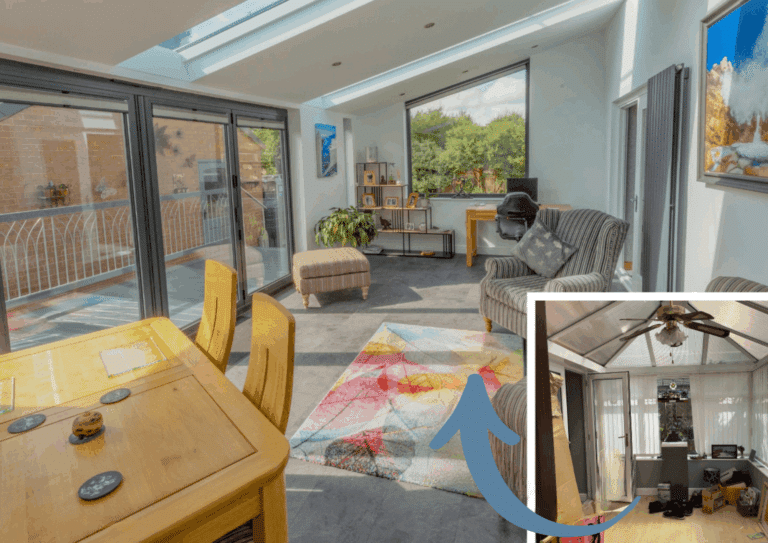
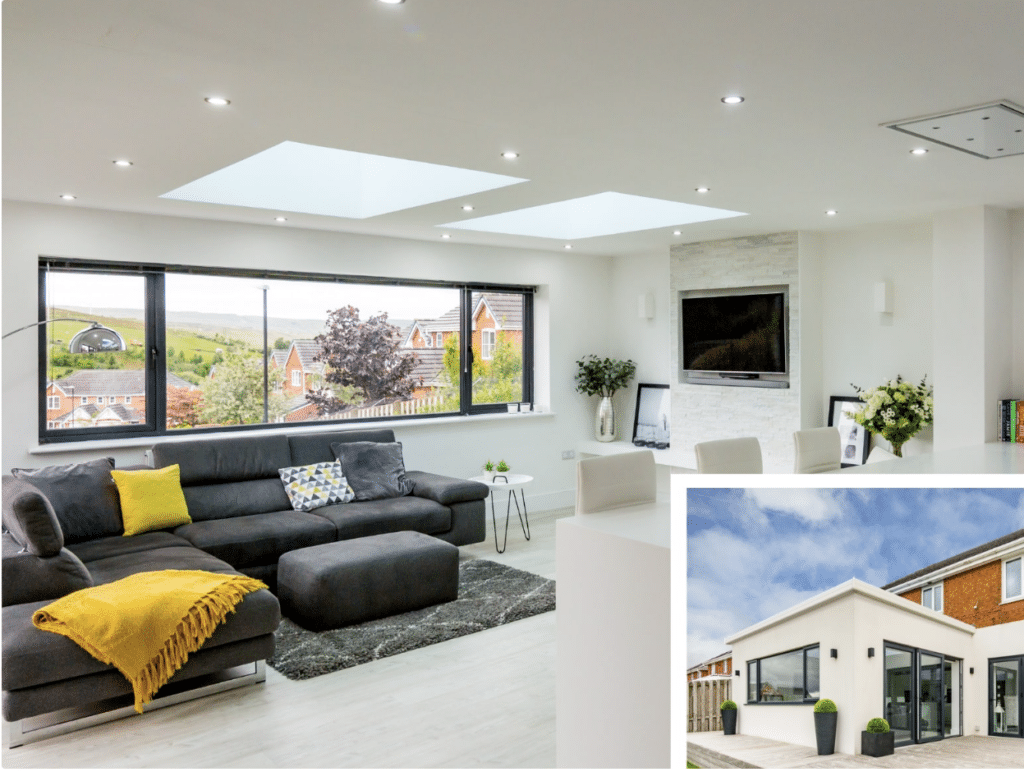
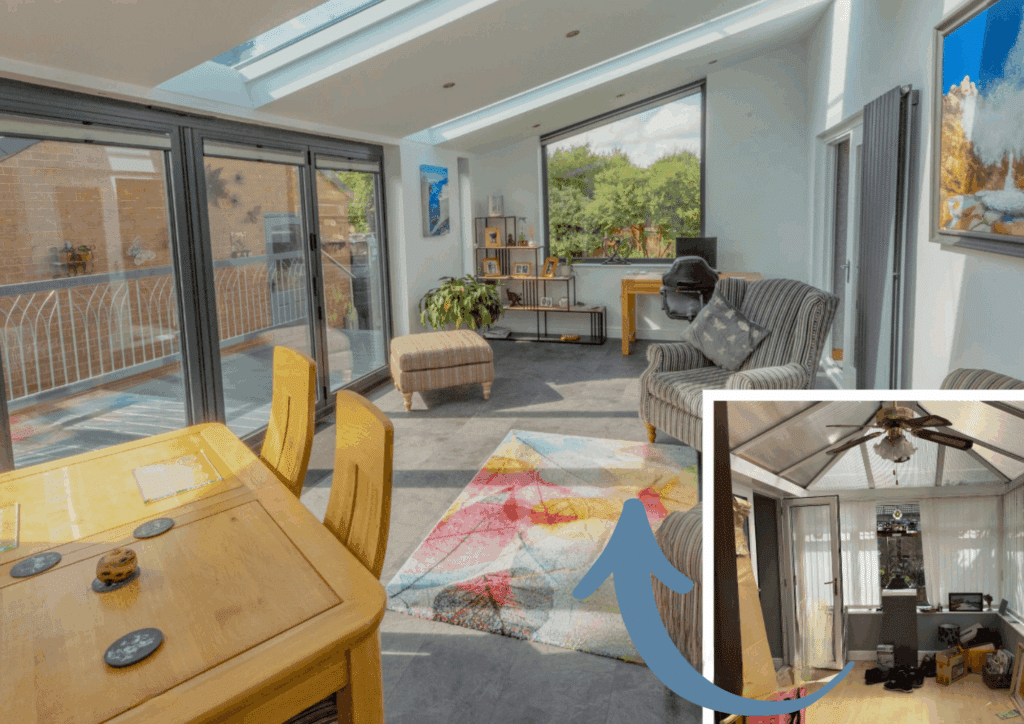
Before and after comparison of a conservatory transformation showing value-adding renovation
A quality glass extension transforms living space and adds measurable property value
It’s one of the most common questions we’re asked — and the answer is yes, a high-quality glass extension can absolutely add value to your property. But the key word here is quality. In today’s property market, buyers want more than just an add-on. They want usable, thermally efficient, and beautifully integrated living space that enhances the home — not detracts from it.

How Much Value Can a Glass Extension Add?

According to property experts, estate agents, and industry surveys conducted across the UK housing market:

  • A well-designed, high-quality conservatory or glass extension typically adds 5-7% to a property’s value
  • In the right property and location, with premium finishes and New Generation Glass, uplifts can reach 10% or more
  • However, a poorly executed, low-quality extension can reduce value — by appearing cheap, poorly integrated, or thermally inefficient

Market Analysis: 2026 Outlook

The post-pandemic shift towards home working and multi-functional living spaces has increased demand for quality extensions. Properties with well-designed glass extensions now spend 23% less time on the market and attract 15% more viewings than comparable properties without extensions.

5 Factors That Determine Value Added

Here’s what makes the difference between a value-adding extension and one that costs you money:

1

Structural Design & Visual Integration

A value-adding extension should feel like a natural continuation of the existing home. Poor layout, bad proportions, or clashing materials create the opposite effect. Bespoke designs complement your architecture, not compete with it.

2

Thermal Efficiency & Year-Round Usability

Using advanced materials like New Generation Glass (NGG) ensures the space is warm in winter, cool in summer, and energy-efficient year-round. A room that’s only usable 3 months of the year won’t be seen as added value by buyers.

3

Quality of Materials & Craftsmanship

Cheap uPVC frames that yellow and crack over time turn buyers off immediately. Premium aluminium, timber, and high-grade uPVC systems are built to last — and maintain their appearance for decades.

4

Practical Living Space & Functionality

It’s not just about views. A well-planned extension adds genuine lifestyle benefit — whether it’s open-plan living, a garden room, dining area, or home office. The more functional and flexible the space, the more desirable your property becomes.

5

Planning Compliance & Documentation

Even under permitted development, building regulations must be met — especially if removing walls or creating open-plan areas. A compliant, documented build reassures potential buyers and surveyors.

Quality vs Cheap: The Value Comparison

Let’s be honest: the internet is full of off-the-shelf conservatory kits and budget builds. Here’s how they compare:

Factor Quality Extension Budget Extension
Property Value Impact +5-10% 0% to -5%
Year-Round Usability 12 months 3-4 months
Lifespan 25-40+ years 10-15 years
Thermal Control Excellent Poor
Buyer Perception Premium asset Removal cost
Energy Efficiency Reduces bills Increases bills
Quality Extension
Property Value Impact +5-10%
Year-Round Usability 12 months
Lifespan 25-40+ years
Budget Extension
Property Value Impact 0% to -5%
Year-Round Usability 3-4 months
Lifespan 10-15 years

⚠️ Warning: Cheap Extensions Can Cost You

Budget conservatories often suffer from condensation, poor thermal control, and declining appearance. Buyers frequently factor in £10,000-£20,000 removal or upgrade costs when making offers on properties with poor quality extensions. Estate agents report that properties with low-quality additions spend 40% longer on the market and typically sell for 3-5% below asking price.

Return on Investment Analysis

When considering a glass extension as an investment, here’s the typical financial picture:

For a £500,000 Property

  • Quality extension cost: £40,000-£80,000
  • Value added (7%): £35,000
  • Direct ROI: 44-88% of build cost recovered
  • Plus: Enhanced living space, reduced energy costs, faster sale

For a £1,000,000+ Property

  • Premium extension cost: £80,000-£150,000
  • Value added (10%): £100,000+
  • Direct ROI: 67-125% of build cost recovered
  • Plus: Premium buyers expect quality additions

The higher the property value, the more important quality becomes — and the better the potential return.

Beyond Financial Returns

While financial ROI is important, don’t underestimate the lifestyle benefits. Quality glass extensions provide: Improved wellbeing from natural light, enhanced family living space, better connection to gardens, and increased home working productivity. Many clients tell us these benefits are worth as much as the financial returns.

YES — Worth the Investment If:

The structure is well designed, built with quality materials, thermally efficient for year-round use, and seamlessly integrated with your existing home architecture. You’re investing in craftsmanship, not just materials.

NO — Avoid If:

It’s a low-cost add-on that lacks proper insulation, uses cheap materials, doesn’t meet building regulations, or clashes with your home’s design. These become liabilities, not assets.

Room Outside

Bespoke Conservatories & Glass Extensions Since 1973

With over 50 years of experience designing and building premium glass extensions across the UK, Room Outside has established a reputation for quality craftsmanship, innovative thermal solutions, and exceptional customer service. Our team has completed projects for distinguished clients including members of the House of Lords and leading FTSE companies.

Areas We Cover

Room Outside provides bespoke conservatories, orangeries, and glass rooms across the South East of England:

Kent Surrey Sussex Hampshire London Sevenoaks Guildford Chichester Brighton Tunbridge Wells Canterbury Maidstone

Not sure if we cover your area? Check our full coverage map or call us on 01243 538999 to confirm.

Sources and References

Royal Institution of Chartered Surveyors: Property Value Reports 2025; UK Government: Building Regulations Guidance; Glass and Glazing Federation: Industry Standards; Knight Frank: Residential Market Analysis; Savills: UK Housing Market Review; Room Outside: Client Valuation Data 2020-2025.

Frequently Asked Questions

How much value does a glass extension add to a house in the UK?

A high-quality glass extension typically adds 5-7% to a UK property’s value. Premium installations featuring advanced glazing technology like New Generation Glass, quality materials, and seamless architectural integration can add up to 10% or more, particularly in desirable locations and higher-value properties.

Do conservatories still add value to a house in 2026?

Yes, modern conservatories add value in 2026, but they must feature contemporary thermal efficiency, quality materials, and thoughtful design. The key difference from older conservatories is year-round usability — spaces that are comfortable in all seasons add value, while those only usable in summer may not.

Can a cheap conservatory reduce my house value?

Yes, low-quality conservatories can reduce property value. Estate agents report that buyers often reduce their offers by £10,000-£20,000 to account for removal or upgrade costs when viewing properties with poorly insulated, visually unappealing, or structurally compromised extensions.

Is a glass extension better than a traditional extension for adding value?

Both can add significant value when done well. Glass extensions typically offer better light, garden connection, and ‘wow factor’ at a lower cost than traditional builds. Traditional extensions may add more raw square footage value. The best choice depends on your property, budget, and how you’ll use the space.

What type of glass extension adds the most value?

Orangeries and contemporary glass boxes typically add the most value as they offer the best combination of architectural integration, thermal performance, and visual appeal. They’re perceived as permanent, high-quality additions rather than ‘bolted-on’ conservatories.

How long does it take to recover the investment?

Direct ROI typically ranges from 50-70% of build cost added to property value immediately. The remaining value is recovered through lifestyle benefits, energy savings, and potentially faster sale times. Premium extensions in high-value areas can achieve 100%+ ROI.

Questions about property value and extensions? Call our team on 01243 538999 or send us a message

Ready to Add Value the Right Way?

Our expert designers can guide you through every aspect — from thermal performance to planning and architectural balance. Book your free home consultation across Kent, Surrey, Sussex, and London.

roomoutsideuk
31st December, 2025

Planning Your 2026 Home Extension | Start in January | Room Outside

Planning Your 2026 Home Extension | Start in January | Room Outside

New Year, New Space: Why January Is the Smart Time to Start Planning

Seven million UK homeowners plan to renovate. January is the ideal time to start planning your conservatory or orangery for summer completion.

Why January Matters

Almost seven million UK homeowners plan to renovate, with an average intended spend of over £14,000. Starting in January gives you time for proper design development, planning permissions if needed, and booking quality installers for spring/summer completion—ready to enjoy by next Christmas.

The Post-Christmas Realisation

The house feels smaller after Christmas. Not literally, obviously, but somehow the walls seem closer together than they did in November. The presents have been unwrapped. The relatives have gone home. And you are left with the memory of how cramped things felt when everyone was here.

Maybe it was trying to seat fourteen people in a dining room designed for six. Maybe it was children with nowhere to play except underfoot. Maybe it was that awkward moment when someone wanted quiet and there was not a single room free.

January is when many homeowners decide they need more space. The timing is not coincidental. The festive period stress-tests our homes in ways ordinary life does not. And if your home failed that test, January is when you know it.

7m
UK homeowners planning to renovate
£14k+
Average intended renovation spend
73%
Gen Z homeowners planning work
51%
Of homeowners renovated in 2024

According to Aviva’s 2025 How We Live report, almost seven million UK homeowners plan to renovate their homes, with an average intended spend of over £14,000 over the next two years. Renovation plans are particularly popular among younger age groups, with 73% of Generation Z and 65% of Millennial homeowners planning work.

What happens next matters. Some people vow to do something about it, then let the momentum fade as February passes and normal routines reassert themselves. By summer, the resolution is forgotten. By next Christmas, the same cramped scene plays out again.

Others act. January becomes the start of a planning process that leads to a completed extension before the next festive season arrives.

The 2026 Home Improvement Landscape

Before we discuss timelines and planning, let us understand the context. The UK home improvement market is substantial and growing.

£16.67bn
Projected UK home improvement market value by 2033
Source: IMARC Group projections (48% increase from 2024)

The UK home improvement market was valued at £11.3 billion in 2024 and is expected to reach £16.67 billion by 2033. That is a 48% increase in nine years, reflecting sustained demand for better living spaces.

The 2025 UK Houzz & Home Study provides more detail. More than half of homeowners (51%) renovated in 2024, up from 48% in 2023. The median spend increased 26% year-on-year to £21,440. The top 10% of renovating homeowners spent £169,000.

What’s Driving This Demand?

Ageing Housing Stock

53% of renovating homeowners live in homes built in 1940 or earlier. Nearly 2 in 5 homeowners undertook home repairs in 2024. Old houses need updating.

Working Patterns

Among homeowners planning to extend, a quarter attribute their plans to home working practices. 15% want to create a home office.

Multigenerational Living

More than one in ten UK adults live with their parents. This is driving demand for extensions that provide space, privacy, and flexible accommodation.

Cost of Moving

One in six homeowners choose to improve rather than move because moving is too expensive. Stamp duty, legal fees, and estate agent costs make renovation attractive by comparison.

The pattern is clear: homeowners who need more space are choosing to create it rather than search for it elsewhere.

The January Advantage: Why Timing Matters

Starting your planning in January offers several practical advantages that people often overlook.

Design Time Without Pressure

Good design takes time. Ideas need to develop. Options need to be compared. Decisions need to be made carefully rather than hastily. Starting in January gives you the luxury of that time.

By contrast, people who start thinking about extensions in April or May often find themselves rushing through design stages to catch the summer building season, then either accepting compromises or pushing the project into the following year anyway.

Planning Permission Timelines

If your extension requires planning permission, the process typically takes eight to twelve weeks from submission to decision. For properties in conservation areas or those that are listed, it often takes longer. The Planning Portal provides detailed guidance on requirements.

Historic England data shows that only 71% of Listed Building Consent decisions were made within the statutory timeframe in 2022/23, compared to 81% for standard planning decisions. Heritage applications take longer.

Starting in January means you can have permissions in place by spring, ready for construction during the better weather months. For detailed guidance on what you can build without planning permission, see our comprehensive guide to permitted development.

Builder and Installer Availability

Quality builders and installers get booked up. This is simply a fact of the construction industry. Companies with strong reputations and reliable workforces plan their schedules months in advance.

Approaching builders in January for a summer installation gives them (and you) options. Approaching the same builders in May for a summer installation may find them already committed through to autumn.

My suggestion: Early engagement gives you access to better options. According to Rated People research, 45% of UK homeowners struggled to find a tradesperson for home renovation in 2021. While availability has improved, demand remains strong.

Budget Planning and Financing

January is traditionally when people review their finances. If your extension will require financing, early planning gives you time to explore options, compare rates, and make arrangements without time pressure.

Four-fifths of UK households plan to use their savings to fund home improvement projects. If you are among them, January is when you can assess what you have available and what you might need to save in the coming months.

📅 A Realistic 2026 Timeline

January – February

Design Development

Initial consultations, site surveys, design development. Multiple conversations as ideas crystallise. Explore options, understand constraints, and begin to see what is possible.

March

Final Design & Commitment

Final design agreed, building regulations submission (where required), deposit and scheduling. Commitment is made. Dates go in diaries.

April – May

Manufacturing & Preparation

For factory-built extensions, your structure takes shape off-site in controlled conditions. For traditional builds, materials are ordered and groundwork is planned.

June – July

Installation

Groundwork, construction, finishing. The dust settles. The space becomes real.

Summer Onwards

Enjoyment

Enjoying your new space. Using it. Living in it. Wondering why you did not do this years ago. Ready for Christmas with room for everyone.

For projects requiring planning permission, add eight to twelve weeks to the front end. For listed buildings or conservation areas, potentially more.

The point is clear: if you want to enjoy a new extension next Christmas, the time to start planning is now, not next spring.

The Budget Conversation: What Extensions Actually Cost

New Year is the traditional time for financial stocktaking. How much can we afford? What does an extension actually cost? Is this the right year to commit?

The honest answer is that costs vary significantly depending on specification, size, and complexity.

Extension Budget Ranges

  • Basic conservatory: From around £15,000
  • Mid-range projects: £30,000 to £60,000
  • Premium orangery: £50,000 to over £100,000
  • Average extension budget (2023): £27,157

In 2023, homeowners budgeted an average of £27,157 for extensions, the highest intended spend of any home improvement category. For detailed guidance on orangery investment levels and what different budgets deliver, see our comprehensive orangery guide.

What matters more than the absolute number is value: what you get for your investment, how it affects your daily life, what it adds to your property.

My suggestion: Be honest with potential builders about your budget from the start. A good company will design to your financial constraints rather than presenting an ideal scheme you cannot afford. It is better to have those conversations early than to fall in love with a design that proves unattainable.

The Return on Investment Question

Let us talk about what the data shows regarding home improvement returns.

According to Zopa’s Home Improvement Index, conservatories delivered approximately 100% ROI in 2024, meaning homeowners typically recoup the full cost in added property value. Nationwide’s 2023 analysis found that a well-done extension can nearly increase a home’s value proportionately to the floor area added.

100%
ROI typically delivered by conservatories in 2024
Source: Zopa Home Improvement Index

The calculation is not purely financial, though. Consider:

  • How many years will you enjoy the space before selling?
  • What is the value of the daily quality of life improvement?
  • What would it cost to move to a larger property instead?

For many homeowners, the answer is clear: extending makes more sense than moving, both financially and practically.

Making 2026 Different: The Action Steps

Resolutions fade. We all know this. The gym membership purchased in January goes unused by March. The diet abandoned after two weeks. The promise to learn a language quietly forgotten.

Home improvement resolutions can go the same way, but they do not have to. The difference lies in taking concrete action rather than remaining in the realm of intention.

Your January Action Plan

  • This week: Write down what you want from an extension. More dining space? A year-round garden room? A kitchen that flows to outdoors? Clarity about purpose guides everything else.
  • Next week: Research companies in your area. Look at portfolios. Read reviews. Create a shortlist of three to five potential partners.
  • By end of January: Make contact with at least two companies. Arrange consultations. Start the conversation.
  • February: Site visits, initial designs, preliminary quotes. Compare approaches and philosophies as much as prices.
  • March: Make your decision. Commission detailed design. Set the project in motion.

You do not have to commit to anything by having that first conversation. But without it, next January will likely find you in the same position, looking at the same cramped rooms, making the same resolution for the following year.

Next Christmas Could Be Different

Think forward twelve months. Christmas 2026. The family has gathered again. But this time, there is space. There is light. There is a room that works for the occasion rather than against it.

The children have somewhere to play. The adults have somewhere to talk. The cook has somewhere to work without feeling isolated. The view through the glass shows the winter garden, perhaps strung with lights, perhaps frosted, perhaps simply beautiful in its December bare-bones honesty.

That future is available. It starts with a decision made in January, while the memory of cramped Christmas past is still fresh.

At Room Outside, we are ready to have those conversations whenever you are. We understand that January is a time for thinking and planning rather than rushing into decisions. We will give you the information you need to decide whether an extension is right for you, and if so, what kind of extension and at what investment level.

Next Christmas could be different. The choice is yours, and it starts with a conversation.

Frequently Asked Questions About Extension Planning

How long does it take to plan and build an extension?

For straightforward conservatories and orangeries within permitted development, expect 4-6 months from first enquiry to completion. Projects requiring planning permission add 2-3 months. Listed buildings or complex projects may take longer.

When is the best time to start planning an extension?

January is ideal. Early planning allows time for design development, planning applications if needed, and booking installers for spring/summer work. Starting in spring often means completion is pushed to the following year.

How much should I budget for a conservatory or orangery?

Basic conservatories start around £15,000. Mid-range projects typically fall between £30,000 and £60,000. Premium orangeries can exceed £100,000. Budget depends on size, materials, specification, and complexity.

Do extensions add value to my home?

Yes. Conservatories typically deliver around 100% ROI. Well-designed extensions can add up to 25% to property value. The value added depends on quality, design, and local market conditions.

Should I improve or move?

Financial analysis often favours improving. Moving costs (stamp duty, fees, costs) can exceed £20,000. An extension that adds space and value may cost similar money but leave you in a home and area you already know and love.

What areas does Room Outside serve?

Room Outside designs and builds conservatories and orangeries across London and the South East including Hampshire, Surrey, West Sussex, East Sussex, Kent, Berkshire, and Dorset.

Start Planning Your 2026 Extension

January is the perfect time to begin. No obligation, no pressure—just an honest conversation about what is possible for your home and your budget.

roomoutsideuk
25th September, 2025

Annexes: The Smartest Way to Add Extra Living Space

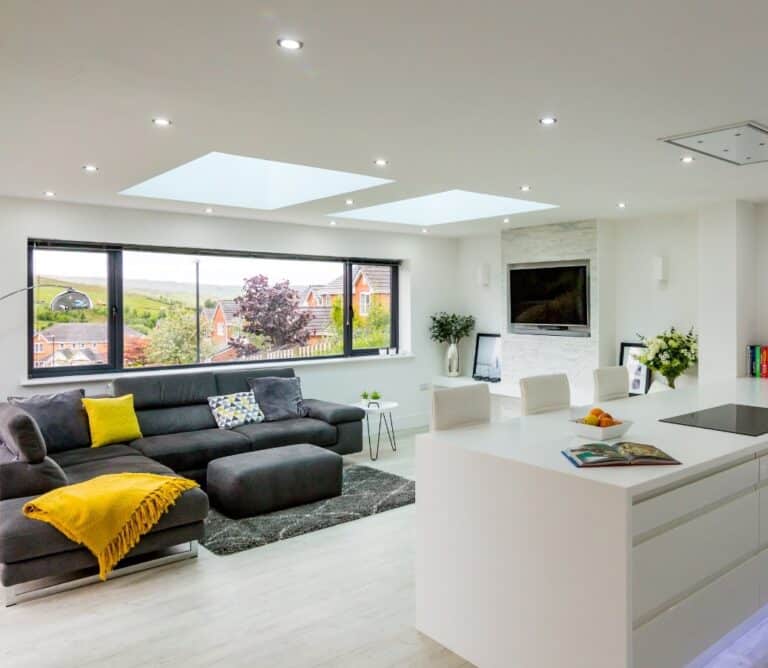
an open plan living space

Why Annexes Are on the Rise

More and more homeowners are looking for flexible, independent living space. Whether it’s providing a safe, private annexe for an ageing parent, creating independence for a growing teenager, or adding a guest suite that doubles as a home office or gym, an annexe offers a practical and future-proof solution.

With property prices rising and families living together for longer, annexes are becoming one of the most valuable and versatile additions you can make to your home.


Annexe or Garden Room – What’s the Difference?

Although the terms are often used interchangeably, there are differences:

  • Garden rooms are usually smaller, versatile spaces — perfect as an office, gym, or creative studio.
  • Annexes are more substantial, often designed as self-contained accommodation with bedrooms, bathrooms, and living areas. They can be fully independent or connected to your home, making them ideal for multi-generational living.

At Room Outside®, we design both — tailoring each project to the lifestyle and needs of your family.


The Room Outside Difference – Traditional Meets Modern Innovation

For over 50 years, Room Outside® has been trusted to create high-quality, bespoke glass extensions, garden rooms and annexes. Today, we’re proud to combine this heritage with state-of-the-art modular technology, offering a unique blend of tradition and modern innovation.

Our modular systems deliver:

  • Five times faster builds than traditional methods, thanks to screw pile foundations and factory-engineered precision.
  • All-weather installation, with no reliance on bricklaying or cement.
  • Cleaner construction, as panels arrive pre-prepared with no cutting required on site.
  • Five times greater energy efficiency than the average UK home, keeping your space warm in winter, cool in summer, and your energy bills low.

Designed to Suit Your Home

Every annexe we create is completely bespoke. You can choose from a wide range of options, including:

  • Materials: warm traditional oak, sleek aluminium, or low-maintenance uPVC.
  • Roofs: flat, pitched, tiled, or glazed.
  • Window placements and finishes: tailored to maximise light, views, and the character of your property.

This flexibility means we can design an annexe that blends seamlessly with your home and garden, whether you want timeless character or contemporary style.


Designed Around Your Life

Your annexe can be anything you want it to be:

  • Independent accommodation for elderly parents.
  • A private studio or retreat for teenagers.
  • A dedicated home office or gym.
  • Luxury guest accommodation.

Whatever your needs, we’ll create a space that enhances your home and makes everyday life more comfortable and enjoyable.


Ready to Add Extra Living Space?

An annexe is more than just an extension — it’s an investment in family, lifestyle, and the future value of your home.

Book your free consultation today and discover how Room Outside can create a beautiful bespoke annexe for your home.

roomoutsideuk
10th September, 2025

Living in Light – The Long-Term Benefits of Glass Extensions

Introduction

Light changes everything. It transforms the way a home feels, with the long term benefits being that it uplifts our mood, and creates a sense of space and calm. That’s why so many homeowners are drawn to the idea of a glass extension. Unlike a brick addition, a glass extension doesn’t just give you more square footage — it changes the way you live.

At Room Outside®, we’ve been designing and building luxury glass structures for over 50 years. In this article, we’ll explore the long-term benefits of glass extensions, and show you how our innovative modular glass extensions take those advantages even further.


The Lifestyle Benefits of Living with Light

  • Wellbeing and mood – Natural daylight has been proven to support mental health, improve sleep, and boost productivity. A glass extension ensures your home is always bathed in light.
  • Connection with nature – Floor-to-ceiling glass blurs the line between indoors and outdoors, bringing your garden into your living space all year round.
  • Luxury feel – Glass extensions create aspirational spaces that feel modern, elegant, and timeless.
  • Flexible use – From a family kitchen to a quiet reading room or entertaining space, the versatility of a glass extension lasts for decades.

The Practical Advantages

Beyond lifestyle, there are solid long-term reasons why glass extensions are such a wise investment:

  • Adds value to your home – A luxury glass extension can increase property appeal and resale value.
  • Durability – With modern technology such as New Generation Glass (NGG) and thermally broken frames, a high-quality glass extension is built to last.
  • Energy efficiency – NGG helps regulate temperature, keeping your space warm in winter and cool in summer.
  • Low maintenance – High-performance glass and frames make upkeep simple, especially when paired with our Groom Outside service.

Why Modular Glass Extensions Are the Future

While traditional glass extensions already bring huge advantages, our modular glass extensions are designed with the future in mind.

Key Long-Term Benefits:

  • Installed in a matter of days – precision-engineered off-site, then assembled quickly with minimal disruption.
  • No building mess – modular systems arrive factory-made, avoiding piles of sand, cement, and waste.
  • Energy efficiency – insulated panels and NGG glazing create one of the most thermally efficient extension options on the market.
  • Design flexibility – whether you want the look of brick, smooth render, or pure floor-to-ceiling glass, the system adapts to your vision.
  • Reuse of existing base – often possible when upgrading an older conservatory, saving time and cost.
  • Built to last – modular construction provides consistent quality and durability for decades of use.

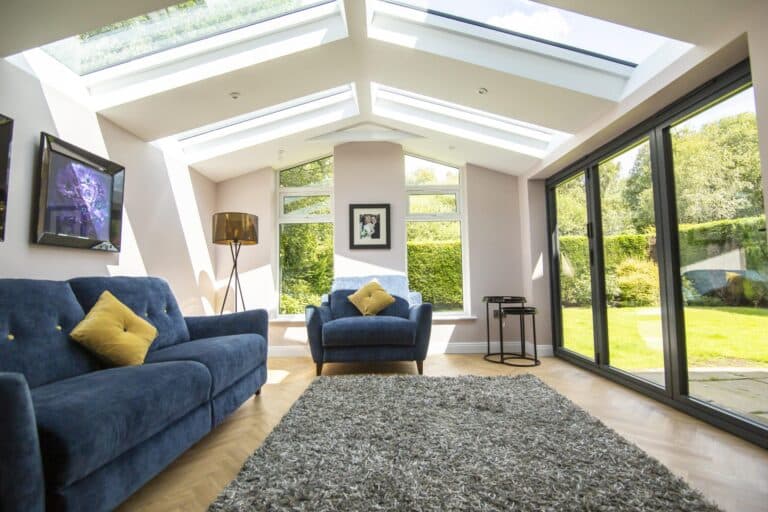
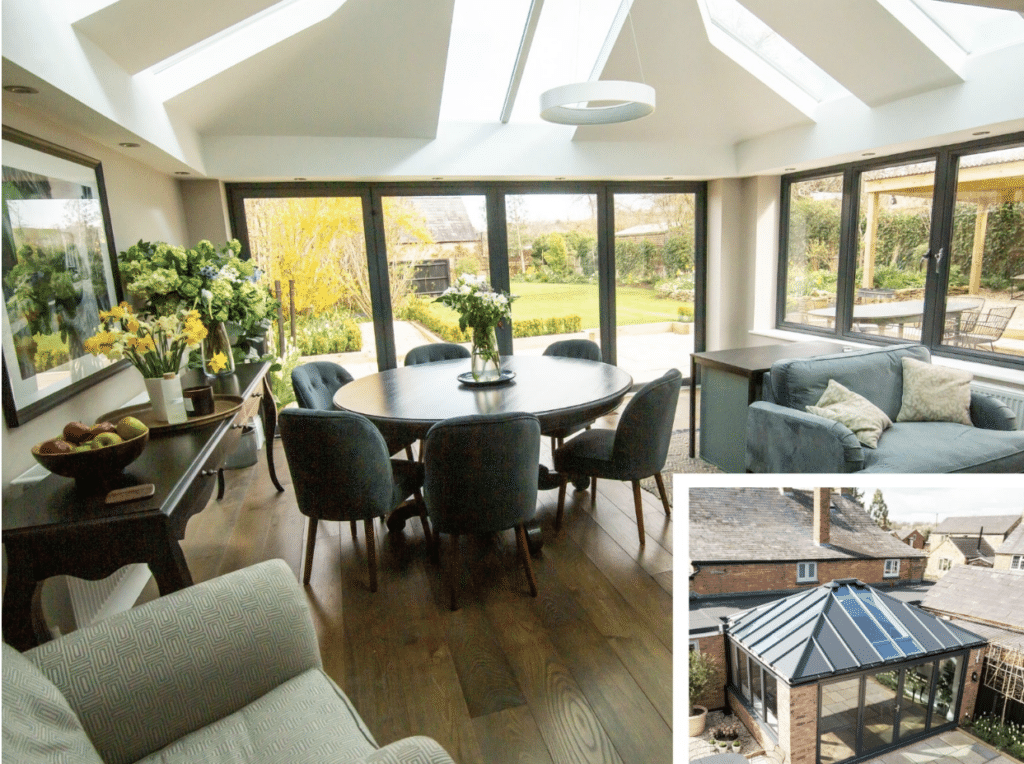
Bright and contemporary modular glass extension with vaulted ceiling, large rooflights, and full-height sliding doors opening to a private garden.

The Verdict

Living in light isn’t just about today. It’s about creating a home that will continue to inspire, uplift, and add value for years to come. A glass extension offers those long-term benefits naturally — and with the addition of modular technology, you can now enjoy light-filled living without compromise.


Next Steps

At Room Outside®, we’ve been shaping extraordinary glass spaces for over half a century. If you’re ready to discover the long-term benefits of living in light, our expert Design Consultants are here to guide you.

Contact us today for a free, no-obligation quote and explore how a bespoke glass or modular extension could transform your home.

roomoutsideuk
08th September, 2025

Are Glass Extensions Warm in Winter?

Introduction

A common concern for homeowners is whether a glass extension can truly be comfortable in the colder months. It’s a fair question — older conservatories often became unbearably hot in summer and freezing in winter, leaving the space underused.

The reality today is very different. Thanks to modern innovations such as advanced glazing and modular building systems, a glass extension can be enjoyed year-round. At Room Outside®, we’ve specialised in creating luxury glass structures for over 50 years, and we know that with the right materials and design, a glass extension can be every bit as warm and inviting in winter as the rest of your home.


Why Some Glass Extensions Fail in Winter

Not all glass extensions are created equal. Many older or budget installations struggle with:

  • Poor-quality glazing that leaks heat.
  • Inefficient frames with cold bridging.
  • Lack of insulation in floors, walls, or roof.
  • Condensation and draughts caused by poor sealing.

These shortcomings explain why many people still worry about whether glass extensions can work in winter.


The Innovation Behind Modern Glass Extensions

Modern systems address all of those problems. The difference lies in technology and expertise:

  • New Generation Glass (NGG) – exclusive to Room Outside®, this advanced glazing keeps your extension cool in summer and warm in winter, dramatically reducing heat loss compared with older glass.
  • Thermally broken frames – prevent cold bridging and keep warmth inside.
  • Precision installation – airtight seals and expert fitting eliminate draughts.

The result is a space that feels just as cosy in January as it does in June.


Why Modular Glass Extensions Excel in Winter

Our modular glass extensions take thermal efficiency a step further. Manufactured to order in the factory and assembled on-site in days, they combine cutting-edge engineering with flexibility of design.

Key Winter-Friendly Features:

  • Installed in a matter of days, not weeks – the factory-built system means your extension is delivered and assembled quickly, so you can be enjoying it in no time.
  • Minimal disruption and no building mess – unlike traditional brickwork, modular systems arrive ready to fit, with none of the piles of sand, cement, and rubble that come with conventional building.
  • Energy efficiency – insulated walls, roof, and flooring systems reduce heat loss.
  • Custom finishes – rendered wall panels can replicate brick or stone if you want more solidity, without compromising insulation.
  • Bespoke glazing – NGG ensures comfortable temperatures year-round.
  • Reuse of existing base – often possible when replacing an older conservatory, saving time and cost.
  • Made to measure – each section is precision-cut in the factory, ensuring a perfect thermal seal once installed.

Design Flexibility with Modular Extensions

One of the biggest advantages of modular systems is the range of aesthetic finishes available. Your extension can be entirely floor-to-ceiling glass, maximising views and natural light, or you can achieve the look of traditional brick, stone, or a sleek render- all while benefiting from factory-built precision and superior insulation.This flexibility means you can create the exact balance of glass and solid panels to suit your lifestyle and your home.


The Verdict

So, are glass extensions warm in winter? The answer is simple: yes — if you choose the right system. Outdated conservatories might be draughty and cold, but our modern glass extensions are designed for year-round living.

With New Generation Glass and highly insulated modular construction, you no longer need to compromise between comfort and style.


Next Steps

At Room Outside®, we’ve been creating extraordinary glass structures for over five decades. Whether you’re looking for a sleek floor-to-ceiling glass design or a modular solution with rendered finishes, we’ll design a bespoke extension that’s warm, efficient, and truly timeless.

Contact us today for a free, no-obligation quote and discover how you can enjoy the luxury of a glass extension all year round.

roomoutsideuk
01st September, 2025

Glass Extension vs Brick Extension: Which is Right for You?

Introduction

When planning a home extension, one of the biggest decisions you’ll face is whether to choose a glass extension or a brick extension. Both options can add valuable space and transform the way you live in your home, but they deliver very different results. At Room Outside®, we’ve been designing and building luxury glass structures for over 50 years, and we’ve seen first-hand how the choice between glass and brick can shape not just a property, but a lifestyle.

In this article, we’ll guide you through the benefits, challenges, and key differences between glass and brick extensions, so you can make an informed decision. And we’ll also introduce our modular glass extensions — a modern alternative that blends the best of both worlds.


Why Homeowners Choose Brick Extensions

Brick extensions have long been a popular option because they feel like a seamless continuation of the house. Key reasons include:

  • Blending in with existing architecture – especially with traditional homes.
  • Extra wall space – ideal for kitchen units or large furniture.
  • Perception of permanence – brick can feel more “solid” to some homeowners.

However, brick extensions aren’t without their drawbacks:

  • Dark and enclosed – they often lack the natural light people crave.
  • Longer build time – weeks or even months of disruption.
  • Mess and upheaval – brickwork, scaffolding, and building waste.
  • Less connection to the outdoors – they don’t offer the same seamless flow between home and garden.

Why Homeowners Choose Glass Extensions

A glass extension delivers an entirely different experience. The main advantages are:

  • Flooded with natural light – transforming the feel of your home.
  • Connection to your garden – blurred boundaries between indoors and outdoors.
  • Luxury lifestyle – open, modern, and aspirational living.
  • Quicker build times – less disruptive than brick.

Common concerns about glass include:

  • “Will it get too hot in summer?”
  • “Will it feel too cold in winter?”

This is where technology makes all the difference. Our exclusive New Generation Glass (NGG), developed from advanced US technology and manufactured in the UK exclusively for Room Outside®, regulates temperature. It keeps your glass extension cool in summer, warm in winter, and comfortable all year round.


Glass Extension vs Brick Extension: Key Differences

Light & Ambience

  • Glass: Bright, airy, seamless garden connection.
  • Brick: Darker, more traditional room feel.

Construction Time

  • Glass: Quicker, cleaner, less disruption.
  • Brick: Longer, messy, labour-heavy.

Flexibility

  • Glass: Best for entertaining, relaxing, and maximising views.
  • Brick: Best if you need large walls for storage or kitchens.

Year-Round Comfort

  • Glass: With NGG, comfortable in all seasons.
  • Brick: Naturally insulated, but without the wow factor of glass.

The Perfect Solution: Modular Glass Extensions

At Room Outside®, we also offer a cutting-edge option: modular glass extensions. These deliver the luxury of glass with the flexibility of brick styling, giving you the best of both worlds.

Key benefits include:

  • Rapid installation – bespoke, cut-to-measure in the factory, and installed on-site in just days, not weeks.
  • Energy efficiency – advanced insulation make it sustainable and comfortable.
  • Design flexibility – want more wall space for kitchen units or furniture? Modular systems can include rendered walls that replicate the look of brick, without the mess.
  • Minimal disruption – precision-engineered sections mean less noise, waste, and upheaval.
  • Reuse of existing base – in many cases, we can build on the footprint of your existing conservatory, saving even more time and cost.
  • Bespoke design – every extension is designed around your lifestyle, your home, and your aesthetic preferences.

The Verdict

If you’re torn between a glass extension vs brick extension, the decision comes down to lifestyle. A brick extension may offer traditional solidity, but a glass extension delivers something more: light, luxury, and connection with the outdoors. And with our New Generation Glass and modular extension system, you no longer have to compromise on comfort, speed, or design.


Next Steps

At Room Outside®, we’ve been creating extraordinary glass structures for more than five decades. If you’d like to explore what’s possible for your home, our expert Design Consultants are here to help.

Contact us today for a free, no-obligation quote and start planning your dream extension.