
UK Luxury Glass Extensions: Premium Space Solutions for UK Properties
Bespoke architectural glass rooms, orangeries, and conservatories designed for discerning UK homeowners. Transform your property with light-filled living spaces.
Quick Answer: What Does a Luxury Glass Extension Cost in the UK?
Luxury glass extensions in the UK typically range from £45,000 to £150,000+ depending on size, specification, and complexity. A premium orangery averages £55,000-£85,000, architectural glass rooms start from £65,000, and bespoke designs with high-end finishes can exceed £100,000. Projects in premium urban locations typically cost 15-25% more than rural areas due to access challenges, conservation requirements, and the premium finishing standards expected in prestigious locations.
Why UK Properties Demand Specialist Glass Extension Expertise
Building a glass extension in the UK requires specialist knowledge that varies significantly across regions. The UK presents diverse challenges that require specialist knowledge, established relationships with planning authorities nationwide, and experience working within the constraints of different property types.
Unlike standard extensions where one approach fits all, premium glass extensions must navigate a complex landscape of conservation areas, listed building considerations, party wall agreements, and varying local planning requirements. Approximately 25% of historic UK properties fall within conservation areas or have listed status, with different regions having specific designations that significantly impact what can be built and how it must appear.
Beyond planning considerations, UK clients typically expect a higher specification than standard domestic construction. Premium properties warrant premium materials, exceptional craftsmanship, and design solutions that enhance rather than compromise the architectural character of the existing building. This is where specialist luxury UK conservatory and glass extension designers prove their worth.
Conservation & Listed Building Expertise
Navigating the complex requirements of UK conservation areas and listed buildings requires established relationships with planning officers and a portfolio demonstrating sympathetic design across all UK regions.
UK-Wide Site Specialists
From compact city plots to expansive country estates, our designers maximise every inch through intelligent space planning, frameless structural glass, and bi-fold systems that merge indoor and outdoor areas throughout the UK.
Premium Specification Nationwide
The UK’s finest properties deserve exceptional quality. We specify only the highest-grade materials: triple-glazed acoustic glass, thermally-broken aluminium frames, natural stone flooring, and bespoke joinery that meets the expectations of discerning clients across the country.
National Project Management
We understand that privacy and discretion matter nationwide. Our project managers coordinate deliveries, manage tradespeople, and ensure minimal disruption to your household and neighbours throughout the construction process, wherever you’re located.
Types of Luxury Glass Extensions for UK Homes
The right glass extension type depends on your property’s architecture, your available space, how you intend to use the new room, and the planning context. Here are the primary options we design and install for UK clients.
Premium Orangery
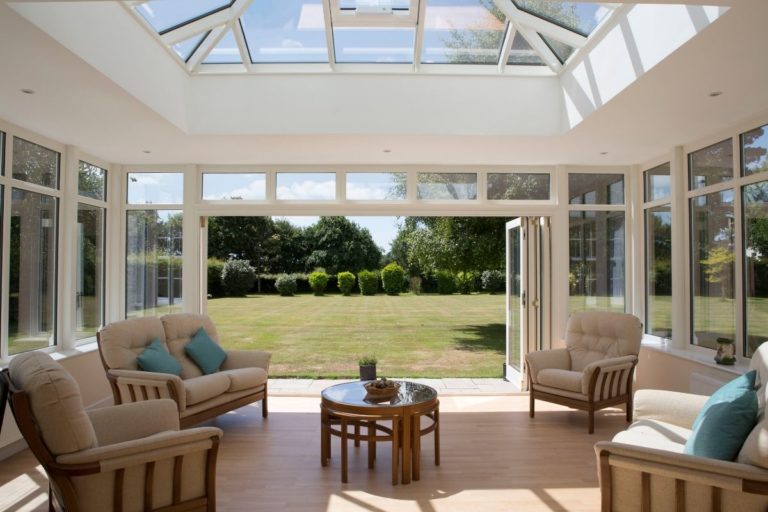
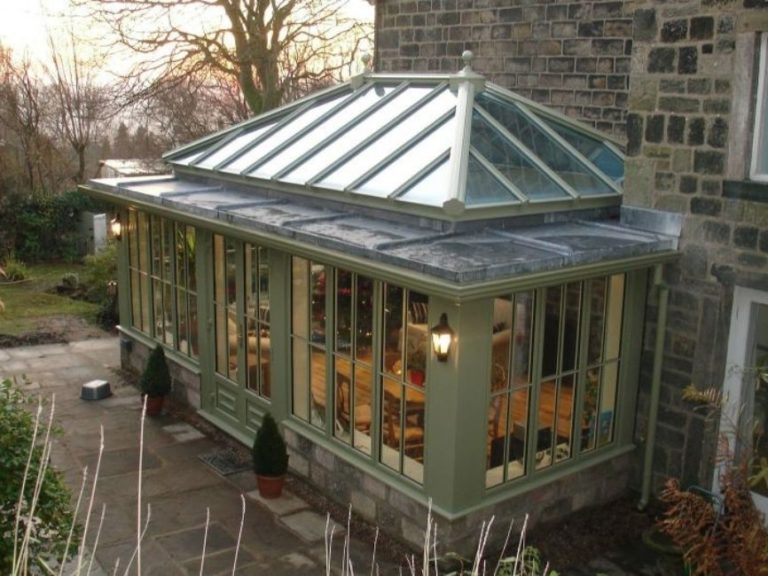
The classic choice for period properties across the UK. Featuring solid brick or rendered corner pillars, a flat plastered perimeter ceiling, and central glazed lantern roof, orangeries provide substantial, room-like spaces that complement Georgian, Victorian, and Edwardian architecture nationwide. The solid elements create a sense of permanence while the lantern floods the space with natural light. Orangeries work particularly well as formal dining rooms, garden rooms, or elegant home offices.
From £55,000Architectural Glass Room
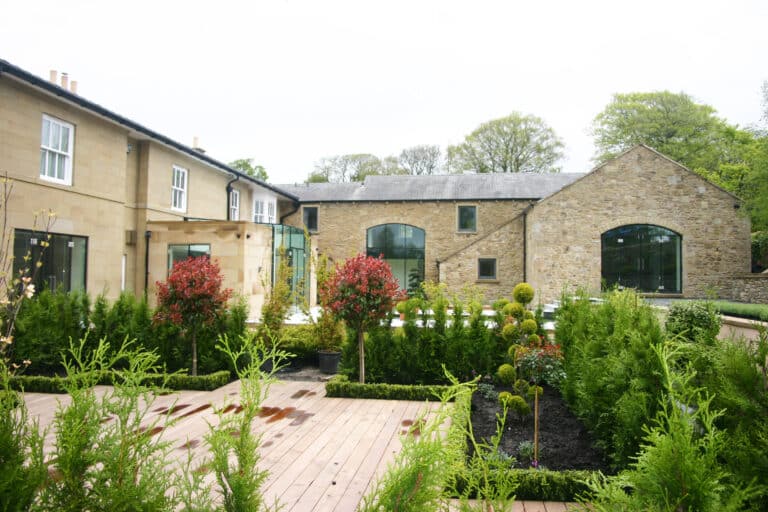
For contemporary properties or dramatic contrast on traditional buildings across the UK. Minimally-framed structural glass walls and roofs maximise light and views while making bold architectural statements. Frameless glass corners, flush floor thresholds, and near-invisible fixings create the ultimate indoor-outdoor connection. Perfect for modern UK properties and clients who appreciate cutting-edge design.
From £65,000Kitchen-Diner Extension
The UK’s most requested configuration. Open-plan kitchen-dining-living spaces with full-width bi-fold or sliding doors transform how families use their homes, creating the sociable heart that modern living demands. These extensions typically incorporate kitchen islands, integrated appliances, and carefully planned lighting to create spaces that work for everyday family life and sophisticated entertaining.
From £60,000Lean-To Glass Extension
Ideal for terraced and semi-detached properties with limited rear projection allowance across UK towns and cities. A sleek, single-pitch roof maximises internal height at the house wall while respecting boundary constraints common in Victorian and Edwardian streets. Despite their apparent simplicity, lean-to extensions can be stunningly elegant when executed with premium materials and thoughtful detailing.
From £45,000Choosing the Right Style for Your Property
The best glass extension type depends on several factors specific to your situation. Making the right choice ensures your extension enhances your property’s value and complements its architectural character.
Period Properties (Georgian, Victorian, Edwardian): Orangeries and traditional conservatory styles typically work best, particularly in conservation areas where planning officers expect designs sympathetic to the original architecture. The solid corner pillars and lantern roof of an orangery echo the proportions and materiality of period construction, creating extensions that feel like natural additions rather than afterthoughts. However, a clearly contemporary glass box can also succeed if it reads as a distinct, modern intervention rather than a pastiche of historical styles. Conservation officers often prefer honest contemporary design over poorly executed period imitation.
Modern and Contemporary Homes: Structural glass rooms with minimal framing complement modern architecture beautifully. Floor-to-ceiling glazing, frameless corners, and flush thresholds create the seamless connection between inside and outside that contemporary design celebrates. For these properties, the extension should continue the architectural language of the existing building—clean lines, precise detailing, and a focus on light and space.
Terraced Houses: Party wall and boundary constraints often make lean-to designs the practical choice for the UK’s terraced properties. The single-pitch roof respects the limited space while maximising internal height where it matters most. However, even within these limitations, exceptional design can create stunning results through clever use of rooflights, frameless glazing, and premium materials. Many of our most dramatic transformations have been achieved within the tight constraints of Victorian terraced houses.
Semi-Detached Properties: Semi-detached homes offer more flexibility than terraces while still requiring careful consideration of the party wall and neighbouring property. Wider spans become possible, and wrap-around designs that extend along the side return can significantly increase usable space. These properties often suit orangery designs that provide substantial additional living area.
Detached Houses & Country Homes: With fewer constraints, detached properties and country homes offer the greatest design freedom. Larger spans, more adventurous roof designs, and generous proportions become achievable. However, this freedom requires disciplined design thinking—without constraints forcing creative solutions, there’s a risk of extensions that feel disconnected from the main house. The best detached property extensions maintain a clear architectural relationship with the existing building.
Design Consultation
Not sure which style suits your property? Our design consultations assess your home’s architecture, planning context, and your requirements to recommend the optimal approach. We’ll show you examples from our project gallery of similar UK projects and explain what’s achievable within your budget. We’ll also discuss how different design approaches might affect planning prospects, particularly important in conservation areas or for listed buildings. Consultations are free and carry no obligation.
Planning Permission and Conservation Areas in the UK
Understanding the UK’s planning landscape is essential before embarking on any glass extension project. The UK’s complex mix of conservation areas, Article 4 Directions, listed buildings, and varying local planning requirements means that assumptions valid in one area may not apply elsewhere. What works in a city centre may be completely inappropriate—or simply not permitted—in a rural conservation area.
The good news is that with proper understanding and expert guidance, most properties can accommodate a glass extension of some description. The key is working with specialists who understand what’s achievable and can design schemes that satisfy both your aspirations and planning requirements.
Permitted Development in the UK
Many glass extensions can be built under Permitted Development (PD) rights without requiring planning permission. However, the UK has significant exceptions that catch many homeowners unaware. Understanding these rules from the outset prevents wasted time and disappointment later in the process.
PD rights allow single-storey rear extensions up to 3 metres for attached houses and 4 metres for detached properties (or 6m/8m under prior approval notification). The extension must not exceed 4 metres in height, cover more than half the garden, or use materials that differ significantly from the existing house. Additionally, the extension cannot extend beyond the side elevation of the original house or be forward of the principal elevation.
Crucially, Permitted Development rights are restricted or removed entirely for:
- Properties in Conservation Areas (across all UK regions)
- Listed buildings of any grade (requiring Listed Building Consent for any alteration)
- Areas subject to Article 4 Directions (common in historic areas nationwide)
- Properties that have already used their PD allowance through previous extensions
- Flats and maisonettes (which have no PD rights for extensions whatsoever)
- Properties in Areas of Outstanding Natural Beauty or National Parks
- Properties in World Heritage Sites
- Properties subject to planning conditions removing PD rights
Conservation Areas and Article 4 Directions
Conservation areas impose additional restrictions on what can be built, even where Permitted Development rights nominally apply. In these locations, extensions that would normally fall within PD often require planning permission due to restrictions on materials, design, and visibility from public areas. Furthermore, many historic UK areas have Article 4 Directions that remove PD rights entirely—meaning all external alterations require planning consent.
Historic towns, villages, and city centres across England, Scotland, Wales, and Northern Ireland often have extensive Article 4 coverage. If you live in these areas, assume you will need planning permission and factor this into your timeline. The planning process typically adds 8-12 weeks to the overall project duration.
However, requiring planning permission isn’t necessarily problematic. In fact, for ambitious designs that push beyond PD limits, the planning process provides an opportunity to achieve more than would otherwise be possible. A well-designed scheme that gains planning approval can often exceed PD limits in terms of size, height, or proximity to boundaries.
Listed Building Considerations
Adding a glass extension to a listed building requires Listed Building Consent in addition to any planning permission. This separate consent process specifically considers the impact on the building’s special architectural or historic interest. Designs must demonstrate that they preserve or enhance the building’s character while being clearly identifiable as modern additions.
Paradoxically, contemporary glass extensions often succeed where traditional designs fail when it comes to listed buildings. Conservation officers typically prefer a clearly modern intervention that can be easily distinguished from the historic fabric over a pastiche that confuses the building’s history. A glass extension that is obviously of its time makes an honest statement about the building’s evolution, whereas a fake Georgian orangery might suggest the historic building has been compromised or its authenticity diluted.
Key principles for listed building extensions include:
- Reversibility: The extension should theoretically be removable without damaging the historic fabric
- Subservience: The extension should defer to the original building, not compete with it
- Distinction: It should be clearly contemporary, not a pastiche of historical styles
- Quality: Materials and craftsmanship must be exemplary, befitting the listed building’s status
- Minimal intervention: Connections to the historic building should be as light-touch as possible
Our experience with conservation officers across the UK means we understand what will be accepted in different regions. We’ve successfully delivered glass extensions on Grade II, Grade II*, and even Grade I listed buildings across all parts of the UK, always working collaboratively with heritage officers to achieve designs that satisfy both our clients and planning requirements.
Our Planning Support
We handle all planning applications on your behalf, including pre-application discussions with planning officers, preparation of design and access statements, heritage impact assessments for listed buildings, and responses to any officer queries. Our 85%+ first-time approval rate for UK applications reflects our understanding of what each local authority expects to see. Where applications require amendment, we work constructively with officers to achieve approval without compromising design quality.
Premium Materials and Specifications for UK Projects
Luxury glass extensions demand exceptional materials. The specification choices you make affect not only aesthetics but also thermal performance, acoustic comfort, security, and long-term durability. In the UK’s competitive property market, these details matter—both for your daily enjoyment and for future resale value.
We’ve learned through decades of experience that cutting corners on materials always proves false economy. Premium specifications may cost more initially, but they deliver better performance, require less maintenance, and last significantly longer than budget alternatives. For the UK’s finest properties, nothing less than the best is appropriate.
Glazing Specifications
Triple Glazing
We specify triple-glazed units as standard on premium UK projects. With U-values of 0.8 W/m²K or better, triple glazing dramatically outperforms double glazing (typically 1.4-1.6 W/m²K), reducing heating costs and improving comfort year-round. The additional pane also provides superior acoustic insulation—essential for properties near busy roads, airports, or in noisy urban environments.
Triple glazing’s benefits extend beyond thermal performance. The additional glass layer provides enhanced security, better condensation resistance, and improved UV protection for interior furnishings. While triple glazing adds approximately 10-15% to glazing costs, the improved comfort and reduced energy bills typically deliver payback within five to seven years.
Acoustic Glass
UK background noise levels vary significantly, making acoustic performance critical for any glass extension designed for comfortable living. Standard double glazing provides only modest sound reduction, often leaving traffic noise, aircraft, and other sounds clearly audible. For properties in noisy locations, this compromises the extension’s usability.
We specify laminated acoustic glass (minimum 6mm-12mm-6mm configuration) for properties requiring enhanced sound insulation. This construction achieves sound reduction of 40dB or more, transforming a potentially noisy extension into a peaceful retreat. For particularly challenging locations, we can specify asymmetric laminated units achieving 45dB+ reduction—comparable to a solid wall.
Solar Control Glass
South and west-facing extensions can overheat without appropriate glazing, particularly during summer months when the sun is high and intense. Overheating transforms what should be a pleasant garden room into an unusable greenhouse, defeating the purpose of the investment.
Solar control glass with selective coatings blocks excessive heat gain while maintaining high light transmission. Modern solar control coatings are virtually invisible, allowing clear views while rejecting up to 70% of solar heat. Combined with proper ventilation design—opening roof vents, full-height doors, and cross-ventilation strategies—this ensures comfort even during summer heatwaves.
Self-Cleaning Glass
The UK’s climate means glass gets dirty from rain, pollution, and general environmental factors. Pollution, bird droppings, dust, and general grime accumulate on glazing, particularly on roof panels that are difficult to access for cleaning. Regular professional cleaning is expensive and disruptive, while DIY cleaning of roof glazing can be dangerous without proper equipment.
Self-cleaning glass with hydrophilic and photocatalytic coatings provides an elegant solution. UV light breaks down organic dirt deposits, while the hydrophilic surface causes rain to sheet off cleanly rather than forming droplets that leave marks. The result is glass that stays cleaner for longer with minimal maintenance—particularly valuable for hard-to-reach roof glazing.
Frame Systems
Thermally-Broken Aluminium: The premium choice for contemporary glass extensions. Slim sightlines (as narrow as 20mm) maximise glass area while thermal breaks within the frame prevent cold bridging that causes condensation and heat loss. Powder-coated finishes in any RAL colour ensure perfect colour matching with existing elements, while the inherent strength of aluminium allows larger spans with slimmer profiles than alternative materials.
Quality aluminium systems feature multi-point locking, concealed drainage, and weather seals rated to resist driving rain at extreme pressures. The best systems carry 25-year guarantees on both the frame and the powder-coated finish, providing genuine peace of mind.
Structural Glazing: For the ultimate minimal aesthetic, structural silicone glazing eliminates visible frames entirely. Glass panels are bonded directly to the supporting structure using high-strength structural silicone, creating frameless corners and uninterrupted views. This technique requires precise engineering and specialist installation but delivers truly spectacular results.
Structural glazing is particularly effective for glass roofs, where the absence of rafters and transoms maximises the sense of openness. The seamless appearance creates extensions that feel like outdoor rooms even when fully enclosed—a powerful effect that transforms how spaces feel and function.
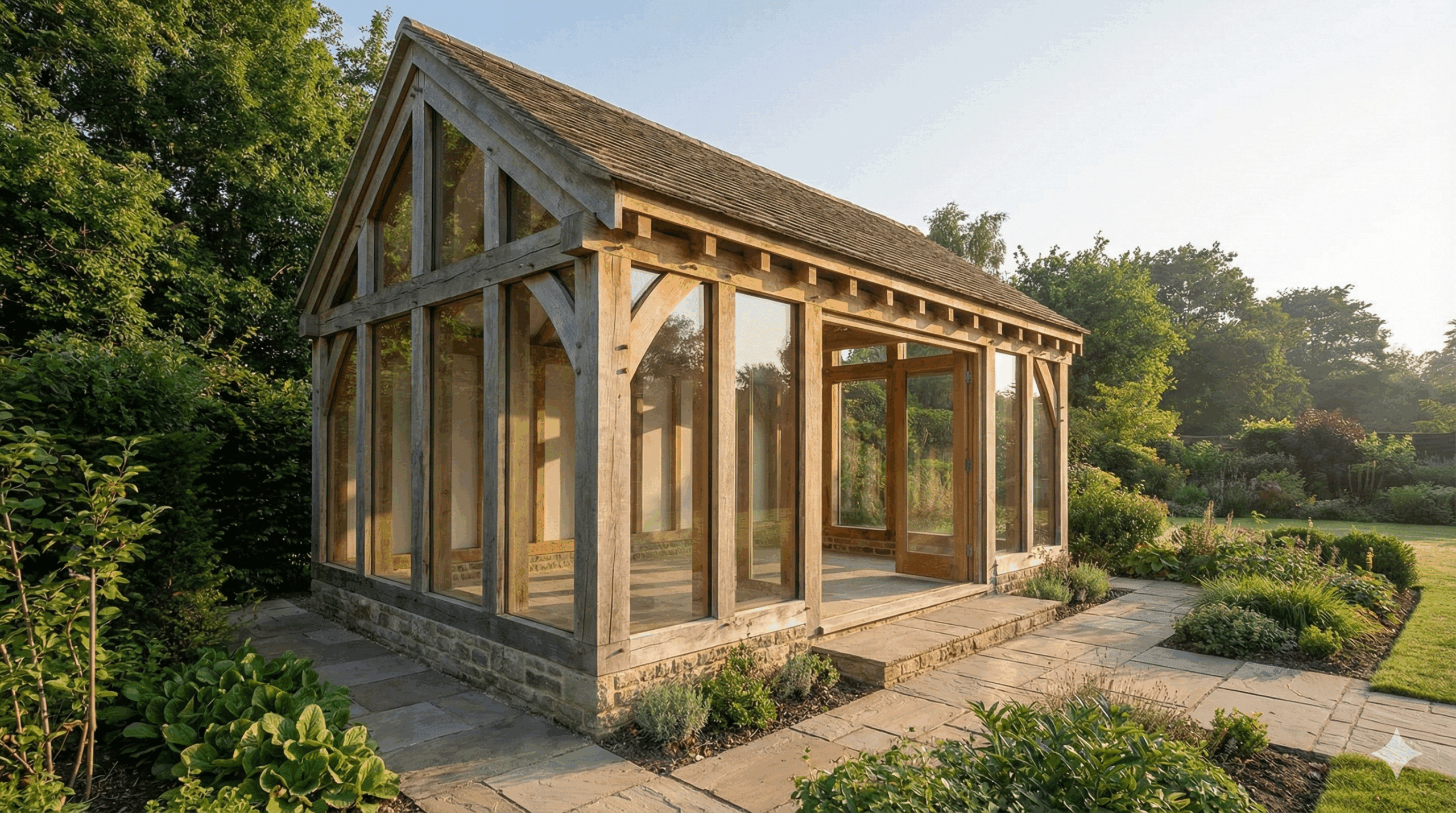
Timber and Timber-Aluminium: For period properties where aluminium feels inappropriate, engineered timber or timber-aluminium composite systems provide traditional aesthetics with modern performance. External aluminium cladding protects the timber from the UK’s weather while maintaining warm, natural internal finishes that complement historic interiors.
These hybrid systems offer the best of both worlds: the visual warmth and architectural authenticity of timber internally, combined with the low-maintenance durability of aluminium externally. They’re particularly appropriate for listed buildings and conservation area projects where material authenticity matters.
Roofing Options
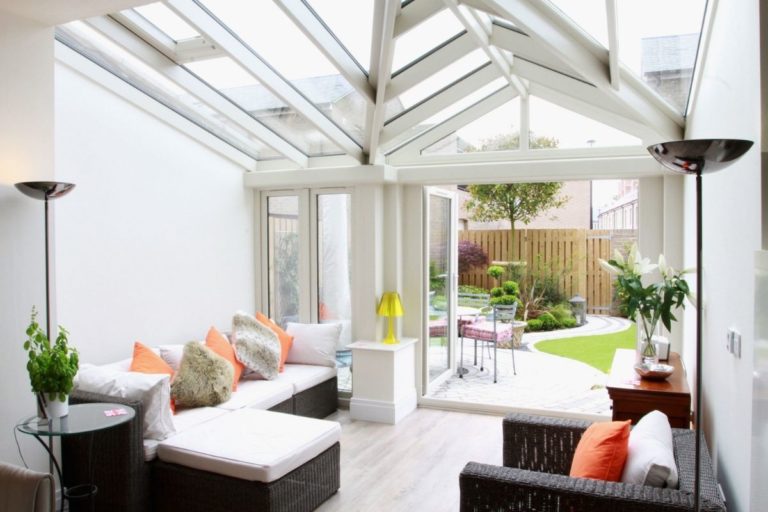
Glass Roofs: Maximise natural light with high-performance glass roofing. We specify solar control and self-cleaning coatings as standard, with electric blinds available for additional shading control when needed. Structural glass roofs can span impressive distances with minimal support, creating dramatic spaces flooded with light.
Modern glass roof technology has transformed what’s possible. Walk-on glass panels allow light to penetrate multiple floors. Electronically switchable glass can change from transparent to opaque at the touch of a button. Integrated LED lighting transforms glass roofs into dramatic illuminated features after dark.
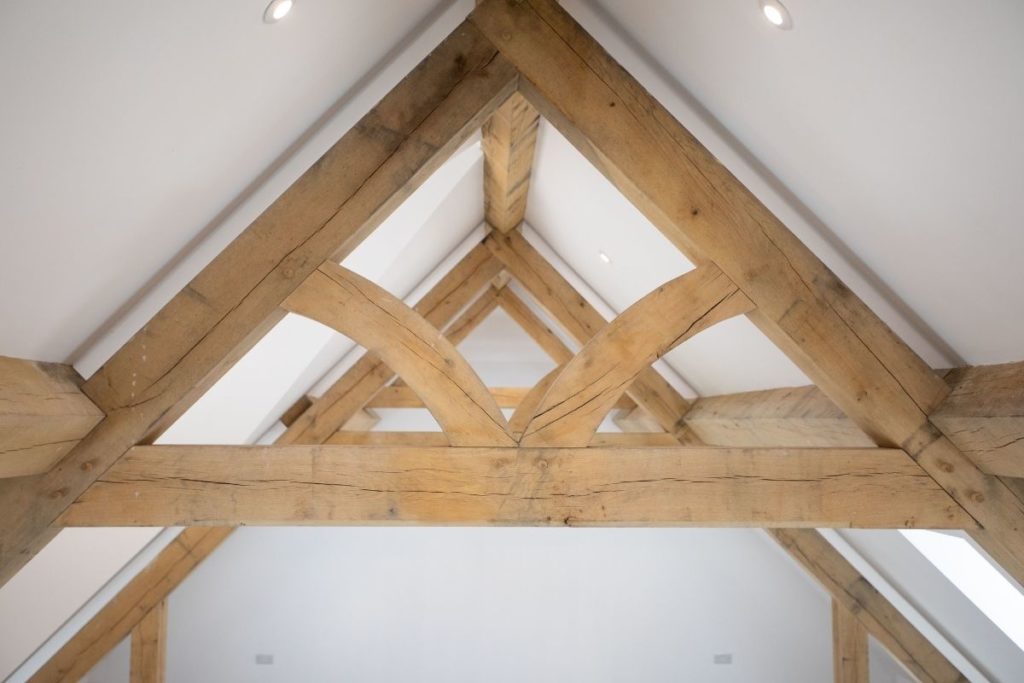
Solid Roofs with Lanterns: The orangery approach—a solid, plastered perimeter ceiling with central glazed lantern—creates a more room-like feel while still introducing abundant natural light. This design also provides concealment for lighting, speakers, climate control equipment, and electrical services.
The solid perimeter ceiling adds thermal mass that helps regulate temperature, keeping the space cooler in summer and warmer in winter than a fully glazed roof. For extensions used as primary living spaces rather than occasional garden rooms, this improved thermal stability significantly enhances year-round comfort.
Hybrid Solutions: Many UK projects combine solid and glazed roofing for optimal results. A solid section over the kitchen area conceals extraction and task lighting while a fully glazed section over the dining space maximises light where it’s most valued. This zoned approach creates distinct areas within open-plan layouts while optimising each zone’s performance.
Investment Guide: UK Glass Extension Costs
Luxury glass extensions in the UK represent a significant investment. Understanding the factors that influence pricing helps you budget appropriately and make informed decisions that balance aspiration with financial reality.
It’s worth noting that prices for premium glass extensions have increased significantly over the past five years, driven by rising material costs, skilled labour shortages, and increased demand in the UK market. However, the value they add to properties has also increased, maintaining attractive returns on investment.
Understanding UK Pricing
UK glass extension costs are influenced by numerous factors beyond simple size. The same 25-square-metre extension might cost £60,000 for a straightforward installation on a detached house with good access, or £90,000+ for a complex project on a listed property in a conservation area. Understanding these variables helps set realistic expectations.
| Extension Type | Typical Size | Price Range | Key Features |
|---|---|---|---|
| Lean-To Extension | 12-18 sqm | £45,000 – £70,000 | Single pitch roof, bi-fold doors, ideal for terraces |
| Premium Orangery | 18-30 sqm | £55,000 – £95,000 | Lantern roof, solid perimeter, period-appropriate |
| Kitchen-Diner Extension | 20-35 sqm | £60,000 – £110,000 | Open plan, full-width glazing, integrated kitchen |
| Architectural Glass Room | 20-40 sqm | £65,000 – £150,000+ | Minimal framing, structural glass, contemporary design |
| Bespoke Commission | Variable | £100,000+ | Unique architectural design, premium everything |
Factors Affecting UK Pricing
Several factors specific to different UK locations influence project costs, often significantly. Being aware of these from the outset prevents budget surprises and enables informed decisions.
Site Access: Narrow passages, lack of parking, and restricted delivery windows common in UK towns and cities add logistical complexity that directly affects costs. Materials may need to be hand-carried through properties or craned over buildings rather than delivered directly to site. Skip placement, scaffold erection, and plant access all become more complicated in various UK settings. For particularly challenging sites, logistics costs can add 10-20% to overall project budgets.
Conservation and Listed Building Requirements: Projects requiring planning permission, Listed Building Consent, or heritage impact assessments involve additional professional fees. More significantly, the design requirements to satisfy conservation officers often necessitate more expensive materials and construction methods. Handmade bricks, lime mortar, traditional joinery details, and heritage-appropriate finishes all cost more than standard alternatives.
Party Wall Agreements: Most UK extensions require party wall agreements with neighbours under the Party Wall etc. Act 1996. While the process is straightforward when neighbours are cooperative, disputes can add significant costs and delays. Surveyors’ fees, schedule of condition reports, and potential award payments to affected neighbours typically add £1,500-£5,000 to project costs, though difficult cases can cost considerably more.
Groundwork Complications: The UK’s geology varies considerably across regions, with areas of clay, chalk, gravel, sand, and made ground presenting different challenges. Poor ground conditions may require piled foundations rather than simple strip footings, potentially adding £10,000-£25,000 to foundation costs. Services diversions, drainage connections, and water authority agreements add further complexity.
Specification Expectations: UK clients typically expect higher specifications than standard domestic construction—better glazing, premium frames, superior finishes throughout. These expectations are entirely appropriate for premium properties but do affect pricing. A glass extension that would satisfy basic requirements may fall short of expectations in prestigious locations.
Working Restrictions: Many UK locations impose strict working hour restrictions, limiting noisy work to specific times. Some buildings, particularly in residential areas, have additional restrictions. These limitations extend project timelines and reduce productivity, both of which affect costs.
Return on Investment
A well-designed glass extension typically adds 5-10% to UK property values—potentially £50,000-£150,000+ on premium properties. Estate agents consistently report that seamless indoor-outdoor living spaces rank among buyers’ most desired features, often proving decisive in competitive sales situations. The key is quality: exceptional design and craftsmanship add value; poor execution can actually harm it. We’ve seen poorly designed extensions reduce property values by making houses harder to sell or requiring removal before sale.
Beyond financial return, consider the lifestyle value of your investment. A beautiful glass extension transforms how you live in your home, providing space, light, and garden connection that enhances daily life for years to come. Many clients tell us their extension is the best investment they’ve ever made—not because of its effect on property value, but because of how much joy it brings to family life.
The UK Glass Extension Process
From initial enquiry to final handover, our process is designed to deliver exceptional results while minimising disruption to your household. Every stage is carefully managed to ensure quality, maintain timeline, and keep you informed throughout. Here’s what to expect when you commission a luxury glass extension for your UK property.
We’ve refined this process over two decades of UK projects, learning what works and continuously improving our approach. The result is a streamlined journey from initial concept to completed extension that delivers outstanding results without unnecessary stress or surprises.
Our Six-Stage Process
Design Consultation
Week 1-2Our senior designer visits your UK property to assess the site, understand your requirements, and explore design possibilities. We’ll discuss your vision, budget parameters, and any planning considerations specific to your location.
- Site assessment and measurements
- Architectural style and planning analysis
- Initial design concepts and budget guidance
- Explanation of the process and timeline
Design Development
Week 2-4We develop your design through detailed drawings, 3D visualisations, and material specifications. You’ll see exactly how your extension will look and function before any commitment is made.
- Detailed floor plans and elevations
- Photorealistic 3D renders
- Material and finish selections
- Comprehensive itemised quotation
Planning and Approvals
Week 4-16 (if required)We handle all planning applications, Building Regulations submissions, and party wall matters on your behalf. Our established relationships with UK planning authorities help ensure smooth approvals.
- Planning application preparation and submission
- Listed Building Consent (if applicable)
- Building Regulations application
- Party wall notices and agreements
Manufacturing
Week 12-20Your bespoke glass extension components are precision-manufactured to our exact specifications. We use only established suppliers with proven quality and conduct factory inspections before delivery.
- Frame fabrication to precise dimensions
- Glass units manufactured to specification
- Quality control inspections
- Delivery coordination with site works
Installation
Week 18-26Our experienced installation teams bring your design to life. We coordinate all trades, manage deliveries around UK restrictions, and maintain clear communication throughout.
- Groundworks and foundations
- Structure and frame installation
- Glazing and weatherproofing
- Internal finishes and systems
Handover
Week 26-28Following rigorous quality inspection, we walk you through your completed extension, demonstrate all systems, and hand over comprehensive documentation including warranties and maintenance guidance.
- Final quality inspection
- Client walk-through and demonstration
- Documentation and warranty handover
- Aftercare support introduction
After Completion: Our Aftercare Commitment
Our relationship with clients doesn’t end at handover. Every Room Outside glass extension comes with comprehensive warranty coverage and ongoing aftercare support.
Our 10-year structural warranty covers the frame, glazing seals, and weatherproofing. Glass units carry manufacturer warranties of 10-15 years against seal failure. All moving parts—doors, windows, ventilation systems—are covered for a minimum of 5 years with options to extend. Should any issue arise, our dedicated aftercare team responds promptly to diagnose and resolve problems.
Beyond warranty support, we offer optional maintenance packages that keep your extension performing optimally for decades. Annual servicing includes inspection and adjustment of all moving parts, cleaning and treatment of seals, lubrication of hardware, and professional cleaning of glass including hard-to-reach roof panels. Many clients find these packages valuable for maintaining their extension in pristine condition.
UK Areas We Serve
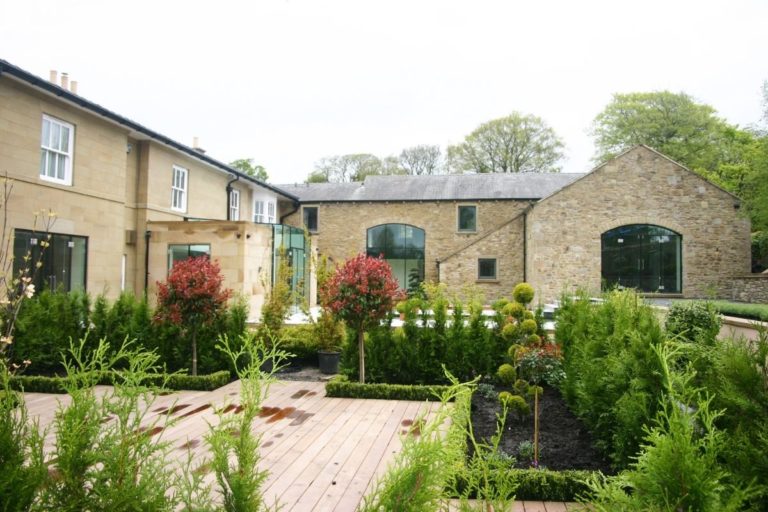
Room Outside designs and installs luxury glass extensions across the entire United Kingdom. Our teams have extensive experience in all UK regions, from historic city centres to rural estates, coastal properties to countryside retreats.
Whether you’re in a Georgian townhouse in Bath, a Victorian villa in Edinburgh, a contemporary home in Cardiff, or a country estate in Northern Ireland, we bring relevant experience to your project. Our portfolio includes successful completions in conservation areas, on listed buildings, and in some of the UK’s most architecturally sensitive locations.
England
London, Home Counties, South East, South West, Midlands, North West, North East, Yorkshire
Scotland
Edinburgh, Glasgow, Highlands, Islands, Central Belt, Borders, Aberdeenshire
Wales
Cardiff, Swansea, Newport, North Wales, South Wales, Pembrokeshire, Snowdonia
Northern Ireland
Belfast, Derry, Counties Antrim, Down, Armagh, Fermanagh, Tyrone, Londonderry
South East England
Kent, Surrey, Sussex, Hampshire, Berkshire, Oxfordshire, Buckinghamshire
South West England
Cornwall, Devon, Dorset, Somerset, Wiltshire, Gloucestershire, Bristol
Midlands
West Midlands, East Midlands, Birmingham, Nottingham, Leicester, Coventry
North England
Manchester, Liverpool, Leeds, Sheffield, Newcastle, Yorkshire, Lake District
What Our UK Clients Say
“Our Edinburgh home has been transformed. The glass extension floods our kitchen with light and creates the seamless garden connection we dreamed of. Room Outside understood exactly what we wanted and delivered beyond our expectations.”
“Navigating conservation area planning in Bath seemed daunting, but Room Outside handled everything. Their experience with heritage planning was evident, and our Georgian terrace now has a stunning contemporary orangery that the planners actually praised.”
“The team managed our Manchester project with impressive discretion and professionalism. Coordinating deliveries in our city centre location, keeping neighbours happy, and delivering exceptional quality—they made it look effortless.”
“We interviewed several companies but Room Outside’s UK-wide experience set them apart. They anticipated challenges we hadn’t considered and the finished glass room is the most beautiful space in our Welsh country home. Worth every penny.”
Sources and References
Planning Portal UK: Permitted Development Rights and Householder Extensions; Historic England/Historic Environment Scotland/Cadw: Listed Building Consent Guidance; Various Local Authorities: Conservation Area Guidelines; Glass and Glazing Federation: Performance Standards; Energy Saving Trust: Glazing Specifications; Room Outside: UK Project Data 2018-2026.
Frequently Asked Questions
How much does a luxury glass extension cost in the UK?
Luxury glass extensions in the UK typically range from £45,000 to £150,000+ depending on size, specification, and complexity. Premium orangeries average £55,000-£85,000, while architectural glass rooms with bespoke features can exceed £100,000. Urban locations may cost 15-25% more than rural areas.
Do I need planning permission for a glass extension in the UK?
Many extensions fall within Permitted Development rights, but 25% of UK historic properties are in conservation areas with additional restrictions. Article 4 Directions in historic areas remove PD rights entirely. We assess your specific situation during consultation.
How long does it take to build a luxury glass extension in the UK?
A luxury glass extension in the UK typically takes 16-28 weeks from design to completion. This includes 3-4 weeks for design, 4-12 weeks for planning (if required), 6-8 weeks for manufacturing, and 4-6 weeks for installation.
What glass specifications are recommended for UK properties?
Premium UK extensions typically feature triple-glazed units with Low-E coatings achieving U-values of 0.8 or better. Acoustic glass is essential for properties near busy roads. Self-cleaning glass reduces maintenance. Solar control glass prevents overheating in south-facing extensions.
Can you build a glass extension on a listed building in the UK?
Yes, glass extensions can be added to listed buildings but require Listed Building Consent. Designs must be sympathetic to historic character while being clearly contemporary. We have experience with listed buildings across all UK regions.
Do glass extensions add value to UK properties?
A well-designed glass extension typically adds 5-10% to UK property values—potentially £50,000-£150,000+ on premium properties. Seamless indoor-outdoor living spaces are among the most sought-after features for UK buyers.
How do you maximise space in a small garden?
Frameless structural glass creates uninterrupted views making spaces feel larger. Bi-fold doors merge indoor and outdoor areas. Roof lanterns draw light deep into the property. A 15-20 sqm extension can transform living space when expertly designed.
Which UK areas do you cover?
We cover the entire UK including England, Scotland, Wales, and Northern Ireland. With over 1,000 projects completed nationwide, we have extensive experience across all regions, from city centre properties to rural estates and coastal homes.
What are the challenges of building glass extensions in the UK?
UK properties present various challenges: conservation area and listed building restrictions affect many historic properties; party wall agreements are needed for most terraced or semi-detached projects; local planning requirements vary; and weather considerations affect installation timing.
How do I get a design consultation?
Contact us to arrange a free design consultation at your UK property. Our senior designer will assess your site, discuss your requirements, and provide initial design concepts and budget guidance. Call 01243 538999 or complete our online form.
Ready to transform your UK home? Call our design team on 01243 538999 for a free consultation
Create Your Perfect UK Living Space
Discover how a bespoke glass extension can transform your UK property. Our expert designers create stunning spaces that maximise light, connect you with your garden, and add significant value to your home.