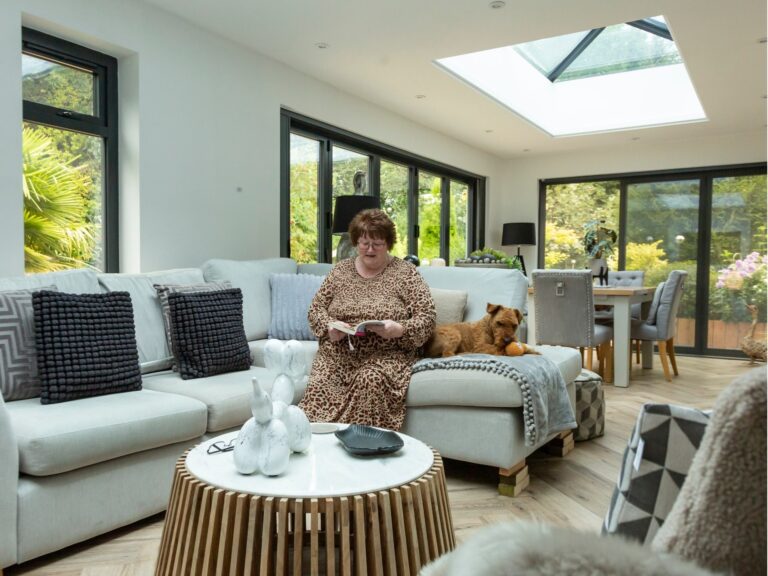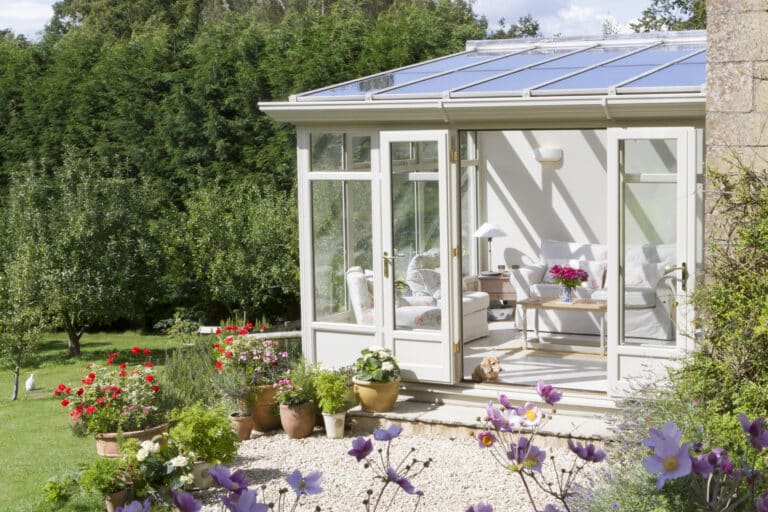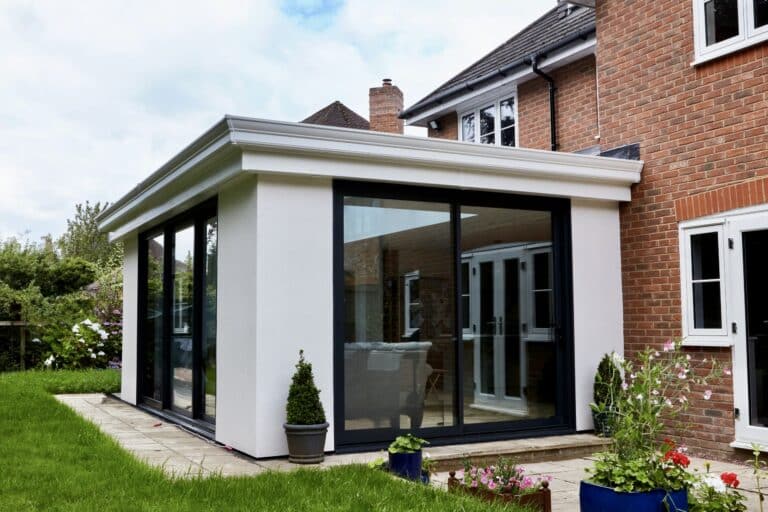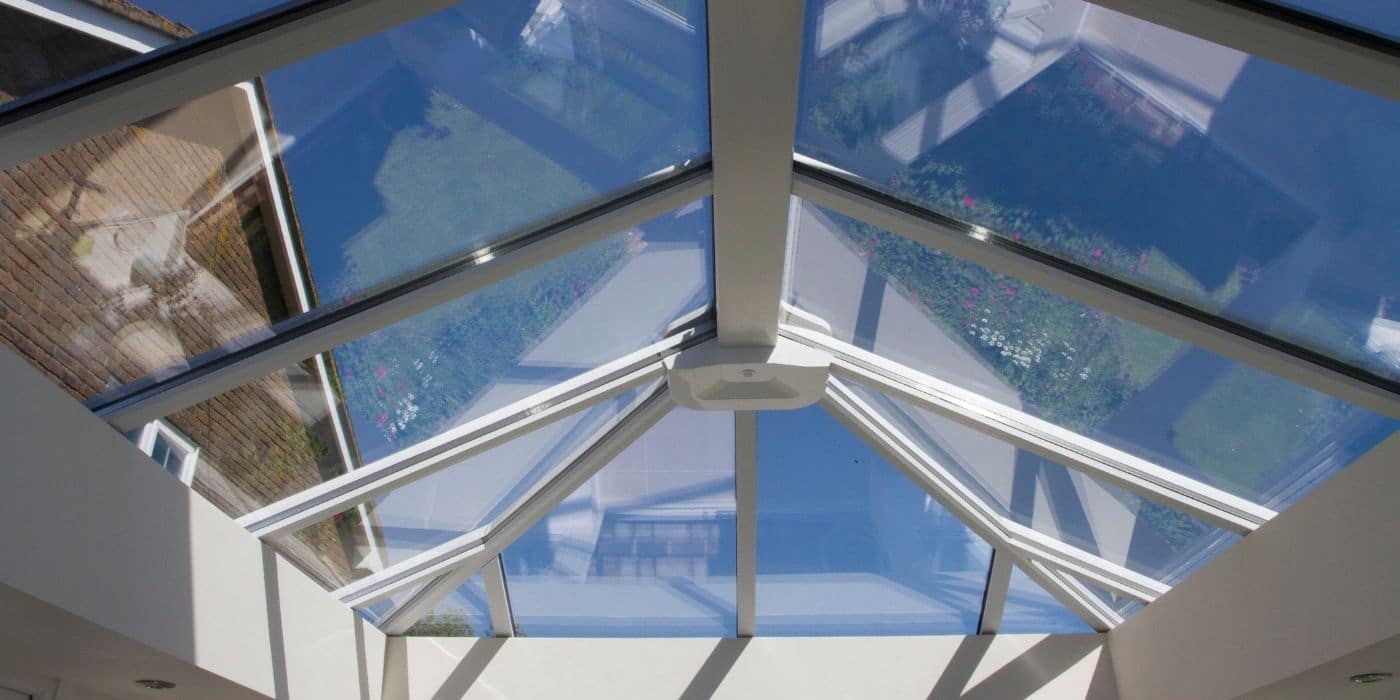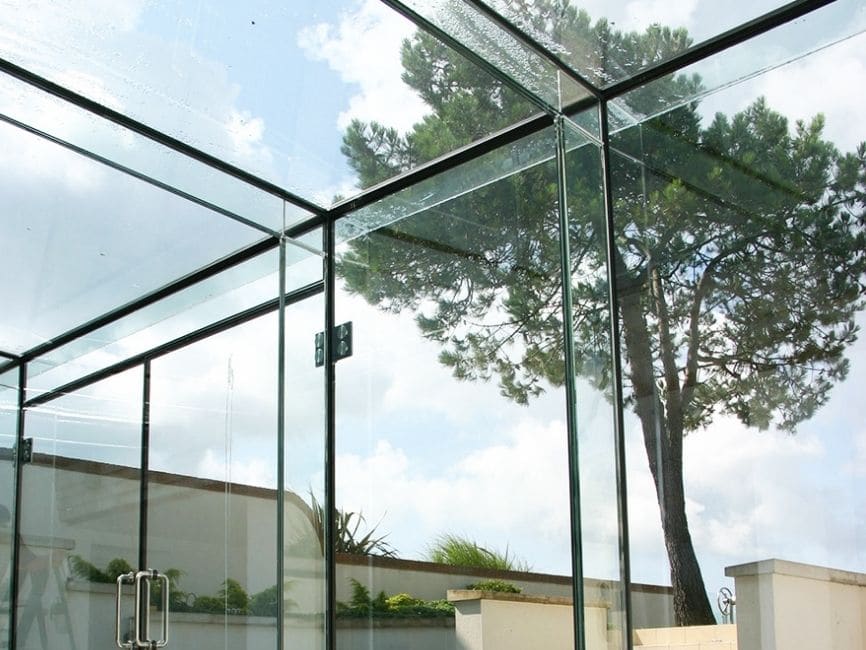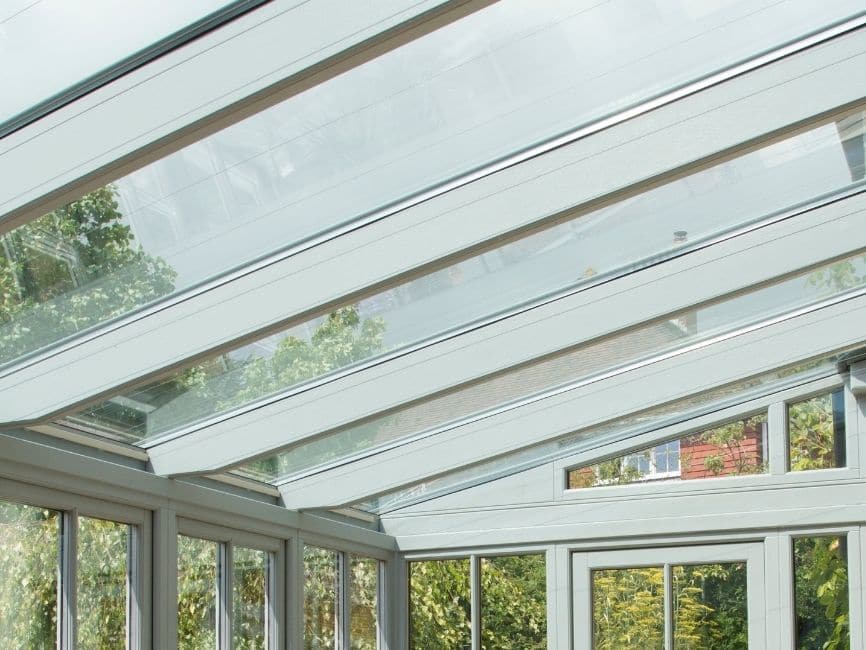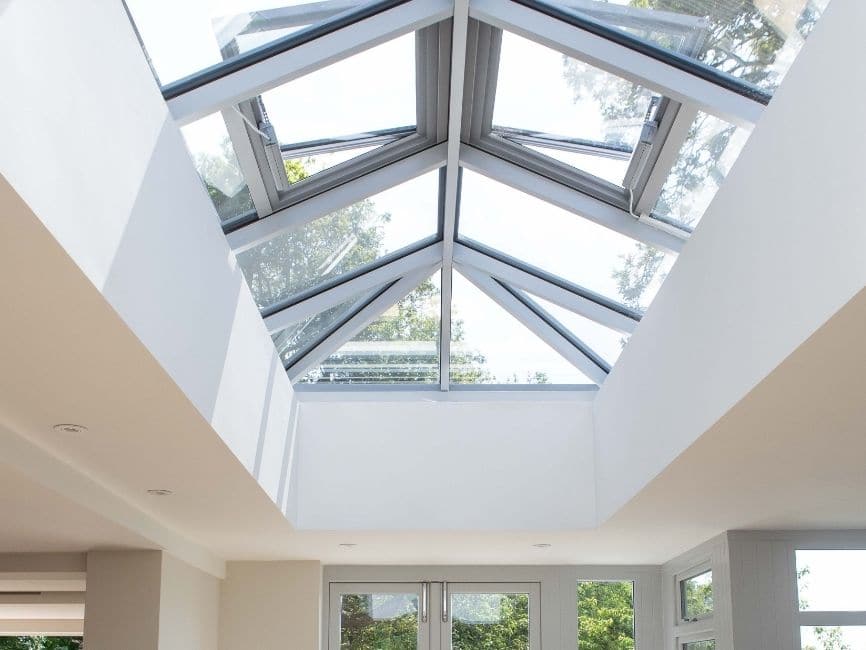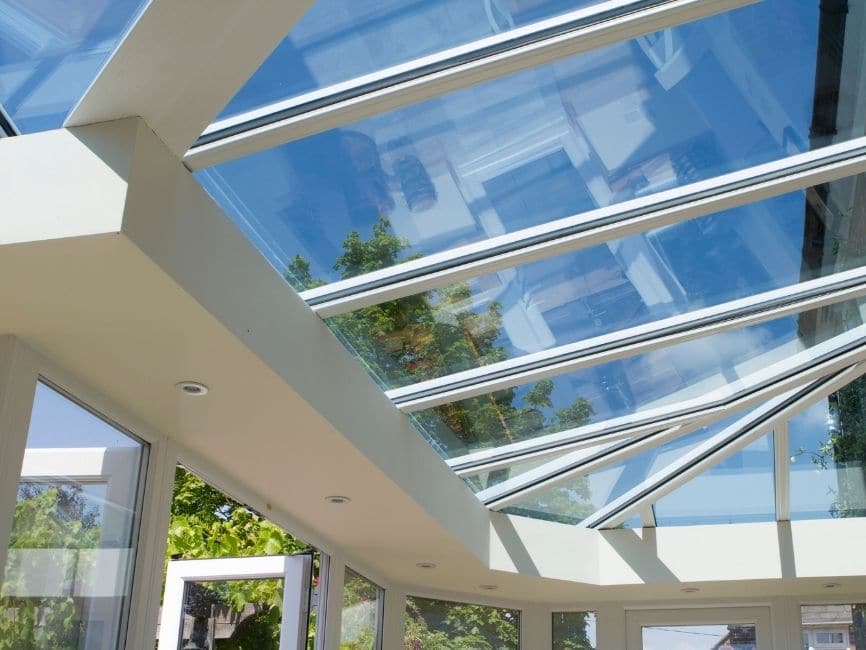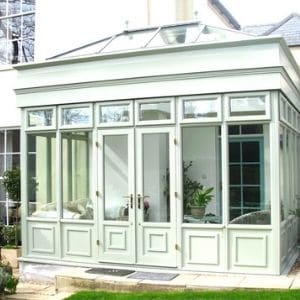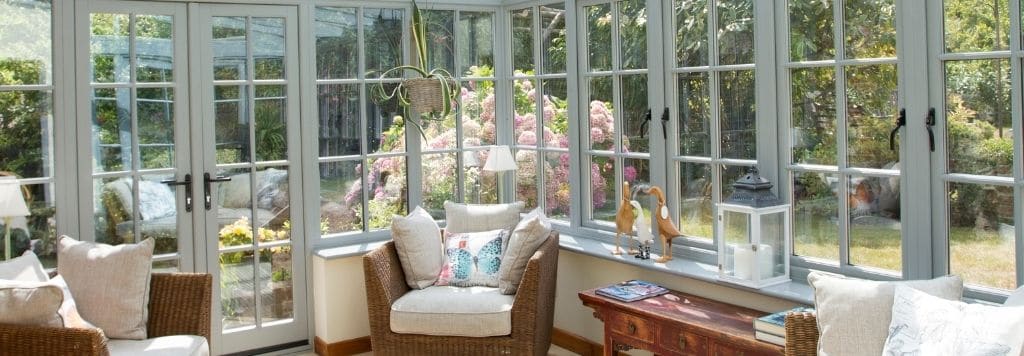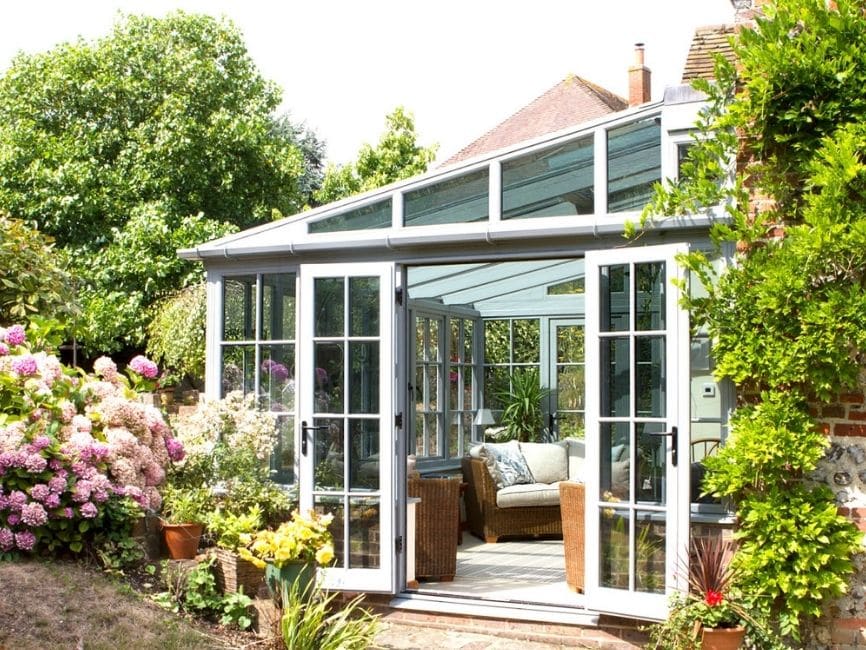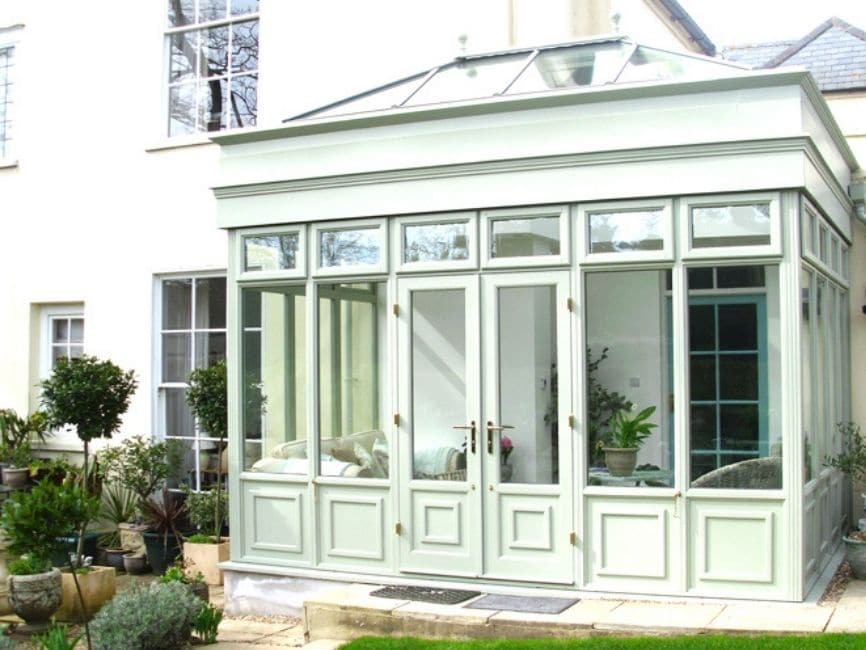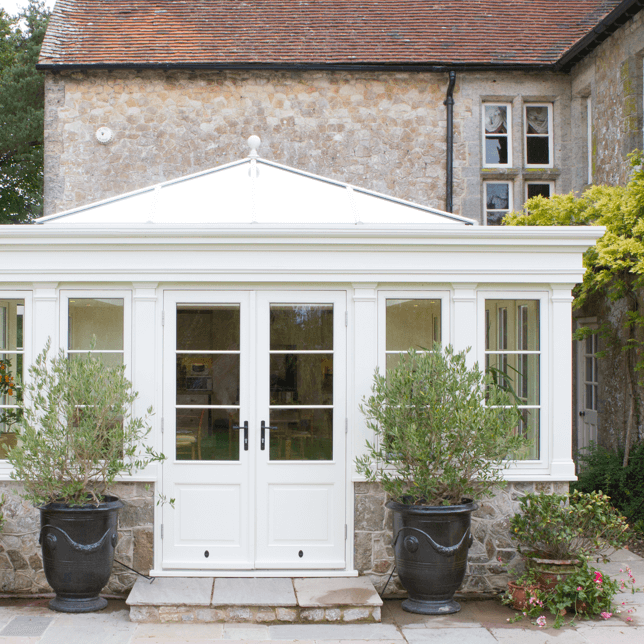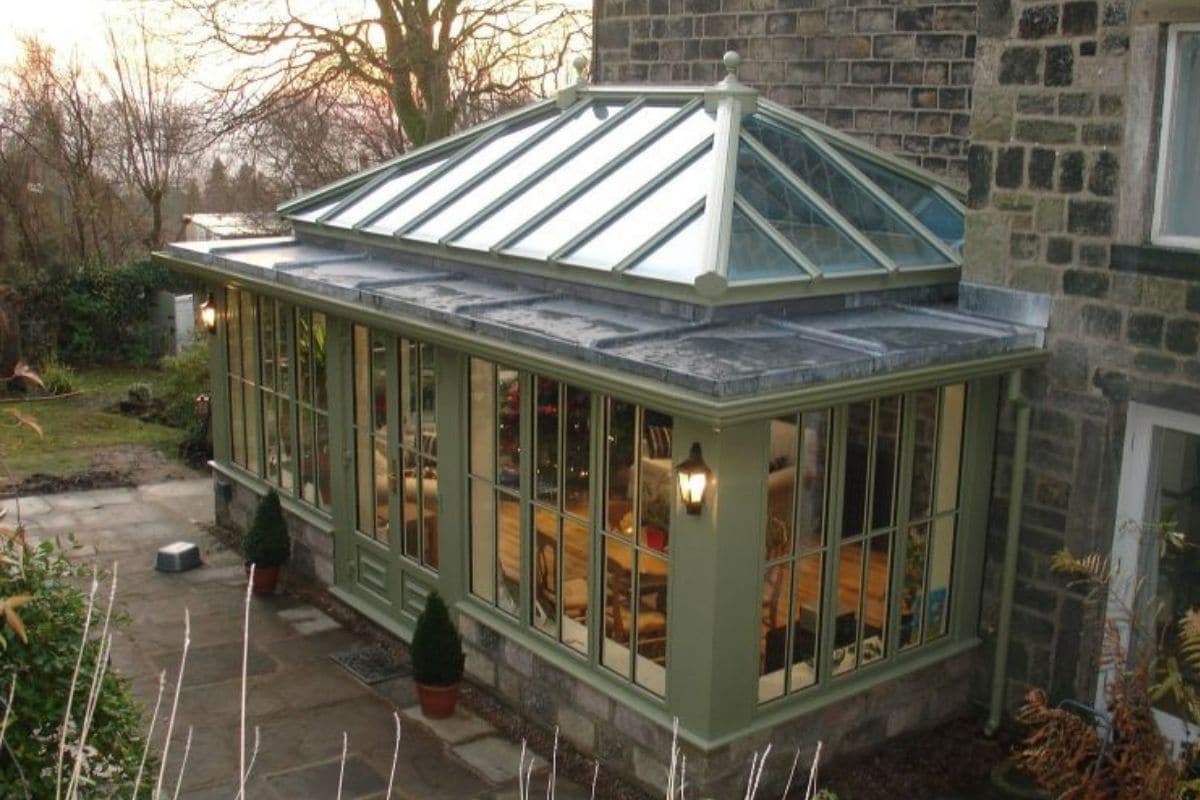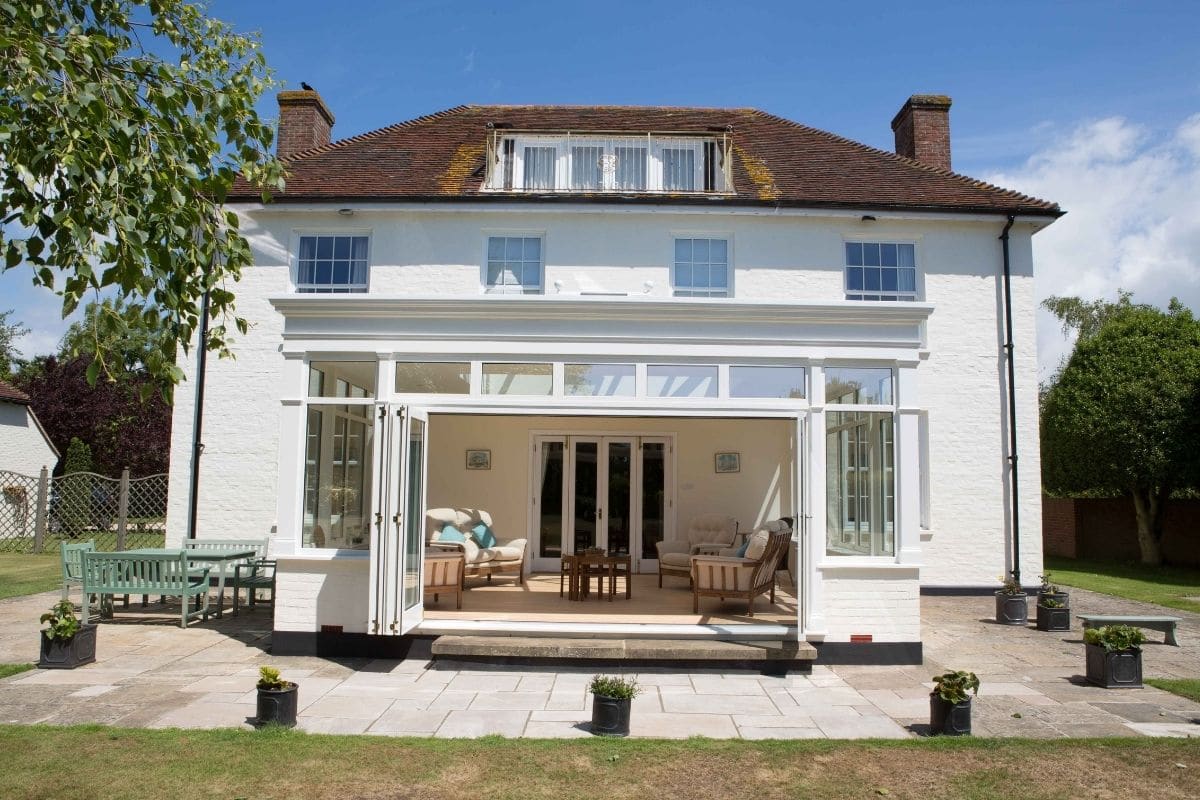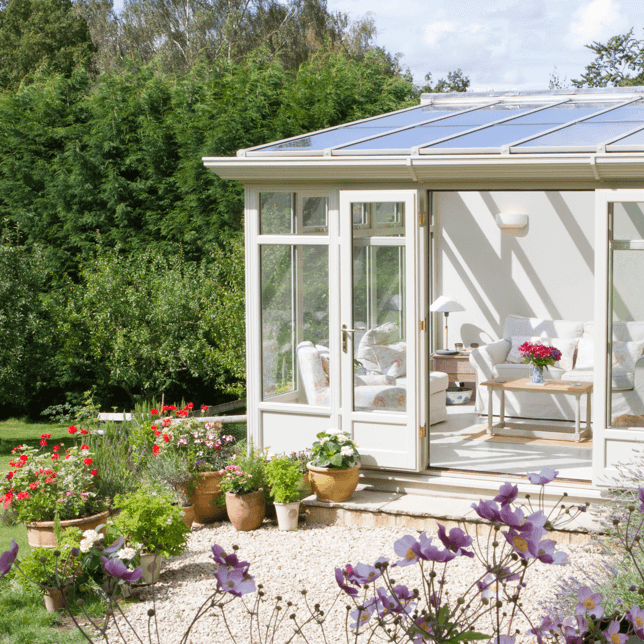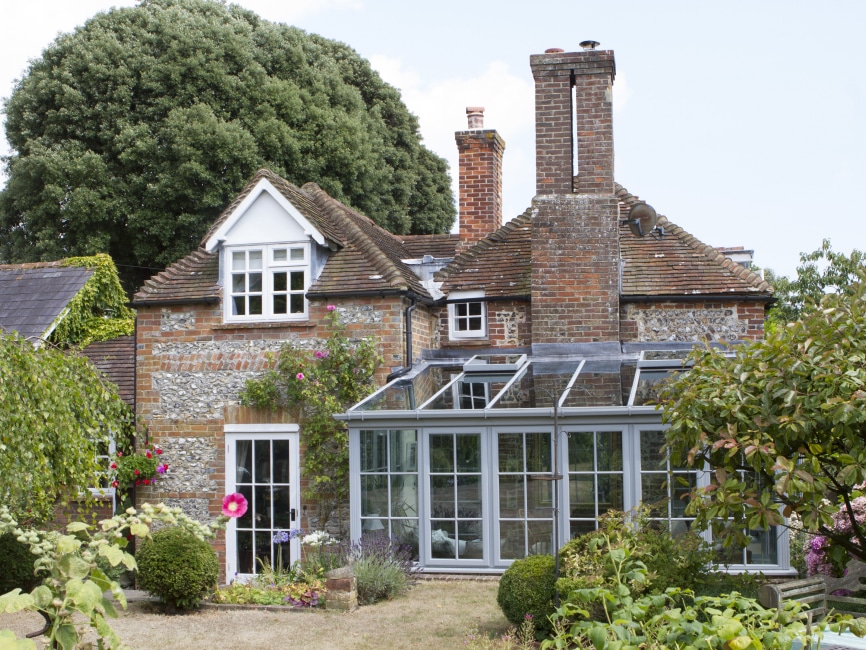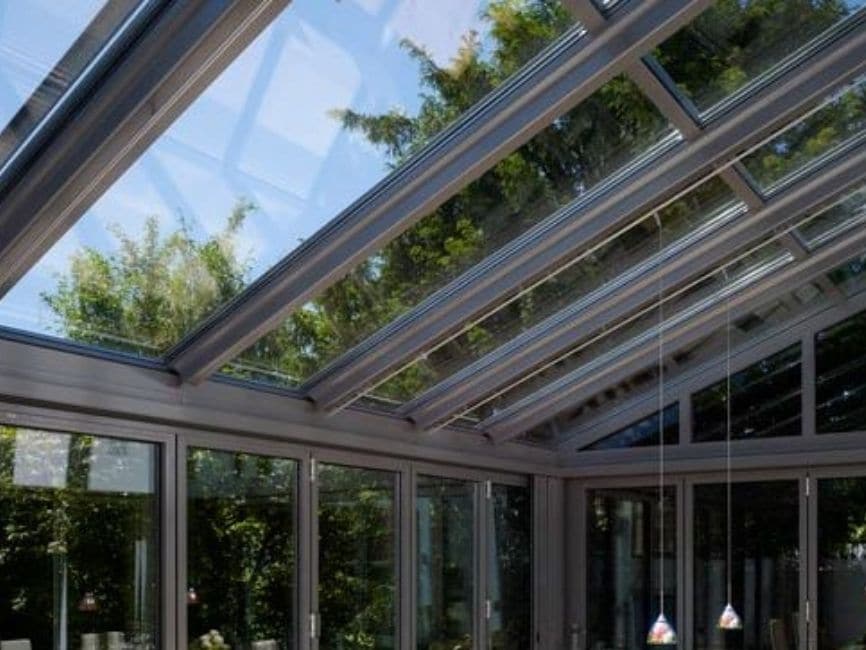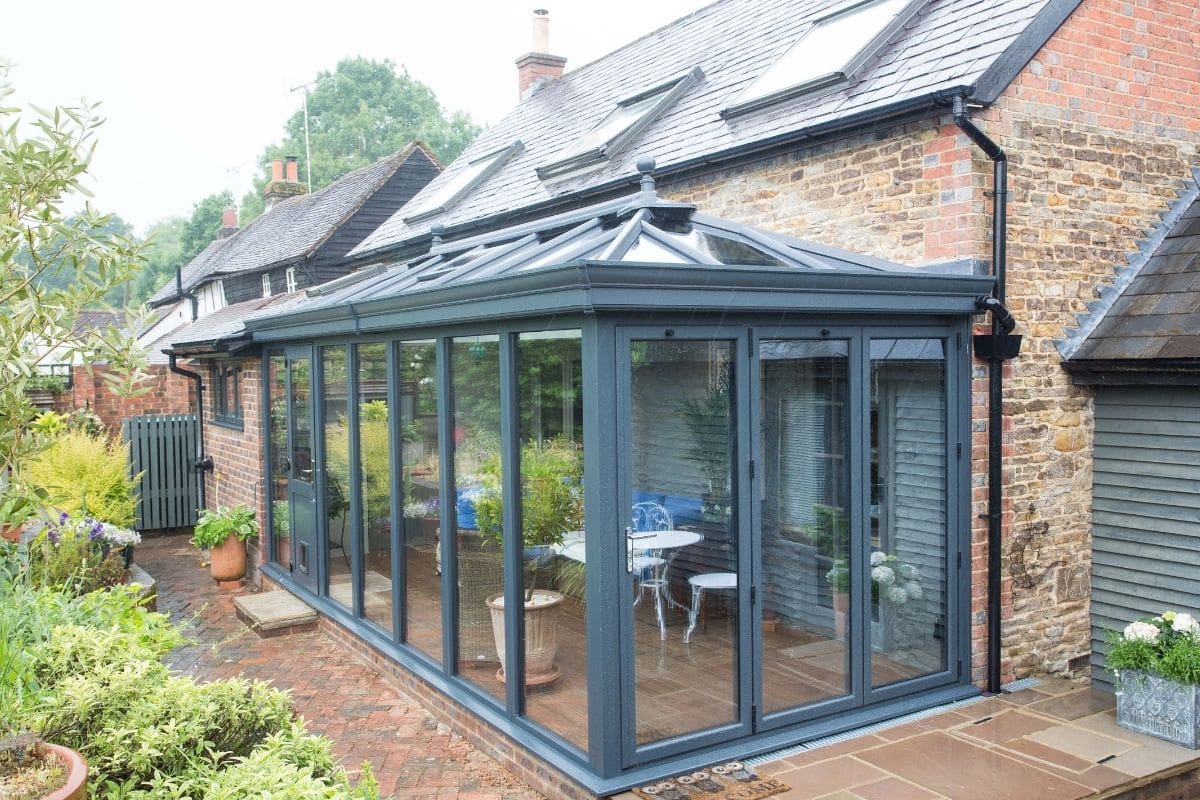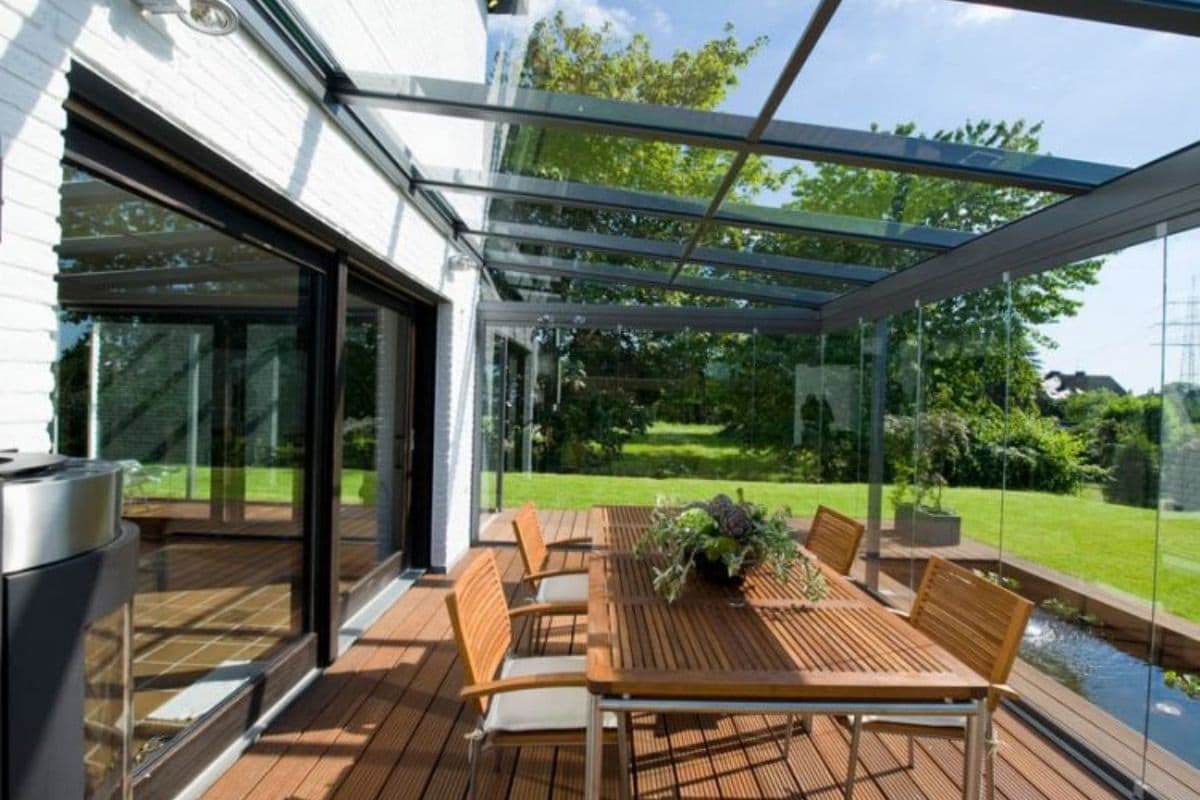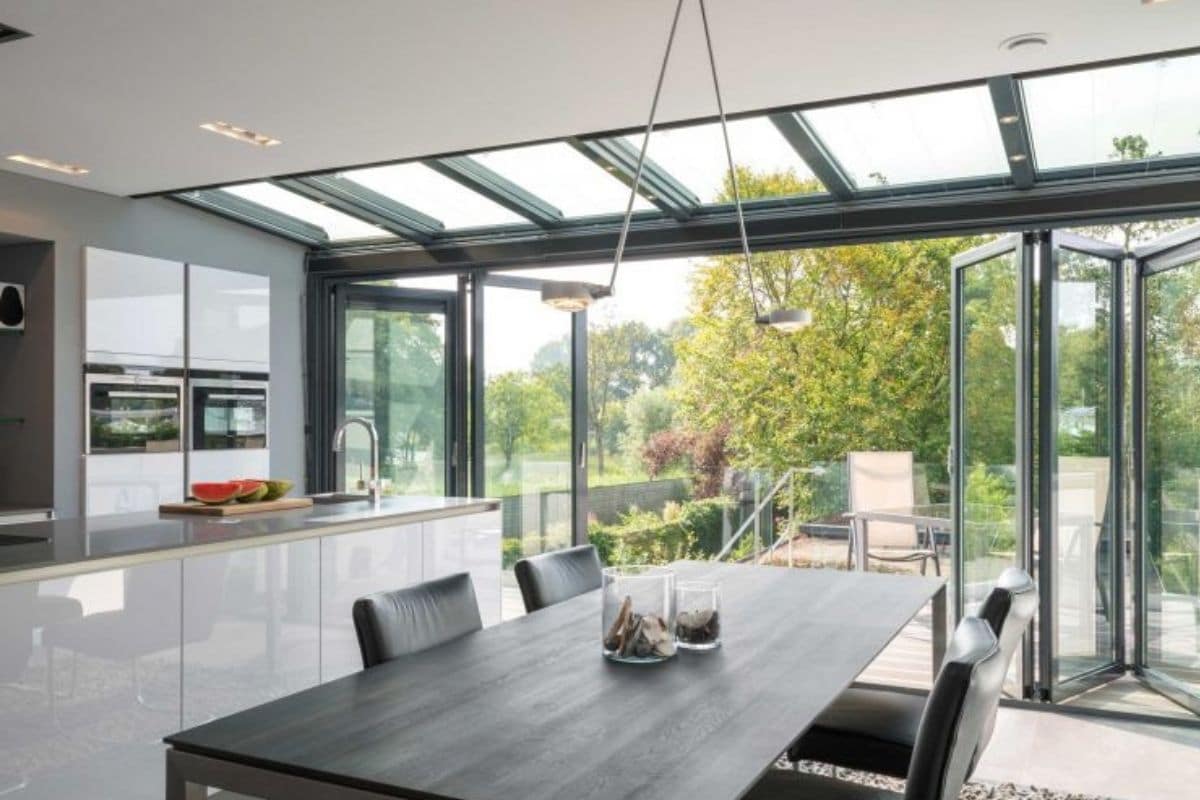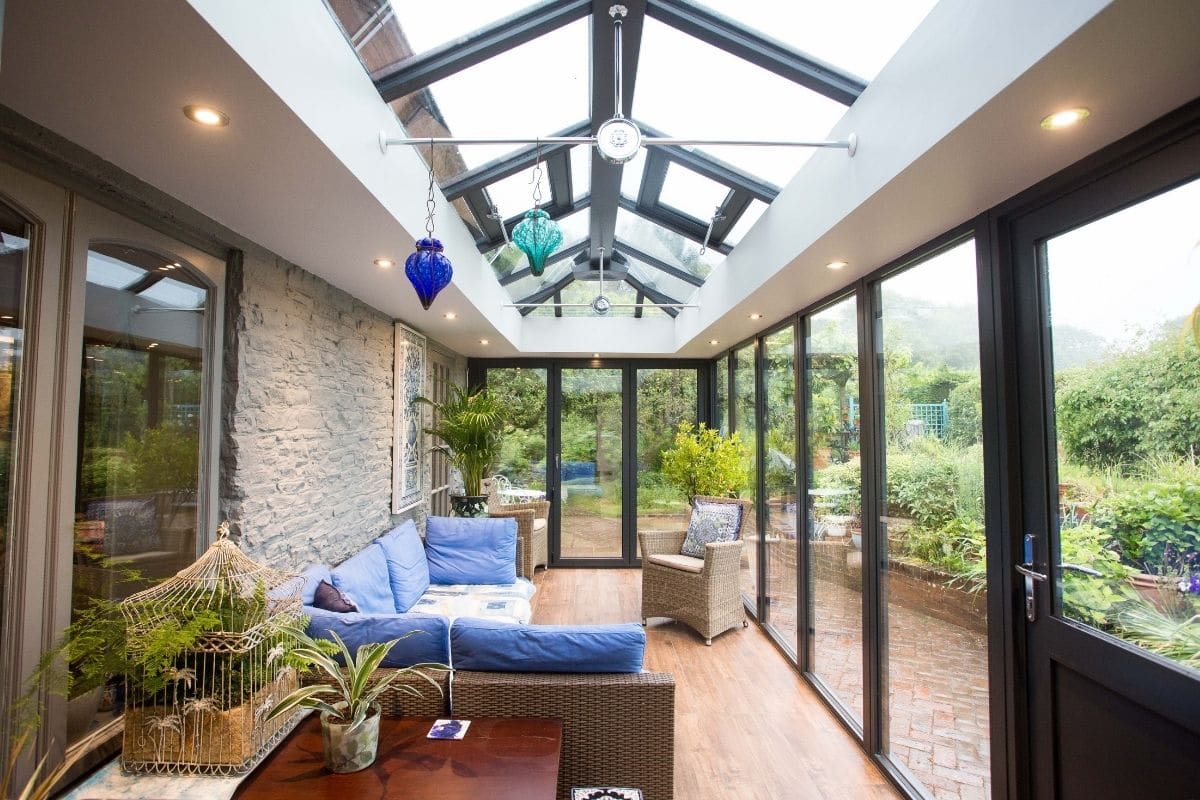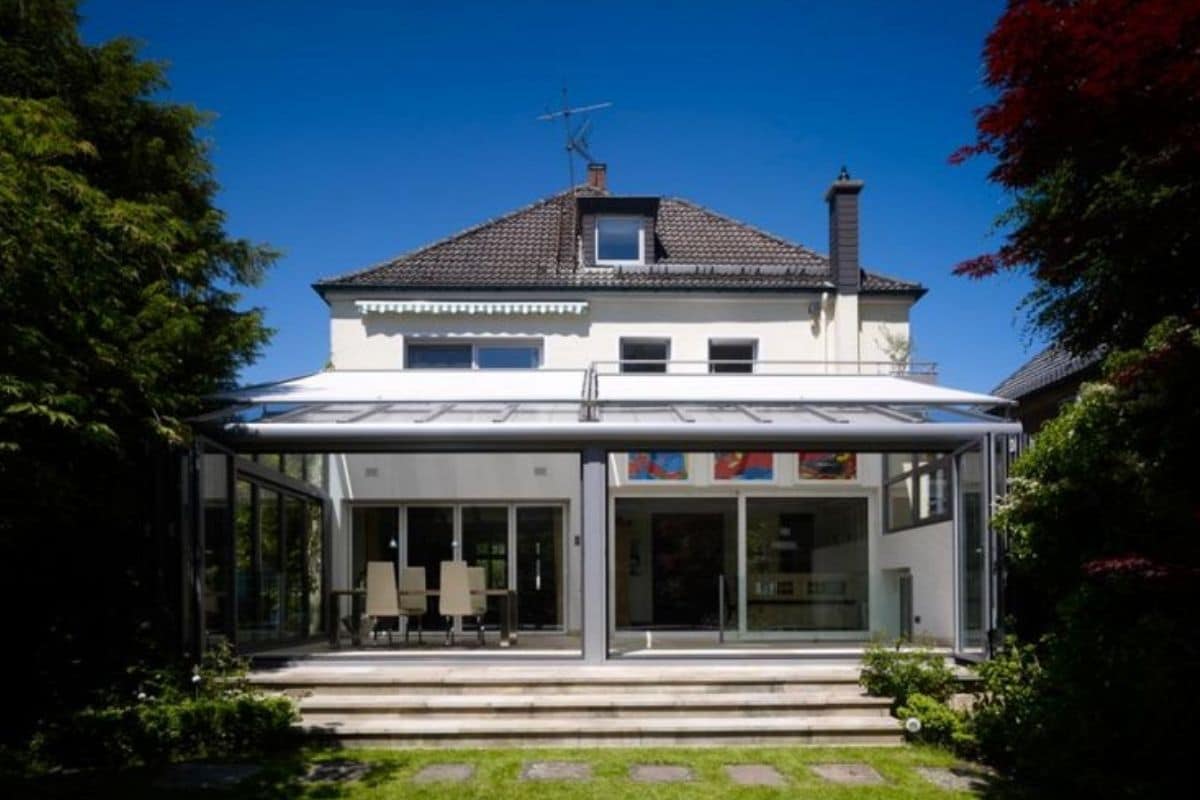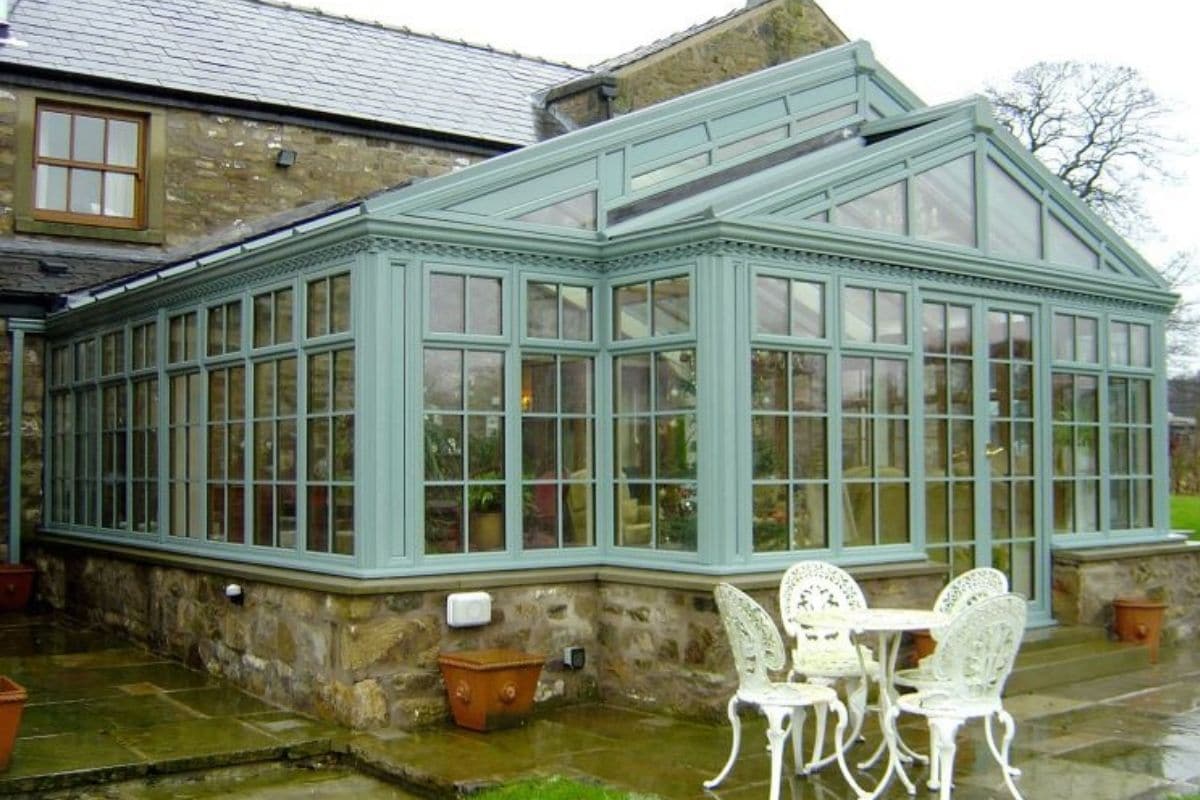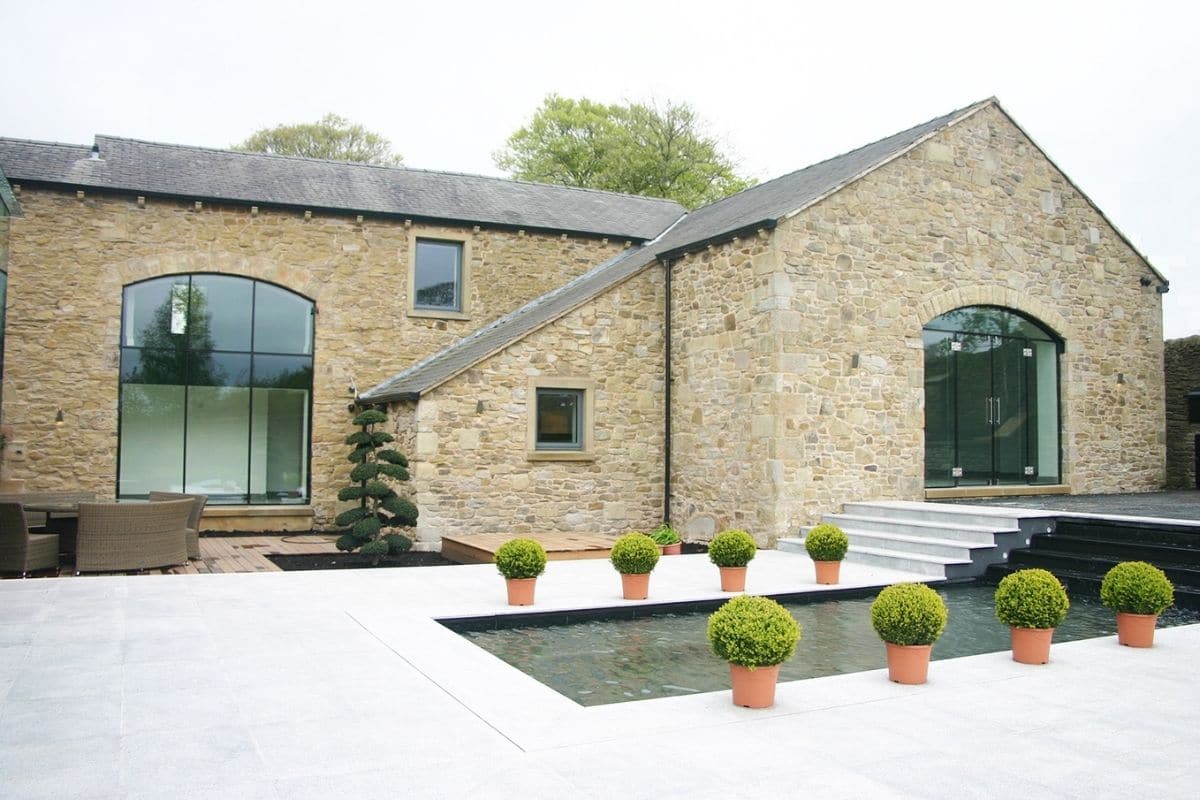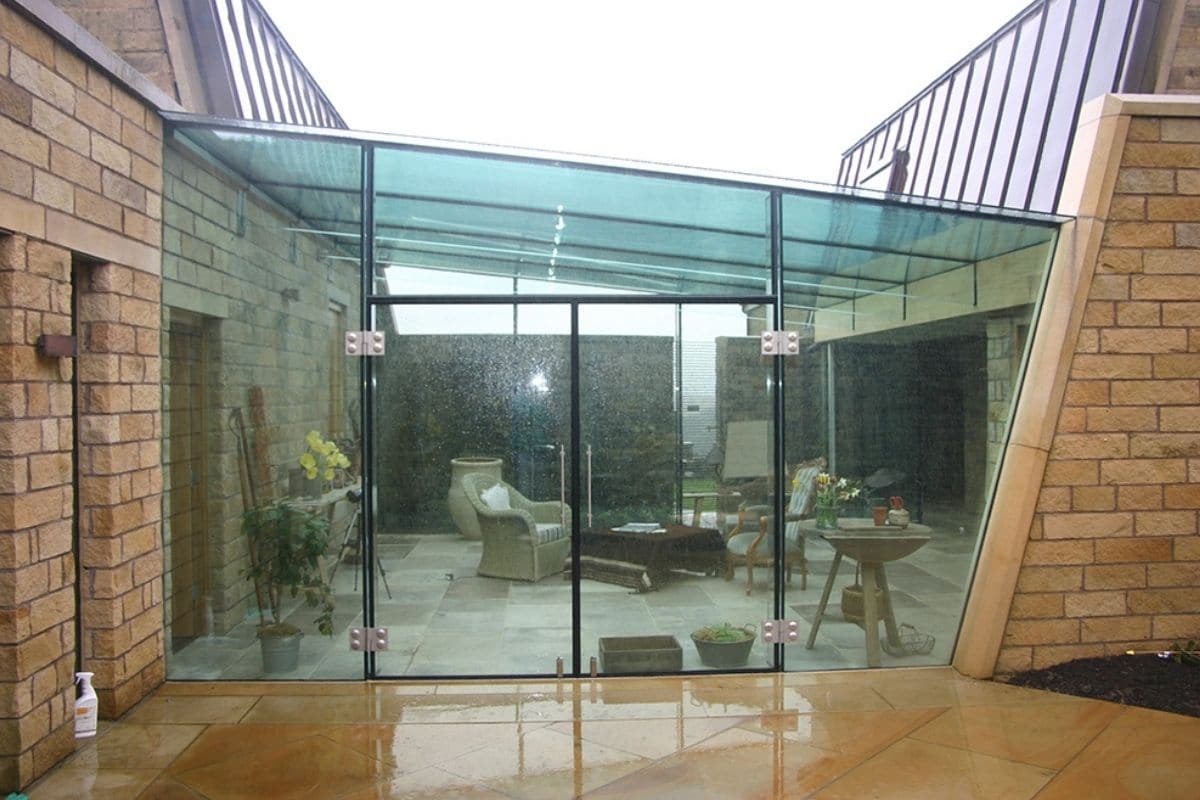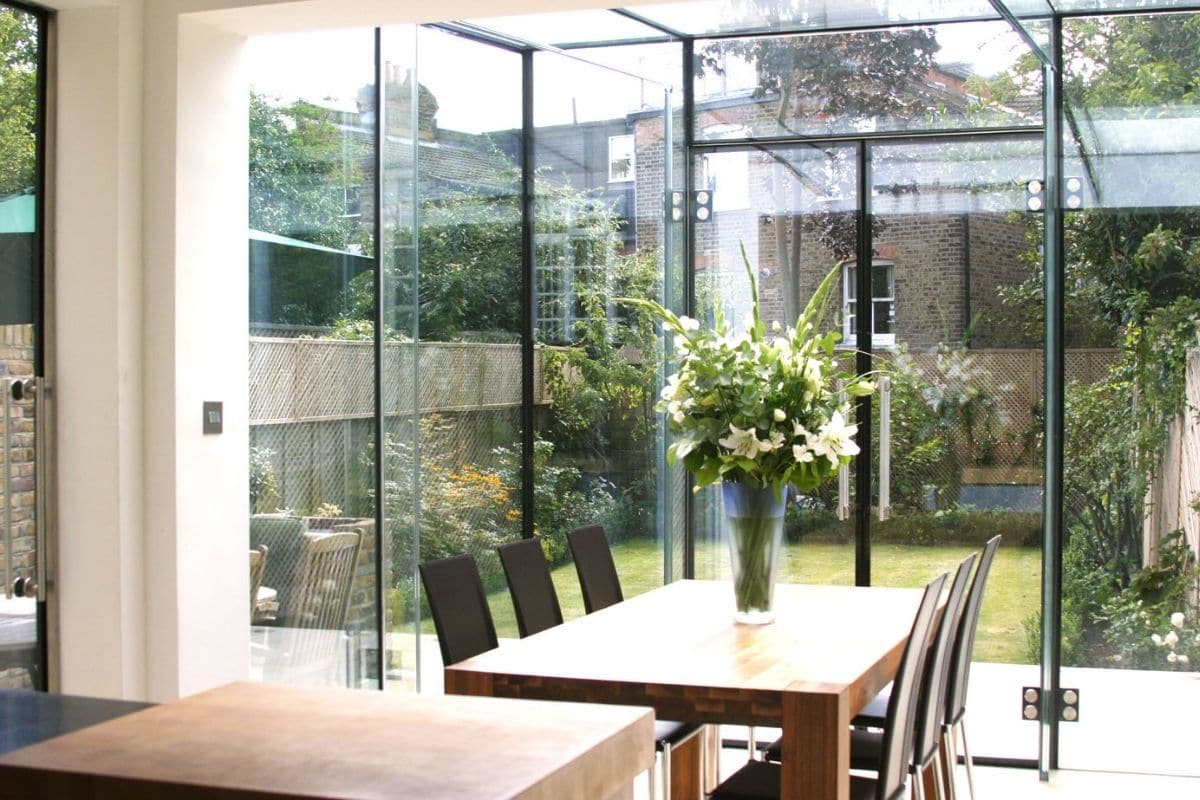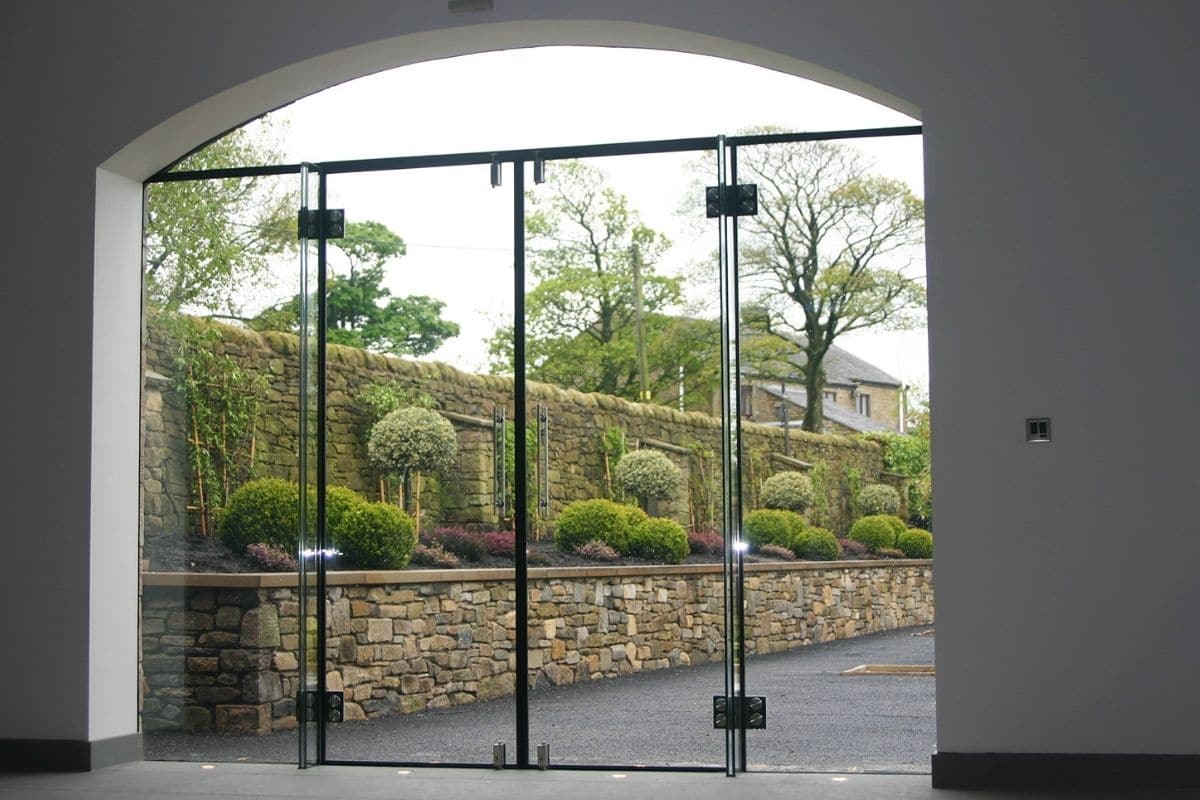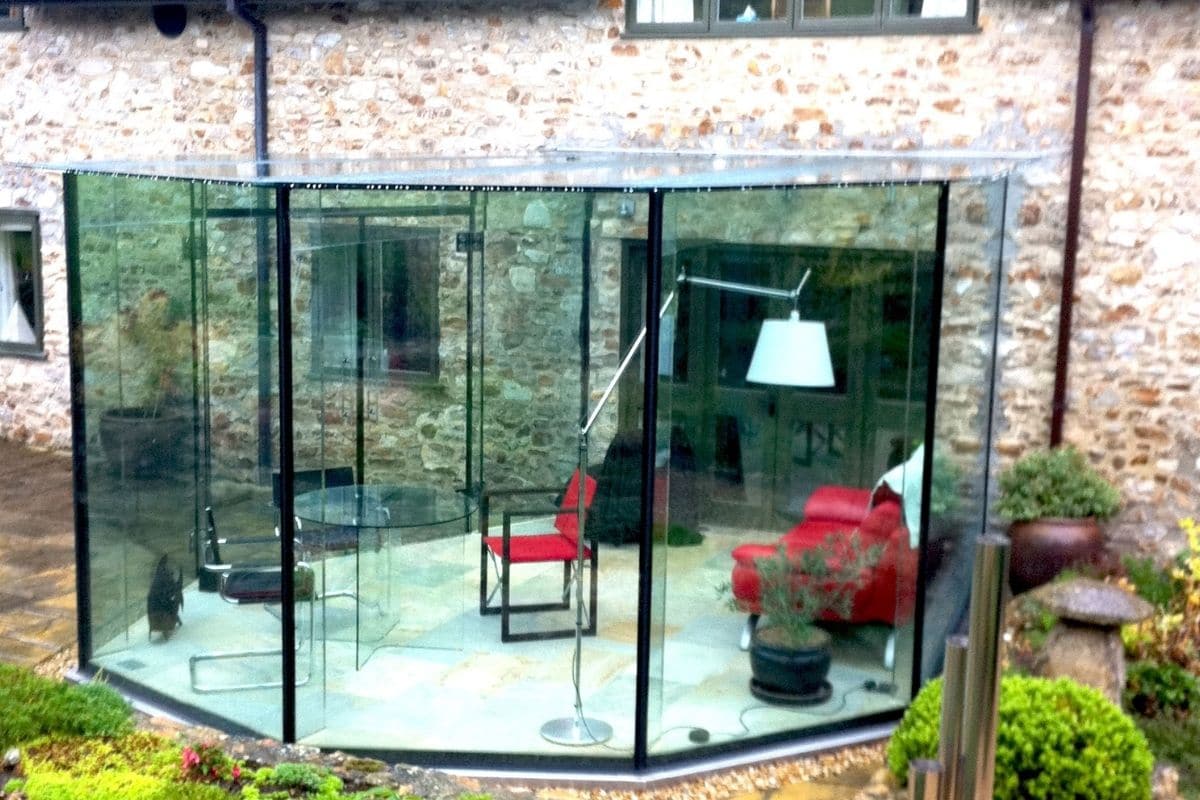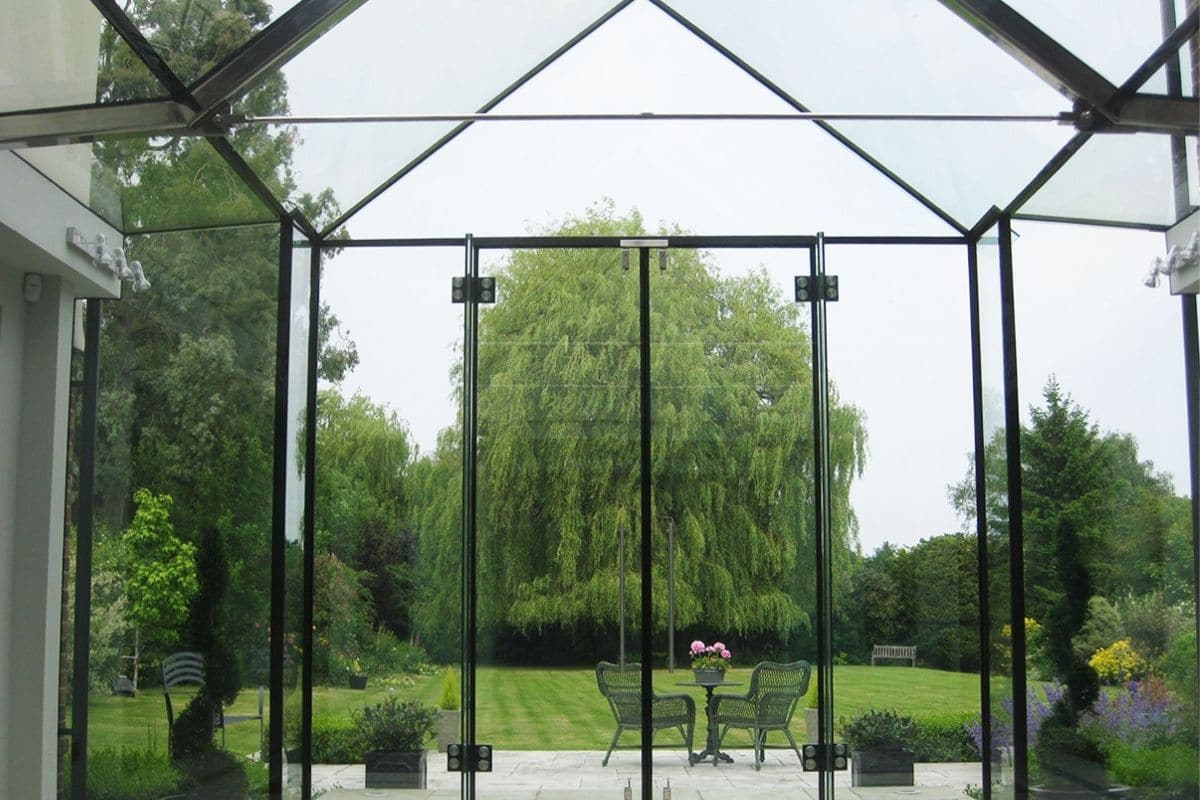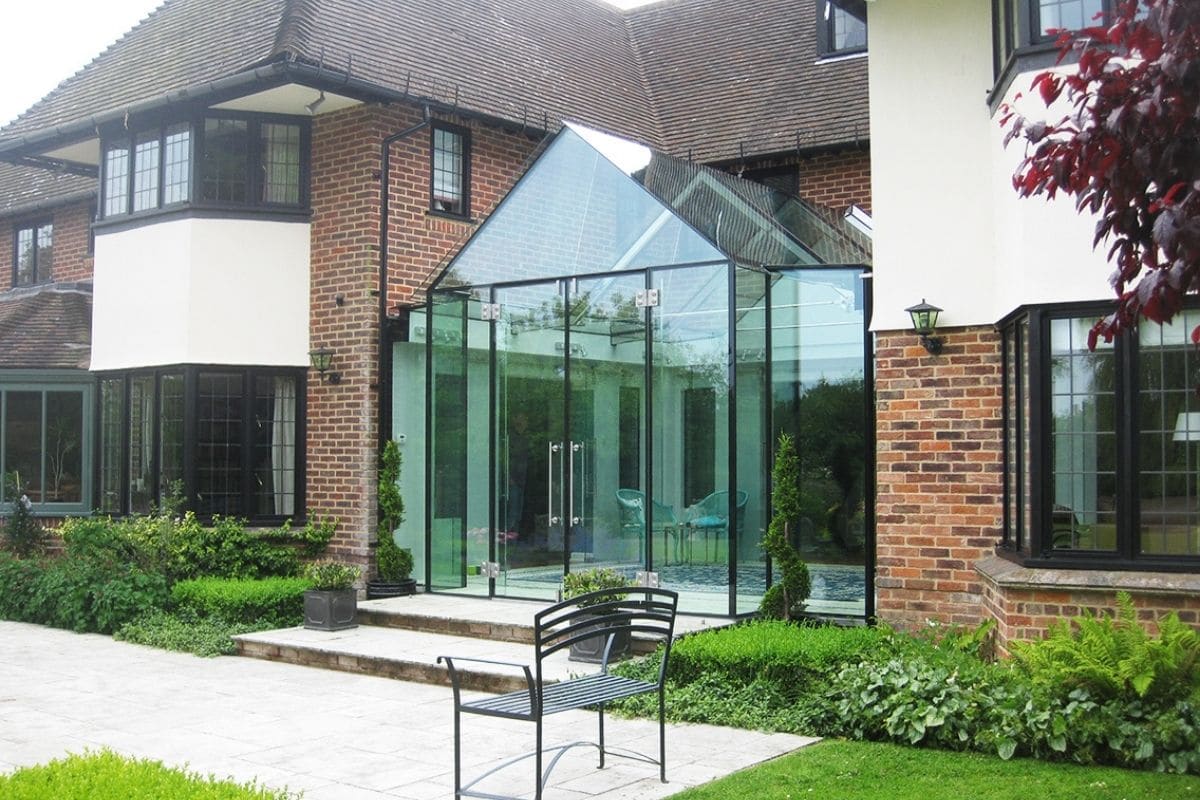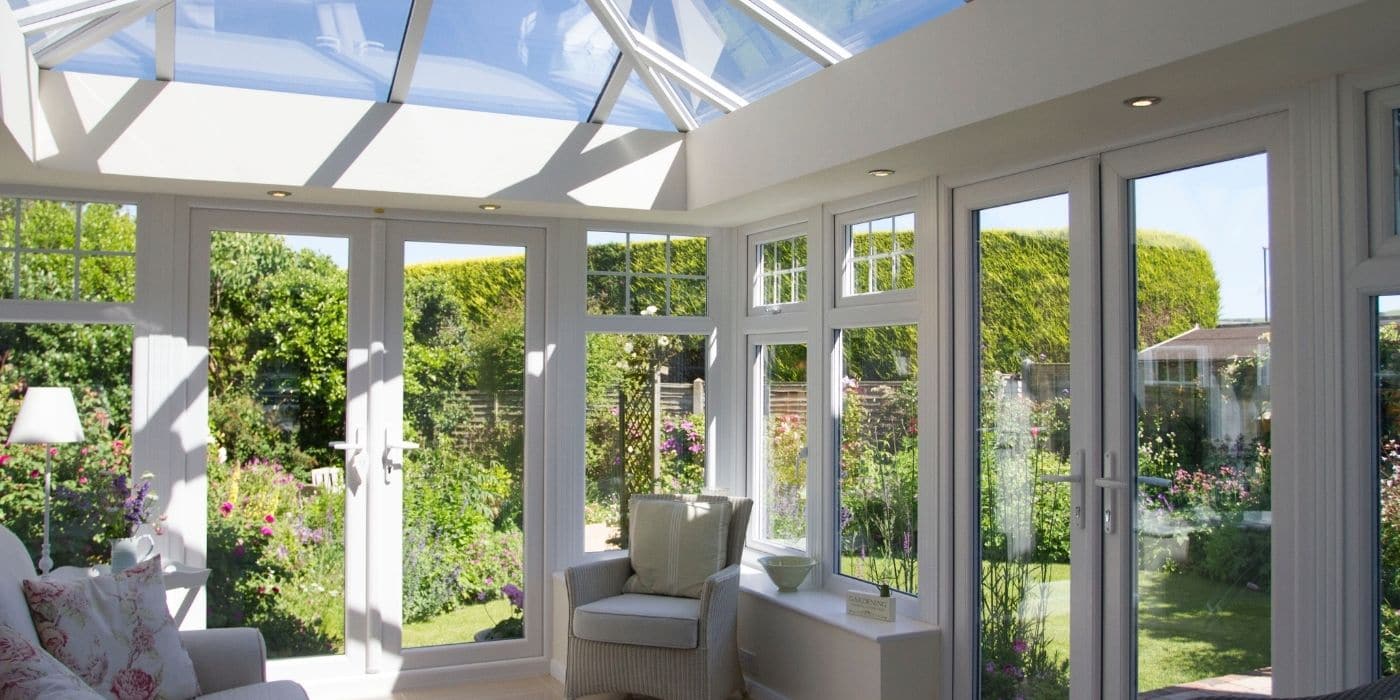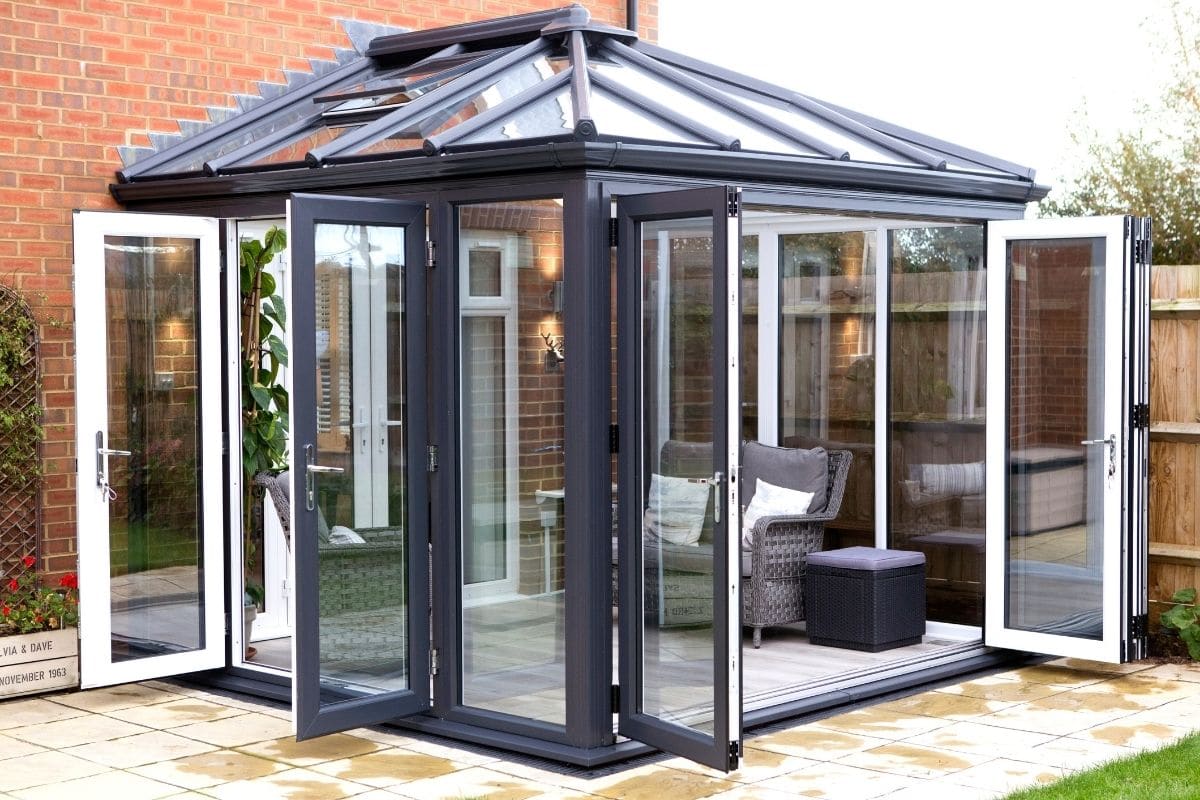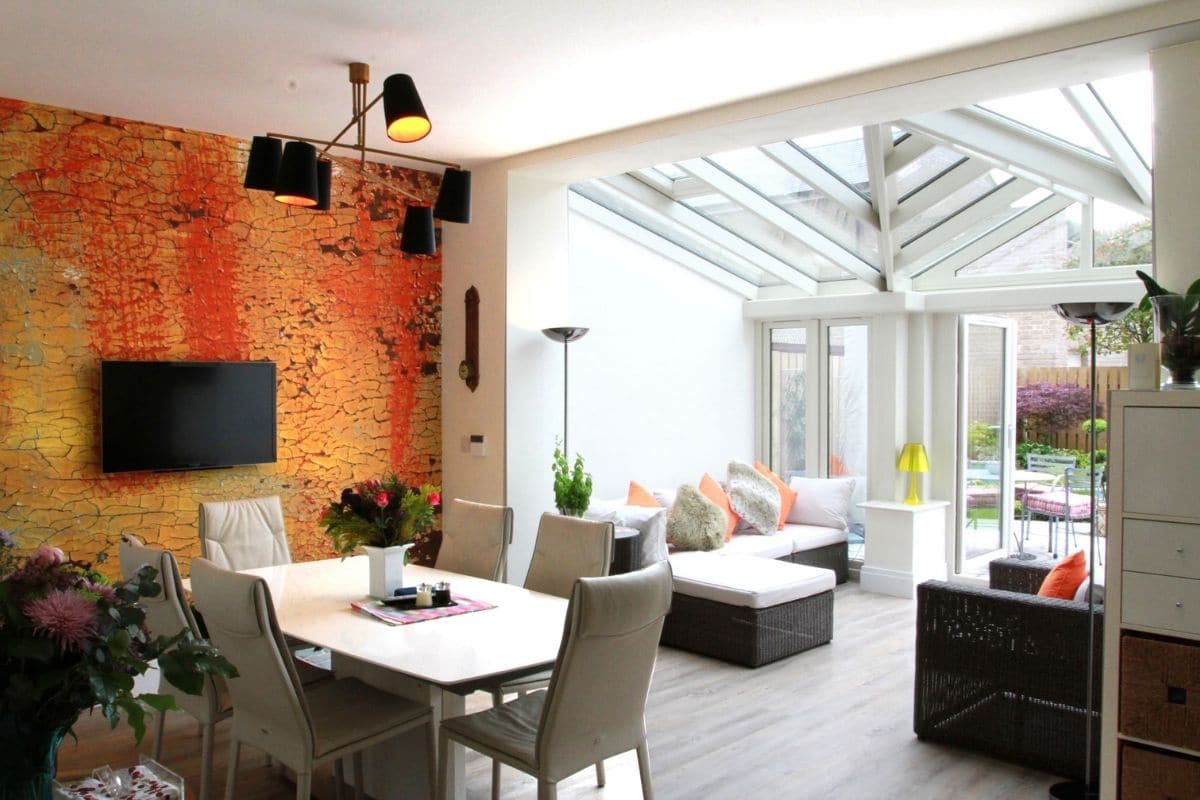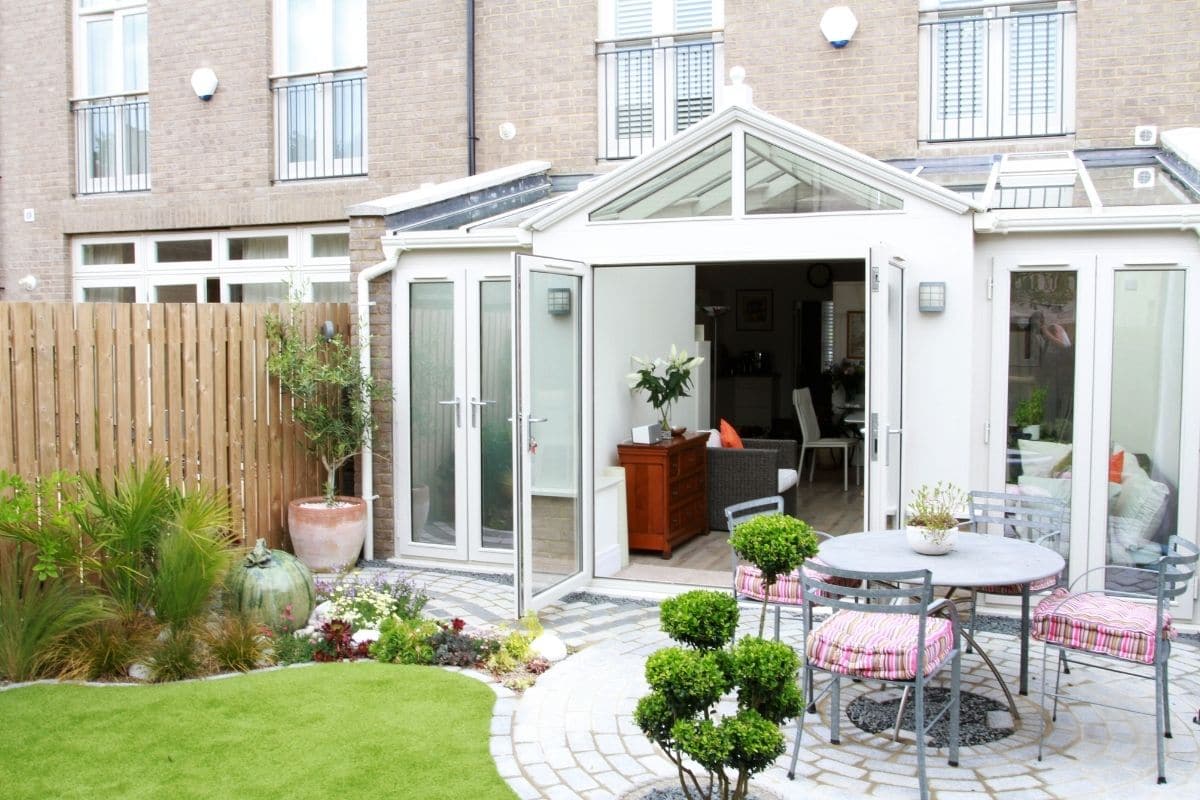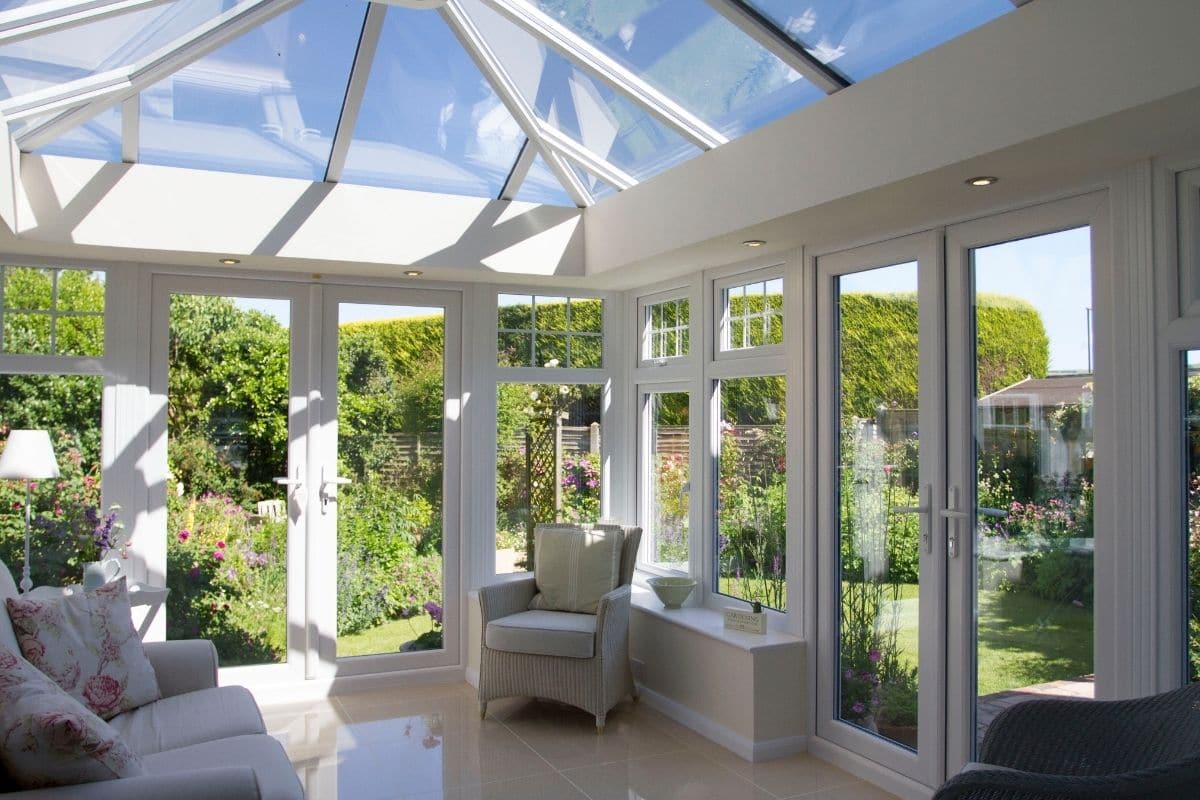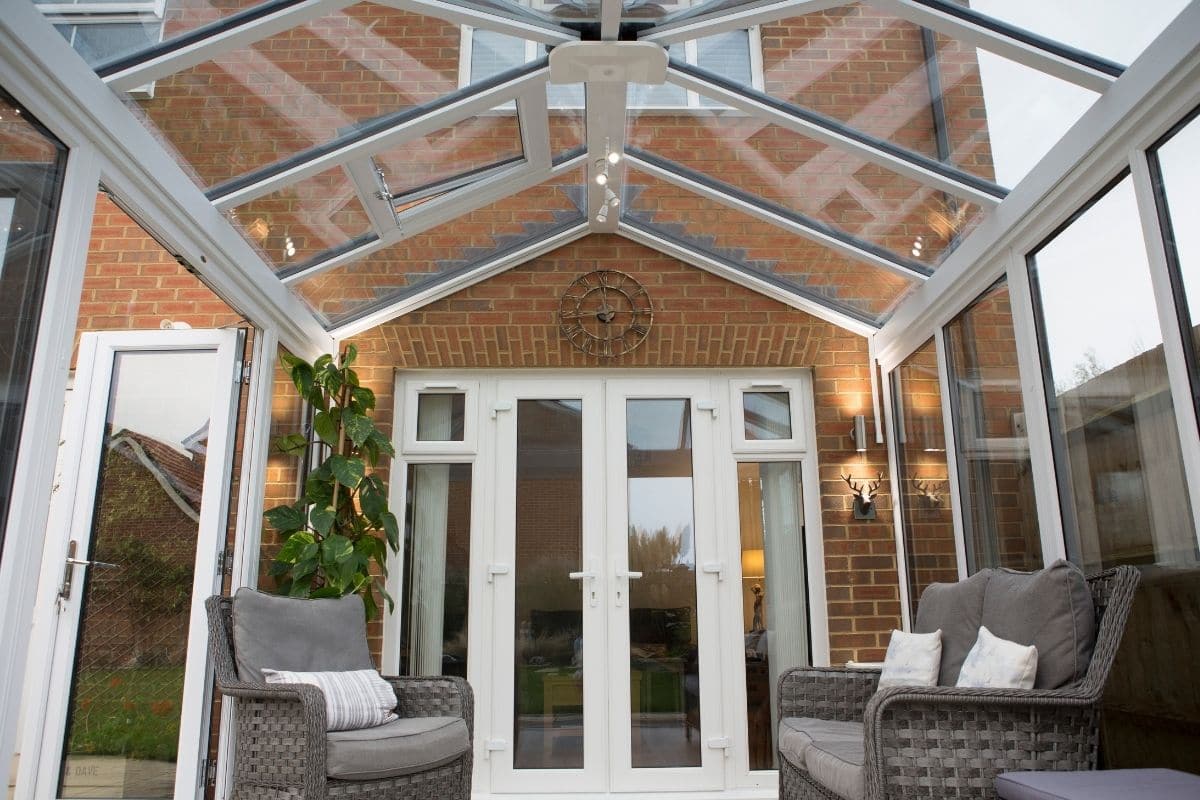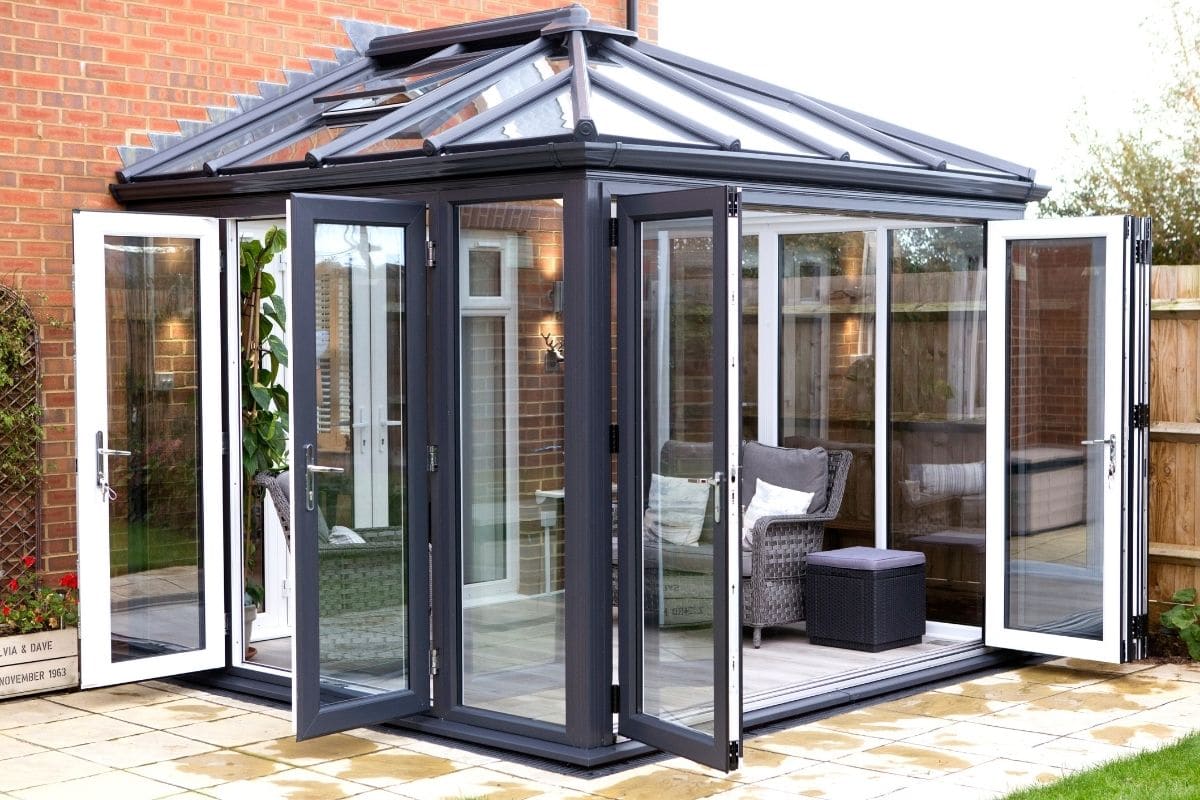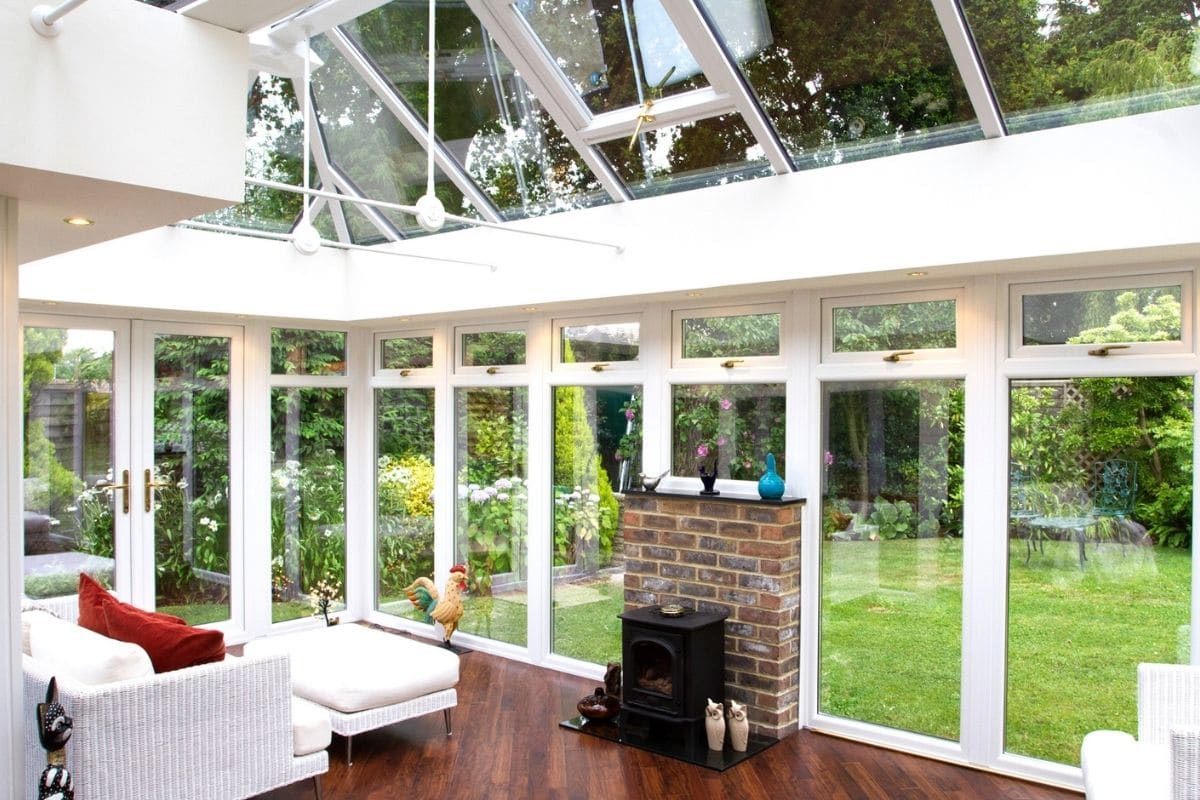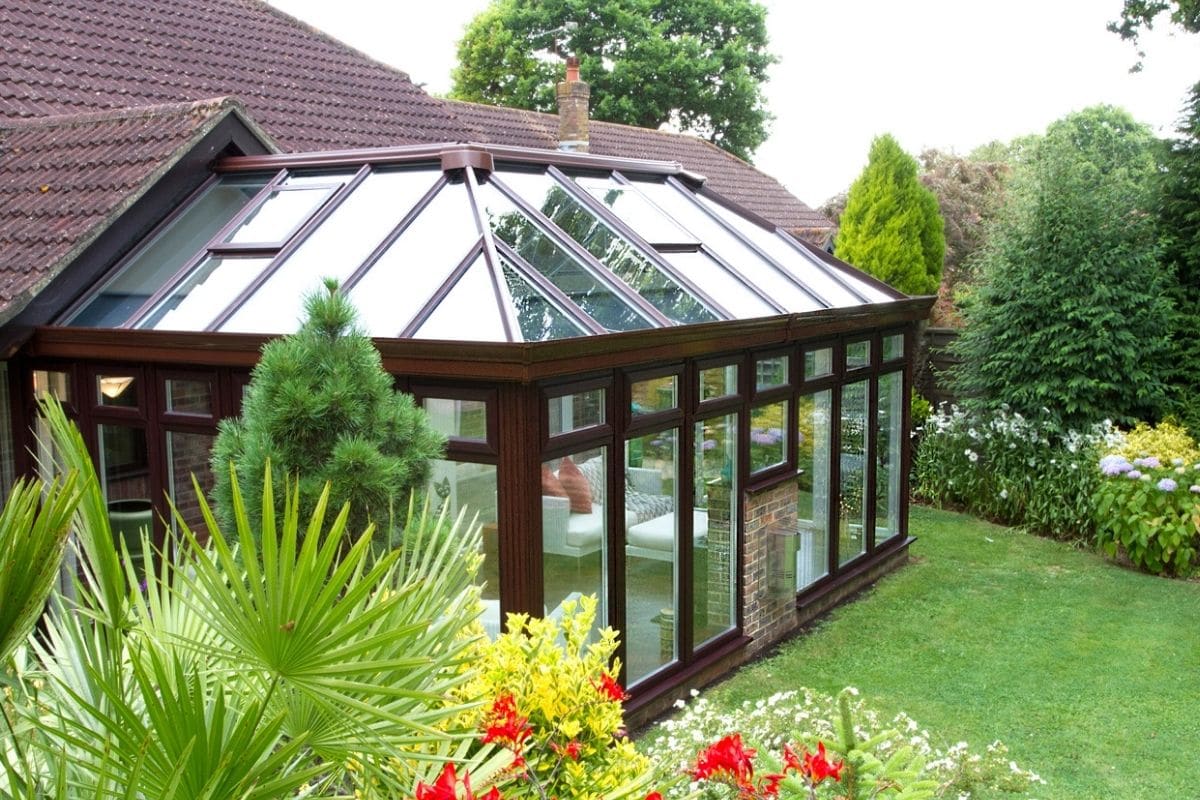
Bespoke conservatory by Room Outside featuring large windows, a glass roof, and a cozy seating area, surrounded by greenery.
roomoutsideuk
24th February, 2021

Oak

Bespoke Oak Framed Buildings | Established 1973 • Over 2,000 Projects

Oak Framed Buildings & Extensions

Bespoke Design • Traditional Joinery • Ethically Sourced British Oak

Natural oak framing creates timeless structures that stand apart from standard extensions. Our individually designed oak buildings, extensions, garages, and garden rooms offer exclusive styles that complement modern, traditional, or historic properties—a hallmark of quality and distinction.

Architectural Design-Led Traditional Joinery Ethically Sourced British Oak 10-Year Structural Guarantee*
Call us anytime – David our digital assistant will take a few details so the right specialist can follow up personally.
Design Philosophy

Why Oak Framing Belongs in Your Home

Oak framing is not simply a construction method—it is a statement of quality. Our bespoke oak buildings and extensions are individually designed to offer exclusive styles that complement modern, traditional, or historic properties. This high-quality, durable, and natural material creates timeless structures that stand the test of time and transcend architectural trends.

Oak seamlessly blends with its surroundings, making it an ideal choice for contemporary homes, listed buildings, or properties in areas of outstanding natural beauty. Whatever unique features your home possesses, an oak room adds a stylish, graceful, and highly practical enhancement, embodying a hallmark of quality and distinction that no other material can match.

Timeless natural beauty
Traditional joinery craftsmanship
Ethically sourced British oak
Increases property value
Book a Free Design Visit

Oak Extensions vs. Standalone Oak Buildings

Both add exceptional value and beauty. The choice depends on your property, how you want to use the space, and the architectural statement you wish to make.

Oak Framed Extension

Seamless Integration

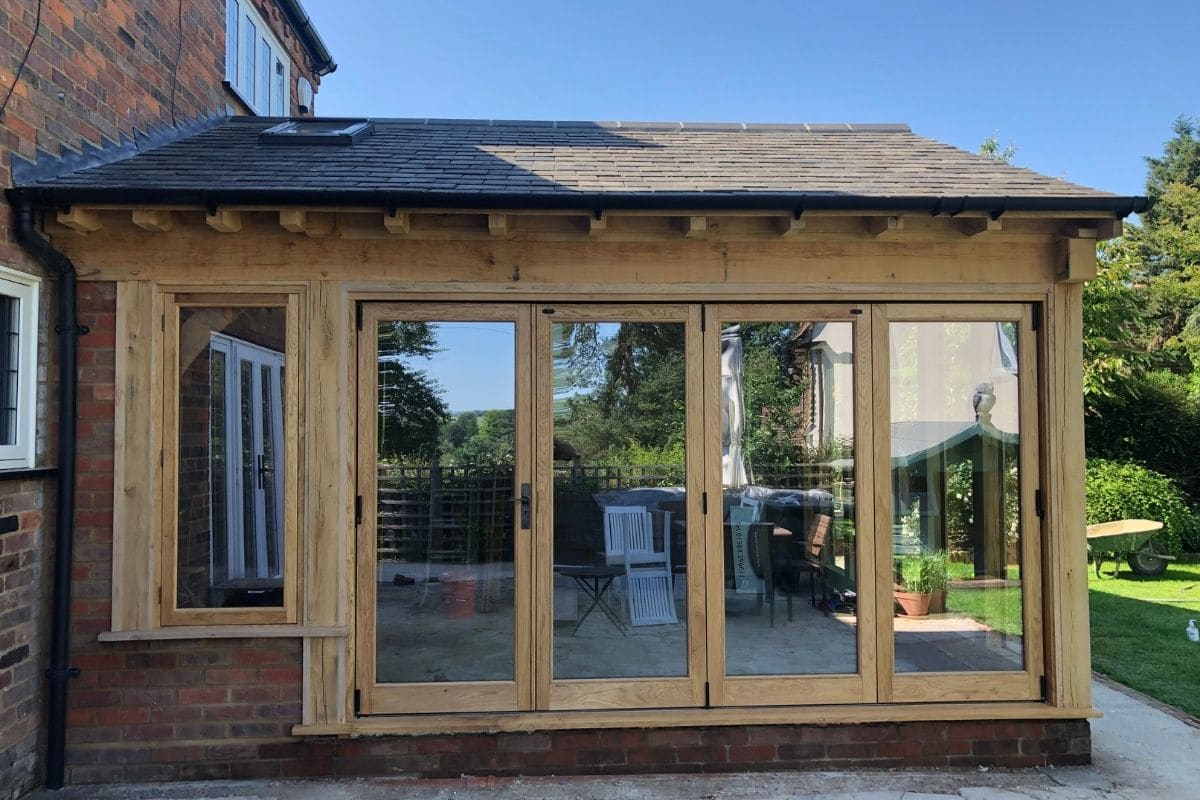
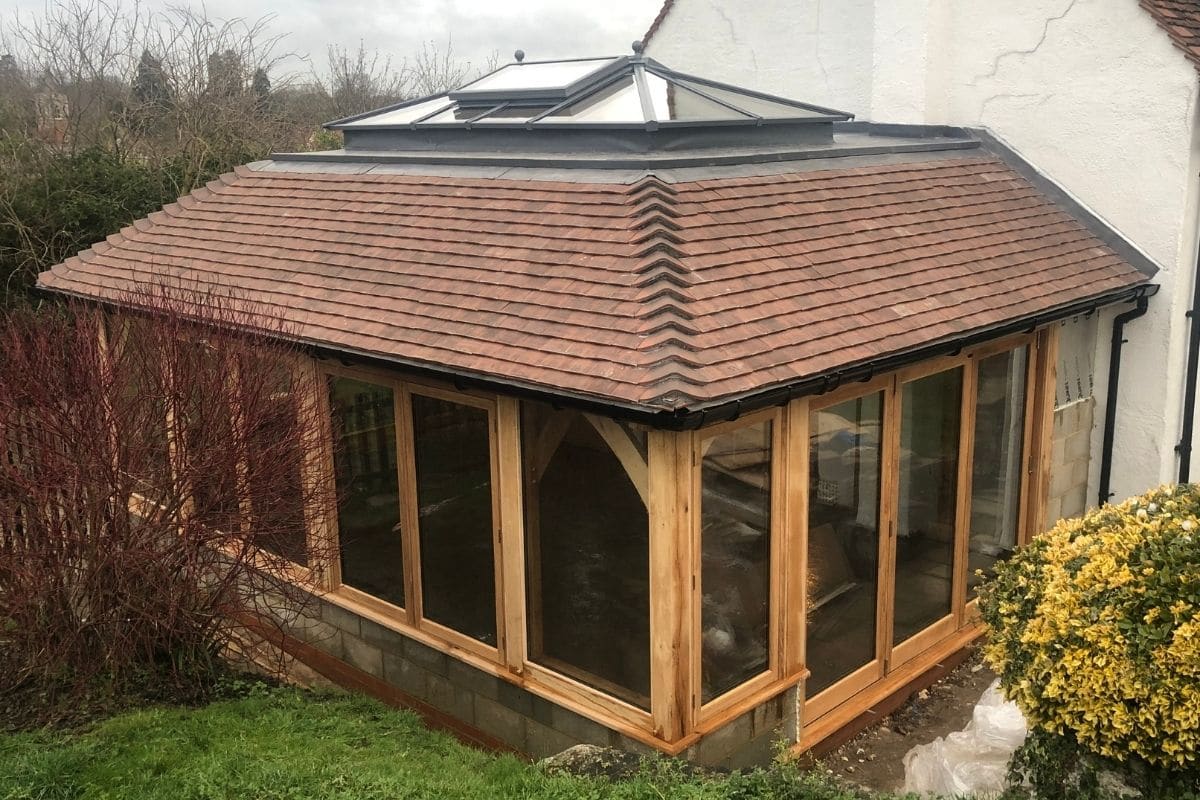
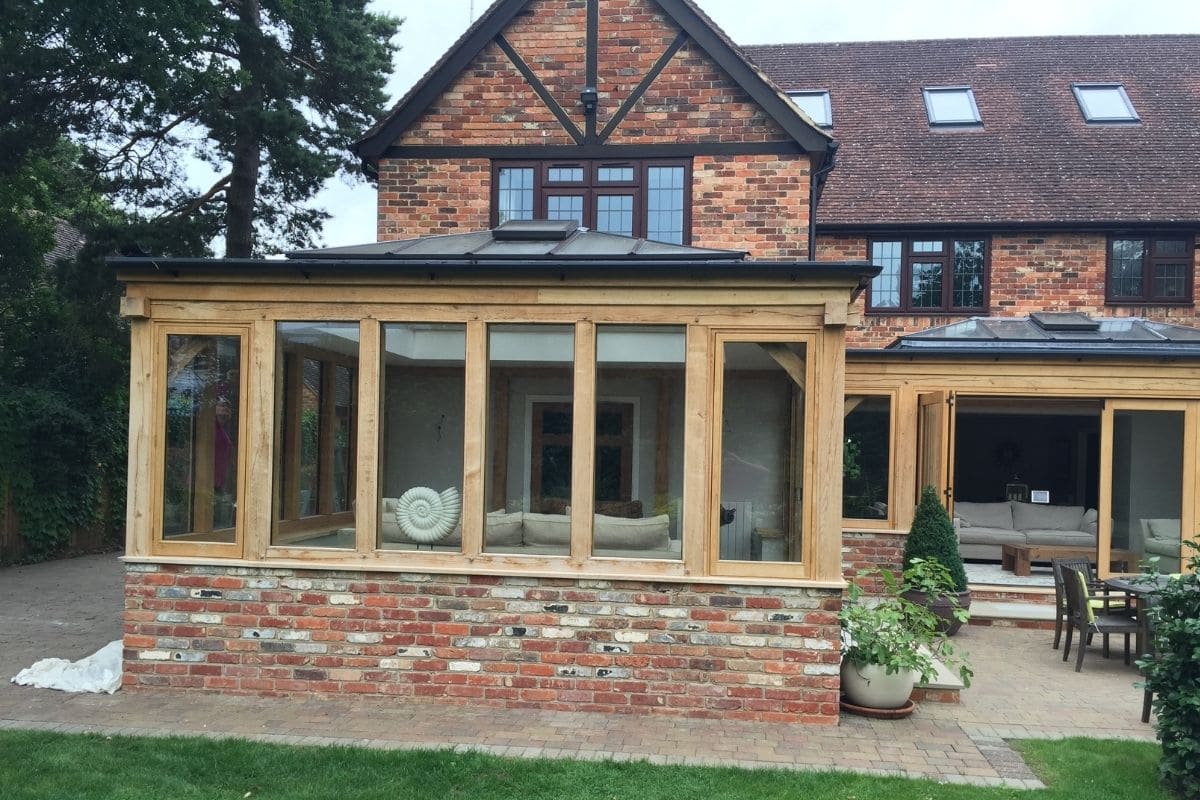
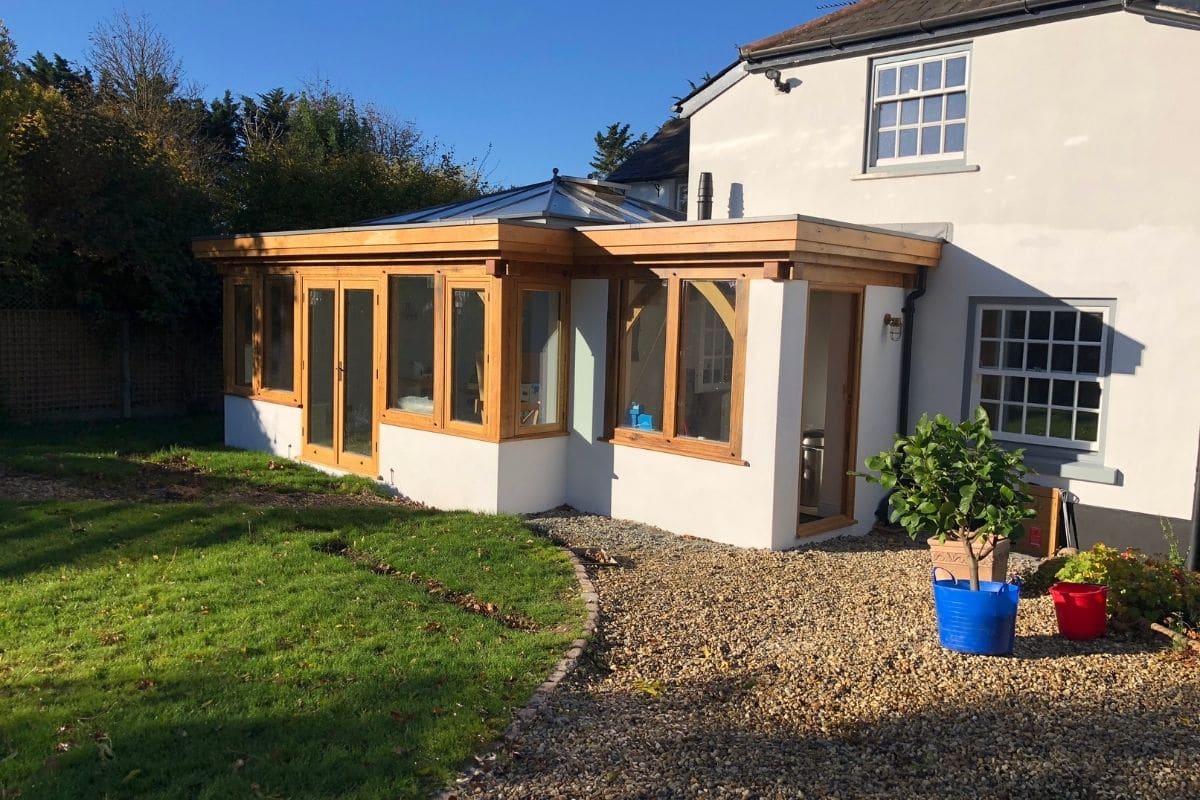
An oak framed extension connects directly to your existing home, creating a flowing transition between old and new. The exposed oak frame becomes an architectural feature inside your living space—visible beams and posts that add warmth, character, and a sense of permanence that standard extensions simply cannot achieve.

Direct connection to existing property
Exposed oak frame becomes interior feature
Suits kitchens, dining rooms, and living spaces
Glazed panels maximise natural light
Adds significant value to your home

Standalone Oak Building

Garden Room, Garage, or Studio

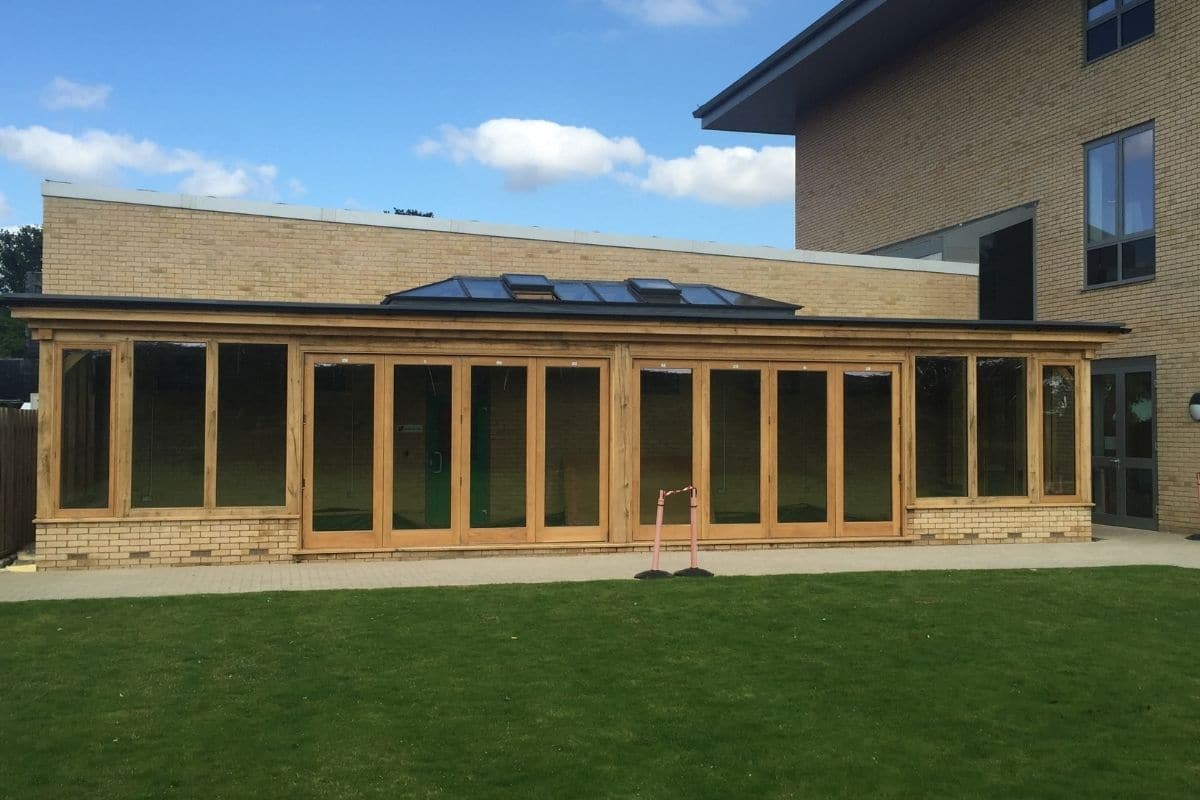
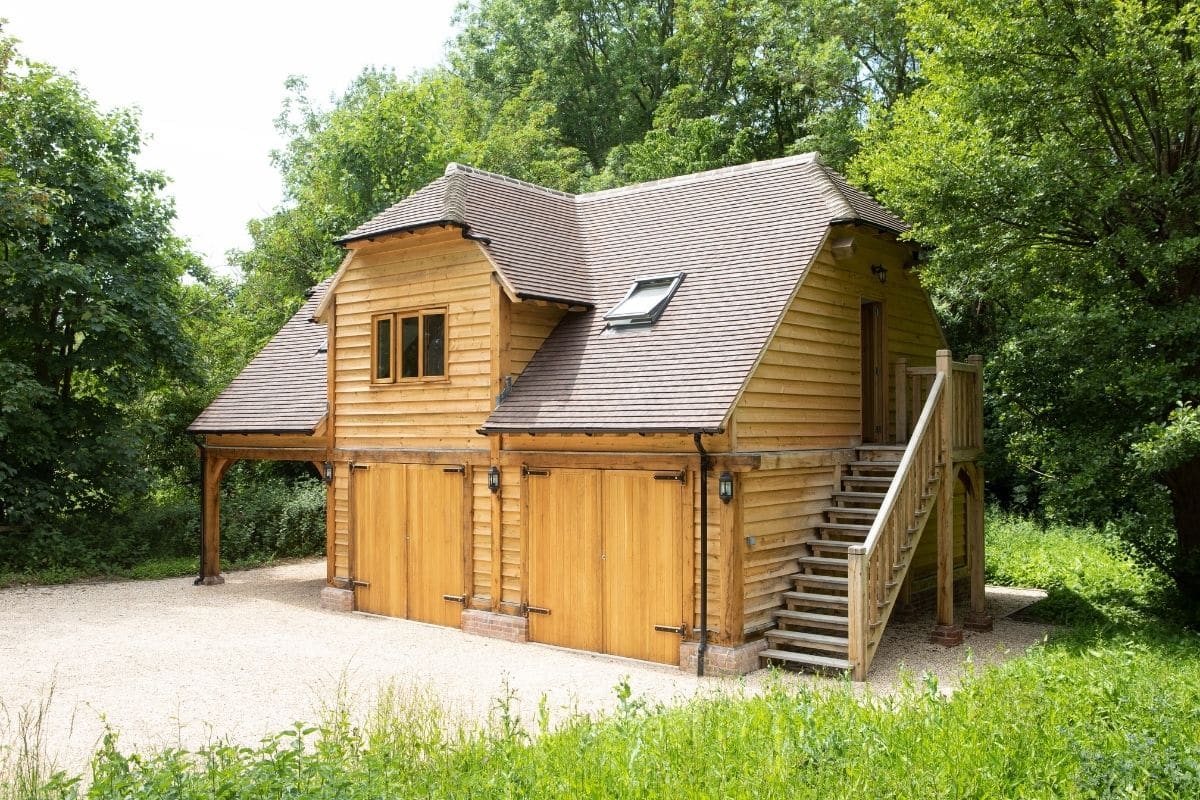
A standalone oak framed building creates a distinct structure in your garden or grounds—a studio, home office, garage, or garden room that stands as an architectural statement in its own right. The oak frame is fully visible both inside and out, creating a building of exceptional character that complements its natural surroundings.

Fully detached, independent structure
Home office, studio, garage, or garden room
Often permitted development—no planning required
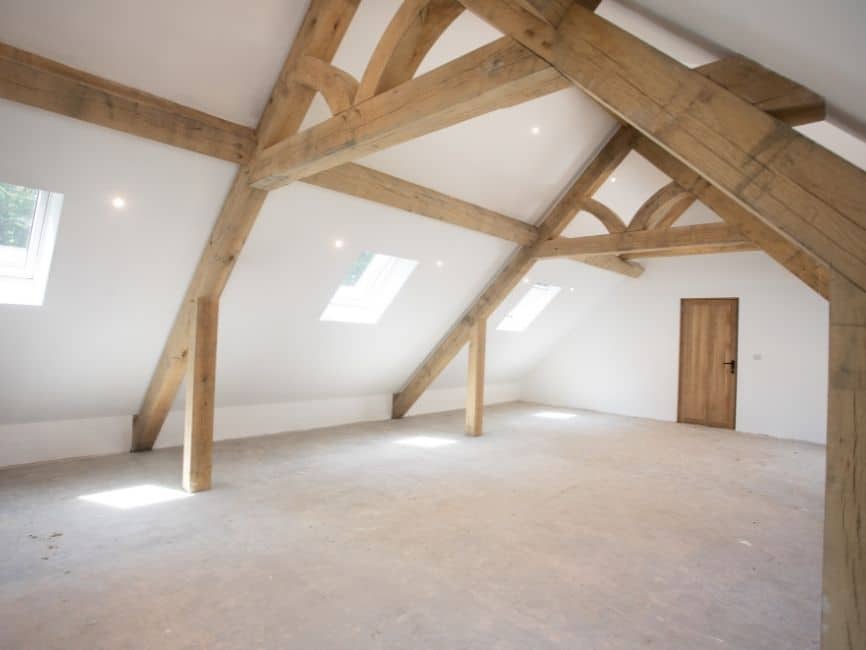
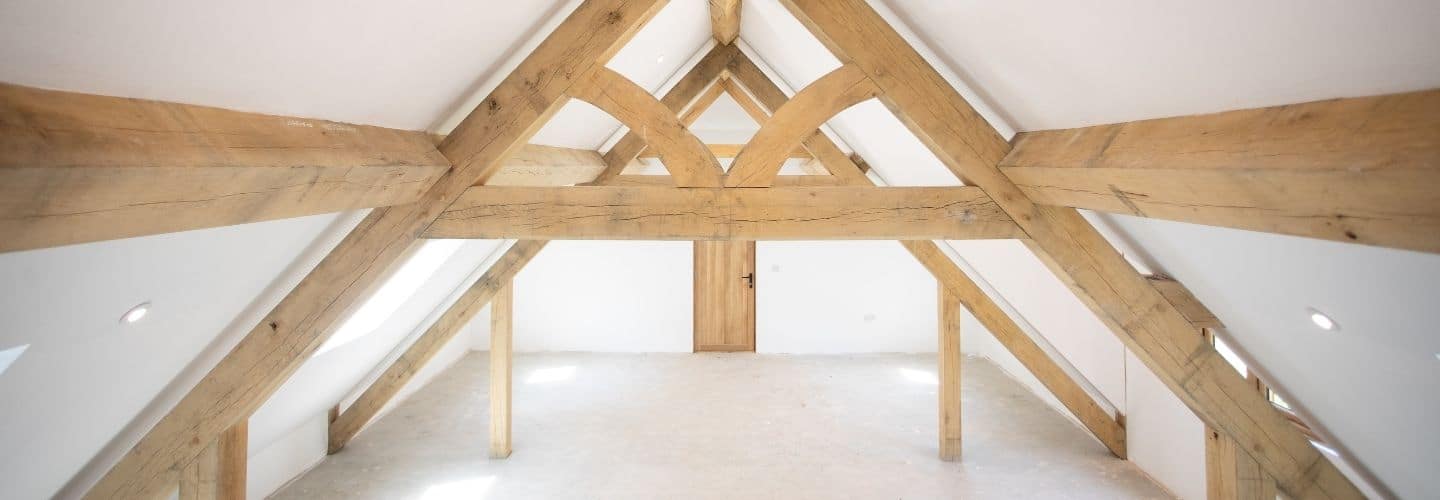
Visible oak frame inside and out
Creates a destination space in your garden

Why Oak Outperforms Other Building Materials

The frame material defines the character, longevity, and value of your building. Here’s how natural oak compares to common alternatives.

UPVC

Low maintenance – Requires little upkeep compared to timber
Cost effective – Lower initial investment than oak
Lacks character – Cannot replicate the warmth and authenticity of natural oak
Limited lifespan – Degrades over time; cannot be restored like oak

Aluminium

Slim sightlines – Maximum glass area for contemporary designs
Lightweight – Easier to install for large spans
Cold and industrial – Lacks the warmth and organic feel of oak
High embodied carbon – Aluminium production is energy intensive
Why Oak

The Distinction of Natural Oak

Oak framed buildings are crafted for homes where character, sustainability, and lasting value cannot be compromised.

Traditional Joinery

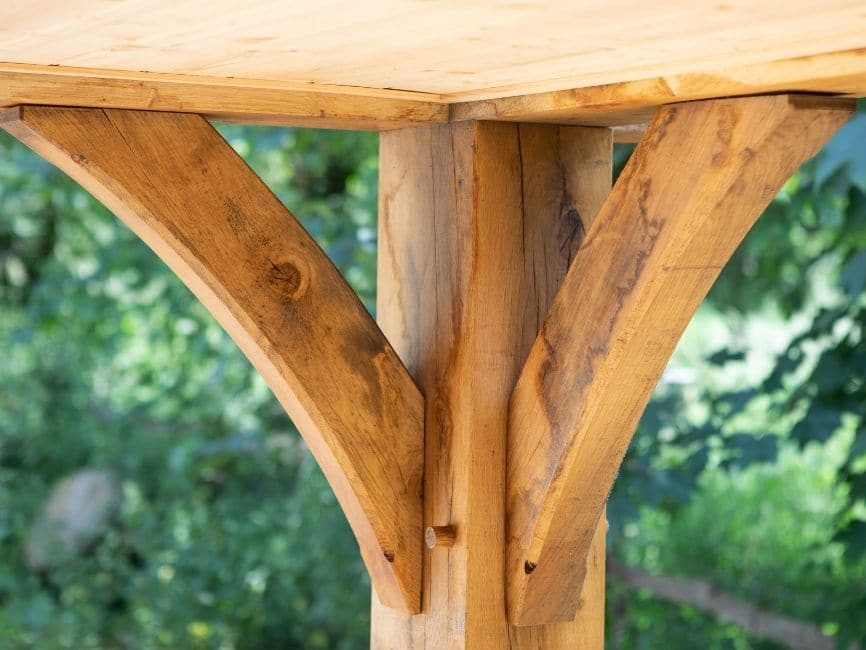
Mortice and tenon joints, pegged with oak dowels—craftsmanship techniques that have endured for centuries and create structures of exceptional strength.

Ethically Sourced

All our oak is sustainably certified (FSC, PEFC) and sourced from responsibly managed British woodlands. Seasoned oak is carefully selected for structure, beams, windows, and doors.

Heritage Expertise

Trusted by homeowners in conservation areas and listed properties across the South East. Our specialists understand period aesthetics, planning requirements, and sympathetic design.

Natural Insulation

Oak’s natural thermal mass helps regulate temperature. Combined with high-performance glazing, your oak building stays comfortable year-round.

What Goes Into an Oak Framed Building

From selecting the timber to the final peg—every oak building is crafted with absolute precision and care.

Selected British Oak

Every beam is hand-selected from sustainably certified British woodlands. Seasoned oak ensures exceptional quality and longevity.

Traditional Joinery

Mortice and tenon joints secured with oak pegs—no metal fixings visible. This traditional method creates structures of exceptional strength and beauty.

Exposed Frame Design

The oak frame is designed to be seen—both inside and out. Each beam and post becomes an architectural feature that adds warmth and character.

High-Performance Glazing

Oak frames pair beautifully with double or triple glazing. The combination of natural timber and modern glass creates light-filled, energy-efficient spaces.

Bespoke Design

No standard templates. Every oak building is designed to your exact dimensions, style preferences, and how you intend to use the space.

10-Year Structural Guarantee

Backed by UK insurers. Covers the oak frame and structural integrity of your building—full terms supplied with your quotation.

Oak Framed Buildings We Design

Every building is fully bespoke. These are starting points—your design will be tailored to your property and preferences.

Extensions

Kitchen extensions
Living spaces
Orangeries
Garden rooms

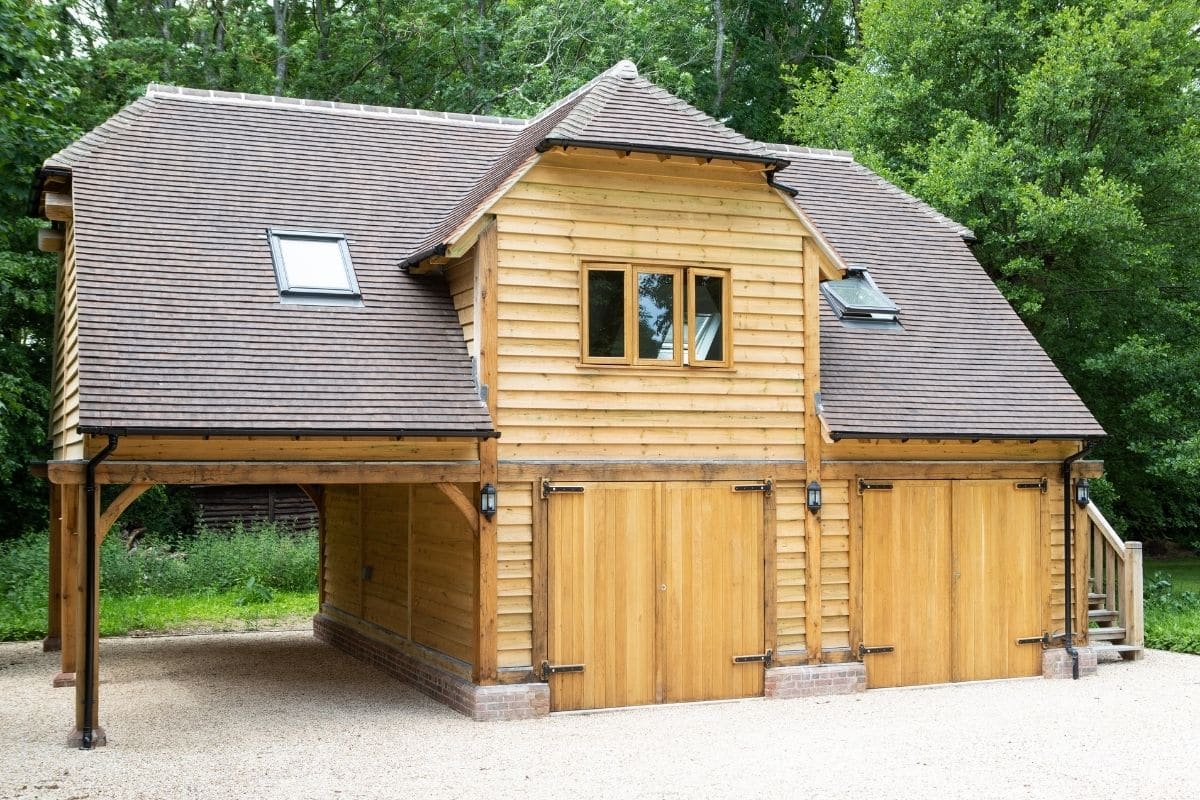
Garages

Single or double
With room above
Cart lodges
Workshop space

Garden Rooms

Home offices
Studios
Gymnasiums
Summer houses

How Homeowners Use Oak Framed Buildings

Every project starts with how you want to live. Here is how homeowners have used oak framing to add space, character, and value to their homes.

Oak Framed Extension

Kitchen-Dining Extension to Period Home

A family wanted to extend their Victorian kitchen without losing character. This oak framed extension with glazed panels and traditional joinery creates a light-filled dining space that feels like it has always been there. The exposed oak frame inside becomes a stunning architectural feature.

Kitchen Extension Traditional Joinery
Oak Garden Room

Home Office in the Garden

A couple needed a dedicated workspace separate from the main house. This standalone oak framed garden room provides a quiet, light-filled office surrounded by garden views. The exposed oak frame creates a warm, inspiring environment that standard garden offices simply cannot match.

Garden Room Home Office

Ready to design your oak framed building?

Book a free home design visit. We will assess your property, discuss how you want to use the space, and recommend the best oak frame design and glazing options—with no obligation.

Call us anytime on 01243 538999 – David our digital assistant will take a few details so the right specialist can follow up personally.

Our Process

How Your Oak Framed Building Project Works

From first conversation to finished installation, here is what to expect at each stage.

Step 1

Free Home Design Visit

A specialist visits your home to discuss how you want to use the space, assess the site, take measurements, and advise on oak frame design, glazing, and planning considerations. No pressure, no obligation.

Step 2

Bespoke Design & Quotation

We produce detailed drawings tailored to your property and preferences. You see exactly what the finished oak building will look like—including frame design and glazing options—before any work begins.

Step 3

Frame Fabrication & Installation

Your oak frame is precision-crafted using traditional joinery techniques, then assembled on site. We manage the full project—foundations, frame erection, glazing, and finishing. One team, one point of contact.

Step 4

Handover & Aftercare

We do not consider a project complete until you are fully satisfied. Your oak framed building is covered by a 10-year structural guarantee backed by trusted UK insurers.

What Our Customers Say

Real homeowners sharing their experience of working with Room Outside – unedited and in their own words.

★★★★★

“Excellent workmanship & quick response in an emergency. Strongly recommend Room Outside & particularly Matt who solved all our issues! Highly recommend!”

Jennie Christie

5-star Google Review

★★★★★

“Room Outside did an amazing job with our glass extension. The design is modern, the build quality is excellent, and the team was professional from start to finish. The space is bright, comfortable all year round, and has completely transformed our home. Highly recommended for anyone looking for a premium glass sunroom or extension in the UK.”

Vladimir

5-star Google Review

★★★★★

“What a fabulous service. I am so pleased with the work that Matt and Room Outside have carried out. I was recommended to use them and I am so pleased that I did. They are certainly a Company you can trust. Very happy with the end result and I will certainly be recommending them to all thank you.”

Lorna Donaldson

5-star Google Review

Oak Framed Building FAQs

Common questions about oak framed buildings—materials, planning, costs, and what to expect.

Many oak framed garden rooms and garages fall under permitted development rights, meaning planning permission is not required provided they meet certain size and positioning criteria. Extensions attached to the main house may require permission. We advise on planning requirements during your free design visit and handle applications where necessary.

A typical oak framed garden room or garage takes 8–12 weeks from design approval to completion, depending on size and complexity. Oak extensions attached to the house generally take 12–16 weeks due to additional groundwork and integration. We provide a detailed timeline with your quotation.

Oak is naturally durable and requires minimal maintenance. External oak will weather to an attractive silver-grey over time if left untreated. Some homeowners choose to apply a clear wood preservative every few years to slow this process. Internal oak requires no maintenance—simply occasional dusting. The frame itself will last for generations.

All our oak frames showcase the natural beauty of ethically sourced, sustainably certified materials, including FSC, PEFC, and other regional certifications. Seasoned oak is carefully selected for the structure, beams, window frames, and doors, ensuring exceptional quality and longevity. We prioritise British oak from responsibly managed woodlands.

Yes. Our oak framed buildings are designed as permanent, year-round living spaces. Combined with high-performance double or triple glazing and proper insulation, an oak building stays comfortable in all seasons. Many clients use their oak garden rooms as home offices, studios, or additional living space throughout the year.

Yes, significantly. Oak framed buildings command premium resale values and attract discerning buyers. The combination of superior craftsmanship, timeless natural style, and sustainable materials makes an oak building a worthwhile investment that enhances both your property’s aesthetic and its market value.

Start your oak framed building project today

Bespoke oak design, traditional joinery craftsmanship, and ethically sourced British oak—a timeless addition to your home.

Call us anytime on 01243 538999 – David our digital assistant will take a few details so the right specialist can follow up personally.

Ornate architectural design element featuring a floral motif, representing Room Outside's focus on orangeries and conservatories.
Room Outside
30th July, 2020

New Generation Glass

Exclusive to Room Outside • Introduced to the UK in 1999

Temperature-Controlled Conservatory Glass

New Generation Glass, Exclusive to Room Outside

For many homeowners, temperature is the main reason their conservatory goes unused. Too hot in summer, too cold in winter. New Generation Glass is designed to address both by helping reflect heat in summer, retain warmth in winter and keep the glass cleaner for longer.

Helps block up to 86% solar heat U-value under 1.0 available Self-cleaning option 10-year guarantee

Call 01243 538999. David, our digital assistant, will take a few details so the right specialist can follow up personally.

About New Generation Glass

New Generation Conservatory Roof Glass: 86% Heat Reflection

Most conservatories and glass extensions share the same problem: they are too hot to use in summer and too cold in winter. Many homeowners across the UK have rooms they paid good money for and barely use for half the year. New Generation Glass was developed to help address that.

In 1999, Room Outside was the first company to exclusively introduce this solar-controlled glass to the UK. Since then, the technology has been refined, and our New Generation Glass now combines solar control, insulation and low-maintenance performance in one specification.

The glass is designed to help reflect heat and light back to its source. In summer, it helps reduce overheating. In winter, it helps retain warmth. The aim is simple: a conservatory, orangery or glass extension that feels more like a room you can use throughout the year.

It is available for new Room Outside projects and as an upgrade for suitable existing conservatories, including projects across West Sussex, East Sussex, Surrey, Hampshire, Kent, Essex, Greater London, Berkshire and Dorset.

Helps block up to 86% solar heat
U-value under 1.0 W/m²K available
Over 99% UV protection
Self-cleaning option available
Warm-edge spacer technology
Argon gas filled cavity
Low-E coating technology
10-year guarantee
Modern glass conservatory with solar control features, showcasing double pane glass, UV protection, high insulation, and energy efficiency, set in a landscaped garden.
Exclusive to Room Outside
The Problem with Standard Glass

Standard Glass Struggles with the British Climate

Traditional conservatory glass lets solar heat pour in during summer and loses warmth during colder months. The result is often a room that sits empty for long stretches of the year.

86%Solar heat designed to be reflected away in summer
<1.0U-value W/m²K available with the right specification
99%+UV rays blocked to help protect furnishings
25+Years fitting New Generation Glass since 1999
Why New Generation Glass

The Glass That Turns a Conservatory into a Room You Actually Use

Four common conservatory problems addressed with one glazing upgrade.

Cooler in Summer

Designed to help reflect up to 86% of the sun’s heat in summer, helping keep interiors more comfortable without blocking the view.

Warmer in Winter

A U-value under 1.0 W/m²K helps retain warmth and reduce the cold spots associated with standard conservatory glazing.

Protects Interiors

Blocks virtually all harmful UV rays, helping protect furniture, flooring and soft furnishings from fading over time.

Lower Maintenance

An optional polymeric treatment creates a non-stick surface that helps rain wash away dirt and keeps the glass cleaner for longer.

Technical Performance

Six Reasons This Glass Outperforms Standard Glazing

Every pane combines warm-edge spacing, Low-E coatings and argon gas filling to improve comfort and performance.

Solar Reflection

A specialist Low-E coating is designed to help reflect solar heat back outwards in summer.

U-Value Under 1.0

The right configuration can support a U-value under 1.0 W/m²K for strong thermal insulation.

Warm-Edge Technology

Warm-edge spacer bars reduce thermal bridging around the perimeter of the sealed unit.

UV Protection

Blocks over 99% of harmful UV rays to help protect people and interiors.

Self-Cleaning Option

A specialist treatment can help the glass stay cleaner for longer with less manual cleaning.

Argon Gas Fill

Argon gas inside the sealed cavity improves insulation compared with ordinary air-filled units.

Three Technologies in One

How New Generation Glass Works

This is engineered into the glass unit from the start, rather than being a film or coating applied afterwards.

Warm-Edge Spacer

The spacer bar helps reduce cold spots around glass edges and improves insulation across the sealed unit.

Low-E Coating

A microscopically thin coating helps reflect heat back to its source while allowing natural light through.

Argon Gas Fill

The sealed cavity is filled with argon gas, which is denser than air and helps improve thermal performance.

Demonstration

Heat Tunnel Test

This side-by-side comparison places standard conservatory glass and New Generation Glass under the same controlled heat source. The difference in heat transmission through each pane is visible and measurable.

Room Outside uses this demonstration during consultations to help homeowners understand why glass specification makes such a difference to conservatory comfort.

Standard double glazing allows more heat to pass through. New Generation Glass is designed to help reflect solar heat before it enters the room, and the same technology helps retain warmth during colder months.

Buyer Guide

Temperature-Controlled Glass Comparisons

Most conservatories are fitted with standard double glazing. New Generation Glass tackles the problem at the glass itself.

New Generation Glass vs Standard Glazing

Solar heat rejection
Helps block up to 86%
Typically much lower
U-value
Under 1.0 W/m²K available
Often around 1.4 to 2.0 W/m²K
UV protection
Over 99% blocked
Limited protection
Self-cleaning
Optional polymeric treatment
Usually not included
Condensation
Warm-edge spacer helps reduce cold edges
Cold edges can be common
Year-round comfort
Designed for all seasons
Often too hot or too cold

Glass vs Blinds, Films and Air Con

Heat control
Reflects heat at source
Treats heat after it enters
Natural light
Maintains natural light
Blinds and films reduce light
Winter warmth
Helps retain heat
No insulation benefit
Maintenance
Self-cleaning option
Blinds and AC need upkeep
Running costs
No energy required
Air con adds energy use
Longevity
Long-term glazing solution
Films, blinds and AC age visibly

New Generation Glass is available for new Room Outside conservatories, orangeries and glass extensions, and for suitable upgrade projects. Book a free consultation.

Verified Customer Reviews

Homeowners Who Made the Switch

Real feedback from homeowners who chose Room Outside glazing upgrades and New Generation Glass specifications.

★★★★★
“Great work thanks to all the team. Love the New Generation Glass, works fantastic in the sun. Would definitely recommend.”
Harry Standing
★★★★★
“We are happy with our new glass roof and warm weather this week will hopefully demonstrate that the new generation glass protects us from the heat.”
Emmanuelle Dehon
★★★★★
“I can highly recommend the solar glass that Richard suggested. The room remains cool despite the recent blistering conditions.”
Steve Cox
Expert Answers

Temperature-Controlled Glass FAQs

Common questions about Room Outside New Generation Glass and conservatory glazing upgrades.

New Generation Glass uses a specially developed Low-E coating and argon gas filling designed to help reflect heat back to its source. It can reflect up to 86% of the sun’s rays in summer and helps retain interior warmth in winter, with U-values under 1.0 W/m²K available depending on specification.

Yes. A specialist polymeric resin treatment can be applied to exterior surfaces. This creates a non-stick, low-maintenance surface that stays cleaner for longer and helps resist staining.

Yes. New Generation Glass blocks virtually all harmful UV rays, helping to protect people, furniture, flooring and soft furnishings from fading and sun damage.

Depending on the configuration selected by the Room Outside design team, New Generation Glass can achieve a U-value under 1.0 W/m²K, providing strong thermal insulation for conservatories and glass extensions.

Yes. New Generation Glass is available as an upgrade on Room Outside glass extensions, orangeries and conservatories. A designer can advise whether it is suitable for a new project or an existing conservatory upgrade.

Depending on product and location, Room Outside offers a 10-year structural guarantee backed by independent UK insurers, alongside separate product-specific warranties. Exact terms are confirmed in the written quotation.

Make Better Use of the Room You Already Have

Many conservatories across the UK go underused because of temperature. New Generation Glass is designed to help address overheating in summer and heat loss in winter.

Whether you are building new or upgrading an existing conservatory, orangery or glass extension, a conversation with our designers is a good place to start.

Prefer to talk? Call 01243 538999.

Bespoke conservatory by Room Outside featuring large windows, a glass roof, and a cozy seating area, surrounded by greenery.
roomoutsideuk
30th July, 2020

Hardwood Timber

Hardwood Timber Specialists | Established 1973 • Over 2,000 Projects

Hardwood Timber Conservatories & Orangeries

Sustainably Sourced • Traditional Joinery • Heritage Expertise

Hardwood timber gives a conservatory or orangery something no other material can: natural warmth, authentic grain, and a character that deepens with age. Our bespoke hardwood frames are hand-selected from FSC and PEFC certified forests, paired with NGG high-performance glass for genuine year-round comfort.

Architectural Design-Led FSC / PEFC Certified Timber NGG High-Performance Glass 10-Year Structural Guarantee*
Call us anytime – David our digital assistant will take a few details so the right specialist can follow up personally.
Design Philosophy

Why Hardwood Timber Is the Connoisseur’s Choice

Hardwood timber does what aluminium and UPVC cannot: it brings natural warmth, authentic grain texture, and a living character that improves with every passing year. Our conservatories and orangeries use hand-selected Sapele, Idigbo, or European Oak—each chosen for structural stability, grain beauty, and exceptional durability.

Every structure features NGG (New Generation Glass)—specialist climate-responsive glazing with advanced low-E coatings and argon gas insulation. Combined with the natural thermal mass of hardwood, the result is a room that stays comfortable year-round. Hardwood is also the preferred material for listed buildings and conservation areas, where planning officers expect authentic timber craftsmanship.

Sculptural hardwood joinery
NGG climate-responsive glass
Listed building & conservation approved
200+ custom paint colours
Request a Timber Conservatory Consultation

Hardwood Conservatory vs. Timber Orangery

Both use the same sustainably sourced hardwood and NGG glass. The choice depends on how you want the space to look, feel, and integrate with your home.

Hardwood Conservatory

Light, Airy & Garden-Connected

A hardwood conservatory maximises natural light with a full NGG glass roof and predominantly glazed walls. The timber frame adds warmth and character that aluminium and UPVC cannot replicate—visible grain, natural texture, and a material that ages beautifully. Ideal for garden-facing living spaces where you want maximum connection to the outdoors.

Full NGG glass roof for maximum daylight
Victorian, Edwardian, or contemporary styles
Natural timber warmth inside and out
Strong visual connection to the garden
Preferred by conservation officers

Timber Orangery

Substantial & Architectural

A timber orangery combines solid insulated perimeter walls with a central glass lantern roof, creating a room that feels like a permanent extension of the house. The hardwood frame provides greater thermal mass, reduced glare, and an architectural presence that suits period and traditional properties. Enhanced acoustics make it ideal for kitchen-diners and everyday living.

Insulated perimeter with glass lantern
Greater thermal mass for stable temperatures
Feels like a permanent part of the house
Enhanced internal acoustics
Higher perceived value and resale impact

Hardwood Timber vs. Aluminium vs. UPVC

The frame material defines the character, warmth, and longevity of your conservatory or orangery. Here is how hardwood timber compares.

Aluminium

Slimmest sightlines – Maximum glass area for unobstructed views
Minimal maintenance – Powder-coated finish requires no painting
Lacks natural warmth – Industrial feel compared to timber
Not always conservation-approved – Some planning officers prefer timber

UPVC

Lowest cost – Most affordable framing option
Zero maintenance – No painting or staining required
No natural character – Cannot replicate authentic timber aesthetics
Rarely conservation-approved – Not accepted for most listed buildings
Why Hardwood Timber

The Natural Choice for Discerning Homes

Hardwood timber conservatories and orangeries are crafted for homes where character, authenticity, and lasting quality matter.

Ethically Sourced

Sapele, Idigbo, and European Oak from FSC and PEFC certified forests. Traditional joinery meets environmental responsibility and full material traceability.

Expressive Finishes

Natural oils reveal the grain’s depth, or choose from over 200 RAL and custom paint colours. Translucent stains and microporous paints provide lifelong protection.

Heritage Expertise

Trusted for listed properties, conservation areas, and period homes across the South East. Our specialists handle listed building consent and sympathetic design.

NGG Glass Technology

New Generation Glass with warm-edge spacers, low-E coatings, and argon fill. Solar control keeps your conservatory comfortable without blinds or air conditioning.

What Goes Into a Hardwood Conservatory

From selecting the timber to the final finish – every conservatory and orangery is crafted with absolute precision.

Solid Hardwood Frames

Sapele, Idigbo, or European Oak—each piece hand-selected for strength, grain consistency, and structural durability. Every frame is crafted using traditional joinery techniques.

New Generation Glass (NGG)

High-performance roof and wall glass with warm-edge spacer bars, low-E coatings, and argon gas fill. The glass that makes hardwood conservatories comfortable year-round.

Custom Colour & Finish

Natural oils, translucent stains, or over 200 RAL and custom paint colours. Microporous paints allow the timber to breathe while providing lifelong protection and beauty.

Natural Thermal Performance

Hardwood is a natural insulator. Combined with NGG glass and proper sealing, your timber conservatory achieves excellent thermal performance without the cold bridging issues of metal frames.

Bespoke Design

No standard templates. Every conservatory and orangery is designed to your exact dimensions, timber species preference, finish, and how you intend to use the space.

10-Year Structural Guarantee

Backed by UK insurers. Covers the hardwood framework and structural integrity of your conservatory or orangery—full terms supplied with your quotation.

Hardwood Conservatory & Orangery Styles We Design

Every style is fully bespoke. Each is built with the same hardwood craftsmanship and NGG glass technology.

Hardwood Conservatory

Full NGG glass roof & walls
Victorian, Edwardian, contemporary
Natural timber character
Garden-facing living spaces

Timber Orangery

Solid insulated perimeter
Central glass lantern
Permanent extension feel
Enhanced acoustics

Hardwood Garden Room

Detached or attached
Studio, office, or gym
Full insulation & electrics
Same hardwood quality

How Homeowners Use Hardwood Conservatories & Orangeries

Every project starts with how you want to live. Here is how homeowners have used hardwood timber to add space, warmth, and value.
Open-plan hardwood orangery with central glass lantern roof, showcasing a bright kitchen and dining area, featuring natural timber frame, floor-to-ceiling glazing, and elegant furnishings.
Hardwood Orangery

Open-Plan Kitchen & Dining Orangery

A family wanted to replace their cramped kitchen extension with a bright, open-plan living space. This full-width hardwood orangery with a central glass lantern roof transformed the ground floor. The NGG roof glass keeps the space comfortable even on the hottest summer days, and the natural timber frame adds warmth no other material can match.

Kitchen Extension NGG Glass
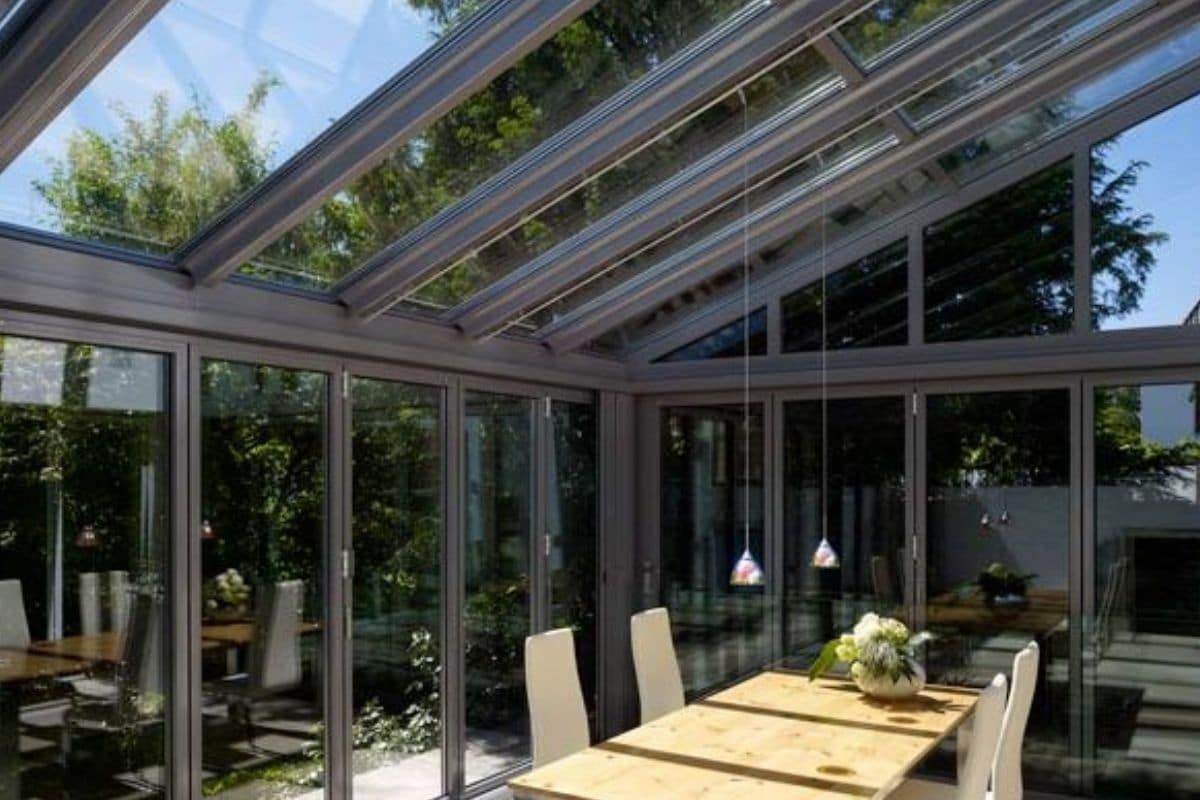
Hardwood conservatory interior with large dining table, plush chairs, and floor-to-ceiling glazing showcasing lush garden views and natural light.
Hardwood Conservatory

Garden-Facing Living & Dining Space

A couple wanted to make better use of their south-facing garden. This hardwood conservatory features floor-to-ceiling glazing on three sides, flooding the interior with natural light while providing uninterrupted garden views. The timber frame creates a warmth and character that makes the room the heart of the home.

Garden Room South-Facing

Not sure whether a hardwood conservatory or orangery is right for you?

Book a free home design visit. We will assess your property, discuss how you want to use the space, and recommend the best hardwood solution—with no obligation.

Call us anytime on 01243 538999 – David our digital assistant will take a few details so the right specialist can follow up personally.

Our Process

How Your Hardwood Conservatory Project Works

From first conversation to finished timber conservatory or orangery, here is what to expect.

Step 1

Free Home Design Visit

A specialist visits your home to discuss how you want to use the space, assess the site, take measurements, and advise on timber species, finishes, and planning considerations.

Step 2

Bespoke Timber Design

We produce detailed drawings tailored to your property and preferences. You see exactly what the finished conservatory or orangery will look like—including timber species, finish, and glazing options—before any work begins.

Step 3

Craftsmanship & Installation

Your hardwood frame is hand-crafted using traditional joinery, then professionally assembled and finished on site. We manage the full build from foundations to completion.

Step 4

Handover & Aftercare

We do not consider a project complete until you are fully satisfied. Your hardwood conservatory or orangery is covered by a 10-year structural guarantee backed by trusted UK insurers.

What Our Customers Say

Real homeowners sharing their experience of working with Room Outside – unedited and in their own words.

★★★★★

“We thought a conservatory attached to a listed building may prove impossible but Room Outside worked tirelessly with all the relevant bodies to make the process as simple as possible. Quality, professional and a beautiful end product.”

Jonathan Fost

Hardwood Conservatory · 5-star Google Review

★★★★★

“Excellent service, friendly, professional and most of all the guys carried out my work quietly, efficient and were very respectful. Tidied up as they went. Thank you so much.”

Sue Haynes-Blinco

Bespoke Timber Extension · 5-star Google Review

★★★★★

“We recently had a bespoke conservatory at our Victorian west london home and the results have exceeded all our expectations. From initial consultation to final installation, the experience was seamless. The space is now the heart of our home.”

Patricia Marples

Heritage Conservatory · 5-star Google Review

Hardwood Conservatory & Orangery FAQs

Common questions about hardwood timber conservatories and orangeries—materials, planning, maintenance, and what to expect.

We use Sapele, Idigbo, and European Oak—all FSC and PEFC certified from responsibly managed forests. Each species is chosen for its structural stability, grain beauty, and exceptional durability. We recommend the best species for your project based on the design, finish, and environment.

Yes—and hardwood is often the preferred material. Planning and conservation officers generally require authentic timber for listed buildings and properties in conservation areas. We specialise in sympathetic timber designs and handle listed building consent applications as part of our service.

Hardwood frames need recoating with a microporous paint or oil every 5–8 years, depending on exposure. This is straightforward maintenance that protects the timber and keeps it looking beautiful. Between recoats, a simple wash with soapy water keeps the frames clean. Properly maintained hardwood conservatories last many decades.

Many conservatories and orangeries fall under permitted development rights, meaning planning permission is not required. However, if your property is listed, in a conservation area, or the proposed structure exceeds permitted development limits, you will need to apply. We advise on planning requirements during your free design visit and handle applications where necessary.

A typical hardwood conservatory takes 10–14 weeks from design approval to completion. Orangeries generally take 12–16 weeks due to additional masonry work. The hardwood frames are crafted off-site while groundwork is prepared, which keeps the overall programme efficient. We provide a detailed timeline with your quotation.

New Generation Glass (NGG) is engineered specifically for conservatory and orangery roofs. It uses advanced low-E coatings to reflect solar heat in summer while retaining warmth in winter, combined with argon gas fill and warm-edge spacer bars. The result is year-round comfort without blinds, air conditioning, or cold spots.

Start your hardwood conservatory project today

Sustainably sourced hardwood frames, traditional joinery craftsmanship, and NGG high-performance glass technology.

Call us anytime on 01243 538999 – David our digital assistant will take a few details so the right specialist can follow up personally.

Bespoke conservatory by Room Outside featuring large windows, a glass roof, and a cozy seating area, surrounded by greenery.
roomoutsideuk
30th July, 2020

Aluminium

Aluminium Design Specialists | Established 1973 • Over 2,000 Projects Completed

Aluminium Conservatory & Orangery Design

Slim-Line Profiles • NGG Glass • Designed Around Your Home

A design-led guide to using aluminium in bespoke conservatories, orangeries and highly glazed garden rooms. Explore the details that shape the finished space, from roof style and frame colour to door layout, sightlines and glass specification.

Architectural Design-Led British-Manufactured Aluminium Options NGG Glass Specification Available Installed by Room Outside Specialists
Call us anytime – 01243 538999. David our digital assistant will take a few details so the right specialist can follow up personally.

Designed First, Specified Properly

This page is for homeowners who like the clean, architectural look of aluminium and want to understand how it can be designed into a conservatory, orangery or highly glazed extension.

For the full product route, start with our main conservatories and orangeries pages. This aluminium design page supports those core pages by focusing on the details that influence the final look, feel and everyday comfort of the room.

Frame proportions and sightlines
Roof lantern, lean-to or glazed roof style
Sliding, French or bi-fold door layouts
Colour, glass and comfort specification
Start Your Design Brief
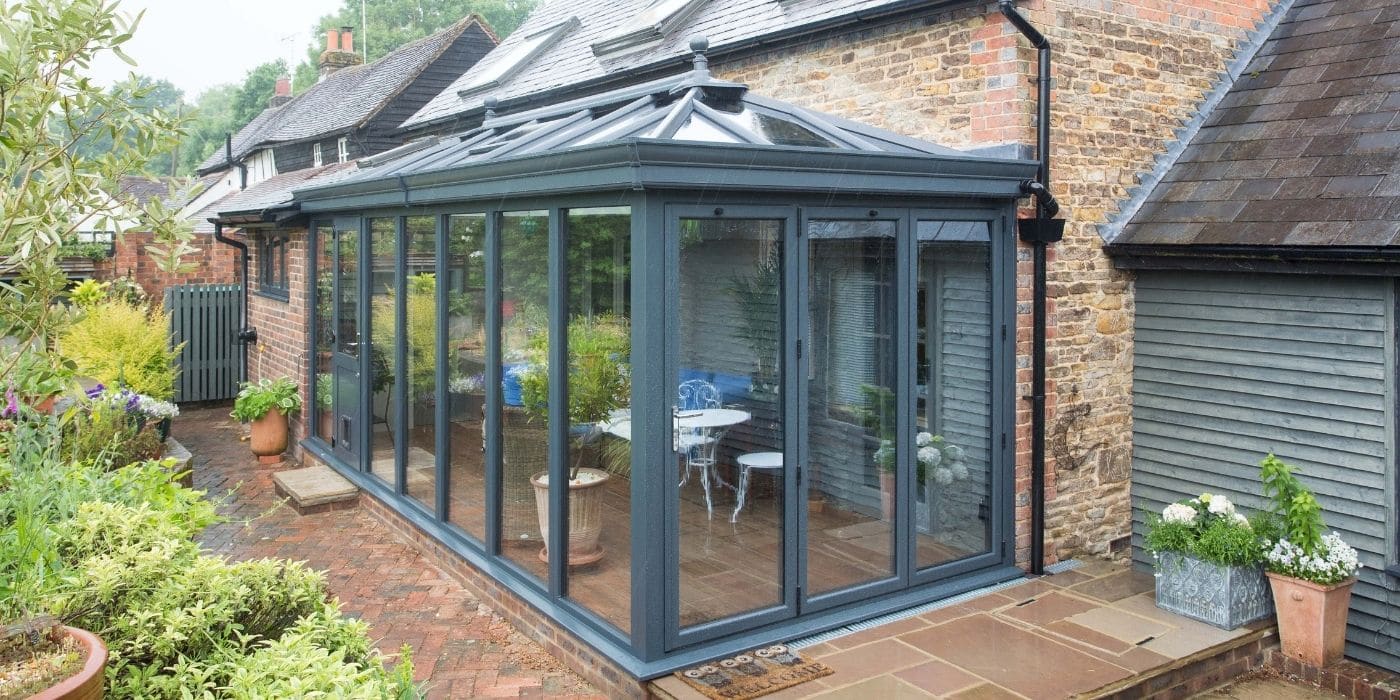
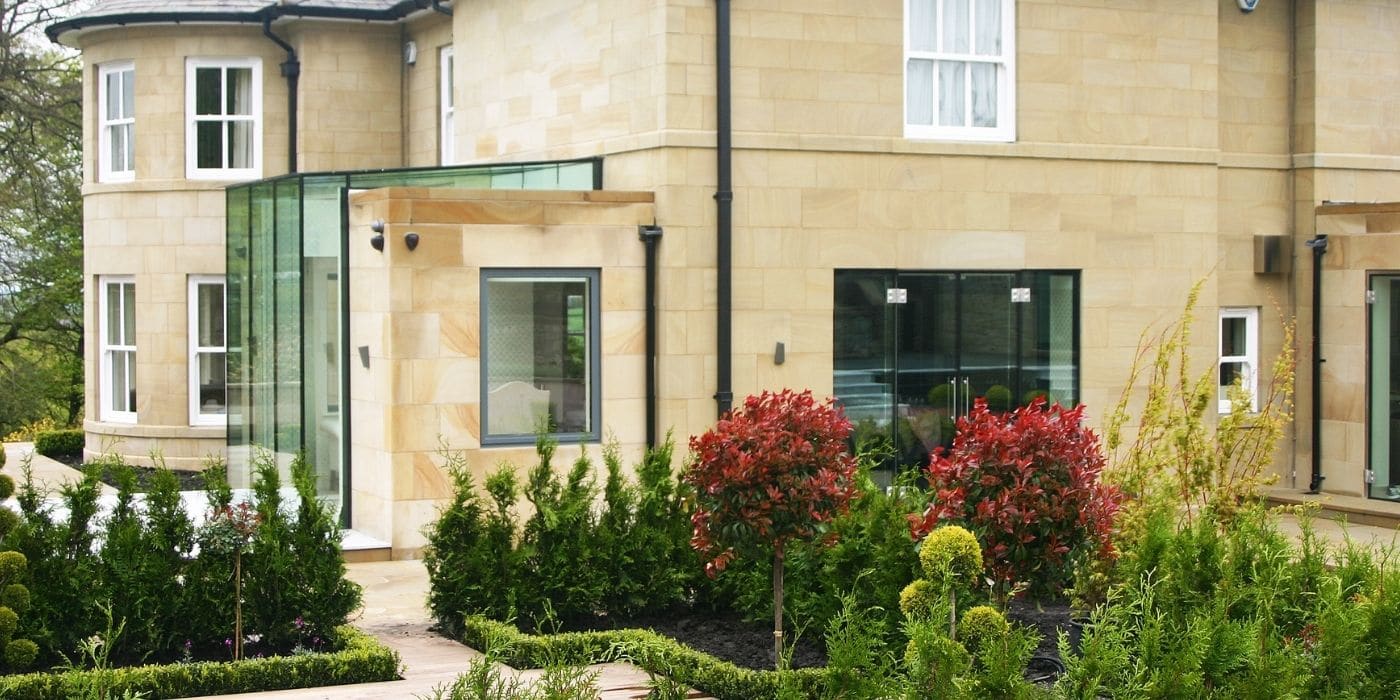
Aluminium conservatory with floor-to-ceiling glazing, ultra-slim profiles, and a modern design, enhancing natural light and garden views, adjacent to a stone house.

What We Consider in the Design

The strongest aluminium projects are about proportion, light, access, comfort and how the new room belongs to the existing house.

Sightlines & Proportion

Aluminium can allow slimmer profiles, which helps garden views feel more open. The design still needs balanced mullion positions, door widths and roof geometry.

Slim profilesBalanced glazing

Roof Style

A glazed roof, roof lantern or more solid orangery-style perimeter changes light, privacy and how the design meets the existing property.

Lantern roofsGlazed roofs

Doors & Openings

Sliding, French and bi-fold doors each create a different relationship with the garden. Aluminium is useful where wider openings form part of the brief.

Sliding doorsBi-folds

Glass & Comfort

New Generation Glass can be specified to help manage solar gain, reduce heat loss and support more comfortable everyday use.

NGG glassSolar control

Indicative Aluminium Design Budgets

These figures are for early planning only. Final quotations depend on size, foundations, access, glazing, roof type, finishes and installation detail.

Project TypeTypical Design BriefIndicative RangeDesign Notes
Compact aluminium conservatorySmaller garden-facing room£45,000-£55,000Focused layout with slim aluminium frames and considered glazing
Medium aluminium conservatoryKitchen, dining or sitting-room use£55,000-£75,000More generous roof, door and colour options
Large aluminium glass roomWider openings or larger glazed area£75,000-£95,000+Often includes upgraded glass or more complex site details
Aluminium-led orangerySubstantial extension feel£70,000-£115,000+Perimeter roof, central lantern and bespoke detailing

For broader budgeting, compare this page with our Glass Extensions Price Guide 2026.

How Aluminium Changes the Feel of the Room

These examples show how aluminium can be used as part of a wider design brief, rather than as a stand-alone material choice.

Aluminium conservatory with floor-to-ceiling glazing, ultra-slim profiles, and a modern design, enhancing natural light and garden views, adjacent to a stone house.
Aluminium Orangery Design

Kitchen & Dining Room With a Lantern Roof

An aluminium-led orangery can give a kitchen extension a sharper architectural edge while retaining the substance of a more traditional orangery form. Dark powder-coated doors and a glazed lantern help connect the room to the garden.

Kitchen Extension Lantern Roof
Hardwood conservatory interior with large dining table, plush chairs, and floor-to-ceiling glazing showcasing lush garden views and natural light.
Aluminium Conservatory Design

Garden-Facing Living Space

Where the view is the priority, aluminium can keep the framing visually lighter. The design can combine full-height glazing, considered door placement and NGG glass to help the room feel usable across more of the year.

Garden Room Slim Sightlines

Not sure whether your home needs a conservatory, orangery or glassbox route?

We can compare the options during a free home design visit, then shape the aluminium specification around your property, budget and preferred style.

Our Process

How the Aluminium Design Process Works

From first conversation to finished installation, the design develops around your property, preferred style and practical build route.

Step 1

Free Home Design Visit

We discuss how you want to use the room, assess the house and garden, and identify whether a conservatory, orangery or glass extension route is the better fit.

Step 2

Design & Specification

The design considers frame style, roof form, door layout, glass, colour, ventilation and any planning or building regulation considerations.

Step 3

Quotation & Project Route

You receive a project-specific proposal with a clearer view of cost, specification and next steps before manufacture and installation begin.

Step 4

Installation & Handover

Your approved aluminium design is manufactured and installed by our team, then checked with you before handover and aftercare support.

Aluminium Design FAQs

Common questions about aluminium conservatory and orangery design, how this page fits the wider product range, and how glazing specification is chosen.

Aluminium can be used for conservatories, orangeries, roof lanterns, larger doors and highly glazed garden-facing rooms. The best route depends on your property, budget, planning position and how you want to use the room.

Yes. This page focuses on aluminium-led design details such as sightlines, door layouts, colour, roof style and glass specification. The main conservatories page covers the wider product range and project options.

Yes. Aluminium can work very well in orangery designs, particularly where slim doors, darker frame colours, a lantern roof or wider garden openings are part of the brief.

Yes. Aluminium conservatories and orangeries can be specified with New Generation Glass to help manage solar gain, reduce heat loss and support more comfortable everyday use.

Ready to Shape Your Aluminium Design?

Book a free home design visit and we will help you compare the right conservatory, orangery or glass extension route for your home.

Bespoke conservatory by Room Outside featuring large windows, a glass roof, and a cozy seating area, surrounded by greenery.
roomoutsideuk
30th July, 2020

Structural Glass

Frameless Glass Specialists | Established 1973 • 30 Years Structural Glass Expertise

Frameless Structural Glass Extensions

No Frames • No Compromise • Pure Architecture

A frameless glass extension removes the barrier between inside and out. Our structural glass systems use advanced sealant bonding instead of visible frames, creating rooms made entirely of glass—with exceptional thermal performance and year-round comfort.

Frameless Glass Box Extensions Structural Sealant Bonding Solar Control Glazing 10-Year Structural Guarantee*
Call us anytime – David our digital assistant will take a few details so the right specialist can follow up personally.
Design Philosophy

Why a Frameless Glass Extension Changes Everything

A framed extension—however slim the profiles—always announces itself. A frameless structural glass extension does the opposite: it disappears, leaving only light, view, and the original architecture of your home. Our structural sealant bonding eliminates visible mullions and transoms entirely, creating glass-to-glass joints that are engineered to commercial standards but designed for residential beauty.

Every extension is engineered with advanced solar control glazing—high-performance coatings, argon-filled cavities, and warm-edge spacer bars. The result is a thermally efficient room that stays comfortable year-round, not a greenhouse that overheats in June and freezes in January. Frameless glass is also preferred by many Planning and Conservation Officers for listed buildings, because it allows the original fabric to remain visible.

Truly frameless glass-to-glass joints
Advanced solar control for year-round comfort
Walk-on glass roofs (Class A BS6206)
Planning & conservation officer approved
Request a Glass Extension Consultation

Glass Box Extension vs. Frameless Roof Light: Which Suits Your Project?

Both use the same structural glass technology. The choice depends on your property, how much space you need, and the architectural effect you want.

Glass Box Extension

Full Room • Maximum Impact

A glass box extension adds an entirely new room to your home—walls, roof, and often floor in frameless glass. The structural sealant bonding creates invisible joints, so the extension appears to float against the original building. Ideal for kitchen-diners, garden rooms, and living spaces where you want a seamless connection between inside and outside.

Adds usable floor space to your home
Frameless corners create panoramic views
Preferred by conservation officers for listed buildings
Walk-on glass roof option for terrace access
Solar control glazing for year-round comfort

Frameless Roof Light

Light From Above • Minimal Footprint

A frameless roof light floods an existing room with natural light without altering the footprint of your home. Flush-mounted into the roofline, it creates a striking architectural feature while dramatically improving the quality of light in kitchens, hallways, and living areas below. Walk-on options allow rooftop terrace access.

Transforms existing rooms without extending
Flush with the roofline for clean aesthetics
Walk-on or fixed configurations
Typically falls under permitted development
Lower cost entry point to structural glass

Frameless Glass vs. Aluminium vs. UPVC Extensions

The extension method you choose affects views, thermal performance, maintenance, and how well the addition integrates with your existing property.

Aluminium Extension

Slim sightlines – Thinner frames than UPVC or timber
Structural strength – Allows larger spans than UPVC
Frames still visible – Mullions and transoms break the view line
Thermal bridging – Aluminium conducts heat unless expensively thermally broken
Less conservation-friendly – Frames can obscure original building fabric

UPVC Extension

Cost-effective – Lowest entry price for a glass room
Good thermal performance – Multi-chamber profiles insulate well
Bulkiest frames – Thickest sightlines of all three options
Limited span – Cannot achieve the large openings of glass or aluminium
Rarely conservation-approved – Not typically accepted for listed buildings
Why Frameless Structural Glass

Engineered to Disappear, Built to Last

Frameless structural glass extensions are engineered for homes where views, comfort, and architectural integrity cannot be compromised.

Structural Sealant Bonding

Commercial-grade sealants create invisible glass-to-glass joints with exceptional load-bearing capacity. No frames, no mullions—just pure glass architecture.

Thermal Excellence

Warm-edge double glazing, low-E coatings, and argon gas fill exceed Part L Building Regulations. Your glass extension stays comfortable in every season.

Heritage Expertise

Trusted for listed properties and conservation areas across the South East. Frameless glass keeps original building fabric visible—conservation officers prefer it.

Solar Control Technology

Advanced coatings prevent overheating in summer and retain heat in winter. Choose clear, tinted, or reflective glass to suit your orientation and preferences.

What Goes Into a Frameless Glass Extension

From structural engineering to the final sealant joint – every glass extension is built to perform and built to last.

Premium Glass Specification

Toughened, laminated, or tempered glass selected for each application. Every pane is precision-cut and finished to exact tolerances for flawless frameless joints.

Structural Sealant Bonding

Commercial-grade structural sealants replace visible frames entirely. Glass-to-glass joints provide exceptional load-bearing capacity and a pure, seamless aesthetic.

Solar Control Glazing

High-performance coatings reduce solar gain in summer and retain warmth in winter. Choose from clear, tinted, or reflective options depending on orientation.

Walk-On Glass Capability

Class A BS6206 rated glass strong enough to be safely walked on—enabling rooftop terrace access above your extension or flush-level maintenance access.

Bespoke Structural Design

No standard templates. Each glass extension is custom-engineered with structural calculations, glass thickness specifications, and thermal modelling for your exact project.

10-Year Structural Guarantee

Backed by UK insurers. Covers structural integrity, glass units, and workmanship—full terms supplied with your quotation.

Frameless Glass Extension Configurations

Every configuration is fully bespoke. These are the most common starting points for frameless structural glass projects.

Glass Box Extension

Frameless corners
Walk-on roof option
Structural sealant bonding
Listed building suitable

Frameless Roof Light

Flush with roofline
Walk-on or fixed
Solar control options
Minimal visual impact

Glass Link Extension

Connects two buildings
Minimal structural intrusion
Frameless glazed corridor
Heritage property ideal

How Homeowners Use Frameless Glass Extensions

Every project starts with how you want to live. Here is how homeowners have used frameless structural glass to transform their homes.

Glass Box Extension

Listed Building Kitchen Extension

A frameless glass box extension added to a Victorian townhouse. The structural glass allows the original brickwork to remain fully visible, satisfying conservation requirements while creating a stunning, light-filled kitchen dining space with uninterrupted garden views.

Listed Building Conservation Area
Glass Link & Roof Light

Garden Studio Glass Connection

A frameless glass link connects the main house to a new garden studio, creating a seamless visual corridor between living and working spaces. A walk-on roof light above the link doubles as a terrace for the first floor, adding outdoor space without sacrificing light below.

Glass Link Walk-On Roof

Considering a frameless glass extension for your home?

Book a free home design visit. We will assess your property, discuss planning and structural considerations, and recommend the best frameless glass solution—with no obligation.

Call us anytime on 01243 538999 – David our digital assistant will take a few details so the right specialist can follow up personally.

Our Process

How Your Frameless Glass Extension Project Works

From first conversation to finished installation—engineered for precision at every stage.

Step 1

Free Home Design Visit

A specialist visits your home to discuss your vision, assess the site, and take measurements. We advise on planning requirements, structural considerations, and glass specification options.

Step 2

Structural Design & Engineering

We produce detailed engineering drawings specifying glass thickness, sealant bonding, thermal performance, and structural load calculations. You see exactly what the finished extension will look like before any work begins.

Step 3

Manufacture & Installation

Glass units are precision-cut and toughened off-site. On-site installation uses structural sealants and specialist fixings—we manage the full build from foundations to completion.

Step 4

Handover & Aftercare

We do not consider a project complete until you are fully satisfied. Your frameless glass extension is covered by a 10-year structural guarantee backed by trusted UK insurers.

What Our Customers Say

Real homeowners sharing their experience of working with Room Outside – unedited and in their own words.

★★★★★

“Room Outside did an amazing job with our glass extension. The design is modern, the build quality is excellent, and the team was professional from start to finish. The space is bright, comfortable all year round, and has completely transformed our home. Highly recommended for anyone looking for a premium glass extension.”

Vladimir

5-star Google Review

★★★★★

“What a fabulous service. I am so pleased with the work that Matt and Room Outside have carried out. I was recommended to use them and I am so pleased that I did. They are certainly a Company you can trust. Very happy with the end result and I will certainly be recommending them to all.”

Lorna Donaldson

5-star Google Review

★★★★★

“We are absolutely delighted with our experience with Room Outside and cannot recommend them highly enough. From the very beginning, Richard guided us through the design process with patience, professionalism, and integrity. The end result is beyond what we imagined – a beautiful, high-quality glass extension that has transformed our home.”

Matt Popham

5-star Google Review

Frameless Glass Extension FAQs

Common questions about frameless structural glass extensions—design, planning, thermal performance, and what to expect.

A frameless structural glass extension uses advanced sealant bonding instead of visible aluminium or timber frames. Glass panels are joined directly to each other using commercial-grade structural sealants, creating a room that appears to be made entirely of glass. The result is unobstructed views, maximum natural light, and an architectural elegance that framed alternatives cannot match.

Many glass extensions fall under permitted development rights, but this depends on your property’s size, location, and listed status. If your home is in a conservation area or is listed, planning permission is usually required—but frameless glass is often preferred by conservation officers because it allows the original building fabric to remain visible. We handle all planning checks and applications as part of our service.

Not with the right glass specification. Our extensions use advanced solar control coatings that reflect excess solar heat in summer while retaining warmth in winter. Combined with warm-edge spacer bars and argon gas fill, the result is a room that stays comfortable year-round. We specify the glass based on your extension’s orientation and exposure to ensure optimal thermal comfort.

Our glass meets Class A of BS6206—dense toughened glass strong enough to be safely walked on. Structural sealant bonding provides exceptional load-bearing capacity comparable to commercial glazing systems. The glass is engineered to withstand wind loading, snow loading, and impact forces with a significant safety margin.

Yes. Walk-on glass roofs are one of our most popular configurations. The glass is specified to Class A BS6206 standard—safe for pedestrian traffic. This allows you to create a rooftop terrace above your extension, or simply enables safe access for cleaning and maintenance. Anti-slip coatings are available for added safety.

A typical frameless glass extension takes 8–14 weeks from design approval to completion, depending on size, complexity, and planning requirements. The glass units are precision-manufactured off-site while groundwork and foundations are prepared, which keeps the overall programme efficient. We provide a detailed timeline with your quotation.

Start your frameless glass extension project today

Glass box extensions, frameless roof lights, and glass links—designed to disappear, engineered to last.

Call us anytime on 01243 538999 – David our digital assistant will take a few details so the right specialist can follow up personally.

Bespoke conservatory by Room Outside featuring large windows, a glass roof, and a cozy seating area, surrounded by greenery.
roomoutsideuk
30th July, 2020

uPVC

Bespoke Conservatory & Orangery Design | Established 1973 • Over 2,000 Projects

UPVC Conservatories & Orangeries

Bespoke Design • Multi‑Chamber Profiles • Foil Finishes • Year‑Round Living

A well-designed UPVC conservatory or orangery extends your home with a room you will use every day. Our bespoke multi-chamber profiles deliver exceptional thermal performance, architectural refinement, and enduring durability—designed for year-round comfort, not seasonal use.

Architectural Design-Led Premium Multi-Chamber UPVC Year-Round Thermal Comfort 10-Year Structural Guarantee*
Call us anytime – David our digital assistant will take a few details so the right specialist can follow up personally.
Design Philosophy

Why a UPVC Conservatory or Orangery Makes Sense

The old objection to conservatories—too hot in summer, too cold in winter—disappears when you use premium UPVC. Our multi-chamber profiles are precision-manufactured to achieve U-values that rival traditional masonry construction, creating a room that works twelve months of the year. Combined with advanced glazing, the result is a living space that stays comfortable without driving up energy bills.

The distinction lies in the engineering. Premium UPVC profiles are thicker, more precisely manufactured, and finished with advanced foil technology that replicates timber grain or delivers contemporary colours with absolute fidelity. Whether you choose a traditional conservatory or a flat-roofed orangery, each frame is designed to complement your property—not look like an afterthought bolted onto the back.

Multi-chamber thermal engineering
Year-round comfort, not seasonal use
Foil finishes to match any property style
Zero maintenance, lifetime durability
Request a Conservatory Consultation

Conservatory vs. Orangery: Which Is Right for Your Home?

Both add valuable living space. The choice depends on your property, how you want to use the room, and the architectural character you are looking for.

UPVC Conservatory

Light-Filled & Versatile

A conservatory maximises natural light with a fully glazed roof and walls, creating a bright, airy room that connects your home with the garden. Modern UPVC conservatories with multi-chamber profiles and advanced glazing bear no resemblance to the draughty lean-tos of the past—they are comfortable, quiet, and thermally efficient living spaces.

Maximum natural light through glazed roof
Victorian, Edwardian, lean-to, and gable styles
Typically does not require planning permission
Strong connection between home and garden
Cost-effective way to add living space

UPVC Orangery

Architectural & Substantial

An orangery combines solid masonry pillars or rendered walls with a glazed lantern roof, creating a room that feels more like a permanent extension. The result is a space with greater thermal mass, reduced glare, and an architectural presence that integrates seamlessly with your existing home—particularly suited to period and traditional properties.

Solid walls with glazed lantern roof
Greater thermal mass for year-round comfort
Feels like a permanent part of the house
Suits period homes and traditional architecture
Higher perceived value and resale impact

Why Premium UPVC Outperforms Timber and Aluminium

The frame material affects thermal performance, maintenance, appearance, and cost. Here’s how premium UPVC compares for conservatory and orangery construction.

Hardwood Timber

Natural character – Authentic grain and warmth
Heritage authenticity – Preferred for listed properties
Heavy maintenance – Annual painting and repairs essential, especially on conservatory roofs
Rot risk – Conservatory joints are especially vulnerable in damp climates
Significantly higher cost – Premium timber conservatories command substantial budgets

Aluminium

Slim sightlines – Maximum glass area for panoramic views
Structural strength – Allows larger spans without intermediate supports
Thermal weakness – Conducts heat rapidly, making conservatories uncomfortable without expensive thermal breaks
Condensation risk – Cold bridging causes moisture problems in conservatory environments
Highest cost – Typically the most expensive conservatory frame option
Why Premium UPVC

Built for Year-Round Living

Premium UPVC conservatories and orangeries are engineered for homes where comfort and aesthetics cannot be compromised.

Multi-Chamber Profiles

Precision-manufactured profiles with multiple internal chambers trap air to create superior insulation—keeping your conservatory warm in winter and cool in summer.

Architectural Foil Finishes

Advanced foil technology creates authentic wood grain or contemporary colours. Your conservatory or orangery will look designed for the property, not added to it.

Heritage Expertise

Trusted by homeowners in conservation areas across the South East. Our specialists understand period aesthetics, planning requirements, and sympathetic design.

Energy Performance

U-values as low as 1.0 W/m²K mean your conservatory contributes to your home’s energy efficiency rather than undermining it. Lower bills, greater comfort.

What Goes Into a Room Outside Conservatory

From structural foundations to the final foil finish – every conservatory and orangery is built to perform and built to last.

Premium UPVC Profiles

High-grade multi-chamber extrusions selected for thermal efficiency, structural integrity, and consistency. Every frame is built to last decades without degradation.

Advanced Glazing Systems

Self-cleaning, solar-control, and argon-filled double or triple glazing options. The right glass specification makes the difference between a seasonal space and a year-round room.

Colour & Texture Options

Extensive foil finishes including dual-colour options—match your external brickwork outside and your interior decor inside. Golden oak, walnut, grey, anthracite, and more.

Structural Foundations

Every conservatory and orangery starts with properly engineered foundations. We manage the full build from groundwork to completion—no subcontracting the critical stages.

Bespoke Design

No standard templates. Every conservatory and orangery is designed to your exact dimensions, style preferences, and how you intend to use the space.

10-Year Structural Guarantee

Backed by UK insurers. Covers the UPVC framework and structural integrity of your conservatory or orangery—full terms supplied with your quotation.

UPVC Conservatory & Orangery Styles We Design

Every style is fully bespoke. These are starting points—your design will be tailored to your property and preferences.

Victorian

Multi-faceted bay front
Ornate ridge details
Period-appropriate proportions
Suits traditional properties

Edwardian

Rectangular footprint
Maximum usable floor space
Clean, symmetrical lines
Versatile for most homes

Orangery

Solid perimeter walls
Glazed lantern roof
Greater thermal mass
Permanent extension feel

How Homeowners Use UPVC Conservatories & Orangeries

Every project starts with how you want to live. Here is how homeowners have used premium UPVC to add space and value to their homes.

UPVC Orangery

Kitchen-Dining Orangery Extension

A family needed more kitchen and dining space without losing garden. This UPVC orangery with a glazed lantern roof created a bright, open-plan kitchen-diner that feels like a permanent part of the house. Foil-finished frames in anthracite grey complement the period brickwork outside while white interiors keep the space light.

Orangery Design Dual-Colour Foil
UPVC Conservatory

Garden Room Living Space

A couple wanted a light-filled sitting room connected to their garden. This Edwardian-style UPVC conservatory with multi-chamber profiles and solar-control glazing stays comfortable year-round. The white UPVC frames maximise light while the rectangular footprint provides practical, usable floor space for everyday living.

Edwardian Style Solar Control Glass

Ready to design your conservatory or orangery?

Book a free home design visit. We will assess your property, discuss how you want to use the space, and recommend the best UPVC profiles, styles, and finishes—with no obligation.

Call us anytime on 01243 538999 – David our digital assistant will take a few details so the right specialist can follow up personally.

Our Process

How Your Conservatory or Orangery Project Works

From first conversation to finished installation, here is what to expect at each stage.

Step 1

Free Home Design Visit

A specialist visits your home to discuss how you want to use the space, assess the site, take measurements, and advise on styles, materials, and planning considerations. No pressure, no obligation.

Step 2

Bespoke Design & Quotation

We produce detailed drawings tailored to your property and preferences. You see exactly what the finished conservatory or orangery will look like—including foil finishes and glazing options—before any work begins.

Step 3

Build & Installation

We manage the full project—foundations, base walls, UPVC frame manufacture, glazing, electrics, and finishing. One team, one point of contact, no subcontracting the critical stages.

Step 4

Handover & Aftercare

We do not consider a project complete until you are fully satisfied. Your conservatory or orangery is covered by a 10-year structural guarantee backed by trusted UK insurers.

What Our Customers Say

Real homeowners sharing their experience of working with Room Outside – unedited and in their own words.

★★★★★

“Room Outside did an amazing job with our UPVC windows and doors. The design is modern, the build quality is excellent, and the team was professional from start to finish. The house is warmer, quieter, and looks fantastic.”

Vladimir

5-star Google Review

★★★★★

“What a fabulous service. I am so pleased with the UPVC work that Matt and Room Outside have carried out. I was recommended to use them and I am so pleased that I did. They are certainly a Company you can trust. Very happy with the end result.”

Lorna Donaldson

5-star Google Review

★★★★★

“Delighted with our experience with Room Outside. Richard spent a great deal of time and effort to achieve exactly what we wanted. He has amazing knowledge of UPVC profiles and finishes. We are absolutely delighted with the end result and would have no hesitation in recommending them.”

Sean Read

5-star Google Review

UPVC Conservatory & Orangery FAQs

Common questions about UPVC conservatories and orangeries—materials, planning, costs, and what to expect.

Most conservatories fall under permitted development rights, meaning planning permission is not required provided they meet certain size and positioning criteria. However, if your property is in a conservation area, is listed, or the proposed conservatory exceeds permitted development limits, you will need to apply. We advise on planning requirements during your free design visit and handle applications where necessary.

Not with premium UPVC. Our multi-chamber profiles achieve U-values as low as 1.0 W/m²K, and combined with solar-control glazing and proper ventilation design, your conservatory will be comfortable year-round. The days of draughty, seasonal-only conservatories are over—modern engineering has solved the problem entirely.

A conservatory has a fully glazed roof and predominantly glazed walls, maximising natural light. An orangery combines solid walls (brick, render, or masonry pillars) with a glazed lantern roof, creating a room that feels more like a permanent extension. Orangeries offer greater thermal mass and architectural presence, while conservatories offer maximum light and garden connection. Both can be built with premium UPVC frames.

A typical UPVC conservatory takes 4–8 weeks from design approval to completion, depending on size and complexity. Orangeries generally take 8–12 weeks due to the additional masonry work. We provide a detailed timeline with your quotation and keep you informed throughout the build.

We offer an extensive range of foil finishes including authentic wood-effect options (golden oak, walnut, grey tones), pure white, anthracite, and contemporary colours. Dual-colour options are available—different colours inside and out—so you can match your external brickwork while keeping a bright white interior. Every finish is precision-applied to exacting standards.

A well-designed conservatory or orangery typically adds between 5–10% to a property’s value, and often more in terms of desirability. The key is quality of design and build—a poorly designed conservatory can actually detract from value. Our bespoke approach ensures the addition looks and feels like it belongs to the property, which is what buyers respond to.
Start your conservatory or orangery project today

Bespoke UPVC design, premium multi-chamber engineering, and expert installation from foundations to completion.

Call us anytime on 01243 538999 – David our digital assistant will take a few details so the right specialist can follow up personally.