Frequently Asked Questions
How can small glass extensions enhance my home?
They increase natural light, visually expand living areas, provide flexible space, and create a modern, open feel.
What are the design options for small glass extensions?
Flat roofs, lantern roofs, pitched roofs, slimline aluminium frames, bi-fold or sliding doors, and integrated solid panels.
How do I choose the right small glass extension for my property?
Consider available space, natural light, home style, intended use, planning permission, and energy efficiency.
What are the benefits of installing a glass side extension?
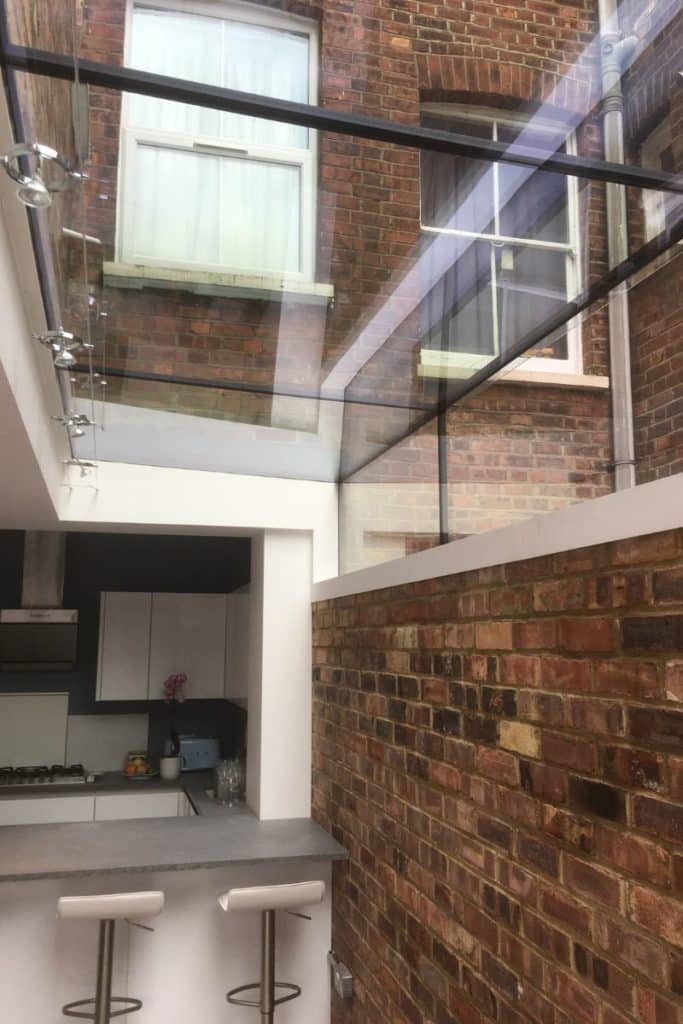
Improves light in narrow or side spaces, creates a visual connection to gardens, and adds practical living or dining space.
Can small glass extensions improve natural light in my home?
Yes — floor-to-ceiling glazing, slim frames, and roof lanterns maximize daylight penetration.
What should I consider when planning a small glass extension?
Orientation, size, insulation, ventilation, structural support, design harmony with the home, and planning permissions.
What materials are best for small glass extensions?
Aluminium, timber, or hybrid frames with double/triple glazing and insulated roof panels.
How do small glass extensions affect property value?
They add functional, visually appealing space, enhance light-filled interiors, and increase resale potential.
What are common uses for small glass extensions?
Dining areas, home offices, garden rooms, lounges, or compact kitchens.
How to maintain a small glass extension?
Clean glazing, inspect seals and frames, check roof drainage, and service any automated blinds or ventilation.
What styles suit small glass extensions best?
Contemporary minimalist, flat-roofed boxes, orangery-style, or lantern-roof designs.
How to integrate small glass extensions with gardens?
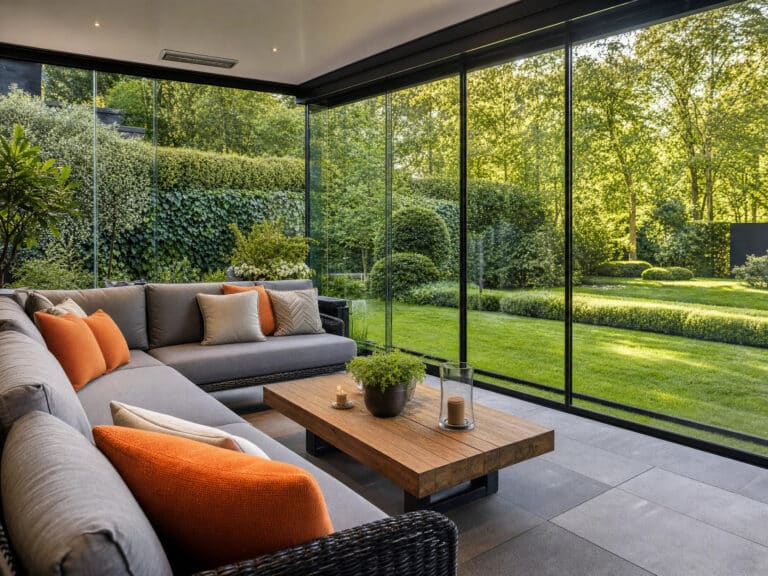
Use full-height doors, matching flooring, level thresholds, and landscaping that visually extends interior space.
What permits are needed for glass extensions?
Permitted development often applies for small single-storey extensions; larger or listed properties require planning permission.
How to ensure privacy in glass extensions?
Use frosted glass, blinds, curtains, screening plants, or strategic placement relative to neighbors.
What are the costs of small glass extensions?
Typically £10,000–£30,000 depending on size, materials, glazing type, and customization.
How to maximize space with glass extensions?
Open-plan layouts, minimal structural posts, integrated storage, and careful furniture placement.
What are energy efficiency options for glass extensions?
Low-E or solar-control glazing, insulated frames and roofs, shading devices, and underfloor heating.
How to design a small glass extension?
Plan layout, select frame and glazing, coordinate with home style, integrate lighting and ventilation, and ensure planning compliance.
What lighting works best in glass extensions?
Layered lighting — natural daylight, recessed LEDs, pendant lights, and integrated smart lighting controls.
How to choose a contractor for glass extensions?
Check experience, references, certifications, completed projects, and reviews from previous clients.
What are the latest trends in glass extensions?
Slim aluminium frames, flat or lantern roofs, bi-fold doors, smart technology, and minimalist interiors.
How to enhance security in glass extensions?
Use laminated or toughened glazing, secure locking doors/windows, alarms, and reinforced frames.
What landscaping complements small glass extensions?
Patios, planters, water features, lawn continuity, and low-maintenance greenery that blends indoor and outdoor space.
How to incorporate technology in glass extensions?
Smart lighting, automated blinds, integrated climate control, security systems, and AV solutions.
What are the best locations for glass extensions?
South- or west-facing areas for maximum light, adjacent to main living areas, or overlooking gardens.
How to create a seamless transition with glass extensions?
Use level thresholds, matching flooring, minimal frames, and visual continuity between indoor and outdoor areas.
What are the advantages of bespoke glass extensions?
Select frame finishes that complement the home exterior; interior colors should enhance light and space perception.
How to choose colors for glass extensions?
High-performance glazing and materials reduce energy use, but production has a carbon footprint; sustainable sourcing improves eco-friendliness.
What are the environmental impacts of glass extensions?
High-performance glazing and materials reduce energy use, but production has a carbon footprint; sustainable sourcing improves eco-friendliness.
How to style interiors of glass extensions?
Minimalist furniture, light-reflective colors, integrated storage, indoor plants, and soft furnishings to create a bright, inviting space.