
roomoutsideuk
03rd January, 2026

Architectural Glass: Eight Contemporary Extensions That Redefine Indoor-Outdoor Living

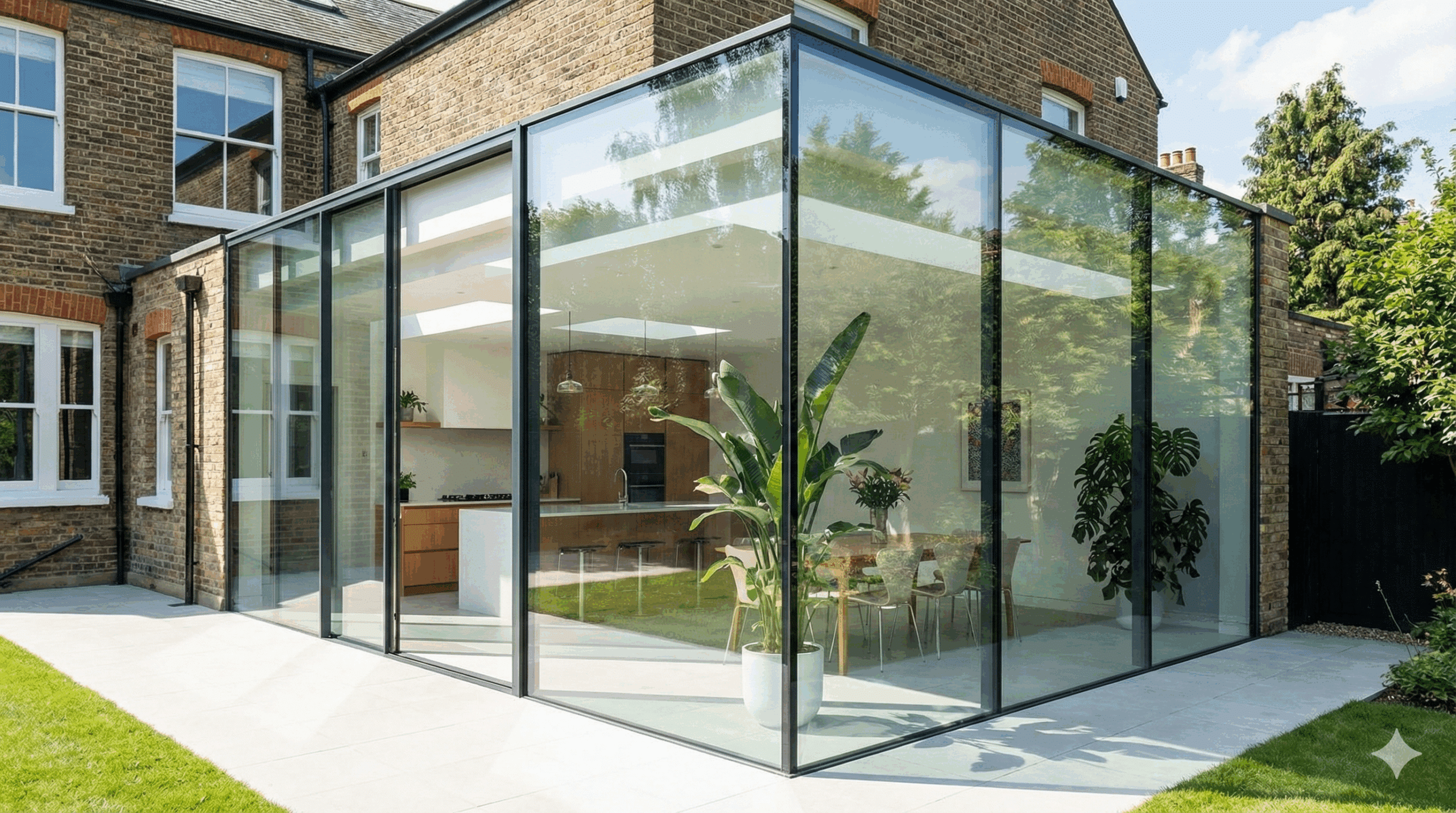
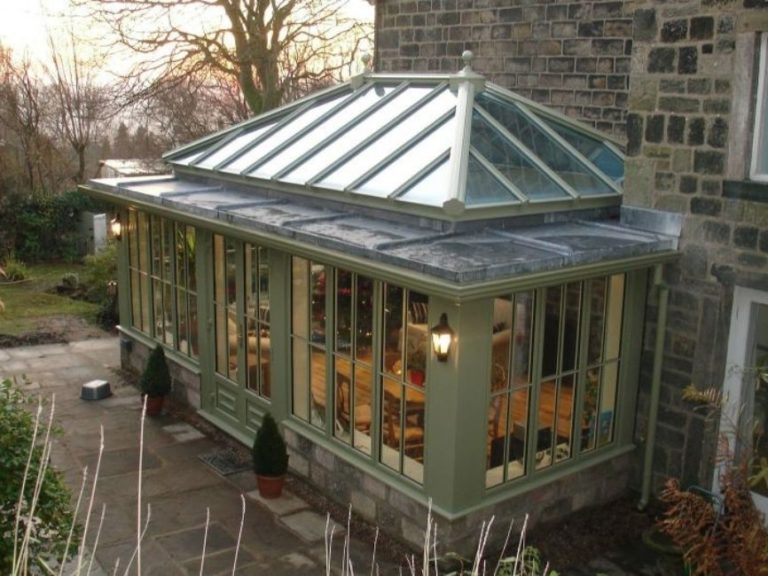
glass home extension on a stylish UK house
Architectural Glass: 8 Contemporary Extensions Guide | Room Outside

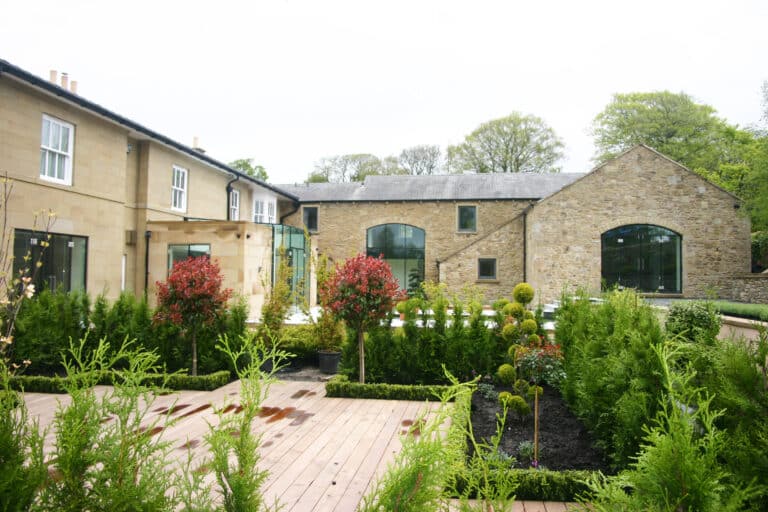
Architectural Glass: Eight Contemporary Extensions That Redefine Indoor-Outdoor Living

The boundary between inside and outside has never been more beautifully blurred.

Key Facts at a Glance

This is not about conservatories. Modern architectural glazing combines structural innovation with thermal performance that meets or exceeds Building Regulations, creating year-round living spaces.

Average frameless glass box: Around £40,000. Costs range from £14,000 (small) to £80,000+ (large architectural projects).

Property value impact: Up to 7% increase—outperforming brick extensions (6%) and conservatories (5%).

40+ years lifespan with standard maintenance. Quality installations are built to last.

£40k
Average frameless glass room cost
+7%
Property value increase potential
4m+
Glass panel heights now possible
40yrs
Expected lifespan with maintenance
Across the UK, homeowners are discovering that the most transformative addition they can make to their property is not more brick, more stone, or more timber—but more light. Contemporary glass extensions have evolved from architectural curiosity to design necessity, creating spaces that feel simultaneously protected and exposed, intimate yet expansive, thoroughly modern yet timelessly elegant.

Understanding Contemporary Glass Extensions

Before exploring inspiring design approaches, it helps to understand the different types of glass extension. The terminology can be confusing, but the distinctions matter when planning your project.

Framed Glass

Slim aluminium or steel profiles support glass panels. Modern frames achieve sightlines of just 17-21mm. More flexibility for opening elements.

Hybrid Glass

Combines glass with other materials—solid insulated roof with floor-to-ceiling glass walls. Often suits period properties beautifully.

The design options for a glass box extension are endless. From a full glass box with clear glass on all sides, to the introduction of solid elements like a solid roof, a glass extension can be designed to suit your space. Unlike a conservatory, a contemporary frameless glass box extension aims to create a smooth transition to the outside with full glazing, providing unobstructed views.

2025 Trend: Oversized Glass Panels

One of the biggest trends for 2025 is the use of oversized glass panels in both commercial and residential architecture. These panels create expansive views, increase natural light, and deliver a sense of openness that resonates with contemporary design preferences. According to a recent industry report, the oversized glass panel trend is expected to continue growing in 2024 and beyond, with manufacturers investing in new technologies to produce even larger panels.

Where once glass panels were measured in centimetres, today’s installations regularly exceed four metres in height, creating dramatic interior spaces that transform the relationship between home and garden.

Eight Inspiring Design Approaches

These eight approaches illustrate the breadth of possibilities when working with architectural glass. Each represents a different philosophy of how glass can transform residential space.

1

The Invisible Addition

Using frameless structural glass with silicone-bonded joints, these additions create the impression that interior space simply flows outward without interruption. The glass disappears entirely on clear days. Works exceptionally well with mature gardens and exceptional views.

2

The Period Property Contrast

When glass meets a Victorian or Georgian facade, rather than competing, the transparency allows the historic building to remain the visual focus. Black-framed glass against warm London stock brick creates a confident dialogue between old and new.

3

The Side Return Transformation

Victorian and Edwardian terraces often have narrow side returns—some of the most valuable square footage in residential property. Glass side returns unite previously separate spaces, with costs around £2,000/m² plus £40,000 for complete projects.

4

The Wraparound Glass Room

For corner positions or generous plots, L-shaped or U-shaped additions provide panoramic views that change character throughout the day. Morning light from one direction, afternoon sun from another—the relationship becomes dynamic.

5

The Glass Link

Glass links connect existing structures while maintaining visual separation—covered walkways that feel like being outdoors. Perfect for connecting main houses to converted garages, annexes, or garden studios.

6

The Oriel Window Room

Glass oriel windows cantilever from building facades to create frameless viewing spaces without extensive groundworks. Ideal for bedrooms seeking borrowed light or studies requiring inspiring views without sacrificing wall space.

7

The Glass and Timber Hybrid

Combining glass with natural materials creates warmth that pure glazing cannot achieve alone. Exposed Douglas Fir or oak provides visual warmth while frameless glass corners wrap around key vantage points. Suits rural properties beautifully.

8

The Industrial Aesthetic

Steel-framed glazing systems replicate classic industrial structures with contemporary design sensibilities. The grid of mullions provides rhythm and scale. Modern steel-look systems offer this aesthetic without thermal penalties.

The Science of Light and Wellbeing

The appeal of glass extensions goes beyond aesthetics. A growing body of research suggests that exposure to natural light and visual connections with nature provide measurable benefits to physical and mental health—a concept now central to biophilic design.

The Biophilic Connection

Biophilia, from the Greek words meaning “love of life,” describes humanity’s innate need to connect with nature and living things. Glass is uniquely suited to biophilic design. As a building material, glass can help support interior plant life, increase natural views and daylighting for occupant satisfaction, and improve energy efficiency to support sustainability goals.

Reduced stress through nature connection
Enhanced creativity and clarity of thought
Improved wellbeing and mental health
Better sleep through circadian rhythm regulation
Increased productivity at home
Brain stimulation from dynamic light scenes

The changing quality of light through a glass extension—from morning brightness through afternoon warmth to evening glow—provides exactly the kind of natural variation our brains have evolved to expect.

Technical Considerations

The beauty of contemporary glass extensions depends entirely on solving practical challenges that once made all-glass structures problematic. Understanding these considerations helps distinguish well-engineered projects from those that will disappoint.

Thermal Performance and U-Values

The thermal performance of glazing is measured by its U-value: the rate at which heat transfers through the glass. Lower U-values indicate better insulation. Building Regulations require extensions achieve 1.6 W/m²K or better.

  • Modern high-performance glazing routinely achieves 1.1-1.2 W/m²K
  • The most advanced systems reach 0.8 W/m²K or better
  • Some manufacturers now offer vacuum insulating glass achieving 0.17 W/m²K

⚠️ Compare Like With Like

Always ensure you’re comparing Uw values (whole window performance including frames) rather than Ug values (centre pane only). Some suppliers quote Ug values, which are always more impressive than actual installed performance.

Solar Control and Overheating

The historical criticism of conservatories—unbearably hot in summer, cold in winter—remains relevant for glass extensions. Solving this requires careful attention to solar control measures.

  • Solar control coatings prevent infrared rays entering while retaining warmth
  • Smart glass (electrochromic) can transition between transparent and tinted states automatically
  • SHGC (Solar Heat Gain Coefficient) measures how much solar radiation converts to heat—lower is better for south/west-facing extensions

Investment and Value: Understanding Costs

Glass extensions represent significant investments, but they also deliver substantial returns both in property value and daily living experience. Understanding the cost structure helps ensure realistic budgeting.

Extension Type Typical Cost Range
Small glass extension £14,000 to £30,000
Frameless glass box (average) £40,000 to £60,000
Large architectural extension £60,000 to £100,000+
Glass side return extension £2,000/m² + £40,000
High-performance specification £3,500+ per m²
Professional cleaning service £150 to £400 annually
Small Glass Extension
Typical Cost Range £14,000 to £30,000
Frameless Glass Box (Average)
Typical Cost Range £40,000 to £60,000
Large Architectural Extension
Typical Cost Range £60,000 to £100,000+
Glass Side Return Extension
Typical Cost Range £2,000/m² + £40,000
High-Performance Specification
Typical Cost Range £3,500+ per m²

Property Value Impact

High-quality glass extensions can increase property value by up to 7%, comparing favourably with brick-built kitchen extensions (around 6%) and traditional conservatories (approximately 5%). According to Nationwide, home improvements that add additional floor area can increase property values by up to 25% in optimal circumstances.

Factors Affecting Cost

  • Glass specification: Solar control coatings, heated glass, and triple glazing all add cost but improve performance
  • Frame material: Aluminium costs less than steel; frameless structural systems command premium prices
  • Opening type: Bi-fold doors cost approximately £2,000; sliding doors approach £3,800+
  • Location: Building costs significantly higher in London and the South East
  • Site access: Difficult access requiring specialist equipment or crane hire increases costs substantially

Planning and Design Considerations

Creating a successful glass extension involves more than selecting beautiful glazing. The design process must address practical, regulatory, and aesthetic considerations that determine whether the finished structure enhances or compromises your home.

Working with Professionals

Glass extensions demand specialist expertise. These types of extensions are a costly exercise and you will still need to adhere to ever stricter Building Regulations. You should definitely work with a qualified architect and structural engineer rather than attempting to design complex glazing installations independently.

Planning Permission

Just as with any kind of extension, there will be cases where planning permission might not be required. Extensions can sometimes be built under permitted development if they don’t exceed specific parameters. However, even if you feel certain your extension falls within permitted development rights, always check with your local planning authority.

Heritage & Conservation

If you’re extending a listed building, live in a Conservation Area, or occupy an Area of Outstanding Natural Beauty, you will almost certainly require planning permission or listed building consent. Glass extensions to heritage properties often require particularly careful justification—though their transparent nature can sometimes help secure approval.

Orientation and Solar Gain

  • South-facing: Require careful solar control to prevent overheating
  • North-facing: Need high-performance glazing to maintain warmth without direct solar gain
  • East-facing: Capture morning light—ideal for breakfast rooms or home offices
  • West-facing: Enjoy afternoon and evening sun—perfect for entertaining spaces

Is a Glass Extension Right for You?

Glass extensions suit properties and homeowners seeking particular outcomes. Understanding what these structures do best helps determine whether this approach matches your aspirations.

Glass Extensions Excel When You Want:

✓ Maximum natural light penetration into previously dark spaces
✓ Seamless visual connection between interior and garden
✓ A contemporary addition that respects period architecture
✓ Biophilic benefits of nature connection for health and wellbeing
✓ Year-round enjoyment of garden views regardless of weather
✓ A statement addition that differentiates your property in the market
✓ Space that feels larger than its physical footprint

Consider Alternatives When:

• Privacy from neighbours is a primary concern
• Budget is severely constrained
• The site lacks attractive views worth framing
• You prefer enclosed spaces to open, light-filled rooms
• Access for cleaning and maintenance would be impractical

Bringing Light Into Your Life

Contemporary glass extensions represent more than architectural fashion. They respond to fundamental human needs: for light, for connection to nature, for spaces that inspire and restore. The technology that makes these structures possible continues to advance, with thermal performance, solar control, and structural capabilities improving year on year.

Whether your dream involves a frameless glass box that makes architecture disappear, a bold steel-framed structure that celebrates its engineering, or a sensitive hybrid design that bridges old and new, the range of possibilities has never been greater.

The eight approaches explored in this article represent starting points rather than limitations. Every successful glass extension is bespoke, designed to respond to its specific site, its owners’ aspirations, and its architectural context. To explore what a contemporary glass extension might mean for your home, discover our contemporary frameless glass box extension services and begin imagining your own transformation.

The boundary between inside and outside awaits your imagination.

Frequently Asked Questions

How much does a glass box extension cost?

Glass box extensions typically cost from £14,000 for small structures to over £80,000 for large architectural projects. The average frameless glass room costs around £40,000. Expect to pay approximately £3,000 per m² for glazing, with high-performance specifications reaching £3,500 or more per m².

Will a glass extension overheat in summer?

Modern glass extensions incorporate solar control coatings and high-performance glazing that prevent overheating. Smart glass technology can automatically adjust tinting in response to sunlight. Proper specification ensures comfortable temperatures year-round, unlike the conservatories of previous decades.

Do glass extensions add value to property?

Quality glass extensions can increase property value by up to 7%, outperforming both traditional brick extensions (6%) and conservatories (5%). Beyond financial return, they provide immediate lifestyle value through year-round usable space flooded with natural light.

Can glass extensions be built on period properties?

Yes, glass extensions often suit period properties exceptionally well. The transparency allows the original architecture to remain visible and dominant. The clear contrast between old and new can actually help secure planning approval by demonstrating respect for historic fabric.

What is the difference between framed and frameless?

Frameless extensions use structural glass panels connected by nearly invisible silicone joints, creating completely unobstructed views. Framed systems use slim aluminium or steel profiles, some with sightlines as narrow as 17mm. Choice depends on budget, aesthetic preference, and need for opening elements.

What U-values should a glass extension achieve?

Building Regulations require U-values of 1.6 W/m²K or better for extensions. High-performance glazing systems routinely achieve 1.1-1.2 W/m²K, with the most advanced reaching 0.8 W/m²K or better. Always ensure you’re comparing whole-window (Uw) values rather than centre-pane (Ug) values.

Do I need planning permission?

Some glass extensions fall within permitted development rights, but this depends on size, position, and location. Listed buildings, Conservation Areas, and Areas of Outstanding Natural Beauty almost always require planning permission. Always check with your local planning authority before proceeding.

How long do glass extensions last?

Quality glass extensions built with high-grade aluminium frames and properly specified glazing typically last 40 years or more with standard maintenance. The glass itself is extremely durable, while structural silicone joints may require eventual replacement after 20-25 years.

What maintenance do glass extensions require?

Glass extensions require regular cleaning to maintain appearance, typically costing £150-£400 annually for professional services. Low-maintenance coatings reduce cleaning frequency. Aluminium frames require minimal attention, while seals and drainage should be inspected periodically.

Can any builder install a glass extension?

Glass extensions require specialist skills and experience. The structural engineering, precision installation, and weatherproofing of large glass panels demand expertise that general builders may not possess. Working with specialist glazing companies ensures proper installation and valid warranties.

What is biophilic design and why does it matter?

Biophilic design recognises humanity’s innate need to connect with nature. Research shows that spaces with natural light and views of nature reduce stress, enhance creativity, improve wellbeing, and expedite healing. Glass extensions deliver these benefits by creating strong visual connections with the natural world.

What is the largest glass panel that can be installed?

Modern structural glazing systems can accommodate panels exceeding four metres in height, with some installations reaching even larger dimensions. The practical limit depends on access for delivery, crane hire requirements, and structural support. Larger panels generally require specialist installation equipment.

Can glass roofs be walked on?

Walk-on glass floors and rooflights are engineered specifically for foot traffic, using multiple layers of toughened and laminated glass. Standard roof glazing is not designed to be walked on. If maintenance access is required, this must be specified during design to ensure appropriate glass selection.

What happens if glass panels crack or fail?

Structural glass uses toughened and laminated glass designed to fail safely. Laminated panels remain intact even when cracked, held together by interlayer films. Quality installations include designs that allow individual panel replacement without dismantling entire structures.

Ready to Blur the Boundary Between Inside and Outside?

Our specialists design and build contemporary glass extensions across London, Surrey, Sussex, Hampshire and the South East.
roomoutsideuk
30th December, 2025

West Sussex’s Most Distinctive Glass Extensions

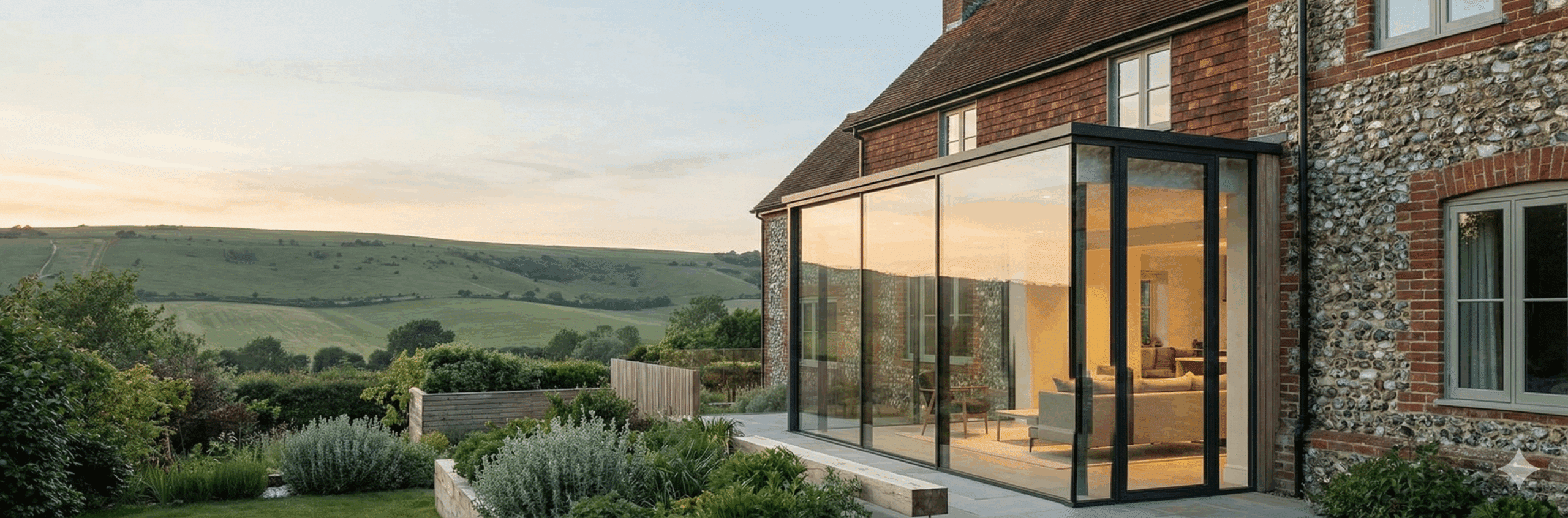
A period Sussex home (flint, soft red brick, or tile-hung façade)
West Sussex Glass Extensions: Design Lessons from the South Downs | Room Outside

West Sussex’s Most Distinctive Glass Extensions

How the best architects create glass rooms that honour Sussex’s vernacular heritage while bringing homes into the 21st century.

The West Sussex Advantage

Property values here support significant investment. With average prices exceeding £435,000 county-wide and prime areas commanding much more, quality glass extensions deliver strong returns.

5-15% value added by well-designed glass extensions according to local estate agents.

National Park restrictions aren’t obstacles—they’re frameworks that produce better architecture when designers treat them as creative prompts.

The best extensions don’t fight heritage. They enter into a conversation with it, creating something that feels both ancient and entirely modern.

£435k+
Average West Sussex property price
5-15%
Property value added by quality glass rooms
30%
Max floor area increase in National Park
£680k
Average detached home price
There is something about the light in West Sussex that makes glass architecture sing. Perhaps it is the way the chalk downland reflects the sky, or the soft coastal haze that filters the afternoon sun. Whatever the reason, glass extensions here have a quality you do not find elsewhere.

The West Sussex Context: Why Location Shapes Everything

West Sussex presents designers with a particular set of opportunities and constraints. The county encompasses some of England’s most protected landscapes, from the rolling chalk downs to the ancient woodland of the Weald. Property values here reflect both the beauty and the scarcity of development opportunity.

Much of the county falls within or adjacent to the South Downs National Park, designated in 2010 for its outstanding natural beauty. According to the South Downs National Park Authority, planning within the park boundary requires heightened design sensitivity. Extensions must demonstrate they will not harm the landscape character, and extended permitted development rights do not apply within National Park boundaries.

This is not an obstacle to good design. It is a framework that, when embraced, produces better architecture. The most successful glass extensions in West Sussex are those where designers have treated the planning constraints as creative prompts rather than bureaucratic hurdles.

The Material Palette of Sussex

To understand how glass extensions succeed in this landscape, you first need to understand the materials they sit alongside. Historic England’s research documents how Sussex buildings evolved from what could be found locally: oak and clay in the Weald, flint and brick along the Downs, tile hanging where weather protection was needed.

Flint is the signature material of the chalk downland. The dark, glassy centres of knapped flint create surfaces that catch and reflect light in ways that glass naturally complements. There is an affinity between these materials that skilled designers exploit.

Brick comes in distinctive Sussex colours, from the soft reds of the Weald to the yellower tones nearer the coast. Tile hanging, originally practical against driving rain, has become decorative tradition. Understanding these materials shapes how a glass extension should be detailed, positioned, and proportioned.

Design Lessons from Successful Projects

The finest glass extensions in West Sussex share certain principles, even when they look quite different from one another. These are observations drawn from projects that have earned both planning approval and the admiration of those who live in and around them.

1

Acknowledge the Hierarchy

The original building should remain the dominant presence. This doesn’t mean glass extensions must be small or apologetic—it means they should defer to the host building in ridge height, visual mass, and presence from the street. The best designs are confident without being assertive.

2

Choose Your Frame Language Carefully

The frame system makes a design statement whether you intend it or not. Slim aluminium profiles suggest contemporary sensibility. Painted timber with glazing bars references tradition. Neither is inherently better, but each says something different about the relationship between old and new.

3

Think About Roofscape

In hilly terrain like the Downs, buildings are often seen from above. A glass roof that looks elegant from inside can appear as a blank reflective panel from uphill neighbours. The best designs consider this, using roof profiles that slope away from sightlines or elements that break up reflection.

4

Consider the Garden and Beyond

A glass extension exists in relationship with its garden, boundaries, and often the wider landscape. The most thoughtful designs treat the garden as part of the architectural composition. Planting softens boundaries, hard landscaping connects to the house palette, and positioning maximises borrowed views.

Planning Officers Respond Positively To…

In villages within the National Park, we’ve seen planning officers respond positively to designs that use slender steel frames echoing traditional orangery proportions. The material reads as clearly contemporary, but the rhythm and proportions connect to the Georgian and Victorian glasshouse tradition. This is not pastiche—it’s an intelligent acknowledgment of context.

Orangeries and Glass Boxes: Different Solutions for Different Houses

Two distinct typologies dominate the high-end glass extension market in West Sussex: the contemporary glass box and the modern orangery. Both can be exceptional. Both can be appropriate in the right context. Understanding which suits your property is fundamental to achieving an outstanding result.

🔲

Contemporary Glass Box

Pure glass boxes work best where contrast is the design intention. Against a robust Victorian villa, a minimal glass volume creates deliberate tension between historic substance and contemporary transparency. Requires exceptional glazing quality and precise junction detailing.

🔗

Glazed Link

Connecting new additions to period buildings or linking main house to outbuildings. Often required by planners for listed building extensions. Provides clear separation between old and new, allowing each to be read distinctly.

🌿

Garden Room

Suits all property types where additional space at garden level is the priority. Can be freestanding or attached. May fall under permitted development if not attached. Larger or attached versions usually require planning permission.

Navigating West Sussex Planning: A Practical Guide

Planning regulations in West Sussex vary significantly depending on your specific location. Understanding which rules apply to your property is essential before investing in design development.

Within the South Downs National Park

If your property falls within the National Park boundary, permitted development rights are significantly restricted. Most extensions require planning permission, even relatively modest ones. The South Downs National Park Authority operates its own planning service with policies specifically designed to protect the special qualities of the landscape.

  • Extensions to small and medium houses generally limited to approximately 30% increase in gross internal floor area
  • Every application assessed for impact on local character and appearance
  • Meeting size thresholds does not guarantee approval if design is considered harmful
  • Dark skies are actively protected—roof glazing that emits light upward faces additional scrutiny

⚠️ Dark Sky Protection

The South Downs is an International Dark Sky Reserve. This affects glazed extension design, particularly roof glazing that could emit light upward. Designs that manage internal lighting spillage and avoid sky glow perform better in the planning process.

Outside the National Park

Properties outside the National Park but still in West Sussex typically have access to standard permitted development rights, though conservation areas impose additional constraints. The local planning authorities covering West Sussex include Chichester, Horsham, Mid Sussex, Crawley, Arun, Adur, and Worthing, each with their own local plan and design guidance.

Even where permitted development applies, glass extensions often exceed the parameters for exempt development. Rear extensions beyond certain depths, side extensions, and roof additions all require careful assessment against specific permitted development rules.

Glass Extension Types at a Glance

This comparison shows the key characteristics of different glass extension approaches for West Sussex properties.

Type Best Suited To Planning Considerations
Frameless Glass Box Victorian/Edwardian villas, substantial brick or stone houses where contrast is desirable Often approved when positioned away from principal elevations. Conservation areas may require design statements.
Modern Orangery Georgian/Regency properties, listed buildings, houses in conservation areas Generally well received due to historical precedent. Can use matching materials.
Glazed Link Connecting additions to period buildings, linking house to outbuildings Often required by planners for listed building extensions. Provides clear old/new separation.
Garden Room All property types where additional garden-level space is priority May fall under PD if not attached. Larger/attached versions usually require permission.
Frameless Glass Box
Best Suited To Victorian/Edwardian villas, substantial brick or stone houses where contrast is desirable
Planning Considerations Often approved when positioned away from principal elevations. Conservation areas may require design statements.
Modern Orangery
Best Suited To Georgian/Regency properties, listed buildings, houses in conservation areas
Planning Considerations Generally well received due to historical precedent. Can use matching materials. ✓ Best planning response
Glazed Link
Best Suited To Connecting additions to period buildings, linking house to outbuildings
Planning Considerations Often required by planners for listed building extensions. Provides clear old/new separation.
Garden Room
Best Suited To All property types where additional garden-level space is priority
Planning Considerations May fall under PD if not attached. Larger/attached versions usually require permission.

Making the Investment Work: Property Value Considerations

West Sussex property prices support significant investment in quality extensions. With detached homes averaging around £680,000 across the county and premium areas commanding substantially more, a well-designed glass room that adds genuine living space typically delivers strong returns.

The economics work differently at different price points. For a £500,000 property, a £60,000 glass extension needs to add meaningful value to justify itself. Evidence from estate agents suggests that well-designed garden rooms and glass extensions can add 5-15% to property value in this area. At £500,000, that represents £25,000 to £75,000 of value for your investment.

What Drives Value in This Market

Estate agents in West Sussex consistently report that buyers respond most strongly to glass extensions that achieve these qualities:

  • Year-round usability through proper thermal specification
  • Seamless connection to garden space
  • Natural light flooding into the main house
  • Design quality that enhances rather than compromises the original building
  • Materials and finishes that will age gracefully

The Value Calculation

On a £500,000 property, a quality glass extension adding 5-15% value represents £25,000-£75,000 of added value. With typical costs of £50,000-£90,000 for a 25 sqm glass box, the investment often pays for itself while dramatically improving how you live.

But the calculation shouldn’t be purely financial. A glass extension that allows your family to use your home differently—to connect inside and outside, to have space for activities that currently can’t happen—delivers value that doesn’t appear on balance sheets.

Working with the West Sussex Landscape

For homeowners across West Sussex and the surrounding areas, the landscape offers both inspiration and responsibility. The rolling downland, the ancient woodlands, the coastal light—all these qualities draw people to live here. Good architecture responds to these qualities and contributes to them.

Orientation and Light

The quality of light in this part of England is particularly suited to glass architecture. The relatively high proportion of diffuse light, filtered through the maritime atmosphere, creates soft illumination that glass rooms capture beautifully. South facing extensions benefit from direct sun in winter when it’s welcome, while proper specification manages summer heat gain.

North facing glass rooms have their own appeal, offering even, consistent light throughout the day. Artists and photographers often prefer this quality, and dining rooms used primarily in the evenings work well without direct sun.

Views and Framing

Many West Sussex properties enjoy views toward the Downs, across farmland, or through woodland. A glass extension offers the opportunity to frame these views as deliberate compositions. The position of structural elements, the height of sills, the proportion of openings—all shape how the landscape is experienced from inside.

Some of the most successful designs use glass sparingly on sides with less attractive outlooks, concentrating transparency where views reward it. This selective approach often performs better architecturally than all-glass solutions that treat every direction equally.

Creating Something That Belongs

The most distinctive glass extensions in West Sussex share a quality that is easier to recognise than to describe. They look like they belong. Not because they copy what surrounds them, but because they respond to it with intelligence and care.

This is architecture that understands its context, whether that context is a flint cottage in a National Park village or a substantial Victorian house in a Horsham conservation area. It takes the constraints seriously and finds creative solutions within them. It respects what came before while making a clear statement about now.

The Bottom Line

If you’re considering a glass extension in West Sussex, take time to look at what already surrounds your property. Notice the materials, the proportions, the way light falls at different times of day. Think about how you want to live in the new space and how it will connect to your garden and your views.

Then find designers and builders who share your ambition to create something that will still look right in twenty years, in fifty years. Something that future owners will be grateful you built. Explore our glass room designs or contact us to discuss what might be possible for your property.

Frequently Asked Questions

Do I need planning permission for a glass extension in West Sussex?

It depends on your location and the size of the extension. Properties within the South Downs National Park have restricted permitted development rights, meaning most extensions require planning permission regardless of size. Outside the National Park, standard permitted development rules apply, but glass extensions often exceed exempt parameters.

What are the planning restrictions in the South Downs National Park?

Extensions to small and medium houses are generally limited to approximately 30% increase in gross internal floor area. All applications are assessed for impact on local character. Dark sky protection means designs that emit light upward face additional scrutiny. Pre-application advice is strongly recommended.

How much does a high-quality glass extension cost?

Quality glass extensions typically cost £2,000-£3,500 per square metre. A 25 sqm glass box might range from £50,000-£90,000. A substantial orangery with high-specification glazing could range from £75,000-£150,000 or more depending on specification and site conditions.

Will a glass extension add value to my property?

Evidence from local estate agents suggests well-designed glass extensions typically add 5-15% to property value. On a £500,000 property, that represents £25,000-£75,000 of added value. The key qualifiers are ‘well-designed’ and ‘well-executed’.

What is the difference between an orangery and a glass box?

An orangery has a solid perimeter wall topped by glazing with a lantern roof, creating a more enclosed room. A glass box uses minimal framing and maximum glazing for the most transparent structure. Orangeries often receive warmer planning responses in conservation areas due to historical precedent.

Can I build a glass extension on a listed building?

Yes, but you will need listed building consent as well as planning permission. Contemporary glass designs can work well on listed buildings when clearly differentiated from historic fabric while respecting its character. Glazed links that create separation between old and new are often favoured.

How long does it take to build a glass extension?

Allow approximately 3-4 months from planning approval to completion for a straightforward project. The planning process typically takes 8 weeks for standard applications, though National Park applications can take longer. Design development might take 2-4 months depending on complexity.

What U-values should I specify?

Building Regulations require windows to achieve a maximum U-value of 1.4 W/m²K, but for genuine year-round comfort, aim for 1.2 W/m²K or better. Triple glazing can achieve values of 0.8-1.0 W/m²K. The extra investment pays back through lower heating costs and year-round usability.

Is it possible to have a glass extension that doesn’t overheat?

Absolutely, but it requires thoughtful specification. Solar control glazing reduces heat gain, proper ventilation allows hot air to escape, and external shading is more effective than internal blinds. North facing glass rooms rarely overheat. South and west facing extensions need more careful management.

What frame materials work best?

Aluminium with thermal breaks offers slimmest sightlines and best durability. Steel provides even slimmer profiles with an industrial aesthetic. Timber offers warmth and traditional appeal but requires more maintenance. The choice depends on the look you want, budget, and maintenance commitment.

Can I use my existing conservatory footprint?

Often yes, though you may need to replace foundations if the existing base is inadequate for the new structure’s weight. Using an existing footprint can simplify planning, particularly if not increasing overall size. However, you may still need permission if exemptions no longer apply.

Do I need Building Regulations approval?

Most glass extensions require Building Regulations approval, separate from planning permission. The regulations cover structural safety, thermal performance, and ventilation. Some small conservatories are exempt if meeting specific criteria including separation from the main house by external quality doors.

What maintenance does a glass extension require?

Glass requires regular cleaning, more frequently than you might expect for maintaining transparency. Frames need periodic checking and may need repainting or resealing depending on material. Seals and gaskets may need replacement after 10-15 years. None is onerous, but budget time and money for ongoing care.

Can you help with glass extensions across West Sussex?

Yes. We work with homeowners throughout West Sussex, from Chichester to Crawley, from coastal towns to villages of the Downs and Weald. We understand the specific planning contexts, local architectural character, and expectations of both planners and buyers in this area.

Ready to Discuss Your West Sussex Project?

Our specialists design and build distinctive glass extensions across West Sussex, Surrey, Hampshire and the South East.