
roomoutsideuk
03rd January, 2026

Architectural Glass: Eight Contemporary Extensions That Redefine Indoor-Outdoor Living

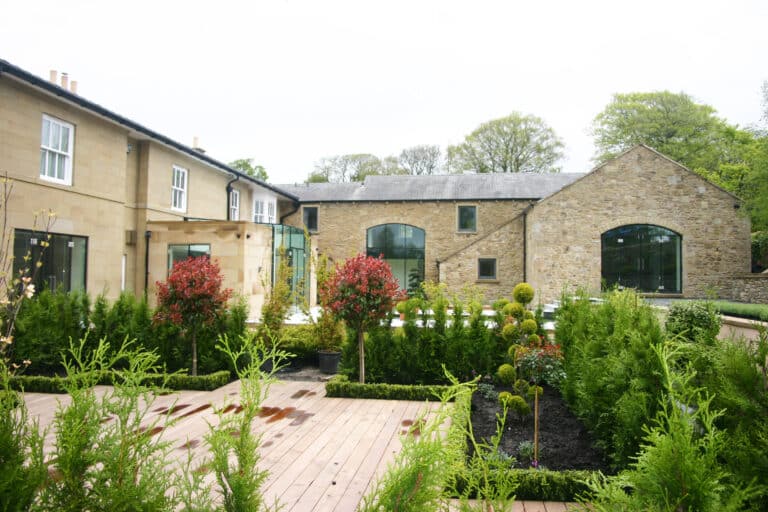
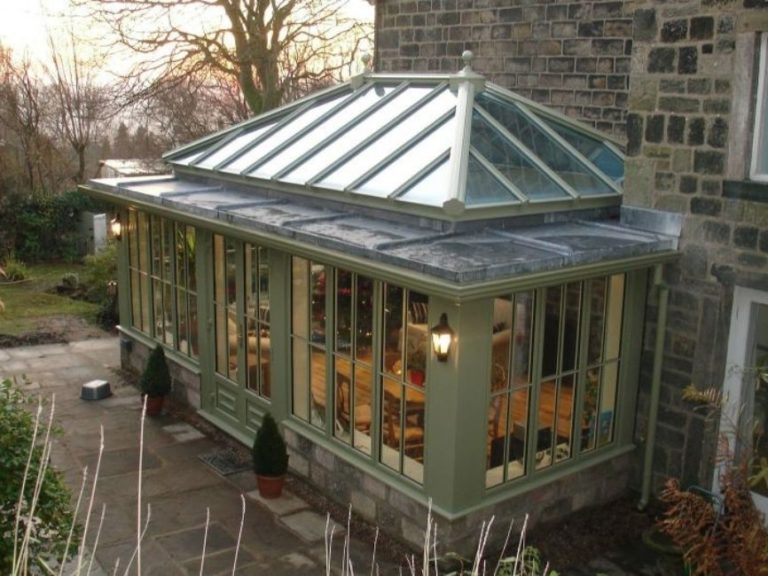
glass home extension on a stylish UK house
Architectural Glass: 8 Contemporary Extensions Guide | Room Outside

Architectural Glass: Eight Contemporary Extensions That Redefine Indoor-Outdoor Living

The boundary between inside and outside has never been more beautifully blurred.

Key Facts at a Glance

This is not about conservatories. Modern architectural glazing combines structural innovation with thermal performance that meets or exceeds Building Regulations, creating year-round living spaces.

Average frameless glass box: Around £40,000. Costs range from £14,000 (small) to £80,000+ (large architectural projects).

Property value impact: Up to 7% increase—outperforming brick extensions (6%) and conservatories (5%).

40+ years lifespan with standard maintenance. Quality installations are built to last.

£40k
Average frameless glass room cost
+7%
Property value increase potential
4m+
Glass panel heights now possible
40yrs
Expected lifespan with maintenance
Across the UK, homeowners are discovering that the most transformative addition they can make to their property is not more brick, more stone, or more timber—but more light. Contemporary glass extensions have evolved from architectural curiosity to design necessity, creating spaces that feel simultaneously protected and exposed, intimate yet expansive, thoroughly modern yet timelessly elegant.

Understanding Contemporary Glass Extensions

Before exploring inspiring design approaches, it helps to understand the different types of glass extension. The terminology can be confusing, but the distinctions matter when planning your project.

Framed Glass

Slim aluminium or steel profiles support glass panels. Modern frames achieve sightlines of just 17-21mm. More flexibility for opening elements.

Hybrid Glass

Combines glass with other materials—solid insulated roof with floor-to-ceiling glass walls. Often suits period properties beautifully.

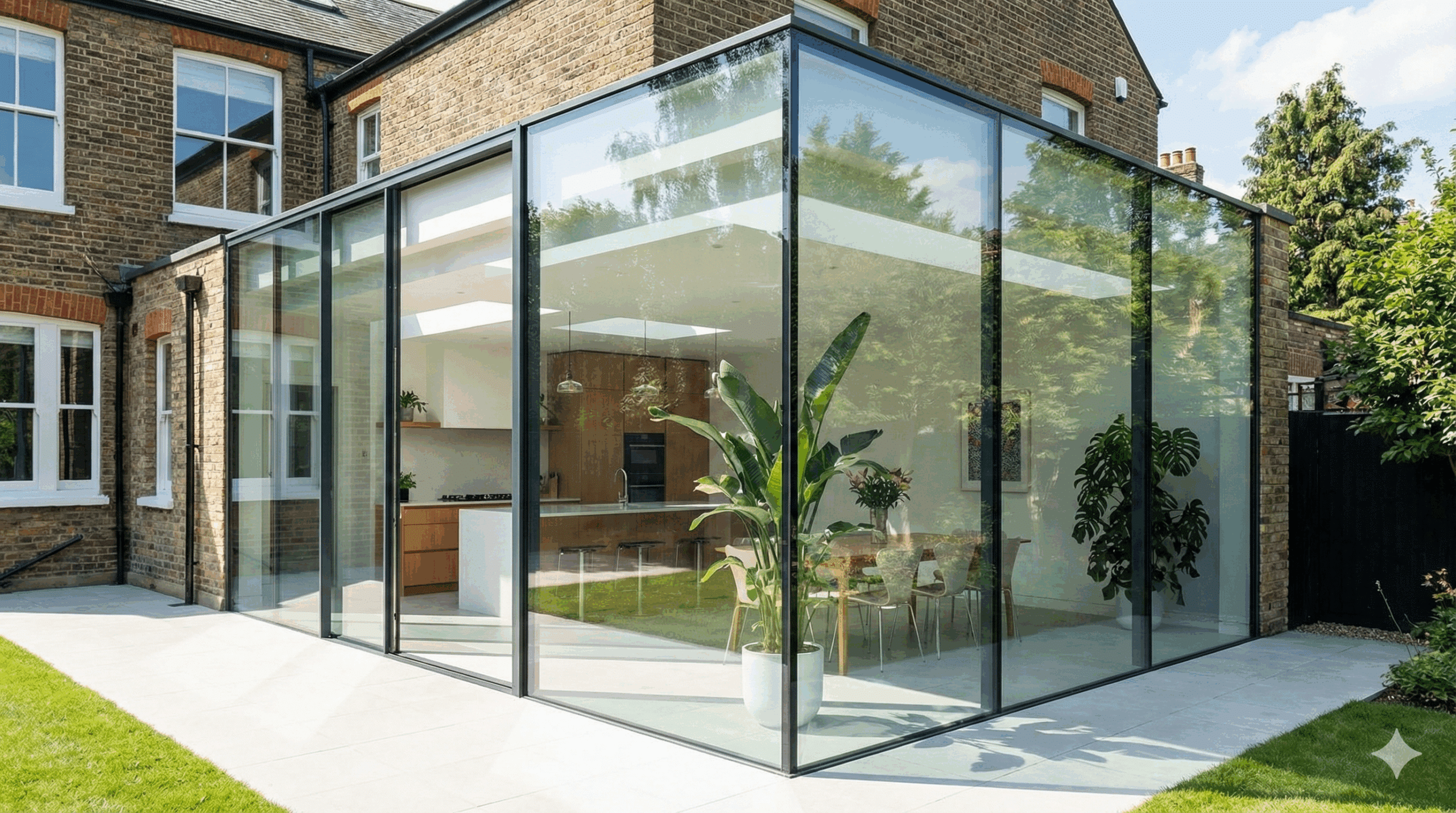
The design options for a glass box extension are endless. From a full glass box with clear glass on all sides, to the introduction of solid elements like a solid roof, a glass extension can be designed to suit your space. Unlike a conservatory, a contemporary frameless glass box extension aims to create a smooth transition to the outside with full glazing, providing unobstructed views.

2025 Trend: Oversized Glass Panels

One of the biggest trends for 2025 is the use of oversized glass panels in both commercial and residential architecture. These panels create expansive views, increase natural light, and deliver a sense of openness that resonates with contemporary design preferences. According to a recent industry report, the oversized glass panel trend is expected to continue growing in 2024 and beyond, with manufacturers investing in new technologies to produce even larger panels.

Where once glass panels were measured in centimetres, today’s installations regularly exceed four metres in height, creating dramatic interior spaces that transform the relationship between home and garden.

Eight Inspiring Design Approaches

These eight approaches illustrate the breadth of possibilities when working with architectural glass. Each represents a different philosophy of how glass can transform residential space.

1

The Invisible Addition

Using frameless structural glass with silicone-bonded joints, these additions create the impression that interior space simply flows outward without interruption. The glass disappears entirely on clear days. Works exceptionally well with mature gardens and exceptional views.

2

The Period Property Contrast

When glass meets a Victorian or Georgian facade, rather than competing, the transparency allows the historic building to remain the visual focus. Black-framed glass against warm London stock brick creates a confident dialogue between old and new.

3

The Side Return Transformation

Victorian and Edwardian terraces often have narrow side returns—some of the most valuable square footage in residential property. Glass side returns unite previously separate spaces, with costs around £2,000/m² plus £40,000 for complete projects.

4

The Wraparound Glass Room

For corner positions or generous plots, L-shaped or U-shaped additions provide panoramic views that change character throughout the day. Morning light from one direction, afternoon sun from another—the relationship becomes dynamic.

5

The Glass Link

Glass links connect existing structures while maintaining visual separation—covered walkways that feel like being outdoors. Perfect for connecting main houses to converted garages, annexes, or garden studios.

6

The Oriel Window Room

Glass oriel windows cantilever from building facades to create frameless viewing spaces without extensive groundworks. Ideal for bedrooms seeking borrowed light or studies requiring inspiring views without sacrificing wall space.

7

The Glass and Timber Hybrid

Combining glass with natural materials creates warmth that pure glazing cannot achieve alone. Exposed Douglas Fir or oak provides visual warmth while frameless glass corners wrap around key vantage points. Suits rural properties beautifully.

8

The Industrial Aesthetic

Steel-framed glazing systems replicate classic industrial structures with contemporary design sensibilities. The grid of mullions provides rhythm and scale. Modern steel-look systems offer this aesthetic without thermal penalties.

The Science of Light and Wellbeing

The appeal of glass extensions goes beyond aesthetics. A growing body of research suggests that exposure to natural light and visual connections with nature provide measurable benefits to physical and mental health—a concept now central to biophilic design.

The Biophilic Connection

Biophilia, from the Greek words meaning “love of life,” describes humanity’s innate need to connect with nature and living things. Glass is uniquely suited to biophilic design. As a building material, glass can help support interior plant life, increase natural views and daylighting for occupant satisfaction, and improve energy efficiency to support sustainability goals.

Reduced stress through nature connection
Enhanced creativity and clarity of thought
Improved wellbeing and mental health
Better sleep through circadian rhythm regulation
Increased productivity at home
Brain stimulation from dynamic light scenes

The changing quality of light through a glass extension—from morning brightness through afternoon warmth to evening glow—provides exactly the kind of natural variation our brains have evolved to expect.

Technical Considerations

The beauty of contemporary glass extensions depends entirely on solving practical challenges that once made all-glass structures problematic. Understanding these considerations helps distinguish well-engineered projects from those that will disappoint.

Thermal Performance and U-Values

The thermal performance of glazing is measured by its U-value: the rate at which heat transfers through the glass. Lower U-values indicate better insulation. Building Regulations require extensions achieve 1.6 W/m²K or better.

  • Modern high-performance glazing routinely achieves 1.1-1.2 W/m²K
  • The most advanced systems reach 0.8 W/m²K or better
  • Some manufacturers now offer vacuum insulating glass achieving 0.17 W/m²K

⚠️ Compare Like With Like

Always ensure you’re comparing Uw values (whole window performance including frames) rather than Ug values (centre pane only). Some suppliers quote Ug values, which are always more impressive than actual installed performance.

Solar Control and Overheating

The historical criticism of conservatories—unbearably hot in summer, cold in winter—remains relevant for glass extensions. Solving this requires careful attention to solar control measures.

  • Solar control coatings prevent infrared rays entering while retaining warmth
  • Smart glass (electrochromic) can transition between transparent and tinted states automatically
  • SHGC (Solar Heat Gain Coefficient) measures how much solar radiation converts to heat—lower is better for south/west-facing extensions

Investment and Value: Understanding Costs

Glass extensions represent significant investments, but they also deliver substantial returns both in property value and daily living experience. Understanding the cost structure helps ensure realistic budgeting.

Extension Type Typical Cost Range
Small glass extension £14,000 to £30,000
Frameless glass box (average) £40,000 to £60,000
Large architectural extension £60,000 to £100,000+
Glass side return extension £2,000/m² + £40,000
High-performance specification £3,500+ per m²
Professional cleaning service £150 to £400 annually
Small Glass Extension
Typical Cost Range £14,000 to £30,000
Frameless Glass Box (Average)
Typical Cost Range £40,000 to £60,000
Large Architectural Extension
Typical Cost Range £60,000 to £100,000+
Glass Side Return Extension
Typical Cost Range £2,000/m² + £40,000
High-Performance Specification
Typical Cost Range £3,500+ per m²

Property Value Impact

High-quality glass extensions can increase property value by up to 7%, comparing favourably with brick-built kitchen extensions (around 6%) and traditional conservatories (approximately 5%). According to Nationwide, home improvements that add additional floor area can increase property values by up to 25% in optimal circumstances.

Factors Affecting Cost

  • Glass specification: Solar control coatings, heated glass, and triple glazing all add cost but improve performance
  • Frame material: Aluminium costs less than steel; frameless structural systems command premium prices
  • Opening type: Bi-fold doors cost approximately £2,000; sliding doors approach £3,800+
  • Location: Building costs significantly higher in London and the South East
  • Site access: Difficult access requiring specialist equipment or crane hire increases costs substantially

Planning and Design Considerations

Creating a successful glass extension involves more than selecting beautiful glazing. The design process must address practical, regulatory, and aesthetic considerations that determine whether the finished structure enhances or compromises your home.

Working with Professionals

Glass extensions demand specialist expertise. These types of extensions are a costly exercise and you will still need to adhere to ever stricter Building Regulations. You should definitely work with a qualified architect and structural engineer rather than attempting to design complex glazing installations independently.

Planning Permission

Just as with any kind of extension, there will be cases where planning permission might not be required. Extensions can sometimes be built under permitted development if they don’t exceed specific parameters. However, even if you feel certain your extension falls within permitted development rights, always check with your local planning authority.

Heritage & Conservation

If you’re extending a listed building, live in a Conservation Area, or occupy an Area of Outstanding Natural Beauty, you will almost certainly require planning permission or listed building consent. Glass extensions to heritage properties often require particularly careful justification—though their transparent nature can sometimes help secure approval.

Orientation and Solar Gain

  • South-facing: Require careful solar control to prevent overheating
  • North-facing: Need high-performance glazing to maintain warmth without direct solar gain
  • East-facing: Capture morning light—ideal for breakfast rooms or home offices
  • West-facing: Enjoy afternoon and evening sun—perfect for entertaining spaces

Is a Glass Extension Right for You?

Glass extensions suit properties and homeowners seeking particular outcomes. Understanding what these structures do best helps determine whether this approach matches your aspirations.

Glass Extensions Excel When You Want:

✓ Maximum natural light penetration into previously dark spaces
✓ Seamless visual connection between interior and garden
✓ A contemporary addition that respects period architecture
✓ Biophilic benefits of nature connection for health and wellbeing
✓ Year-round enjoyment of garden views regardless of weather
✓ A statement addition that differentiates your property in the market
✓ Space that feels larger than its physical footprint

Consider Alternatives When:

• Privacy from neighbours is a primary concern
• Budget is severely constrained
• The site lacks attractive views worth framing
• You prefer enclosed spaces to open, light-filled rooms
• Access for cleaning and maintenance would be impractical

Bringing Light Into Your Life

Contemporary glass extensions represent more than architectural fashion. They respond to fundamental human needs: for light, for connection to nature, for spaces that inspire and restore. The technology that makes these structures possible continues to advance, with thermal performance, solar control, and structural capabilities improving year on year.

Whether your dream involves a frameless glass box that makes architecture disappear, a bold steel-framed structure that celebrates its engineering, or a sensitive hybrid design that bridges old and new, the range of possibilities has never been greater.

The eight approaches explored in this article represent starting points rather than limitations. Every successful glass extension is bespoke, designed to respond to its specific site, its owners’ aspirations, and its architectural context. To explore what a contemporary glass extension might mean for your home, discover our contemporary frameless glass box extension services and begin imagining your own transformation.

The boundary between inside and outside awaits your imagination.

Frequently Asked Questions

How much does a glass box extension cost?

Glass box extensions typically cost from £14,000 for small structures to over £80,000 for large architectural projects. The average frameless glass room costs around £40,000. Expect to pay approximately £3,000 per m² for glazing, with high-performance specifications reaching £3,500 or more per m².

Will a glass extension overheat in summer?

Modern glass extensions incorporate solar control coatings and high-performance glazing that prevent overheating. Smart glass technology can automatically adjust tinting in response to sunlight. Proper specification ensures comfortable temperatures year-round, unlike the conservatories of previous decades.

Do glass extensions add value to property?

Quality glass extensions can increase property value by up to 7%, outperforming both traditional brick extensions (6%) and conservatories (5%). Beyond financial return, they provide immediate lifestyle value through year-round usable space flooded with natural light.

Can glass extensions be built on period properties?

Yes, glass extensions often suit period properties exceptionally well. The transparency allows the original architecture to remain visible and dominant. The clear contrast between old and new can actually help secure planning approval by demonstrating respect for historic fabric.

What is the difference between framed and frameless?

Frameless extensions use structural glass panels connected by nearly invisible silicone joints, creating completely unobstructed views. Framed systems use slim aluminium or steel profiles, some with sightlines as narrow as 17mm. Choice depends on budget, aesthetic preference, and need for opening elements.

What U-values should a glass extension achieve?

Building Regulations require U-values of 1.6 W/m²K or better for extensions. High-performance glazing systems routinely achieve 1.1-1.2 W/m²K, with the most advanced reaching 0.8 W/m²K or better. Always ensure you’re comparing whole-window (Uw) values rather than centre-pane (Ug) values.

Do I need planning permission?

Some glass extensions fall within permitted development rights, but this depends on size, position, and location. Listed buildings, Conservation Areas, and Areas of Outstanding Natural Beauty almost always require planning permission. Always check with your local planning authority before proceeding.

How long do glass extensions last?

Quality glass extensions built with high-grade aluminium frames and properly specified glazing typically last 40 years or more with standard maintenance. The glass itself is extremely durable, while structural silicone joints may require eventual replacement after 20-25 years.

What maintenance do glass extensions require?

Glass extensions require regular cleaning to maintain appearance, typically costing £150-£400 annually for professional services. Low-maintenance coatings reduce cleaning frequency. Aluminium frames require minimal attention, while seals and drainage should be inspected periodically.

Can any builder install a glass extension?

Glass extensions require specialist skills and experience. The structural engineering, precision installation, and weatherproofing of large glass panels demand expertise that general builders may not possess. Working with specialist glazing companies ensures proper installation and valid warranties.

What is biophilic design and why does it matter?

Biophilic design recognises humanity’s innate need to connect with nature. Research shows that spaces with natural light and views of nature reduce stress, enhance creativity, improve wellbeing, and expedite healing. Glass extensions deliver these benefits by creating strong visual connections with the natural world.

What is the largest glass panel that can be installed?

Modern structural glazing systems can accommodate panels exceeding four metres in height, with some installations reaching even larger dimensions. The practical limit depends on access for delivery, crane hire requirements, and structural support. Larger panels generally require specialist installation equipment.

Can glass roofs be walked on?

Walk-on glass floors and rooflights are engineered specifically for foot traffic, using multiple layers of toughened and laminated glass. Standard roof glazing is not designed to be walked on. If maintenance access is required, this must be specified during design to ensure appropriate glass selection.

What happens if glass panels crack or fail?

Structural glass uses toughened and laminated glass designed to fail safely. Laminated panels remain intact even when cracked, held together by interlayer films. Quality installations include designs that allow individual panel replacement without dismantling entire structures.

Ready to Blur the Boundary Between Inside and Outside?

Our specialists design and build contemporary glass extensions across London, Surrey, Sussex, Hampshire and the South East.
roomoutsideuk
29th December, 2025

Why Condensation Appears in Glass Rooms

Why Condensation Appears in Glass Rooms And the Engineering Solutions That Eliminate It
Why Condensation Appears in Glass Rooms | Room Outside

Why Condensation Appears in Glass Rooms

And the engineering solutions that eliminate it permanently.

The Quick Science

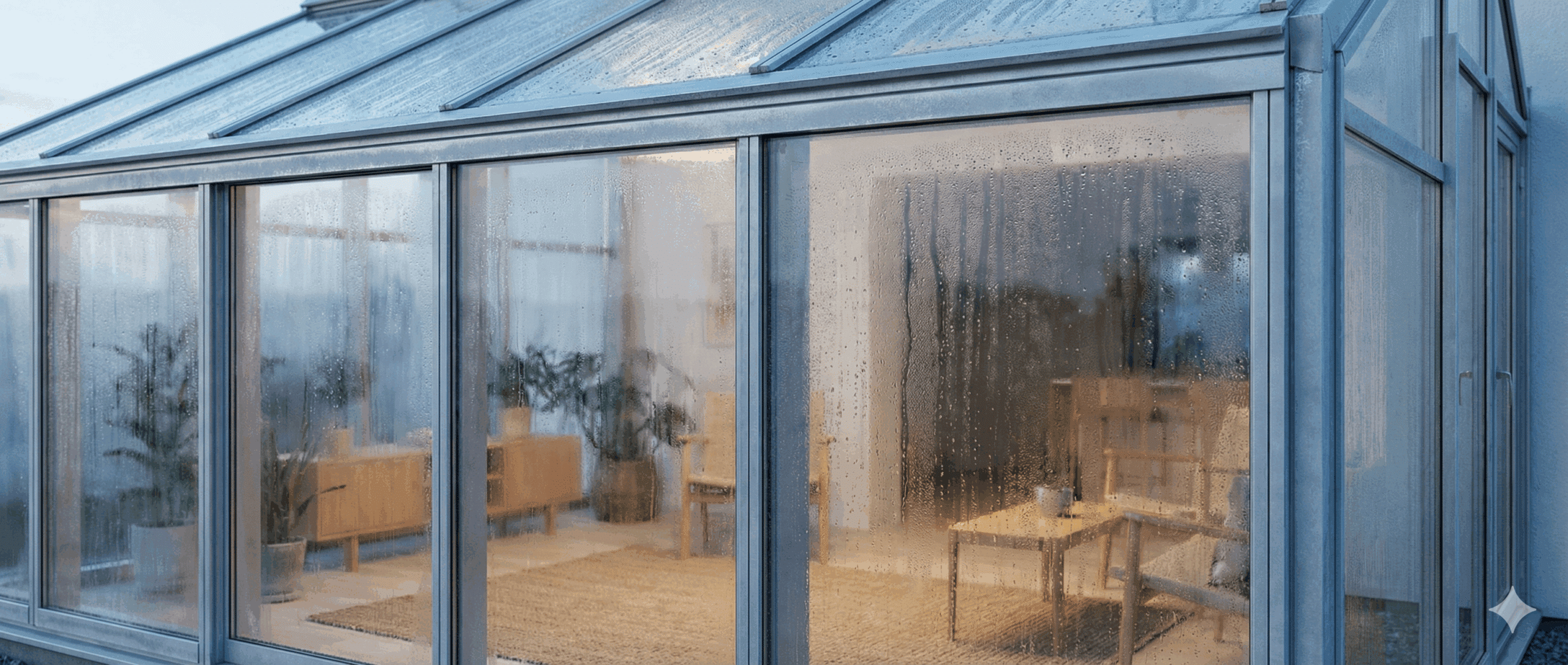
Condensation is not water leaking through windows. It’s water that was already in your room’s air, changing from invisible vapour to visible liquid when it touches a cold surface.

The dew point is the temperature at which condensation begins. At 21°C and 60% humidity, the dew point is approximately 13°C. Any surface below 13°C will collect moisture.

The solution: Keep glass surfaces above the dew point (better glazing), reduce moisture levels (ventilation), or both. Modern high-performance glazing keeps surfaces 5-10°C warmer than old double glazing.

13°C
Dew point at 21°C/60% humidity
5°C
Single glazing surface temp (winter)
16°C+
Modern glazing surface temp
40-60%
Ideal indoor humidity range
You walk into your conservatory on a winter morning and cannot see the garden. Every window is streaming with water. Droplets run down the glass and pool on the frames. The cushions feel damp. This is not a design flaw you have to accept. It is a physics problem with engineering solutions.

The Science: Why Water Appears on Glass

Condensation is water that was already in the air inside your room, changing from invisible vapour to visible liquid when it touches a cold surface. The physics are straightforward once you understand three concepts: relative humidity, dew point, and surface temperature.

Relative Humidity and Water Vapour

Air holds water vapour. Warm air holds more than cold air. Relative humidity measures how much water vapour the air currently contains compared to the maximum it could hold at that temperature.

Here is the critical point: when air temperature drops, its capacity to hold moisture drops too. If you have air at 21°C with 60% relative humidity and cool it down, the relative humidity rises even though you haven’t added any moisture. Cool it enough and the relative humidity reaches 100%. Cool it further and the excess moisture has to go somewhere. It condenses.

Dew Point: The Critical Temperature

The dew point is the temperature at which air becomes saturated and condensation begins. It depends on both the air temperature and how much moisture the air contains. Higher moisture content means a higher dew point.

Why Glass Is the Problem Surface

Glass is typically the coldest surface in any room. In a conservatory with large glazed areas, you have many square metres of potential condensation surface. A single pane of glass with 0°C outside and 21°C inside will have an internal surface temperature of only about 5°C—well below the dew point of any normally occupied room.

Dew Point at Common Indoor Conditions

Room Temperature Relative Humidity Dew Point
21°C 50% 10°C
21°C 60% 13°C ⚠️
21°C 70% 15°C ⚠️
18°C 60% 10°C
21°C Room Temperature
50% Humidity Dew Point: 10°C
60% Humidity Dew Point: 13°C ⚠️ Risk
70% Humidity Dew Point: 15°C ⚠️ High Risk
18°C Room Temperature
60% Humidity Dew Point: 10°C

Any glass surface below the dew point temperature will collect condensation. In a conservatory with poor glazing, surface temperatures of 5-8°C are common in winter, guaranteeing condensation at any normal humidity level.

The Real Culprits: What Causes Condensation

Condensation forms when moisture meets cold surfaces. Solving it requires addressing one or both factors. Most older glass rooms fail on both counts: they allow surfaces to get too cold and they trap moisture inside.

Cold Surfaces: The Glazing Problem

❄️

Single Glazing

Offers almost no insulation. Internal glass surface drops to around 5°C in winter—below the dew point of any normally humid room. Single glazed conservatories will always suffer severe condensation in cold weather.

🔲

Aluminium Spacers

Double glazing from the 1980s/90s used aluminium spacer bars. Aluminium conducts heat rapidly, creating a thermal bridge. Glass edge temperatures drop 15-20°C below centre pane—causing characteristic edge condensation.

🏠

Polycarbonate Roofing

Lightweight and inexpensive but degrades over time. Older polycarbonate has internal condensation trapped within its cellular structure, reducing insulating properties. The underside becomes cold enough to collect moisture.

🌡️

Temperature Swings

Glass rooms experience extreme temperature swings. Solar gain pushes temperatures to 25°C+ during the day; poor insulation allows rapid heat loss at night. Warm air absorbs moisture by day, releases it as temperatures plummet overnight.

Trapped Moisture: The Ventilation Problem

A conservatory designed to be airtight has no natural ventilation. Every activity that adds moisture raises humidity with nowhere for it to escape.

  • Breathing: A single person exhales approximately 200ml of water vapour per hour
  • Drying laundry: A typical wash load releases 2-3 litres of water as it dries
  • Plants: Houseplants transpire significant moisture, especially in warm, sunny conditions
  • Cooking and hot drinks: Kettles, cooking pots, and hot beverages all release steam
  • Open doors to the house: Moisture migrates from kitchens and bathrooms into the conservatory

Why Condensation Cannot Be Ignored

Condensation is not merely an inconvenience. Persistent moisture causes real damage to your structure and can affect your health.

⚠️ The Real Costs of Condensation

Structural Damage: Water pooling on frames promotes rot in timber and corrosion in metal. Seals around glazing units deteriorate faster when constantly wet. Gaskets can fail, allowing moisture between panes and causing the characteristic cloudy appearance of failed double glazing.

Mould Growth: Mould thrives in damp conditions. Beyond unsightly black marks, mould releases spores that can trigger respiratory problems, allergic reactions, and asthma symptoms. Vulnerable individuals are particularly at risk.

Unusable Space: A conservatory too damp to use for half the year delivers poor value. Furniture deteriorates, books become mildewed, and the room feels cold and unwelcoming.

Engineering Solutions That Actually Work

Eliminating condensation requires raising surface temperatures above the dew point, reducing moisture levels, or both. Effective solutions address the physics directly rather than masking symptoms.

Glazing Upgrades: Warmer Surfaces

🔷

High-Performance Double & Triple Glazing

Modern sealed units use Low-E coatings and argon gas fill to dramatically reduce heat transfer. Where old double glazing achieves 2.8 W/m²K, current high-performance units reach 1.0-1.2 W/m²K. Triple glazing can achieve 0.6-0.8 W/m²K. Internal glass surfaces stay at 16°C or higher—above the dew point in most circumstances.

🔲

Warm Edge Spacer Technology

Warm edge spacers replace aluminium bars with materials that conduct far less heat—stainless steel (one-tenth the conductivity), polymer composites, or hybrids. This raises glass edge temperatures by 5-12°C compared to aluminium spacers, eliminating characteristic edge condensation. Products like Swisspacer and SuperSpacer can improve overall U-values by 5-15%.

🏗️

Thermally Broken Frames

Aluminium frames without thermal breaks conduct heat rapidly and become condensation sites themselves. Modern aluminium systems incorporate polyamide thermal breaks that interrupt the heat path, keeping frame surfaces warmer. Timber and composite frames naturally provide better insulation.

Ventilation: Controlling Moisture

💨

Trickle Ventilation

Small, adjustable openings built into window frames or roof systems allow continuous air exchange even when windows are closed. Prevents moisture accumulation without significant heat loss. Modern conservatory roofing systems incorporate patented trickle ventilation as standard.

🔼

Roof Vents

Since warm, moist air rises, roof vents are particularly effective. A single roof vent provides equivalent ventilation to approximately four window openings. Options range from manual pole-operated vents to electric versions with thermostats and rain sensors that open/close automatically.

⚙️

Mechanical Ventilation

For persistent humidity issues, mechanical ventilation provides controlled air exchange. Heat recovery ventilation systems extract stale air while recovering its warmth to pre-heat incoming fresh air. Particularly valuable when the glass room connects to moisture-producing areas like kitchens.

Heating: Raising Surface Temperatures

Maintaining warmth keeps surfaces above the dew point. The challenge is doing so efficiently given the thermal characteristics of glazed structures.

  • Underfloor heating: Provides even, gentle warmth that rises through the space. Minimises air movement that can carry moisture to cold surfaces. Warms the lowest part of the room first.
  • Perimeter heating: Low-level heating at the base of windows creates a rising curtain of warm air that helps keep glass surfaces above the dew point.
  • Dehumidifiers: Extract moisture from the air, lowering the dew point. Desiccant dehumidifiers outperform compressor models below 10°C. Running costs: 3-5p per hour.

What Does Not Work

Some commonly suggested remedies address symptoms without tackling causes. Understanding their limitations helps you invest in solutions that actually resolve the problem.

🪟
Opening Windows in Winter

Reduces humidity but lets all your heat escape, making the room uncomfortable and expensive to use. Background trickle ventilation achieves the same air exchange without massive heat loss.

🔥
Heating Alone

With poor glazing, heating creates bigger temperature differences between warm air and cold glass. You may reduce centre-of-glass condensation while worsening edge condensation. Energy bills will be substantial.

📦
Moisture Absorbers

Small moisture absorbing products (silica gel, salt-based absorbers) capture minor amounts. Completely inadequate for the volumes involved—a conservatory may contain 100 cubic metres of air needing litres of water removed.

🪞
Blinds As Prevention

Blinds don’t prevent condensation. Closing blinds against cold glass can actually create a pocket of stagnant air where condensation may increase. Thermal blinds help regulate temperature but are not a solution on their own.

Refurbishment: Transforming Problem Conservatories

For conservatories suffering chronic condensation, targeted refurbishment can transform performance. Our conservatory refurbishment service addresses the specific weaknesses causing moisture problems.

Glazing Replacement

Replacing failed or underperforming sealed units with modern high-performance glazing is often the most impactful single intervention. Where existing frames are sound, new glass units with warm edge spacers, Low-E coatings, and argon fill can be installed without replacing the entire structure. The improvement is immediate and dramatic.

Roof Upgrades

Polycarbonate roofs that have degraded can be replaced with modern glass or solid options. Lightweight insulated roof panels combine thermal performance with natural light through integrated glazed sections. These replacement systems typically include integral trickle ventilation.

Ventilation Retrofitting

Adding ventilation to existing structures is usually straightforward. Trickle vents can be fitted to most window and door frames. Roof vents can be integrated into glazed or solid roof sections. The cost is modest relative to the improvement.

Complete Replacement

Where multiple elements have failed or the original structure was fundamentally compromised, complete replacement may prove more cost-effective than piecemeal repairs. Modern glass rooms engineered as integrated systems deliver performance that older structures simply cannot match, regardless of modifications.

Taking Control of Your Glass Room Environment

Condensation is not a mystery once you understand the physics. Warm, moist air meeting cold surfaces releases its moisture as liquid water. The solution is straightforward in principle: keep surfaces warm enough and manage moisture levels to stay above the dew point.

For older conservatories built before modern glazing standards, this often requires intervention. Upgrading to high-performance glass with warm edge spacers transforms surface temperatures. Adding proper ventilation prevents moisture accumulation. Appropriate heating maintains comfort without excessive energy consumption.

Across Kent and the surrounding areas we serve, we have helped hundreds of homeowners transform problem conservatories into comfortable, year-round living spaces. Whether through targeted glazing upgrades, comprehensive refurbishment, or complete replacement with modern engineered structures, the solutions exist to eliminate condensation permanently.

The Bottom Line

The choice is not between accepting condensation or abandoning your glass room. With proper engineering, you can enjoy clear glass, dry surfaces, and comfortable conditions throughout the year.

Further Reading

For technical information on condensation and glazing performance, see the Glass and Glazing Federation guidance and the National Physical Laboratory for dew point resources.

Frequently Asked Questions

Why does condensation appear on the inside of my windows?

Interior condensation forms when warm, moist indoor air contacts glass that has cooled below the dew point. It indicates that your glazing surface temperature is too low, your indoor humidity is too high, or both. The solution involves improving glazing performance, increasing ventilation, or both.

Is condensation between double glazing panes different?

Yes. Condensation between the panes indicates seal failure. The sealed unit has lost its integrity, allowing moist air to enter the cavity. No amount of ventilation or heating will fix this. The affected sealed units must be replaced.

Why is condensation worse at the edges of my windows?

Edge condensation typically indicates aluminium spacer bars in your sealed units. Aluminium conducts heat rapidly, creating a thermal bridge that cools the glass edge far below the centre-of-pane temperature. Warm edge spacer technology eliminates this problem.

Will a dehumidifier solve my condensation problem?

A dehumidifier can help manage symptoms by reducing indoor humidity. However, it doesn’t address underlying issues with glazing performance or ventilation. For older conservatories with poor thermal performance, dehumidification works best alongside glazing upgrades.

What humidity level should I aim for?

Indoor relative humidity between 40% and 60% is generally comfortable and healthy. Below 40% can cause dry skin and irritated airways. Above 60% increases condensation risk and supports mould growth. A simple hygrometer (£10-£20) lets you monitor conditions.

Can I retrofit warm edge spacers to existing windows?

Not directly. The spacer bar is integral to the sealed unit. However, you can replace existing sealed units with new ones incorporating warm edge technology, often without replacing the entire frame. This targeted upgrade addresses edge condensation specifically.

How much difference does modern glazing make?

Substantial. Where old double glazing achieves 2.8 W/m²K, modern high-performance units reach 1.0-1.2 W/m²K. The internal glass surface stays 5-10°C warmer, often enough to eliminate condensation entirely under normal conditions.

Should I keep my conservatory heated overnight?

Maintaining some warmth overnight helps prevent the temperature drop that triggers condensation. However, with poor glazing this becomes expensive. Improving thermal performance first, then providing modest background heating, is more cost-effective.

Is condensation in a new conservatory normal?

Some condensation during the first winter is common as construction moisture dries out. This should diminish as the structure settles. Persistent condensation in a new build suggests design or specification issues—modern conservatories with high-performance glazing should not suffer significant condensation.

What about exterior condensation on windows?

Condensation on the outside of glass is actually a sign of good thermal performance. It occurs when highly insulating glazing keeps the outer pane cold enough to fall below the outdoor dew point on humid mornings. It evaporates as the day warms and causes no problems.

How do I know if my conservatory needs refurbishment?

Signs include persistent condensation even with ventilation, visible seal failure between panes, draughts around frames, difficulty maintaining comfortable temperatures, and visible deterioration. If your conservatory is over 15-20 years old with these issues, refurbishment is typically more economical than ongoing management.

Will plants make condensation worse?

Yes. Plants transpire water continuously, releasing moisture through their leaves. A conservatory full of houseplants will have measurably higher humidity. If condensation is a problem, reduce the plant population or ensure adequate ventilation to compensate.

Can I dry laundry in my conservatory?

A typical wash load releases 2-3 litres of water as it dries. In a poorly ventilated conservatory, this dramatically increases humidity and guarantees condensation. If you must dry laundry indoors, do so with windows open or a dehumidifier running.

What is the best long-term solution?

The most effective long-term approach combines high-performance glazing (raising surface temperatures above the dew point) with adequate ventilation (preventing moisture accumulation). Modern glass rooms engineered as integrated systems achieve both, delivering condensation-free performance.

Ready to Eliminate Condensation Permanently?

Our specialists transform problem conservatories across Kent, Surrey, Sussex, Hampshire and the South East.