
roomoutsideuk
03rd January, 2026

Architectural Glass: Eight Contemporary Extensions That Redefine Indoor-Outdoor Living

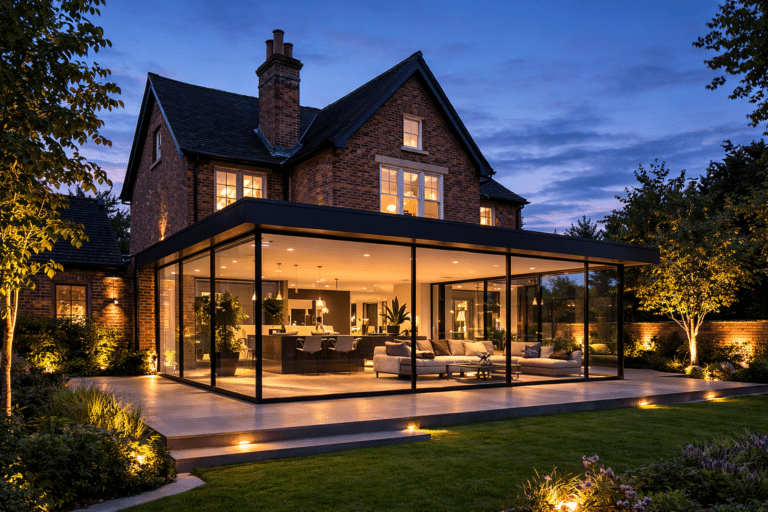
glass home extension on a stylish UK house
Architectural Glass: 8 Contemporary Extensions Guide | Room Outside

Architectural Glass: Eight Contemporary Extensions That Redefine Indoor-Outdoor Living

The boundary between inside and outside has never been more beautifully blurred.

Key Facts at a Glance

This is not about conservatories. Modern architectural glazing combines structural innovation with thermal performance that meets or exceeds Building Regulations, creating year-round living spaces.

Average frameless glass box: Around £40,000. Costs range from £14,000 (small) to £80,000+ (large architectural projects).

Property value impact: Up to 7% increase—outperforming brick extensions (6%) and conservatories (5%).

40+ years lifespan with standard maintenance. Quality installations are built to last.

£40k
Average frameless glass room cost
+7%
Property value increase potential
4m+
Glass panel heights now possible
40yrs
Expected lifespan with maintenance
Across the UK, homeowners are discovering that the most transformative addition they can make to their property is not more brick, more stone, or more timber—but more light. Contemporary glass extensions have evolved from architectural curiosity to design necessity, creating spaces that feel simultaneously protected and exposed, intimate yet expansive, thoroughly modern yet timelessly elegant.

Understanding Contemporary Glass Extensions

Before exploring inspiring design approaches, it helps to understand the different types of glass extension. The terminology can be confusing, but the distinctions matter when planning your project.

Framed Glass

Slim aluminium or steel profiles support glass panels. Modern frames achieve sightlines of just 17-21mm. More flexibility for opening elements.

Hybrid Glass

Combines glass with other materials—solid insulated roof with floor-to-ceiling glass walls. Often suits period properties beautifully.

The design options for a glass box extension are endless. From a full glass box with clear glass on all sides, to the introduction of solid elements like a solid roof, a glass extension can be designed to suit your space. Unlike a conservatory, a contemporary frameless glass box extension aims to create a smooth transition to the outside with full glazing, providing unobstructed views.

2025 Trend: Oversized Glass Panels

One of the biggest trends for 2025 is the use of oversized glass panels in both commercial and residential architecture. These panels create expansive views, increase natural light, and deliver a sense of openness that resonates with contemporary design preferences. According to a recent industry report, the oversized glass panel trend is expected to continue growing in 2024 and beyond, with manufacturers investing in new technologies to produce even larger panels.

Where once glass panels were measured in centimetres, today’s installations regularly exceed four metres in height, creating dramatic interior spaces that transform the relationship between home and garden.

Eight Inspiring Design Approaches

These eight approaches illustrate the breadth of possibilities when working with architectural glass. Each represents a different philosophy of how glass can transform residential space.

1

The Invisible Addition

Using frameless structural glass with silicone-bonded joints, these additions create the impression that interior space simply flows outward without interruption. The glass disappears entirely on clear days. Works exceptionally well with mature gardens and exceptional views.

2

The Period Property Contrast

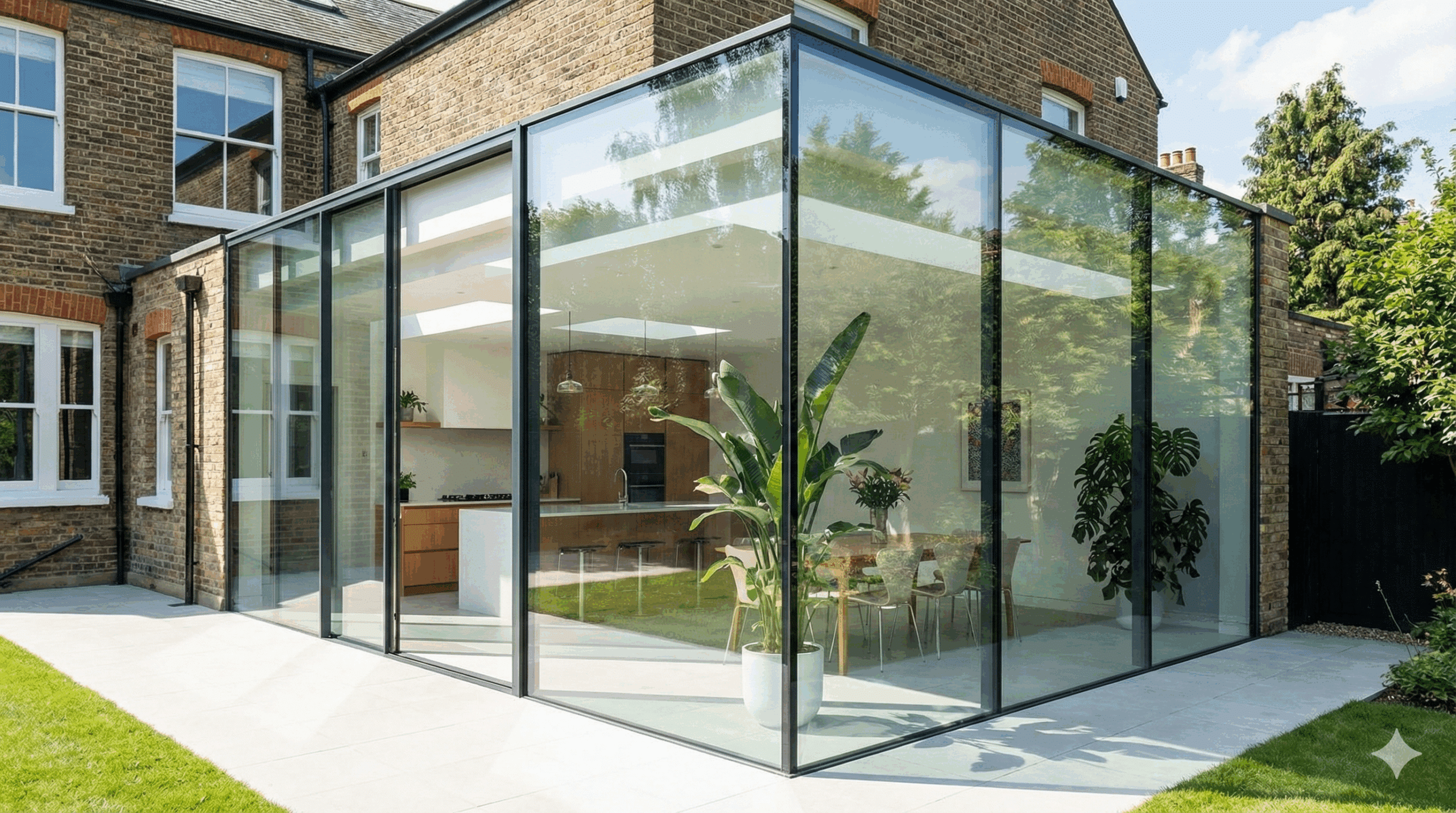
When glass meets a Victorian or Georgian facade, rather than competing, the transparency allows the historic building to remain the visual focus. Black-framed glass against warm London stock brick creates a confident dialogue between old and new.

3

The Side Return Transformation

Victorian and Edwardian terraces often have narrow side returns—some of the most valuable square footage in residential property. Glass side returns unite previously separate spaces, with costs around £2,000/m² plus £40,000 for complete projects.

4

The Wraparound Glass Room

For corner positions or generous plots, L-shaped or U-shaped additions provide panoramic views that change character throughout the day. Morning light from one direction, afternoon sun from another—the relationship becomes dynamic.

5

The Glass Link

Glass links connect existing structures while maintaining visual separation—covered walkways that feel like being outdoors. Perfect for connecting main houses to converted garages, annexes, or garden studios.

6

The Oriel Window Room

Glass oriel windows cantilever from building facades to create frameless viewing spaces without extensive groundworks. Ideal for bedrooms seeking borrowed light or studies requiring inspiring views without sacrificing wall space.

7

The Glass and Timber Hybrid

Combining glass with natural materials creates warmth that pure glazing cannot achieve alone. Exposed Douglas Fir or oak provides visual warmth while frameless glass corners wrap around key vantage points. Suits rural properties beautifully.

8

The Industrial Aesthetic

Steel-framed glazing systems replicate classic industrial structures with contemporary design sensibilities. The grid of mullions provides rhythm and scale. Modern steel-look systems offer this aesthetic without thermal penalties.

The Science of Light and Wellbeing

The appeal of glass extensions goes beyond aesthetics. A growing body of research suggests that exposure to natural light and visual connections with nature provide measurable benefits to physical and mental health—a concept now central to biophilic design.

The Biophilic Connection

Biophilia, from the Greek words meaning “love of life,” describes humanity’s innate need to connect with nature and living things. Glass is uniquely suited to biophilic design. As a building material, glass can help support interior plant life, increase natural views and daylighting for occupant satisfaction, and improve energy efficiency to support sustainability goals.

Reduced stress through nature connection
Enhanced creativity and clarity of thought
Improved wellbeing and mental health
Better sleep through circadian rhythm regulation
Increased productivity at home
Brain stimulation from dynamic light scenes

The changing quality of light through a glass extension—from morning brightness through afternoon warmth to evening glow—provides exactly the kind of natural variation our brains have evolved to expect.

Technical Considerations

The beauty of contemporary glass extensions depends entirely on solving practical challenges that once made all-glass structures problematic. Understanding these considerations helps distinguish well-engineered projects from those that will disappoint.

Thermal Performance and U-Values

The thermal performance of glazing is measured by its U-value: the rate at which heat transfers through the glass. Lower U-values indicate better insulation. Building Regulations require extensions achieve 1.6 W/m²K or better.

  • Modern high-performance glazing routinely achieves 1.1-1.2 W/m²K
  • The most advanced systems reach 0.8 W/m²K or better
  • Some manufacturers now offer vacuum insulating glass achieving 0.17 W/m²K

⚠️ Compare Like With Like

Always ensure you’re comparing Uw values (whole window performance including frames) rather than Ug values (centre pane only). Some suppliers quote Ug values, which are always more impressive than actual installed performance.

Solar Control and Overheating

The historical criticism of conservatories—unbearably hot in summer, cold in winter—remains relevant for glass extensions. Solving this requires careful attention to solar control measures.

  • Solar control coatings prevent infrared rays entering while retaining warmth
  • Smart glass (electrochromic) can transition between transparent and tinted states automatically
  • SHGC (Solar Heat Gain Coefficient) measures how much solar radiation converts to heat—lower is better for south/west-facing extensions

Investment and Value: Understanding Costs

Glass extensions represent significant investments, but they also deliver substantial returns both in property value and daily living experience. Understanding the cost structure helps ensure realistic budgeting.

Extension Type Typical Cost Range
Small glass extension £14,000 to £30,000
Frameless glass box (average) £40,000 to £60,000
Large architectural extension £60,000 to £100,000+
Glass side return extension £2,000/m² + £40,000
High-performance specification £3,500+ per m²
Professional cleaning service £150 to £400 annually
Small Glass Extension
Typical Cost Range £14,000 to £30,000
Frameless Glass Box (Average)
Typical Cost Range £40,000 to £60,000
Large Architectural Extension
Typical Cost Range £60,000 to £100,000+
Glass Side Return Extension
Typical Cost Range £2,000/m² + £40,000
High-Performance Specification
Typical Cost Range £3,500+ per m²

Property Value Impact

High-quality glass extensions can increase property value by up to 7%, comparing favourably with brick-built kitchen extensions (around 6%) and traditional conservatories (approximately 5%). According to Nationwide, home improvements that add additional floor area can increase property values by up to 25% in optimal circumstances.

Factors Affecting Cost

  • Glass specification: Solar control coatings, heated glass, and triple glazing all add cost but improve performance
  • Frame material: Aluminium costs less than steel; frameless structural systems command premium prices
  • Opening type: Bi-fold doors cost approximately £2,000; sliding doors approach £3,800+
  • Location: Building costs significantly higher in London and the South East
  • Site access: Difficult access requiring specialist equipment or crane hire increases costs substantially

Planning and Design Considerations

Creating a successful glass extension involves more than selecting beautiful glazing. The design process must address practical, regulatory, and aesthetic considerations that determine whether the finished structure enhances or compromises your home.

Working with Professionals

Glass extensions demand specialist expertise. These types of extensions are a costly exercise and you will still need to adhere to ever stricter Building Regulations. You should definitely work with a qualified architect and structural engineer rather than attempting to design complex glazing installations independently.

Planning Permission

Just as with any kind of extension, there will be cases where planning permission might not be required. Extensions can sometimes be built under permitted development if they don’t exceed specific parameters. However, even if you feel certain your extension falls within permitted development rights, always check with your local planning authority.

Heritage & Conservation

If you’re extending a listed building, live in a Conservation Area, or occupy an Area of Outstanding Natural Beauty, you will almost certainly require planning permission or listed building consent. Glass extensions to heritage properties often require particularly careful justification—though their transparent nature can sometimes help secure approval.

Orientation and Solar Gain

  • South-facing: Require careful solar control to prevent overheating
  • North-facing: Need high-performance glazing to maintain warmth without direct solar gain
  • East-facing: Capture morning light—ideal for breakfast rooms or home offices
  • West-facing: Enjoy afternoon and evening sun—perfect for entertaining spaces

Is a Glass Extension Right for You?

Glass extensions suit properties and homeowners seeking particular outcomes. Understanding what these structures do best helps determine whether this approach matches your aspirations.

Glass Extensions Excel When You Want:

✓ Maximum natural light penetration into previously dark spaces
✓ Seamless visual connection between interior and garden
✓ A contemporary addition that respects period architecture
✓ Biophilic benefits of nature connection for health and wellbeing
✓ Year-round enjoyment of garden views regardless of weather
✓ A statement addition that differentiates your property in the market
✓ Space that feels larger than its physical footprint

Consider Alternatives When:

• Privacy from neighbours is a primary concern
• Budget is severely constrained
• The site lacks attractive views worth framing
• You prefer enclosed spaces to open, light-filled rooms
• Access for cleaning and maintenance would be impractical

Bringing Light Into Your Life

Contemporary glass extensions represent more than architectural fashion. They respond to fundamental human needs: for light, for connection to nature, for spaces that inspire and restore. The technology that makes these structures possible continues to advance, with thermal performance, solar control, and structural capabilities improving year on year.

Whether your dream involves a frameless glass box that makes architecture disappear, a bold steel-framed structure that celebrates its engineering, or a sensitive hybrid design that bridges old and new, the range of possibilities has never been greater.

The eight approaches explored in this article represent starting points rather than limitations. Every successful glass extension is bespoke, designed to respond to its specific site, its owners’ aspirations, and its architectural context. To explore what a contemporary glass extension might mean for your home, discover our contemporary frameless glass box extension services and begin imagining your own transformation.

The boundary between inside and outside awaits your imagination.

Frequently Asked Questions

How much does a glass box extension cost?

Glass box extensions typically cost from £14,000 for small structures to over £80,000 for large architectural projects. The average frameless glass room costs around £40,000. Expect to pay approximately £3,000 per m² for glazing, with high-performance specifications reaching £3,500 or more per m².

Will a glass extension overheat in summer?

Modern glass extensions incorporate solar control coatings and high-performance glazing that prevent overheating. Smart glass technology can automatically adjust tinting in response to sunlight. Proper specification ensures comfortable temperatures year-round, unlike the conservatories of previous decades.

Do glass extensions add value to property?

Quality glass extensions can increase property value by up to 7%, outperforming both traditional brick extensions (6%) and conservatories (5%). Beyond financial return, they provide immediate lifestyle value through year-round usable space flooded with natural light.

Can glass extensions be built on period properties?

Yes, glass extensions often suit period properties exceptionally well. The transparency allows the original architecture to remain visible and dominant. The clear contrast between old and new can actually help secure planning approval by demonstrating respect for historic fabric.

What is the difference between framed and frameless?

Frameless extensions use structural glass panels connected by nearly invisible silicone joints, creating completely unobstructed views. Framed systems use slim aluminium or steel profiles, some with sightlines as narrow as 17mm. Choice depends on budget, aesthetic preference, and need for opening elements.

What U-values should a glass extension achieve?

Building Regulations require U-values of 1.6 W/m²K or better for extensions. High-performance glazing systems routinely achieve 1.1-1.2 W/m²K, with the most advanced reaching 0.8 W/m²K or better. Always ensure you’re comparing whole-window (Uw) values rather than centre-pane (Ug) values.

Do I need planning permission?

Some glass extensions fall within permitted development rights, but this depends on size, position, and location. Listed buildings, Conservation Areas, and Areas of Outstanding Natural Beauty almost always require planning permission. Always check with your local planning authority before proceeding.

How long do glass extensions last?

Quality glass extensions built with high-grade aluminium frames and properly specified glazing typically last 40 years or more with standard maintenance. The glass itself is extremely durable, while structural silicone joints may require eventual replacement after 20-25 years.

What maintenance do glass extensions require?

Glass extensions require regular cleaning to maintain appearance, typically costing £150-£400 annually for professional services. Low-maintenance coatings reduce cleaning frequency. Aluminium frames require minimal attention, while seals and drainage should be inspected periodically.

Can any builder install a glass extension?

Glass extensions require specialist skills and experience. The structural engineering, precision installation, and weatherproofing of large glass panels demand expertise that general builders may not possess. Working with specialist glazing companies ensures proper installation and valid warranties.

What is biophilic design and why does it matter?

Biophilic design recognises humanity’s innate need to connect with nature. Research shows that spaces with natural light and views of nature reduce stress, enhance creativity, improve wellbeing, and expedite healing. Glass extensions deliver these benefits by creating strong visual connections with the natural world.

What is the largest glass panel that can be installed?

Modern structural glazing systems can accommodate panels exceeding four metres in height, with some installations reaching even larger dimensions. The practical limit depends on access for delivery, crane hire requirements, and structural support. Larger panels generally require specialist installation equipment.

Can glass roofs be walked on?

Walk-on glass floors and rooflights are engineered specifically for foot traffic, using multiple layers of toughened and laminated glass. Standard roof glazing is not designed to be walked on. If maintenance access is required, this must be specified during design to ensure appropriate glass selection.

What happens if glass panels crack or fail?

Structural glass uses toughened and laminated glass designed to fail safely. Laminated panels remain intact even when cracked, held together by interlayer films. Quality installations include designs that allow individual panel replacement without dismantling entire structures.

Ready to Blur the Boundary Between Inside and Outside?

Our specialists design and build contemporary glass extensions across London, Surrey, Sussex, Hampshire and the South East.
roomoutsideuk
16th December, 2025

Aluminium vs Timber vs uPVC Frames: 2025 UK Data & Guide | Room Outside

Aluminium, Timber or uPVC: 10 Years of Performance Data | Room Outside

Aluminium, Timber or uPVC: 10 Years of Performance Data from Our Installation Teams

2025 UK data reveals how your frame choice impacts energy bills by £120-£395 annually and property value by 5-10%. 50+ years expertise analysing aluminium vs timber vs uPVC performance.

Quick Answer

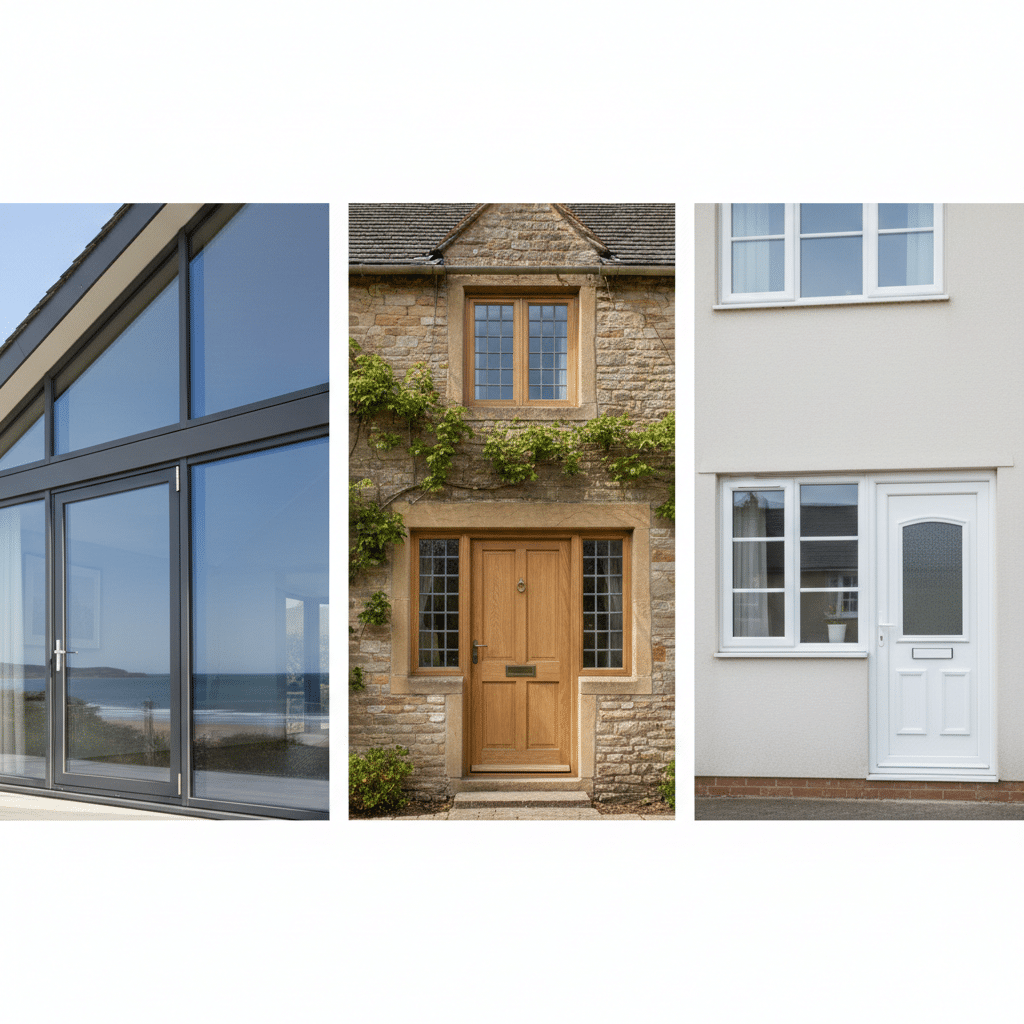
Aluminium lasts longest (40-50 years) with minimal maintenance and the slimmest sightlines (35mm). Best for: contemporary designs, coastal locations, large-span glazing.

Timber offers the best thermal performance (U-values 1.2-1.4 W/m²K) and natural beauty. Hardwood lasts 50-60 years. Best for: listed buildings, conservation areas, period properties.

uPVC is most affordable with excellent thermal efficiency (1.2-1.4 W/m²K), lasting 20-35 years. Best for: budget-conscious projects, practical applications. Planning a new glass extension? Explore our bespoke Orangery extensions for more inspiration.

⚡ WHY THIS MATTERS RIGHT NOW:
• UK homes lose heat 3x faster than German homes (tado° research)
• 25-30% of your heating escapes through windows and doors
• Average UK energy bill: £1,755/year (Ofgem Q4 2025 price cap)
• A-rated windows can save £120-£395 annually (Energy Saving Trust)
• Quality conservatories add 5-10% to property value (RICS, Savills)

Stand in front of three identical conservatories—aluminium, timber, uPVC—and they might look similar. But over 10, 20, 30 years? The differences become staggering. We’re talking £10,000+ in energy bills, maintenance costs, and property value impact.

Here’s a number that should stop you in your tracks: 55% of UK homes only meet insulation standards set in 1976 or earlier, according to a recent EDF study of 25 million properties. That means if you’re planning a conservatory or glass extension, the frame material you choose today will determine whether you join the majority wasting money on heating, or become one of the smart minority enjoying lower bills and higher property values.

The financial stakes are significant. With the Ofgem price cap currently at £1,755 annually for a typical household (Q4 2025), and energy bills still 45% higher than pre-crisis 2021 levels according to the House of Commons Library, every percentage of heat loss matters. Research from the Glass and Glazing Federation shows that replacing pre-2002 double glazing with current standards could save up to £395 per year.

At Room Outside, we’ve installed thousands of glass extensions across Surrey, Kent, West Sussex, Hampshire, and London over four decades. This guide distils that experience into actionable guidance, backed by current UK market data and Building Regulations requirements.

UK Glazing Market: The Numbers That Matter

UK Market Data Figure
Annual glazing installations (UK) 1.9 million
Homes with full double glazing 88% (up from 79% in 2012)
uPVC market share 75%
Pre-2002 glazing still installed 23% of housing stock
Heat loss through windows 18-30% of total
Double glazing heat loss reduction Up to 60% vs single glazing
UK homes requiring retrofit by 2035 25 million (£12bn opportunity)
Property value increase (quality conservatory) 5-10%

Sources: English Housing Survey 2022-23, GGF Heat Loss Report 2023, Energy Saving Trust, Ofgem, RICS, Savills

The Retrofit Imperative

With 25 million UK homes requiring retrofit by 2035 to meet net-zero targets, your frame choice isn’t just about today—it’s about future-proofing. Properties with poor thermal performance face declining value as energy efficiency becomes increasingly important to buyers and mortgage lenders.

Building Regulations: What You Must Know

The regulatory landscape is tightening. Part L of the Building Regulations, updated in 2022, already requires replacement windows to achieve U-values of 1.4 W/m²K or better. The Future Homes Standard, taking effect from 2025, will push new-build requirements even further—with U-value targets potentially dropping to 0.8-1.2 W/m²K.

Current Requirements

  • Replacement windows: 1.4 W/m²K maximum
  • New-build windows: 1.2 W/m²K recommended
  • Conservatories: Thermally separated from house
  • Glass extensions: Full Building Regs compliance

Future Requirements (2025+)

  • Future Homes Standard: 0.8-1.2 W/m²K for new builds
  • Rental properties: Minimum EPC Band C from 2026
  • Existing homes: Increasing pressure to retrofit
  • Potential triple glazing requirement for some areas

For homeowners planning a conservatory, this means your frame choice must support glazing that meets or exceeds these thresholds. According to the GGF, modern windows to current standards perform 50% better than pre-2002 double glazing and 70% better than single glazing.

Critical consideration: While conservatories are often exempt from full Building Regulations when thermally separated from the main house, glass extensions always require full compliance. Many homeowners don’t realise their “conservatory” is actually a glass extension requiring Building Control approval.

Aluminium Frames: The Premium Choice for Longevity

Modern thermally broken aluminium has transformed what was once a material known for cold bridging into a high-performance option. For homeowners prioritising aesthetics and longevity, aluminium delivers.

40-50+ yrs
Expected lifespan
1.6 W/m²K
Thermal performance
35mm
Minimum sightline width

Lifespan: 40-50+ Years

Aluminium consistently outperforms other frame materials for longevity. The material will not warp, swell, crack, or become brittle regardless of temperature extremes. For coastal properties in Kent or West Sussex, where salt air accelerates degradation of other materials, aluminium’s corrosion resistance proves particularly valuable when specified with marine-grade powder coating.

Thermal Performance: 1.6 W/m²K (Thermally Broken)

Contemporary thermally broken aluminium frames achieve U-values around 1.6 W/m²K, meeting Building Regulations. The thermal break—a polyamide barrier between inner and outer profiles—prevents the cold bridging that plagued earlier aluminium systems. Premium systems approach 1.4 W/m²K.

Sightlines: The Slimmest Available (35mm+)

Aluminium’s strength-to-weight ratio allows for profiles as slim as 35mm, compared to 70mm or more for uPVC. This translates directly into more glass and less frame. For contemporary glass box extensions or large-span glazing, this difference is significant—potentially 20% more visible glass area.

Cost & Value: £17,500-£33,300

Aluminium commands approximately 25% premium over uPVC. However, calculated over a 40-year service life rather than 25 years, the cost-per-year often favours aluminium. A typical aluminium conservatory costs £17,500-£33,300 depending on size and specification.

Sustainability Factor: 95% Recyclable

Recycling aluminium requires only 5% of the energy needed to produce virgin material. Industry estimates suggest up to 75% of all aluminium ever produced remains in use today. For environmentally conscious homeowners in South East England, this represents significant lifecycle advantages.

Timber Frames: Natural Beauty, Natural Insulation

Timber occupies a unique position in the UK market. For period properties, listed buildings, and conservation areas across London and the South East, timber often represents not merely a preference but a planning requirement.

30-60+ yrs
Species-dependent lifespan
1.2-1.4 W/m²K
Best thermal performance
4-7 years
Repainting cycle

Lifespan: 30-60+ Years (Species Dependent)

Softwood frames without regular treatment may last 25-35 years. Hardwood species (oak, mahogany, teak) can last 50-60 years or more with proper maintenance. Oak-framed windows from the Middle Ages survive in historic buildings across Britain.

Thermal Performance: 1.2-1.4 W/m²K (Best in Class)

Wood is a natural insulator. Softwood timber frames typically achieve U-values between 1.2 and 1.4 W/m²K—the best of any frame material. Timber frames feel warm to the touch even in winter.

Maintenance: High (Repainting Every 4-7 Years)

Timber demands commitment. Repainting every 4-7 years is essential to prevent moisture ingress and UV damage. Over 40 years, this represents 6-10 maintenance cycles—significant time and cost investment.

Cost & Value: £20,925-£39,975

Timber conservatories cost approximately 50% more than uPVC equivalents. However, for period properties in the South East, timber may be the only option that satisfies planning requirements and maintains property character.

Planning reality check: Many conservation areas across Surrey, Kent, and West Sussex explicitly require timber frames for extensions. Attempting to use uPVC or aluminium in these areas often results in planning refusal, regardless of thermal performance.

uPVC Frames: The Value Proposition

Unplasticised polyvinyl chloride dominates the UK market with approximately 75% market share. It offers a compelling balance of performance, cost, and convenience.

20-35 yrs
Typical lifespan
1.2-1.4 W/m²K
Excellent thermal efficiency
Minimal
Maintenance requirements

Lifespan: 20-35 Years

Quality uPVC frames typically last 20-35 years. Modern formulations resist discolouration and brittleness better than earlier generations. However, uPVC cannot match the multi-decade longevity of aluminium or hardwood timber.

Thermal Performance: 1.2-1.4 W/m²K (Excellent)

Modern multi-chambered uPVC profiles achieve excellent U-values of 1.2-1.4 W/m²K. The multiple internal chambers trap air, creating effective insulation. Contemporary uPVC systems routinely achieve A+ energy ratings.

Maintenance: Minimal

An occasional wipe with soapy water maintains appearance; no painting required. This practical advantage appeals to many homeowners.

Cost & Value: £13,950-£26,650 (Baseline)

uPVC offers the most accessible price point. The bulkier 70mm+ frame profiles and shorter lifespan should be factored into value assessments, but for budget-conscious projects, uPVC remains compelling.

The Recycling Reality

According to BRE, uPVC can be recycled over 10 times without degradation—a potential useful life of 400 years through recycling. Many manufacturers now use 30-60% recycled content in new profiles, significantly reducing environmental impact.

Complete Comparison: All Three Materials at a Glance

Factor Aluminium Timber uPVC
Typical U-Value 1.6 W/m²K 1.2-1.4 W/m²K 1.2-1.4 W/m²K
Expected Lifespan 40-50+ years 30-60 years* 20-35 years
Maintenance Minimal High (4-7yr cycle) Minimal
Frame Width 35mm+ (slimmest) 55mm+ 70mm+ (widest)
Typical Cost Range £17.5k-£33k £21k-£40k £14k-£27k
Best For Contemporary, coastal, large-span Listed, conservation, period Budget-conscious, practical

*Timber lifespan varies by species: softwood 25-35 years, hardwood 50-60+ years

The Hidden Cost Calculation

When comparing costs, consider the total cost of ownership over 30 years:

  • Aluminium: Higher initial cost ÷ 40-50 years = lowest annual cost
  • Timber: Higher initial cost + maintenance costs ÷ 50-60 years = moderate annual cost
  • uPVC: Lower initial cost ÷ 20-35 years + replacement cost = potentially highest annual cost

The “cheapest” option today might be the most expensive over your property’s lifetime.

How Your Frame Choice Impacts Property Value

The data on property values is compelling. According to research from Nationwide, RICS, Savills, and Checkatrade:

💰
Value Increase
Quality conservatory adds 5-10% to property value (RICS estimates 5%, Savills up to 10%)
📈
EPC Premium
Properties with EPC ratings A/B command up to £57,000 more than lower-rated homes (Uswitch analysis)
🏠
Buyer Preference
74% of prospective buyers find properties with A/B EPC ratings more attractive (Mortgage Advice Bureau)

The Warning Signal

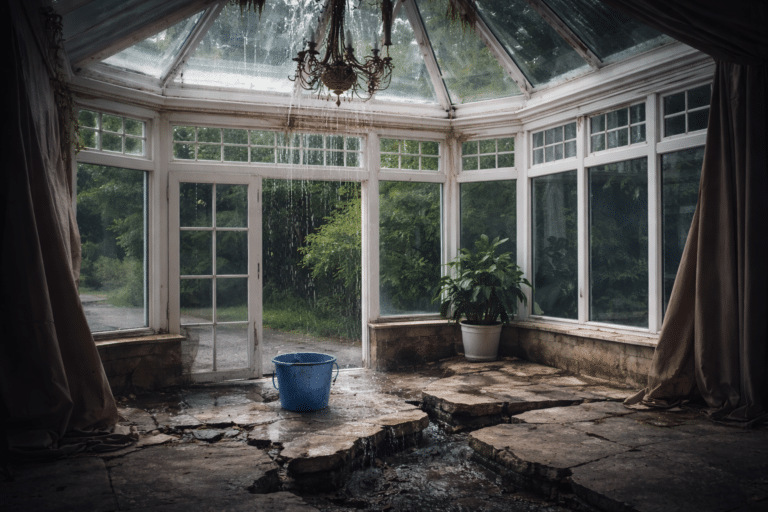
Poor-quality conservatories with inadequate thermal performance can actually devalue your property. Estate agents report that old polycarbonate-roofed conservatories that are unusable in summer and winter are increasingly seen as a liability rather than an asset. For more on creating a comfortable, year-round space, see expert tips on conservatory interiors.

Value Destroyers

  • Seasonal conservatories (too hot/cold for 4-6 months)
  • Poor-quality uPVC with discolouration or warping
  • Inappropriate materials for property type/area
  • Dated designs with polycarbonate roofs
  • Non-compliant structures requiring remediation

Value Enhancers

  • Year-round usable spaces with advanced glazing
  • Material-appropriate for property and location
  • Architecturally integrated design
  • High EPC performance ratings
  • Quality materials with long warranties

In the South East: An A/B EPC rating adds £112,000+ to property value. Moving from EPC D to C can add 3% (£9,000) to property value. Your frame choice directly contributes to these ratings.

How to Choose: A Decision Framework

Choose ALUMINIUM when:

1. Maximum glass area is priority

You want minimal frame intrusion and maximum visible glass area, particularly for contemporary glass box extensions or large-span glazing.

2. Coastal or exposed location

You’re in Kent, West Sussex, or other coastal areas where salt air accelerates degradation of other materials.

3. Low maintenance and long life are essential

You value minimal upkeep and want a structure that will last 40-50+ years without significant maintenance.

4. Contemporary aesthetic required

Your property has modern architecture that suits clean lines and minimal profiles.

Choose TIMBER when:

1. Listed building or conservation area

Planning regulations require traditional materials, particularly in South East conservation areas and listed properties.

2. Period property character preservation

You’re extending a Victorian, Edwardian, or Georgian property where timber maintains architectural integrity.

3. Natural warmth and character are priorities

You value the natural beauty of wood and its warm aesthetic qualities.

4. You’re committed to regular maintenance

You understand and accept the 4-7 year repainting cycle required to maintain timber’s longevity and appearance.

Choose uPVC when:

1. Initial budget is primary constraint

You need the most cost-effective solution that still delivers excellent thermal performance.

2. Low maintenance is essential

You want a “fit and forget” solution with minimal ongoing upkeep requirements.

3. Proven performance at competitive cost

You value uPVC’s track record of delivering excellent thermal efficiency at accessible price points.

4. Practical application over aesthetic perfection

Functionality and value are more important than achieving the absolute finest architectural details.

The 30-Year Financial Analysis: What the Numbers Really Say

Let’s translate these technical specifications into real financial impact over a 30-year period—the typical timeframe homeowners consider when investing in their property.

Cost Category Aluminium Timber (Hardwood) uPVC
Initial Cost (15m²) £25,500 £30,450 £20,300
Maintenance (30 years) £1,500 £12,000 (5 cycles) £500
Energy Savings (vs single glazing) £11,850 £12,825 £12,825
Replacement Cost (if needed) £0 £0 £30,450 (year 25)
Property Value Increase £25,000 £30,000 £20,000
NET 30-YEAR POSITION +£60,850 +£60,375 +£22,575

The Surprising Reality

While uPVC appears cheapest initially, the requirement for complete replacement around year 25 transforms the financial picture. Over 30 years, aluminium and timber deliver 2-3x better net financial position despite higher initial costs.

Key assumption: 5% property value uplift for quality conservatory, £395 annual energy savings (Energy Saving Trust maximum), maintenance costs based on Room Outside installation data across Surrey, Kent, and West Sussex.

Regional variation: In South East England, where property values are higher and planning restrictions stricter, timber and aluminium often deliver even greater value uplift compared to national averages.

Begin Your Frame Selection Journey

Your conservatory frame choice isn’t just about aesthetics or initial cost. It’s a 30-year commitment that impacts your energy bills, maintenance schedule, property value, and daily living experience.

Your Next Steps

Step 1: Assess Your Context

  • Check planning restrictions (conservation area?)
  • Evaluate property style and architectural character
  • Consider location (coastal, rural, urban?)
  • Review budget for total 30-year ownership

Step 2: Consult Experts

  • Discuss with Room Outside’s installation teams
  • Review case studies from similar properties
  • Get site-specific technical advice
  • Understand planning implications for your area

The Room Outside Advantage

With 50+ years installing across South East England, we understand not just the technical specifications but the practical realities of each material in different contexts. We’ve seen aluminium frames weathering coastal storms in Kent, timber aging gracefully in Surrey conservation areas, and uPVC delivering value in practical applications across London. Looking for inspiration? View our project gallery to see completed projects.

Our advice always begins with understanding your property, your lifestyle, and your long-term objectives—not with product recommendations.

Frame material selection rarely has a single correct answer. The optimal choice emerges from your property’s character, your lifestyle, your budget, and your priorities for the decades ahead.

At Room Outside, we work with all three frame materials because each serves different requirements. Whether you’re considering an orangery in Kent, a contemporary glass extension in Surrey, or a refurbishment anywhere across the South East, our teams have decades of combined experience to guide your decision.

FAQ: Frame Materials for Conservatories and Glass Extensions

Which conservatory frame material lasts the longest?

Aluminium offers the longest expected lifespan at 40-50+ years with minimal maintenance. Hardwood timber can match this (50-60 years) but requires repainting every 4-7 years. uPVC typically lasts 20-35 years before requiring replacement.

How much can new windows save on energy bills?

A-rated windows can save £120-£395 annually depending on property type and existing glazing. The Energy Saving Trust estimates £195/year for a semi-detached home. Over 25 years, total savings can exceed £4,875 against pre-2002 double glazing.

Is aluminium or uPVC better for thermal efficiency?

uPVC marginally outperforms standard aluminium, achieving U-values of 1.2-1.4 W/m²K versus 1.6 W/m²K for thermally broken aluminium. Both meet current Building Regulations. Timber achieves the best thermal performance at 1.2-1.4 W/m²K.

Do conservatories add value to UK properties?

A well-built conservatory can add 5-10% to property value according to RICS, Savills, and Checkatrade. However, poor-quality builds with inadequate thermal performance can actually devalue properties, particularly old polycarbonate-roofed structures unusable for 4-6 months yearly.

What U-value do windows need for Building Regulations 2025?

Replacement windows require 1.4 W/m²K or better under Part L Building Regulations. New-build targets are 1.2 W/m²K. Future Homes Standard 2025 may require 0.8-1.2 W/m²K for new builds, potentially requiring triple glazing in some applications.

Which frame material has the slimmest sightlines?

Aluminium provides the slimmest profiles at 35mm or less, compared to 55mm+ for timber and 70mm+ for uPVC. This means up to 20% more visible glass area, particularly important for contemporary glass box extensions and large-span glazing.

Ready to Discuss Your Frame Options?

Work with conservatory specialists who understand not just materials specifications, but how they perform across different South East locations—from coastal Kent to conservation areas in Surrey and contemporary London extensions.