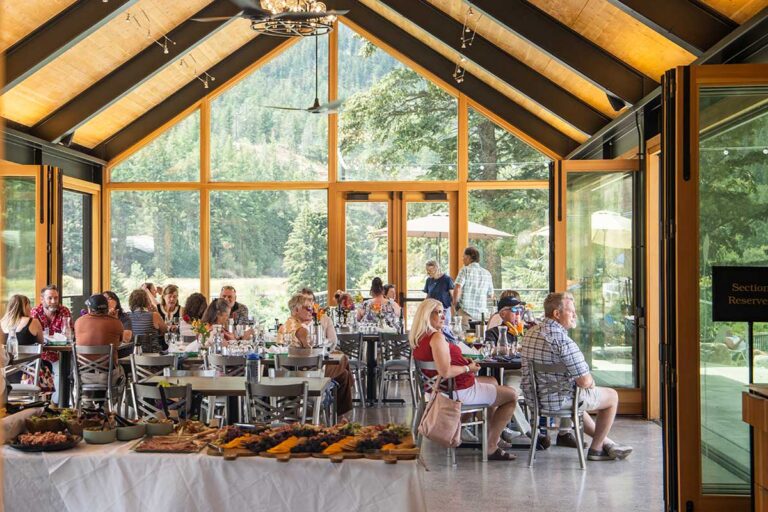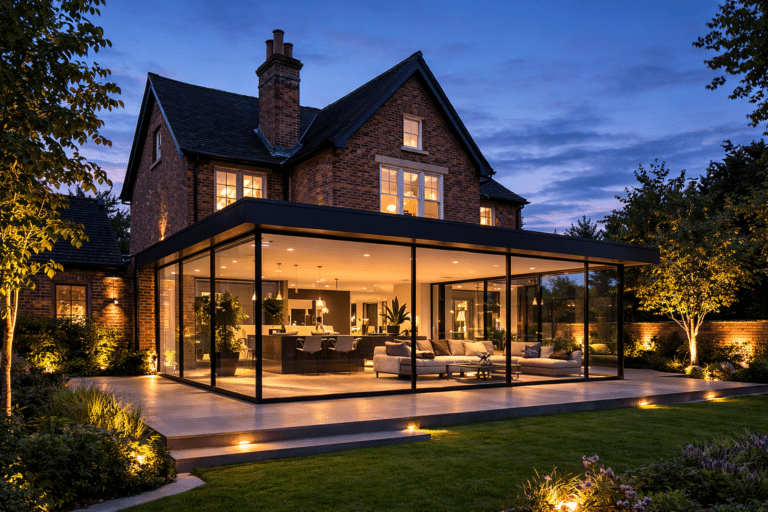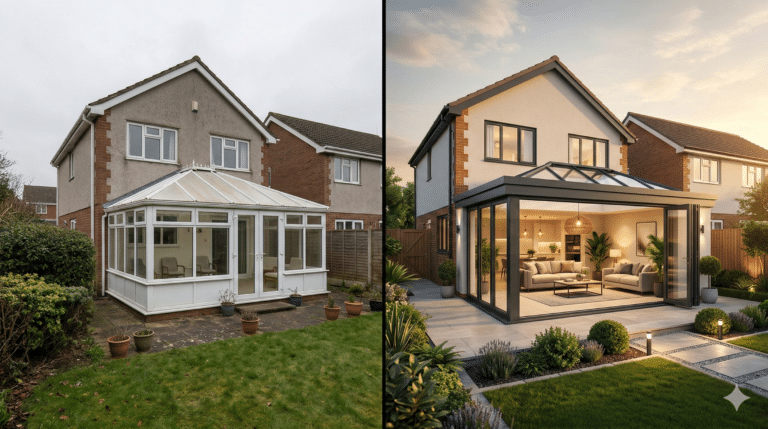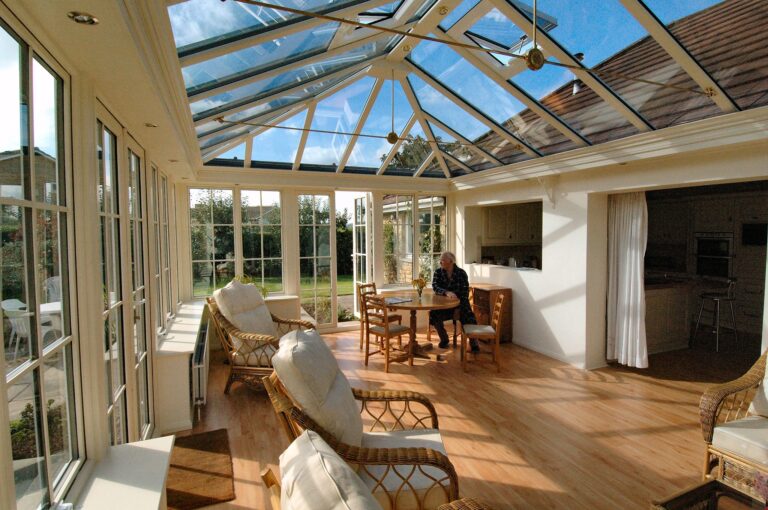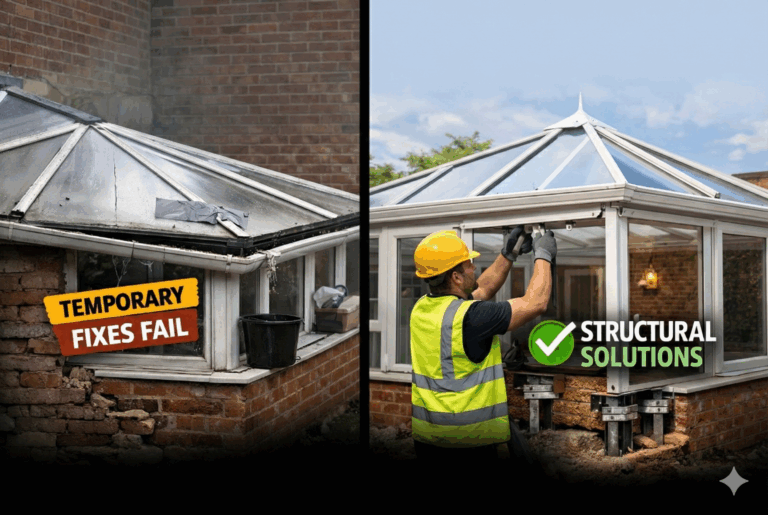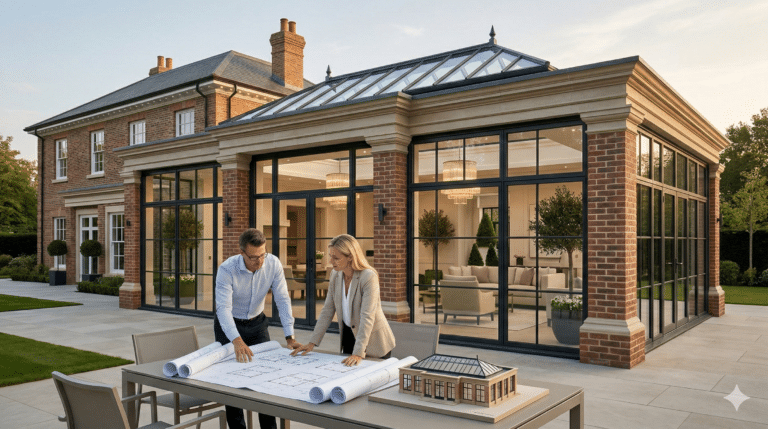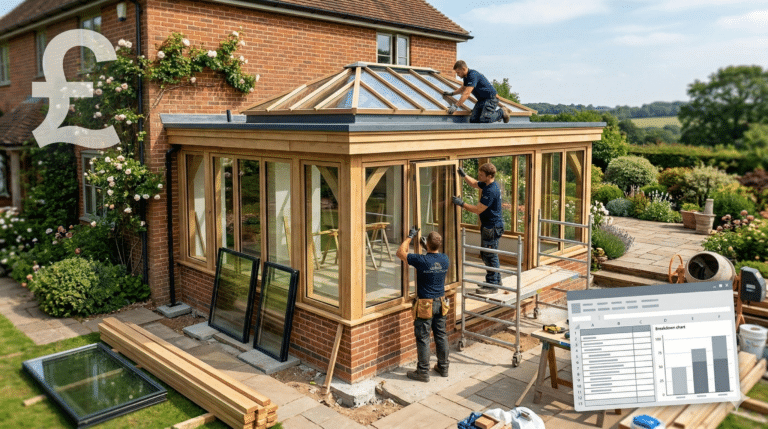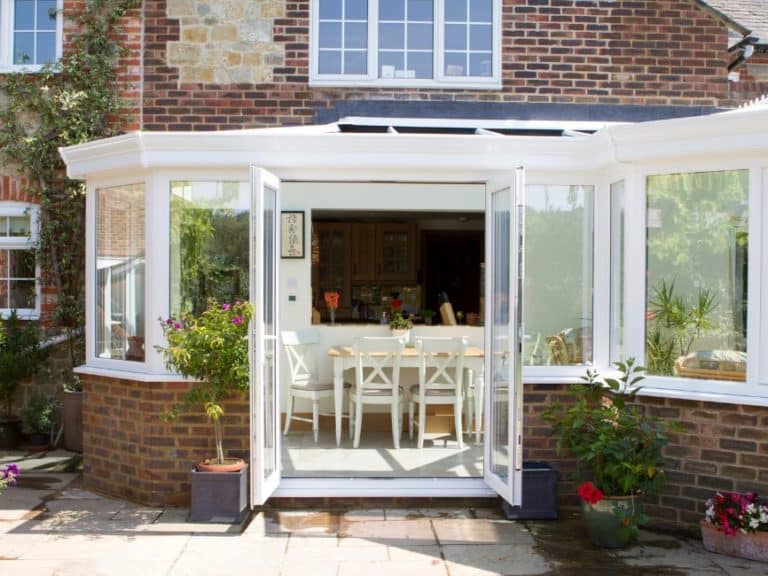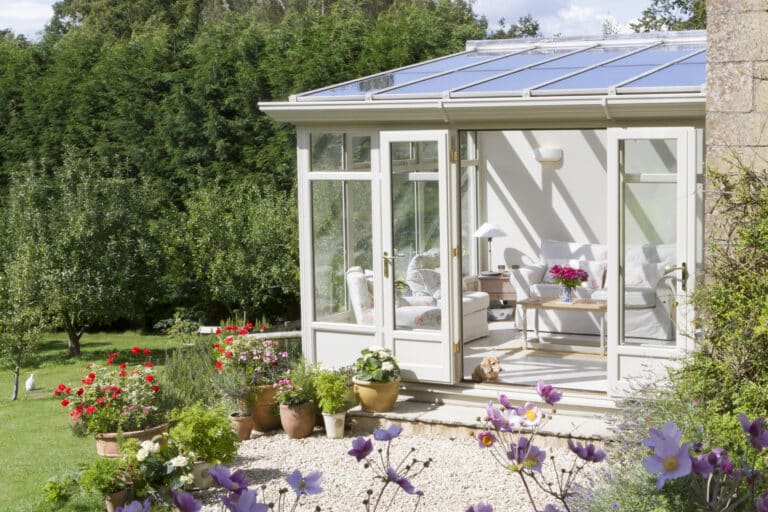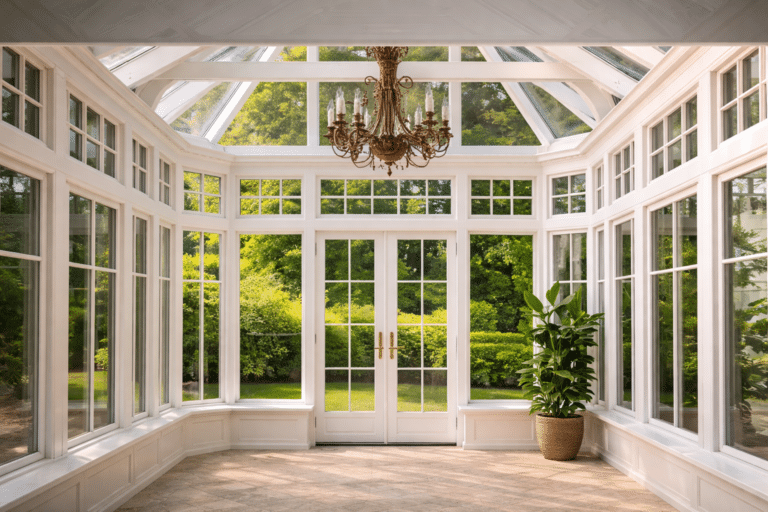

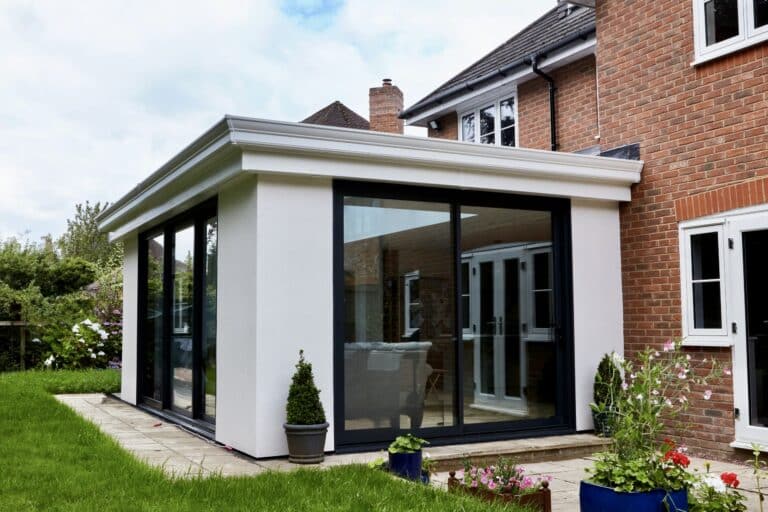
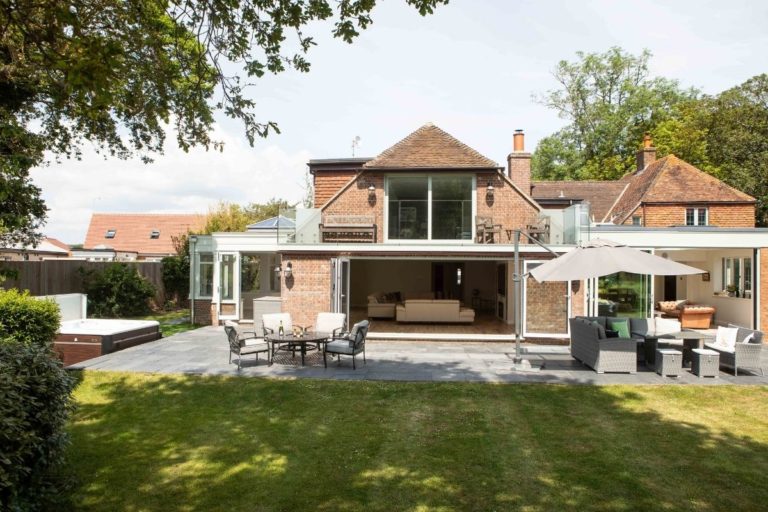
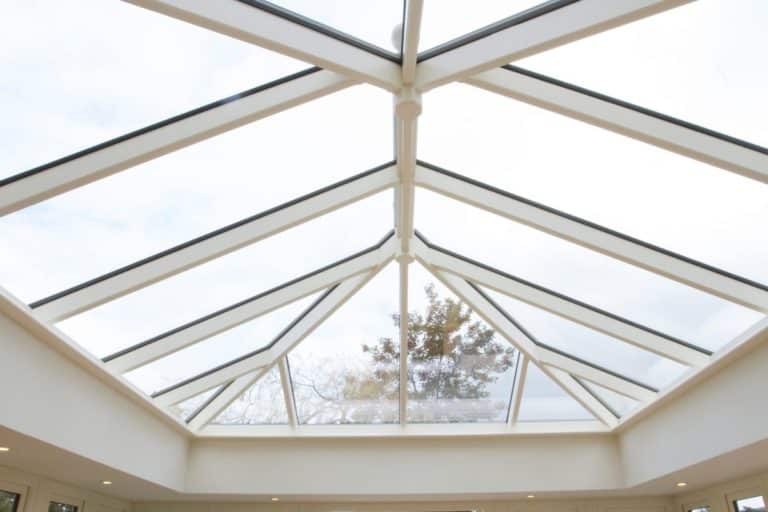
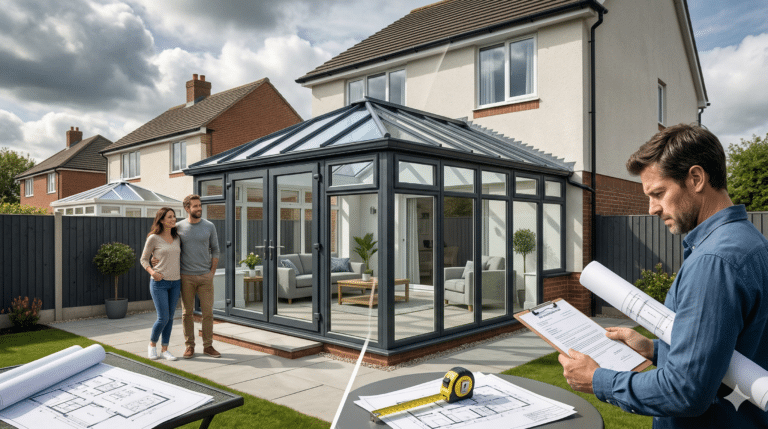
Bespoke conservatory by Room Outside featuring large windows, a glass roof, and a cozy seating area, surrounded by greenery.
roomoutsideuk
18th March, 2026

Garden Room Ideas: 12 Inspiring Designs | Room Outside

Room Outside: Conservatory Maintenance Guide & Seasonal Checklist (2026)

Garden Room Ideas: 12 Ways to Create Your Perfect Outdoor Living Space

From focused home offices to tranquil yoga studios, vibrant art spaces to cosy guest retreats—discover the garden room that fits your life.

Your Garden, Reimagined

A garden room is more than extra space—it’s a chance to design around how you actually want to live. Whether you dream of a distraction-free workspace steps from your back door, a private sanctuary for creativity, or a year-round entertaining space that brings the outdoors in, the right garden room transforms not just your property but your daily life.

We’ve designed and built garden rooms across Surrey and the South East for over 50 years, from compact home offices to stunning oak-framed retreats. Here are 12 of our favourite ideas to inspire your own outdoor living space.

1

Conservatory Maintenance Coverage Across South East England

Where Focus Meets Freedom

The garden office has become the most requested garden room design since hybrid working became the norm. And it’s easy to see why: a dedicated workspace just steps from your home, with none of the distractions of working from the kitchen table and none of the commute of traditional office life.

The best garden offices create genuine separation between work and home life. That short walk across the garden becomes a psychological transition—you’re “going to work” even though you’re never more than 30 seconds from a cup of tea. And at the end of the day, you can close the door, walk back to the house, and leave work behind.

Dedicated desk spaceLarge L-shaped or sit-stand desk with room for multiple monitors

Video call backdropThoughtful positioning and neutral décor for professional calls

Connectivity hubHardwired ethernet, ample power points, dedicated WiFi mesh point

Year-round comfortProper insulation, efficient heating, good ventilation

10-15m² ideal Most popular £25k-£45k typical
2

The Yoga & Wellness Studio

Your Private Sanctuary

Imagine rolling out your mat in a light-filled space designed purely for your practice—no furniture to move, no interruptions, just you and your breath surrounded by garden views. A dedicated yoga studio transforms an occasional practice into a daily ritual.

The key is creating a space that feels calm, spacious, and connected to nature. Large glazed doors that open completely in summer, warm underfloor heating for early morning winter sessions, and thoughtful acoustic treatment for when you want to follow an online class without disturbing the house.

Open floor spaceUnobstructed area for full range of movement and poses

Natural lightLarge windows with blinds for meditation and relaxation

Warm underfloor heatingEssential for comfortable floor-based practice year-round

Storage for propsDedicated space for mats, blocks, straps, and bolsters

15-25m² ideal Daily wellness ritual £30k-£50k typical
3

The Art Studio

Where Creativity Has Space to Breathe

Every artist knows the frustration of working in a corner of the house—the constant clearing up, the worry about spills and mess, the lack of space to leave work in progress. A dedicated garden art studio changes everything, giving your creativity a permanent home where you can work on your own terms.

The ideal art studio balances generous natural light (north-facing windows are prized by painters) with the practical needs of working with paints, inks, clay, or whatever your medium. Durable, easy-clean flooring, a deep sink for washing brushes and equipment, and plenty of wall space for works in progress.

North-facing lightConsistent, even natural light without harsh direct sun

Deep butler sinkEssential for cleaning brushes, palettes, and equipment

Durable flooringConcrete, vinyl, or sealed timber that handles spills and mess

Storage and displaySpace for supplies plus walls for hanging works in progress

20-30m² ideal Creative freedom £35k-£55k typical
4

The Music Room

Play Freely, Anytime

Whether you’re a pianist who needs space for a grand, a drummer who’s been relegated to the garage, or a guitarist who just wants to plug in and play without worrying about the neighbours—a dedicated music room liberates your practice from compromise.

Acoustic treatment is the key consideration. A well-designed music room contains sound effectively (so you don’t disturb the house or neighbours) while maintaining good internal acoustics (so practice is actually enjoyable). The balance between absorption and reflection varies by instrument and style—we work with acoustic specialists to get it right.

Acoustic isolationFloating floors, decoupled walls, acoustic glazing

Internal acousticsBalanced treatment for pleasant practice environment

Climate controlStable temperature and humidity for instrument protection

Recording capabilityQuiet HVAC, dedicated circuits, cable runs for recording gear

15-30m² typical Acoustic specialist input £45k-£75k typical
5

The Guest Suite

Hotel-Quality Hospitality at Home

When family or friends come to stay, a garden guest suite gives them genuine privacy and independence—their own space to retreat to, their own bathroom, their own front door. It’s hospitality that feels generous rather than cramped, for hosts and guests alike.

The best garden guest suites work hard when visitors aren’t there too. Design it as a dual-purpose space—a home office or studio that converts to guest accommodation—and you get value every day, not just a few weekends a year.

En-suite bathroomComplete independence with shower, WC, and basin

Comfortable sleepingSpace for proper double bed, quality mattress

Kitchenette optionSmall fridge, kettle, and coffee-making facilities

Dual-purpose designSofa bed or murphy bed for office-by-day flexibility

25-35m² with en-suite Building Regs required £50k-£80k typical
6

The Entertaining Space

Indoor Comfort, Garden Connection

A garden entertaining room extends your hosting possibilities across all seasons. Bi-fold or sliding doors that open completely in summer create seamless indoor-outdoor flow; close them in winter and you have a cosy, atmospheric space surrounded by your evening garden.

Think beyond just an additional seating area. A bar corner, a built-in sound system, ambient lighting that transforms from day to night—this is a space designed for the art of bringing people together.

Full-width glazingBi-fold or sliding doors that open your space to the garden

Bar or drinks stationSink, mini-fridge, storage for glasses and bottles

Atmospheric lightingDimmable, layered lighting for day-to-night flexibility

Integrated audioBuilt-in speakers for background music or movie nights

30-50m² for groups Oak frame stunning £55k-£100k+ typical

Found Your Perfect Garden Room?

Let’s explore how to bring your vision to life. From initial concepts to detailed costs, we’ll help you plan a garden room that fits your lifestyle and budget.

Book Free Design Consultation

Or call 01243 538999 anytime

7

The Home Gym

Your Fitness, Your Schedule

No more gym memberships, no more waiting for equipment, no more excuses. A garden gym puts fitness on your doorstep—roll out of bed for an early morning session, squeeze in a lunchtime workout, or decompress after work without leaving home.

The practical requirements are straightforward: a solid floor that can handle dropped weights, good ventilation for when things get intense, and enough ceiling height for overhead movements. Beyond that, it’s about creating a space that actually motivates you to train.

Reinforced flooringConcrete or heavy-duty rubber to handle weights and equipment

High ceilingsMinimum 2.4m for overhead press, pull-ups, and rope work

Good ventilationOpening windows, MVHR system, or air conditioning

Mirror wallFull-height mirrors for form checking and visual space

15-30m² typicalSound insulation helps£30k-£55k typical
8

The Therapy & Treatment Room

Professional Practice, Personal Setting

For therapists, counsellors, massage practitioners, or anyone offering client-facing services, a garden treatment room offers the professional setting you need without the overhead of commercial premises—and without clients coming through your home.

The key is creating appropriate separation: clients arrive, walk directly to your garden room, and never enter your domestic space. Inside, a calm, professional environment with proper facilities for your discipline. The garden setting often enhances rather than detracts from the therapeutic experience.

Separate entranceSide access so clients don’t walk through the garden

WC facilityEssential for client comfort during longer sessions

Sound privacyAcoustic insulation for confidential conversations

Calm environmentThoughtful lighting, natural materials, garden views

15-25m² typicalCheck planning for business use£35k-£60k typical
9

The Wine Room

Where Collections Are Celebrated

For serious wine collectors, a garden wine room offers something no house cellar can: a dedicated space not just for storage, but for appreciation. Climate-controlled racking for your collection, a tasting area for sharing discoveries with friends, and an atmosphere that honours the wines you’ve curated.

Temperature and humidity control are critical—wines need consistent conditions to age properly. But beyond the technical requirements, this is about creating a space that invites you to linger, to explore your collection, to make an evening of it.

Climate controlStable 12-14°C, 60-70% humidity for proper storage

Custom rackingDisplay storage for accessible bottles, bulk storage for ageing

Tasting areaBar seating or small table for intimate tastings

Atmospheric lightingLow UV lighting that showcases without damaging

15-25m² typicalSpecialist fit-out£45k-£80k+ typical
10

The Reading Retreat

Quiet Pages, Garden Views

In a world of constant notifications, a dedicated reading room is an increasingly precious thing. A comfortable chair by a window overlooking the garden, shelves lined with books you’ve been meaning to read, and the simple luxury of uninterrupted time with a good book.

This is often the most personal of garden room concepts—a space designed entirely around your idea of comfort. Perhaps it’s a deep window seat with cushions, perhaps a classic leather armchair and reading lamp. The best reading retreats feel like a hug.

Perfect reading lightLarge windows plus adjustable task lighting

Built-in bookshelvesFloor-to-ceiling storage for your collection

Cosy seatingReading chair, window seat, or daybed

Peace and quietDouble glazing and distance from household noise

10-18m² often enoughPersonal sanctuary£25k-£45k typical
11

The Photography Studio

Control the Light, Create the Image

Whether you’re a professional photographer working from home or an enthusiast who’s outgrown the spare bedroom, a dedicated garden studio gives you something precious: control. Control over light, over background, over the entire shooting environment.

The best photography studios balance two often-competing needs: beautiful natural light when you want it, and complete blackout capability when you need to create your own. High ceilings for lighting rigs, neutral walls for clean backgrounds, and enough depth for portrait work.

Blackout capabilityBlinds or shutters for complete light control

High ceilingsSpace for lighting stands, booms, and overhead rigs

Neutral wallsWhite or grey paintable backgrounds, or infinity cove

Ample powerMultiple circuits for lighting equipment without tripping

25-40m² for portraitsMinimum 3m depth£40k-£70k typical
12

The Workshop

Make, Build, Create

Whether you’re a woodworker, model maker, bike mechanic, or just someone who likes making and fixing things, a proper workshop is a dream realised. Space for benches and tools, room to spread out on projects, and—critically—somewhere you can make noise and mess without disturbing the household.

Practical considerations dominate: robust flooring, heavy-duty electrical supply for power tools, excellent extraction for dust and fumes, and security for valuable equipment. But beyond function, there’s joy in having a space dedicated to making things with your hands.

Heavy-duty electrics32A supply for machinery, multiple sockets at bench height

Dust extractionDedicated system or plumbing for portable extractors

Robust flooringConcrete or heavy-duty vinyl that handles tools and materials

Wide doorsDouble doors for bringing in materials and finished projects

20-40m² typicalSound insulation helpful£35k-£60k typical

Understanding Garden Room Costs

The prices shown above are indicative ranges for 2026. Actual costs depend on size, specification, location, and complexity. For detailed pricing guidance including what affects cost and how to budget effectively, see our comprehensive garden room cost guide.

Every garden room we build is bespoke to your requirements—we’ll provide accurate pricing during your free consultation.

Room Outside

Garden Room Specialists | Established 1973 | 50+ Years Experience

Room Outside has been designing and building bespoke garden rooms across Surrey, Kent, Sussex, Hampshire, and London for over 50 years. From compact home offices to stunning oak-framed entertaining spaces, we create garden rooms that transform how you live. Explore our garden room range or call 01243 538999 to discuss your vision.

About This Guide

These 12 garden room ideas represent the most popular configurations we’ve designed and built over 50+ years. Every garden room is bespoke—these concepts serve as starting points for your own unique design.

Last updated: March 2026 | Author: Room Outside

Frequently Asked Questions

What can I use a garden room for?

Garden rooms are incredibly versatile. Popular uses include home offices, yoga and fitness studios, art studios, music rooms, guest accommodation, entertaining spaces, home gyms, therapy rooms, wine rooms, reading retreats, photography studios, and workshops. The best garden rooms are designed around your specific lifestyle needs.

Do I need planning permission for a garden room?

Most garden rooms fall under Permitted Development and don’t require planning permission, provided they meet certain criteria: single storey with maximum eaves height of 2.5m, maximum overall height of 4m (dual pitch) or 3m (other roofs), not forward of the principal elevation, and covering no more than 50% of the garden. Listed buildings and conservation areas have additional restrictions.

How much does a garden room cost?

Garden room costs vary significantly. Basic garden offices start around £15,000-£20,000. Mid-range insulated garden rooms typically cost £25,000-£45,000. Premium bespoke builds range from £45,000-£80,000+. Oak-framed garden rooms command premiums of £60,000-£120,000+. See our detailed cost guide for more information.

Can a garden room be used as a guest bedroom?

Yes, garden rooms make excellent guest accommodation. For overnight use you’ll need adequate insulation, proper heating and ventilation, electrical installation to current regulations, and potentially Building Regulations approval. Many clients create dual-purpose spaces that serve as offices by day and guest suites when needed.

What is the best size for a garden room?

The best size depends on use. Home offices: 10-15m². Yoga/fitness studios: 15-25m². Art studios: 20-30m². Guest suites with en-suite: 25-35m². Entertaining spaces: 30-50m². We’ll help you determine the right size during your consultation.

Are garden rooms warm enough in winter?

Quality garden rooms with proper insulation and heating are comfortable year-round. Key requirements include minimum 100mm wall insulation and 150mm roof insulation, double or triple glazing, efficient heating (underfloor or electric radiators), and draught-free construction. A well-specified garden room maintains comfortable temperatures even in the coldest months.

How long does it take to build a garden room?

Build times vary by complexity. Simple modular garden offices: 2-5 days. Bespoke insulated garden rooms: 2-4 weeks on site. Complex builds with oak frames, en-suites, or high specifications: 4-8 weeks. Factor in additional time for design, planning if required, and groundworks preparation.

Do garden rooms add value to a property?

Quality garden rooms can add significant value, particularly when designed as flexible spaces with good specifications. Garden offices have become highly desirable since the shift to hybrid working. A well-built garden room typically adds 50-100% of its cost in property value, with premium builds in desirable areas sometimes exceeding this.

Call us anytime – David, our digital assistant, will take a few details so the right specialist can follow up personally. 01243 538999

Your Garden Room Starts Here

Whether you’re dreaming of a focused home office, a creative studio, or a stunning entertaining space—we’ll help you design a garden room that fits your life perfectly.

Explore Our Garden Rooms

Or call 01243 538999 – David, our digital assistant, will take a few details so the right specialist can follow up personally.

Room Outside: Bespoke garden rooms since 1973.
Serving Surrey, London, Kent, Sussex, Hampshire & surrounding areas.
Bespoke conservatory by Room Outside featuring large windows, a glass roof, and a cozy seating area, surrounded by greenery.
roomoutsideuk
17th March, 2026

Glass Extension Property Value: Expert Guide | Room Outside

Glass Extension Property Value: Expert Guide | Room Outside

How a Glass Extension Affects Your Property Valuation

Estate agent insights and surveyor perspectives on when conservatories, orangeries, and glass extensions add value—and when they don’t.

The Value Question Answered

Quality glass extensions typically add 5-10% to property value—but the relationship between cost and value isn’t straightforward. Premium orangeries and structural glass extensions can return 80-100% or more of their cost in added value, while budget conservatories may add nothing at all.

This guide draws on RICS valuation methodology, conversations with estate agents across London and the South East, and our 50+ years of experience to explain exactly what determines whether your glass extension becomes a valuable asset or an expensive addition that buyers discount.

Value Impact at a Glance

  • Quality conservatory: Typically adds 5-8% to property value
  • Premium orangery: Can add 7-12% with the right specification
  • Structural glass extension: 8-15% in desirable locations
  • Budget conservatory: May add 0-3%—sometimes negative
  • Key factors: Build quality, thermal performance, year-round usability
  • Surveyor approach: Glass rooms valued at 50-100% of equivalent internal space
  • London premium: High-quality glass extensions often return 90-110% of cost
5-10%
Typical Value Added
70-100%
Quality ROI Range
50-70%
Surveyor Rate vs Internal
90-110%
Prime London Returns

How RICS Surveyors Value Glass Extensions

When a chartered surveyor values a property with a conservatory, orangery, or glass extension, they’re not simply adding the replacement cost to the property value. The valuation methodology is more nuanced—and understanding it helps you make better investment decisions.

The Comparison Approach

Surveyors primarily use comparable evidence—what similar properties with and without glass extensions have sold for in the area. This means the value added depends heavily on local market conditions and buyer preferences. A premium glass extension in an affluent Surrey village may add significantly more proportional value than the same extension in an area with lower property prices.

The “Equivalent Space” Calculation

When direct comparables aren’t available, surveyors often apply a percentage rate to the equivalent internal floor space. The rate depends on the extension’s quality and usability:

Extension Type% of Internal Space ValueTypical Rationale
Basic polycarbonate conservatory30-50%Seasonal use only, limited utility
Standard glass-roofed conservatory50-70%Three-season use, some thermal issues
Quality conservatory with good glazing60-80%Year-round use possible, well-integrated
Traditional orangery70-90%Room-like character, solid construction
High-spec structural glass extension85-100%Equivalent to proper internal space

What Surveyors Look For

  • Construction quality: Frame materials, glazing specification, roof type
  • Thermal performance: Can the space be used year-round without excessive heating costs?
  • Building Regulations: Is there compliance certification or sign-off?
  • Integration: Does it feel like part of the house or a bolt-on addition?
  • Condition: Signs of wear, failed seals, structural movement
  • Proportionality: Is the extension appropriate to the property and plot size?

The “Negative Value” Scenario

In some cases, a conservatory can actually reduce a property’s value or marketability. Surveyors may note:

  • Poor quality construction requiring near-term replacement
  • Missing Building Regulations approval creating sale complications
  • Disproportionate size consuming too much garden
  • Design that blocks light to existing rooms
  • Obvious structural issues or water damage
  • Style completely at odds with the main property

Estate agents regularly report that removing a poor-quality conservatory and restoring the garden can actually increase a property’s appeal and sale price.

Value by Extension Type

Not all glass extensions are created equal in valuation terms. Here’s how different types typically perform in the South East market.

Budget Conservatory

0-5%

Polycarbonate or basic glazing, minimal thermal performance, seasonal use only.

  • Often viewed as liability
  • Replacement cost factored
  • May deter premium buyers
  • ROI often below 50%

Quality Conservatory

5-8%

Glass roof, quality frames, good glazing U-values, year-round usability.

  • Genuine additional space
  • Attractive to families
  • ROI typically 70-90%
  • Strong market appeal

Premium Orangery

7-12%

Substantial construction, lantern roof, feels like a room not an addition.

  • Valued as proper extension
  • Attracts premium buyers
  • ROI often 80-100%+
  • Period property favourite
“In the Surrey and Sussex markets, we consistently see that quality trumps size. A beautifully executed 20m² orangery will add more value and appeal than a 30m² budget conservatory. Buyers at these price points are discerning—they’re not just buying space, they’re buying quality of life.”
Regional Estate Agent Perspective — Surrey/Sussex Premium Market

EPC Impact: The Energy Performance Factor

Since 2018, EPC ratings have become increasingly important in property transactions, affecting both saleability and mortgage availability. How your glass extension impacts your EPC rating depends on how it’s designed, built, and heated.

The Thermal Separation Question

Traditional conservatories with thermal separation (doors between the conservatory and the main house that remain closed) are typically excluded from EPC calculations. The conservatory is treated as an “unheated” space and doesn’t affect the main dwelling’s rating.

However, if your extension is fully integrated with the house—no separating doors, connected to the central heating—it becomes part of the thermal envelope and will affect your EPC.

Positive or Neutral EPC Impact

High-performance glazing (U-values below 1.4), well-insulated flat roof sections, efficient underfloor heating, or thermal separation from the main house. May maintain or even improve overall rating if replacing older, less efficient construction.

Negative EPC Impact

Poor glazing specification (U-values above 2.0), polycarbonate roof, no thermal separation, connected to inefficient heating system, excessive glazed area without solar control. Can drop property by one or more EPC bands.

Glazing Specifications That Protect Your EPC

ElementTarget SpecificationWhy It Matters
Double glazing U-value1.0-1.4 W/m²KMeets or exceeds Part L requirements
Triple glazing U-value0.6-0.8 W/m²KPremium performance, can improve EPC
Roof glazing U-value1.0-1.6 W/m²KCritical for thermal performance
Solar control coatingg-value 0.3-0.5Prevents overheating, reduces cooling load
Flat roof insulationU-value 0.15-0.18 W/m²KEssential for orangery perimeter roofs

The 2025 EPC Minimum Change

From 2025, rental properties will require a minimum EPC rating of C (previously E). While this primarily affects landlords, it signals the direction of travel—energy efficiency will only become more important for property values.

A glass extension designed to current best practices future-proofs your property. One built to minimum standards may become a liability.

Invest in Value, Not Just Space

Our glass extensions are designed to add genuine value to your property—quality that surveyors recognise and buyers pay for.

Book Free Design Consultation

Or call 01243 538999 anytime

The Quality Threshold: When Extensions Add Value

There’s a clear dividing line between glass extensions that add value and those that don’t. We call this the quality threshold—the minimum specification level at which a surveyor will treat your extension as an asset rather than a liability.

Meeting the Quality Threshold

Glass roof, not polycarbonate: Buyers see polycarbonate as dated and low-quality. Glass is now the minimum expectation.

Glazing U-values below 1.4: Demonstrates proper thermal performance for year-round use.

Building Regulations compliance: Documentation showing proper approval avoids conveyancing complications.

Quality frame specification: Substantial profiles, proper reinforcement, reputable manufacturer.

Professional installation: Evidence of proper foundations, sealing, and workmanship.

Adequate heating provision: The space must be comfortable year-round without excessive running costs.

Good condition: No failed seals, water damage, or visible deterioration.

Appropriate to property: Scale, style, and quality consistent with the main house.

For a detailed breakdown of what quality glass extensions should cost, see our comprehensive glass extension cost guide.

South East Market Insights

The South East—particularly London, Surrey, Kent, Hampshire, and Sussex—is one of the most active markets for quality glass extensions. Here’s what estate agents and valuers tell us about current buyer preferences.

London and Prime Surrey/Sussex Markets

In areas where property prices exceed £750,000, buyers expect any glass extension to be high-specification. A budget conservatory on an expensive property is viewed as a negative—something to remove and replace. Premium orangeries and structural glass extensions, by contrast, are actively sought after.

Value impact: Quality glass extensions in these markets often return 90-110% of their cost. In some prime locations, exceptional glass extensions have been credited with adding more than their cost—creating a genuine value uplift beyond the construction investment.

“In prime London and Surrey, we see the kitchen-diner with glass extension as almost a requirement for family buyers at certain price points. It’s not a nice-to-have—it’s expected. A well-designed glass extension can be the difference between a property that sells quickly at asking price and one that lingers.”
London/Surrey Estate Agent — Prime residential market

The “Lifestyle Premium” Factor

Beyond strict valuation methodology, estate agents point to a “lifestyle premium” that quality glass extensions command. Buyers make emotional decisions—a beautiful orangery flooded with light, opening onto a garden, creates a visceral response that translates into willingness to pay.

This premium is hardest to quantify but very real in practice. It’s why two properties with identical floor areas can sell for significantly different prices based on how that space feels.

ROI by Region

RegionQuality Conservatory ROIPremium Orangery ROINotes
Prime London85-100%95-115%Often exceeds cost in value added
Surrey/Sussex (prime)80-95%90-105%Strong family buyer demand
Kent (affluent areas)75-90%85-100%Growing premium market
Hampshire70-85%80-95%Varies by specific location
Wider South East65-80%75-90%Quality still commands premium

The Best Value Investment

Based on both surveyor feedback and estate agent experience, the sweet spot for value creation is typically:

  • Orangery or high-specification conservatory rather than budget or ultra-premium
  • 20-30m² footprint that adds meaningful space without overwhelming the garden
  • Design sympathetic to the property that feels integrated, not bolted-on
  • Year-round usability with proper heating and thermal performance

This specification range typically delivers 80-100% ROI while also providing years of enjoyment before any eventual sale.

When Glass Extensions Don’t Add Value

Not every glass extension adds value. Understanding when they don’t helps you avoid expensive mistakes.

Scenarios Where Value Suffers

  • Oversizing the extension: Consuming too much garden makes the property less attractive, particularly to families. A 40m² conservatory on a property with a small garden may actually reduce overall value.
  • Poor quality construction: Showing obvious signs of wear, failed seals, or inadequate specification. Buyers price in replacement costs.
  • Blocking light to existing rooms: If the extension makes the kitchen or living room darker, the overall property appeal suffers.
  • Style mismatch: A ultra-modern glass box on a Georgian cottage, or an ornate Victorian-style conservatory on a 1960s house. Design should complement, not clash.
  • Missing Building Regulations: Creates conveyancing complications and gives buyers negotiating leverage.
  • Poor thermal performance: Rooms that are unusable for half the year don’t count as proper living space in buyers’ minds.
  • Positioning problems: Extensions that compromise the flow of the house or create awkward access to the garden.

The Removal Calculation

In some cases, removing a poor-quality conservatory and restoring the garden actually increases a property’s value and saleability. If your existing conservatory is:

  • Visibly deteriorating or poorly maintained
  • Thermally unusable (too hot/cold)
  • Built without Building Regulations
  • Stylistically inappropriate for the property

…you may be better served by removal and quality replacement rather than selling with the existing structure in place.

Room Outside

Value-Adding Glass Extensions | Established 1973 | 50+ Years Experience

Room Outside has been designing and building glass extensions across London, Kent, Surrey, Sussex, and Hampshire for over 50 years. We understand what creates value—and we build accordingly. Call 01243 538999 to discuss how a quality glass extension could enhance your property.

About This Guide

This guide draws on RICS valuation methodology, conversations with estate agents operating in the South East market, and Room Outside’s 50+ years of experience building glass extensions. Value estimates are indicative and vary by specific property, location, and market conditions.

Last updated: March 2026 | Author: Room Outside

Frequently Asked Questions

Do glass extensions add value to a property?

Quality glass extensions typically add 5-10% to property value, with premium orangeries and structural glass extensions potentially adding more. However, budget conservatories may add little or nothing. Key factors are build quality, thermal performance, year-round usability, and how well the extension integrates with the house.

How do surveyors value conservatories?

RICS surveyors assess conservatories based on construction quality, thermal performance, Building Regulations compliance, and year-round usability. Traditional conservatories are often valued at 50-70% of equivalent internal space. High-spec orangeries and glass extensions may be valued at 85-100% of internal space rates.

Does a conservatory count as a bedroom?

No, a conservatory cannot count as a bedroom for valuation purposes regardless of size or specification. However, a well-designed conservatory or orangery that creates additional reception space can still add significant value by improving the overall living accommodation and lifestyle appeal.

Do orangeries add more value than conservatories?

Generally yes. Orangeries typically add more value because they have more solid construction, better thermal performance, and feel more like a natural extension of the house. Estate agents report orangeries are viewed more favourably, particularly at higher price points. A quality orangery might add 7-12% compared to 5-8% for a good conservatory.

How does a glass extension affect EPC rating?

Traditional conservatories with thermal separation typically have minimal EPC impact. Poorly insulated extensions connected to the main heating can reduce ratings. Modern glass extensions with high-performance glazing (U-values below 1.4) and efficient heating can maintain or improve EPC ratings when they replace older, less efficient spaces.

What is the quality threshold for adding value?

The quality threshold includes: glass roof (not polycarbonate), glazing U-values below 1.4, Building Regulations compliance, quality frames with proper guarantees, professional installation with proper foundations, adequate heating provision, and design appropriate to the property style.

When do glass extensions not add value?

Glass extensions may not add value when they are poor quality, make the garden too small, block light to existing rooms, lack Building Regulations sign-off, are thermally unusable, or are visually inappropriate for the property. In some cases, removing a poor conservatory can actually increase property value.

What ROI can I expect from a glass extension?

ROI varies by quality and location. Budget conservatories may return only 50% of cost. Quality conservatories typically return 70-90%. Premium orangeries in desirable areas can return 80-100% or more. In prime London and South East locations, exceptional glass extensions have been known to add value exceeding their cost.

Call us anytime – David, our digital assistant, will take a few details so the right specialist can follow up personally. 01243 538999 or request a consultation online

Build Value, Not Just Space

A quality glass extension should be an investment that pays returns—both in how you live today and what your property is worth tomorrow. Let’s discuss what’s possible for your home.

Book Free Consultation

Call us anytime on 01243 538999 – David, our digital assistant, will take a few details so the right specialist can follow up personally.

Room Outside: Value-adding glass extensions since 1973.
Serving London, Kent, Surrey, Sussex, Hampshire & surrounding areas.
Bespoke conservatory by Room Outside featuring large windows, a glass roof, and a cozy seating area, surrounded by greenery.
roomoutsideuk
16th March, 2026

Hidden Costs of Cheap Conservatories | Room Outside

Hidden Costs of Cheap Conservatories | Room Outside

The Hidden Costs of Choosing the Cheapest Conservatory Quote

Why that bargain quote could cost you twice in the end—thin glass, weak frames, failed foundations, and the real price of cutting corners.

The Uncomfortable Truth

The cheapest conservatory quote is rarely the cheapest option. Budget installations frequently develop serious problems within 5-10 years—leaking roofs, failing seals, subsiding foundations, and thermal performance so poor the room is unusable for half the year.

We regularly meet homeowners across Kent and the South East who’ve paid £15,000-£25,000 for a conservatory, spent another £8,000-£15,000 trying to fix problems, and now face complete replacement. The “saving” became an expensive lesson.

The Hidden Cost Reality

  • Foundation failure: Rectification costs £8,000-£20,000 (more than many budget conservatories)
  • Roof replacement: £5,000-£15,000 when polycarbonate or cheap glass fails
  • Missing Building Regs: Delays property sales, requires £500-£3,000 to resolve
  • Energy costs: Poor thermal performance adds £400-£800 annually to heating bills
  • 5-year failure rate: Industry estimates suggest 15-25% of budget conservatories show serious problems within 5 years
  • Typical rectification total: 40-60% of original purchase price spent on repairs
15-25%
Fail Within 5 Years
£8k-£20k
Foundation Fix Cost
40-60%
Spent on Repairs
2-3x
Quality Lifespan

Where Budget Companies Cut Corners

When a conservatory quote is 30-50% below competitors, the saving has to come from somewhere. Here are the six areas where budget installers most commonly cut costs—and what happens as a result.

Inadequate Foundations

The biggest hidden cost. Budget installers may pour foundations too shallow (450mm instead of 1000mm+), skip proper ground investigation, or use insufficient concrete. The conservatory looks fine initially—problems emerge 3-7 years later as the structure moves.

What happens: Cracking, doors that won’t close, gaps appearing between conservatory and house, water ingress, structural instability.

Rectification Cost
£8,000-£20,000

Thin-Walled Frames

Quality uPVC frames have wall thicknesses of 2.8-3mm with galvanised steel reinforcement. Budget frames use 2mm walls, minimal reinforcement, and rely on glazing for rigidity rather than structural integrity.

What happens: Frame flex causes seal failures, glazing units crack or pop out, doors drop and bind, water penetration at joints, premature degradation.

Rectification Cost
Full replacement: £20,000-£40,000

Budget Glazing

Polycarbonate roofs instead of glass, standard double glazing instead of low-E coated units, basic soft-coat glass that fails prematurely. Some budget quotes include glazing U-values of 2.0+ W/m²K—nearly twice what quality units achieve.

What happens: Room too hot in summer, freezing in winter, polycarbonate yellows and becomes brittle, seal failures cause misting, higher energy bills.

Rectification Cost
Roof replacement: £5,000-£15,000

No Building Regulations

While conservatories under 30m² with thermal separation can be exempt, many budget installers don’t even confirm exemption criteria are met. They certainly don’t handle Building Regs when they’re required—because that adds cost.

What happens: Problems when selling (solicitors flag it), potential safety issues, may need retrospective approval or indemnity insurance, could affect home insurance.

Rectification Cost
£500-£3,000 + modifications

Rushed Installation

Budget companies work on volume and tight margins. Installers are under pressure to complete jobs quickly and move on. There’s no time for proper site preparation, careful sealing, or quality checks.

What happens: Water ingress from day one, poor finishes, gaps and misalignments, incomplete sealing, problems emerge within months rather than years.

Rectification Cost
Remedial work: £2,000-£8,000

No Meaningful Warranty

Budget companies often offer impressive-sounding warranties—10 years, even 15 years. But they’re not backed by insurance, the company may not exist in 3 years, and the small print excludes almost everything.

What happens: Company disappears or refuses claims. No insurance-backed guarantee means no recourse. You’re left paying for repairs the “warranty” should cover.

Your Exposure
Full cost of any repairs

The Cheap Conservatory Timeline: What Typically Happens

This is a composite picture based on conversations with homeowners we’ve met over the years—people who came to us after their budget conservatory failed. The pattern is remarkably consistent.

Year 0-1: The Honeymoon

Everything Looks Fine

The conservatory looks great. You’re delighted with the “bargain” price. Minor issues (small draughts, a bit of condensation) seem normal for a new build. You convince yourself the expensive quotes were just profiteering.

Year 1-3: First Signs

Niggles Start Appearing

Doors start sticking. You notice condensation between glazing units (seal failure). The roof creaks more than expected. Heating bills seem high—but maybe that’s just energy prices? You call the company; they make excuses or do minor fixes.

Year 3-5: Problems Emerge

Reality Sets In

Water ingress after heavy rain. Visible cracks in the brickwork junction. Multiple failed glazing units. The room is unusable in winter (too cold) and summer (too hot). You call the company—phone disconnected, or they deny responsibility.

Year 5-7: Repair Attempts

Throwing Good Money After Bad

You spend £3,000-£8,000 on repairs: new roof, resealing, replacement units. Some problems improve; others persist. A surveyor mentions the foundations look inadequate. The repairs are expensive but incomplete.

Year 7-10: The Reckoning

Complete Replacement Required

Structural movement is now undeniable. Multiple professional opinions confirm: the conservatory cannot be economically repaired. Foundation underpinning alone would cost more than the original build. Complete replacement is the only sensible option.

The Total Cost

Double What You “Saved”

Original conservatory: £18,000. Repairs over 7 years: £7,000. Complete replacement with quality build: £45,000. Total spent: £70,000. A quality build from day one: £40,000-£50,000.

The False Economy in Numbers

The homeowner in this scenario “saved” £22,000 by choosing the cheapest quote. They ended up spending £70,000 total—£20,000-£30,000 more than doing it right first time—plus years of frustration, disruption, and a room they couldn’t properly use.

This isn’t a worst-case scenario. It’s a pattern we see repeatedly across Kent, Surrey, Sussex, and Hampshire.

20-Year Total Cost Comparison

The true test of value isn’t the initial price—it’s total cost of ownership over the structure’s lifetime. Here’s how a budget conservatory compares to a quality build over 20 years.

Budget Conservatory

£18,000
Initial purchase£18,000
Seal replacements (years 4, 8)+£1,800
Roof replacement (year 8)+£6,500
Remedial work (year 5)+£3,500
Excess heating costs (20 years)+£8,000
Complete replacement (year 12)+£35,000
20-Year Total£72,800

Quality Conservatory

£42,000
Initial purchase£42,000
Maintenance (year 10)+£800
Seal refresh (year 15)+£1,200
Minor repairs+£500
Energy efficiency savings-£4,000
Property value added+5-10%
20-Year Total£40,500

The quality conservatory costs £32,300 less over 20 years—and at year 20, it’s still performing well with decades of life remaining. The budget option has been replaced once and may need replacing again.

Ready to Do It Right the First Time?

Get transparent pricing from a company that’s been building quality conservatories since 1973. No hidden costs, no corners cut, no regrets.

Book Free Consultation

Or call 01243 538999 anytime

Warning Signs in a Conservatory Quote

Before you sign anything, learn to recognise the red flags that suggest a quote is too good to be true. For detailed guidance on selecting the right company, see our comprehensive guide to choosing a conservatory or glass extension company.

Price 30%+ below competitors without clear explanation of why

Large deposit required (more than 10-15% upfront)

Vague specifications—no frame profiles, glazing U-values, or foundation details

No site survey—quote given without visiting your property

Pressure tactics—”price only valid today” or “last slot available”

No physical premises—just a mobile number and PO box

No trade association membership (GGF, FENSA, CERTASS)

Warranty not insurance-backed—just a company promise

What Quality Companies Do Differently

Understanding what you should expect helps you evaluate quotes properly. Here’s what separates reliable conservatory companies from budget operators.

ElementBudget ApproachQuality Approach
FoundationsMinimal depth, often no ground investigationRISKProper survey, depth to specification, drainage consideredSAFE
Frame SpecificationThinnest possible walls, minimal reinforcementHeavy-duty profiles, full steel reinforcement, quality hardware
GlazingBasic double glazing, U-value 2.0+, possibly polycarbonate roofLow-E coated, argon-filled, U-value 1.0-1.4, glass roof standard
Building RegsIgnored or misrepresentedAssessed, handled properly, certificates provided
InstallationRushed, subcontracted, minimal supervisionEmployed teams, proper timescales, quality checks
WarrantyCompany promise only (worthless if they disappear)Insurance-backed guarantee from independent provider
After-SalesPhone disconnected within 2 yearsEstablished company, service department, ongoing support

The Value of Experience and Stability

A company that’s been operating for decades—like Room Outside, established in 1973—has a reputation to protect. They can’t afford to cut corners because their business depends on referrals and repeat customers.

Budget operators often work a different model: win work on price, complete quickly, move on before problems emerge, dissolve and restart under a new name if complaints mount. The “company” behind your warranty may not exist when you need it.

Learn more about why we do things differently and the standards we maintain.

Questions to Ask Before Signing

Before committing to any conservatory quote, get clear answers to these questions. Evasive or vague responses are warning signs.

About the Structure

  • What foundation depth and type will you use, and how do you determine this?
  • What frame profiles are specified, and what are the wall thicknesses?
  • What glazing U-values are included? What about the roof?
  • How will Building Regulations be handled—exempt, or approval required?
  • What drainage provisions are included?

About the Company

  • How long have you been trading under this name?
  • Can I visit your showroom or workshop?
  • Who will actually install my conservatory—your employees or subcontractors?
  • What trade associations are you a member of?
  • Can you provide references from installations completed 3+ years ago?

About Protection

  • Is the warranty insurance-backed by an independent provider?
  • What deposit do you require, and how is it protected?
  • What happens if problems arise after installation?
  • What’s your complaints procedure if we’re not satisfied?

The Deposit Question

Quality companies typically require 5-15% deposit with the balance on completion or staged payments. Large upfront deposits (30-50%) are a red flag—either the company has cash flow problems or is taking excessive risk with your money.

If a company goes into liquidation after taking your deposit, you may lose everything. Deposits should be protected through a scheme or held in a client account. Ask for proof.

Room Outside

Conservatory Specialists | Established 1973 | 50+ Years Experience

Room Outside has been building conservatories, orangeries, and glass extensions across Kent, Surrey, Sussex, Hampshire, and London for over 50 years. We’ve seen what happens when corners are cut—and we’ve helped many homeowners replace failed budget builds. We believe in transparent pricing for quality work that lasts. Call 01243 538999 to discuss your project.

About This Guide

This guide is based on Room Outside’s 50+ years of experience in the conservatory industry, including conversations with homeowners whose budget installations have failed. Cost estimates reflect 2026 market rates in the South East UK and typical rectification work. Individual circumstances vary.

Last updated: March 2026 | Author: Room Outside

Frequently Asked Questions

Why do cheap conservatories fail?

Cheap conservatories fail because of cost-cutting in critical areas: inadequate foundations that subside, thin-walled frames that flex and leak, budget glazing that fails thermally, poor drainage causing water damage, missing Building Regulations compliance, and substandard workmanship. These problems typically emerge within 5-10 years.

What are the hidden costs of a cheap conservatory?

Hidden costs include higher heating bills from poor thermal performance, repair costs for leaking roofs and failed seals, potential foundation rectification at £8,000-£15,000, replacement glazing, Building Regulations retrospective approval, reduced property value, and potential legal issues when selling. Many homeowners spend 40-60% of the original price on repairs within 10 years.

How long should a conservatory last?

A quality conservatory should last 25-40 years for uPVC, 30-50 years for aluminium, and 40-60+ years for hardwood. Budget conservatories often show serious problems within 5-10 years and may need complete replacement within 15 years. The difference is in foundation quality, frame specification, glazing quality, and workmanship.

What happens if a conservatory has no Building Regulations?

Missing Building Regulations approval can cause serious problems when selling. Solicitors will flag the issue, potentially delaying or collapsing sales. You may need retrospective approval (£500-£2,000), indemnity insurance, or structural modifications. The conservatory may also be unsafe, uninsured, or causing damage to your home.

How much does it cost to fix a failed conservatory?

Rectification costs depend on the problems. Foundation underpinning: £8,000-£20,000. Complete roof replacement: £5,000-£15,000. Frame replacement typically means complete rebuild: £25,000-£50,000. Retrospective Building Regulations: £500-£3,000 plus modifications. Many homeowners find complete replacement is more economical than extensive repairs.

What should I look for in a conservatory quote?

Look for detailed specifications including foundation depth and type, frame profiles and wall thickness, glazing U-values and safety compliance, Building Regulations handling, insurance-backed guarantees, payment terms protecting deposits, and clear warranty terms. Be wary of quotes lacking detail, requiring large upfront deposits, or significantly below competitors.

Are cheap conservatory companies safe to use?

Not necessarily. Many budget companies operate with minimal overheads, no showroom, no workshop, and subcontracted labour. Some disappear before problems emerge, leaving homeowners with no warranty recourse. Check company age, reviews, trade association membership, insurance-backed guarantee availability, and physical premises before committing.

Is it worth paying more for a quality conservatory?

Yes, when comparing total cost of ownership over 20-30 years. A quality conservatory costing 40% more upfront but lasting twice as long with lower maintenance and energy costs delivers better value. It also adds more to property value and avoids the stress, disruption, and expense of early failure and rectification work.

Call us anytime – David, our digital assistant, will take a few details so the right specialist can follow up personally. 01243 538999 or request a consultation online

Choose Quality from the Start

We’ve spent 50 years building conservatories that last—and we’ve seen too many homeowners pay twice for budget installations that fail. Get transparent pricing for quality work, backed by insurance guarantees and our commitment to lasting craftsmanship.

Book Free Consultation

Call us anytime on 01243 538999 – David, our digital assistant, will take a few details so the right specialist can follow up personally.

Room Outside: Quality conservatories since 1973.
Serving Kent, Surrey, Sussex, Hampshire, London & surrounding areas.
Bespoke conservatory by Room Outside featuring large windows, a glass roof, and a cozy seating area, surrounded by greenery.
roomoutsideuk
14th March, 2026

Hardwood Orangeries: Timber Craft Guide | Room Outside

Hardwood Orangeries: Timber Craft Guide | Room Outside

Hardwood Orangeries: The Craft Behind Timber-Framed Architecture

From mortise and tenon joints to hand-finished paint systems—understanding the techniques, materials, and craftsmanship that create an orangery built to last generations.

The Art of Timber Orangeries

A hardwood orangery isn’t just an extension—it’s an exercise in traditional craftsmanship applied to modern living. The techniques we use today trace back centuries, refined through generations of joinery expertise and adapted for contemporary performance requirements.

This guide reveals what goes into a quality timber orangery: the joinery techniques that ensure structural integrity, the timber grading that determines longevity, the paint systems that protect for decades, and why hardwood remains the architect’s choice for period properties across West Sussex and beyond.

Hardwood Orangery Construction at a Glance

  • Traditional joinery: Mortise and tenon, wedged through-tenons, scribed joints
  • Timber grading: J30/J40 stress-graded for structural elements
  • Moisture content: 12-15% (kiln-dried for interior joinery)
  • Paint system: 4-5 coats including primer, preservative, and microporous finish
  • Lantern roof: Engineered timber rafters, traditional ridge details
  • Expected lifespan: 50-80+ years with proper maintenance
  • Typical investment: £60,000-£150,000+ depending on size and specification
50-80+
Years Lifespan
4-5
Paint System Coats
12-15%
Moisture Content
8-12
Years/Maintenance

What Defines a Hardwood Orangery?

An orangery occupies a distinct architectural category—more substantial than a conservatory, with a stronger sense of being a ‘room’ rather than a glazed space. The defining characteristics include solid corner pillars or piers, a flat perimeter roof section (often concealing the internal ceiling), and a central lantern roof that floods the space with light.

While modern orangeries can be built in aluminium or uPVC, hardwood remains the material of choice for discerning homeowners—particularly those with period properties where authenticity matters. The reasons go beyond aesthetics: timber offers superior thermal performance, allows for traditional detailing that planners appreciate, and can be crafted using joinery techniques refined over centuries.

Orangery vs Conservatory: The Key Differences

FeatureOrangeryConservatory
Wall ConstructionSolid brick/render pillars with glazing betweenPrimarily glass walls on dwarf wall
Roof DesignFlat perimeter + central lanternFully glazed pitched roof
Internal FeelRoom-like, extension of the houseGarden room, connection to outdoors
Thermal PerformanceSuperior (more solid construction)Good (more glazing = more heat loss)
PlanningOften preferred for listed buildingsMay be rejected on heritage properties
CostHigher (more complex construction)Lower (simpler structure)

For a complete exploration of creating your perfect design, see our guide to designing a bespoke orangery from initial vision to architectural reality.

Traditional Joinery Techniques

The strength and longevity of a hardwood orangery depend fundamentally on how the timber components are joined together. Quality construction relies on traditional joinery techniques that have proven themselves over centuries—not shortcuts that compromise structural integrity.

Mortise & Tenon

The fundamental joint for frame construction. A projecting tenon fits into a mortise cavity, creating a strong mechanical connection.

Wedged Through-Tenon

For maximum strength, the tenon passes completely through and is secured with hardwood wedges. Visible craftsmanship.

Finger Joints

Engineered sections use precision finger joints bonded with weatherproof adhesive. Creates stable, dimensionally accurate timber.

Why Traditional Joinery Matters

Modern fasteners—screws, brackets, metal plates—have their place, but they should supplement traditional joinery, not replace it. Here’s why:

  • Mechanical strength: A properly cut mortise and tenon joint transfers load across the full depth of the timber, not just at surface screw points
  • Movement accommodation: Timber naturally expands and contracts. Traditional joints allow controlled movement without loosening
  • Repairability: Joints can be dismantled, repaired, and reassembled. Screw-fixed assemblies strip and degrade
  • Longevity: Medieval timber frames still stand after 500+ years. Traditional joinery is proven technology

Spotting Quality Joinery

When evaluating an orangery quote, ask to see sample joints or visit a workshop. Quality indicators include:

  • Clean, precise mortise cavities without tear-out
  • Tenons that fit snugly without force or gaps
  • Wedges made from hardwood, not softwood offcuts
  • Scribed joints where mouldings meet (not simple mitres)
  • Minimal reliance on visible metal fixings

Timber Selection and Grading

Not all timber is suitable for orangery construction. The species must offer durability, stability, and workability. The grading must meet structural requirements. And the moisture content must be precisely controlled to prevent movement after installation.

Structural Grading Standards

Timber used for structural elements (posts, beams, rafters) must be stress-graded to British Standards. The grading assesses strength, stiffness, and density, accounting for natural defects like knots.

GradeApplicationStrength ClassTypical Use
C24/J40Primary structuralHigher strengthMain posts, beams, ridge
C16/J30Secondary structuralStandard strengthRafters, studs, rails
Joinery GradeNon-structuralAppearance focusedMouldings, trim, glazing bars

Moisture Content: The Critical Factor

Timber moisture content determines how much the wood will move after installation. Install timber that’s too wet, and it will shrink as it dries—opening joints, cracking paint, and compromising weathertightness.

  • Freshly sawn timber: 60-100% moisture content (completely unsuitable)
  • Air-dried timber: 18-25% (acceptable for external rough carpentry)
  • Kiln-dried for joinery: 12-15% (essential for precision orangery work)
  • Internal joinery: 8-12% (for door and window components)

Quality manufacturers use kiln-dried timber and store it in controlled conditions until machining. Ask your supplier about their moisture content specifications and verification process.

Species Selection for Orangeries

Sapele

Our most frequently specified species, sapele offers an excellent balance of durability, workability, and cost. Rich reddish-brown colour, tight interlocked grain, and good dimensional stability.

  • Durability Class 2-3 (25-40 years)
  • Excellent paint adhesion
  • FSC-certified sources available
  • Best value for premium quality

European Oak

The prestige choice for period properties. Distinctive grain, exceptional longevity, and authentic heritage character. Often specified for listed buildings and conservation areas.

  • Durability Class 2 (30-50 years)
  • Often left natural or oiled
  • Higher movement than sapele
  • Premium investment, exceptional appeal

Accoya

Modified softwood with hardwood performance. Acetylation process creates exceptional stability and durability with a 50-year manufacturer warranty. Ideal for painted finishes.

  • Durability Class 1 (50+ years)
  • Minimal movement (paint lasts 2x longer)
  • Cradle to Cradle Gold certified
  • Best for coastal/exposed locations

Engineered Sections

For maximum stability, we use engineered timber sections—multiple layers of kiln-dried timber bonded together with grain directions alternating to cancel out movement.

  • Exceptional dimensional stability
  • Ideal for large sections prone to twist
  • Finger-jointed for consistent quality
  • Essential for lantern roof rafters

Paint Systems: The Science of Protection

A timber orangery’s paint system isn’t just about colour—it’s a carefully engineered barrier protecting the wood from moisture, UV degradation, and biological attack. Understanding what goes into a quality finish helps you evaluate the difference between suppliers who invest in proper protection and those who cut corners.

Anatomy of a Quality Paint System (5 Coats)

Top Coat (x2)Microporous finish, UV protection
UndercoatBuild film thickness, adhesion
PrimerSeals timber, prevents tannin bleed
PreservativeFungicide/insecticide treatment
Kiln-Dried Timber12-15% moisture content

Why Microporous Finishes Matter

Traditional gloss paints formed an impermeable film on the timber surface. When moisture inevitably penetrated (through joints, end grain, or minor damage), it became trapped under the paint, causing blistering, peeling, and rot.

Modern microporous finishes allow water vapour to escape while still repelling liquid water. The paint flexes with the timber’s natural movement rather than cracking. When it eventually weathers, it fades gradually rather than peeling—making recoating a straightforward process without extensive stripping.

Factory Application vs Site Application

FactorFactory AppliedSite Applied
EnvironmentControlled temperature/humidityVariable conditions
Application QualityConsistent spray/dip applicationDepends on applicator skill
End Grain TreatmentFull immersion possibleOften inadequate
Drying TimeOptimal conditions, no rushingMay be rushed for installation
Coat AdhesionExcellent (sanded between coats)Variable
WarrantyTypically 8-15 yearsOften limited or none

We apply all finishes in our workshop under controlled conditions, with each coat properly cured before the next is applied. The extra time and cost is justified by dramatically longer intervals between maintenance.

Premium Paint Brands We Specify

  • Teknos: Finnish industrial coatings with exceptional durability. Factory-applied systems with up to 15-year warranties.
  • Sikkens (AkzoNobel): Industry-standard microporous finishes. Excellent UV resistance and colour retention.
  • Rubio Monocoat: Single-coat oil system for natural finishes. Ideal for oak where the grain should remain visible.
  • Osmo: Hard-wax oils for interior surfaces. Natural finish with excellent durability.

The Timber Lantern Roof

The lantern roof is the architectural centrepiece of an orangery—the element that floods the interior with natural light while defining the character of the space. Building a timber lantern roof requires careful engineering to handle structural loads, thermal movement, and weathertightness. The design decisions you make here significantly impact both aesthetics and performance—our bespoke orangery design guide explores these choices in detail.

Structural Ring Beam

The lantern sits on a substantial timber ring beam or kerb, which distributes roof loads to the supporting structure below. Engineered timber sections prevent twisting under load.

Rafter Construction

Rafters radiate from the central ridge or apex, typically in engineered timber for stability. Mortise and tenon joints at both ends ensure long-term structural integrity.

Glazing Bars

Vertical mullions and horizontal transoms divide the glazed area. Traditional putty glazing or modern dry-glazed systems depending on design aesthetic.

Ridge and Apex Details

The ridge (rectangular lanterns) or apex (hipped/octagonal) requires precise joinery. Often finished with decorative cresting, finials, or ball finials.

Ventilation Integration

Opening vents can be incorporated into the lantern design—essential for managing heat build-up. Manual or automated options available.

Lead Flashing Details

Where the lantern meets the flat roof, traditional lead flashing creates weathertight junctions. Code 4 or Code 5 lead, dressed by hand for precision fit.

Lantern Roof Styles

StyleCharacteristicsBest For
Rectangular HipFour-sided with hipped ends. Classic proportions.Georgian and Edwardian properties
Rectangular GableTwo-sided with gable ends. More contemporary feel.Modern interpretations, longer spans
OctagonalEight-sided with central apex. Dramatic impact.Feature orangeries, square footprints
Circular/DomeCurved construction. Highly complex joinery.Premium bespoke designs
Flat with RooflightsNo raised lantern. Simpler construction.Where height is constrained

Thermal Performance Considerations

A lantern roof introduces significant glazed area. To maintain year-round comfort:

  • Solar control glazing: Essential for south/west-facing lanterns. Self-cleaning and solar control coatings block excess heat.
  • Thermal break profiles: Glazing bars should incorporate thermal breaks to prevent cold bridging.
  • Ventilation strategy: Opening vents or automated systems prevent heat build-up in summer.
  • U-value specification: Aim for overall roof U-values of 1.0-1.4 W/m²K for Building Regulations compliance.

Period Property Suitability

For owners of listed buildings, properties in conservation areas, or simply homes with strong period character, timber orangeries offer advantages that aluminium and uPVC cannot match. Planning officers and conservation officers consistently favour hardwood construction for heritage settings.

Why Planners Prefer Timber

  • Historical authenticity: Timber was the original material for glazed garden structures. It’s contextually appropriate.
  • Traditional detailing: Moulding profiles, glazing bar proportions, and joinery details can match existing windows and doors.
  • Appropriate proportions: Timber sections suit traditional sightlines (45-70mm) rather than ultra-slim contemporary profiles.
  • Paint finishes: Heritage colours and traditional finishes satisfy conservation requirements.
  • Reversibility: Timber can be repaired, modified, or removed without the permanence concerns of modern materials.

Georgian

1714-1837
  • Symmetrical design essential
  • Slim glazing bars (15-20mm)
  • 6-over-6 or 8-over-8 pane patterns
  • White or off-white finishes
  • Classical proportions (golden ratio)

Victorian

1837-1901
  • Ornate decorative details
  • Coloured glass accents possible
  • Finials, cresting, ridge tiles
  • Heritage green, cream, or white
  • Bay window forms

Edwardian

1901-1910
  • Lighter, airier proportions
  • Simpler decoration than Victorian
  • Large panes with top lights
  • White predominant
  • Garden room aesthetic

Listed Building Consent

If your property is Grade I, Grade II*, or Grade II listed, you’ll need Listed Building Consent in addition to planning permission. This involves demonstrating that your orangery design respects the building’s heritage significance. Historic England provides detailed guidance on what this process involves.

We regularly work with conservation officers and have a strong track record of securing approvals on listed properties. Our design approach focuses on complementing existing architecture rather than competing with it.

Investment Guide: Hardwood Orangery Costs

Hardwood orangeries represent a significant investment, but one that adds lasting value to your property. Here’s what to expect in 2026:

SizeSapeleOakAccoya
Small (15-20m²)£55,000-£75,000£70,000-£95,000£65,000-£85,000
Medium (20-30m²)£75,000-£105,000£95,000-£135,000£85,000-£120,000
Large (30-40m²)£105,000-£140,000£135,000-£180,000£120,000-£160,000
Bespoke/Complex£140,000+£180,000+£160,000+

These prices include full design service, structural engineering, manufacture, installation, and internal finishing to shell stage. They exclude groundworks/foundations (typically £8,000-£20,000), internal fit-out (flooring, heating, decoration), and any kitchen installation.

Explore our full range of hardwood orangery designs to see examples at various investment levels.

Room Outside

Hardwood Orangery Craftsmen | Established 1973 | 50+ Years Experience

Room Outside has been designing and building timber orangeries across West Sussex, Surrey, Hampshire, Kent, and London for over 50 years. We employ traditional joinery techniques passed down through generations, using only premium hardwoods from certified sustainable sources. Call 01243 538999 to discuss your project.

About This Guide

Technical information in this guide reflects Room Outside’s 50+ years of experience in timber orangery construction, British Standards for structural timber grading, and manufacturer specifications for paint systems and modified timber products. Joinery techniques described represent traditional methods used in our workshop.

Last updated: March 2026 | Author: Room Outside

Frequently Asked Questions

What is a hardwood orangery?

A hardwood orangery is a substantial garden room extension built with timber framing, featuring solid corner pillars or piers, a flat perimeter roof section typically with a central lantern roof, and large glazed areas. Unlike conservatories which are primarily glass, orangeries have more solid construction creating a room that feels like a natural extension of the house.

What timber is best for an orangery?

The best timbers for orangeries are sapele, European oak, and accoya. Sapele offers excellent durability and workability at reasonable cost—our most popular choice. Oak provides traditional aesthetics and exceptional longevity, ideal for period properties. Accoya is modified softwood with superior stability and a 50-year warranty.

How is a timber lantern roof constructed?

A timber lantern roof is constructed with a structural frame of rafters meeting at a central ridge or apex, supported by vertical glazing bars. The frame sits on a timber ring beam above the flat roof section. Quality lanterns use mortise and tenon joinery with engineered timber sections to prevent movement.

Are hardwood orangeries suitable for listed buildings?

Yes, hardwood orangeries are often the preferred choice for listed buildings and conservation areas. Timber construction allows authentic period detailing that planning officers favour. Traditional joinery techniques, appropriate species, and historically accurate finishes help secure Listed Building Consent approval.

What joinery techniques are used in quality orangeries?

Quality hardwood orangeries use traditional joinery including mortise and tenon joints for structural connections, wedged through-tenons for maximum strength, scribed joints where mouldings meet, and finger joints in engineered sections for stability. These techniques create lasting structures that can be repaired rather than replaced.

What paint systems work best on hardwood orangeries?

The best paint systems are microporous exterior wood finishes that allow moisture vapour to escape while protecting against weather. Quality factory-applied systems include primer, undercoat, and finish coats in controlled conditions. Brands like Teknos, Sikkens, and Rubio Monocoat offer 8-15 year durability between recoats.

How much does a hardwood orangery cost?

Hardwood orangeries typically cost £60,000-£150,000+ depending on size, timber species, and specification. A medium-sized sapele orangery of 20-30m² costs £75,000-£105,000. Oak construction adds 20-30%. These prices include design, manufacture, installation, and finishing but exclude groundworks and internal fit-out.

How long does a hardwood orangery last?

A well-built hardwood orangery will last 50-80 years or more with proper maintenance. The timber frame itself can last indefinitely if protected from moisture. Joinery using traditional techniques can be repaired rather than replaced. Many Georgian and Victorian timber orangeries are still standing after 150+ years.

Call us anytime – David, our digital assistant, will take a few details so the right specialist can follow up personally. 01243 538999 or request a consultation online

Ready to Create Your Hardwood Orangery?

From Georgian elegance in oak to contemporary warmth in sapele, we bring traditional craftsmanship to every timber orangery we build. Fifty years of expertise, one conversation to start.

Book Free Consultation

Call us anytime on 01243 538999 – David, our digital assistant, will take a few details so the right specialist can follow up personally.

Room Outside: Hardwood orangery craftsmen since 1973.
Serving West Sussex, Kent, Surrey, Hampshire, London & surrounding areas.

Bespoke conservatory by Room Outside featuring large windows, a glass roof, and a cozy seating area, surrounded by greenery.
roomoutsideuk
13th March, 2026

Hardwood Conservatories: Why Timber Wins | Room Outside

Hardwood Conservatories: Why Timber Wins | Room Outside

Hardwood Conservatories: Why Timber Outperforms Every Other Frame Material Over 30 Years

The honest case for timber—lifespan data, maintenance realities, thermal performance, and why discerning homeowners keep choosing wood over aluminium and uPVC.

The 30-Year Perspective

When you’re investing £40,000-£100,000+ in a conservatory, thinking in terms of initial cost alone is a mistake. Over 30 years, hardwood consistently delivers the lowest total cost of ownership—outlasting uPVC by a decade, avoiding aluminium’s thermal bridging issues, and gaining character rather than degrading.

This isn’t timber romanticism. It’s engineering reality, backed by decades of evidence from installations across the South East. Here’s why the material that’s been used for centuries remains the smart choice for discerning homeowners.

Hardwood Conservatory Facts at a Glance

  • Typical lifespan: 40-60+ years (vs 20-30 years uPVC, 25-35 years aluminium)
  • Thermal conductivity: 0.13 W/mK (vs 160 W/mK aluminium, 0.19 W/mK uPVC)
  • Maintenance cycle: Full recoat every 8-12 years (modern microporous finishes)
  • Maintenance cost: £800-£2,000 per treatment cycle
  • Property value impact: Adds 5-10% (vs 3-5% for uPVC)
  • Best species: Sapele, Accoya, Oak, Meranti (each with distinct advantages)
  • Warranty available: 25-30 years (frame), 50 years (Accoya)
40-60+
Years Lifespan
0.13
W/mK Conductivity
8-12
Years Between Recoats
5-10%
Value Added

The Thermal Performance Advantage

This is where hardwood’s superiority becomes impossible to ignore. Timber is a natural insulator; aluminium is a natural conductor. The numbers tell the story clearly.

MaterialThermal Conductivity (W/mK)What This Means
HardwoodBEST0.13Excellent natural insulator
uPVC0.19Good insulator (cellular structure)
Aluminium160Conducts heat 1,200x faster than timber

That’s not a typo. Aluminium conducts heat over 1,200 times faster than hardwood. This is why aluminium frames require thermal breaks—plastic inserts that interrupt the metal to reduce heat transfer. Even with thermal breaks, aluminium frames achieve U-values of around 1.6-2.4 W/m²K, while well-designed timber frames achieve 1.2-1.6 W/m²K.

What This Means in Practice

In a conservatory with significant glass area, the frame’s thermal performance matters more than you might expect. On cold winter mornings, aluminium frames can suffer condensation as the cold external surface cools the internal face. Timber frames stay warmer to the touch and rarely show condensation on the frame itself.

In summer, the reverse applies. Aluminium heats up rapidly in direct sun—you can feel this by touching the frame. Timber absorbs and releases heat more gradually, contributing to a more stable internal environment.

The Hidden Energy Cost

A conservatory with poor thermal performance costs you twice: higher heating bills in winter, and potentially uncomfortable conditions that limit how much you actually use the space.

We’ve seen homeowners abandon conservatories for six months of the year because they’re too cold in winter and too hot in summer. A well-designed hardwood conservatory with appropriate glazing specification should be comfortable year-round—genuinely extending your living space rather than creating a seasonal room.

Timber Species Compared: Choosing the Right Wood

Not all timber is equal. The species you choose affects durability, maintenance requirements, appearance, cost, and environmental credentials. Here are the four species we work with most frequently, each with distinct characteristics.

Accoya

Ultimate Performance
  • Modified softwood (acetylated radiata pine)
  • Exceptional dimensional stability (minimal movement)
  • Durability class 1 (50+ year ground contact)
  • 50-year manufacturer warranty
  • Sustainably sourced (Cradle to Cradle Gold)
  • Paint lasts 2x longer than on standard timber
50+
Years Life
10-15
Years/Recoat
££££
Cost

European Oak

Heritage Premium
  • The classic choice for period properties
  • Beautiful natural grain, ages gracefully
  • Durability class 2 (30-50 year ground contact)
  • Often left natural or lightly oiled
  • Higher movement than sapele (needs careful detailing)
  • Premium investment, exceptional resale appeal
50-60
Years Life
5-8
Years/Oil
£££££
Cost

Meranti

Budget-Friendly Entry
  • South East Asian hardwood, affordable option
  • Good workability, readily available
  • Durability class 3-4 (moderate, needs good finish)
  • More movement than sapele, needs more attention
  • Requires more frequent maintenance than premium species
  • Lowest upfront cost for timber conservatory
30-40
Years Life
5-7
Years/Recoat
££
Cost

Our Recommendation: Sapele for Most Projects

For most homeowners, sapele offers the optimal balance of durability, stability, aesthetics, and value. It’s what we install most frequently across our Hampshire projects and throughout the South East.

Choose Accoya if you want the absolute best performance and longest warranty, particularly for coastal or exposed locations, or if you prefer a painted finish that will last significantly longer between recoats.

Choose Oak for period properties where authenticity matters, or where you want the timber to be a design feature in its own right with a natural finish.

The 30-Year Lifespan Comparison

This is where the real economics of frame materials become clear. Initial purchase price is just one factor—what happens over three decades of ownership tells the complete story.

FactorHardwoodAluminiumuPVC
Expected Lifespan40-60+ yearsBEST25-35 years20-30 years
Typical Initial Cost£45,000-£90,000£40,000-£80,000£25,000-£50,000
Maintenance Over 30 Years£3,000-£6,000 (3-4 recoats)£500-£1,500 (cleaning)£500-£1,500 (cleaning)
Likely Replacement Needed?No—frame outlasts 30 yearsPossibly (seals, hardware)Likely (discolouration, warping)
30-Year Total Cost£48,000-£96,000£40,000-£95,000*£35,000-£80,000*
Condition at Year 30Excellent (character added)Good (may need seals)Fair (faded, may be brittle)
Property Value Impact+5-10%BEST+4-7%+3-5%

*Aluminium and uPVC figures include potential partial or full replacement within 30 years. Actual costs depend heavily on quality of original installation and environmental factors.

What Happens at Year 25-30

This is when the material choices really reveal themselves:

  • Quality hardwood at 30 years: Has been recoated 3-4 times, possibly needs some minor repairs, but frame remains structurally sound. May have developed an attractive patina. Can continue for another 20-30 years with ongoing maintenance.
  • Aluminium at 30 years: Frame itself usually sound, but seals, gaskets, and hardware may be failing. Thermal break technology may be outdated. Powder coating may be chalking. Cost of comprehensive refurbishment may approach 40-50% of replacement.
  • uPVC at 30 years: Likely showing significant discolouration (yellowing or greying). Plastic becoming brittle, especially on south-facing elevations. Seals degraded. Internal reinforcement may be corroding. Often reaches end of economic life.

The Repair vs Replace Reality

Here’s a crucial difference often overlooked: timber can be repaired; uPVC and aluminium typically cannot.

A damaged timber section can be cut out and replaced, a rotten patch can be consolidated with wood hardener and filler, a worn finish can be sanded and recoated. The frame is a living system that can be maintained indefinitely.

A damaged uPVC profile or dented aluminium section usually means replacing the entire frame element—often impractical and expensive, leading to premature whole-structure replacement.

Maintenance: The Reality vs the Myth

The biggest objection to timber conservatories is maintenance. “I don’t want to be painting it every year,” homeowners say. The good news: modern timber finishes have transformed maintenance requirements. The bad news: maintenance isn’t zero—timber does need attention that uPVC and aluminium don’t.

Let’s be completely honest about what’s involved.

Modern Microporous Finishes

The old paints that cracked, peeled, and blistered are largely obsolete. Modern microporous finishes (brands like Sikkens, Teknos, and Rubio Monocoat) work with the wood rather than against it:

  • Allow moisture vapour to escape (no blistering)
  • Flex with timber’s natural movement (no cracking)
  • Fade gradually rather than peeling (easier recoating)
  • Can often be recoated without full stripping

Annual Inspection

Once/Year
DIY: 30 mins | Pro: £0

Light Maintenance

Every 3-5 Years
DIY: £50-£150 | Pro: £300-£600

Full Recoat

Every 8-12 Years
DIY: £200-£400 | Pro: £800-£2,000

What Each Level Involves

Annual Inspection (30 minutes)

Walk around, look for any obvious issues: cracking finish, water staining, damage from impacts. Check drainage channels are clear. Clean any accumulated dirt from corners. This is no more than you’d do for any external element of your home.

Light Maintenance (Every 3-5 Years)

Clean thoroughly with appropriate timber cleaner. Touch up any areas where finish is wearing thin (typically lower rails and sills that get most weather exposure). Oil any moving parts. Most homeowners handle this themselves over a weekend.

Full Recoat (Every 8-12 Years)

Lightly sand to key the surface, apply fresh coats of finish. On a standard conservatory, a professional will complete this in 2-3 days. Interior surfaces rarely need attention beyond cleaning.

Accoya: The Low-Maintenance Timber Option

If maintenance concerns are a significant factor for you, consider Accoya. Its exceptional dimensional stability means paint adheres better and lasts longer—typically 2x the recoat interval of standard timber. The 50-year warranty provides peace of mind that the underlying wood will perform regardless of finish condition.

The premium (typically 15-25% over sapele) pays for itself in reduced maintenance frequency over the conservatory’s lifetime.

Hardwood vs Aluminium: The Full Comparison

Many homeowners weighing up timber conservatories consider aluminium as the main alternative—particularly for contemporary designs. Here’s how they genuinely compare.

FactorHardwoodAluminium
Aesthetic WarmthNatural, warm, tactileBESTContemporary, industrial
Thermal PerformanceSuperior (0.13 W/mK)BESTRequires thermal breaks
Condensation RiskLowBESTHigher (cold bridging)
Colour OptionsUnlimited (can change)BESTRAL colours (permanent)
Slim Sightlines45-70mm typical30-50mm possibleBEST
Maintenance RequiredRecoat every 8-12 yearsMinimal (cleaning)BEST
RepairabilityExcellentBESTLimited (replace sections)
Period Property SuitabilityExcellentBESTOften inappropriate
Environmental ImpactLow (carbon store)BESTHigh (energy-intensive)
Cost Range£45,000-£90,000£40,000-£80,000

When Aluminium Makes Sense

We install aluminium systems too—they’re right for certain projects:

  • Ultra-contemporary homes where an industrial aesthetic is desired
  • Projects where the absolute slimmest sightlines are essential
  • Clients who genuinely won’t maintain timber (honest self-assessment)
  • Coastal locations with extreme salt exposure (though Accoya also excels here)

When Hardwood Wins

  • Period properties (Georgian, Victorian, Edwardian, Arts & Crafts)
  • Rural settings where natural materials suit the context
  • Homeowners wanting optimal thermal comfort
  • Projects where character and craftsmanship matter
  • Anyone planning to stay long-term (10+ years)

For deeper insights on what separates standard from exceptional, see our guide to what makes a conservatory truly luxurious.

Hardwood vs uPVC: Beyond the Price Tag

uPVC remains the volume choice for conservatories—primarily because of cost. But the comparison deserves honest examination beyond just the initial price.

FactorHardwooduPVC
Lifespan40-60+ yearsBEST20-30 years
Aesthetic QualityPremium, naturalBESTSynthetic appearance
Thermal PerformanceExcellentBESTGood
Structural IntegrityExcellentBESTAdequate (steel reinforced)
UV StabilityExcellent (with finish)BESTDegrades over time
Colour LongevityRenewable indefinitelyBESTFades, cannot refresh
EnvironmentalCarbon negativeBESTPetroleum-based plastic
Resale Value Added5-10%BEST3-5%
Upfront Cost£45,000-£90,000£25,000-£50,000BEST
Maintenance RequiredPeriodic recoatingMinimalBEST

The honest summary: if initial budget is the primary constraint and you’re not planning to stay long-term, uPVC delivers adequate performance at lower cost. If you’re investing for the long term, care about aesthetics and environmental impact, and want a conservatory that adds genuine value to your home, hardwood justifies its premium many times over.

The Environmental Case for Timber

In an era of increasing environmental awareness, timber’s credentials deserve attention. This isn’t greenwashing—the numbers are significant.

Carbon Storage

Timber is literally stored carbon. A typical hardwood conservatory frame contains approximately 500-800kg of wood, representing around 900-1,400kg of CO₂ sequestered from the atmosphere during the tree’s growth. This carbon remains locked up for the frame’s entire lifetime.

Compare this to aluminium, which requires enormous energy to produce (around 14kWh per kg), releasing substantial CO₂ in the process. Or uPVC, derived from petroleum and requiring energy-intensive manufacturing.

Sustainable Sourcing

All timber we use comes from certified sustainable sources (FSC or PEFC). These certification schemes ensure:

  • Forests are replanted and managed for long-term productivity
  • Biodiversity is protected
  • Local communities benefit fairly
  • Full chain of custody from forest to fabrication

Accoya goes further with Cradle to Cradle Gold certification, representing the highest standard of sustainable production.

End of Life

When a timber conservatory eventually reaches the end of its useful life—potentially 60+ years away—the wood can be recycled, repurposed, or will biodegrade naturally. It doesn’t persist in landfill for centuries like uPVC, and doesn’t require energy-intensive recycling like aluminium.

What to Expect: The Journey to Your Hardwood Conservatory

A bespoke hardwood conservatory is a significant undertaking—typically 4-8 months from initial consultation to completion. Here’s what that process typically involves.

Month 1-2

Design & Planning

Initial consultation, site survey, design development, species selection, finish choices. Planning application submitted if required.

Month 2-3

Approvals & Detailing

Planning permission granted (if needed), Building Regulations application, structural engineering, detailed manufacturing drawings.

Month 3-5

Manufacturing

Your conservatory is crafted in our workshop. Timber is carefully selected, machined, assembled, and finished. Glazing units ordered.

Month 5-7

Installation

Groundworks and base construction (1-2 weeks), frame erection (1-2 weeks), glazing and roofing (1 week), internal finishing (1-2 weeks).

Month 7-8

Completion

Final decoration, snagging, Building Control sign-off, handover with maintenance guidance.

The timeline reflects the care that goes into a properly crafted hardwood conservatory. Companies promising significantly faster delivery may be using lower-quality timber, simpler joinery, or skipping important steps.

Investment Levels for Hardwood Conservatories

Hardwood conservatory prices vary significantly based on size, species, complexity, and specification. Here’s what to expect in 2026:

Size/TypeMerantiSapeleAccoya/Oak
Small (12-16m²)£35,000-£50,000£45,000-£60,000£55,000-£75,000
Medium (16-25m²)£50,000-£70,000£60,000-£85,000£75,000-£105,000
Large (25-35m²)£70,000-£95,000£85,000-£115,000£105,000-£145,000
Orangery style+15-25%+15-25%+15-25%

These figures include design, planning support, manufacture, installation, and a 10-year workmanship warranty. They represent genuine market rates for quality work—not the lowest quotes you might find, but not inflated either.

Explore our full range of hardwood conservatory designs to see what’s possible at different investment levels.

Room Outside

Hardwood Conservatory Craftsmen | Established 1973 | 50+ Years Experience

Room Outside has been designing and building timber conservatories across Hampshire, Surrey, Sussex, Kent, and London for over 50 years. We work exclusively with premium hardwoods and employ traditional joinery techniques that ensure lasting quality. Call 01243 538999 to discuss your project.

About This Guide

Performance data in this guide is based on industry research, manufacturer specifications, and Room Outside’s 50+ years of experience installing and maintaining timber conservatories. Timber durability classifications follow EN 350 standards. Lifespan estimates assume proper installation and maintenance.

Last updated: March 2026 | Author: Room Outside

Frequently Asked Questions

How long does a hardwood conservatory last?

A well-built hardwood conservatory typically lasts 40-60 years or more with proper maintenance. Premium species like accoya and oak can exceed 50 years. Compare this to 25-35 years for aluminium and 20-30 years for uPVC. The frame itself often outlasts glazing seals and hardware, which can be replaced.

Is hardwood better than aluminium for a conservatory?

Hardwood offers superior thermal performance with natural insulating properties, avoiding the thermal bridging issues of aluminium. Timber is warmer to touch, easier to repair, and develops character over time. Aluminium requires less maintenance but may need complete replacement sooner. Over 30 years, hardwood typically delivers better value.

What is the best wood for a conservatory?

The best woods for conservatories are sapele, accoya, oak, and meranti. Sapele offers excellent durability and workability at a reasonable price—our most popular choice. Accoya is modified softwood with exceptional stability and a 50-year warranty. Oak is the premium choice for period properties. Meranti is budget-friendly but requires more maintenance.

How much maintenance does a hardwood conservatory need?

Modern factory-finished hardwood conservatories need recoating every 8-12 years externally, with light maintenance every 3-5 years. This typically costs £800-£2,000 per treatment. Internal surfaces rarely need attention beyond cleaning. Modern microporous finishes make maintenance far easier than traditional paints.

Are hardwood conservatories more expensive than uPVC?

Yes, hardwood conservatories cost 40-80% more than equivalent uPVC upfront. However, over 30 years the total cost of ownership is often lower due to longer lifespan, better energy efficiency, and the ability to refurbish rather than replace. Hardwood also adds more value to your property—typically 5-10% vs 3-5% for uPVC.

What is accoya and why is it good for conservatories?

Accoya is sustainably sourced softwood that has been acetylated—a process that modifies the wood at molecular level for exceptional stability and durability. It doesn’t swell, shrink or warp, resists rot for 50+ years, and takes paint beautifully. It combines the workability of softwood with performance exceeding most hardwoods.

Does a hardwood conservatory add value to my home?

Yes, a quality hardwood conservatory typically adds 5-10% to property value, compared to 3-5% for uPVC. Estate agents report that timber conservatories are a selling feature, particularly on period and premium properties. The natural aesthetic and longevity appeal to discerning buyers.

Can hardwood conservatories be painted any colour?

Yes, hardwood conservatories can be painted or stained any colour using microporous exterior wood finishes. Popular choices include white, cream, grey, and heritage colours. The finish can be changed over time—unlike uPVC. Internal and external surfaces can be different colours to complement your interior and exterior schemes.

Call us anytime – David, our digital assistant, will take a few details so the right specialist can follow up personally. 01243 538999 or request a consultation online

Ready to Explore Hardwood Conservatories?

From classic Victorian designs in oak to contemporary spaces in sapele or accoya, we’ll help you choose the right timber species, style, and specification for your home. Fifty years of craftsmanship, one conversation to start.

Book Free Consultation

Call us anytime on 01243 538999 – David, our digital assistant, will take a few details so the right specialist can follow up personally.

Room Outside: Hardwood conservatory craftsmen since 1973.
Serving Hampshire, Kent, Surrey, Sussex, London & surrounding areas.

Bespoke conservatory by Room Outside featuring large windows, a glass roof, and a cozy seating area, surrounded by greenery.
roomoutsideuk
12th March, 2026

Glass Extension Cost UK 2026: Full Breakdown | Room Outside

Glass Extension Cost UK 2026: Full Breakdown | Room Outside

Glass Extension Cost: The Honest Breakdown from Foundation to Final Finish

No vague estimates, no hidden surprises—real UK pricing for every type of glass extension, from simple framed designs to breathtaking structural glass.

Quick Answer

Glass extension costs in 2026: Budget £2,000-£4,500 per m² for a complete build from foundation to finish. A typical 20m² framed glass extension costs £50,000-£100,000. Structural/frameless glass designs cost £80,000-£180,000+ for similar sizes.

The key variables: Framed vs structural glass (40-60% price difference), kitchen inclusion (adds £15k-£45k), London/South East premium (20-30% above national average), and roof specification all dramatically affect your final cost.

Glass Extension Costs at a Glance (2026)

  • Framed glass extension: £2,000-£3,200/m² (aluminium or steel frame)
  • Structural glass extension: £3,200-£4,500/m² (minimal/frameless)
  • Single storey (15-25m²): £50,000-£130,000
  • Double storey: £160,000-£380,000+
  • Kitchen extension: Add £15,000-£45,000 for kitchen fit-out
  • London premium: 20-30% above South East average
  • Building Regulations: Always required (budget £2,000-£4,000)
  • Timeline: 6-10 months from consultation to completion
£2k-£3.2k
Per m² (Framed)
£3.2k-£4.5k
Per m² (Structural)
£50k-£130k
Single Storey
20-30%
London Premium

Why Glass Extension Pricing Is So Variable

A glass extension isn’t a commodity product with a fixed price. Every project involves unique variables—the existing building, ground conditions, access, specification, and your intended use. This explains why you’ll see quotes ranging from £40,000 to £200,000 for seemingly similar-sized extensions.

This guide explains what drives those differences and helps you understand what your project is likely to cost. We believe in honest, transparent pricing—no lowball estimates designed to hook you, no nasty surprises halfway through the build.

Glass Extension vs Conservatory: Critical Distinction

A glass extension is fully integrated into your home—no internal doors required, no thermal separation. It’s subject to full Building Regulations and must meet current energy efficiency standards. The result is a proper room that’s usable year-round.

A conservatory is thermally separated from your home with doors between. Conservatories under 30m² can be exempt from Building Regulations, which makes them cheaper—but they’re less versatile.

This guide covers glass extensions. For conservatory pricing and planning, see our conservatory guides.

Framed vs Structural Glass: The Fundamental Choice

The biggest single factor in glass extension cost is your choice of glazing system. This isn’t just about looks—it fundamentally affects engineering, construction method, and price.

Framed Glass Extension

£2,000-£3,200/m²
Total project: £50,000-£100,000 typical
  • Aluminium or steel frames support the glass
  • Frame sightlines: 50-100mm (standard)
  • Slim-frame systems: 35-50mm possible
  • Proven technology, wide supplier choice
  • Faster installation (10-14 weeks)
  • Best value for most projects

Structural Glass Extension

£3,200-£4,500/m²
Total project: £80,000-£180,000+ typical
  • Glass itself is load-bearing
  • Near-frameless: 20-35mm sightlines
  • Glass-to-glass corners possible
  • Maximum light, minimal visual intrusion
  • Specialist engineering essential
  • 40-60% premium over framed

Which Should You Choose?

Choose framed if you want excellent value, proven technology, and are happy with slim-frame aluminium aesthetics. Modern slim-frame systems (35-50mm sightlines) look stunning and cost significantly less than structural glass.

Choose structural if you want the ultimate transparency, are extending a high-value property where the premium is proportionate, or have specific design requirements like glass-to-glass corners that only structural systems can achieve.

Cost by Extension Type and Use

What you’re creating inside the glass extension significantly affects the total cost. A simple living space costs considerably less than a kitchen extension due to the additional services, finishes, and specialist trades required.

Extension TypeTypical SizeCost Range (2026)Notes
Living/Dining Room15-25m²£50,000-£95,000Open-plan living, minimal services
Kitchen Extension20-30m²£85,000-£160,000Kitchen fit-out adds £15k-£45k
Kitchen-Diner25-40m²£100,000-£200,000Most popular configuration
Garden Room/Snug12-18m²£40,000-£75,000Smaller footprint, simpler brief
Home Office10-15m²£35,000-£60,000May need separate entrance
Double Storey40-80m² total£160,000-£380,000Complex structure, usually needs planning

Kitchen Extension Costs: The Details

Kitchens are the most common reason for glass extensions—and they significantly increase costs. Here’s what to budget for the kitchen element alone (excluding the extension structure):

  • Budget kitchen: £10,000-£18,000 (flat-pack or entry-level branded)
  • Mid-range kitchen: £18,000-£30,000 (quality branded units, solid worktops)
  • Premium kitchen: £30,000-£50,000 (bespoke or high-end German brands)
  • Luxury kitchen: £50,000-£100,000+ (fully bespoke, premium appliances)

A £30k kitchen in an £85k extension gives a total project cost of £115k. Don’t underestimate the kitchen element—it often ends up being 20-35% of the total budget.

Breaking Down the Costs: Foundation to Final Finish

A comprehensive glass extension quote includes multiple elements. Understanding each component helps you compare quotes accurately and identify where you might save—or choose to invest more.

Design & Planning

£3,500-£10,000

Architectural design, structural engineering calculations, planning application (if needed), Building Regulations drawings and submission.

Foundations

£5,000-£18,000

Excavation, concrete foundations, damp proofing, drainage. Cost depends heavily on ground conditions, depth required, and site access.

Structural Steelwork

£5,000-£15,000

Steel beams to create openings into your existing house, support for glass roof structure. More complex spans cost more.

Masonry/Base Walls

£3,000-£10,000

Dwarf walls (if any), parapet walls, any solid elements. Full-height glass designs reduce this cost element.

Glazing System

£18,000-£60,000+

The glass walls, doors, and windows. The biggest variable—framed vs structural, size, and specification dramatically affect this.

Roofing

£10,000-£30,000

Glass roof, lantern, or solid roof with rooflights. Full glass roofs cost more than solid with skylights, but deliver more light.

Electrics & Lighting

£3,500-£10,000

Wiring, consumer unit upgrade, lighting design and installation. Smart controls and high-end lighting add £2,000-£5,000.

Heating

£2,500-£7,000

Underfloor heating (virtually standard for glass extensions), or extension to existing radiator system. Air conditioning is extra.

Flooring

£2,500-£10,000

Screed and final floor finish. Polished concrete, large-format tiles, or engineered wood are all popular choices.

Internal Finishes

£4,000-£12,000

Plastering, decoration, skirting, any joinery or integrated storage. Higher for complex finishes or bespoke elements.

The Roof: A Major Cost Decision

Your roof choice significantly impacts both cost and thermal performance:

  • Full glass roof: Maximum light, but requires high-spec solar control glazing (adds 30-50% to roof cost). Best suited to north-facing extensions.
  • Glass lantern: Central glass section within a solid roof. Good balance of light and thermal performance.
  • Solid roof with rooflights: Most thermally efficient option, lower glass costs. Modern large-format rooflights still deliver excellent natural light.

For south-facing extensions, consider the latest solar control and self-cleaning glazing technologies—they add cost but transform usability.

Regional Price Variations

Where you live in the UK significantly affects glass extension costs. Labour rates, material transport costs, and market conditions all vary by region.

RegionCost per m² (Framed)Cost per m² (Structural)Relative to National
Central LondonPREMIUM£2,800-£4,000£4,200-£5,800+25-40%
Greater London£2,500-£3,500£3,800-£5,000+20-30%
Surrey, Herts, Bucks£2,400-£3,300£3,600-£4,700+15-25%
Kent, Sussex, Hampshire£2,200-£3,100£3,400-£4,400+10-18%
South West, East Anglia£2,000-£2,800£3,200-£4,100Baseline
Midlands£1,900-£2,700£3,000-£3,900-5-12%
North of England£1,800-£2,600£2,900-£3,700-10-18%

For homeowners in London and the surrounding areas, the premium reflects higher labour costs, parking and access challenges in urban areas, and competitive demand for skilled tradespeople. The quality of the build should be consistent regardless of region—you’re paying more for the same standard, not necessarily a better one.

Beware the Too-Good-To-Be-True Quote

A quote 25-30% below competitors isn’t a bargain—it’s a warning sign. Either the specification is significantly lower, important elements have been excluded, or the company is undercutting to win work they may struggle to deliver profitably.

Compare like-for-like: Same glazing system and specification, same internal finishes, same inclusions. A 5-15% difference between reputable companies is normal; 25%+ suggests something fundamental is different.

Single Storey vs Double Storey

Adding a second floor to your glass extension changes the project substantially—structurally, aesthetically, and financially.

FactorSingle StoreyDouble Storey
Typical Cost£50,000-£130,000£160,000-£380,000
Cost per m² (total area)£2,500-£4,200£2,200-£3,800
Planning PermissionOften not required (under PD)Usually required
Structural ComplexityModerateHigh—significant steelwork needed
Build Timeline12-18 weeks on site18-26 weeks on site
Disruption LevelModerateSignificant—scaffolding, longer duration
Value Added to PropertyGenerally positiveSignificant—extra bedroom/bathroom

Double-storey glass extensions have a lower cost per square metre because foundations, design fees, and site setup costs are spread across more floor area. But the total investment is 2.5-3x higher, the project is more complex, and planning permission is almost always required.

When Double Storey Makes Sense

  • You genuinely need the space—an extra bedroom, bathroom, or home office upstairs
  • Your plot allows it without unacceptable impact on neighbours
  • Your property value supports the investment (usually £600k+ homes)
  • You’re planning to stay long-term to benefit from the improvement

Building Regulations: What You’ll Pay

Unlike thermally-separated conservatories (which can be exempt), glass extensions always require Building Regulations approval. They’re fully integrated with your home and must meet current standards for thermal efficiency, structural safety, and electrical work.

Building Regulations Costs:

Building Control fees: £600-£1,800 (Local Authority) or £900-£2,500 (Approved Inspector)
Structural engineer: £600-£1,800 for calculations and drawings
Part L compliance: Built into design—affects glazing specification and insulation
Part P electrics: Certification included if using a registered competent person
Completion certificate: Essential—you will need this when you sell your home

Our comprehensive Building Regulations for Glass Extensions guide explains what’s required in detail and how to ensure your project achieves full compliance.

What Should Be Included in Your Quote?

A comprehensive glass extension quote should include everything needed to deliver a finished, usable space. Here’s what to look for—and what questions to ask:

Essential Inclusions:

Design and drawings: Architectural plans, structural calculations, Building Regs submission
Groundwork and foundations: Excavation, concrete, drainage connections
Complete structure: Steelwork, masonry elements, glazing system, roof
All services: Electrics with Part P certification, heating (typically UFH), plumbing if needed
Internal finishes: Plastering, flooring, decoration—to an agreed specification
VAT status: Clearly stated—20% VAT applies to all construction work
Warranties: Structure, glazing, and workmanship guarantees with clear terms

Common Exclusions to Watch For

  • Kitchen fit-out: Often quoted separately from the extension itself
  • External landscaping: Patio, steps, planting, external drainage
  • Planning application fees: £258 for householder applications
  • Party wall agreements: Surveyor fees if neighbours involved (£700-£1,500+)
  • Furniture and soft furnishings: Obviously not included, but often forgotten in budgeting

Room Outside

Glass Extension Specialists | Established 1973 | 50+ Years Experience

Room Outside has been designing and building glass extensions, conservatories, and orangeries across the South East for over 50 years. We provide transparent, itemised pricing with no hidden extras. Call 01243 538999 to discuss your project.

About This Guide

Prices in this guide are based on Room Outside’s experience in the South East UK market and industry research as of March 2026. Actual costs vary by specification, location, site conditions, and supplier. Always obtain multiple quotes for accurate pricing on your specific project.

Last updated: March 2026 | Author: Room Outside

Frequently Asked Questions

How much does a glass extension cost in the UK?

Glass extension costs range from £2,000-£4,500 per m² depending on specification. A typical 20m² framed glass extension costs £50,000-£100,000. Structural/frameless designs cost £80,000-£180,000+ for similar sizes.

What’s the difference between framed and structural glass?

Framed extensions use aluminium or steel frames (50-100mm sightlines) to support the glass. Structural glass uses the glass itself as load-bearing (20-35mm sightlines). Structural typically costs 40-60% more but offers superior aesthetics.

How much does a glass kitchen extension cost?

A glass kitchen extension typically costs £85,000-£160,000 for a 20-30m² space. This includes the structure at £55,000-£100,000 plus kitchen fit-out at £15,000-£45,000 depending on specification and appliances.

Is a glass extension more expensive than brick?

Yes, glass extensions typically cost 25-50% more than traditional brick extensions. Brick costs around £2,000-£3,000/m² while glass costs £2,500-£4,500/m². The premium reflects specialist glazing and structural engineering requirements.

How much does a double storey glass extension cost?

Double storey glass extensions typically cost £160,000-£380,000 depending on size and specification. Cost per m² is usually 15-20% lower than single storey due to shared foundations, but total investment is significantly higher.

What affects glass extension cost the most?

The biggest factors are glazing type (framed vs structural), overall size, roof design, internal finishes especially kitchens, structural complexity, site access, and location. London costs 20-30% more than other UK regions.

Does a glass extension need Building Regulations?

Yes, glass extensions always require Building Regulations approval. Unlike thermally-separated conservatories, glass extensions are fully integrated and must comply with Part L, Part K, Part A, and other regulations. Budget £2,000-£4,000 for approvals.

How long does a glass extension take to build?

A typical single storey glass extension takes 12-18 weeks from construction start, plus 8-14 weeks prior for design and approvals. Total timeline from consultation to completion is usually 6-10 months. Complex projects may take 10-14 months.

Call us anytime – David, our digital assistant, will take a few details so the right specialist can follow up personally. 01243 538999 or request a consultation online

Ready to Explore Your Glass Extension Options?

From elegant framed designs to breathtaking structural glass, we’ll give you honest, transparent pricing tailored to your home and requirements. No pressure, no hidden costs—just clear information to help you make the right decision.

Book Free Consultation

Call us anytime on 01243 538999 – David, our digital assistant, will take a few details so the right specialist can follow up personally.

Room Outside: Glass extension specialists since 1973.
Serving Kent, Surrey, Sussex, Hampshire, London & surrounding areas.

Bespoke conservatory by Room Outside featuring large windows, a glass roof, and a cozy seating area, surrounded by greenery.
roomoutsideuk
11th March, 2026

Garden Room Cost UK 2026: Pricing Guide | Room Outside

Garden Room Cost UK 2026: Pricing Guide | Room Outside

Garden Room Cost in 2026: What to Budget from Modest to Magnificent

The complete UK pricing guide covering size, materials, foundations, electrics, insulation, planning, and VAT—with real numbers for every budget level.

Quick Answer

Garden room costs in 2026: Budget/modest designs cost £15,000-£25,000, mid-range garden rooms £25,000-£50,000, and luxury bespoke builds £50,000-£100,000+. These prices typically include the structure, insulation, electrics, and installation.

Watch the extras: Foundations (£1,500-£5,000), groundwork, internal finishes, and VAT (20%) are often excluded from headline prices. A £25,000 garden room can easily become £35,000 once everything is included. Always ask for a fully-inclusive price.

Garden Room Costs at a Glance (2026)

  • Budget garden rooms: £15,000-£25,000 (8-12m², basic specification)
  • Mid-range garden rooms: £25,000-£50,000 (12-20m², good specification)
  • Luxury garden rooms: £50,000-£100,000+ (20m²+, bespoke design)
  • Cost per m²: £1,200-£2,500 depending on specification
  • Foundations: £1,500-£5,000 extra (often excluded)
  • Electrics: £1,500-£6,000 depending on complexity
  • VAT: 20% applies (check if prices include or exclude)
  • Cheaper than extension: £1,500/m² vs £2,500-£4,000/m² for house extension
£15k-£25k
Budget / Modest
£25k-£50k
Mid-Range
£50k-£100k+
Luxury / Bespoke
20%
VAT (often excluded)

Understanding Garden Room Pricing

The garden room market has exploded since 2020, and with it, pricing has become increasingly varied—and sometimes confusing. A “garden room” might cost anywhere from £8,000 to £150,000 depending on who you ask, what’s included, and what quality you’re getting.

This guide cuts through the noise. We’ll explain what drives costs, what’s typically included (and excluded) in quotes, and what you should realistically budget at each quality level. Whether you’re after a modest home office or a magnificent entertaining space, you’ll know what to expect.

The Price Comparison Problem

Comparing garden room quotes is notoriously difficult because suppliers include different things. One company’s £20,000 quote might include foundations, electrics, and flooring. Another’s £20,000 might be for the shell only—with another £10,000 needed to make it usable.

Always ask: What’s included? What’s excluded? Is VAT included? What will the final, all-in price be?

The Three Price Tiers Explained

Garden rooms broadly fall into three quality and price tiers. Understanding what you get at each level helps set realistic expectations.

Budget / Modest

£15,000-£25,000
  • 8-12m² floor area
  • Standard timber or composite cladding
  • Double glazing (standard)
  • Basic insulation (functional)
  • Standard electrics package
  • Flat roof (EPDM)
  • Foundations often extra

Luxury / Bespoke

£50,000-£100,000+
  • 20-40m²+ floor area
  • Premium materials (cedar, hardwood, zinc)
  • Slim-frame aluminium glazing
  • Architectural design service
  • Underfloor heating, smart controls
  • Kitchen/bathroom options
  • Turnkey—everything included

Cost by Size: What Can You Get?

Size is the primary driver of garden room cost. Here’s what different sizes typically cost and what they’re suited for:

SizeDimensionsTypical CostBest For
Small (8-10m²)2.5m x 3.5m to 3m x 3.5m£15,000-£25,000Single home office, yoga/meditation space
Medium (12-16m²)3m x 4m to 4m x 4m£22,000-£35,000Home office with meeting area, studio space
Large (18-25m²)4m x 5m to 5m x 5m£35,000-£55,000Office + breakout, gym, music room
XL (25-35m²)5m x 5m to 5m x 7m£50,000-£80,000Multi-use space, entertaining, games room
Luxury (35m²+)Custom designs£80,000-£150,000+Guest annexe, pool house, home cinema

The “Sweet Spot” for Value

For most homeowners, a 15-20m² garden room (around 4m x 4m to 4m x 5m) offers the best balance of usable space and cost. At this size, you get enough room for comfortable working or multiple uses without the cost escalating dramatically.

Budget approximately £30,000-£45,000 for a well-specified garden room in this size range, including foundations and electrics.

What Drives the Cost? Breaking Down the Variables

Understanding the cost components helps you make informed decisions about where to spend—and where to save.

Foundations

£1,500-£5,000

Concrete slab, screw piles, or pad foundations. Cost depends on ground conditions, size, and access. Often excluded from headline prices.

Structure & Frame

£8,000-£30,000+

The building itself: frame, walls, roof structure. SIPs (Structural Insulated Panels) cost more but perform better than stick-built frames.

Cladding

£2,000-£8,000

Budget timber: £2,000-£3,500. Western red cedar: £4,000-£6,000. Premium composite: £5,000-£8,000. Affects appearance and maintenance.

Glazing

£3,000-£15,000+

Standard uPVC double glazing is cheapest. Aluminium frames cost more but look better. Triple glazing adds 15-25% to glazing costs.

Insulation

£1,500-£4,000

Basic mineral wool is cheapest. PIR/PUR rigid boards perform better. Premium SIPs include insulation in the structure.

Roofing

£1,500-£6,000

Flat EPDM: £1,500-£2,500. Pitched roof: £3,000-£5,000. Green roof: £4,000-£8,000. Affects appearance and thermal performance.

Electrics

£1,500-£6,000

Basic package (lights, sockets, consumer unit): £1,500-£3,000. With underfloor heating, data cabling, smart controls: £3,000-£6,000.

Internal Finishes

£1,000-£5,000

Basic plasterboard and paint: £1,000-£2,000. Quality ply or panelling: £2,000-£4,000. Premium finishes: £4,000+.

The VAT Question

VAT: The 20% You Might Have Missed

Garden rooms are subject to 20% VAT as they’re classed as construction work. This applies to both the structure and installation. Some smaller suppliers operating below the VAT threshold (£85,000 turnover) don’t charge VAT—which can make their headline prices seem lower. But most established companies are VAT-registered and will add 20% to the net price.

Always ask: “Is that price including or excluding VAT?” A £30,000 garden room excluding VAT actually costs £36,000.

Garden Room vs House Extension: The Cost Comparison

Garden rooms often represent better value than traditional house extensions. Here’s how they compare:

FactorGarden RoomHouse Extension
Cost per m²£1,200-£2,500£2,000-£4,000
Planning permissionUsually not requiredOften required
Building RegulationsUsually not requiredAlways required
Installation time1-3 weeks typically3-6 months
DisruptionMinimal—work is in gardenSignificant—affects daily life
Value addedGenerally adds valueAdds value (depends on quality)
FlexibilityCan be relocated (in theory)Permanent

For homeowners in Surrey and across the South East, garden rooms often make financial sense—delivering usable space at lower cost per square metre with far less disruption.

What Should Be Included in a Quote?

A comprehensive, apples-to-apples comparison requires understanding what’s in each quote. Here’s what a good quote should include:

Essential Inclusions:

Foundations: Type and specification clearly stated, included in price
Complete structure: Frame, walls, roof, cladding—fully specified
Glazing: Doors and windows with specifications (U-values, frame material)
Electrics: Full electrical package with Part P certification
Internal finishes: Walls, ceiling, flooring—or clearly stated as excluded
Installation: Full installation by the supplier’s team
VAT status: Clearly stated whether price includes or excludes 20% VAT
Warranty: Structure, glazing, and workmanship warranty terms

Financing Your Garden Room

Not everyone can pay £30,000+ upfront. Several financing options exist:

  • Home improvement loans: Unsecured personal loans from £7,500-£50,000, typically 3-7 years. Rates vary with credit score (5-15% APR typical).
  • Remortgage: Release equity from your home. Lower rates than personal loans but secured against your property.
  • 0% finance deals: Some suppliers offer interest-free credit for 12-24 months. Check the terms carefully.
  • Supplier finance: Many garden room companies partner with finance providers. Compare their rates with high-street options.

We explore financing options in detail in our financing your garden room guide.

Deposit Advice

Most suppliers require a deposit (typically 10-25%) to secure your order and commence manufacturing. Be wary of very high deposits (50%+) or requests for full payment upfront. A reputable company should have staged payment terms tied to project milestones.

Planning Permission: What You Need to Know

Most garden rooms don’t require planning permission under permitted development rights, provided they meet these criteria:

  • Single storey with maximum eaves height of 2.5m
  • Maximum overall height: 4m (pitched roof) or 3m (flat roof)
  • Maximum height within 2m of boundary: 2.5m
  • Not forward of the principal elevation
  • Total area of outbuildings: Not exceeding 50% of garden area
  • Not in a Conservation Area, AONB, or similar (additional restrictions apply)

Read our comprehensive garden room planning permission guide for full details.

Room Outside

Garden Room & Glass Extension Specialists | Established 1973

Room Outside has been designing and building garden rooms, conservatories, and orangeries for over 50 years. We provide honest, transparent pricing with no hidden extras. Call 01243 538999 to discuss your project.

About This Guide

Prices in this guide are based on Room Outside’s experience in the South East UK market and industry research as of March 2026. Actual costs vary by specification, location, and supplier. Always obtain multiple quotes for accurate pricing.

Last updated: March 2026 | Author: Room Outside

Frequently Asked Questions

How much does a garden room cost in 2026?

Garden room costs range from £15,000-£25,000 for budget designs, £25,000-£50,000 for mid-range, and £50,000-£100,000+ for luxury bespoke builds. These typically include structure, insulation, and electrics but may exclude foundations and VAT.

What size garden room can I get for £30,000?

For £30,000 you can typically get a well-specified garden room of 15-20m² (approximately 4m x 4m to 4m x 5m) with good insulation, quality glazing, electrics, and decent internal finishes including foundations.

Are foundations included in garden room prices?

It varies by supplier. Foundation costs typically range from £1,500-£5,000 depending on size and ground conditions. Always clarify whether foundations are included when comparing quotes.

Do I pay VAT on a garden room?

Yes, 20% VAT applies as garden rooms are classed as construction work. Some smaller suppliers below the VAT threshold may not charge it. Always check if quoted prices include or exclude VAT.

What is the cheapest type of garden room?

Budget flat-pack units start around £8,000-£12,000 but often have poor insulation and basic finishes. For a properly insulated, year-round usable garden room, expect at least £15,000-£20,000.

How much do electrics cost for a garden room?

Basic electrical installation costs £1,500-£3,000 covering lighting, sockets, and consumer unit. More complex installations with underfloor heating and smart controls can cost £3,000-£6,000. All work must be Part P certified.

Is a garden room cheaper than an extension?

Generally yes. Garden rooms cost £1,200-£2,500/m² versus £2,000-£4,000/m² for house extensions. They also install in weeks rather than months with minimal disruption to your home.

What affects garden room cost the most?

Size is the biggest factor, followed by glazing specification, cladding material, insulation quality, roof type, and internal specification. Site access and ground conditions also significantly affect costs.

Call us anytime – David, our digital assistant, will take a few details so the right specialist can follow up personally. 01243 538999 or request a consultation online

Ready to Explore Your Garden Room Options?

Whether you’re budgeting for a modest home office or planning a magnificent entertaining space, we’ll give you honest, transparent pricing with no hidden extras. Let’s discuss your requirements.

Book Free Consultation

Call us anytime on 01243 538999 – David, our digital assistant, will take a few details so the right specialist can follow up personally.

Room Outside: Garden room specialists since 1973.
Serving Kent, Surrey, Sussex, Hampshire, London & surrounding areas.

Bespoke conservatory by Room Outside featuring large windows, a glass roof, and a cozy seating area, surrounded by greenery.
roomoutsideuk
09th March, 2026

Site Surveys Explained: What Happens Before a Single Pane of Glass Is Ordered

Site Surveys Explained: What Happens Before a Single Pane of Glass Is Ordered | Room Outside

Site Surveys Explained: What Happens Before a Single Pane of Glass Is Ordered

The foundation of every successful glass extension—why precision matters and what a thorough survey reveals about your project.

Quick Answer

A site survey takes 2-4 hours and captures everything needed to manufacture your glass extension with precision. The surveyor measures your property to the millimetre, assesses ground conditions and drainage, locates services, evaluates structural connections, analyses orientation for thermal comfort, and documents everything with photographs.

This survey prevents problems: foundations designed for your specific ground, drainage routes planned around existing pipes, frames manufactured to fit perfectly, and potential issues identified before they become expensive surprises. Skip the survey (or rush it), and problems multiply.

What Gets Surveyed (And Why It Matters)

  • Dimensions: Every measurement to the millimetre—frames are manufactured to fit exactly
  • Ground levels: Determines floor heights, step thresholds, and drainage falls
  • Soil conditions: Clay, sand, rock—dictates foundation design and depth
  • Tree proximity: Roots affect ground movement; may require deeper foundations
  • Drainage: Existing drain locations, depths, and routes for rainwater
  • Services: Gas, electric, water positions to avoid during construction
  • Structural: Wall construction, lintel positions, load-bearing elements
  • Orientation: Sun path analysis for glazing specification and comfort
2-4
Hours on-site
100+
Measurements taken
±1mm
Measurement accuracy
8
Key survey stages

Why the Survey Matters More Than You Think

A glass extension isn’t assembled from standard parts pulled from a warehouse. Every frame, every glass panel, every roofing component is manufactured specifically for your project—cut and fabricated to dimensions unique to your property.

Get the measurements wrong, and nothing fits. Miss a drain, and you’re digging it up mid-build. Underestimate ground conditions, and foundations fail. Overlook a structural constraint, and the design doesn’t work.

The site survey is where precision begins. It’s the foundation upon which everything else is built—quite literally. A thorough survey costs time upfront but saves exponentially more in problems, delays, and compromises later.

The Survey vs. The Initial Consultation

These are different things:

  • Initial consultation: Discusses your requirements, explores design options, provides indicative pricing. Typically 1-2 hours. May include basic measurements.
  • Technical site survey: Captures precise measurements and technical data for manufacturing. Typically 2-4 hours. Happens after you’ve committed to proceed.

Some companies combine these; others separate them. Either way, you need both—the design conversation AND the technical precision.

The Eight Stages of a Thorough Survey

A comprehensive site survey follows a systematic process. Here’s what happens and why each stage matters:

1

Initial Walkthrough & Discussion

The surveyor reviews the agreed design with you, discusses any changes since the initial consultation, and identifies specific areas requiring attention.

  • Design confirmation and refinements
  • Access route discussion for construction
  • Identification of any concerns or constraints
2

External Measurements

Precise measurement of the house exterior where the extension connects, plus the full footprint of the proposed structure.

  • Wall dimensions and positions
  • Window and door locations (heights, widths, reveals)
  • Roof lines, fascias, guttering heights
  • Extension footprint and boundaries
3

Ground Level Analysis

Understanding how the ground slopes—both across the site and away from the house. This determines floor levels, threshold heights, and drainage falls.

  • Levels at house wall (existing floor height)
  • Ground slope across extension area
  • Relationship to garden levels
  • Step or ramp requirements
4

Drainage & Services Survey

Locating existing drains, manholes, water pipes, gas lines, and electrical supplies. Essential for avoiding services and planning rainwater drainage.

  • Manhole positions and depths
  • Drain routes and gradients
  • Soil/foul drain identification
  • Water, gas, electric locations
5

Structural Assessment

Evaluating the existing house structure where the extension will connect—wall construction, lintels, load paths, and any constraints.

  • Wall construction type (cavity, solid, timber frame)
  • Existing lintel positions and sizes
  • Load-bearing elements to consider
  • Connection details and weathering
6

Internal Measurements

Measuring connecting rooms—floor-to-ceiling heights, door positions, and internal features that affect the design or installation.

  • Ceiling heights and construction
  • Internal door dimensions and positions
  • Radiator and service locations
  • Floor construction and finishes
7

Photography & Documentation

Comprehensive photographic record of all relevant areas—reference material for the design team, manufacturing, and installation crews.

  • All elevations and connection points
  • Ground conditions and drainage
  • Neighbouring properties and boundaries
  • Access routes and site constraints
8

Design Review & Confirmation

Discussion of any issues identified, design adjustments if needed, and confirmation of the specification before manufacturing begins.

  • Review of any site-specific challenges
  • Design modifications if required
  • Specification confirmation
  • Timeline and next steps discussion

What Gets Measured (And How Precisely)

The level of precision required for glass extension manufacturing might surprise you. We’re not working in rough centimetres—we’re working in millimetres.

House Dimensions

Wall lengths, heights, window positions, roof lines—all to ±1mm accuracy

Ground Levels

Slope gradients, threshold heights, drainage falls—to ±5mm accuracy

Drain Depths

Invert levels, connection points, fall requirements—critical for compliance

Window Reveals

Opening sizes, frame depths, cill heights—for perfect frame integration

Roof Angles

Pitch, height at eaves and ridge, fascia details—for roof integration

Boundary Distances

Exact distances to property lines—for planning and Building Regs compliance

Why Millimetres Matter

Glass extension components are manufactured with tolerances of 1-2mm. A frame cut 10mm too long doesn’t “squeeze in”—it doesn’t fit at all. Glass panels are even less forgiving.

Modern surveying uses laser measuring equipment accurate to fractions of a millimetre. Combined with digital recording, this ensures data transfers accurately from site to factory to installation.

Ground Conditions: The Hidden Variable

What lies beneath the surface often determines more about your project than what’s visible above it. Ground conditions dictate foundation design—and foundation design significantly affects cost and complexity.

Ground TypeCharacteristicsFoundation Implications
ClayExpands when wet, shrinks when dry. Affected by trees.Deeper foundations (often 1m+). May need special design near trees.
Sand/GravelDrains well, stable. Less affected by moisture changes.Standard depth foundations. Good load-bearing capacity.
ChalkGenerally stable but can have voids or soft spots.Depth depends on chalk quality. Investigation may be needed.
RockExcellent bearing capacity but difficult to excavate.Shallow foundations possible. Excavation costs higher.
Made GroundPreviously disturbed soil—unpredictable.May need piled foundations. Investigation essential.
High Water TableGround water close to surface.Waterproofing measures. Possible pumping during construction.

The Tree Factor

Trees near your proposed extension significantly affect foundation design. Tree roots extract moisture from clay soils, causing ground movement. When trees are removed, the soil rehydrates and can heave upward.

The surveyor notes:

  • Tree species: Different trees have different root zones
  • Distance from extension: Closer trees = greater impact
  • Mature height: Influences root zone extent
  • Recent removal: Stumps or recently felled trees affect soil

Building Control uses NHBC guidelines to determine foundation depth based on these factors. In high-shrinkage clay with mature trees nearby, foundations might need to be 2.5m deep or more.

Drainage: Planning the Water Routes

Every glass extension needs to deal with rainwater—from the roof and from the area where your patio used to be. The survey identifies existing drainage and plans new connections.

What the Surveyor Looks For

  • Existing drain positions: Where are manholes and their depths?
  • Drain types: Surface water (rainwater) vs foul (sewage)—they’re separate systems
  • Connection points: Where can new rainwater drainage connect?
  • Fall requirements: Drains need gradient; is there enough?
  • Obstacles: Will new drains need to cross or divert existing ones?
  • Soakaways: If connection isn’t possible, can water soak into the ground?

The Manhole Investigation

Surveyors typically lift manhole covers to check:

  • Invert depth (the bottom of the drain)
  • Direction of flow
  • Whether it’s surface water or foul
  • Condition of existing drainage
  • Available connection points

This information is critical for Building Regulations approval and avoiding expensive mid-build discoveries.

Structural Assessment: Where Extension Meets House

The junction between your existing house and the new extension is critical. The surveyor assesses the existing structure to determine how the extension will connect safely and weathertight.

Key Structural Considerations

  • Wall construction: Cavity wall, solid brick, timber frame, or other? This affects fixing methods and weatherproofing details.
  • Lintel positions: Where are the existing lintels over windows and doors? New openings may be constrained by these.
  • Load paths: If creating a large opening to the extension, how do loads transfer around it?
  • First floor: What’s above the connection point? Affects structural options.
  • Existing extensions: If connecting to a previous addition, how was that built?

This assessment determines whether structural alterations are needed—new steel beams, padstones, or other support—and feeds into the Building Regulations submission.

Orientation & Solar Analysis

Understanding how your site relates to the sun’s path throughout the day and year is essential for specifying glazing and ensuring year-round comfort.

What Orientation Reveals

  • South-facing roofs: Maximum solar gain—requires high-performance solar control glazing
  • West-facing walls: Intense afternoon/evening sun—consider shading options
  • North-facing glass: Minimal direct sun—standard glazing may suffice
  • East-facing: Morning sun—generally manageable

The surveyor documents orientation and any shading from neighbouring buildings, trees, or your own house. This information determines glazing specification—particularly the solar control properties needed to prevent overheating.

Why This Matters for Comfort

A south-facing glass roof without proper solar control glazing can reach 40°C+ on sunny days—unusable. The right glazing specification, determined by understanding orientation, keeps the space comfortable year-round. Temperature-controlled glass is often essential for south and west-facing roofs.

Preparing for Your Site Survey

A little preparation helps the survey run smoothly and ensures nothing is missed.

Before the Surveyor Arrives:

Clear the area: Move garden furniture, plant pots, and obstructions from the extension footprint
Locate manholes: If covered by decking or paving, identify their positions if possible
Know your services: Where are your stopcock, fuse box, and gas meter?
Have documents ready: Property deeds, any existing plans or surveys, previous extension paperwork
Consider access: Think about how construction vehicles would reach your garden
Be available: Plan to be present throughout—your input is valuable

After the Survey: What Happens Next

The survey data flows into the next stages of your project:

Technical Drawings Produced

Detailed CAD drawings showing exactly how your extension fits your property, with all dimensions confirmed.

Typically 1-2 weeks

Final Specification Confirmed

Any adjustments identified during the survey are incorporated. You receive the final specification for approval.

Included in above

Building Regulations Submission

Technical drawings submitted to Building Control or Approved Inspector for approval.

4-6 weeks for approval

Manufacturing Begins

Once approved and final payment stage reached, components are manufactured to your survey dimensions.

4-6 weeks typically

Room Outside

Glass Extension Specialists | Established 1973 | 50+ Years Experience

Room Outside has been surveying and building conservatories, orangeries, and glass extensions for over 50 years. Our experienced surveyors ensure every project starts with the precision it deserves. Call 01243 538999 to begin your project.

About This Article

This guide draws on 50+ years of Room Outside’s experience conducting site surveys across Kent, Surrey, Sussex, Hampshire, and London. The process described reflects our approach refined over thousands of successful projects.

Last updated: March 2026 | Author: Room Outside Technical Team

Frequently Asked Questions

What happens during a conservatory site survey?

A comprehensive survey takes 2-4 hours covering: precise measurements of house and extension area, ground level analysis, drainage assessment, structural evaluation, service locations, orientation analysis, and photography. The surveyor also discusses design refinements.

How long does a site survey take?

Typically 2-4 hours depending on complexity. Simple conservatories on straightforward sites may be quicker; complex orangeries, sloping sites, or properties with access challenges take longer.

Do I need to be home for the site survey?

Yes. The surveyor needs internal access and your input is valuable for discussing requirements, reviewing the design, and identifying any concerns. Plan to be available throughout.

What should I prepare before a site survey?

Clear the extension area, locate manholes, know where your services are (stopcock, fuse box), have property documents ready, and think about construction access routes.

Why do surveyors check ground conditions?

Ground conditions determine foundation design. Clay requires deeper foundations than sand. Trees nearby affect depth requirements. High water tables need special solutions. Understanding this prevents structural problems.

What measurements are taken during a site survey?

External house dimensions, window/door positions, ground levels, drain locations and depths, roof heights, internal room measurements, boundary distances—all typically to ±1mm accuracy.

Is the site survey free?

Policies vary. Some companies offer free surveys; others charge £150-£500, often refundable if you proceed. Ask upfront about costs.

What happens after the site survey?

Technical drawings are produced (1-2 weeks), final specification confirmed, Building Regulations submitted (4-6 weeks approval), then manufacturing begins. You receive detailed drawings showing exactly how the extension fits.

Call us anytime – David, our digital assistant, will take a few details so the right specialist can follow up personally. 01243 538999 or request a consultation online

Ready to Start Your Project?

Every successful glass extension begins with a thorough understanding of your site. Our experienced team combines precision surveying with creative design to ensure your project is built on solid foundations—literally and figuratively.

Book Free Consultation

Call us anytime on 01243 538999 – David, our digital assistant, will take a few details so the right specialist can follow up personally.

Room Outside: Glass extension specialists since 1973.
Serving Kent, Surrey, Sussex, Hampshire, London & surrounding areas.

Bespoke conservatory by Room Outside featuring large windows, a glass roof, and a cozy seating area, surrounded by greenery.
roomoutsideuk
09th March, 2026

How to Choose the Right Company for Your Glass Extension: A Discerning Buyer’s Framework | Room Outside

How to Choose the Right Company for Your Glass Extension: A Discerning Buyer’s Framework

How to Choose the Right Company for Your Glass Extension

A Discerning Buyer’s Framework: 25 questions to ask, red flags to avoid, and how to identify a company worthy of your trust and investment.

Quick Answer

Choose a company with: 10+ years trading history, verifiable completed projects, detailed written quotes, insurance-backed guarantees, proper accreditations (FENSA, GGF), and no high-pressure sales tactics. Get 3-4 quotes but don’t choose on price alone—compare specifications and evaluate the companies themselves.

Avoid companies that: pressure you to sign today, demand large deposits upfront (over 15%), won’t provide references, give vague verbal quotes, don’t discuss Building Regulations, or have no traceable business history. Trust your instincts—if something feels wrong, walk away.

The Discerning Buyer’s Checklist

  • Trading history: Look for 10+ years in business with traceable records
  • Fixed address: Established premises or showroom you can visit
  • Portfolio: Real completed projects you can see (not just stock photos)
  • References: Recent customers willing to speak with you
  • Detailed quotes: Written, itemised, with clear specifications
  • Insurance-backed guarantees: Protection if the company ceases trading
  • Accreditations: FENSA, GGF, TrustMark, or equivalent
  • Deposit: Maximum 10-15%, staged payments thereafter
  • No pressure: Time to consider without “today only” discounts
  • Building Regs: Clear explanation of compliance responsibilities
10+
Years trading minimum
3-4
Quotes to compare
15%
Max deposit
0
High-pressure tactics

Why Choosing the Right Company Matters

A glass extension is a significant investment—typically £30,000 to £150,000+ depending on specification. You’re entrusting a company with your home, your money, and months of your life during the project. The difference between a good company and a poor one isn’t just the finished result; it’s the entire experience from first enquiry to final handover and beyond.

The conservatory and glass extension industry, like all home improvement sectors, has its share of excellent companies, mediocre operators, and outright rogues. The excellent companies deliver projects that exceed expectations, handle problems professionally, and leave customers genuinely delighted. The poor ones create stress, disappointment, and sometimes financial loss.

This guide will help you identify which is which before you commit.

A Note on Transparency

We’re Room Outside—a conservatory and glass extension company since 1973. Yes, we’d like you to consider us for your project. But more importantly, we want you to make a good decision, whoever you choose. A well-informed buyer asks better questions, recognises quality, and ultimately gets a better result. If we’re the right fit, that process will reveal it. If another company is better for your specific needs, you’ll discover that too.

Red Flags vs Green Flags

Some warning signs should end a conversation immediately. Others are positive indicators that suggest a company operates professionally. Here’s what to watch for:

Red Flags

Walk Away If You See These

  • “Sign today” pressure: Discounts that expire when the salesperson leaves
  • Large deposits: Requests for 30%+ upfront or full payment before completion
  • No fixed address: PO Box only, no premises you can visit
  • Cash discounts: Suggests tax avoidance and reduces your protection
  • Won’t provide references: Reluctance to connect you with past customers
  • Vague quotes: “About £X” without written specification
  • No Building Regs discussion: Ignoring compliance responsibilities
  • Pushy behaviour: Won’t leave until you sign, returns repeatedly
  • Stock photos only: No real portfolio of their own work
  • Recently formed company: Trading only 1-2 years (phoenix company risk)
Green Flags

Positive Indicators of Quality

  • Established history: 10+ years trading under the same name
  • Showroom: Physical premises you can visit and see products
  • Genuine portfolio: Real projects with locations you could verify
  • Happy to provide references: Confident in customer satisfaction
  • Detailed written quotes: Itemised, with clear specifications
  • No pressure: Encourages you to take time and compare
  • Clear on Building Regs: Explains compliance and handles it for you
  • Insurance-backed guarantees: Protection beyond the company itself
  • Professional accreditations: FENSA, GGF, TrustMark, etc.
  • Own installation teams: Employees, not rotating subcontractors

25 Questions to Ask Every Company

These questions reveal a company’s professionalism, capability, and trustworthiness. The answers—and how they’re delivered—tell you a great deal.

About the Company

1

How long have you been trading under this name?

Look for 10+ years. Shorter histories may indicate a “phoenix” company—reformed after previous failure.

2

What’s your registered business address?

Should be traceable premises, not just a PO Box. Can you visit?

3

Can I see your portfolio of completed projects?

Real projects with locations—not just stock images or renders.

4

Can I speak with recent customers or visit a completed project?

Confident companies welcome this. Reluctance is a red flag.

5

What accreditations and memberships do you hold?

FENSA, GGF, TrustMark, Which? Trusted Trader, ISO certifications.

About the Project

6

Who will design my project?

In-house designers vs. salesperson with a catalogue? Design expertise matters.

7

What materials do you use for frames?

Specific systems and manufacturers—not generic “aluminium” or “uPVC.”

8

What glazing specification do you use?

Glass type, U-values, solar control, manufacturer. Specifics indicate expertise.

9

Who handles Building Regulations and planning?

Should be clear on responsibilities and ideally handle this for you.

10

Do you use your own installation teams or subcontractors?

Own teams typically mean better quality control and accountability.

11

Who will be my point of contact throughout the project?

A dedicated project manager vs. “call the office” is preferable.

12

What’s included in the price?

Foundations? Electrics? Flooring? Decoration? Get clarity on inclusions.

13

What’s NOT included?

Exclusions are just as important. Hidden extras destroy budgets.

About Money and Protection

14

What deposit do you require?

10-15% is reasonable. Over 25-30% is a warning sign.

15

What’s the payment schedule?

Should be staged against milestones, not front-loaded.

16

When is the final payment due?

Should be on satisfactory completion—not before you’re happy.

17

What warranties do you offer?

Frame guarantee, glass unit guarantee, workmanship warranty—get specifics.

18

Are your guarantees insurance-backed?

Critical. Without this, a 25-year warranty is worthless if they close in year 3.

19

Who provides the insurance backing?

Should be a recognisable insurer you can verify.

About Problems and After-Care

20

What happens if something goes wrong during the build?

How do they handle problems? Clear process vs. vague assurances.

21

What’s your process for snagging and final inspection?

Formal sign-off process ensures issues are resolved before final payment.

22

How do I report problems after completion?

Clear after-care contact, not “call the mobile of whoever installed it.”

23

What’s your typical response time for warranty issues?

Specific commitment vs. “we’ll get to it when we can.”

24

What documents will I receive at completion?

Building Regs certificate, electrical certificate, warranties, manuals.

25

Can I see your standard contract?

Review before committing. Clear, fair terms indicate professionalism.

Understanding Quotes: Price vs Value

Getting multiple quotes is sensible—but comparing them requires care. The cheapest quote is rarely the best value, and sometimes the most expensive isn’t either.

What a Good Quote Should Include

Quote Checklist:

Detailed specification: Frame system, colour, glazing spec, roof type, hardware
Clear dimensions: Size, layout, and configuration confirmed
Inclusions list: Everything covered by the price—foundations, electrics, etc.
Exclusions list: What’s NOT included—equally important
Payment terms: Deposit amount, stage payments, final payment timing
Timeline: Estimated start date and completion
Warranty details: What’s covered, for how long, insurance backing
Quote validity: How long the price is valid (typically 30-90 days)

Why the Cheapest Quote Often Isn’t Cheapest

A significantly lower quote usually means one of these:

  • Inferior materials: Cheaper frames, basic glazing, lower-spec hardware
  • Missing items: Foundations, electrics, finishing work not included
  • Less experienced installers: Cheaper labour, potentially lower quality
  • No insurance backing: Warranty worthless if they go bust
  • Extras added later: Low quote to win the job, then variations increase cost

The “Like-for-Like” Test

Before concluding one quote is better value, check they’re quoting the same thing. Compare:

  • Frame system and manufacturer (not just “aluminium”)
  • Glass specification and U-values
  • Foundation type and depth
  • Electrical scope (how many sockets, what lighting)
  • Flooring inclusion or exclusion
  • Internal finishes (plastering, decoration)
  • Warranty length and insurance backing

A quote £15,000 lower that excludes foundations, electrics, and flooring isn’t actually cheaper.

Accreditations Worth Looking For

Trade accreditations indicate a company meets certain professional standards. Not all accreditations are equal—some are rigorous, others less so. Here are the meaningful ones:

FENSA

Government-authorised scheme for self-certifying window/door installations meet Building Regulations.

GGF

Glass and Glazing Federation—industry body with codes of practice and consumer protection.

TrustMark

Government-endorsed quality scheme. Requires financial checks and customer protection.

Which? Trusted Trader

Vetted by Which? with ongoing customer feedback monitoring.

Checkatrade

Verified reviews and basic vetting. Useful but less rigorous than TrustMark.

Manufacturer Approved

Authorised installer for specific systems (e.g., Schüco, Origin). Indicates training and support.

No accreditation guarantees perfection, but membership indicates a company is willing to meet external standards and be held accountable. Complete absence of any accreditations is concerning.

Warranties and Guarantees: What Really Protects You

Warranty claims are meaningless if the company has ceased trading—which is why insurance-backed guarantees (IBGs) are essential.

Warranty TypeWhat It CoversTypical Duration
Frame guaranteeStructural integrity, finish, hardware10-25 years
Sealed unit guaranteeMisting, failed seals in double/triple glazing5-10 years
Workmanship warrantyInstallation defects, water ingress, settling2-10 years
Insurance-backed guaranteeProtection if installer ceases trading10-25 years

The Insurance-Backed Guarantee Test

When a company offers an insurance-backed guarantee, verify:

  • Who underwrites it? Should be a recognisable insurance company
  • Can you get documentation? Certificate issued directly to you
  • What’s actually covered? Read the terms, not just the headline
  • Is the insurer legitimate? Check FCA register if unsure

A “25-year guarantee” from a company that might not exist in 5 years—without insurance backing—is worthless paper.

The Consultation: What to Observe

The initial consultation reveals much about how a company operates. Pay attention to:

Positive Signs

  • Listening first: They ask about your needs before launching into a pitch
  • Technical knowledge: Can answer questions about materials, Building Regs, thermal performance
  • Honest about limitations: Will say “that won’t work” rather than promising everything
  • No pressure: Comfortable with you getting other quotes and taking time
  • Clear on process: Explains how the project would work from start to finish
  • Brings samples: Shows actual materials, not just brochures
  • Provides written quote: Detailed, to follow up after the visit

Warning Signs

  • All talk, no listen: Pushes their agenda without understanding yours
  • Vague on details: Can’t explain materials or specifications clearly
  • Promises everything: No project constraints, no complications—suspicious
  • Pressure tactics: “This price is only valid today,” “I need to call my manager”
  • Won’t leave: Sits for hours, returns repeatedly, creates obligation
  • Verbal quote only: Reluctant to put it in writing
  • Disparages competitors: Professional companies focus on their own merits

Final Checklist: Before You Sign

Complete This Before Committing:

Verified trading history — Companies House check, 10+ years trading
Spoken to references — Contacted recent customers directly
Seen completed work — Visited a project or viewed genuine portfolio
Compared 3-4 quotes — Like-for-like specification comparison
Understood inclusions/exclusions — Know exactly what’s in the price
Confirmed insurance-backed guarantee — Verified the underwriter
Read the contract — Full terms, not just headline promises
Comfortable with the company — Trust your instincts about the relationship

Room Outside

Glass Extension Specialists | Established 1973 | 50+ Years Experience

Room Outside has been designing and building conservatories, orangeries, and glass extensions since 1973. We welcome the questions in this guide—because we know our answers stand up to scrutiny. Call 01243 538999 to start a conversation.

About This Guide

This buyer’s guide draws on 50+ years of Room Outside’s experience in the conservatory and glass extension industry. The advice reflects our observations of what distinguishes reputable companies from problematic operators.

Last updated: March 2026 | Author: Room Outside

Frequently Asked Questions

How do I choose a good conservatory company?

Look for 10+ years trading history, verifiable portfolio, detailed written quotes, insurance-backed guarantees, trade accreditations (FENSA, GGF), and no high-pressure sales. Get 3-4 quotes and compare specifications, not just prices.

What questions should I ask a conservatory company?

Key questions: How long have you traded? Can I visit completed work? Who manages my project? What’s included/excluded? Who handles Building Regs? What warranties do you offer? Are guarantees insurance-backed? What’s the payment schedule?

What are the red flags when choosing a conservatory installer?

Warning signs: “Sign today” pressure, large deposits (over 15%), no fixed address, cash discounts, won’t provide references, vague quotes, no Building Regs discussion, pushy salespeople, stock photos only, recently formed company.

Should I get multiple quotes for a conservatory?

Yes, 3-4 quotes is advisable. But compare like-for-like specifications, check inclusions/exclusions, and evaluate the companies themselves. The cheapest quote often excludes items or uses inferior materials—rarely the best value.

What warranties should a conservatory company offer?

Look for: 10-year frame guarantee, 5-10 year sealed unit guarantee, workmanship warranty, and critically—insurance-backed guarantee protecting you if the company ceases trading. Verify the insurer is legitimate.

How much deposit should I pay for a conservatory?

10-15% deposit is reasonable, with staged payments at milestones (materials delivery, frame installation, completion). Be wary of 30%+ upfront or full payment before completion. Final balance should be on satisfactory completion only.

What accreditations should a conservatory company have?

Useful accreditations: FENSA (self-certifying installations), GGF membership, TrustMark (government-endorsed), Which? Trusted Trader, manufacturer approvals. These indicate professional standards and accountability.

Should I visit a conservatory showroom?

If possible, yes. Showrooms let you see build quality, glazing, and finishes firsthand. Companies with showrooms have invested in their business—a positive indicator. But excellent companies can operate without showrooms too.

Call us anytime – David, our digital assistant, will take a few details so the right specialist can follow up personally. 01243 538999 or request a consultation online

Ready to Find the Right Company?

We’ve been building glass extensions since 1973. We welcome your questions, encourage you to compare us with others, and are confident our answers—and our work—will speak for themselves.

Book Free Consultation

Call us anytime on 01243 538999 – David, our digital assistant, will take a few details so the right specialist can follow up personally.

Room Outside: Glass extension specialists since 1973.
Serving Kent, Surrey, Sussex, Hampshire, London & surrounding areas.