


West Sussex’s Most Distinctive Glass Extensions
How the best architects create glass rooms that honour Sussex’s vernacular heritage while bringing homes into the 21st century.
The West Sussex Advantage
Property values here support significant investment. With average prices exceeding £435,000 county-wide and prime areas commanding much more, quality glass extensions deliver strong returns.
5-15% value added by well-designed glass extensions according to local estate agents.
National Park restrictions aren’t obstacles—they’re frameworks that produce better architecture when designers treat them as creative prompts.
The best extensions don’t fight heritage. They enter into a conversation with it, creating something that feels both ancient and entirely modern.
The West Sussex Context: Why Location Shapes Everything
West Sussex presents designers with a particular set of opportunities and constraints. The county encompasses some of England’s most protected landscapes, from the rolling chalk downs to the ancient woodland of the Weald. Property values here reflect both the beauty and the scarcity of development opportunity.
Much of the county falls within or adjacent to the South Downs National Park, designated in 2010 for its outstanding natural beauty. According to the South Downs National Park Authority, planning within the park boundary requires heightened design sensitivity. Extensions must demonstrate they will not harm the landscape character, and extended permitted development rights do not apply within National Park boundaries.
This is not an obstacle to good design. It is a framework that, when embraced, produces better architecture. The most successful glass extensions in West Sussex are those where designers have treated the planning constraints as creative prompts rather than bureaucratic hurdles.
The Material Palette of Sussex
To understand how glass extensions succeed in this landscape, you first need to understand the materials they sit alongside. Historic England’s research documents how Sussex buildings evolved from what could be found locally: oak and clay in the Weald, flint and brick along the Downs, tile hanging where weather protection was needed.
Flint is the signature material of the chalk downland. The dark, glassy centres of knapped flint create surfaces that catch and reflect light in ways that glass naturally complements. There is an affinity between these materials that skilled designers exploit.
Brick comes in distinctive Sussex colours, from the soft reds of the Weald to the yellower tones nearer the coast. Tile hanging, originally practical against driving rain, has become decorative tradition. Understanding these materials shapes how a glass extension should be detailed, positioned, and proportioned.
Design Lessons from Successful Projects
The finest glass extensions in West Sussex share certain principles, even when they look quite different from one another. These are observations drawn from projects that have earned both planning approval and the admiration of those who live in and around them.
Acknowledge the Hierarchy
The original building should remain the dominant presence. This doesn’t mean glass extensions must be small or apologetic—it means they should defer to the host building in ridge height, visual mass, and presence from the street. The best designs are confident without being assertive.
Choose Your Frame Language Carefully
The frame system makes a design statement whether you intend it or not. Slim aluminium profiles suggest contemporary sensibility. Painted timber with glazing bars references tradition. Neither is inherently better, but each says something different about the relationship between old and new.
Think About Roofscape
In hilly terrain like the Downs, buildings are often seen from above. A glass roof that looks elegant from inside can appear as a blank reflective panel from uphill neighbours. The best designs consider this, using roof profiles that slope away from sightlines or elements that break up reflection.
Consider the Garden and Beyond
A glass extension exists in relationship with its garden, boundaries, and often the wider landscape. The most thoughtful designs treat the garden as part of the architectural composition. Planting softens boundaries, hard landscaping connects to the house palette, and positioning maximises borrowed views.
Planning Officers Respond Positively To…
In villages within the National Park, we’ve seen planning officers respond positively to designs that use slender steel frames echoing traditional orangery proportions. The material reads as clearly contemporary, but the rhythm and proportions connect to the Georgian and Victorian glasshouse tradition. This is not pastiche—it’s an intelligent acknowledgment of context.
Orangeries and Glass Boxes: Different Solutions for Different Houses
Two distinct typologies dominate the high-end glass extension market in West Sussex: the contemporary glass box and the modern orangery. Both can be exceptional. Both can be appropriate in the right context. Understanding which suits your property is fundamental to achieving an outstanding result.
Contemporary Glass Box
Pure glass boxes work best where contrast is the design intention. Against a robust Victorian villa, a minimal glass volume creates deliberate tension between historic substance and contemporary transparency. Requires exceptional glazing quality and precise junction detailing.
Modern Orangery
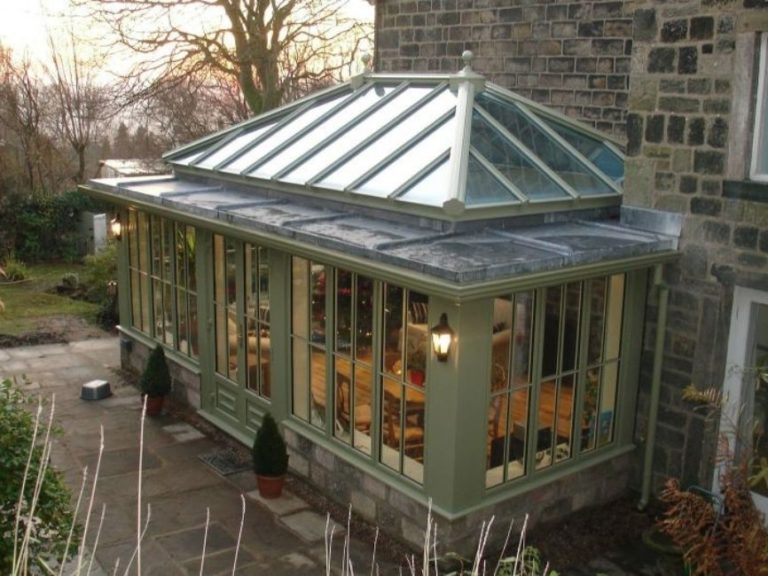
Solid perimeter wall topped by glazing with a lantern roof. Often receives warmer planning responses due to historical precedent. Can incorporate matching brickwork extending the host building’s material language. Better thermal performance with less reliance on heating/cooling.
Glazed Link
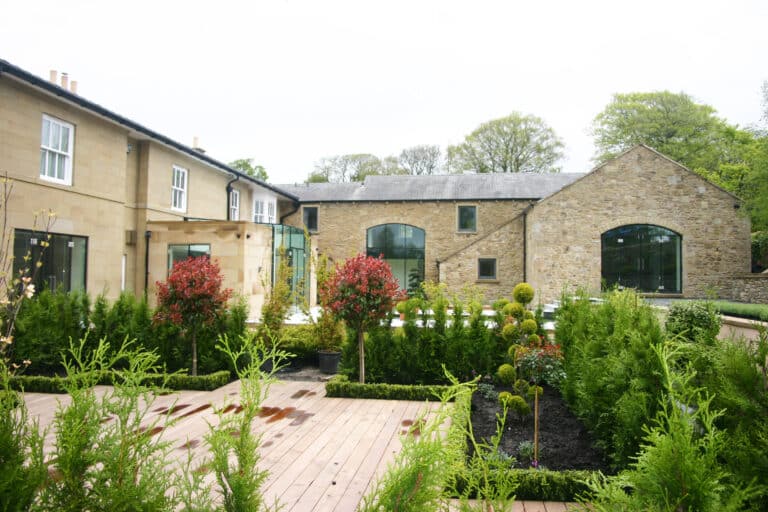
Connecting new additions to period buildings or linking main house to outbuildings. Often required by planners for listed building extensions. Provides clear separation between old and new, allowing each to be read distinctly.
Garden Room
Suits all property types where additional space at garden level is the priority. Can be freestanding or attached. May fall under permitted development if not attached. Larger or attached versions usually require planning permission.
Navigating West Sussex Planning: A Practical Guide
Planning regulations in West Sussex vary significantly depending on your specific location. Understanding which rules apply to your property is essential before investing in design development.
Within the South Downs National Park
If your property falls within the National Park boundary, permitted development rights are significantly restricted. Most extensions require planning permission, even relatively modest ones. The South Downs National Park Authority operates its own planning service with policies specifically designed to protect the special qualities of the landscape.
- Extensions to small and medium houses generally limited to approximately 30% increase in gross internal floor area
- Every application assessed for impact on local character and appearance
- Meeting size thresholds does not guarantee approval if design is considered harmful
- Dark skies are actively protected—roof glazing that emits light upward faces additional scrutiny
⚠️ Dark Sky Protection
The South Downs is an International Dark Sky Reserve. This affects glazed extension design, particularly roof glazing that could emit light upward. Designs that manage internal lighting spillage and avoid sky glow perform better in the planning process.
Outside the National Park
Properties outside the National Park but still in West Sussex typically have access to standard permitted development rights, though conservation areas impose additional constraints. The local planning authorities covering West Sussex include Chichester, Horsham, Mid Sussex, Crawley, Arun, Adur, and Worthing, each with their own local plan and design guidance.
Even where permitted development applies, glass extensions often exceed the parameters for exempt development. Rear extensions beyond certain depths, side extensions, and roof additions all require careful assessment against specific permitted development rules.
Glass Extension Types at a Glance
This comparison shows the key characteristics of different glass extension approaches for West Sussex properties.
| Type | Best Suited To | Planning Considerations |
|---|---|---|
| Frameless Glass Box | Victorian/Edwardian villas, substantial brick or stone houses where contrast is desirable | Often approved when positioned away from principal elevations. Conservation areas may require design statements. |
| Modern Orangery | Georgian/Regency properties, listed buildings, houses in conservation areas | Generally well received due to historical precedent. Can use matching materials. |
| Glazed Link | Connecting additions to period buildings, linking house to outbuildings | Often required by planners for listed building extensions. Provides clear old/new separation. |
| Garden Room | All property types where additional garden-level space is priority | May fall under PD if not attached. Larger/attached versions usually require permission. |
Making the Investment Work: Property Value Considerations
West Sussex property prices support significant investment in quality extensions. With detached homes averaging around £680,000 across the county and premium areas commanding substantially more, a well-designed glass room that adds genuine living space typically delivers strong returns.
The economics work differently at different price points. For a £500,000 property, a £60,000 glass extension needs to add meaningful value to justify itself. Evidence from estate agents suggests that well-designed garden rooms and glass extensions can add 5-15% to property value in this area. At £500,000, that represents £25,000 to £75,000 of value for your investment.
What Drives Value in This Market
Estate agents in West Sussex consistently report that buyers respond most strongly to glass extensions that achieve these qualities:
- Year-round usability through proper thermal specification
- Seamless connection to garden space
- Natural light flooding into the main house
- Design quality that enhances rather than compromises the original building
- Materials and finishes that will age gracefully
The Value Calculation
On a £500,000 property, a quality glass extension adding 5-15% value represents £25,000-£75,000 of added value. With typical costs of £50,000-£90,000 for a 25 sqm glass box, the investment often pays for itself while dramatically improving how you live.
But the calculation shouldn’t be purely financial. A glass extension that allows your family to use your home differently—to connect inside and outside, to have space for activities that currently can’t happen—delivers value that doesn’t appear on balance sheets.
Working with the West Sussex Landscape
For homeowners across West Sussex and the surrounding areas, the landscape offers both inspiration and responsibility. The rolling downland, the ancient woodlands, the coastal light—all these qualities draw people to live here. Good architecture responds to these qualities and contributes to them.
Orientation and Light
The quality of light in this part of England is particularly suited to glass architecture. The relatively high proportion of diffuse light, filtered through the maritime atmosphere, creates soft illumination that glass rooms capture beautifully. South facing extensions benefit from direct sun in winter when it’s welcome, while proper specification manages summer heat gain.
North facing glass rooms have their own appeal, offering even, consistent light throughout the day. Artists and photographers often prefer this quality, and dining rooms used primarily in the evenings work well without direct sun.
Views and Framing
Many West Sussex properties enjoy views toward the Downs, across farmland, or through woodland. A glass extension offers the opportunity to frame these views as deliberate compositions. The position of structural elements, the height of sills, the proportion of openings—all shape how the landscape is experienced from inside.
Some of the most successful designs use glass sparingly on sides with less attractive outlooks, concentrating transparency where views reward it. This selective approach often performs better architecturally than all-glass solutions that treat every direction equally.
Creating Something That Belongs
The most distinctive glass extensions in West Sussex share a quality that is easier to recognise than to describe. They look like they belong. Not because they copy what surrounds them, but because they respond to it with intelligence and care.
This is architecture that understands its context, whether that context is a flint cottage in a National Park village or a substantial Victorian house in a Horsham conservation area. It takes the constraints seriously and finds creative solutions within them. It respects what came before while making a clear statement about now.
The Bottom Line
If you’re considering a glass extension in West Sussex, take time to look at what already surrounds your property. Notice the materials, the proportions, the way light falls at different times of day. Think about how you want to live in the new space and how it will connect to your garden and your views.
Then find designers and builders who share your ambition to create something that will still look right in twenty years, in fifty years. Something that future owners will be grateful you built. Explore our glass room designs or contact us to discuss what might be possible for your property.
Frequently Asked Questions
Do I need planning permission for a glass extension in West Sussex?
It depends on your location and the size of the extension. Properties within the South Downs National Park have restricted permitted development rights, meaning most extensions require planning permission regardless of size. Outside the National Park, standard permitted development rules apply, but glass extensions often exceed exempt parameters.
What are the planning restrictions in the South Downs National Park?
Extensions to small and medium houses are generally limited to approximately 30% increase in gross internal floor area. All applications are assessed for impact on local character. Dark sky protection means designs that emit light upward face additional scrutiny. Pre-application advice is strongly recommended.
How much does a high-quality glass extension cost?
Quality glass extensions typically cost £2,000-£3,500 per square metre. A 25 sqm glass box might range from £50,000-£90,000. A substantial orangery with high-specification glazing could range from £75,000-£150,000 or more depending on specification and site conditions.
Will a glass extension add value to my property?
Evidence from local estate agents suggests well-designed glass extensions typically add 5-15% to property value. On a £500,000 property, that represents £25,000-£75,000 of added value. The key qualifiers are ‘well-designed’ and ‘well-executed’.
What is the difference between an orangery and a glass box?
An orangery has a solid perimeter wall topped by glazing with a lantern roof, creating a more enclosed room. A glass box uses minimal framing and maximum glazing for the most transparent structure. Orangeries often receive warmer planning responses in conservation areas due to historical precedent.
Can I build a glass extension on a listed building?
Yes, but you will need listed building consent as well as planning permission. Contemporary glass designs can work well on listed buildings when clearly differentiated from historic fabric while respecting its character. Glazed links that create separation between old and new are often favoured.
How long does it take to build a glass extension?
Allow approximately 3-4 months from planning approval to completion for a straightforward project. The planning process typically takes 8 weeks for standard applications, though National Park applications can take longer. Design development might take 2-4 months depending on complexity.
What U-values should I specify?
Building Regulations require windows to achieve a maximum U-value of 1.4 W/m²K, but for genuine year-round comfort, aim for 1.2 W/m²K or better. Triple glazing can achieve values of 0.8-1.0 W/m²K. The extra investment pays back through lower heating costs and year-round usability.
Is it possible to have a glass extension that doesn’t overheat?
Absolutely, but it requires thoughtful specification. Solar control glazing reduces heat gain, proper ventilation allows hot air to escape, and external shading is more effective than internal blinds. North facing glass rooms rarely overheat. South and west facing extensions need more careful management.
What frame materials work best?
Aluminium with thermal breaks offers slimmest sightlines and best durability. Steel provides even slimmer profiles with an industrial aesthetic. Timber offers warmth and traditional appeal but requires more maintenance. The choice depends on the look you want, budget, and maintenance commitment.
Can I use my existing conservatory footprint?
Often yes, though you may need to replace foundations if the existing base is inadequate for the new structure’s weight. Using an existing footprint can simplify planning, particularly if not increasing overall size. However, you may still need permission if exemptions no longer apply.
Do I need Building Regulations approval?
Most glass extensions require Building Regulations approval, separate from planning permission. The regulations cover structural safety, thermal performance, and ventilation. Some small conservatories are exempt if meeting specific criteria including separation from the main house by external quality doors.
What maintenance does a glass extension require?
Glass requires regular cleaning, more frequently than you might expect for maintaining transparency. Frames need periodic checking and may need repainting or resealing depending on material. Seals and gaskets may need replacement after 10-15 years. None is onerous, but budget time and money for ongoing care.
Can you help with glass extensions across West Sussex?
Yes. We work with homeowners throughout West Sussex, from Chichester to Crawley, from coastal towns to villages of the Downs and Weald. We understand the specific planning contexts, local architectural character, and expectations of both planners and buyers in this area.
Ready to Discuss Your West Sussex Project?
Our specialists design and build distinctive glass extensions across West Sussex, Surrey, Hampshire and the South East.