Frequently Asked Questions
What are the advantages of using an orangery for a kitchen extension?
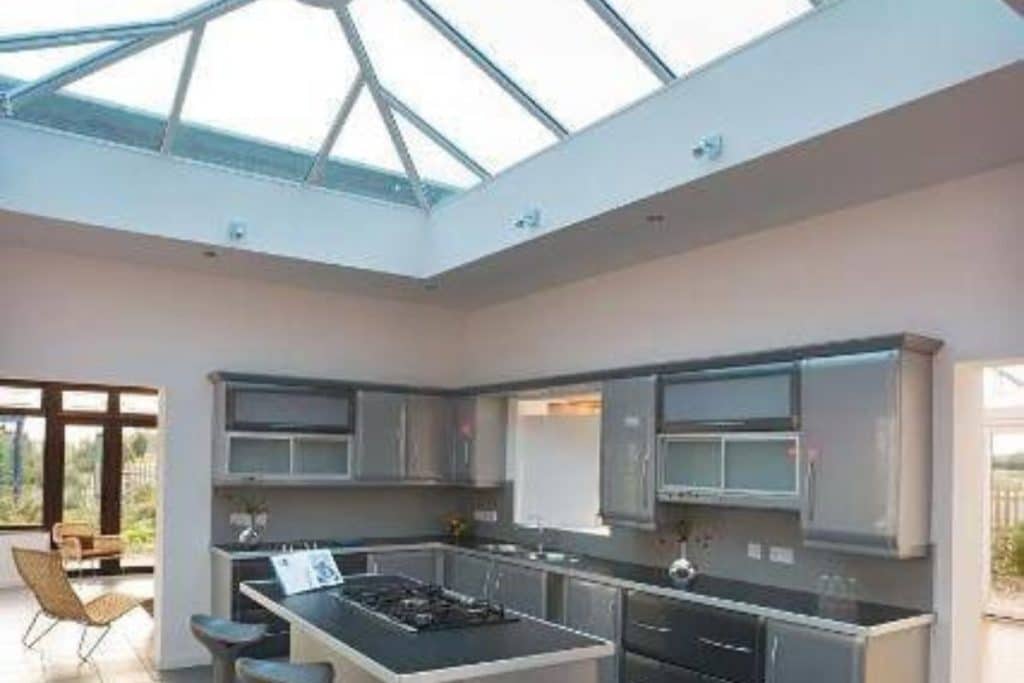
The advantages of using an orangery for a kitchen extension include enhanced natural light, increased space, and a seamless connection to the outdoors, creating a beautiful and functional area that elevates your home’s aesthetic and value.
What considerations should I keep in mind when planning an orangery kitchen extension?
When planning an orangery kitchen extension, consider factors such as planning permission, structural requirements, natural light, and how the design complements your existing home. Consulting with design experts can help tailor the project to your needs.
How can I ensure my orangery kitchen extension meets structural needs?
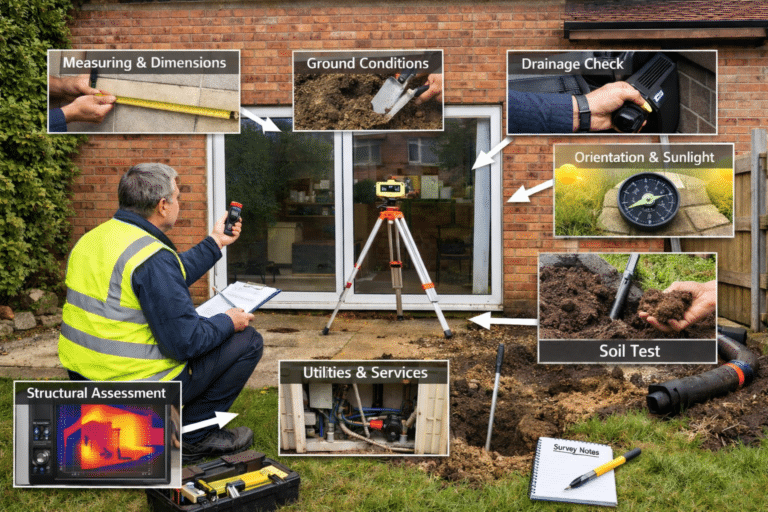
Ensuring your orangery kitchen extension meets structural needs involves consulting with a qualified architect or builder to assess the foundation, materials, and design. Proper planning and professional guidance are essential for a safe and durable extension.
What design styles suit an orangery kitchen?
The design styles that suit an orangery kitchen include contemporary, traditional, and rustic aesthetics. Each style can enhance the natural light and spaciousness of the orangery, creating a harmonious blend with your home's existing décor.
How do I choose the right orangery size?
Choosing the right orangery size involves considering your available space, the intended use of the orangery, and how it will integrate with your existing home. Aim for a balance between functionality and aesthetics to enhance your kitchen.
What materials are best for orangery construction?
The best materials for orangery construction include high-quality timber, durable aluminum, and energy-efficient glazing. These materials ensure structural integrity, aesthetic appeal, and optimal insulation, making them ideal for creating a comfortable and stylish space.
How does an orangery enhance kitchen functionality?
An orangery enhances kitchen functionality by creating a bright, spacious environment that seamlessly integrates indoor and outdoor living. This additional space can serve as a dining area or relaxation zone, improving the overall usability of your kitchen.
What are the costs associated with orangery extensions?
The costs associated with orangery extensions vary based on size, materials, and design complexity, typically ranging from £15,000 to £50,000. It's essential to consult with professionals for accurate estimates tailored to your specific project.
How can I maximize natural light in my orangery?
Maximizing natural light in your orangery involves strategic design choices such as installing large glass panels, incorporating skylights, and choosing light-colored furnishings to reflect sunlight. Consider the orientation of your orangery to capture the most sunlight throughout the day.
What heating options are available for orangeries?
The heating options available for orangeries include underfloor heating, radiators, electric heaters, and air source heat pumps. Each option provides efficient warmth, ensuring your orangery remains comfortable year-round.
How do I maintain my orangery kitchen extension?
Maintaining your orangery kitchen extension involves regular cleaning of glass surfaces, checking seals and frames for wear, and ensuring proper drainage. Additionally, consider seasonal inspections to address any weather-related wear and keep the space comfortable year-round.
What are common mistakes in orangery planning?
Common mistakes in orangery planning include neglecting to check local building regulations, underestimating the importance of natural light, and overlooking the need for proper insulation and ventilation. These factors can significantly impact the functionality and comfort of your space.
How can I integrate an orangery with my home?
Integrating an orangery with your home can enhance your living space and natural light. Consider matching the orangery's style and materials with your existing architecture, ensuring a seamless transition and optimal functionality.
What landscaping complements an orangery kitchen?
Landscaping that complements an orangery kitchen includes lush greenery, flowering plants, and structured hedges to create a seamless transition between indoor and outdoor spaces, enhancing the overall aesthetic and natural light of the orangery.
How do I select the right contractor for my orangery?
Selecting the right contractor for your orangery involves researching their experience, checking references, and reviewing past projects. Ensure they understand your vision and can navigate planning permissions and structural requirements effectively.
What permits are needed for an orangery extension?
The permits needed for an orangery extension typically include planning permission and potentially building regulations approval. It's essential to consult your local authority to ensure compliance with all requirements.
How can I personalize my orangery kitchen design?
Personalizing your orangery kitchen design involves selecting colors, materials, and layouts that reflect your style, incorporating custom features like built-in shelving or unique lighting, and considering the integration of natural elements to enhance the space's ambiance.
What are the energy efficiency benefits of orangeries?
The energy efficiency benefits of orangeries include enhanced insulation, which helps maintain a stable indoor temperature, and the use of energy-efficient glazing that reduces heat loss, ultimately lowering heating costs and improving overall comfort.
How does an orangery affect property value?
An orangery can significantly enhance property value by adding aesthetic appeal and functional space, making homes more attractive to potential buyers. This extension often leads to higher market demand and increased overall property worth.
What lighting options work best in an orangery?
The best lighting options for an orangery include a combination of natural light through large windows and skylights, complemented by ambient lighting such as pendant lights, wall sconces, and adjustable spotlights to create a warm and inviting atmosphere.
How can I create a seamless indoor-outdoor flow?
Creating a seamless indoor-outdoor flow involves using large glass doors to connect spaces, selecting complementary flooring materials, and incorporating natural elements like plants to enhance the transition between your orangery and outdoor area.
What are the best plants for an orangery kitchen?
The best plants for an orangery kitchen include herbs like basil and rosemary, tropical plants such as orchids and palms, and fruit-bearing plants like lemon trees. These choices thrive in the bright, warm environment of an orangery.
How do I ensure privacy in my orangery?
Ensuring privacy in your orangery involves strategic design choices. Consider using frosted glass, installing privacy screens, or incorporating lush landscaping around the perimeter to create a secluded atmosphere while still enjoying natural light.
What are the advantages of glass roofs in orangeries?
The advantages of glass roofs in orangeries include enhanced natural light, creating a bright and airy atmosphere, improved energy efficiency with modern glazing options, and the ability to enjoy panoramic views of the outdoors while maintaining a comfortable indoor environment.
How can I incorporate technology in my orangery?
Incorporating technology in your orangery can enhance its functionality and comfort. Consider integrating smart lighting, climate control systems, and automated blinds to create a versatile and energy-efficient space tailored to your lifestyle.
What seasonal considerations should I keep in mind?
Seasonal considerations for your orangery kitchen extension include ensuring adequate insulation for winter warmth and ventilation for summer cooling. Additionally, plan for seasonal landscaping and maintenance to enhance your outdoor connection year-round.
How do I choose colors for my orangery kitchen?
Choosing colors for your orangery kitchen involves considering natural light, existing decor, and your personal style. Opt for shades that complement your home’s architecture while enhancing the warmth and brightness of the space.
What are the best window options for orangeries?
The best window options for orangeries include double or triple-glazed units for energy efficiency, aluminum frames for durability, and wooden frames for a classic aesthetic. Consideration of style and insulation properties is essential for optimal performance.
How can I enhance ventilation in my orangery?
Enhancing ventilation in your orangery involves integrating features such as roof vents, side windows, and bi-fold doors. These elements allow for improved airflow, keeping the space comfortable and preventing overheating.
What furniture works well in an orangery kitchen?
The furniture that works well in an orangery kitchen includes light, airy pieces such as rattan or wicker dining sets, which complement the natural light, and wooden tables that provide a warm, inviting feel.