
roomoutsideuk
09th January, 2026

Garden Annexes: Planning, Council Tax & Independent Living

Garden Annexes: Planning, Council Tax & Independent Living | Room Outside

Garden Annexes: Planning, Council Tax & Independent Living

Everything you need to know about self-contained annexes in the UK.

Key Points at a Glance

Planning permission: Almost always required for self-contained annexes. Permitted development (Class E) covers incidental use only, not residential accommodation.

Council tax: Self-contained annexes typically get their own band, but exemptions exist. Dependent relatives (65+, disabled) qualify for full exemption. Other relatives may get 50% discount.

Building regulations: Required for any structure with sleeping accommodation, cooking facilities or plumbing.

Costs: Typically £48,000 to £140,000+ for a 40m² annexe depending on construction type.

60,000+
Annexes registered in England & Wales
20-30%
Property value increase
1 in 3
UK households multigenerational
£258
Planning application fee
The search for flexible family living solutions has transformed garden annexes from a niche consideration into one of the most requested home improvement projects. Whether you’re creating space for elderly parents, adult children, or simply adding flexible accommodation, understanding exactly how annexes work—from planning permission to council tax—has become genuinely useful knowledge.

What Exactly Is a Garden Annexe?

A garden annexe is a self-contained living space built within the grounds of an existing property. Unlike a garden room or home office, an annexe includes sleeping accommodation, a bathroom and typically cooking facilities. The defining characteristic is that occupants can live day to day without needing to enter the main house.

Crucially, in planning terms, an annexe remains part of the same planning unit as the main dwelling. It shares the same address, cannot be sold separately, and is intended for occupation by people with a genuine connection to the main household.

Types of Garden Annexe

🏠

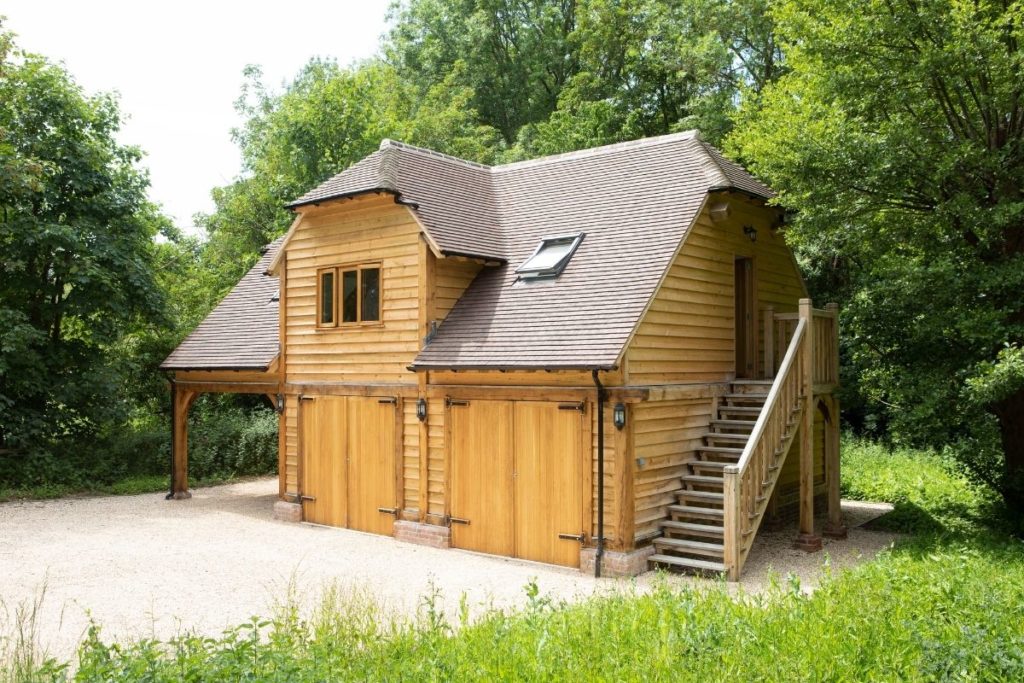
Detached Annexes

Purpose-built structures in the garden, offering maximum privacy and independence.

🔗

Attached Annexes

Extensions to the main property with separate entrance, sharing one or more walls.

🏗️

Converted Outbuildings

Garages, barns or existing structures transformed into living accommodation.

📦

Modular/Prefabricated

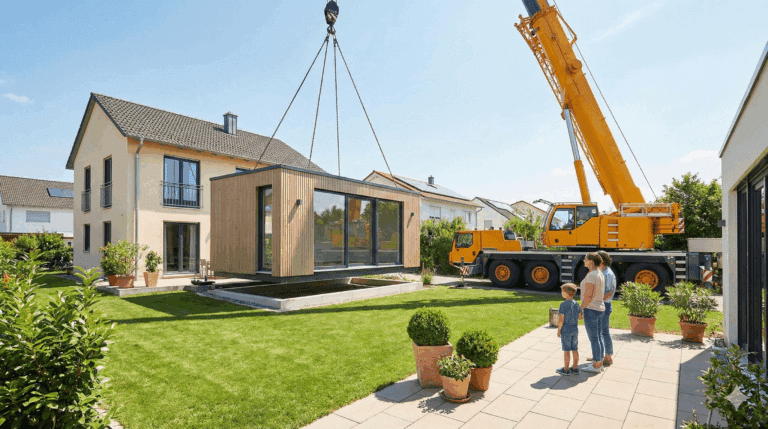
Factory-built annexes delivered and assembled on site. Faster construction times.

Do I Need Planning Permission?

The short answer is: almost certainly yes, if you want to build a new self-contained annexe.

Many people mistakenly believe that permitted development rights (Class E) allow them to build an annexe without planning permission. This is a misunderstanding. Class E allows buildings for purposes incidental to the enjoyment of the house—workshops, gyms, studios. It does not cover separate self-contained living accommodation.

⚠️ The Incidental vs Ancillary Distinction

Incidental use: Something you wouldn’t typically have inside your home—workshop, gym, studio. Covered by permitted development.

Ancillary use: Residential accommodation that supports the main dwelling—bedroom, bathroom, living space. Requires planning permission.

When Planning Permission Is Required

  • ! Any new building intended for use as living accommodation
  • ! Converting an existing outbuilding to residential use
  • ! Any structure with sleeping, cooking and bathroom facilities together
  • ! Buildings for occupation by family members or tenants
  • ! Any outbuilding in listed building curtilage or conservation area

The Planning Application Process

1

Prepare Detailed Plans

Show proposed annexe, site layout and relationship to main dwelling.

2

Submit Supporting Statement

Explain who will occupy and how use will remain ancillary.

3

Submit Application

Householder application fee approximately £258.

4

Consultation Period

Neighbours notified, given 21 days to comment.

5

Decision

Typically within 8 weeks for straightforward applications.

Building Regulations

Planning permission and building regulations are separate requirements. Any annexe with sleeping accommodation, cooking facilities or plumbing almost certainly requires building regulations approval.

Regulation Requirements for Annexes
Part L (Energy) Wall U-values 0.18 W/m²K, roof 0.15 W/m²K, floor 0.18 W/m²K
Part B (Fire) Means of escape, fire detection. Sleeping rooms require direct escape route
Part M (Access) Level or ramped access, door widths minimum 775mm clear opening
Part P (Electrical) Part P certified electrician, consumer unit, RCD protection
Part H (Drainage) Connection to main sewer or approved private treatment system
Part G (Water) Hot and cold water supply, water efficiency, pipes at 750mm depth
Building Regulations
Part L (Energy) Wall U-values 0.18 W/m²K, roof 0.15, floor 0.18
Part B (Fire) Means of escape, fire detection, direct escape for sleeping rooms
Part M (Access) Level/ramped access, 775mm min door widths
Part P (Electrical) Part P certified electrician, RCD protection
Part H (Drainage) Connection to sewer or approved treatment system
Part G (Water) Hot/cold supply, pipes at 750mm depth

Council Tax: What You Need to Know

Council tax on annexes causes more confusion than any other aspect. The rules depend on whether your annexe is self-contained, who lives there, and their relationship to the main household.

Exemptions and Discounts

Situation Council Tax Liability
Dependent relative (65+, disabled) Full exemption (Class W)
Any relative with planning restriction 50% discount available
Unoccupied and ancillary Full exemption
Non-relative occupant or rental Full council tax at appropriate band
Holiday let (140+ days availability) Business rates instead (may be lower)
Council Tax by Situation
Dependent Relative (65+, disabled) Full exemption (Class W) Exempt
Any Relative + Planning Restriction 50% discount available 50% Off
Unoccupied and Ancillary Full exemption Exempt
Non-relative or Rental Full council tax Full Rate
Holiday Let (140+ days) Business rates (may be lower)

Dependent Relative Exemption (Class W)

Your annexe may be completely exempt if occupied by a dependent relative who is:

  • Aged 65 or over
  • Substantially or permanently disabled
  • Severely mentally impaired

They must be a relative of the person liable for council tax on the main dwelling.

How Much Does a Garden Annexe Cost?

Annexe costs vary enormously depending on size, specification and construction method.

Construction Type Cost per m² 40m² Annexe Total
Basic timber frame £1,400 to £1,800 £56,000 to £72,000
Mid-range timber frame £1,800 to £2,400 £72,000 to £96,000
Oak frame (total build) £2,500 to £3,500 £100,000 to £140,000
Brick-built traditional £2,200 to £3,000 £88,000 to £120,000
Modular/prefabricated £1,200 to £2,000 £48,000 to £80,000
Garage conversion £800 to £1,400 £12,000 to £25,000
Construction Costs (40m² Annexe)
Basic Timber Frame £1,400-£1,800/m² → £56k to £72k
Mid-Range Timber Frame £1,800-£2,400/m² → £72k to £96k
Oak Frame (Total Build) £2,500-£3,500/m² → £100k to £140k
Brick-Built Traditional £2,200-£3,000/m² → £88k to £120k
Modular/Prefabricated £1,200-£2,000/m² → £48k to £80k
Garage Conversion £800-£1,400/m² → £12k to £25k

Costs based on 2026 UK averages. Excludes planning fees, landscaping and contingency.

Does an Annexe Add Value?

Research suggests a well-designed annexe can add 20 to 30 percent to property value. With average detached prices exceeding £440,000, that’s potentially £88,000 to £132,000 in added value.

Designing for Independent Living

If your annexe will house elderly relatives, designing for accessibility from the outset is essential. Working with experienced designers across Surrey and surrounding areas, we recommend:

Access and Circulation

  • Level or gently ramped approach (maximum gradient 1:12)
  • Wide entrance door (minimum 850mm clear opening)
  • Internal door widths minimum 775mm
  • Low or flush thresholds throughout

Bathroom Design

  • Walk-in or level-access shower
  • Grab rails at WC and shower
  • Non-slip flooring throughout
  • Lever taps rather than twist handles

For bespoke annexe designs, explore our glass extension design services.

For authoritative guidance, consult the Planning Portal and GOV.UK Building Regulations.

Frequently Asked Questions

Can I rent out my garden annexe?

Most planning permissions prohibit letting annexes separately. You’d need change of use permission with full council tax liability.

What happens when my relative no longer needs it?

The annexe remains part of your property. You can leave it unoccupied (claim exemption), use for other family, or apply to vary conditions.

Do I need a separate address?

No. The annexe shares the same postal address and cannot be sold separately from the main property.

How long does planning take?

Standard applications: 8 weeks. Total from concept to approval typically 3-5 months including drawing preparation.

What size annexe can I build?

No fixed maximum, but should be subservient to main dwelling. Many councils expect under 50% of existing house footprint.

Is VAT charged on construction?

Yes, standard 20% VAT applies. Unlike new builds, annexes are additions to existing property, not zero-rated.

What about insurance?

Buildings insurance should cover the annexe but you must notify your insurer. Contents may need separate consideration.

Will it affect my mortgage?

Some lenders are cautious about annexes. Properties remain sellable but buyers may have fewer lender options.

Ready to Discuss Your Annexe Project?

We design premium garden buildings across Surrey, Sussex, Hampshire and the South East.
roomoutsideuk
25th September, 2025

Annexes: The Smartest Way to Add Extra Living Space

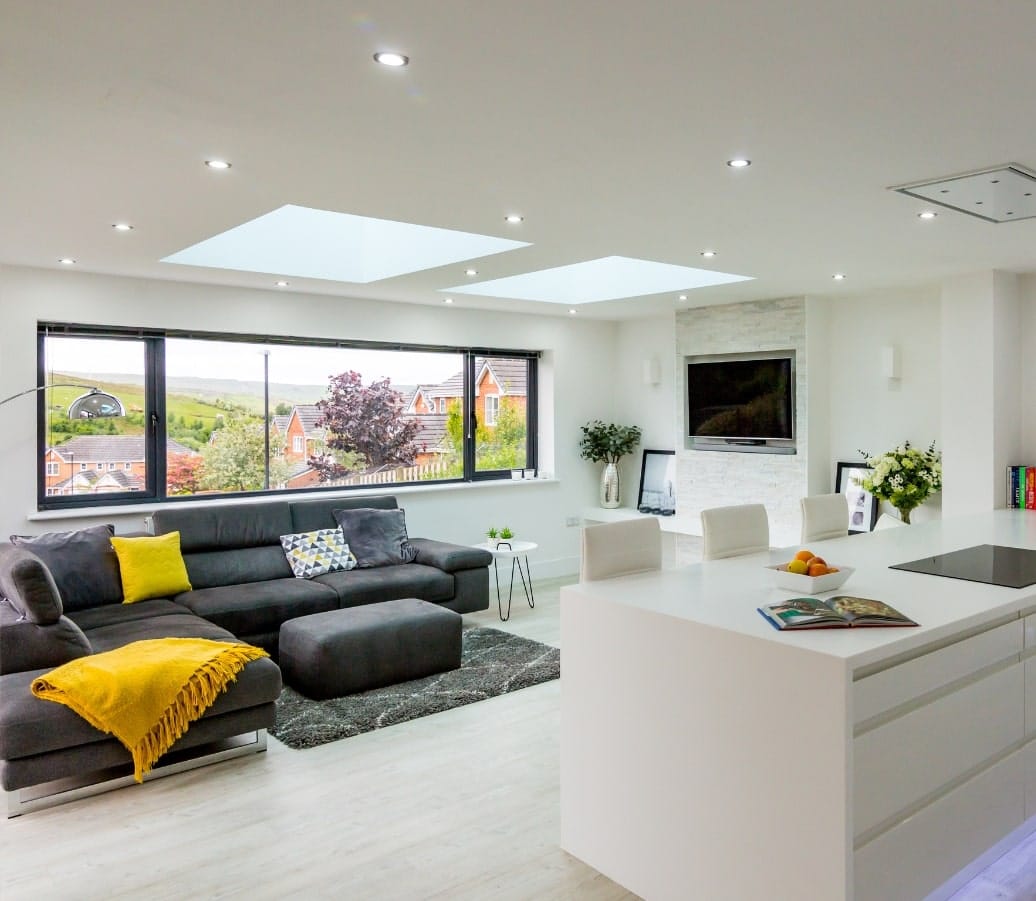
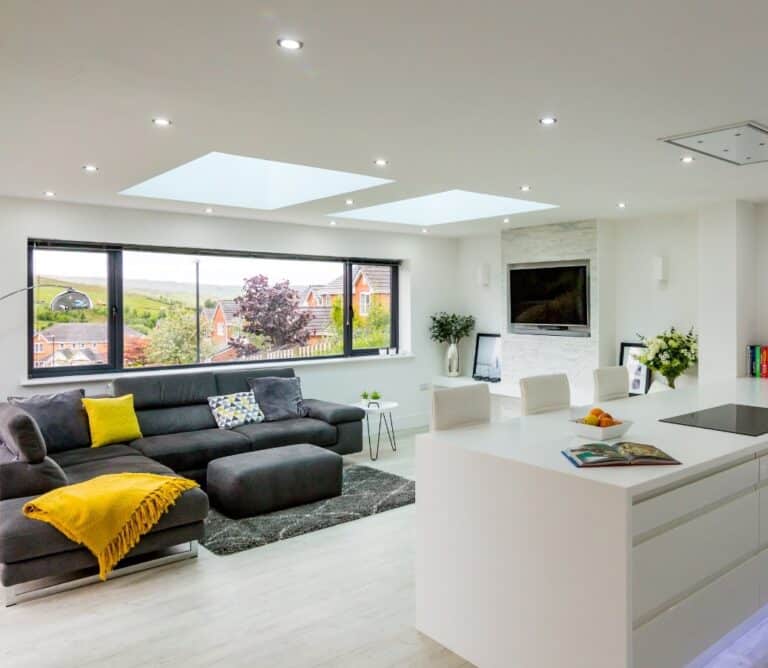
an open plan living space

Why Annexes Are on the Rise

More and more homeowners are looking for flexible, independent living space. Whether it’s providing a safe, private annexe for an ageing parent, creating independence for a growing teenager, or adding a guest suite that doubles as a home office or gym, an annexe offers a practical and future-proof solution.

With property prices rising and families living together for longer, annexes are becoming one of the most valuable and versatile additions you can make to your home.


Annexe or Garden Room – What’s the Difference?

Although the terms are often used interchangeably, there are differences:

  • Garden rooms are usually smaller, versatile spaces — perfect as an office, gym, or creative studio.
  • Annexes are more substantial, often designed as self-contained accommodation with bedrooms, bathrooms, and living areas. They can be fully independent or connected to your home, making them ideal for multi-generational living.

At Room Outside®, we design both — tailoring each project to the lifestyle and needs of your family.


The Room Outside Difference – Traditional Meets Modern Innovation

For over 50 years, Room Outside® has been trusted to create high-quality, bespoke glass extensions, garden rooms and annexes. Today, we’re proud to combine this heritage with state-of-the-art modular technology, offering a unique blend of tradition and modern innovation.

Our modular systems deliver:

  • Five times faster builds than traditional methods, thanks to screw pile foundations and factory-engineered precision.
  • All-weather installation, with no reliance on bricklaying or cement.
  • Cleaner construction, as panels arrive pre-prepared with no cutting required on site.
  • Five times greater energy efficiency than the average UK home, keeping your space warm in winter, cool in summer, and your energy bills low.

Designed to Suit Your Home

Every annexe we create is completely bespoke. You can choose from a wide range of options, including:

  • Materials: warm traditional oak, sleek aluminium, or low-maintenance uPVC.
  • Roofs: flat, pitched, tiled, or glazed.
  • Window placements and finishes: tailored to maximise light, views, and the character of your property.

This flexibility means we can design an annexe that blends seamlessly with your home and garden, whether you want timeless character or contemporary style.


Designed Around Your Life

Your annexe can be anything you want it to be:

  • Independent accommodation for elderly parents.
  • A private studio or retreat for teenagers.
  • A dedicated home office or gym.
  • Luxury guest accommodation.

Whatever your needs, we’ll create a space that enhances your home and makes everyday life more comfortable and enjoyable.


Ready to Add Extra Living Space?

An annexe is more than just an extension — it’s an investment in family, lifestyle, and the future value of your home.

Book your free consultation today and discover how Room Outside can create a beautiful bespoke annexe for your home.

roomoutsideuk
24th November, 2023

Extending Your Home: Conservatory vs Garden Room

If you are thinking about extending your home, you may be comparing different options.

There are many choices, from a traditional extension to a fully glass design.

Two popular options are the conservatory and the garden room. But what is the difference between them?

Definitions

What is the Definition of a Conservatory and a Garden Room?


Conservatory
A room with a glass roof and walls. It is attached to your home and is often used as a sun lounge.

Garden Room
A room in your garden with a door or window. It usually has a solid or tiled roof and can be a separate building.

Conservatory Design

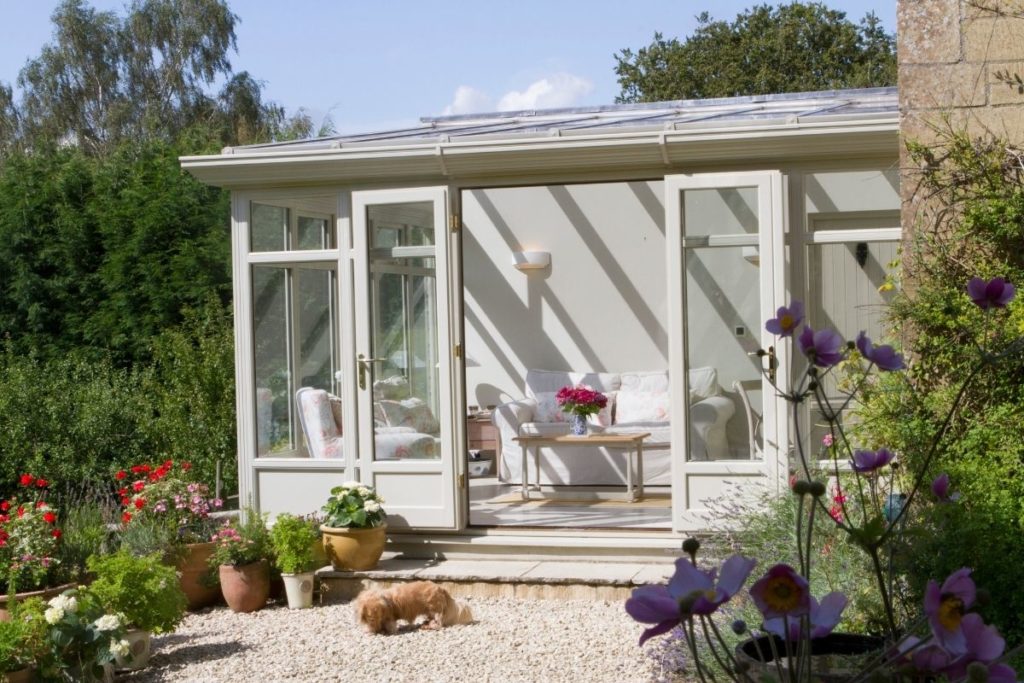
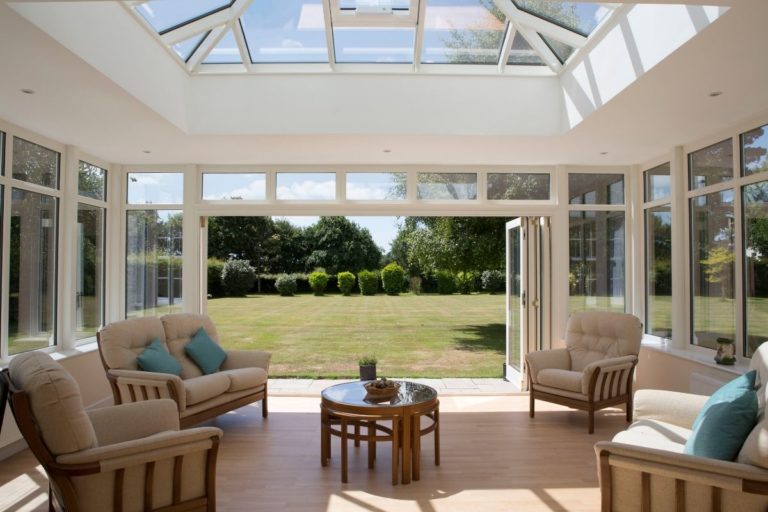
timber framed conservatory

A conservatory is mostly made of glass. Its full glass roof lets in plenty of natural light. This design dates back to when conservatories were used to grow plants. The modern glass technology available now makes the room temperature comfortable, keeping the heat in winter and reducing the heat during the summer. 
Not all glass is equal, so it is important to choose high-quality glass within your budget. Conservatories can be built with full-height glass or a mix of glass and walls. They come in many styles, such as lean-to or gabled roofs, and use materials like uPVC, timber, oak, or aluminium.

A conservatory is always attached to your home. Many people choose to remove part of the wall to create an open-plan space. However, this may require building regulations approval and extra work on insulation and heating.

Conservatory Benefits:

  • Extends your home’s floor plan
  • Easy access from the main house
  • Bright and airy space
  • Minimal construction required
  • Can add value to your home
  • Ideal for dining or relaxing
  • Open-plan design possible
  • Bi-fold or French doors open to the garden
  • Provides a good view of the garden

Garden Room Design

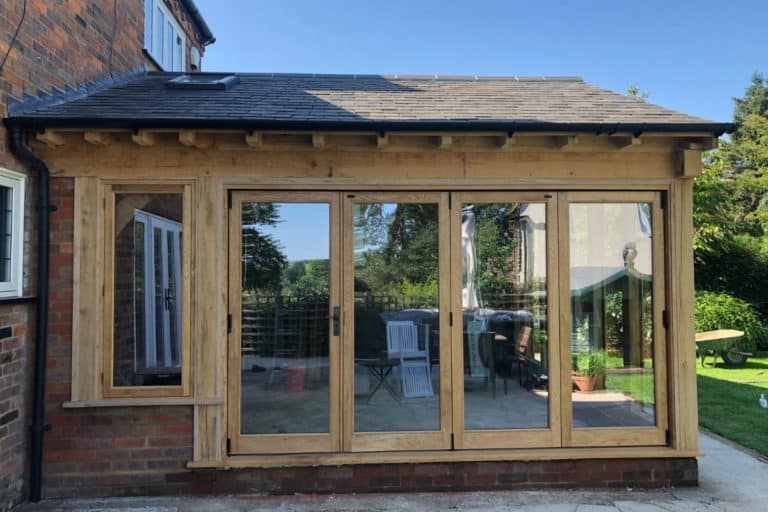
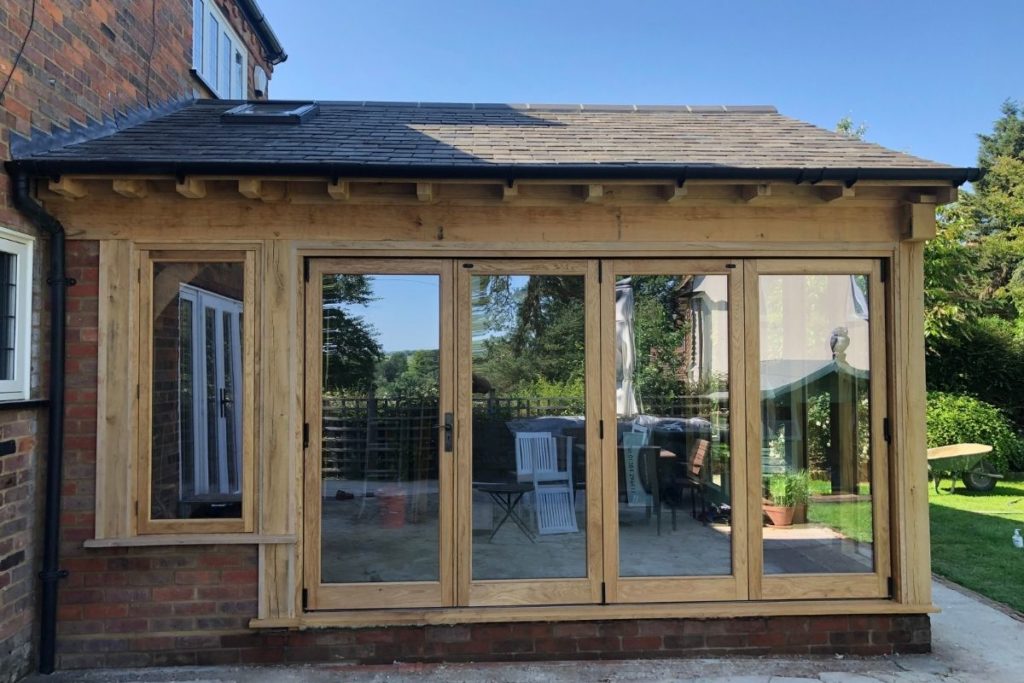
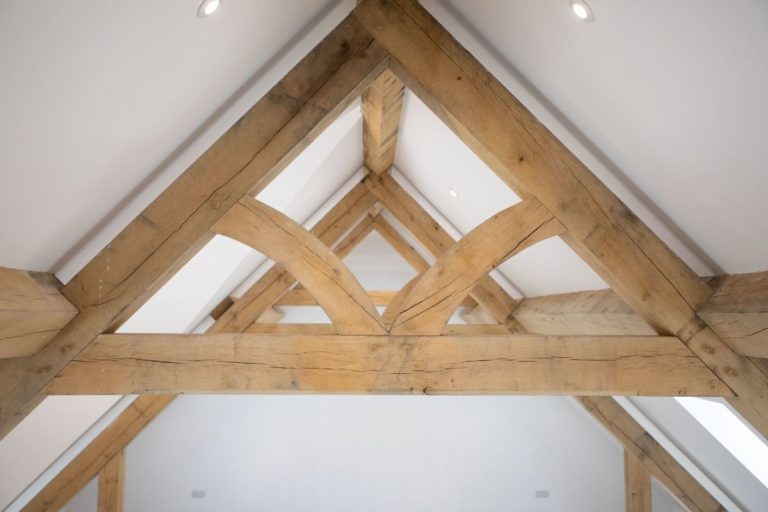
Oak sunroom extension

A garden room can be attached to your home or built as a separate structure. It has a tiled or flat roof instead of a full glass roof. Some designs add skylights or a glass gable to let in extra light.
A tiled roof offers better insulation and can lower the cost per square metre. Garden rooms offer more privacy and are ideal for guest accommodation, a home office, or a studio. There are various options for frame and wall materials, such as oak or timber, to match your home’s style.

Garden Room Benefits:

  • Can serve as an extension or a standalone structure
  • Less construction than a traditional extension
  • Can mimic the look of a traditional extension
  • Adds value to your home
  • Better insulation from a solid roof
  • Lower investment due to less glass
  • More privacy
  • Ideal for a guest room, studio, or office
  • French or bi-fold doors open fully to the garden

Let Us Help You Decide

Still not sure which option to choose? Our specialists are here to help. We can discuss your requirements, answer your questions, and provide a no-obligation quote. We can also share design examples for inspiration

Talk to a Specialist About Your Project

Get a Quote