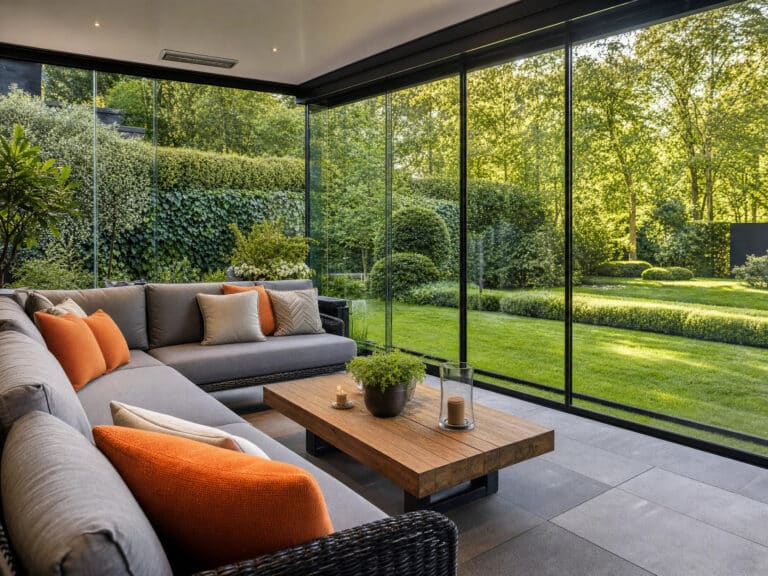


While the country queues for fans, there is a quieter way to ease the heat
Fans and air conditioning deal with heat after it enters the room. New Generation Glass tackles the cause by helping reduce solar heat before it builds up in your conservatory.
A fan moves warm air around. New Generation Glass helps stop as much heat getting in.
If your conservatory becomes unbearable in summer, the problem often starts at the glass. Sunlight passes through standard glazing, warms the room, and then gets trapped. New Generation Glass is designed to reduce that solar heat gain while still letting natural daylight through.
New Generation Glass is not air conditioning. It is passive, temperature-controlled glazing that helps reduce conservatory heat build-up at source, keeps the room bright, helps protect furnishings from UV, and adds no electricity use, fan noise or portable unit.
Fans and air conditioning are in demand, but they are not the only route.
Heatwaves put pressure on quick fixes. However, in a conservatory, the smarter long-term answer may be to reduce heat at the glazing.
If you have tried to buy a fan or portable air-conditioning unit this summer, the story is familiar. Shelves empty quickly, delivery dates slip, and installers become booked out when people need them most.
The BBC recently reported that air-conditioning firms across the Midlands were struggling to keep up, with one company seeing home enquiries rise by 300% and another fully booked until the end of August. Whole-home systems can cost up to GBP 6,500, and even then, homeowners may wait weeks for a survey.
There is a clear reason demand is rising. British homes were built to keep heat in, not out. In a conservatory, that problem is even more obvious because the room is often surrounded by glass.
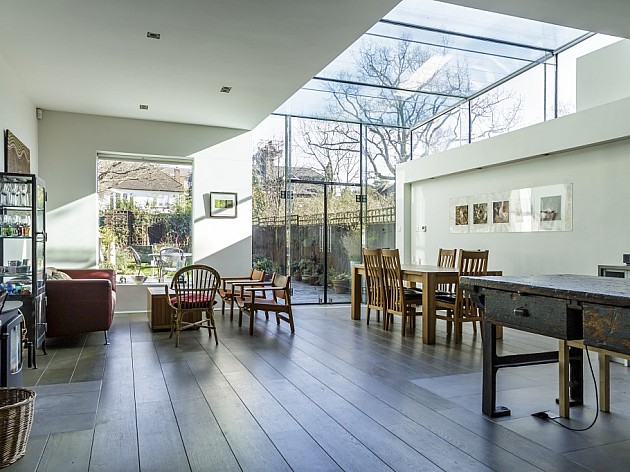
Why conservatories overheat in the first place.
The heat problem usually starts before the fan or AC unit is switched on.
Fans and air conditioning share one limitation: they deal with heat after it is already inside the room. A fan does not cool the air. It simply moves warm air around. Air conditioning cools the air, but it uses electricity to remove heat that has already entered.
In a conservatory, sunlight passes through standard glazing and is absorbed by the floor, furniture and walls. That energy is then re-radiated as heat. Because the heat struggles to escape back through the glass, the room keeps warming.
This is the familiar greenhouse effect. As a result, a room that feels bright and comfortable for much of the year can become a space people avoid in July and August.
Fans
Move air around, but do not lower the room temperature.
Air conditioning
Cools the air, but uses electricity to remove heat after it has entered.
New Generation Glass
Helps reduce solar heat before it builds up inside the room.
Tackling the cause rather than the symptom.
New Generation Glass approaches the issue from the glass itself.
New Generation Glass carries a specialist coating designed to help reflect up to 86% of the sun’s heat before it enters the room, while still letting natural daylight through.
It is important to be realistic. No glazing can make a conservatory immune to a heatwave, and any glass room can still feel warm on extreme days. However, by intercepting a large share of solar energy at the point of entry, New Generation Glass can significantly reduce the heat build-up that makes standard-glazed conservatories hard to use in summer.

Less solar heat gain
The coating helps reflect up to 86% of the sun’s heat before it builds up inside the conservatory.
Still bright inside
It reduces heat without turning the room into a dark, permanently shaded space.
UV protection
Over 99% UV protection helps reduce fading to furniture, flooring and soft furnishings.
No running cost
The glass works passively, so there is no compressor, portable unit, fan noise or electricity cost.
Cooler months
Depending on specification, Low-E coating, argon gas and warm-edge technology can also help retain warmth.
Retrofit potential
Many existing conservatories can be assessed for a glazing upgrade without replacing the whole structure.
Why this matters during a heatwave
Because the glass works passively, there is no plug, compressor, fan noise, refrigerant, servicing schedule or portable unit to buy again next year.
There are other practical benefits too. It uses no electricity, adds no running cost during hot weather, needs no maintenance beyond normal window cleaning, and can also help retain warmth in winter.
You may not need a new conservatory.
In many cases, the glass can be upgraded while keeping the structure you already have.
One common misconception is that solving a hot conservatory means replacing the whole structure. In many cases, it does not. New Generation Glass can be fitted to suitable existing conservatories, replacing the glazing while keeping the frame and structure in place.
A survey is still needed to confirm suitability. However, when the existing structure is suitable, a glazing upgrade can be a one-time improvement that keeps working every summer afterwards.
A measured way to prepare for hotter summers.
The best approach is layered: shading, ventilation and the right glass all have a role.
Heatwaves are becoming more common, so a sensible conservatory heat plan should not rely on a single fix. Keep blinds or shading for the fiercest afternoons, ventilate during cooler evenings, and, if your conservatory is the hottest room in the house, consider whether the glazing is letting too much heat in.
New Generation Glass has been helping homeowners do exactly that. Established in 1973, with over 99% UV protection and a 10-year guarantee, it is a long-term improvement rather than a seasonal purchase.
Next step
See how New Generation Glass works, or book a free design consultation so Room Outside can assess whether your existing conservatory is suitable.
Useful next steps and sources
These links support the customer journey, strengthen topical relevance, and give readers trusted sources for heat and health context.
Room Outside links
Frequently asked questions
Short answers for homeowners comparing fans, air conditioning and temperature-controlled conservatory glass.
Why does my conservatory get so hot?
Sunlight passes through standard glazing, warms the room, and becomes trapped as heat. This is the greenhouse effect.
Do fans cool a conservatory?
No. A fan can make the air feel more comfortable, but it does not lower the room temperature.
Is air conditioning better?
Air conditioning can cool the room, but it uses electricity to remove heat after it has already entered.
What is New Generation Glass?
It is temperature-controlled glazing with a specialist coating that helps reflect solar heat while still letting daylight through.
How will it help my conservatory?
It helps reduce solar heat gain, keeps the space bright, protects against UV fading, adds no running cost and can improve comfort in cooler months depending on specification.
Can it be fitted to my existing conservatory?
Often, yes. Suitable conservatories can have the glazing replaced while keeping the existing frame and structure, subject to survey.
Does it use electricity?
No. It works passively through the glass coating, so there is no fan noise, running cost or unit to service.
Will it stop all heat?
No glazing can make a conservatory immune to extreme heat. However, it can significantly reduce heat build-up compared with standard glazing.
Does it help in winter?
Yes. The same temperature-controlled glazing can help retain warmth in cooler months.
Want a cooler, more usable conservatory?
See how New Generation Glass works, or book a free design consultation with Room Outside.
Sources: air-conditioning demand figures from BBC News; New Generation Glass performance details from the Room Outside New Generation Glass page.