Frequently Asked Questions
How can a hexagonal orangery enhance my living space?
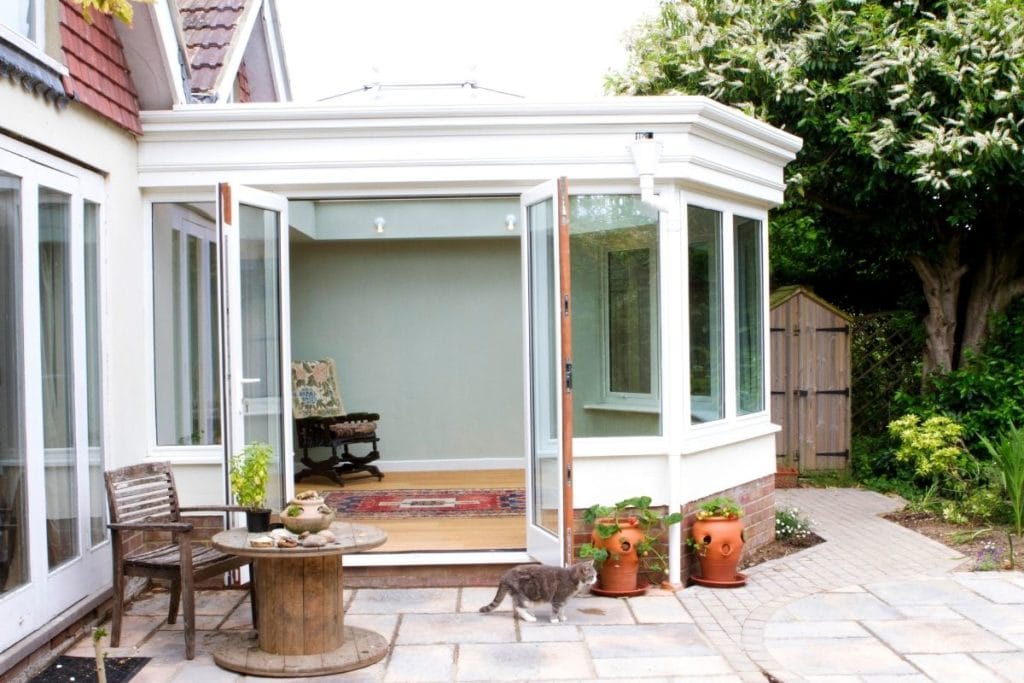
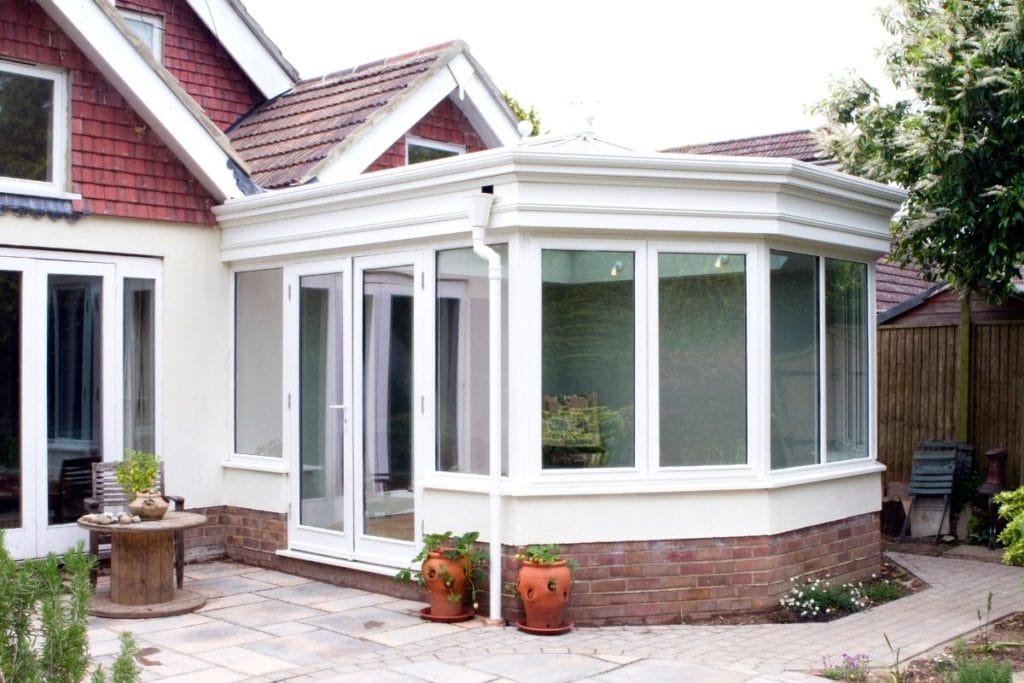
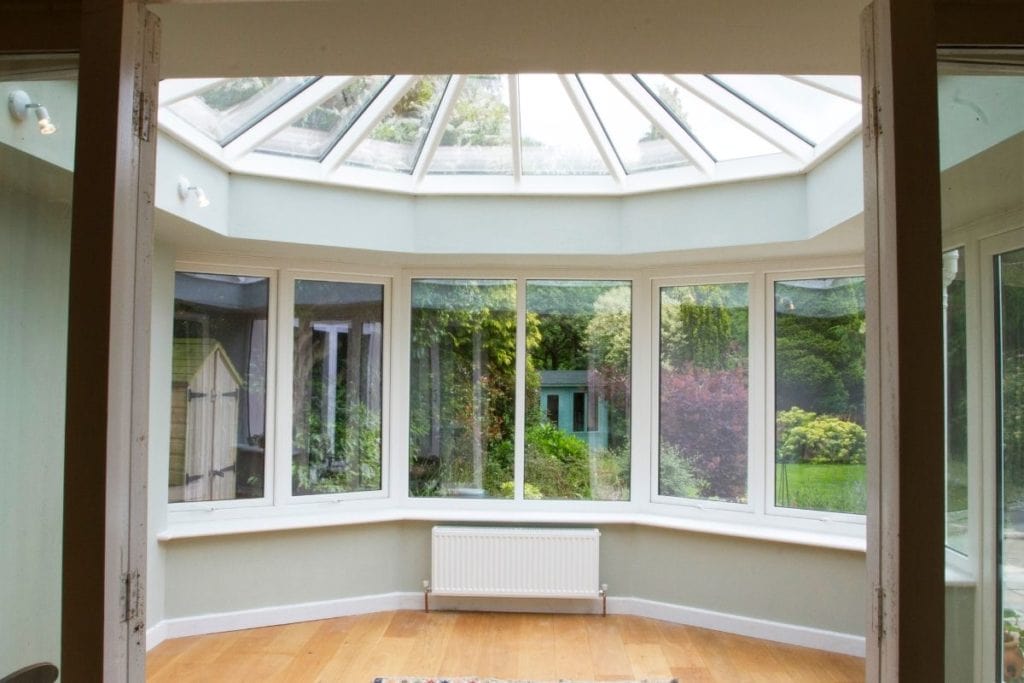
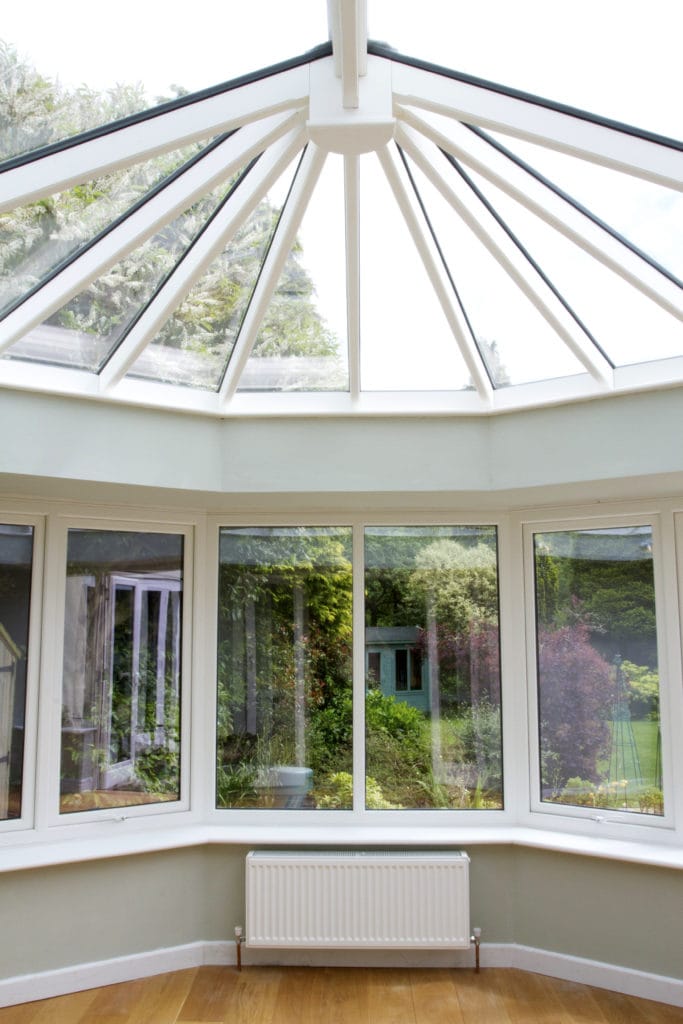
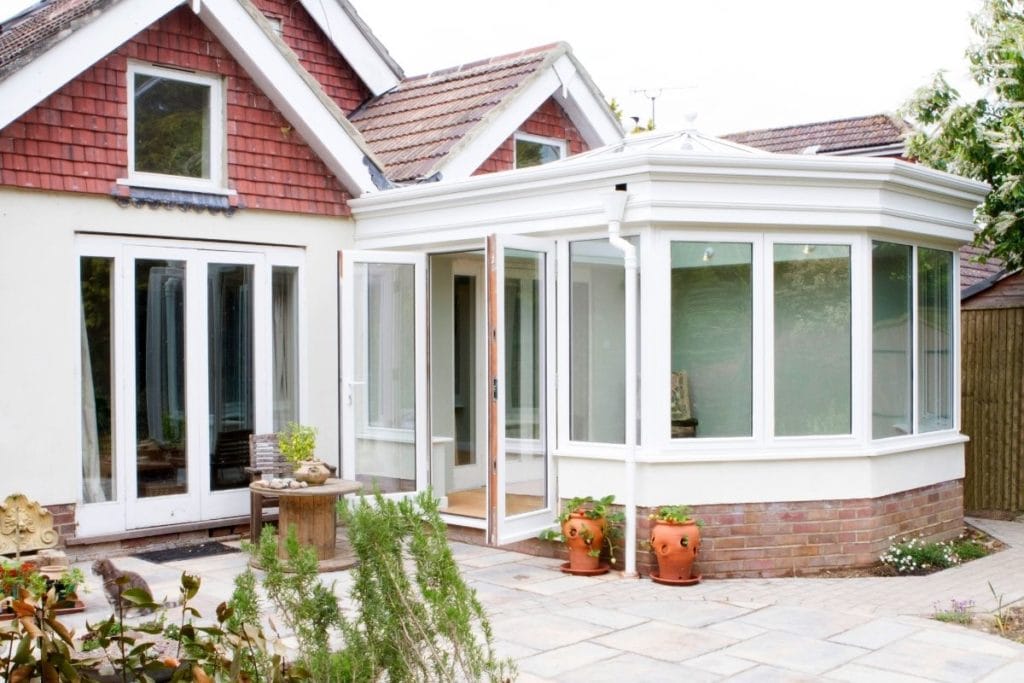
A hexagonal orangery can enhance your living space by providing a unique architectural feature that maximizes natural light and offers panoramic views, creating a bright, airy environment perfect for relaxation and entertaining.
What are the key features of a timber-framed orangery?
The key features of a timber-framed orangery include a stylish design that enhances natural light, customizable layouts, energy-efficient glazing, and a seamless connection to the main house, creating a functional yet aesthetically pleasing living space.
What design ideas can I consider for a wrap-around garden space?
Design ideas for a wrap-around garden space include incorporating curved pathways, varied plant heights for visual interest, and cozy seating areas that encourage relaxation. Consider adding features like trellises or pergolas for shade and structure, enhancing the overall aesthetic.
How does a hexagonal design benefit natural light in an orangery?
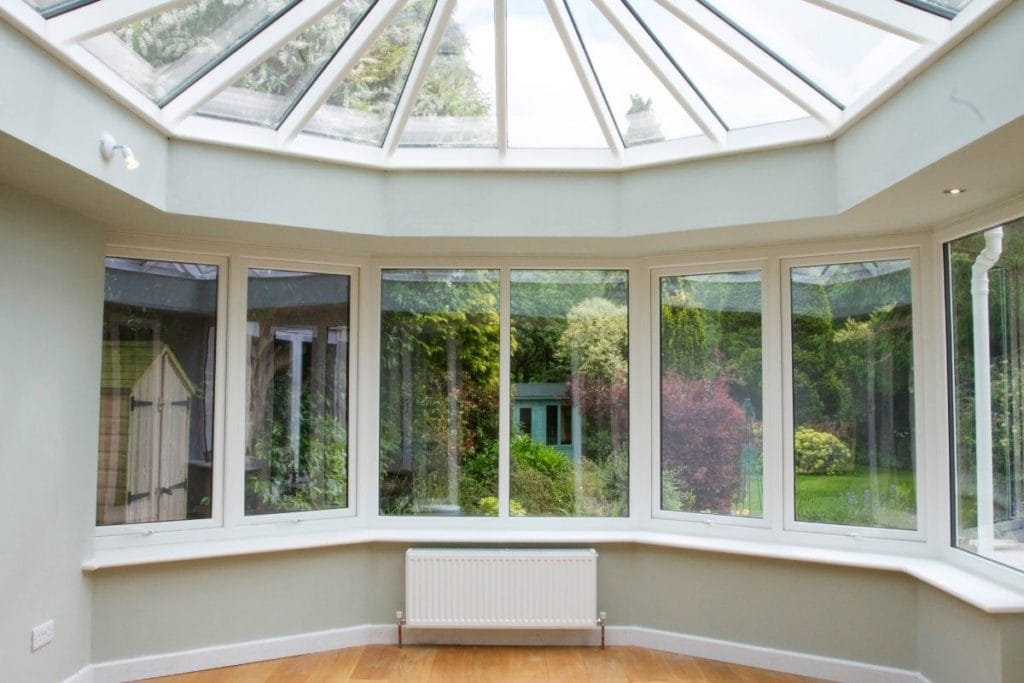
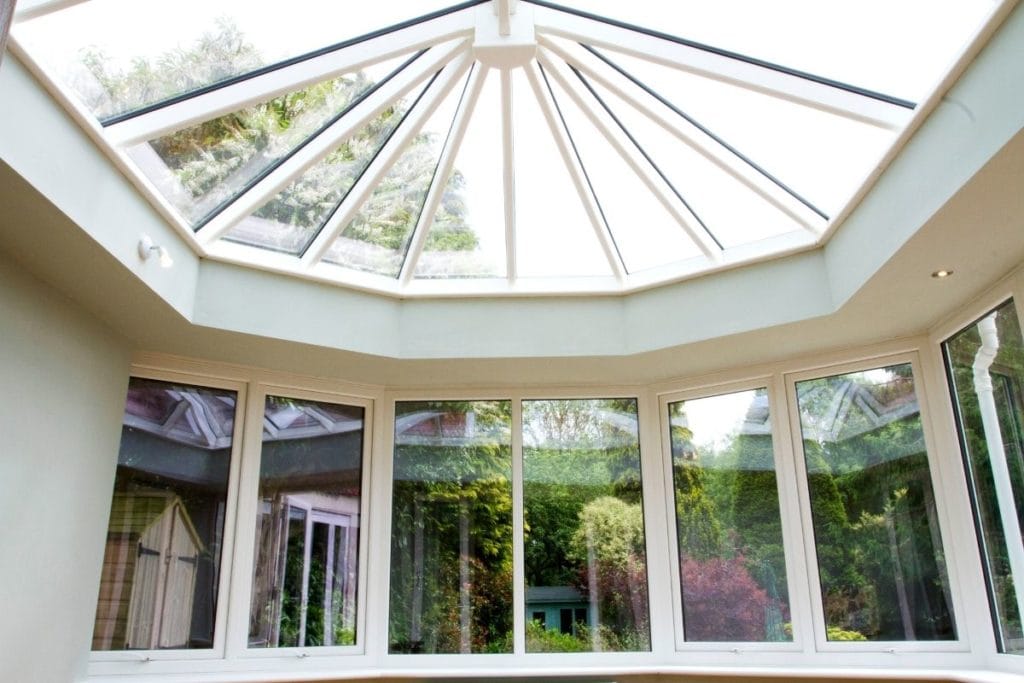
The hexagonal design of an orangery maximizes natural light by allowing sunlight to enter from multiple angles, creating a bright and airy atmosphere. This shape enhances the flow of light throughout the space, making it feel more open and inviting.
What are the advantages of choosing a bespoke orangery?
The advantages of choosing a bespoke orangery include personalized design tailored to your style, enhanced functionality that meets specific needs, and seamless integration with your home, creating a unique and stylish living space that adds value to your property.
What materials are best for a hexagonal orangery?
The best materials for a hexagonal orangery include high-quality timber for the frame, double-glazed glass for maximum light and insulation, and durable roofing materials like polycarbonate or glass to enhance aesthetic appeal and energy efficiency.
How does a timber orangery compare to others?
A timber orangery stands out from others due to its natural aesthetic, superior insulation, and sustainable material benefits, offering a warm and inviting space that seamlessly blends with both traditional and modern homes.
What styles complement a wrap-around garden space?
Styles that complement a wrap-around garden space include contemporary, rustic, and traditional designs. These styles enhance the natural flow of the garden, creating a harmonious connection between indoor and outdoor living areas.
Can a hexagonal orangery increase property value?
A hexagonal orangery can significantly increase property value. Its unique design and additional living space enhance the aesthetic appeal and functionality of your home, making it more attractive to potential buyers.
What maintenance is required for a timber orangery?
Maintenance for a timber orangery includes regular cleaning, checking for signs of wear or damage, and applying protective treatments to the wood. Additionally, ensure proper drainage and inspect seals to maintain energy efficiency and aesthetics.
How to maximize space in a hexagonal design?
Maximizing space in a hexagonal design involves utilizing the unique shape to create multifunctional areas. Incorporate built-in storage solutions, use furniture that complements the angles, and ensure ample natural light to enhance the sense of openness.
What are the energy efficiency benefits of orangeries?
The energy efficiency benefits of orangeries include enhanced insulation, which helps maintain a comfortable temperature year-round, and the use of energy-efficient glazing that reduces heat loss and lowers energy bills.
How to choose colors for a timber orangery?
Choosing colors for a timber orangery involves considering the surrounding environment, the style of your home, and the desired ambiance. Opt for shades that complement both the natural wood and your existing decor to create a harmonious look.
What plants thrive in a hexagonal orangery?
The plants that thrive in a hexagonal orangery include tropical species like orchids and ferns, as well as fruiting plants such as citrus trees. These plants benefit from the ample light and warmth provided by the structure, promoting healthy growth.
How does a bespoke orangery differ from standard options?
A bespoke orangery differs from standard options by offering customized designs tailored to individual preferences, ensuring unique aesthetics and functionality that seamlessly integrate with your home, unlike mass-produced alternatives.
What lighting options enhance a hexagonal orangery?
The lighting options that enhance a hexagonal orangery include recessed ceiling lights for a sleek look, pendant fixtures for a stylish focal point, and wall sconces to create ambiance. Additionally, incorporating natural light through large windows maximizes brightness and warmth.
How to integrate a timber orangery with existing architecture?
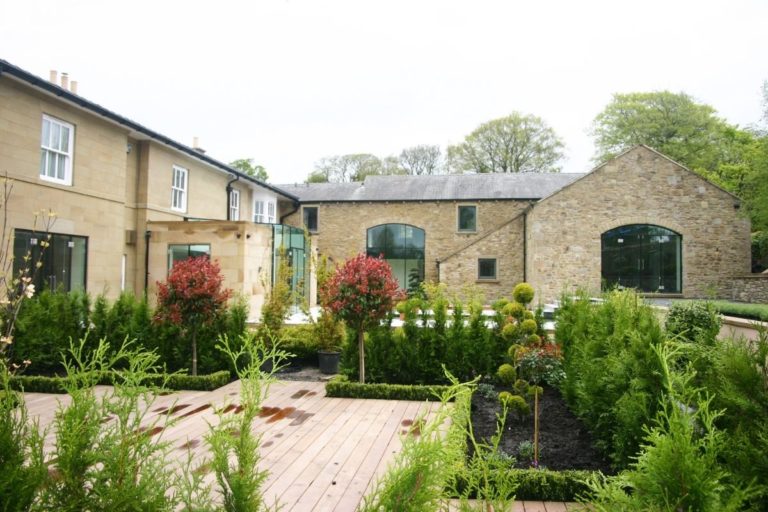
Integrating a timber orangery with existing architecture involves ensuring complementary design elements, matching materials, and considering the overall flow between spaces. This creates a harmonious transition that enhances both the orangery and the original structure.
What are common design mistakes for orangeries?
Common design mistakes for orangeries include inadequate integration with the existing architecture, overlooking natural light sources, neglecting proper ventilation, and failing to consider the surrounding landscape, which can diminish both aesthetics and functionality.
How to create a seamless transition to the garden?
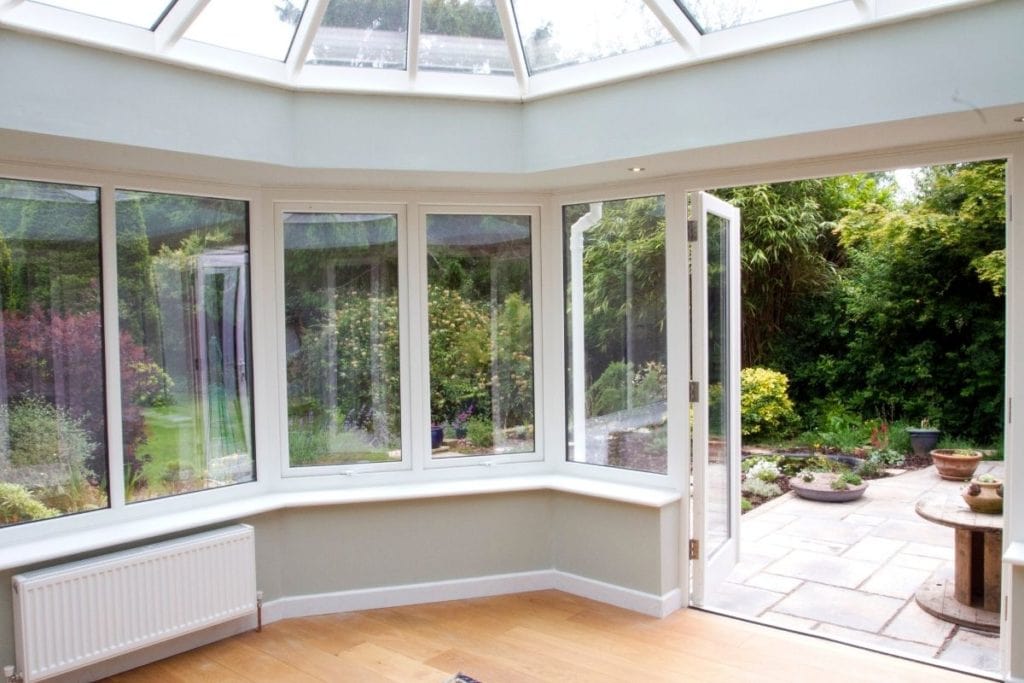
Creating a seamless transition to the garden involves designing wide, unobstructed openings, using similar flooring materials inside and out, and incorporating large glass panels that invite natural light and views, enhancing the connection between indoor and outdoor spaces.
What are the best uses for a hexagonal orangery?
The best uses for a hexagonal orangery include creating a stunning garden room, a bright dining area, or a tranquil reading nook, all while enhancing natural light and seamlessly blending with the surrounding landscape.
How to incorporate technology in an orangery design?
Incorporating technology in an orangery design involves integrating smart home systems, energy-efficient glazing, and automated climate control. These features enhance comfort and usability while ensuring a seamless connection between the indoor and outdoor environments.
What are the cost factors for a bespoke orangery?
The cost factors for a bespoke orangery include materials, design complexity, size, installation, and any additional features such as glazing or heating. Each element contributes to the overall investment required for a tailored extension.
How to ensure privacy in a wrap-around garden space?
Ensuring privacy in a wrap-around garden space involves using strategic landscaping, such as tall hedges, trellises with climbing plants, or decorative screens. These elements can create secluded areas while maintaining an open and inviting atmosphere.
What are the benefits of a glass roof in orangeries?
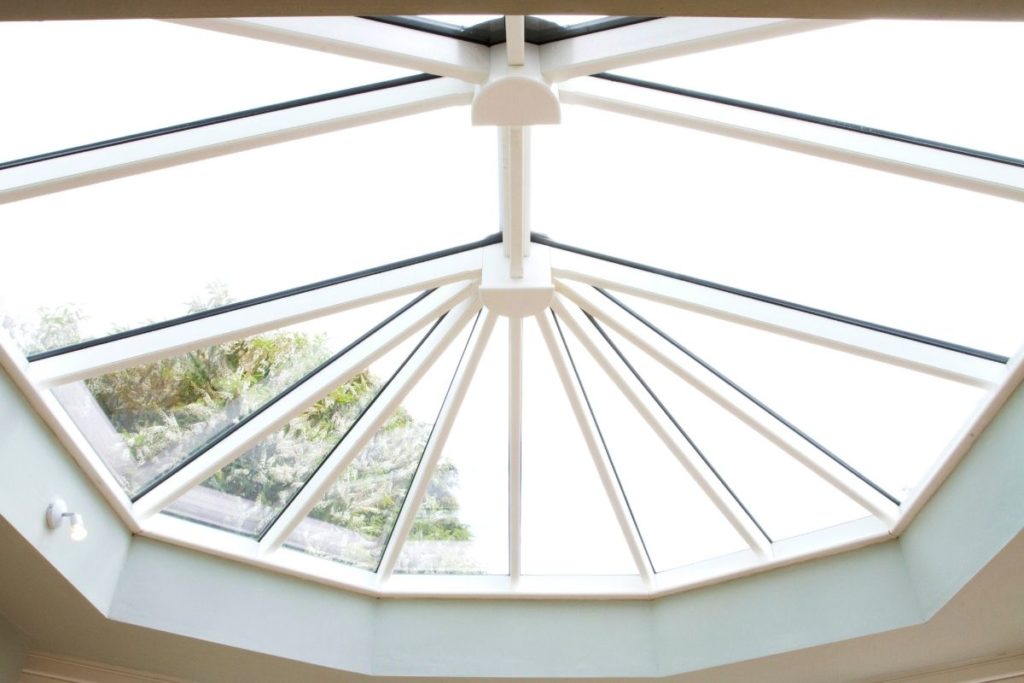
The benefits of a glass roof in orangeries include enhanced natural light, creating a bright and airy atmosphere, as well as improved energy efficiency and aesthetic appeal, seamlessly connecting indoor and outdoor spaces.
How to design an orangery for year-round use?
Designing an orangery for year-round use involves incorporating energy-efficient glazing, effective insulation, and climate control systems. Consider adding heating options and ventilation to maintain comfort in all seasons, ensuring a versatile and enjoyable space.
What accessories enhance the functionality of an orangery?
Accessories that enhance the functionality of an orangery include adjustable blinds for light control, heating solutions for year-round use, ceiling fans for ventilation, and integrated lighting to create ambiance, all contributing to a versatile and comfortable space.
How to choose the right contractor for an orangery?
Choosing the right contractor for an orangery involves researching their experience, reviewing past projects, checking references, and ensuring they understand your vision and requirements for a bespoke design.
What are the zoning regulations for building an orangery?
The zoning regulations for building an orangery involve local planning permissions, which can vary by location. It's essential to check with your local council to ensure compliance with height, size, and design restrictions.
How to incorporate sustainable practices in orangery design?
Incorporating sustainable practices in orangery design involves using eco-friendly materials, maximizing natural light, and integrating energy-efficient systems. Additionally, consider incorporating green roofs and rainwater harvesting to enhance environmental benefits while maintaining aesthetic appeal.
What are the aesthetic benefits of a hexagonal shape?
The aesthetic benefits of a hexagonal shape include its unique and eye-catching design, which adds visual interest and elegance to any space. This geometry creates a harmonious flow, enhancing the overall appeal of an orangery extension.